Saturday, 13 June 2026
After a couple of days of cloud and rain, we were back to near perfect weather today. The sky has been blue and the sun has been shining. Ross and Sharon picked us up in their MU-X today and we drove back up the coast a little bit (24 Ks) to take the road out to Quobba. The road was sealed but after two days of rain, there was water over the road which had to be negotiated.
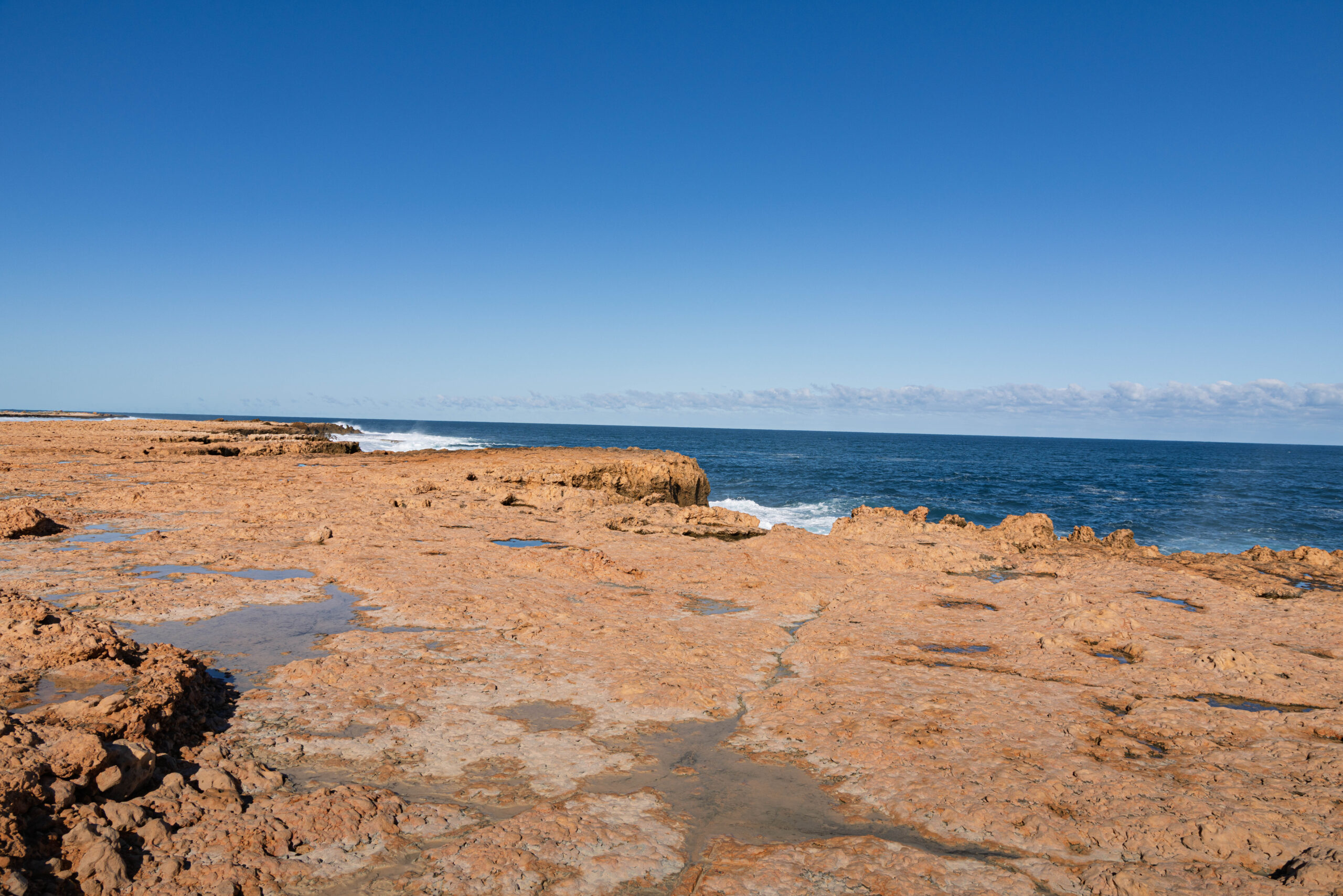
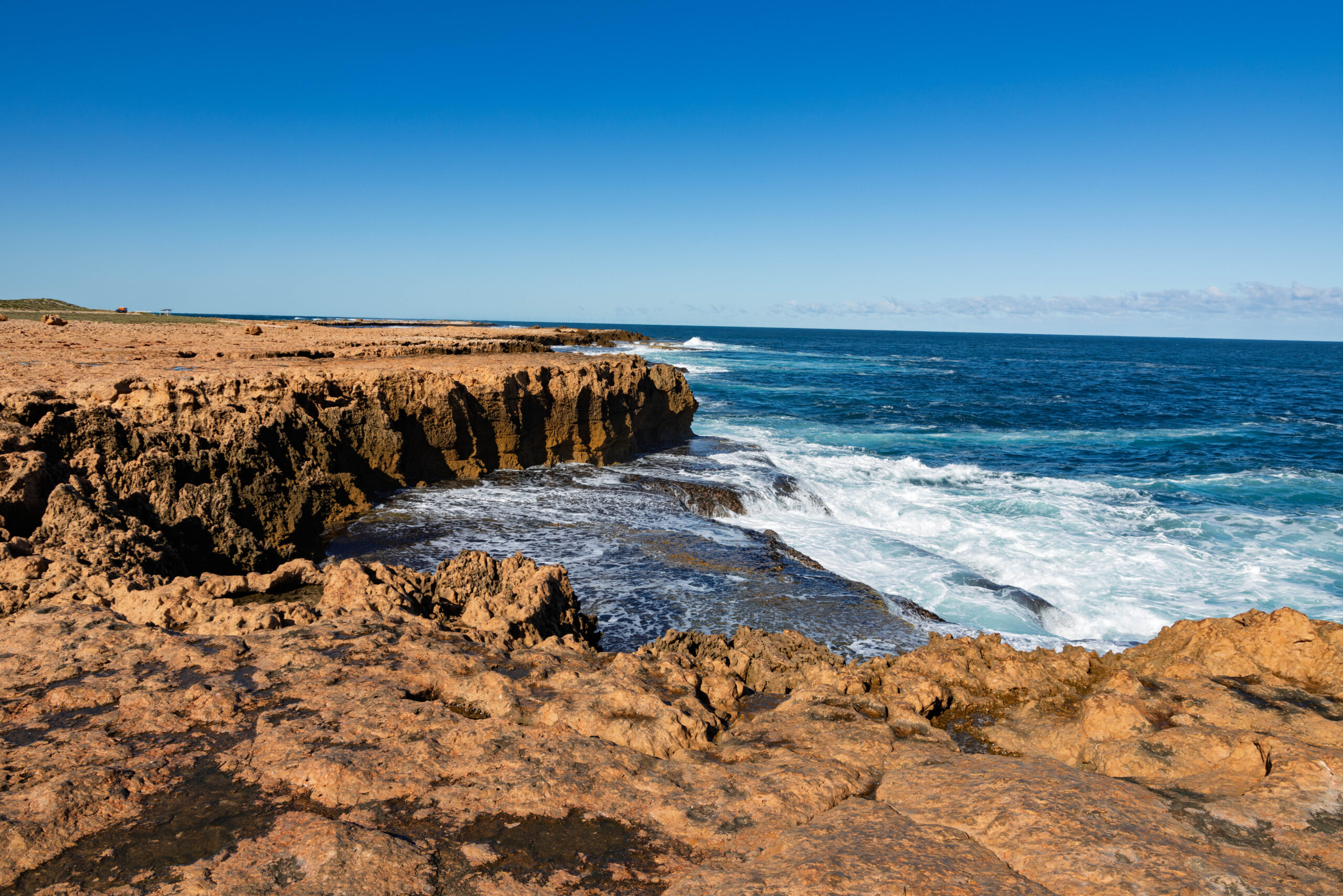
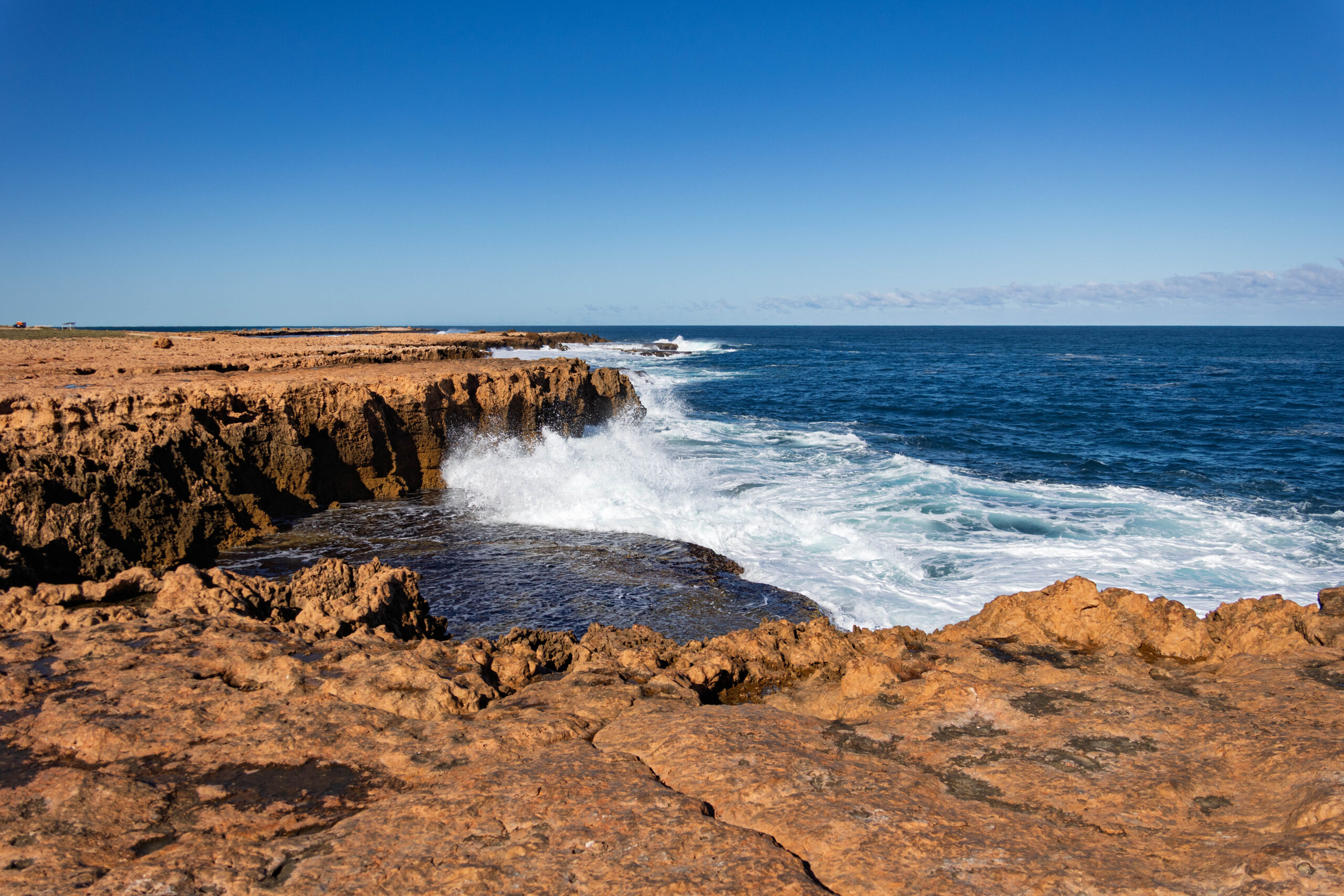
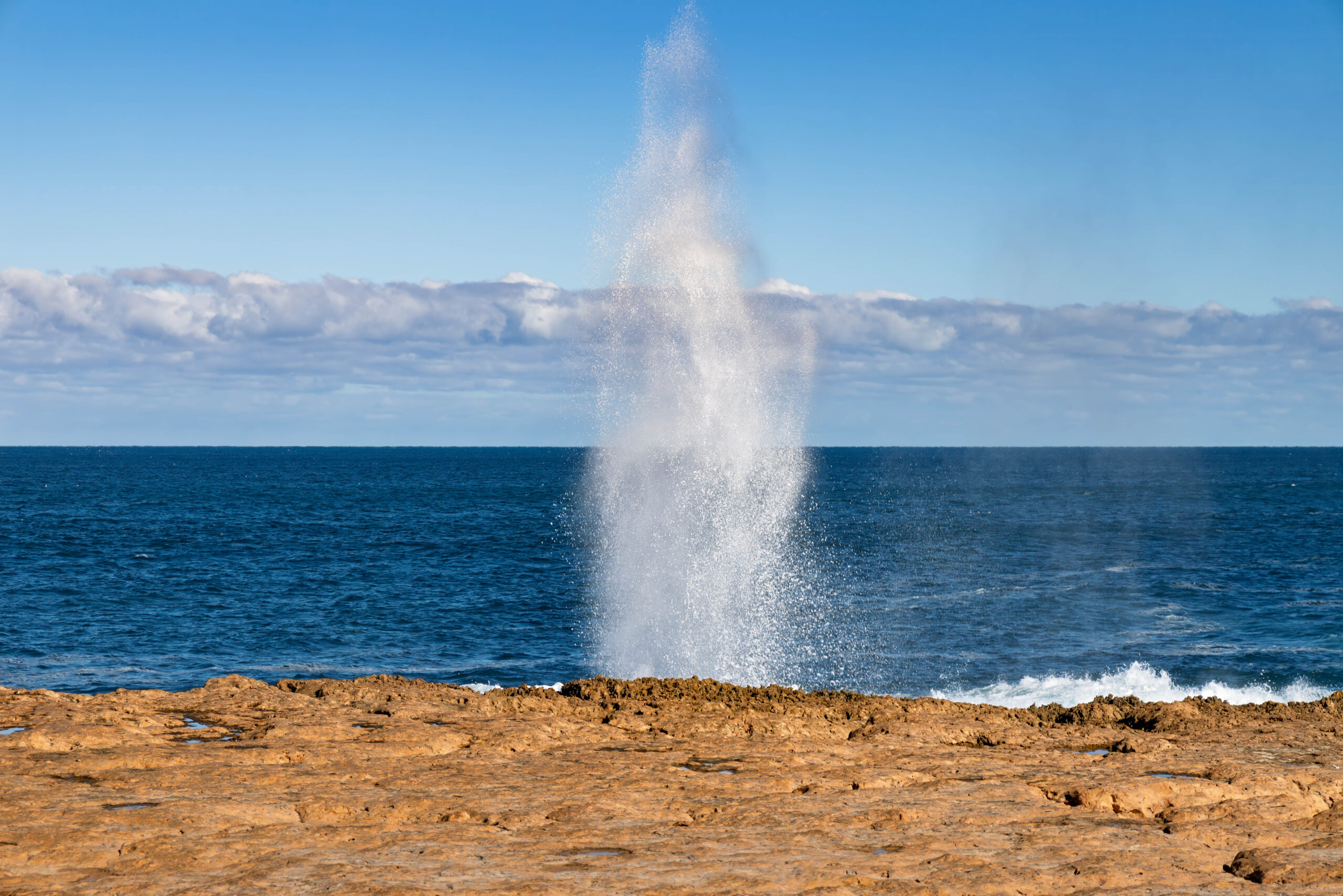
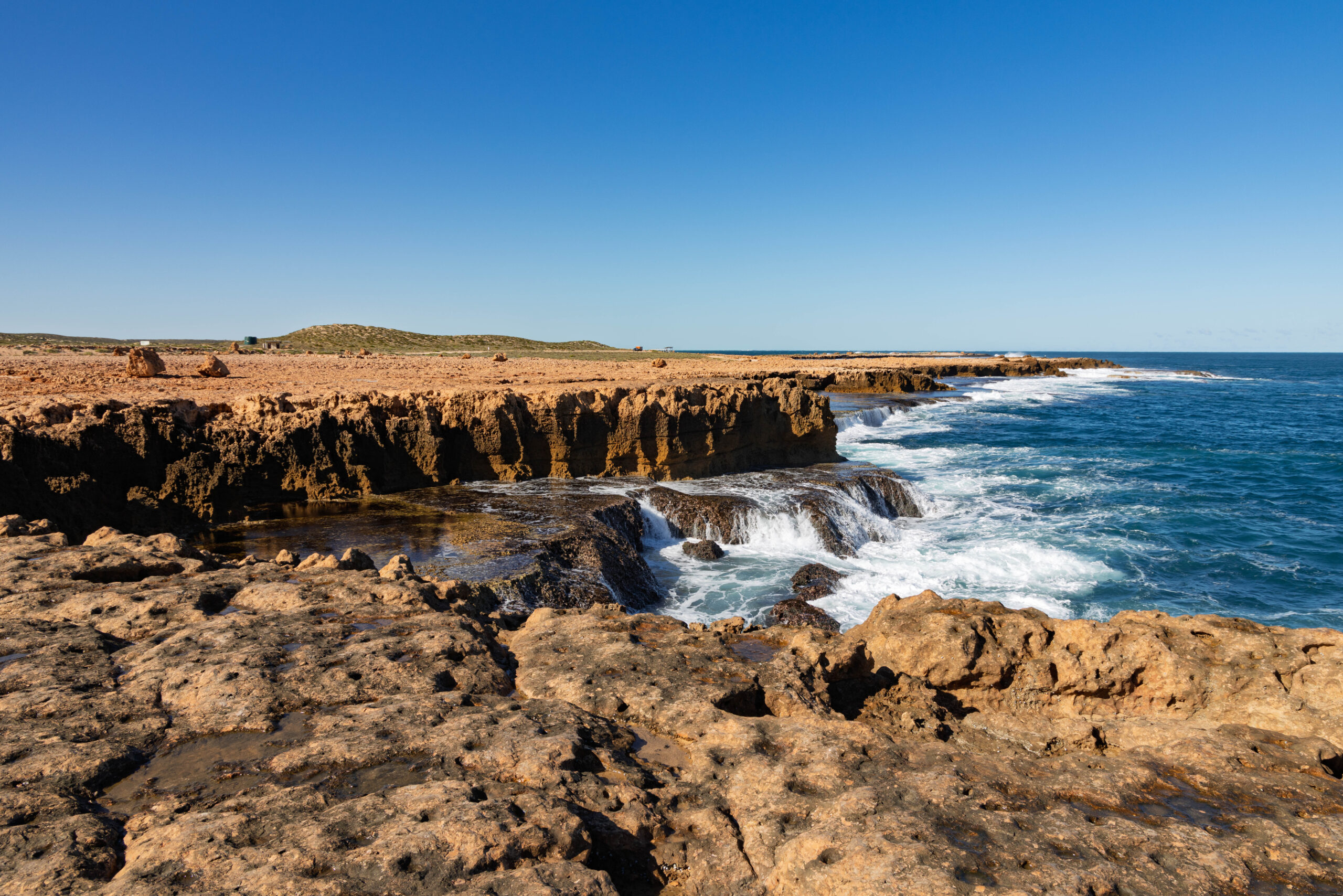
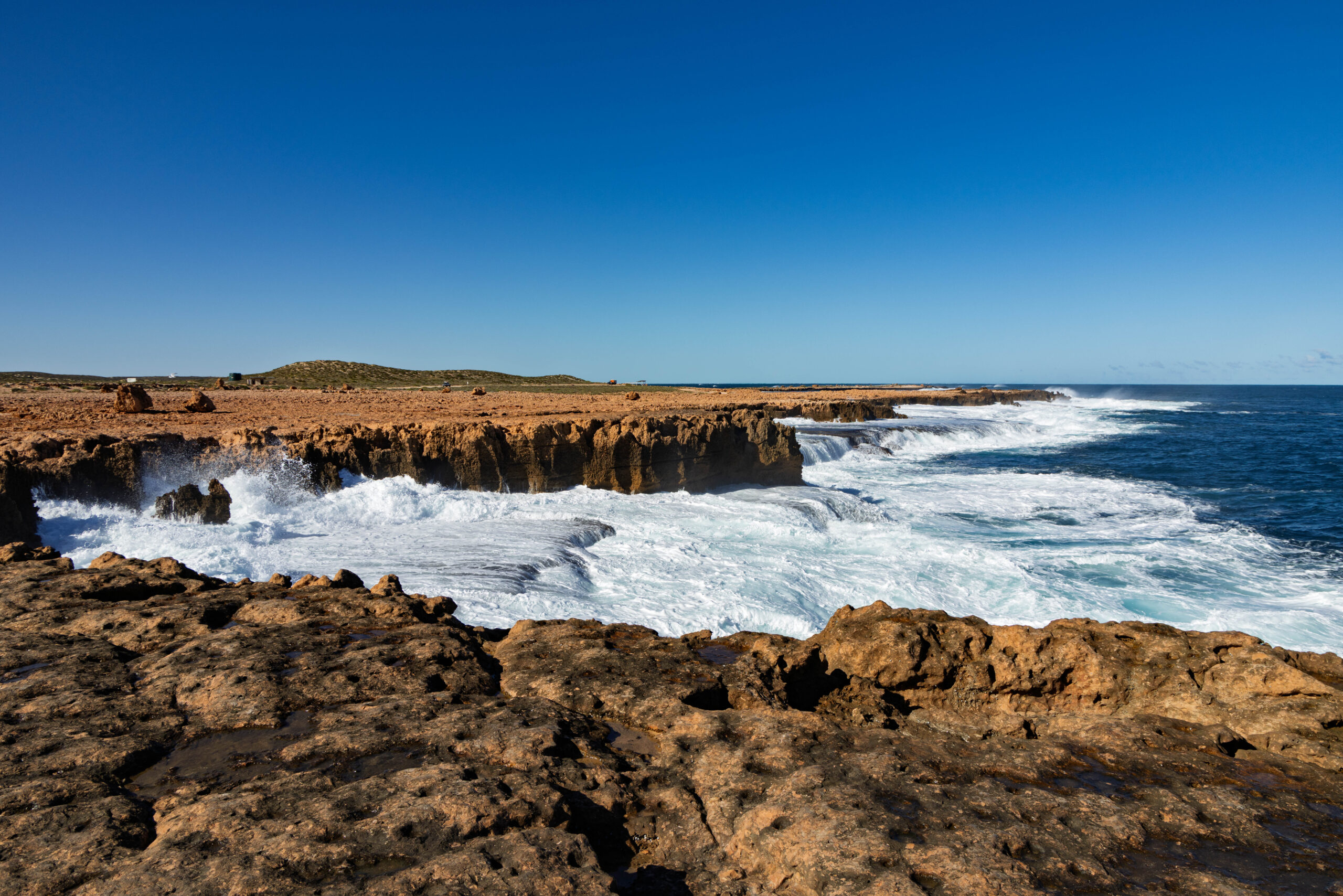
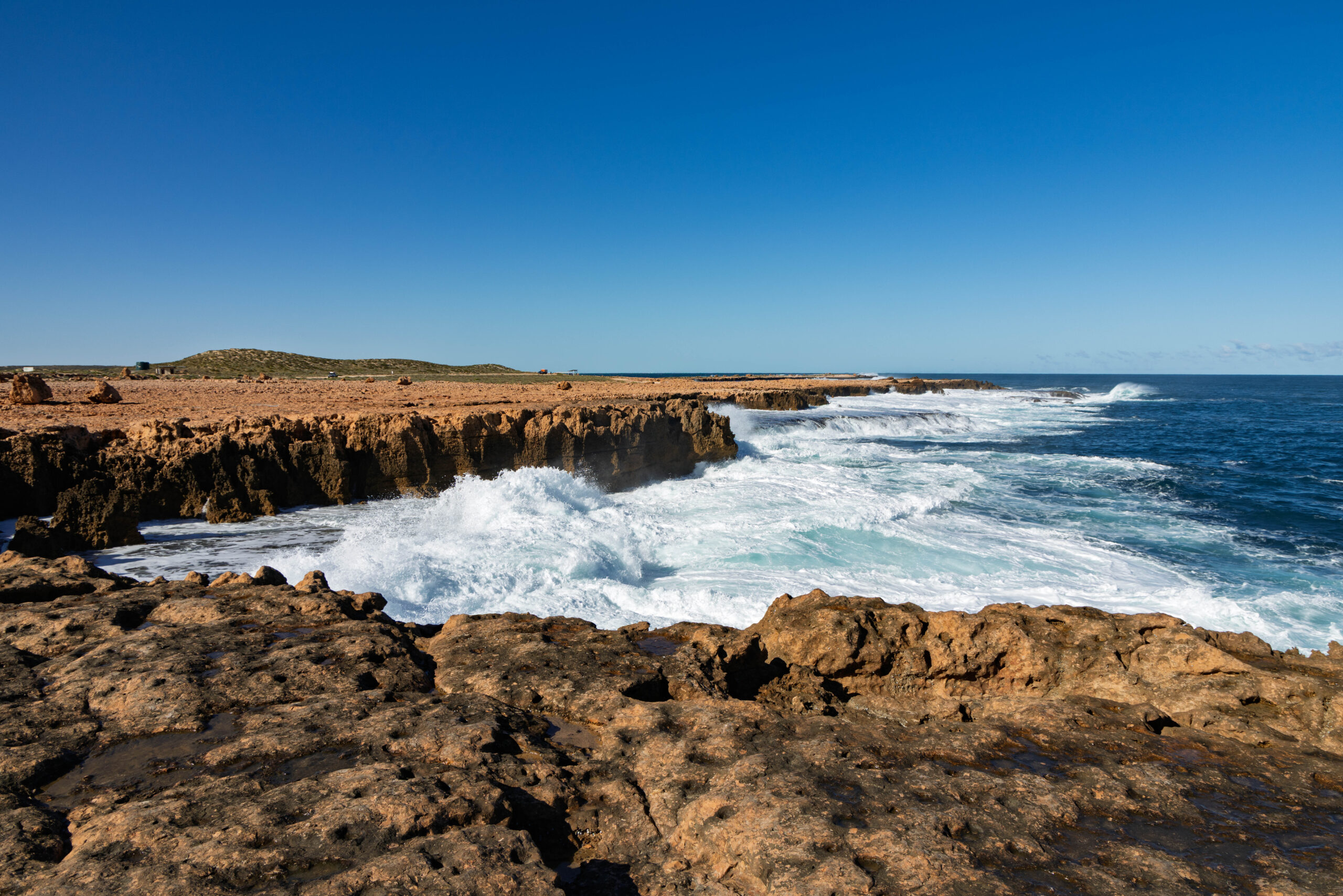
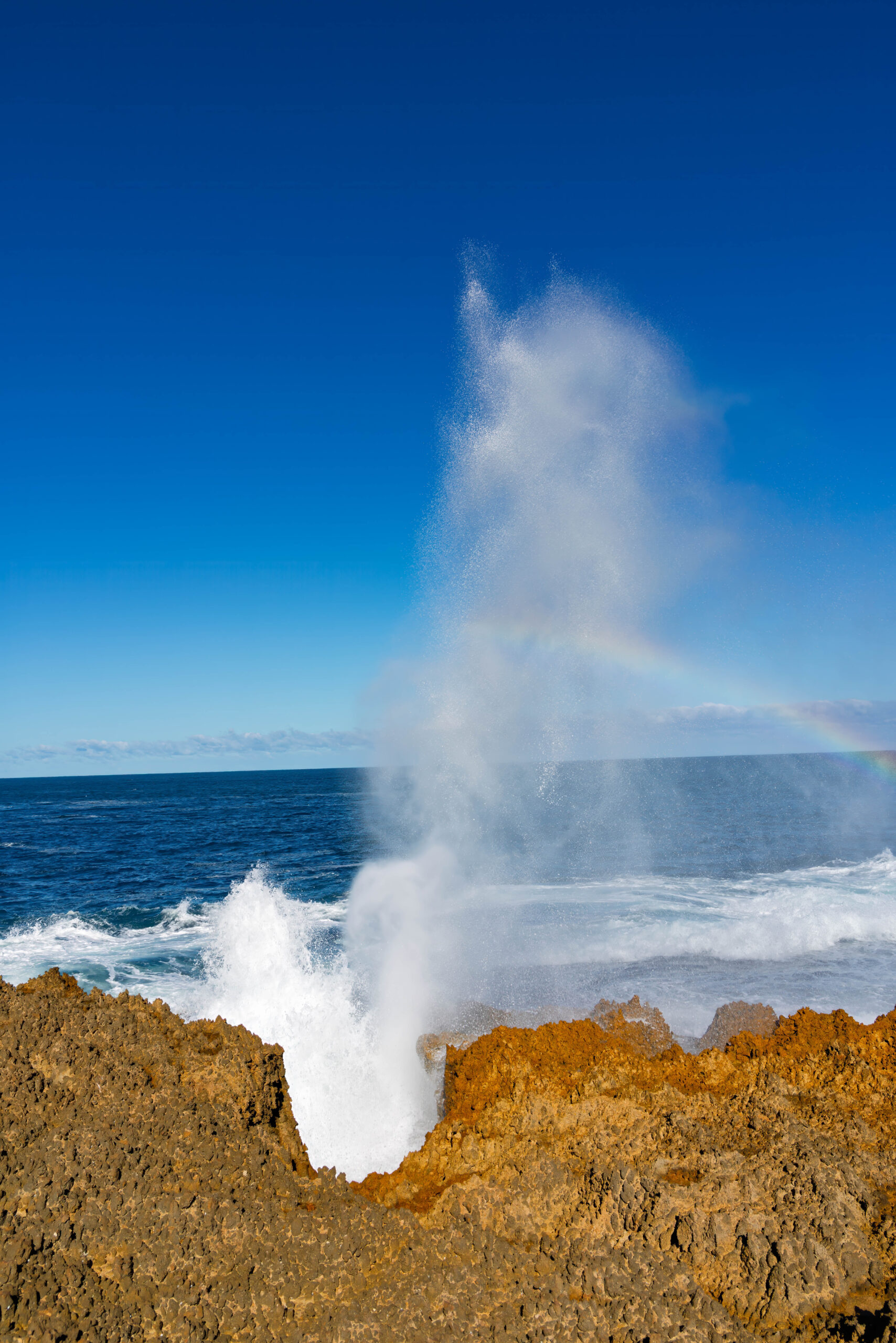
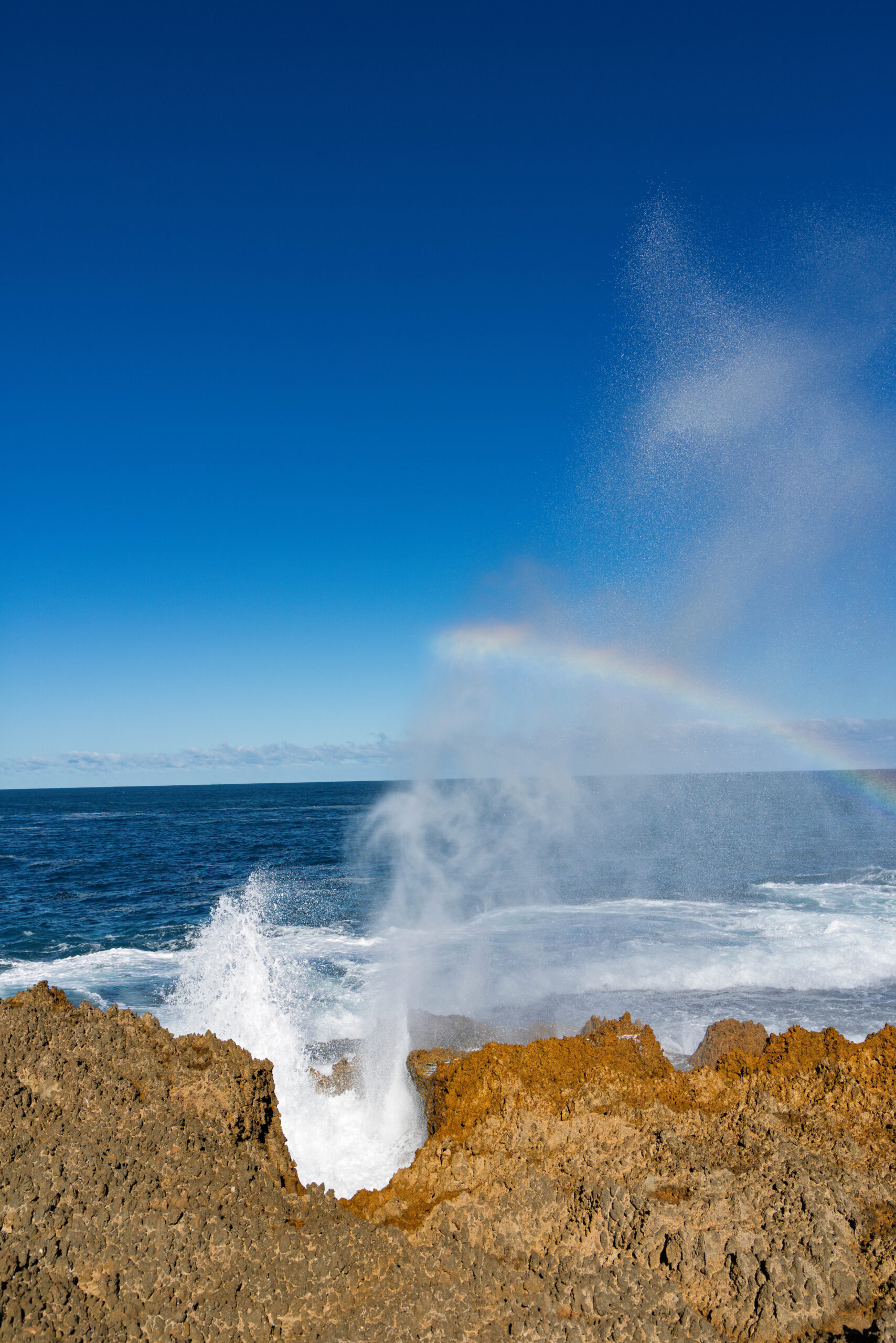
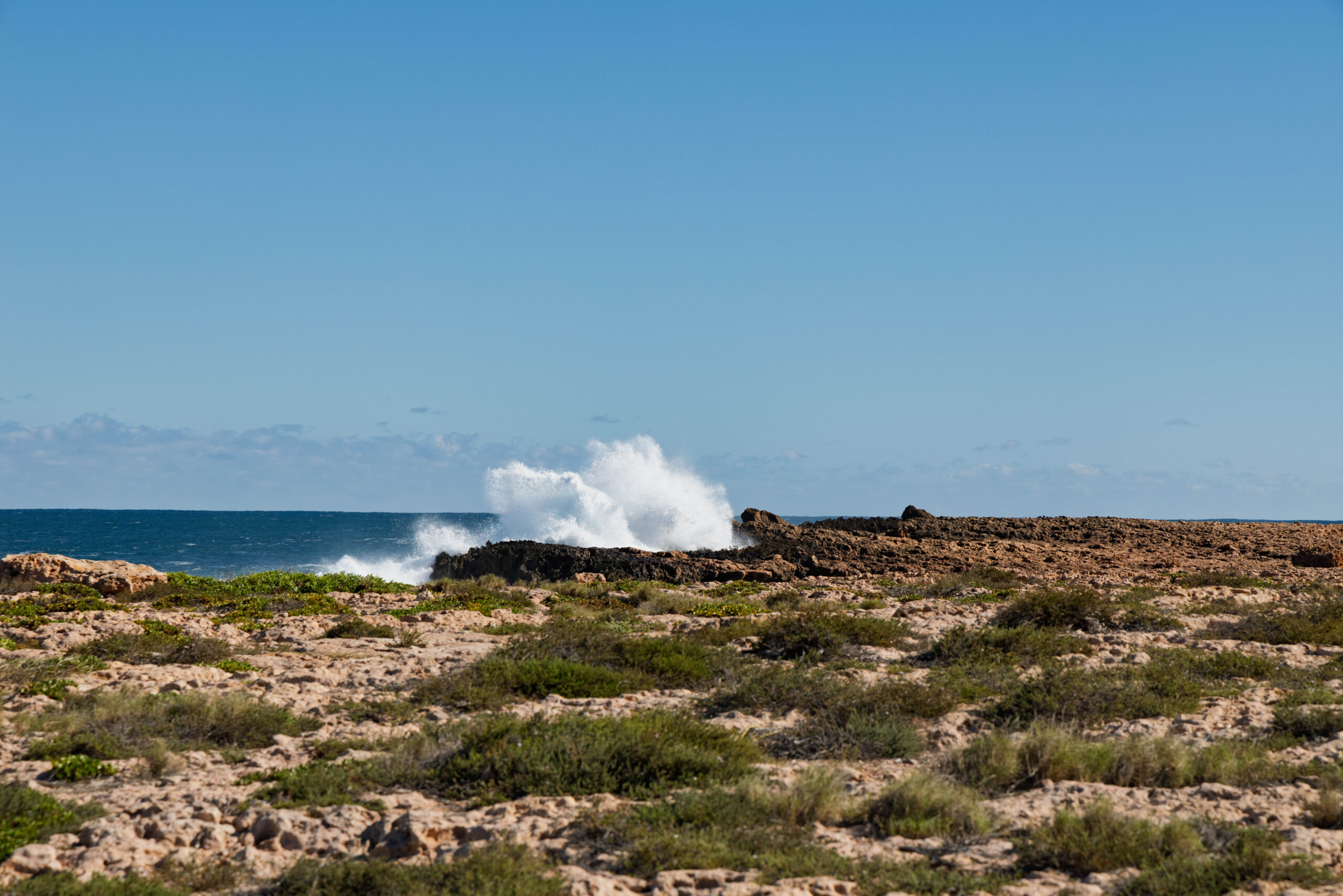
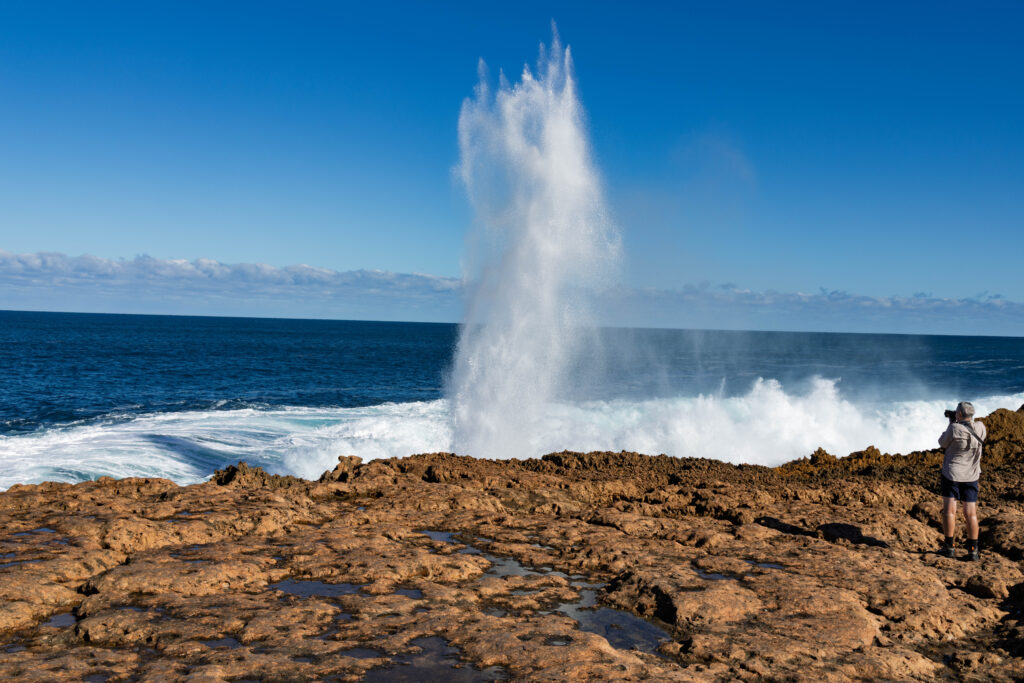
At the coast we came to a T-intersection, with the Quobba Blowholes to the left and the road to Quobba Station to the right. We turned left and pulled into a car park opposite the blowholes. Ross and Sharon had been told yesterday, at the Carnarvon Visitor Centre, that the best time to visit the blowholes is on the outgoing tide. We looked up the tide times last night and had found that it would be best to visit this morning. It seemed that we had timed it right as the blowholes were pumping out impressive spumes of water. We spent quite some time watching the power of the ocean producing these great jets of water. It was quite mesmerizing watching the ocean, the waves breaking along the rugged coast and the blowholes.
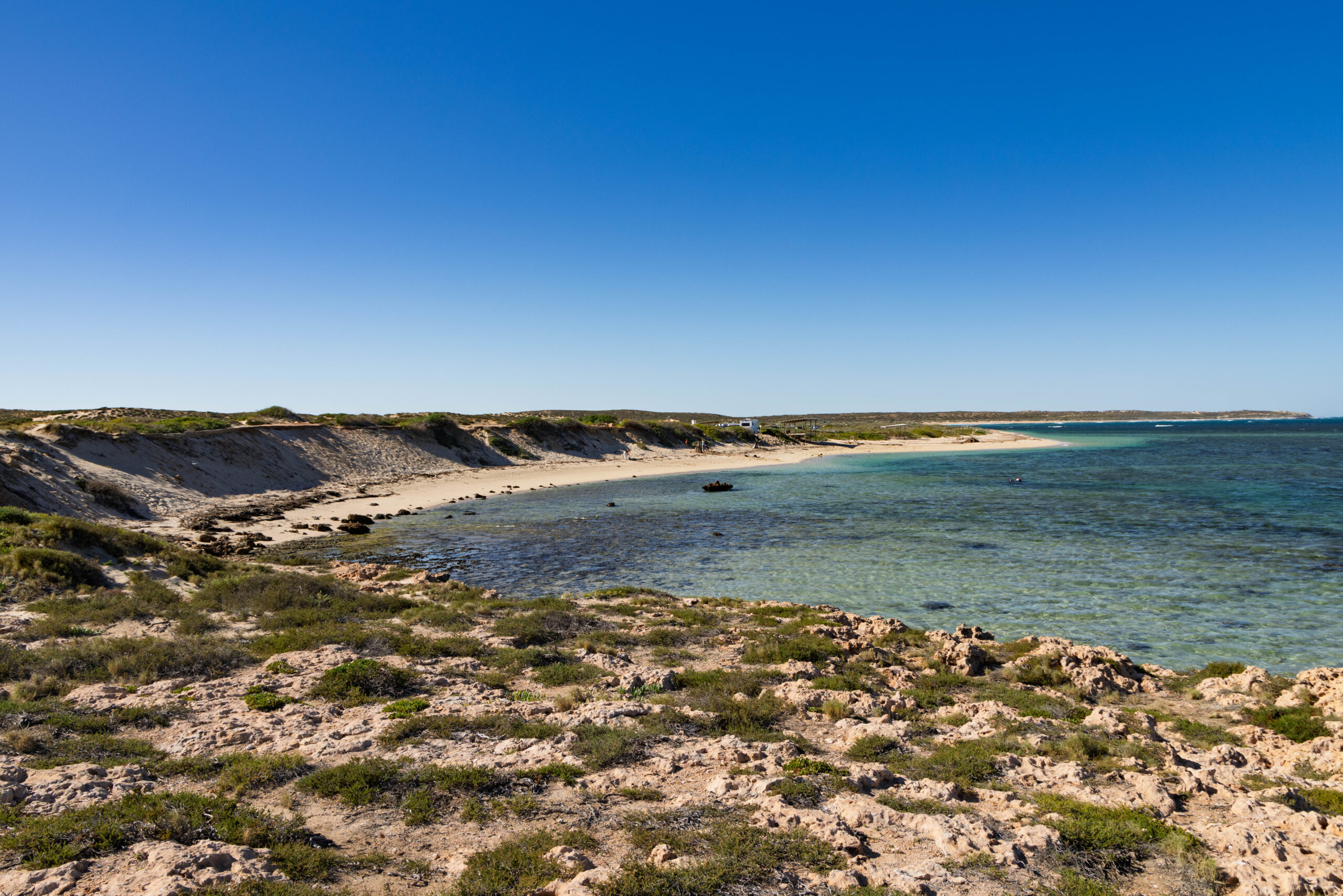
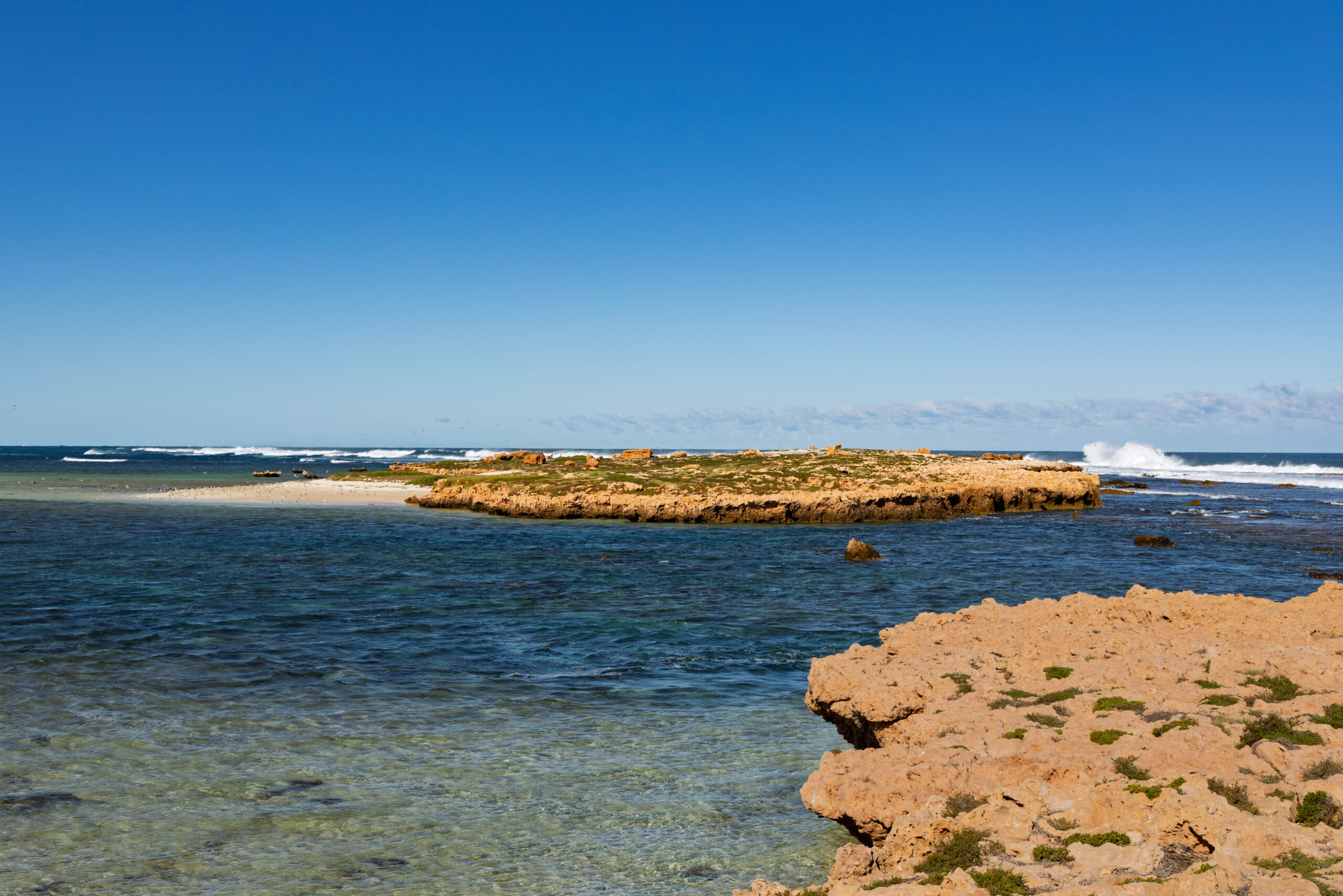
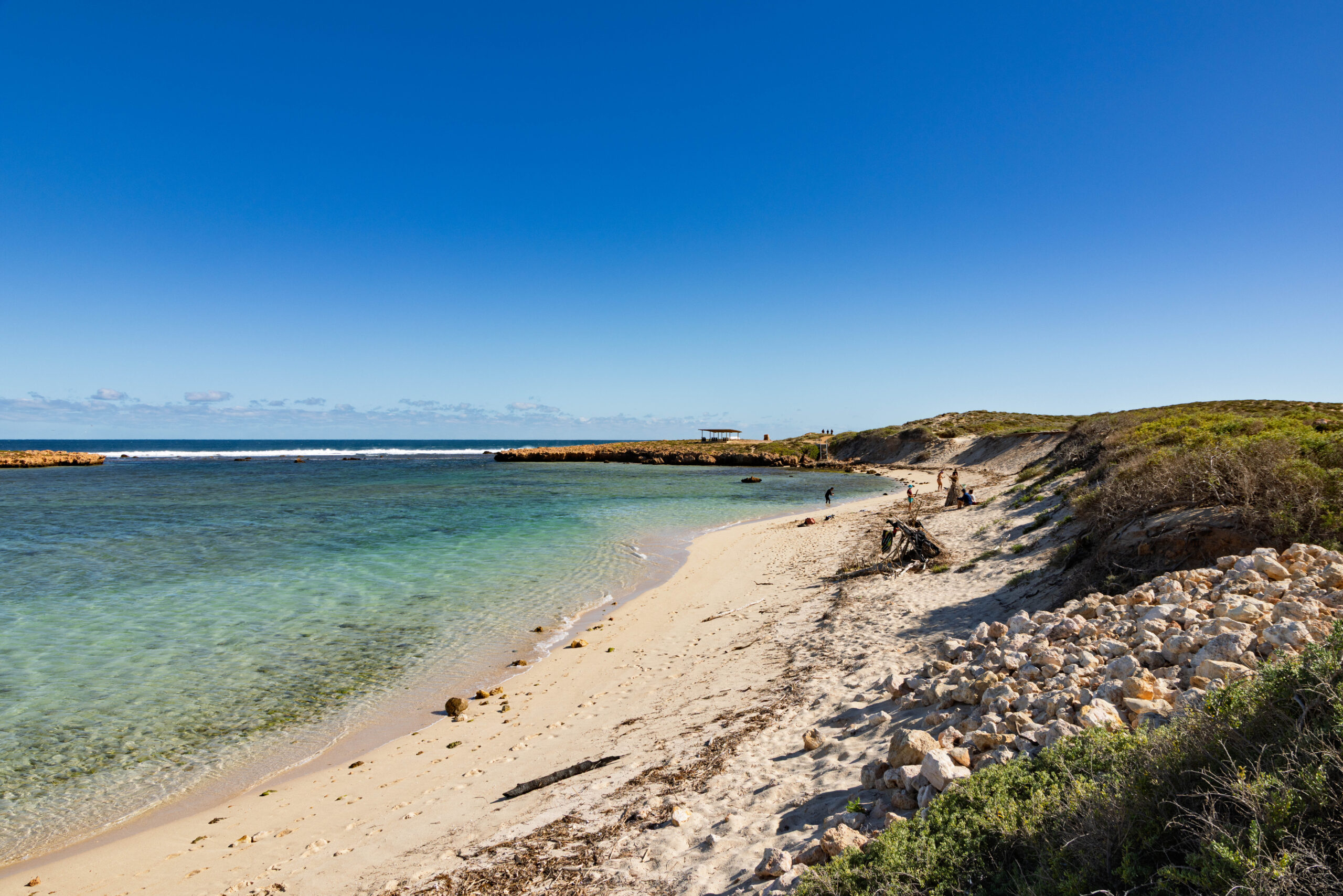
From the blowholes we drove along to The Aquarium and the Quobba Camping Area. The Aquarium is a protected lagoon formed by a small, rocky island sitting just off the coast, and is another popular spot for snorkelling. Here at Quobba we were just outside of the very southernmost end of the Ningaloo Marine Park and at the northernmost point of Shark Bay. It is a transitional zone between the temperate waters of the south coast and the tropical waters of the north. It features a diverse range of fish and other marine plants and animals. We took a quiet drive through the campground, so Ross and Sharon could scout it out for a possible future holiday.
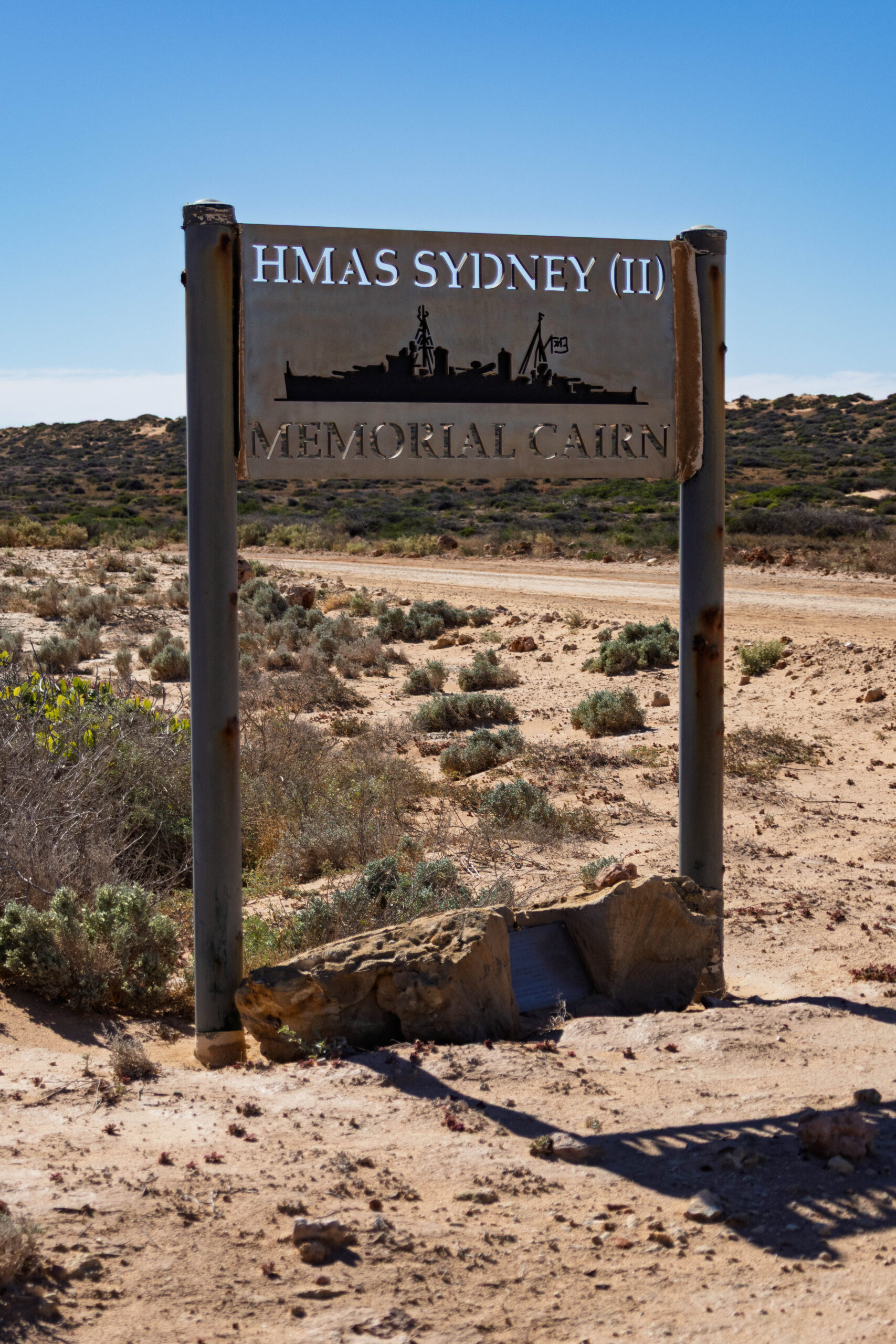
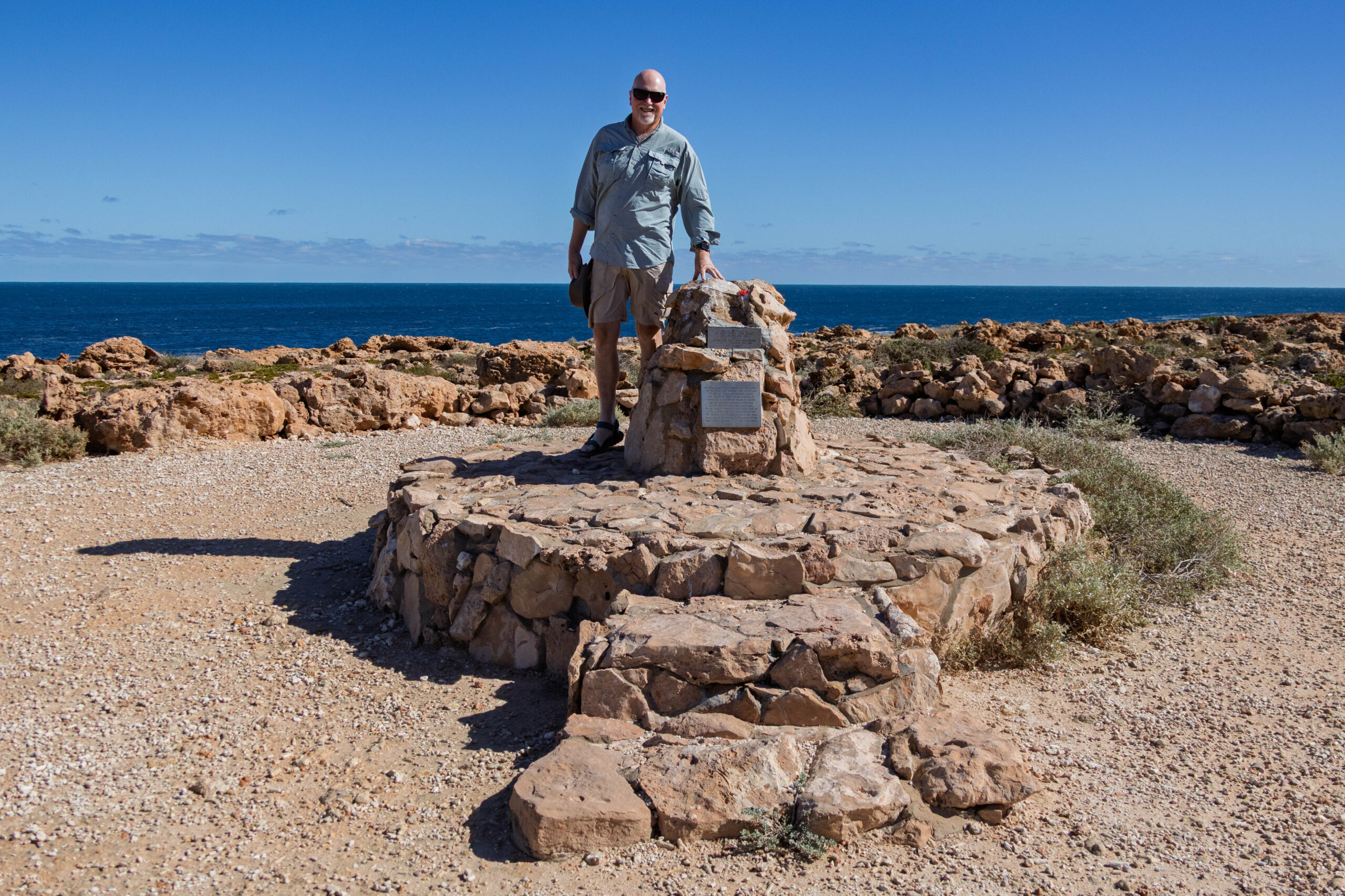
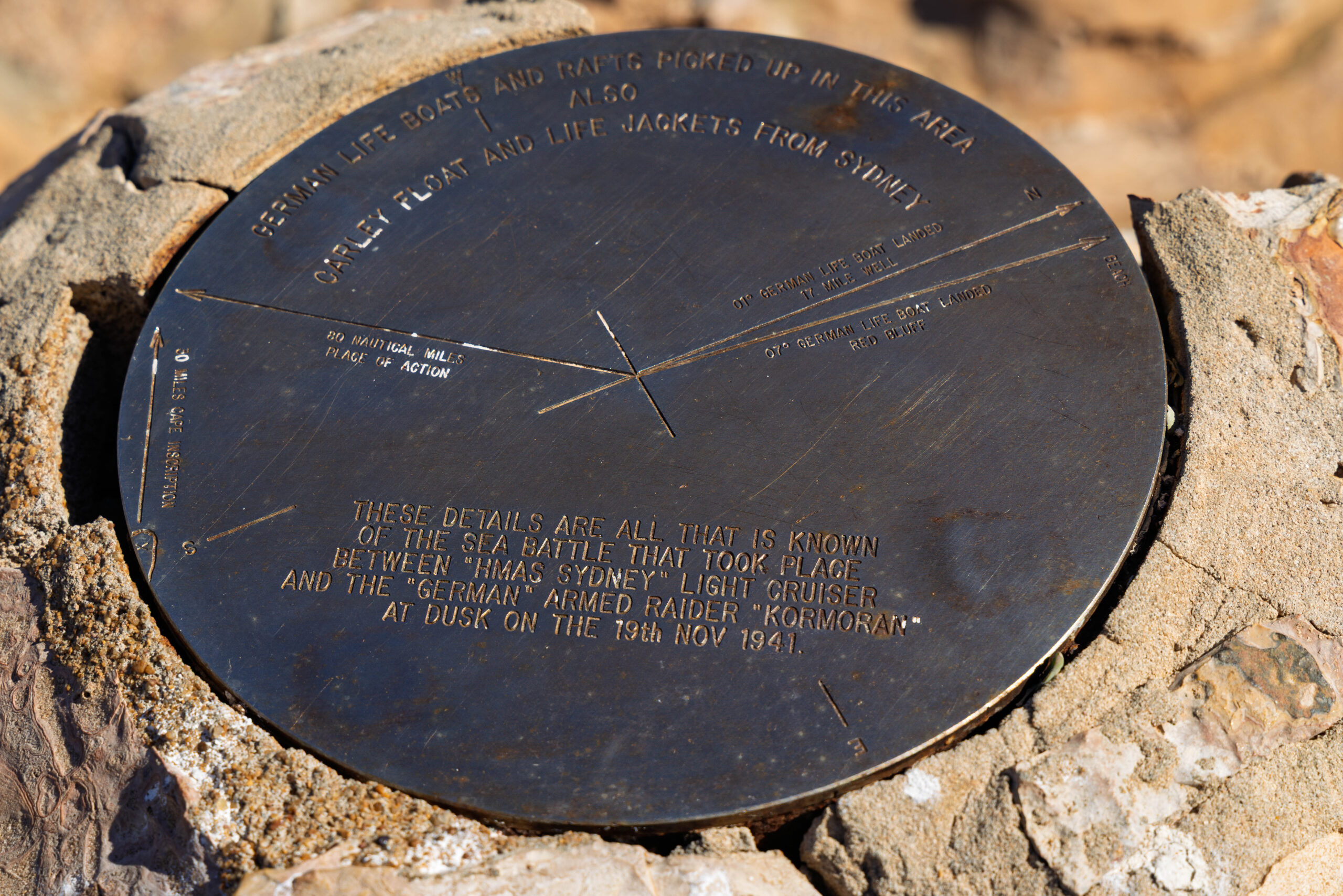
Next we drove northwards towards Quobba Station on a very corrugated dirt road. We turned out to visit the HMAS Sydney II Quobba Station Memorial Cairn at 17 Mile Beach. The monument marks the rugged coastline where 318 German sailors from the Kormoran managed to scramble ashore before being captured and held at the Carnarvon Jail. Unfortunately, there was not a single survivor from the HMAS Sydney II following the engagement with the German ship. The cairn is of significance to Bernie’s family, with his Great-Uncle being one of the seamen lost in this wartime tragedy that occurred on the 19th of November 1941.
Arriving at Quobba Station, Ross headed off to the Office to find out a bit more about the caravan sites at the station. Armed with a site map, Ross returned and we continued on our way. All of us were of the opinion that the campground near the blowholes was much prettier and, with it being very near the end of the sealed road, much more accessible. There was not much at Quobba Station to make it worth the extra 11 kilometres on a very rough road.
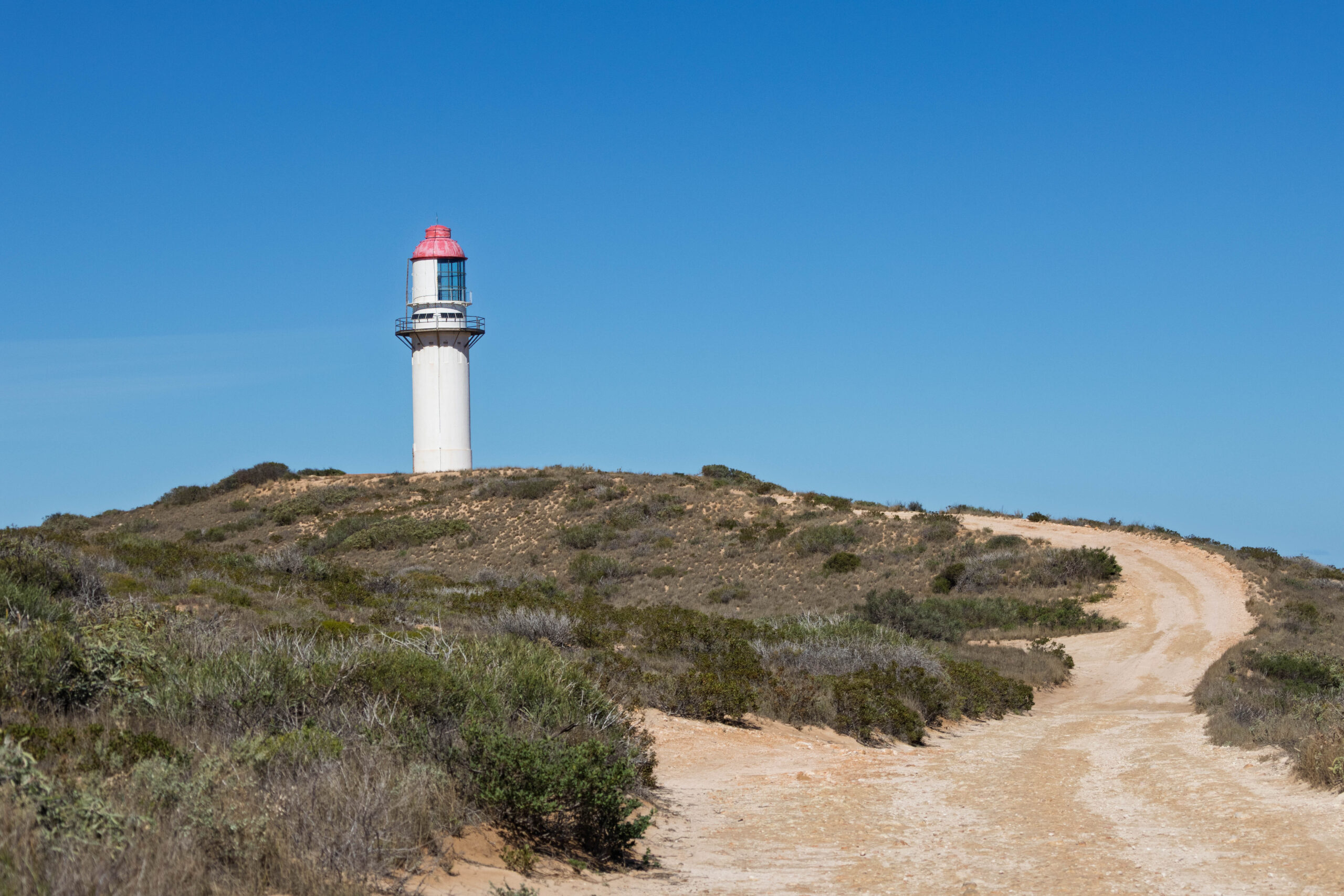
As we started the drive back to Carnarvon, we stopped at the access track to the Quobba Point Lighthouse. The track looked pretty gnarly, so Bernie and I said we would walk up it to photograph the lighthouse. We couldn’t leave without a picture of the lighthouse! And, when we started walking the track, it didn’t look that bad after all. A good bit of exercise for us to walk it though.
Back in Carnarvon we just made it to the Gascoye Bakery Café before it closed at 1.00pm. I think we literally walked in the door at 12.59pm. Even though the bakery was about to close, it still had plenty of food to choose from. They even had pies left in the warmer, but we had pies for lunch yesterday, so opted for salad rolls today.
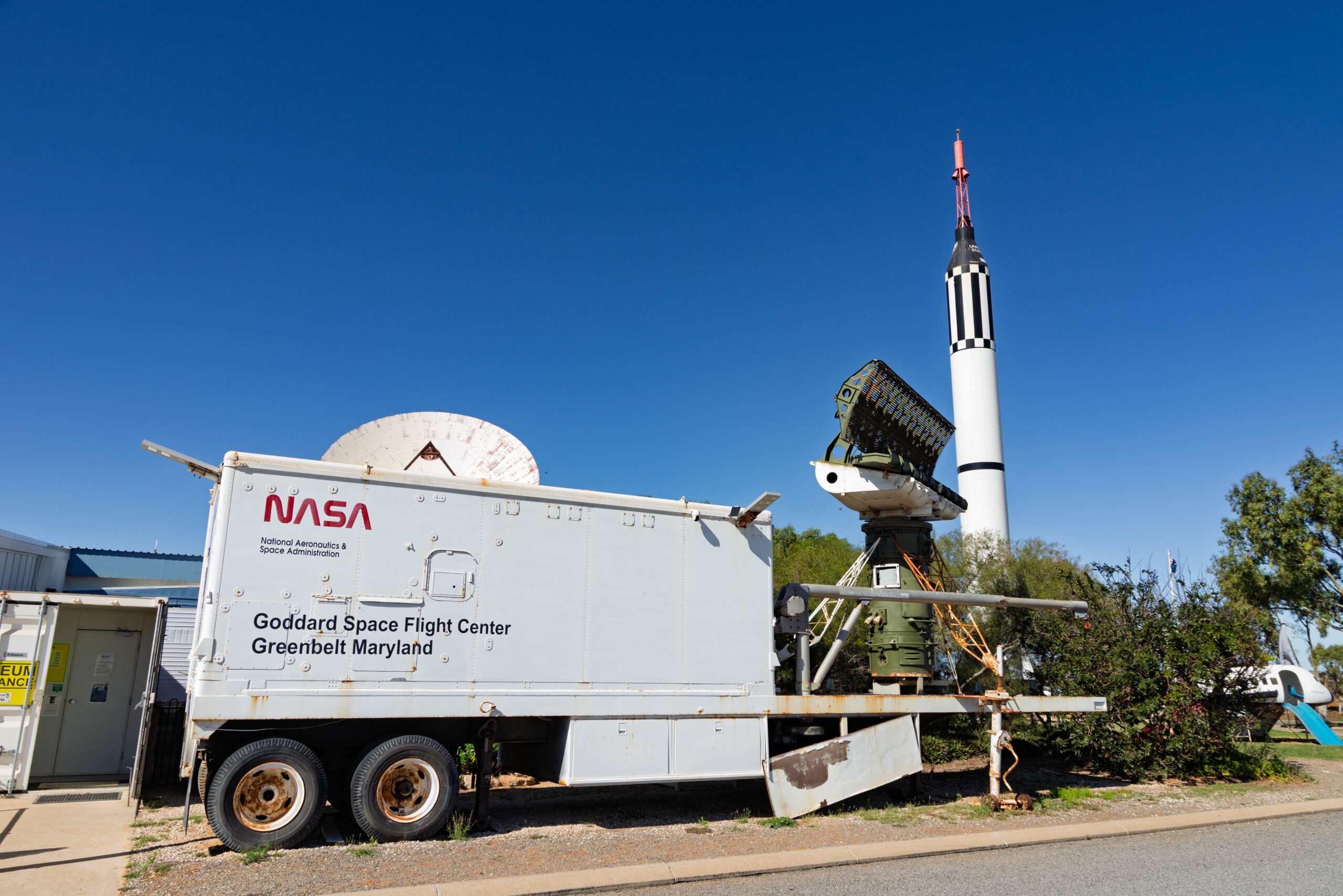
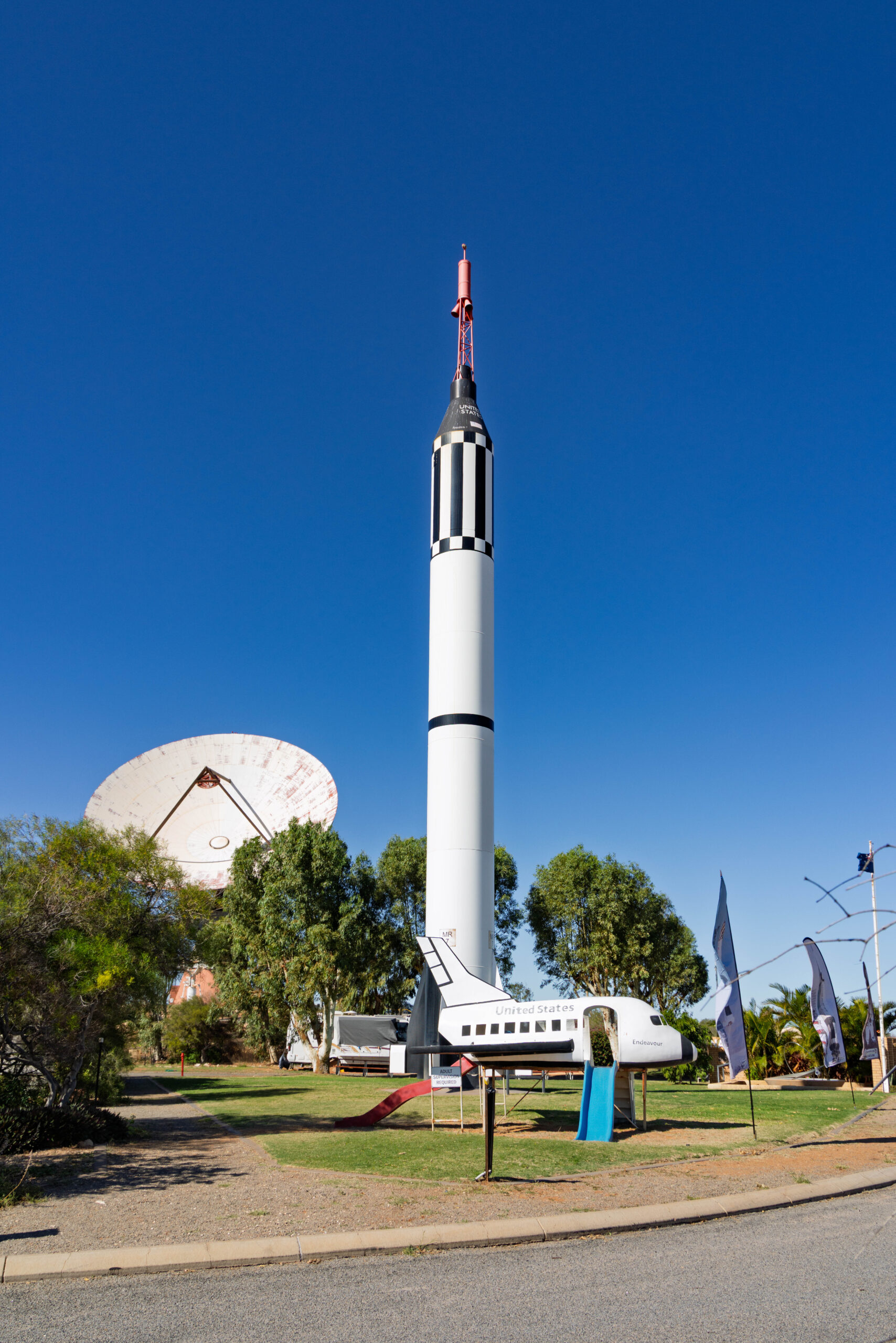
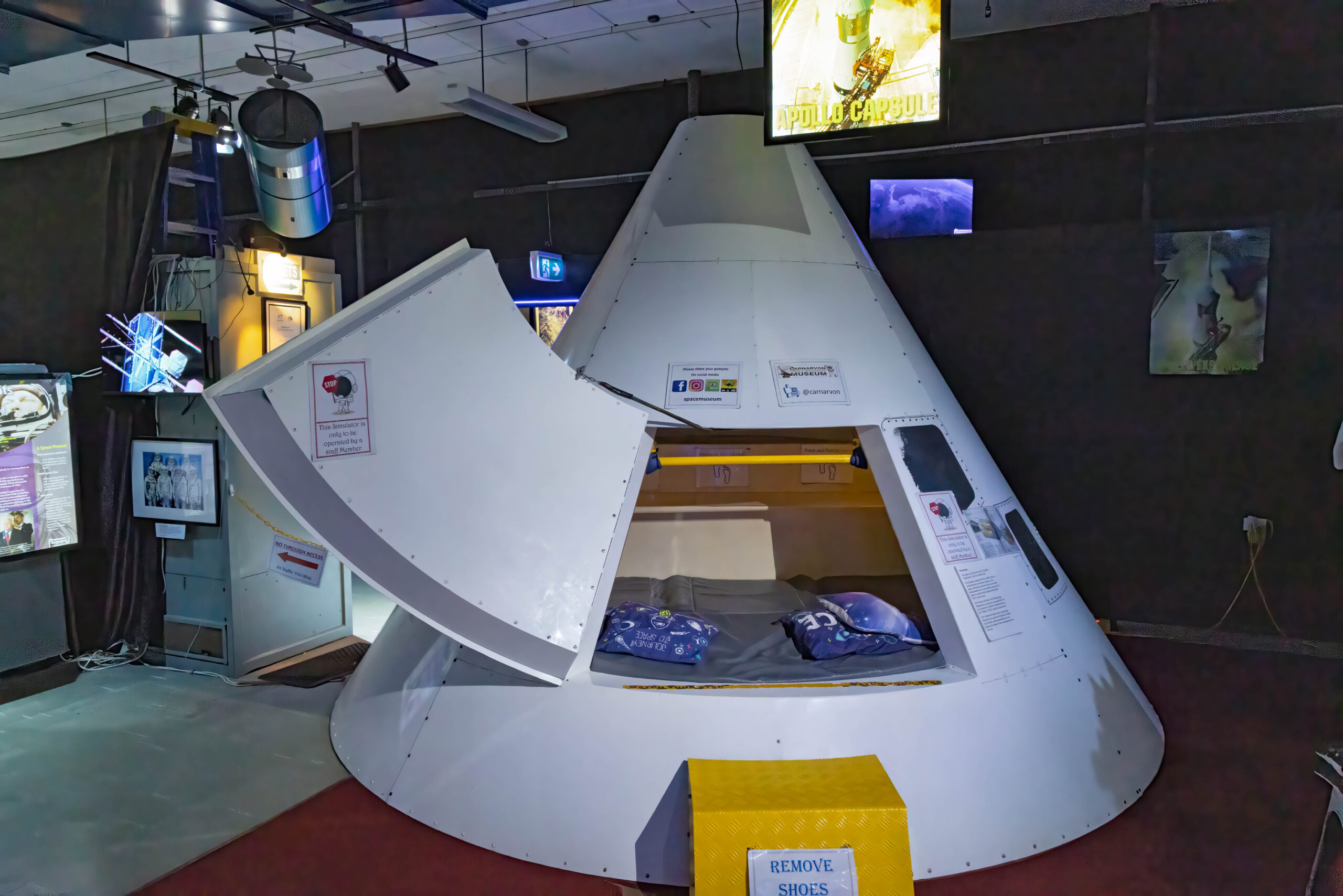
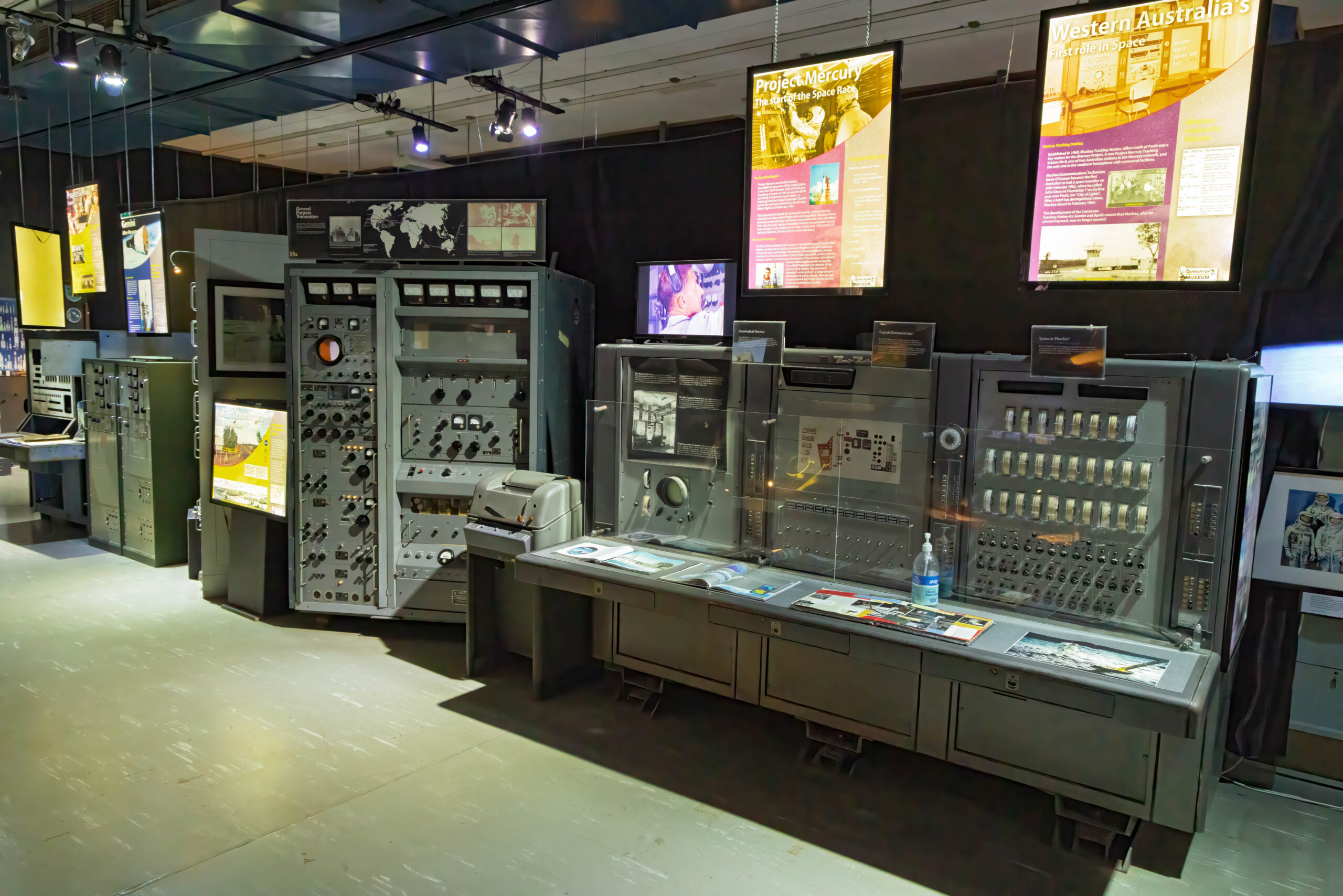
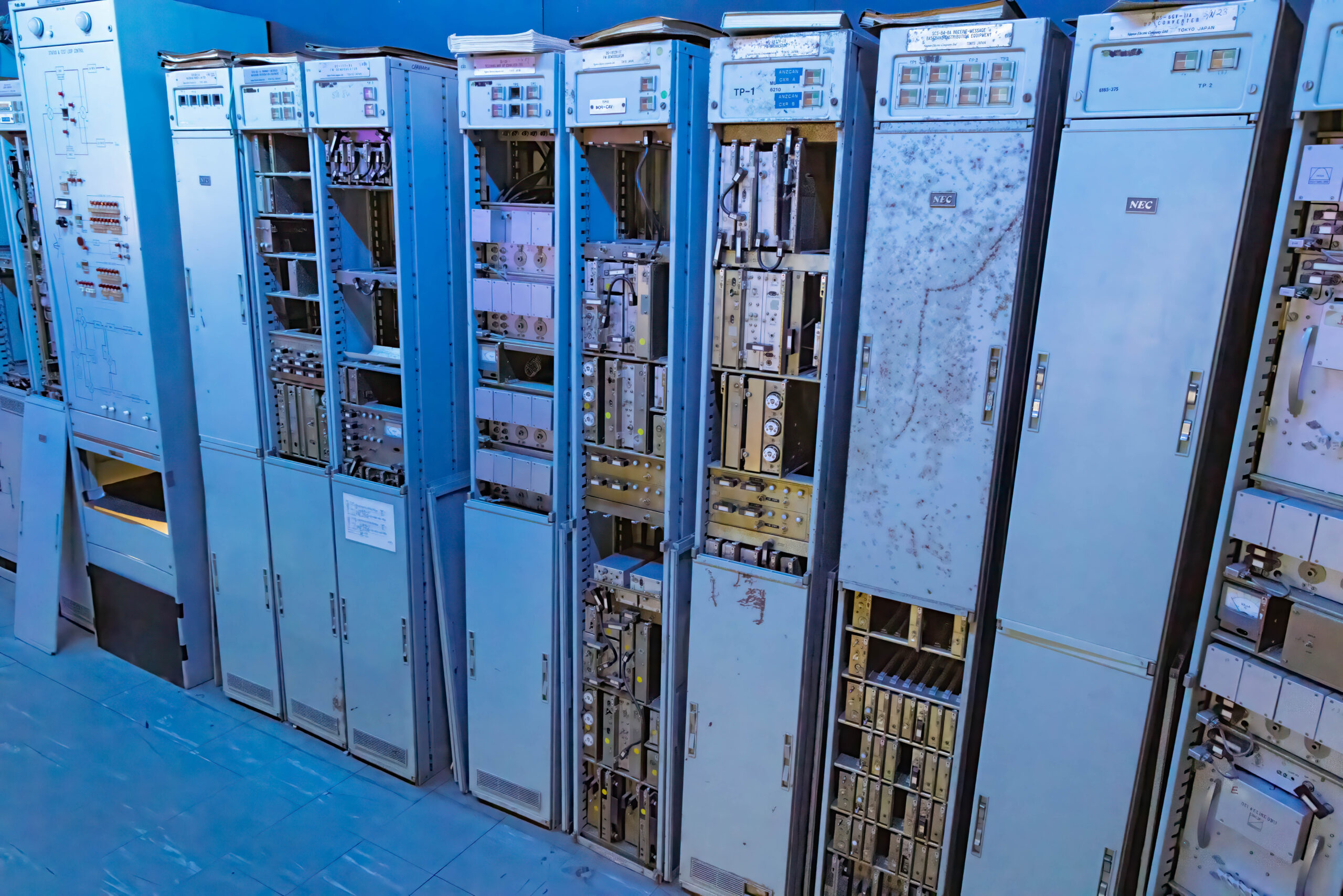
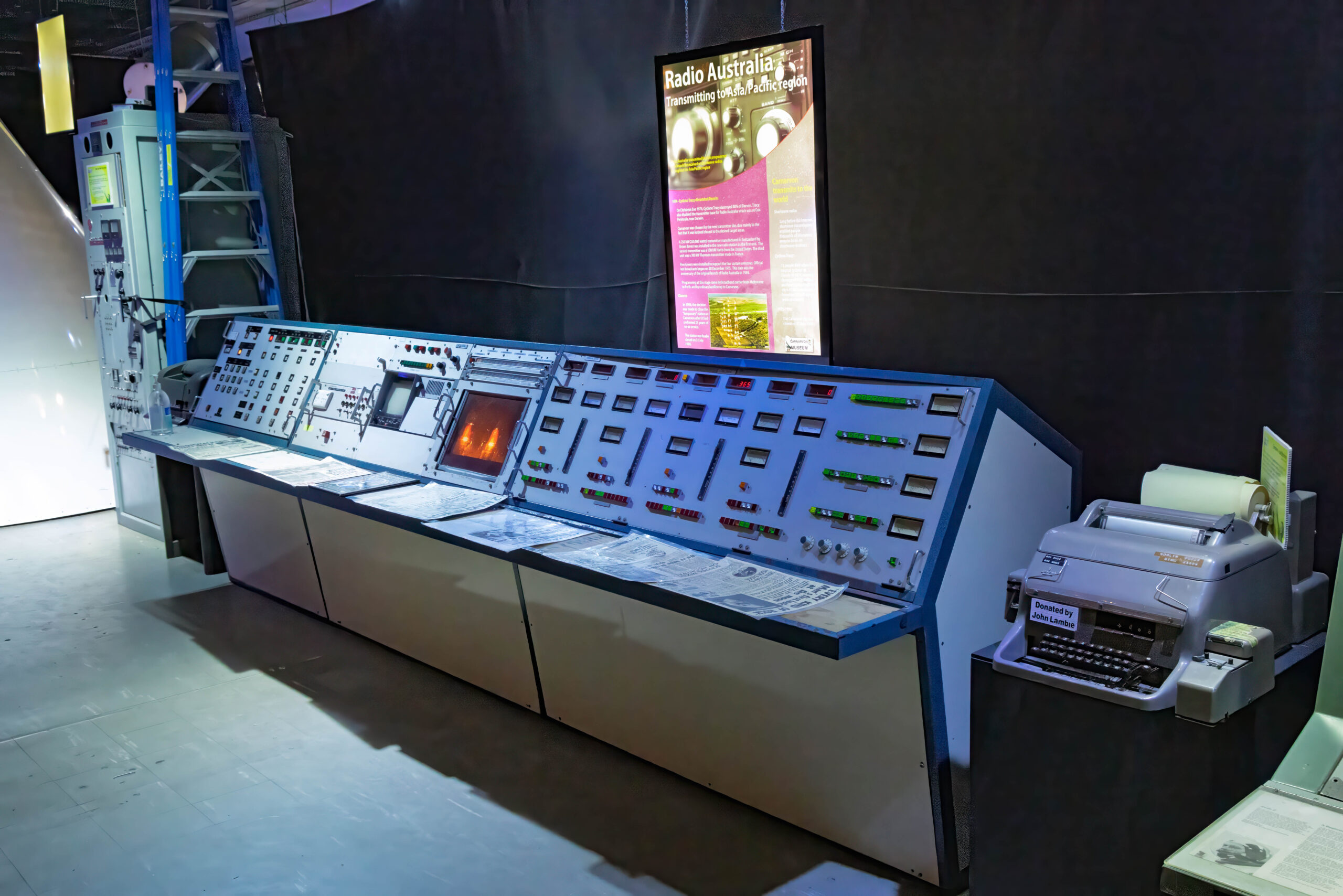
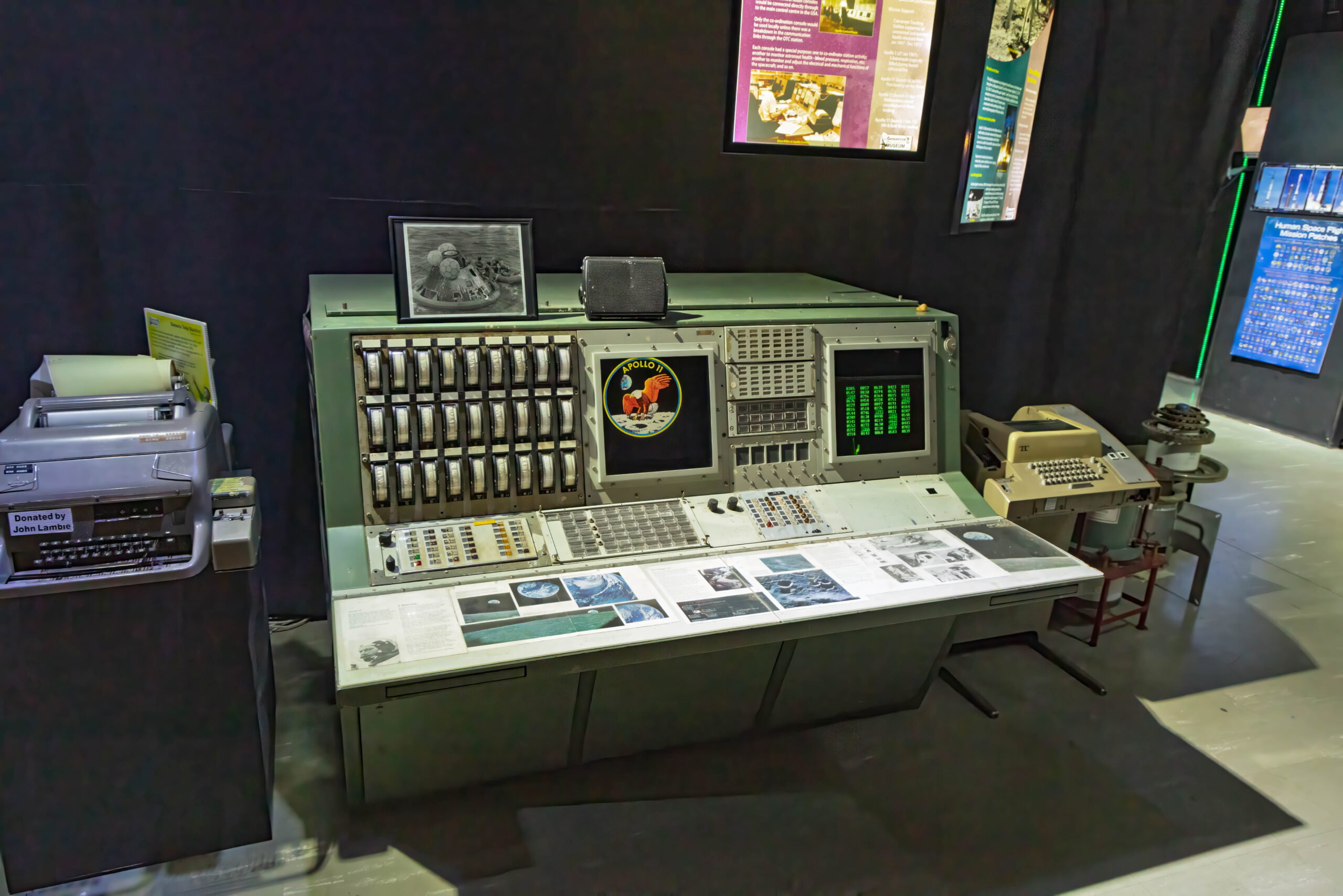
After lunch we headed to the Carnarvon Space and Technology Museum. The museum celebrates the little known history of the role Carnarvon played in the manned space program and in the Australian communication industry. The museum has information about the Carnarvon Tracking Station that was located 10 kilometres south of Carnarvon. It was built to support NASA’s Mercury, Gemini and Apollo Programs and Skylab. It was commissioned in 1964 and operated for 11 years. It was the last station to communicate with the space capsules leaving the earth orbit, and the last to make contact before splashdown in the Pacific Ocean. At the height of its operations it had a staff of 220 people.
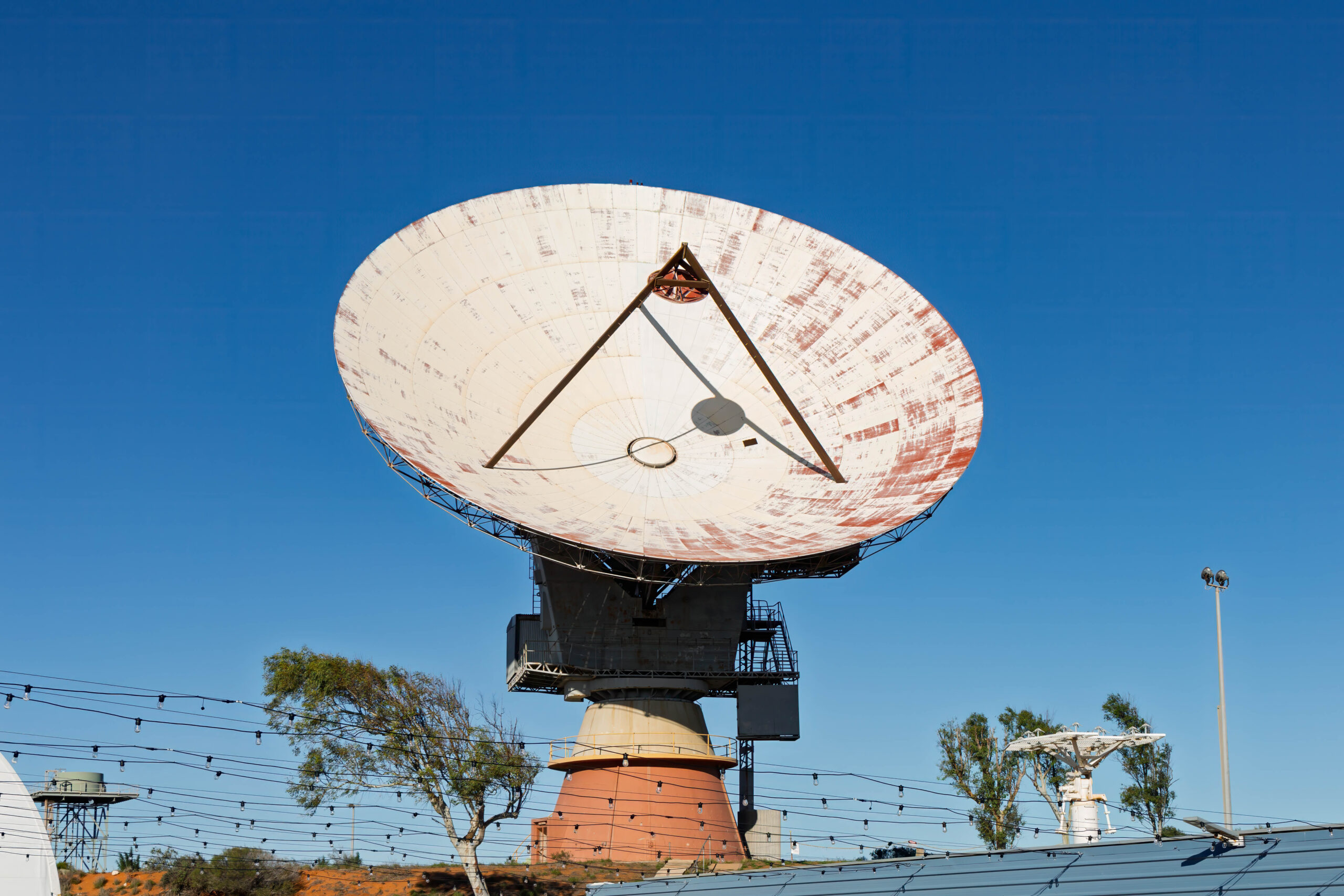
The OTC Satellite Earth Station (and now the museum site) is situated at the northern end of Browns Range, about six kilometres from the centre of Carnarvon, and four kilometres north of the Tracking Station. It was opened in 1966, initially with the 12.8 metre wide Casshorn antenna as part of the global satellite communications system. Rather than a dish, this antenna was in a ‘sugar scoop’ form. On the 21st of July 1969, the day of the Apollo 11 moon landing, it was this antenna that relayed Neil Armstrong’s first steps on the Moon from NASA’s Honey Suckle Creek Tracking Station to Perth’s TV audience via Moree earth station – the first live telecast into WA. Later in 1969, the larger 29.6 metre wide steerable antenna was built to facilitate better communication between the NASA Tracking Station and the USA.
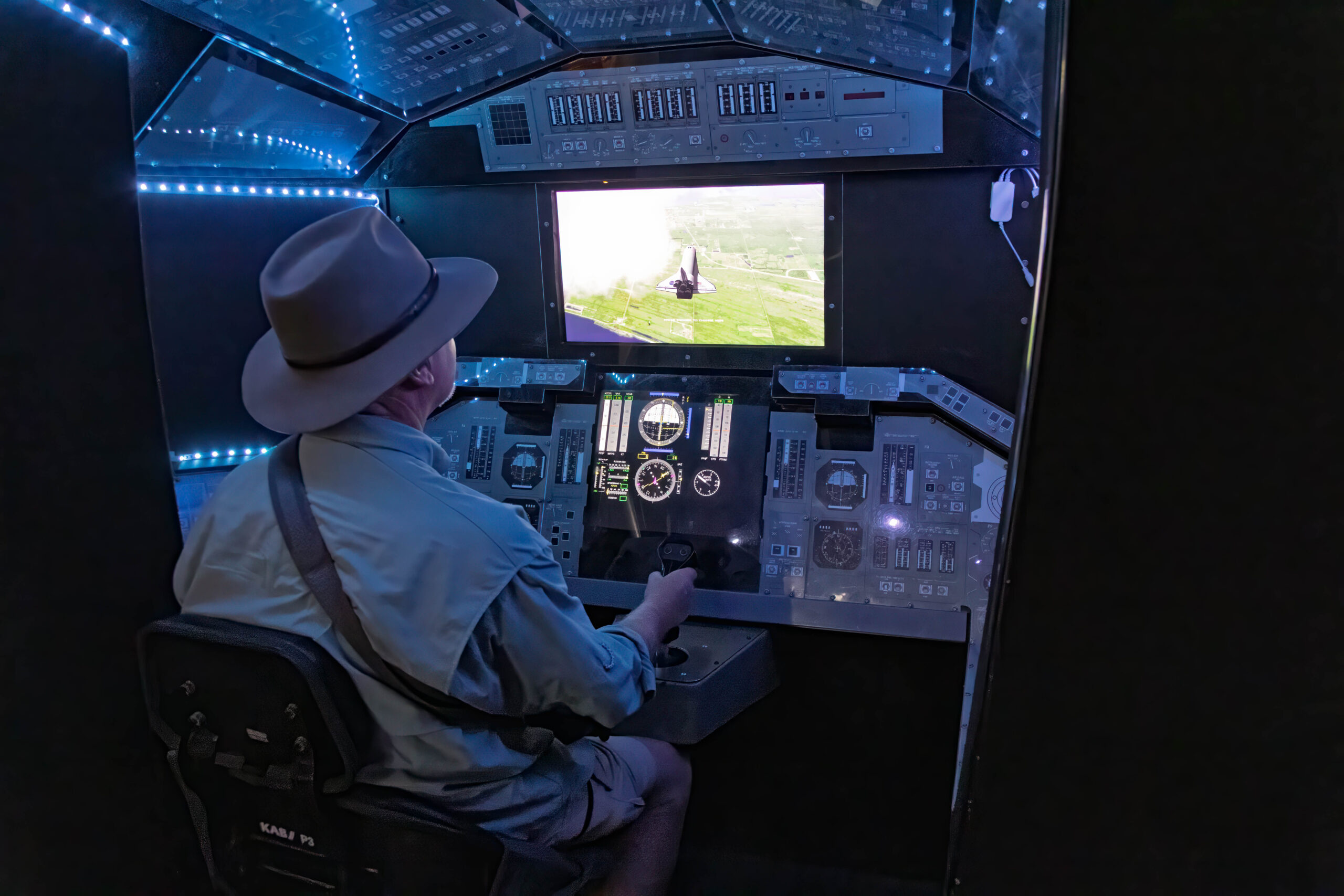
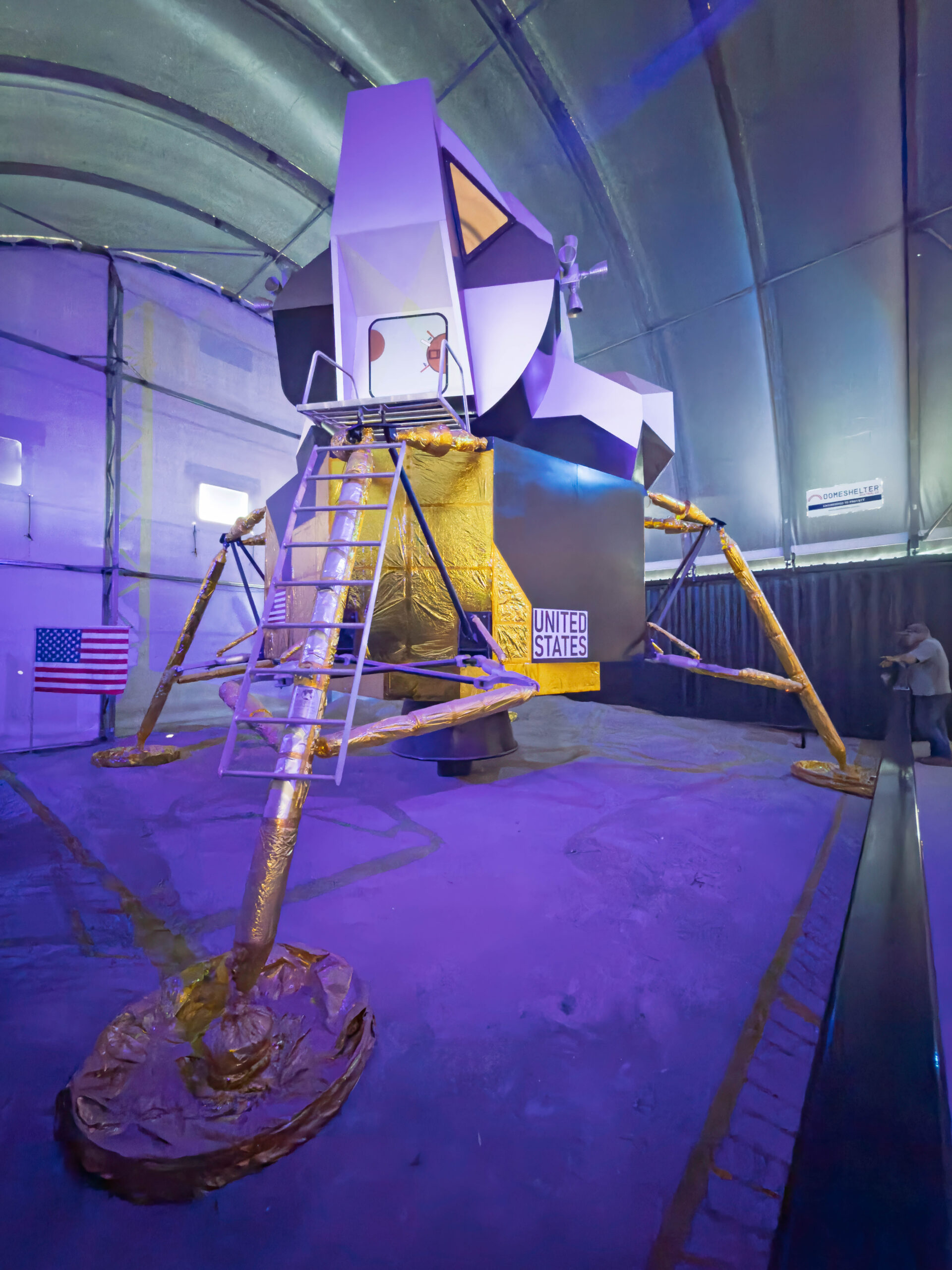
The museum was fascinating, with its comprehensive collection of memorabilia centering on this incredible period in history, when mankind first walked upon the Moon. The interviews with people who worked on these programs in Carnarvon and the short films in the cinema were really interesting and the full-size replica of the lunar module amazing. We were still watching the video about the lunar module at around 3.45pm when a staff member came through to sweep the building for visitors as they made ready to close for the day. Two hours exploring this museum had passed so quickly! It definitely requires a minimum of two hours and you could spend much longer.
We returned to the Discovery Park after our big day out to relax for a short while, before heading out to the Carnarvon Speedway for this evening’s schedule of events. OMG, Bernie and I haven’t been to the Speedway since the late 70s/early 80s when we used to go to the sprint car races at Avalon with a rev-head friend. There were signs up all over town advertising the event tonight, so Ross and Sharon were interested in going and we were happy to tag along.
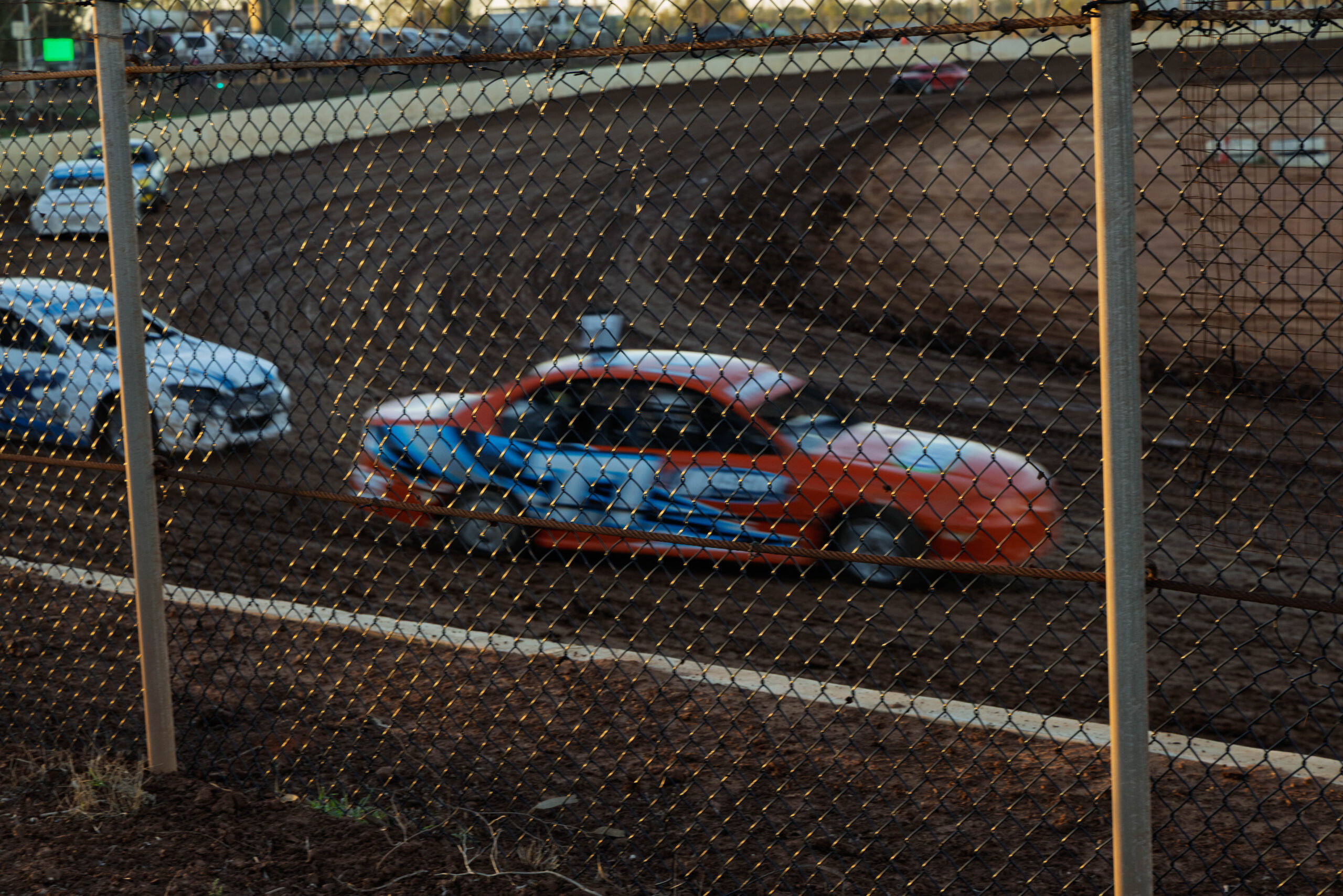
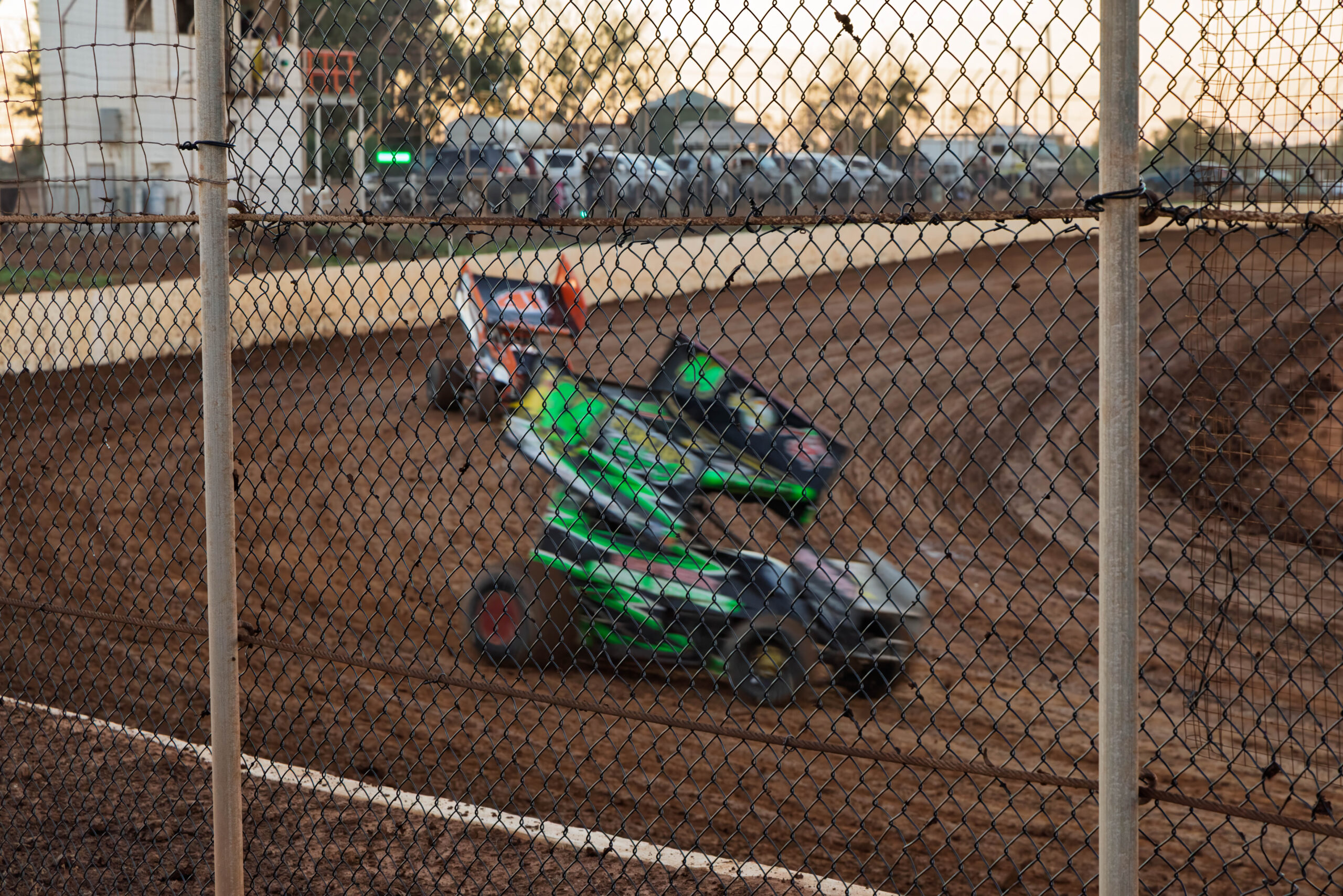
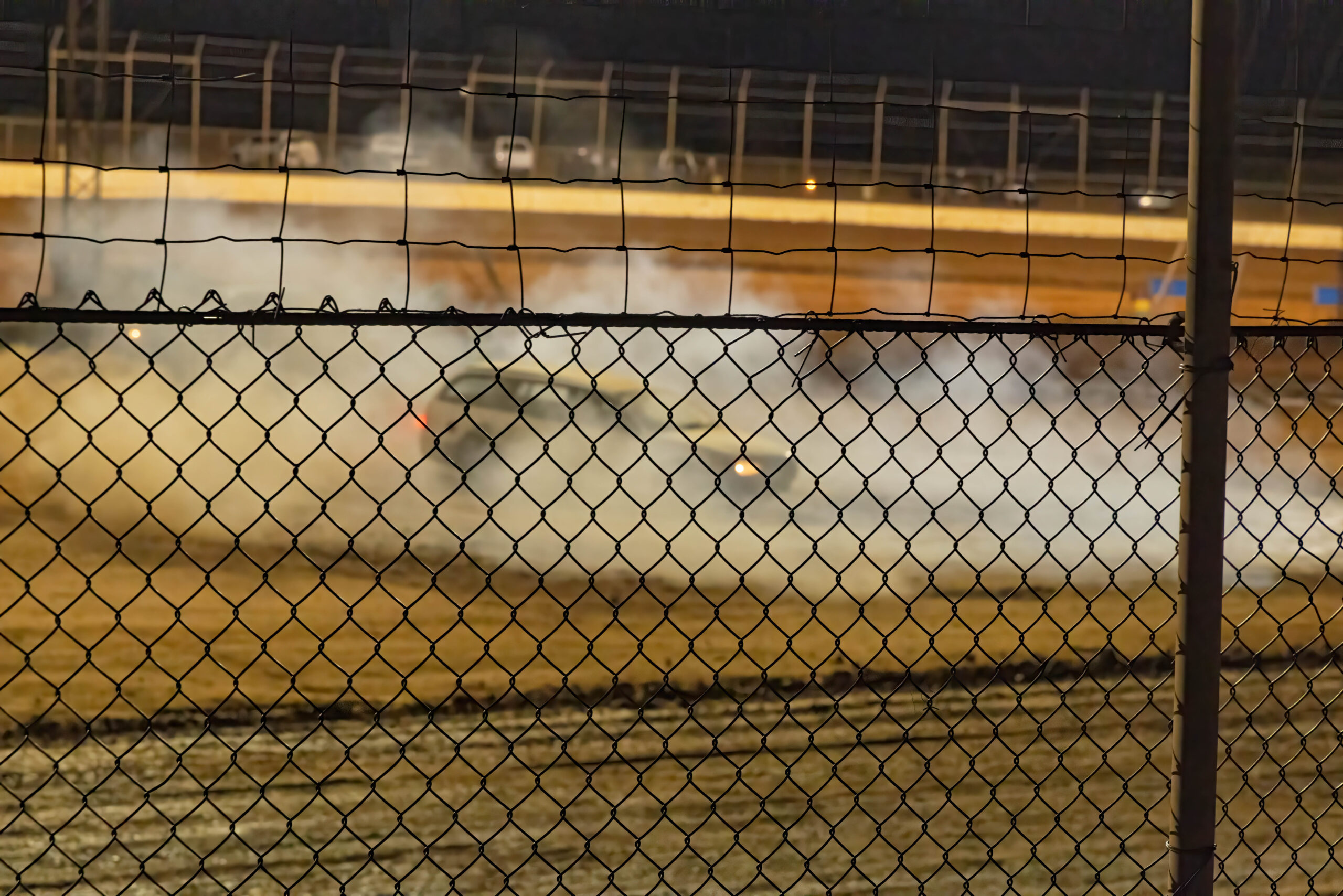
I can really only remember the sprint cars at Avalon, but the racing format then was probably similar to what we saw this evening? Tonight we had Modifieds, Street Stocks, Juniors, Sprint Cars and … Burnouts. I really cannot remember burnouts being a thing when we used to go and I am sure I would remember that??? Honestly insane, burning rubber until the tyres burst. All the other events are races, where it is quite clear that first across the line wins. Ross was curious about how the Burnouts are judged/scored so Googled it. Ahem, judges evaluate how quickly the tyres smoke, the volume of the smoke cloud, vehicle control and consistency, while penalizing drivers for mistakes like hitting barriers or driving outside the designated pad. And … in some classes, failing to pop at least one tyre, or sometimes both tyres, by the end of the run results in loss of points. Crazy. We decided they must (surely?) acquire used tyres from outlets that fit new tyres and burn those out?? Surely you can’t afford to do that with new tyres?
We sat through three of the four rounds on the schedule and then decided that we’d probably had enough Speedway. We had blagged our way in as Seniors (you are supposed to be 65 here to be a Senior) so we spent what we saved on dinner from the canteen. Not much to choose from and not particularly healthy but, hey, we were doing our best to support a local event. Certainly not an activity that we had anticipated including on our itinerary, ha, ha.
Steps: 6,324 (4.04kms)