Sunday, 21 June 2026
This morning, the Big 4 Holiday Park put on free pancakes for breakfast. We ate a healthy serve of fruit in our cabin, before we went over to the BBQ area to eat pancakes. The caravan park team had quite a system going to feed all their guests big, fluffy pancakes. They had jugs and jugs and jugs of batter prepped and ready to be poured onto the stainless steel BBQ plates. There were so many pancakes on offer we felt compelled to have two!
After our leisurely breakfast, we all piled into Sharon’s MU-X for the short drive north to the historic village of Central Greenough. We noted this historic village on our way down and thought that we would drive back to visit. Ross and Sharon have passed a number of times on holidays up the coast and had also decided that it would be a good spot to visit, with the weather continuing cool and overcast. It made sense to all go together.
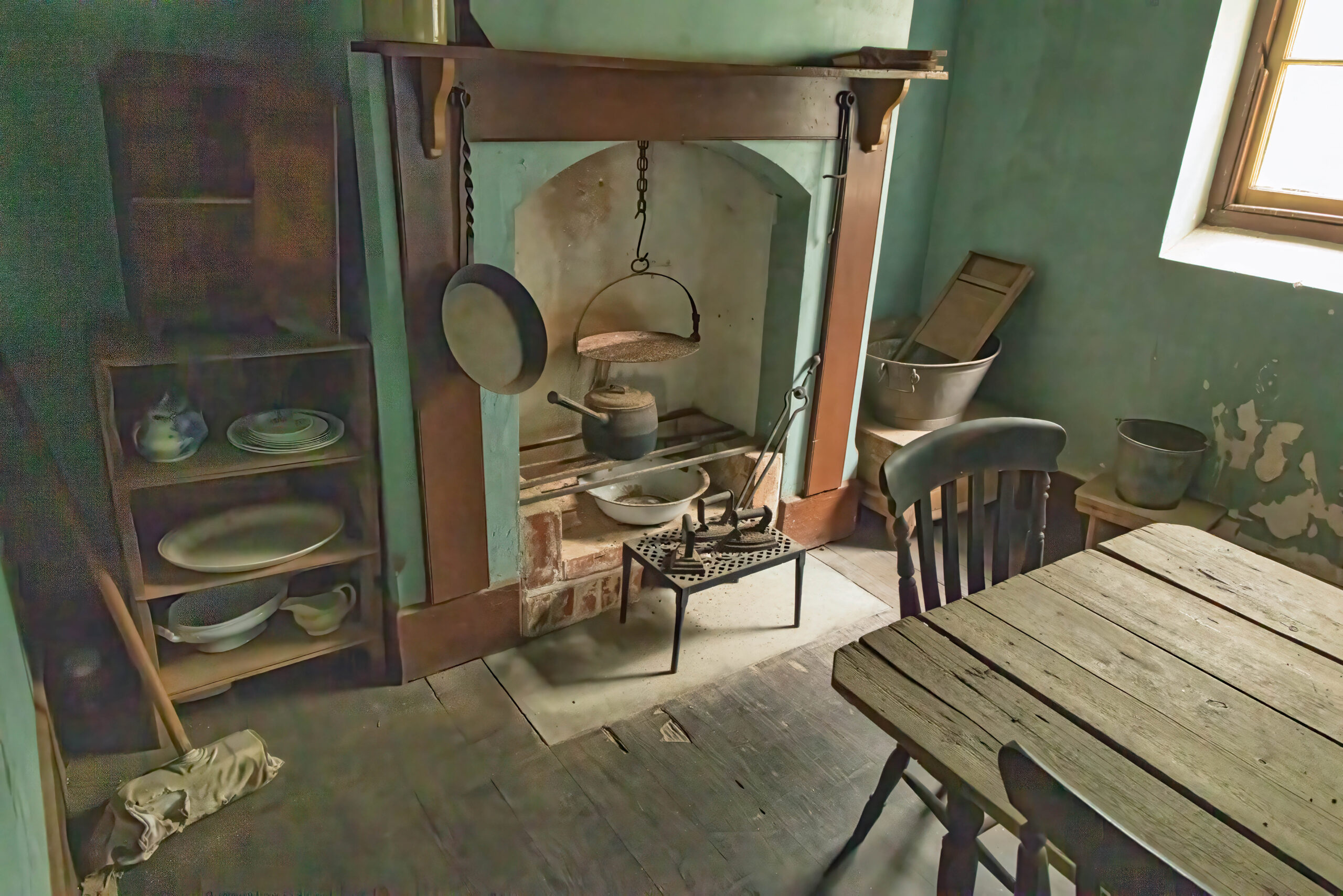
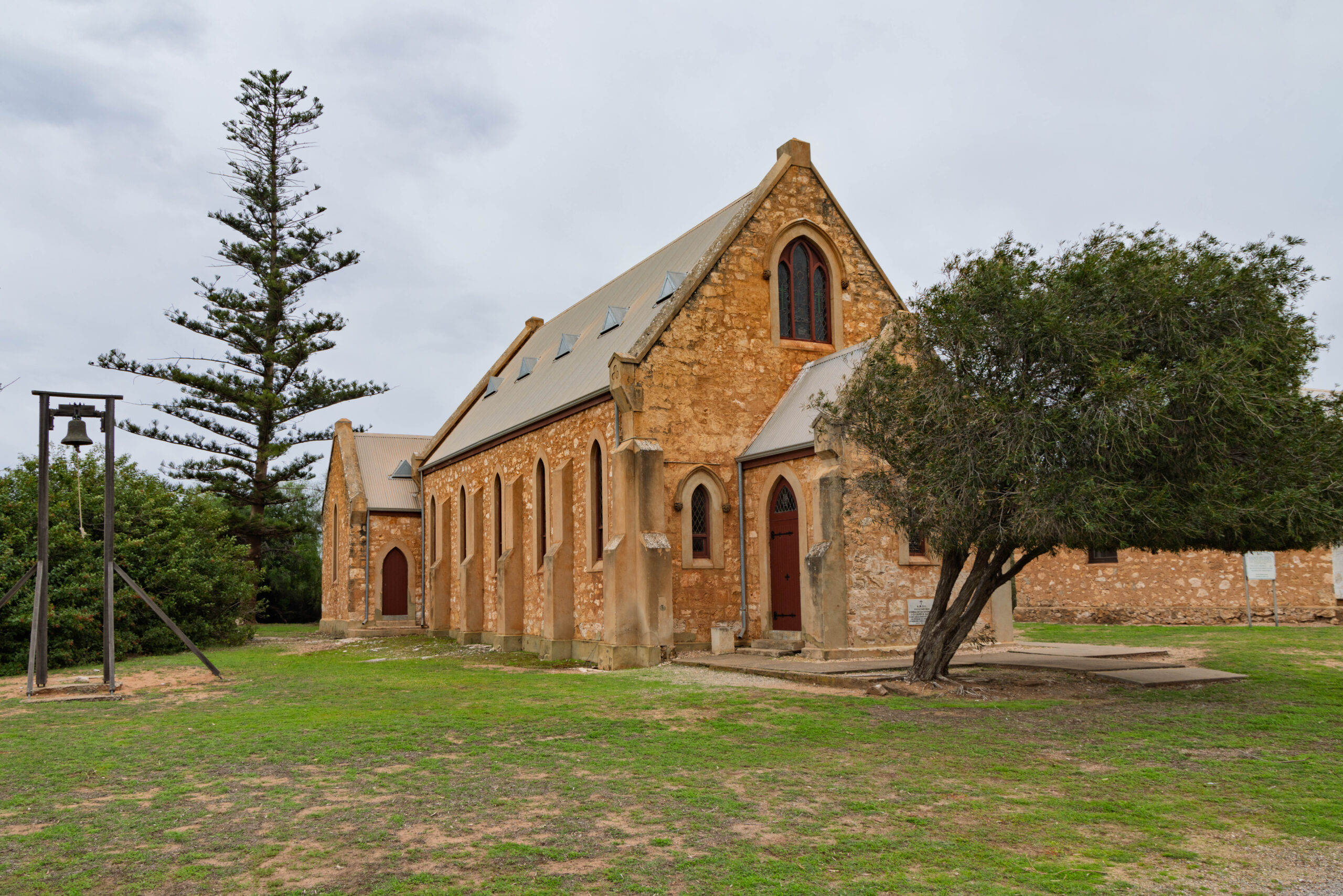
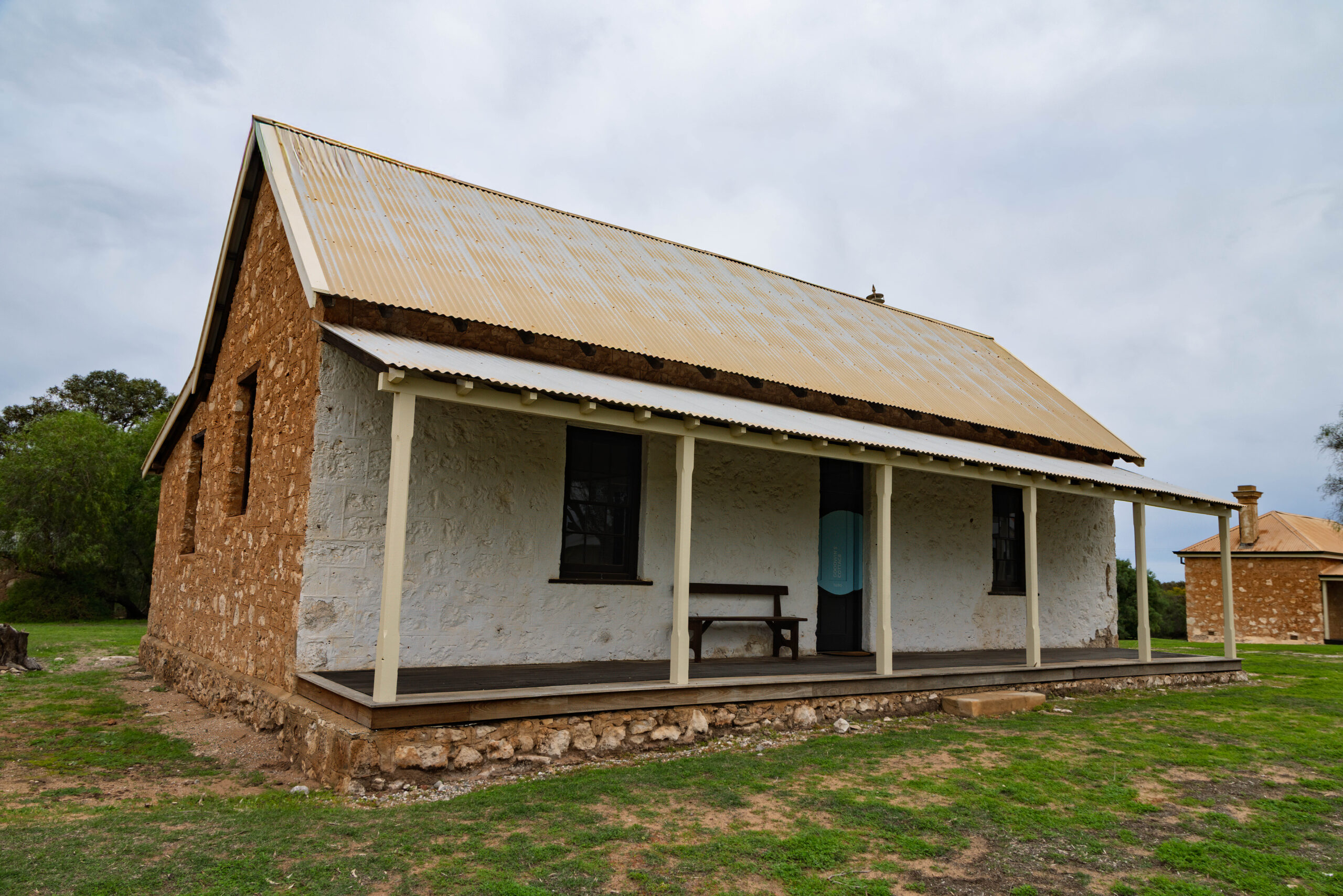
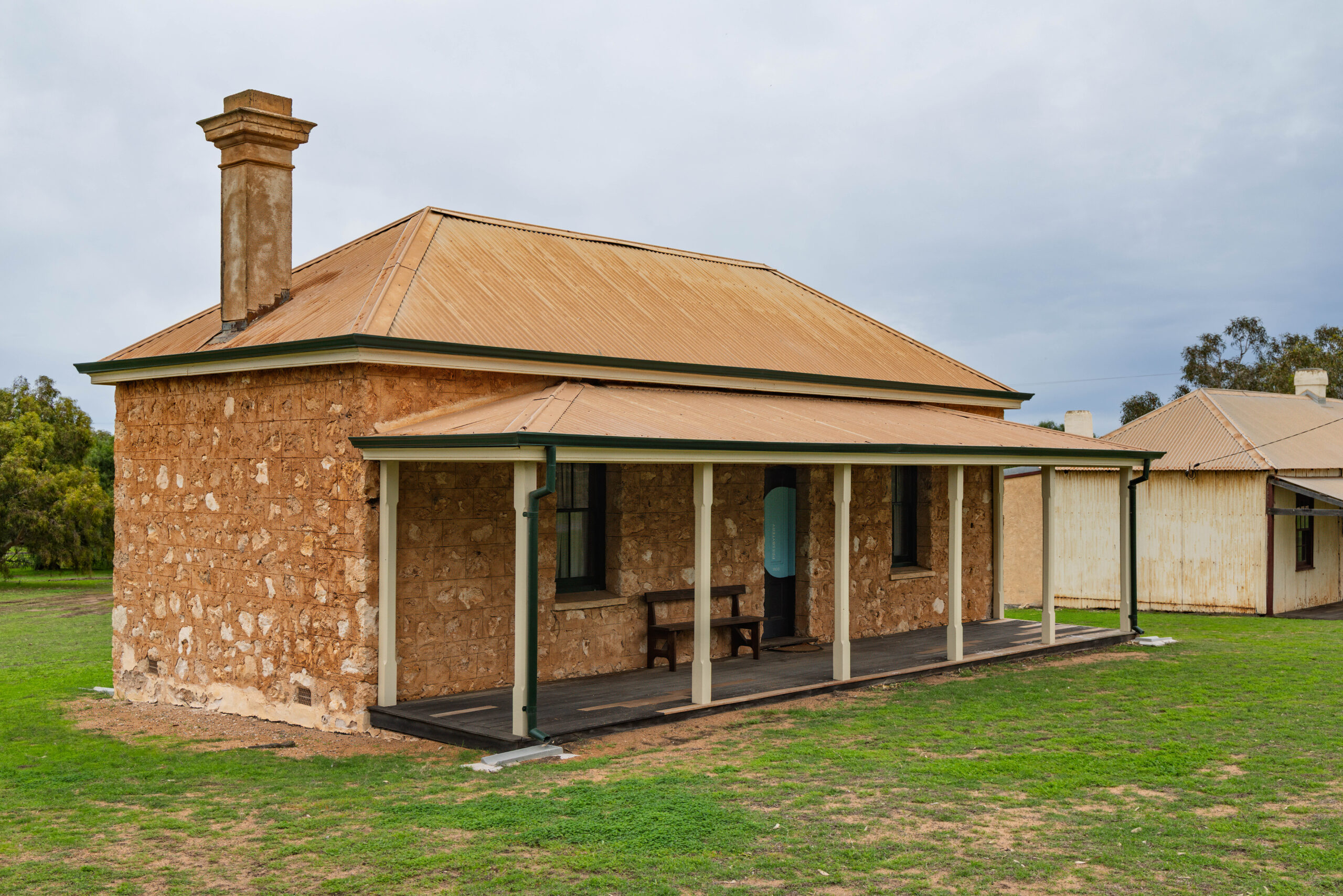
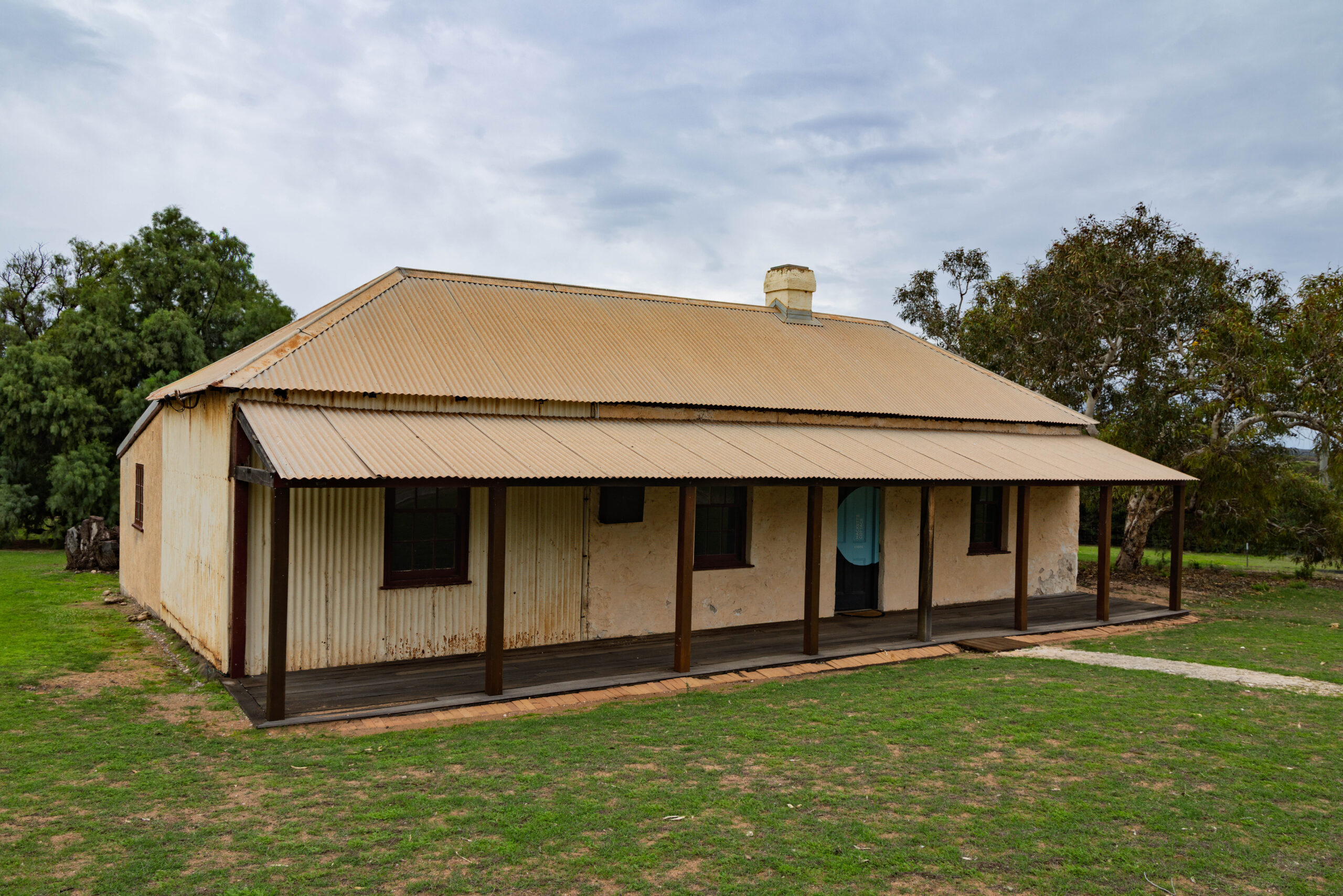
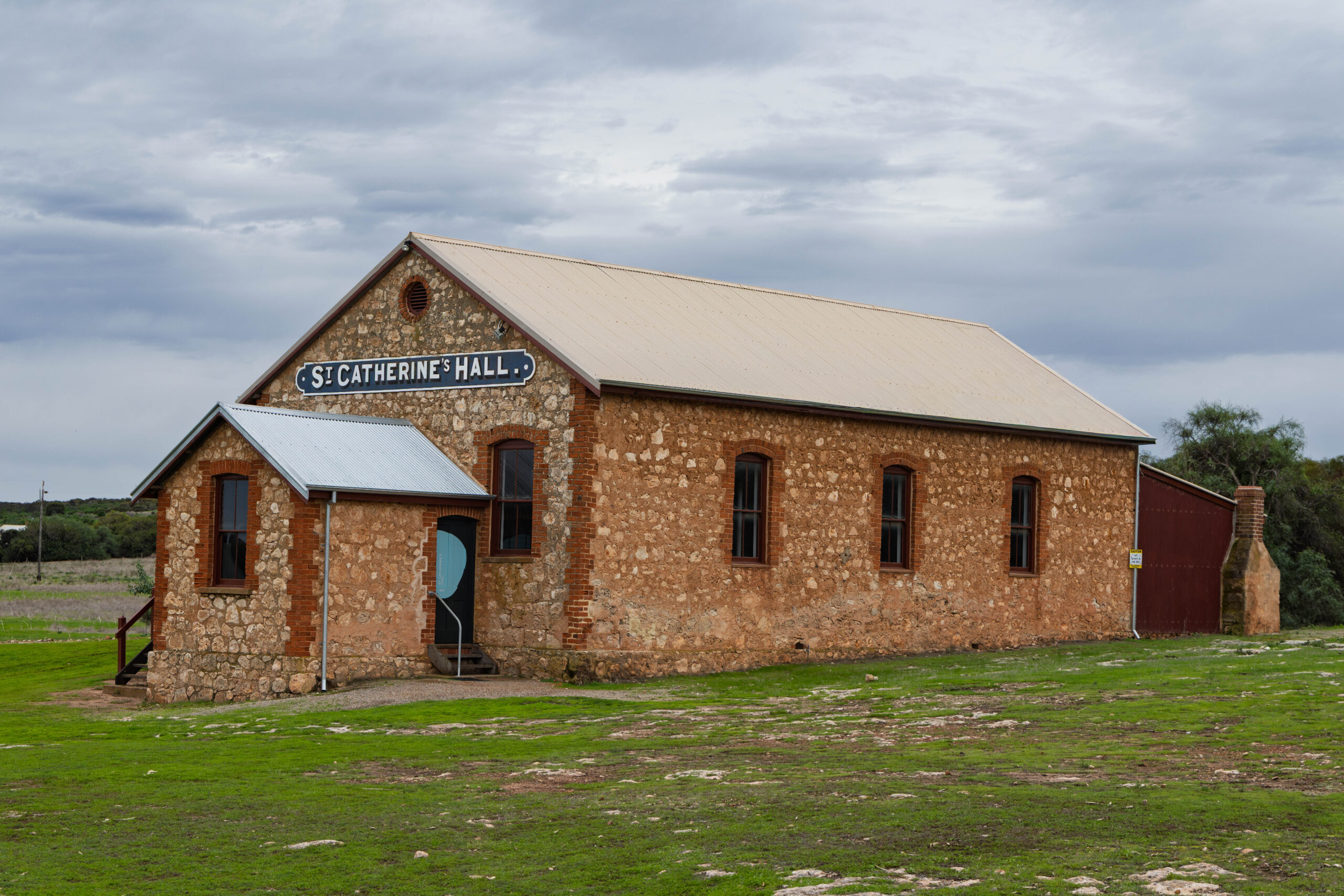
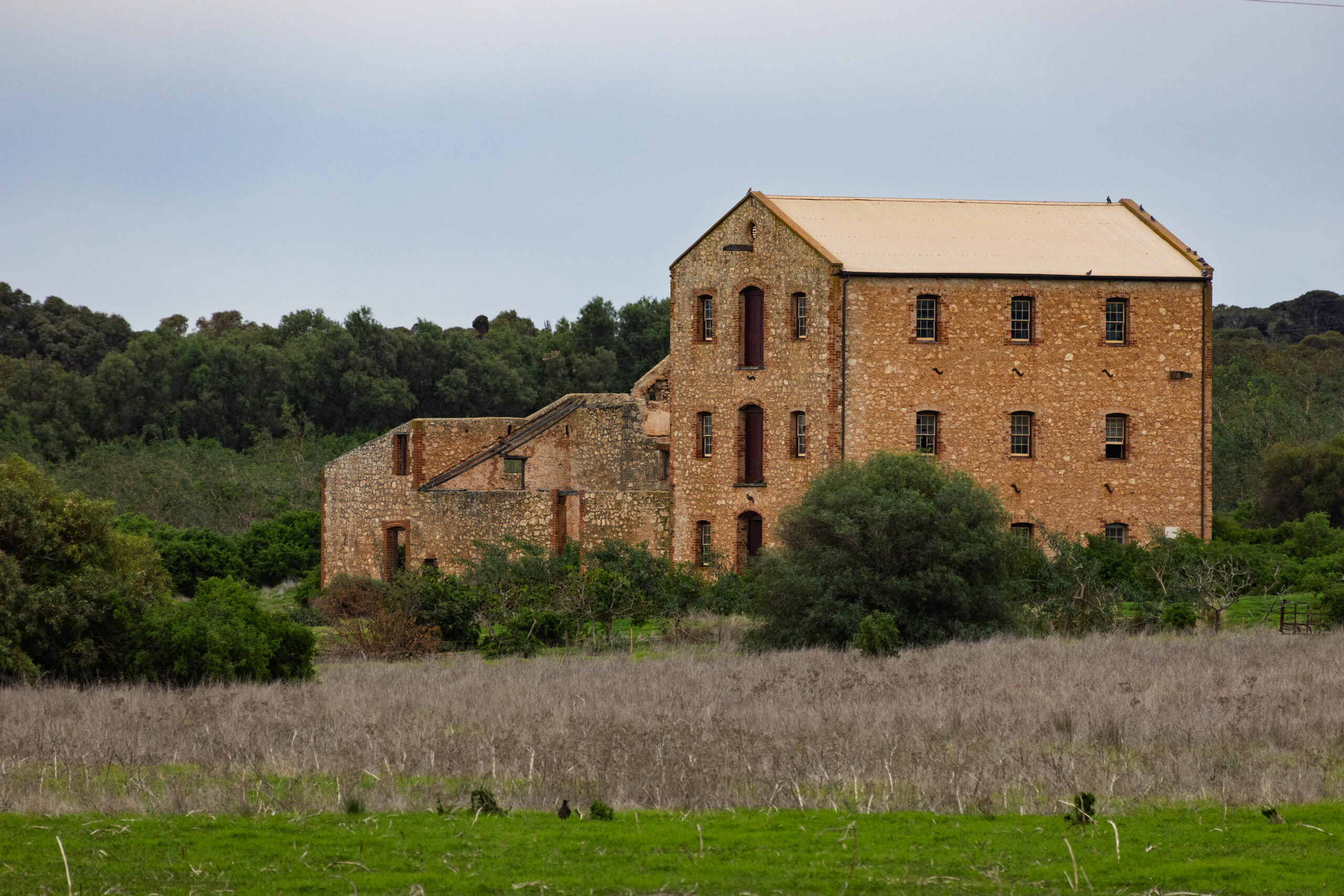
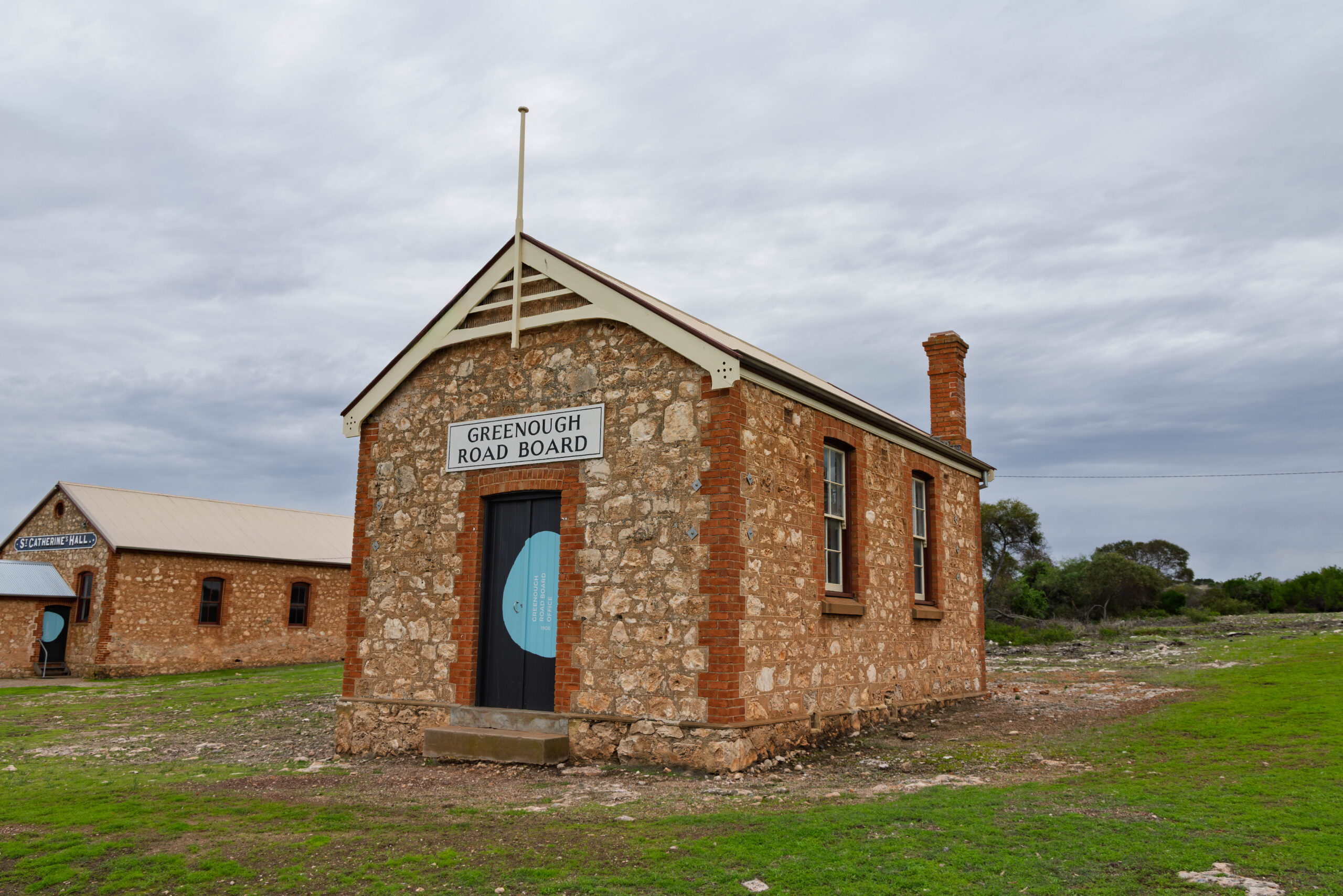
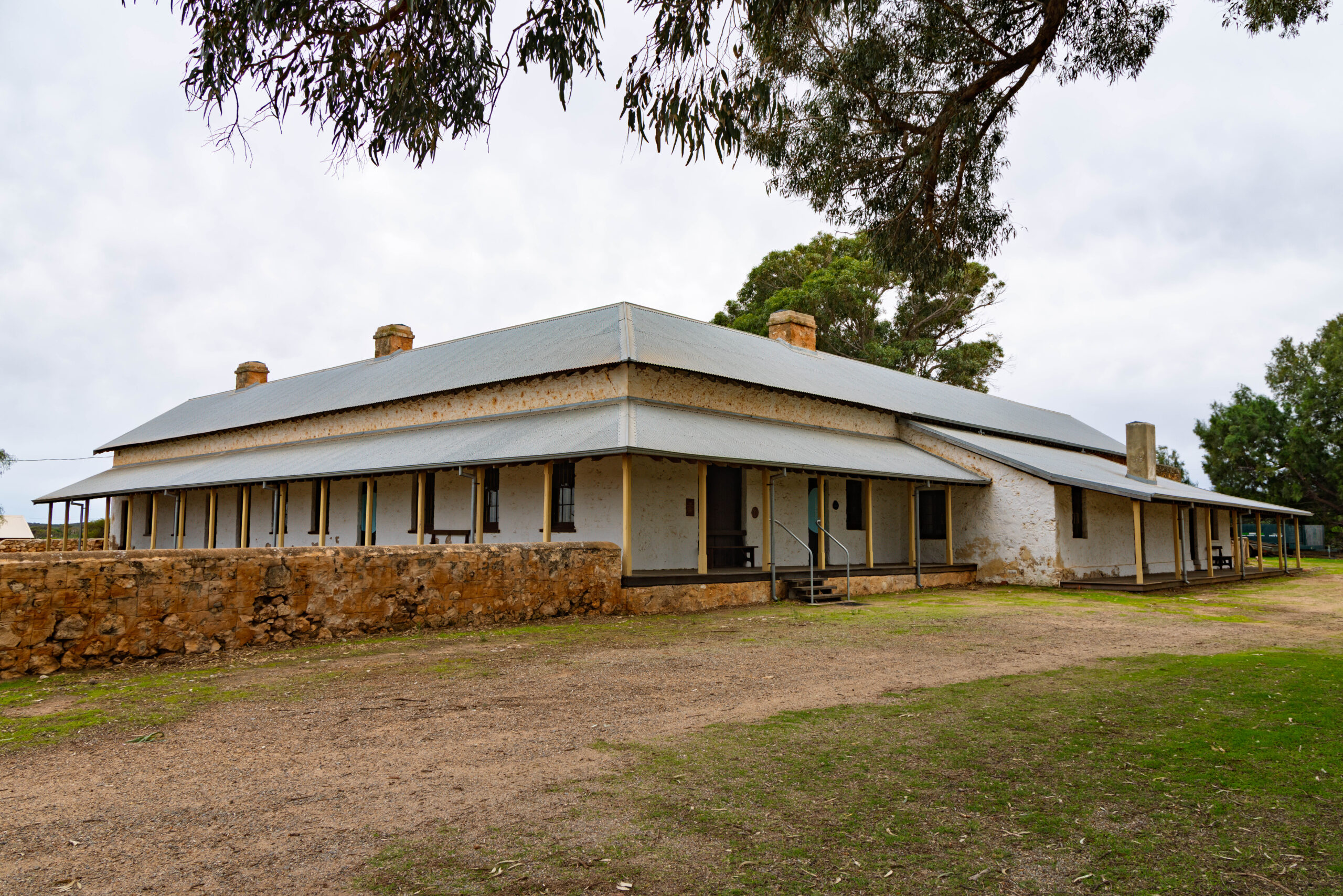
When we arrived, we discovered that it is a National Trust property so, a free outing for us. We were given a self-guided walking tour map and guide and headed out to explore the restored buildings of Central Greenough. The town was established on Yamatji Country during the 1860s on the floodplain of the Greenough River and is an example of how the new colony was expanding during this period.
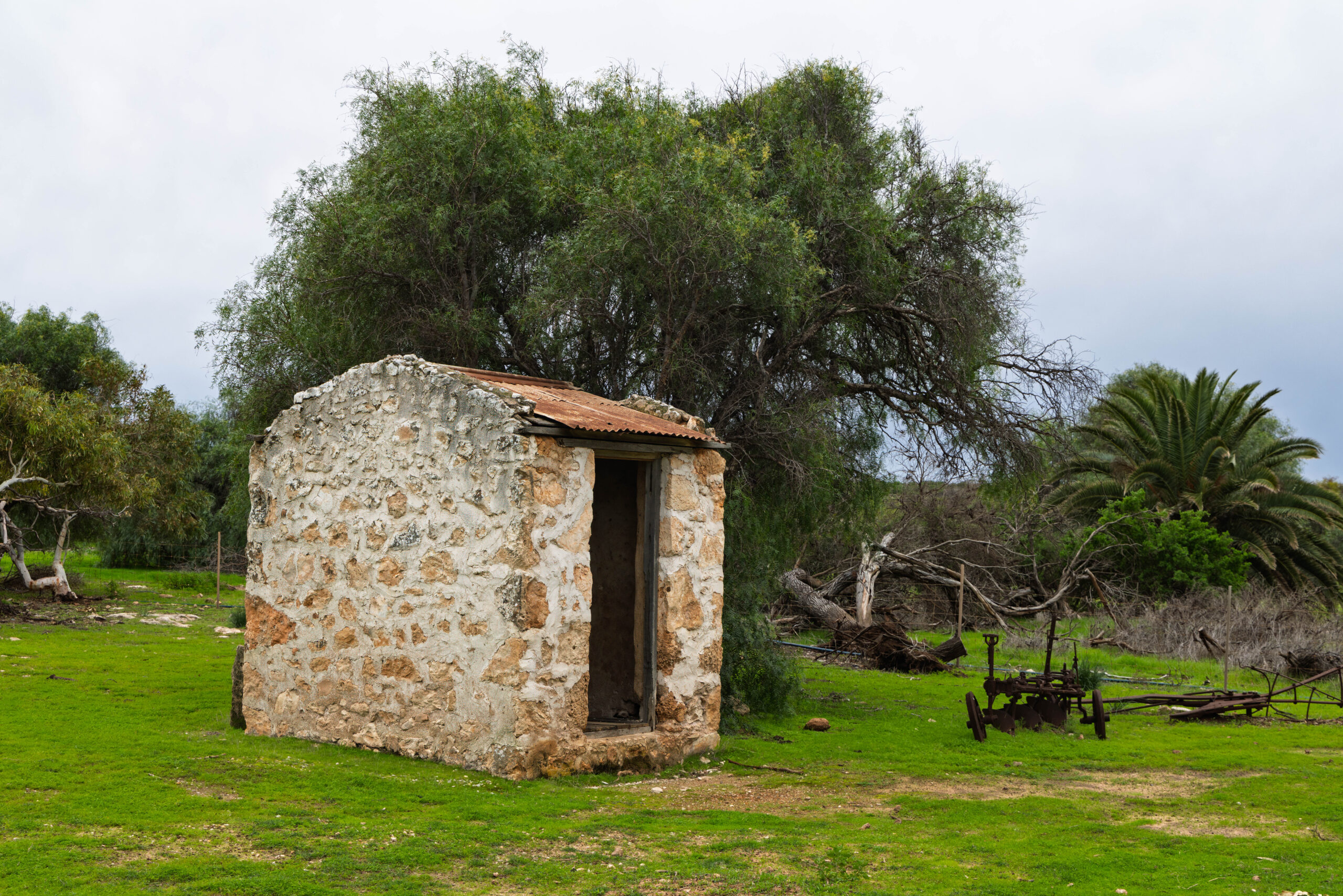
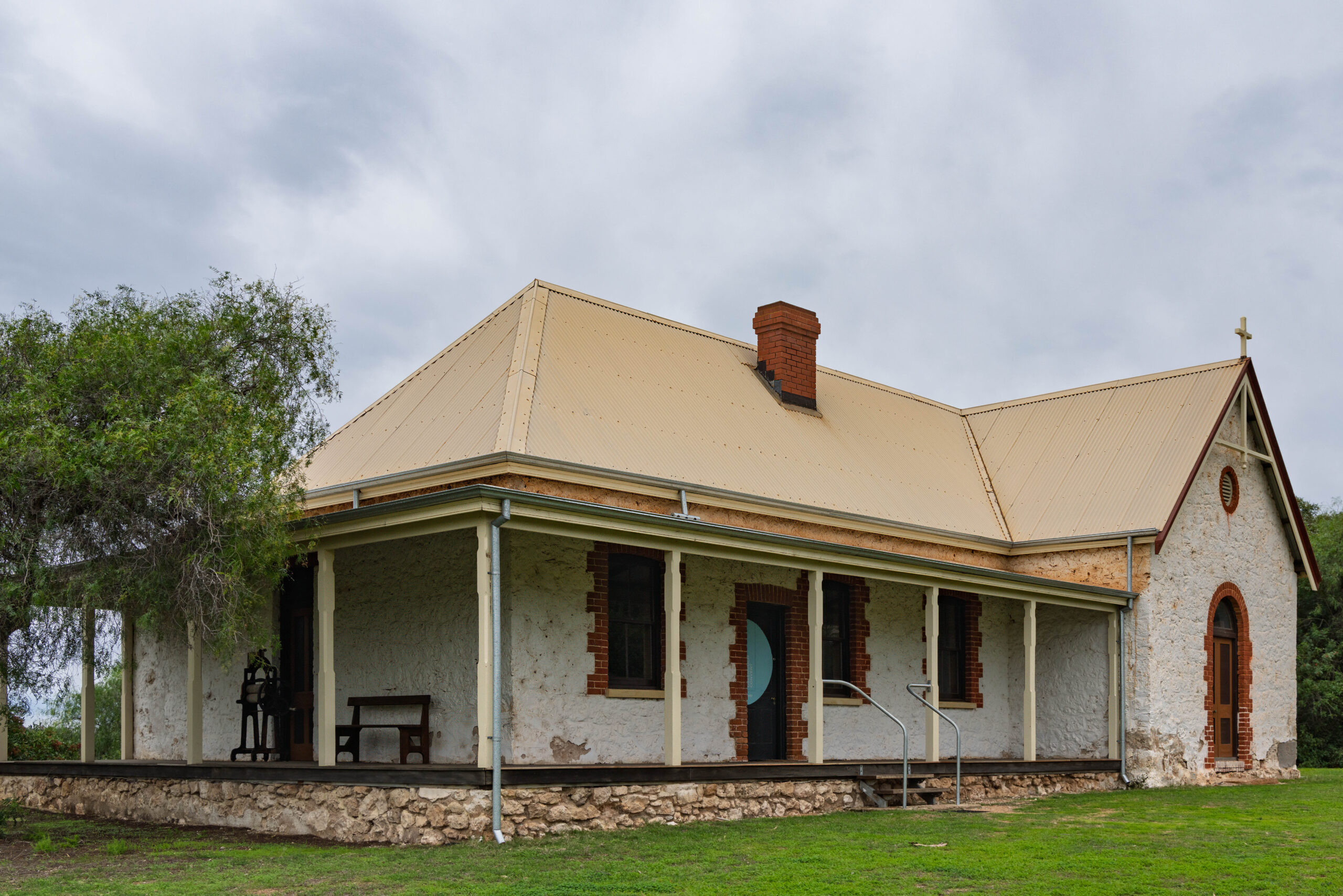
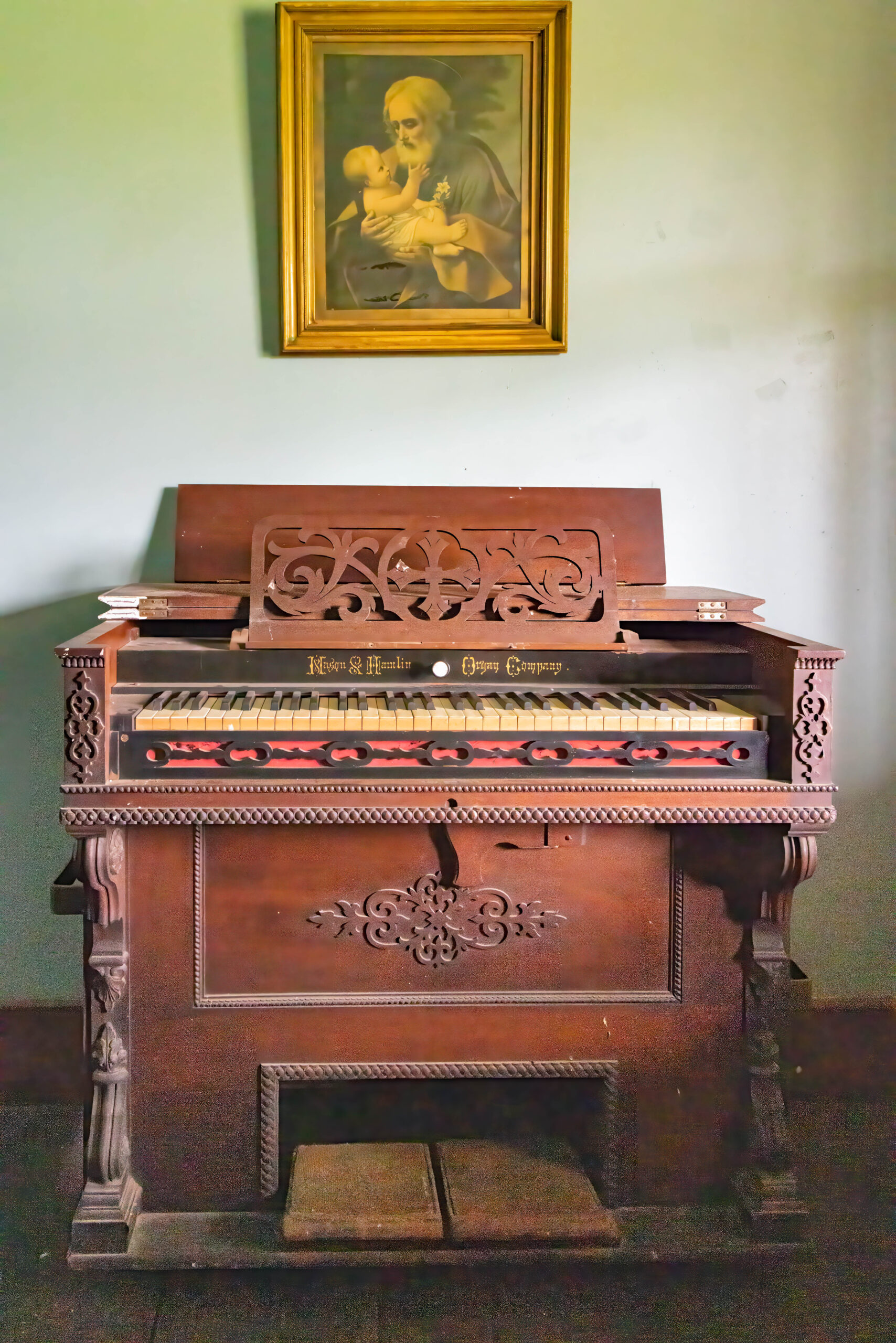
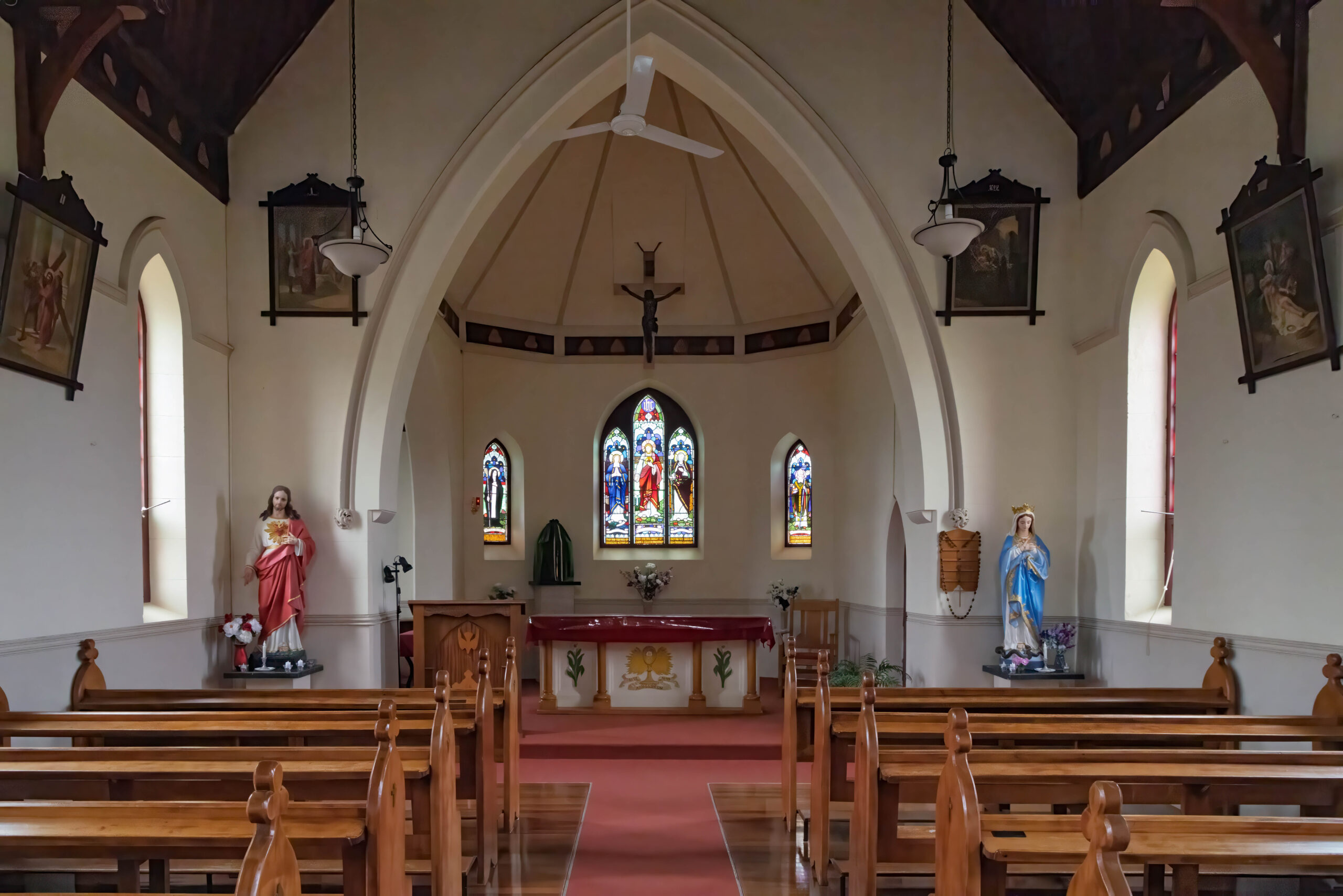
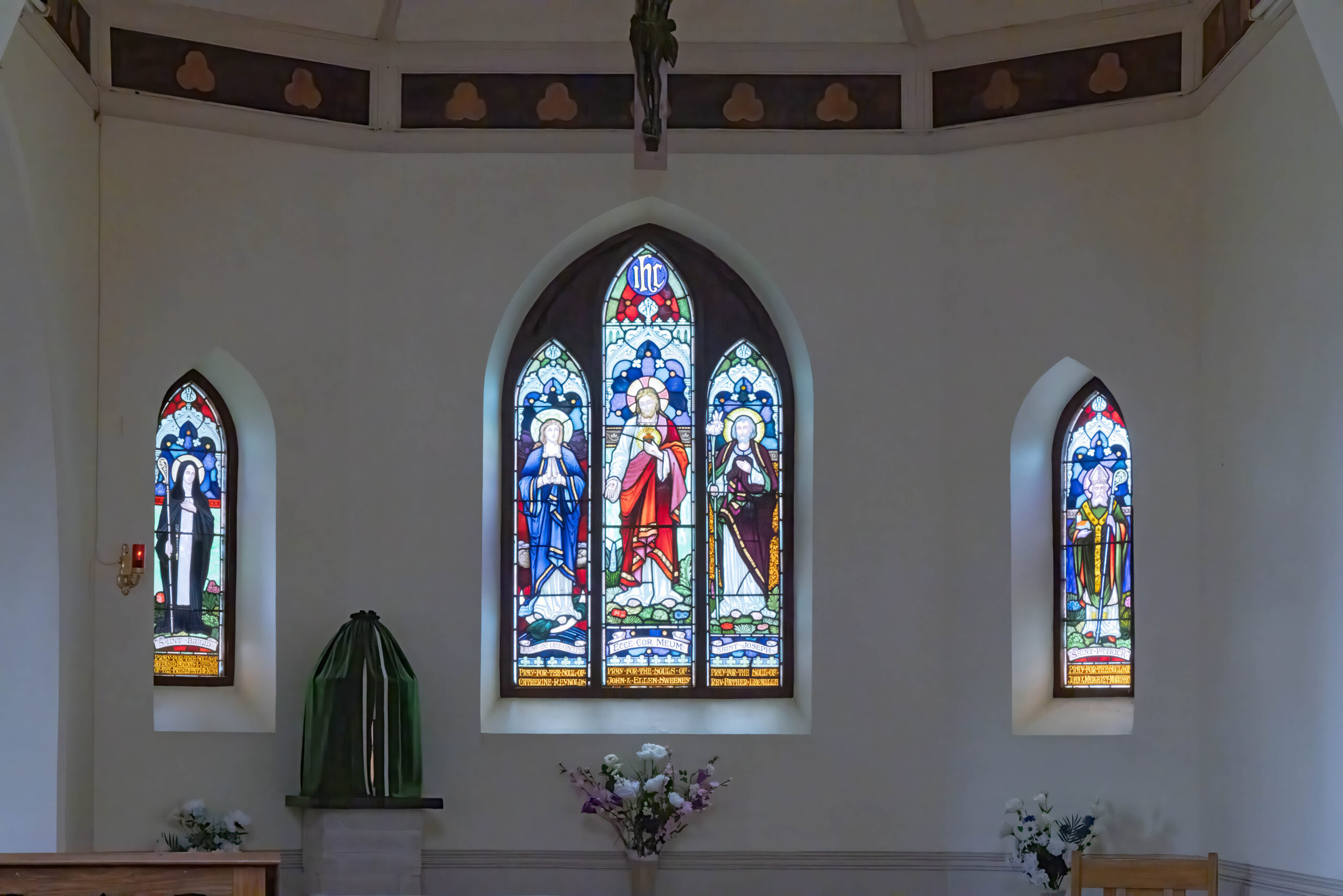
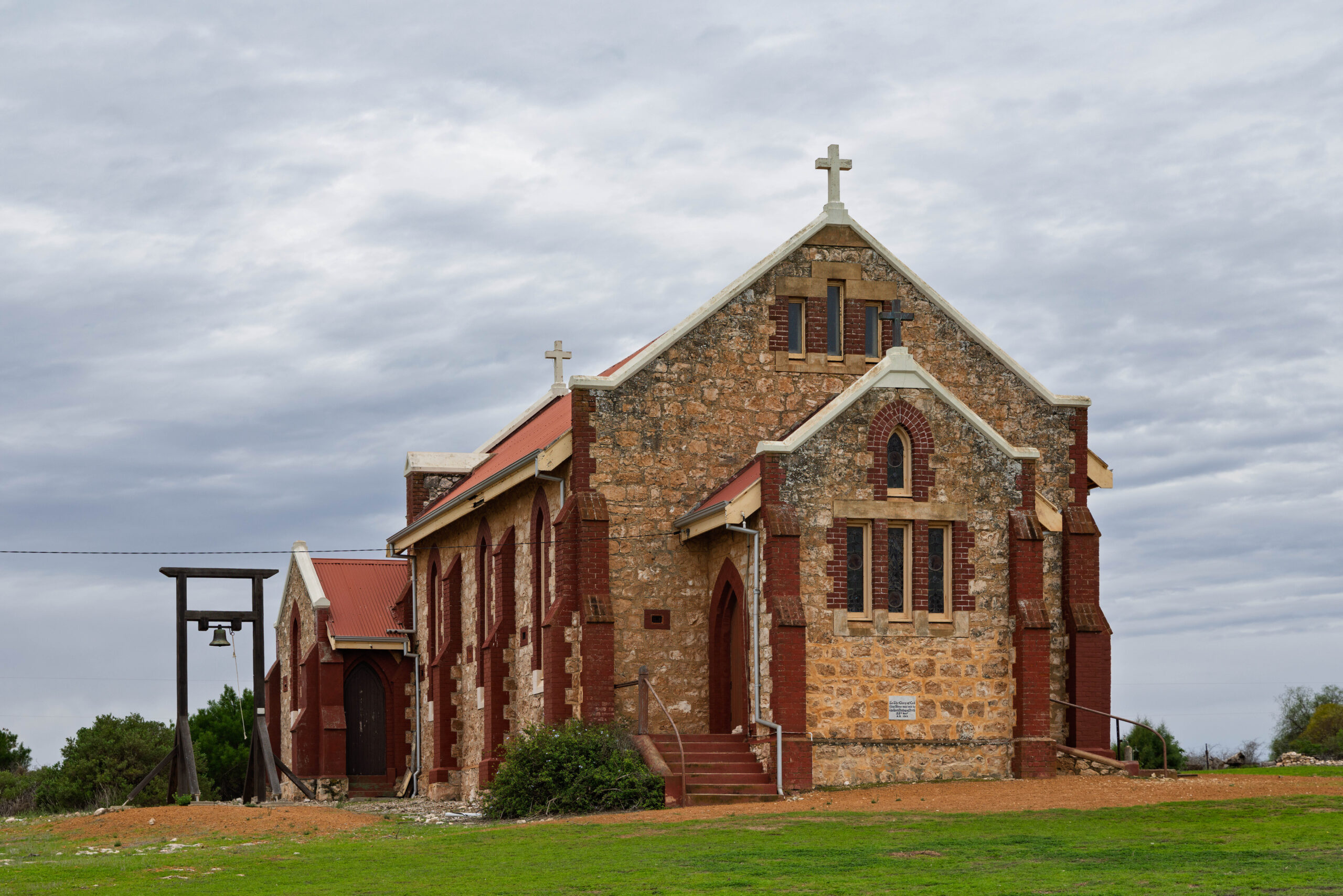
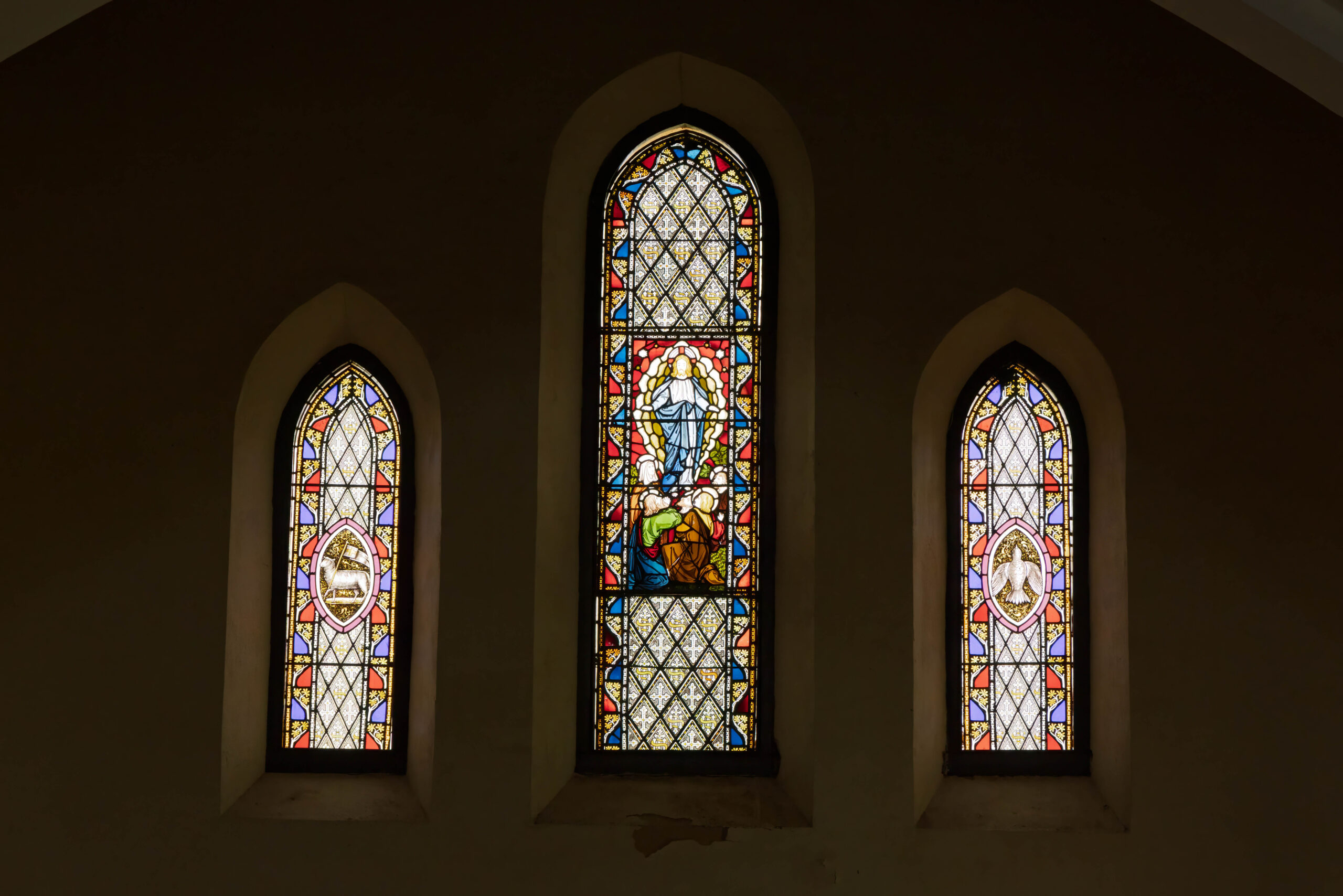
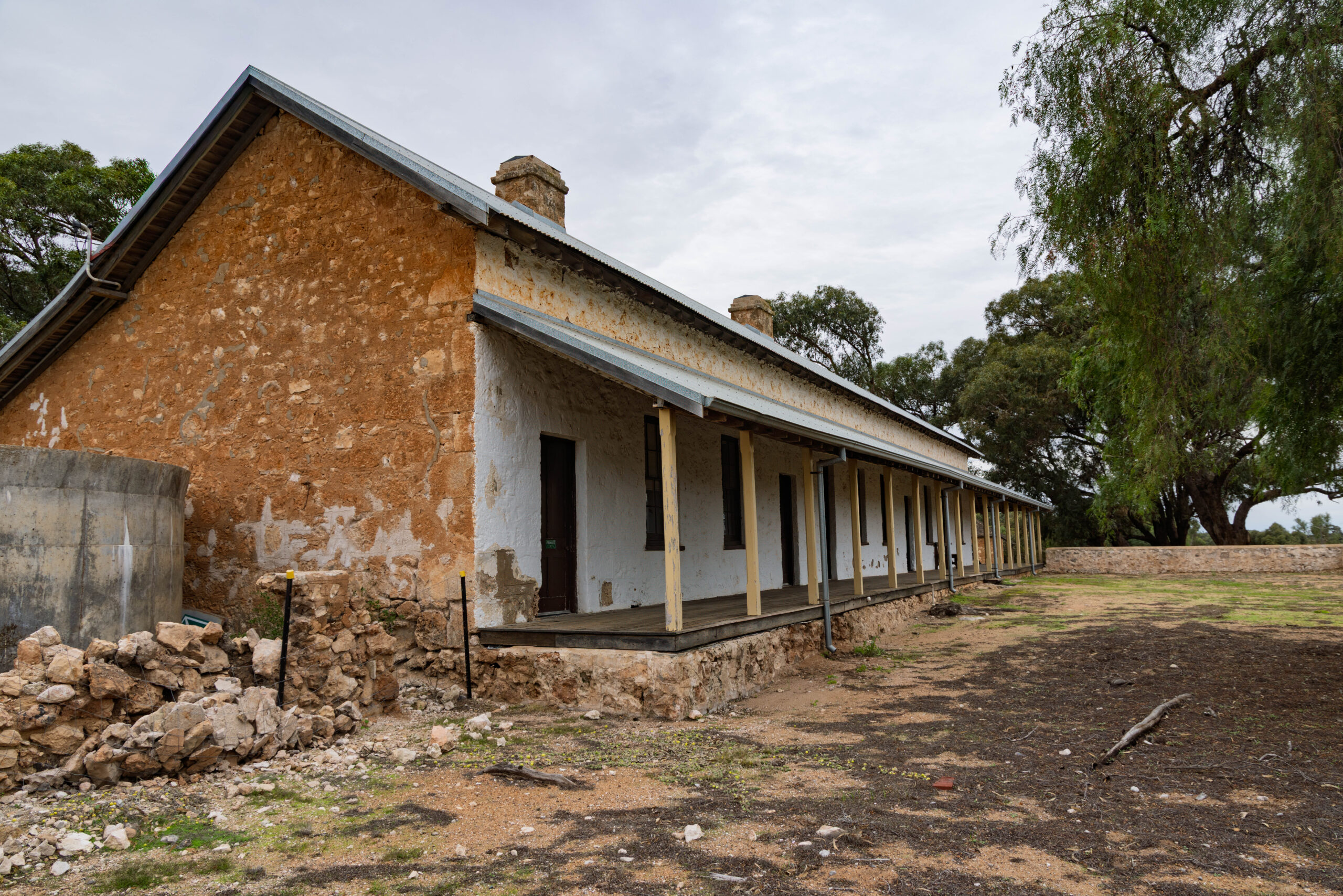
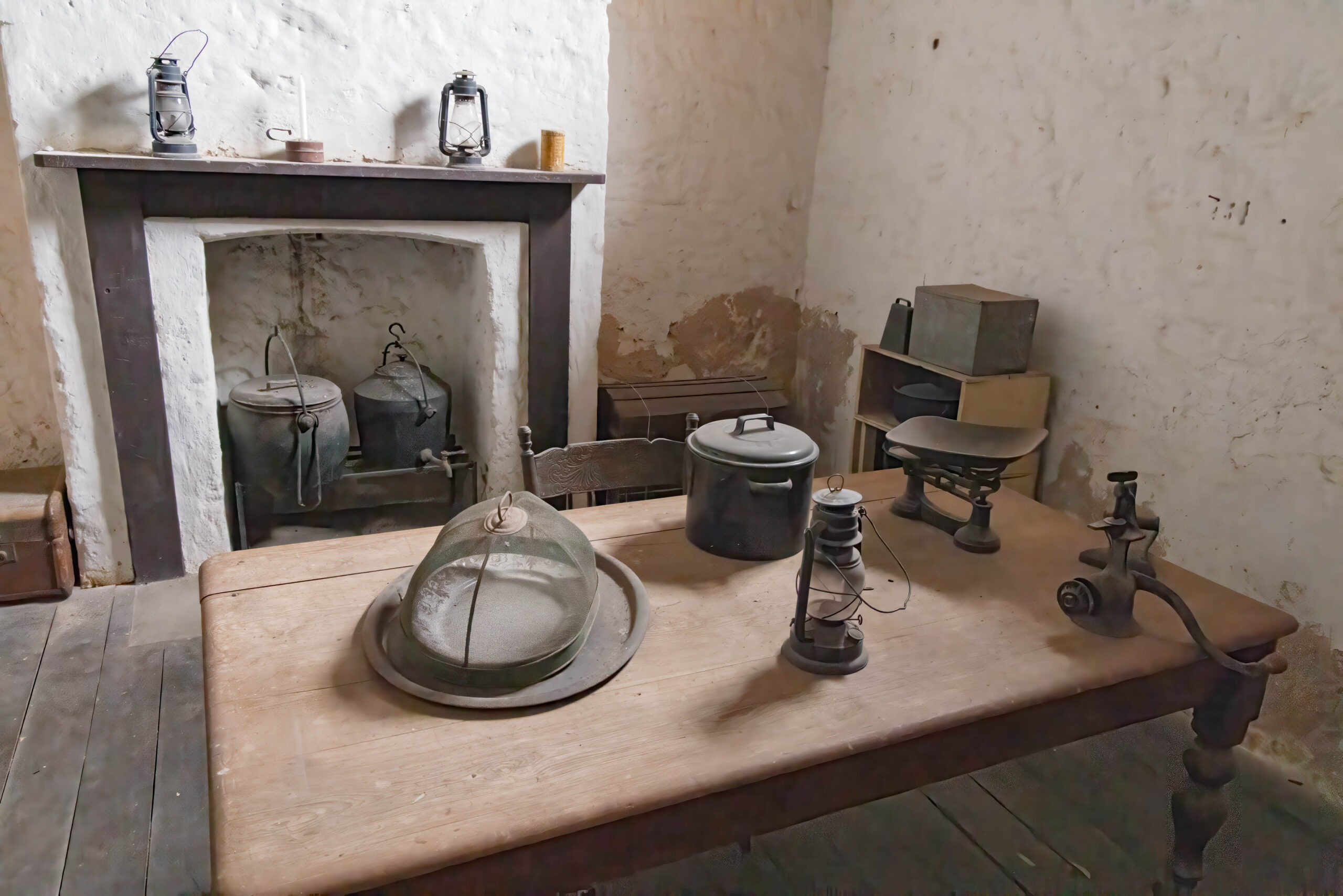
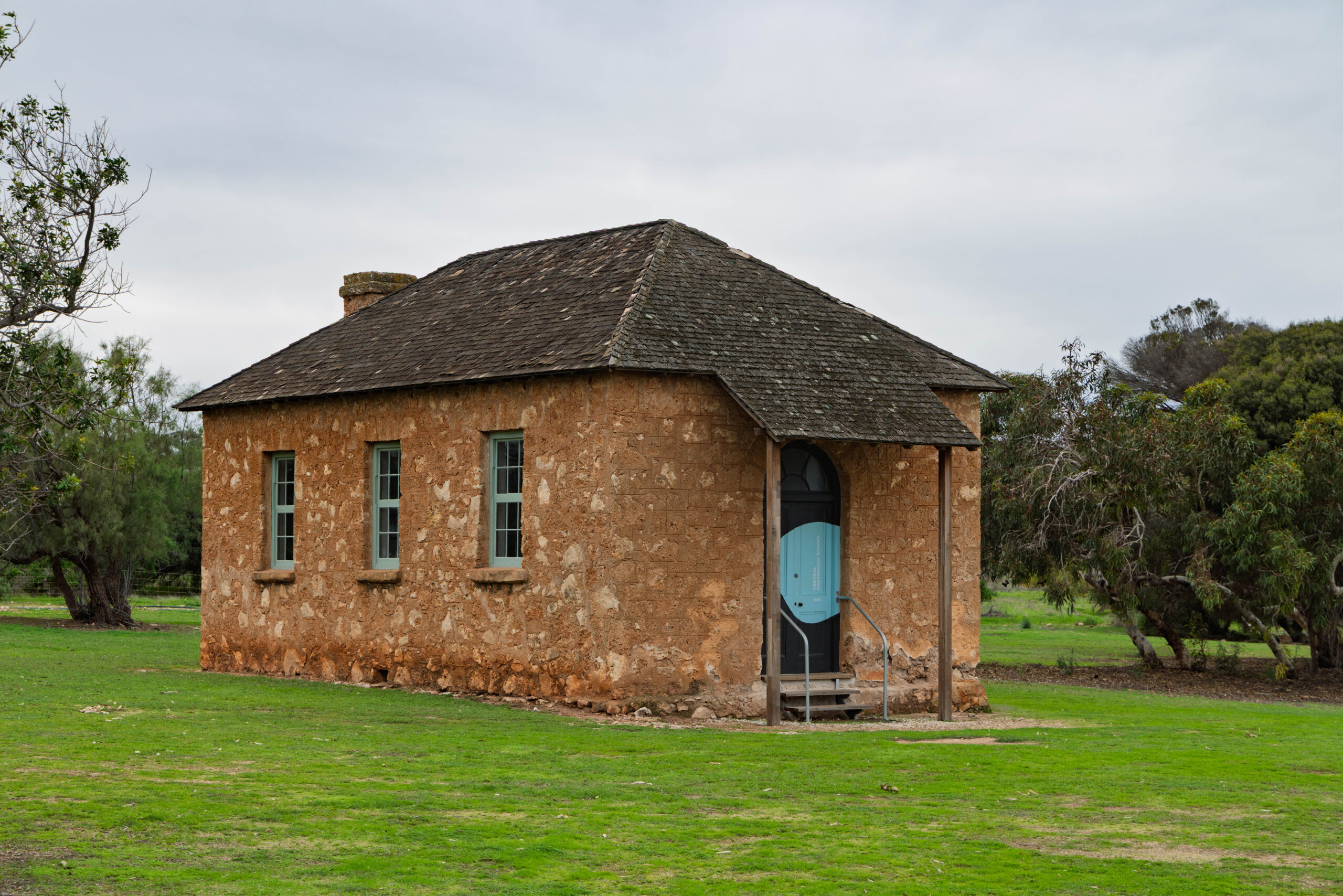
Central Greenough soon became the administrative centre of a thriving agricultural area. The village housed several churches, schools, stores, government and law enforcement offices that served the increasing population. Today the heart of Greenough – a collection of eleven preserved heritage buildings including a gaol, courthouse, police station, churches, and school – continues to share the stories of the people who lived here and provide an insight into the history the region in the 1800s. Eventually, the threat of rust on the wheat crops combined with drought, flood and poor prices for agricultural products led to the area’s decline. The population of the Greenough Flats dropped dramatically in the first half of the twentieth century and many of its buildings fell into disrepair, before it was taken over by the National Trust as a heritage site. Today the National Trust maintains it to offer visitors a glimpse into regional life in the mid-nineteenth century.
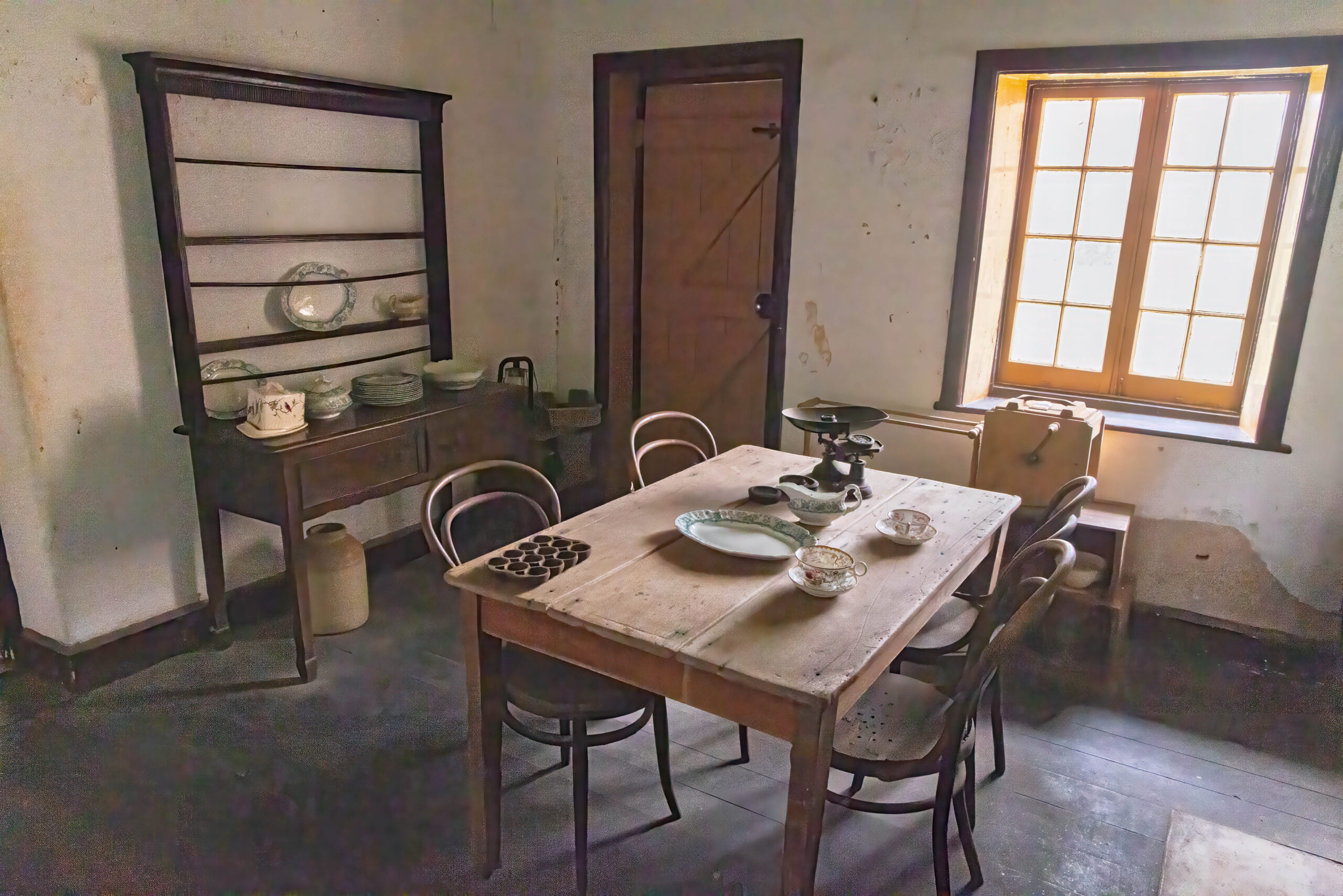
We completed the self-guided circuit of the sites beautifully restored buildings, learning about the settlers who lived and worked in this community. We also learnt that the settlers’ interactions with the Yamatji people were not always peaceful, with the traditional owners resisting the colonial invasion. Their resistance ultimately led to a tragic massacre at nearby Bootenal.
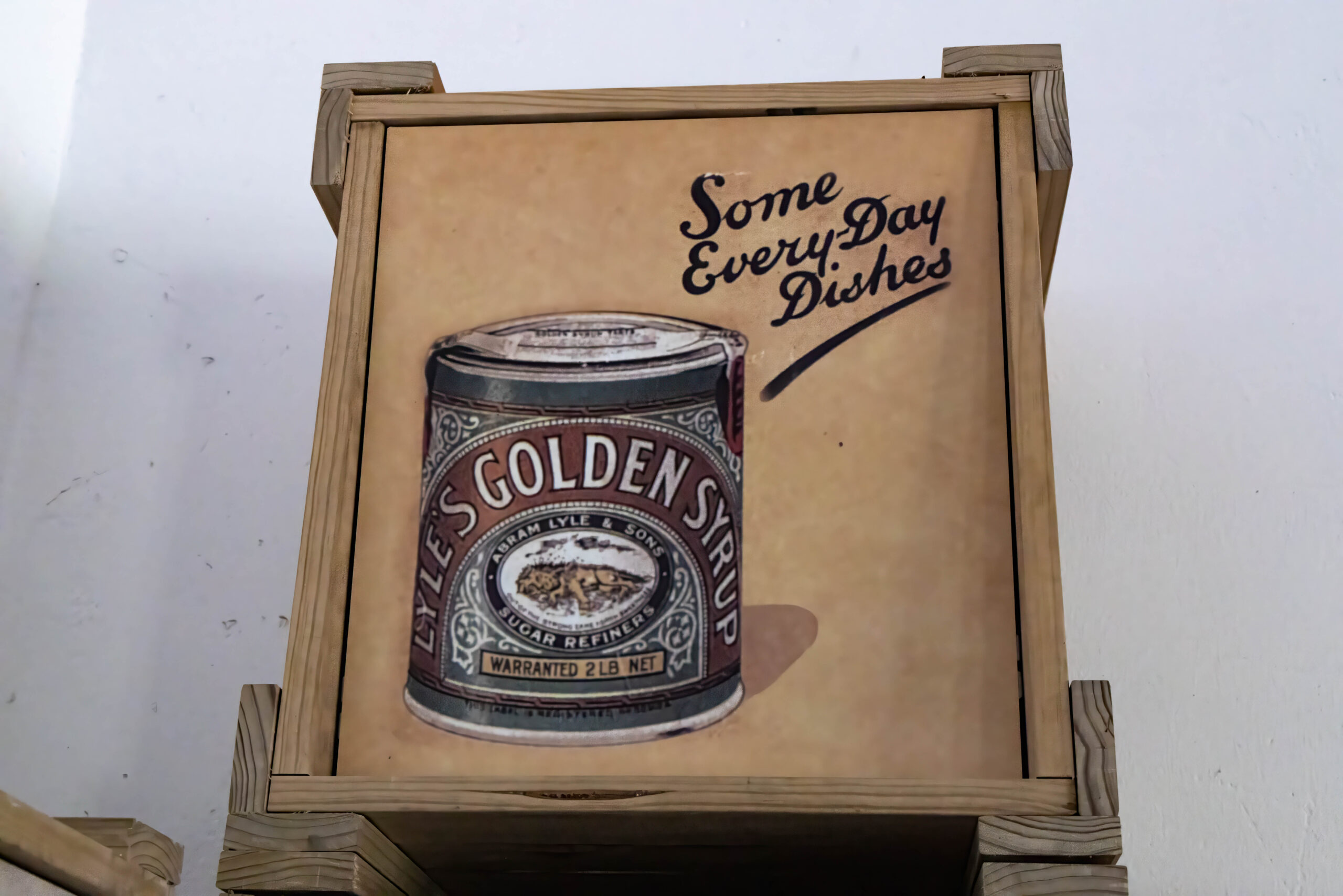
After exploring the collection of buildings thoroughly, we returned to the Greenough Store. Originally constructed in 1886, the building served as a store until the 1920s, after which it was used as a residence. It was flooded in 1888 and in 1953 and eventually fell into disrepair in the 1960s. When the National Trust began to restore and reconstruct the village it was a roofless ruin. In the early 2000s a new café and visitor centre was constructed to the rear of the store. Before returning to Port Denison we enjoyed a light lunch in the café.
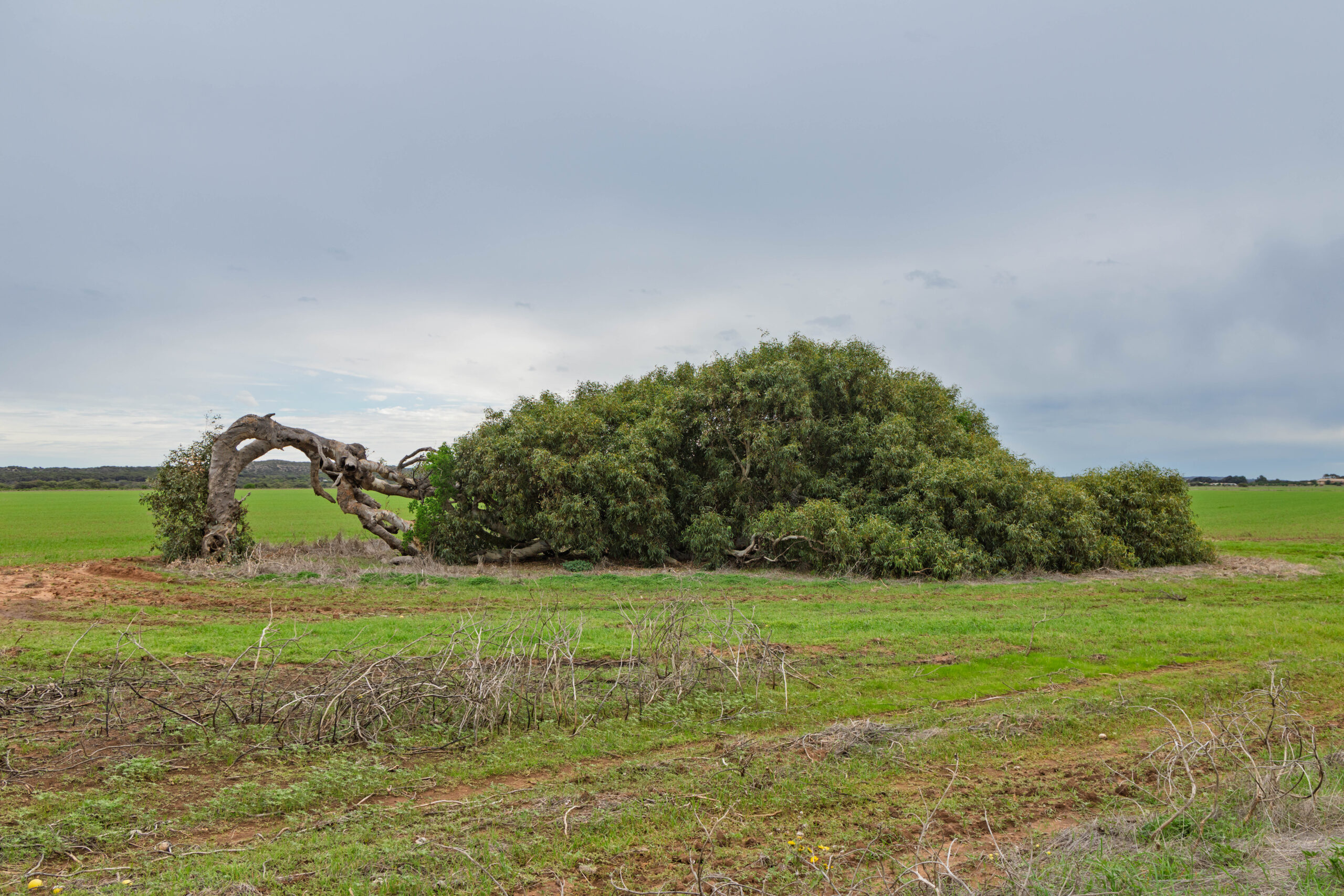
Leaving the village, we turned north to drive 3.1 Kilometres to The Leaning Tree. The Leaning Tree is but one example of the leaning trees around Greenough. The trees are a eucalypt (Eucalyptus camaldulensis, River Gum) native to this part of WA. Their characteristic lean is caused by constant strong southerly winds that burn off growth on the windward side. Known as hardy growers, the trees survive, despite their lopsided appearance.
Back at our cabin we relaxed for what was left of the afternoon, before walking across to Southerlys Harbour View Bar & Restaurant for dinner. Our last dinner on the road with Ross and Sharon, as we will be driving to their house in Perth tomorrow, to complete the southbound leg of our journey.
Steps: 6,059 (3.92kms)