Saturday, 1 August 2026
I forgot to record yesterday that our ‘room’ for last night was a cool room – on the outside at least. A cube built from insulated refrigeration panels. And, just like a refrigerator … no windows. It was confusing waking up with no reference to the outside, as there was no way to know that the sun had actually risen. It still seemed like the middle of the night. At least the refrigeration panels worked just as well at keeping the room warm on the inside as they usually do for keeping the cold in! I guess it’s a good way to build a room to deal with the extremes of desert temperatures.
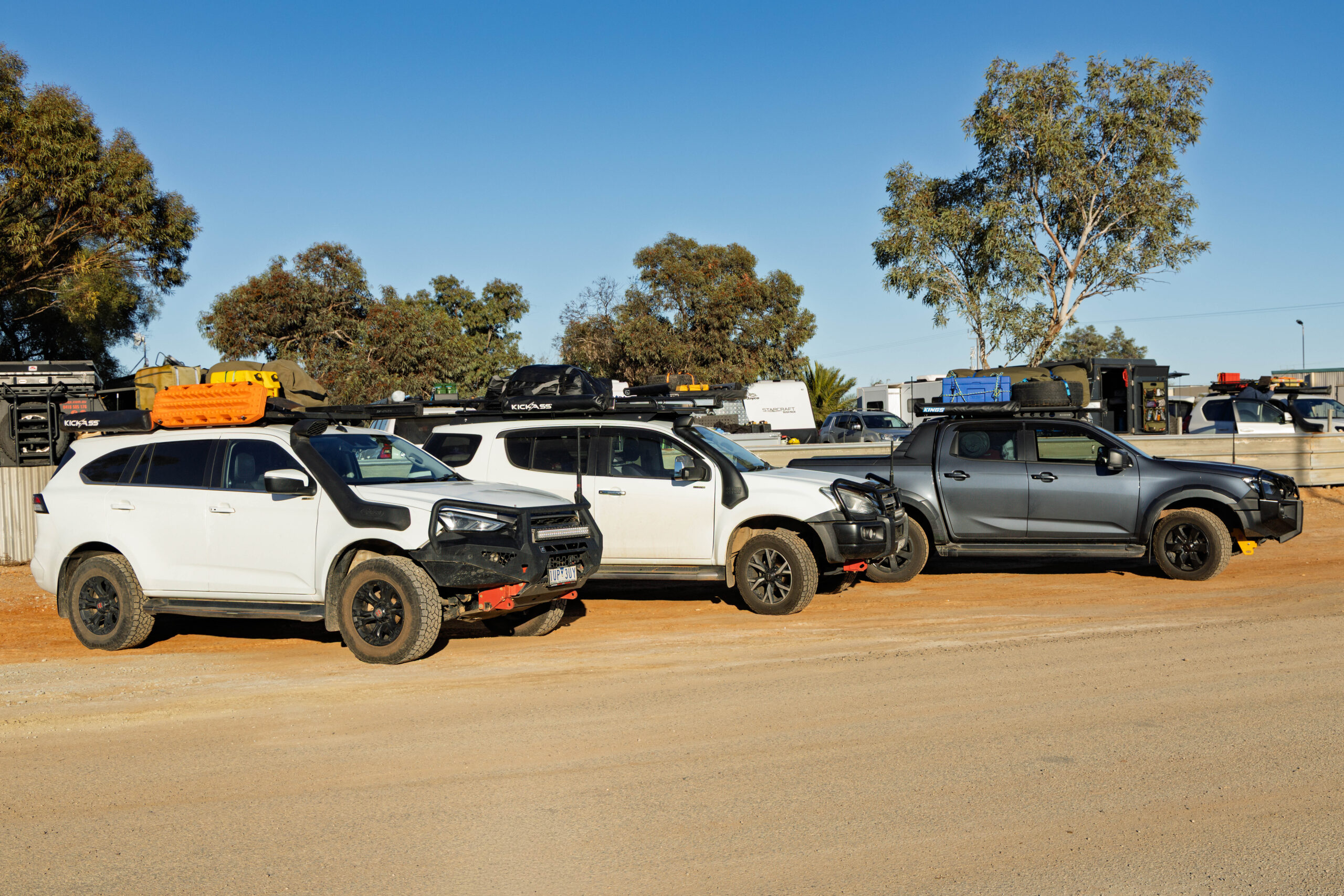
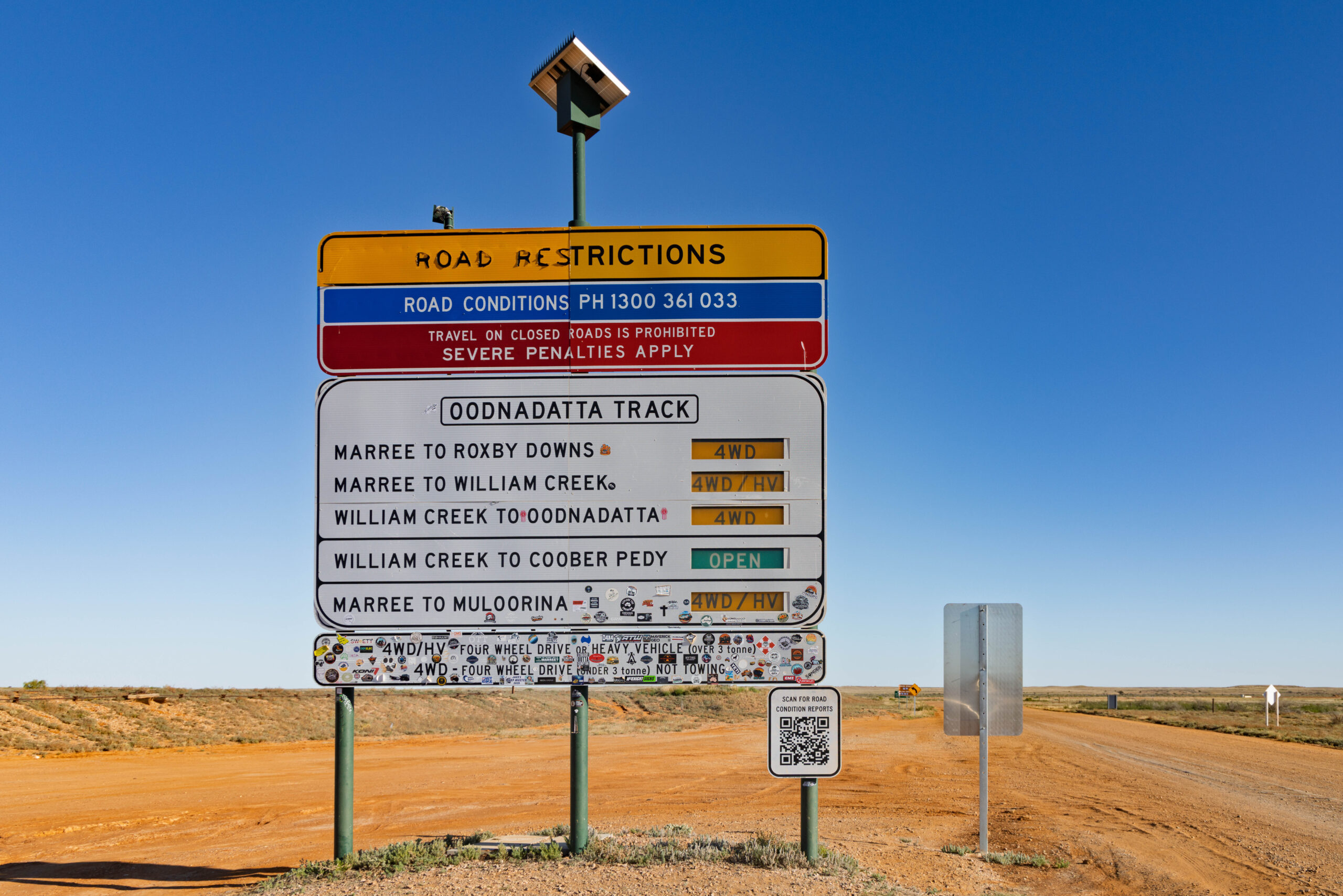
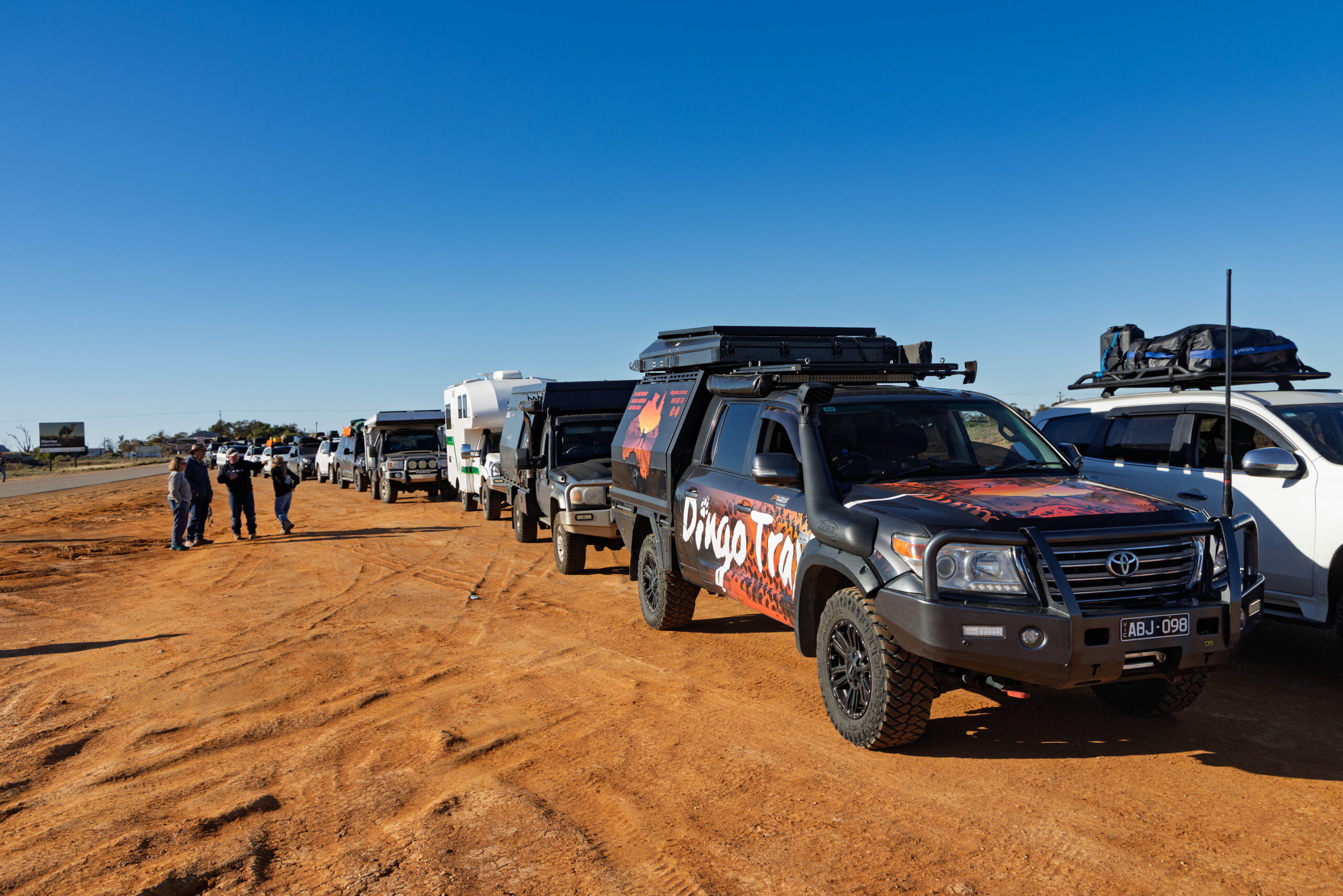
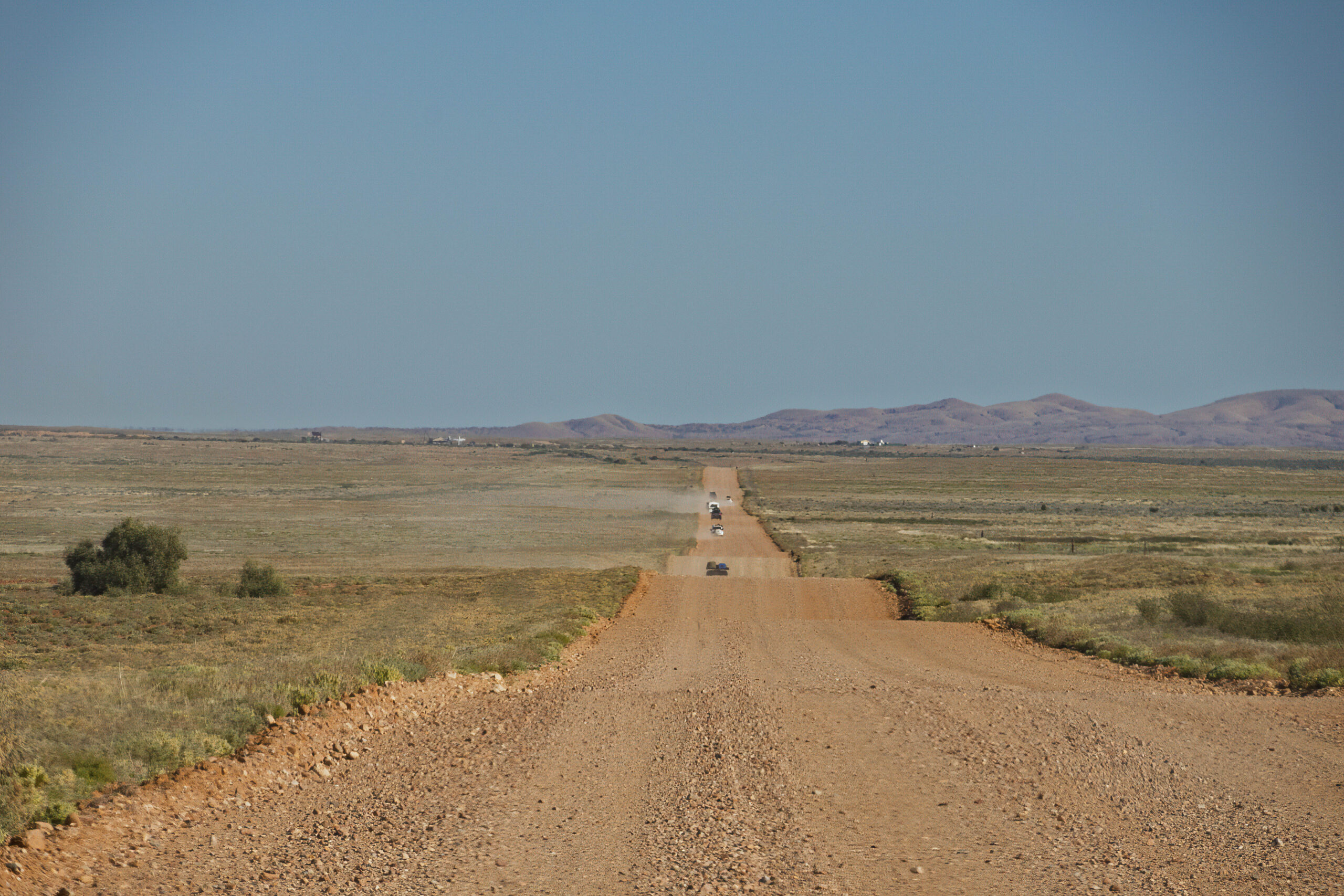
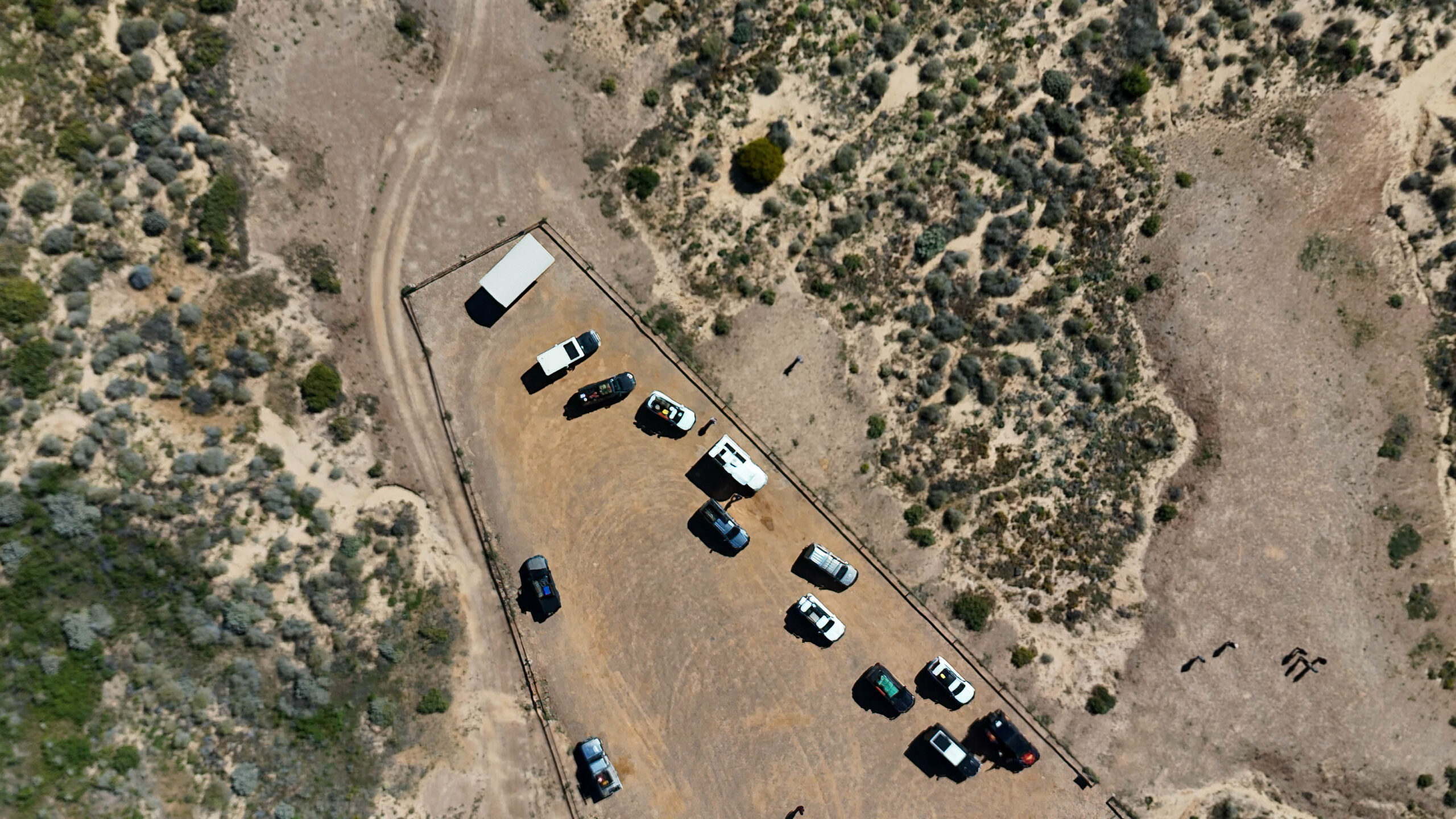
We were up early enough to have our showers and breakfast, re-pack and return our key to the roadhouse, before this morning’s designated mustering time of 8.30am for the Dingo Pack to head off onto the Oodnadatta Track. We are a big group of 13 vehicles and 26 people, including John’s crew of two vehicles and four people. Finally, we were all gathered and rolling out by 8.50am to drive the short distance to the Road Conditions sign where we lined up to take photos. The sign declared the Oodnadatta Track – William Creek to Coober Pedy – OPEN. All other sections were 4WD or 4WD/HV (Heavy Vehicle) so, it was lucky we were all equipped with 4X4s.
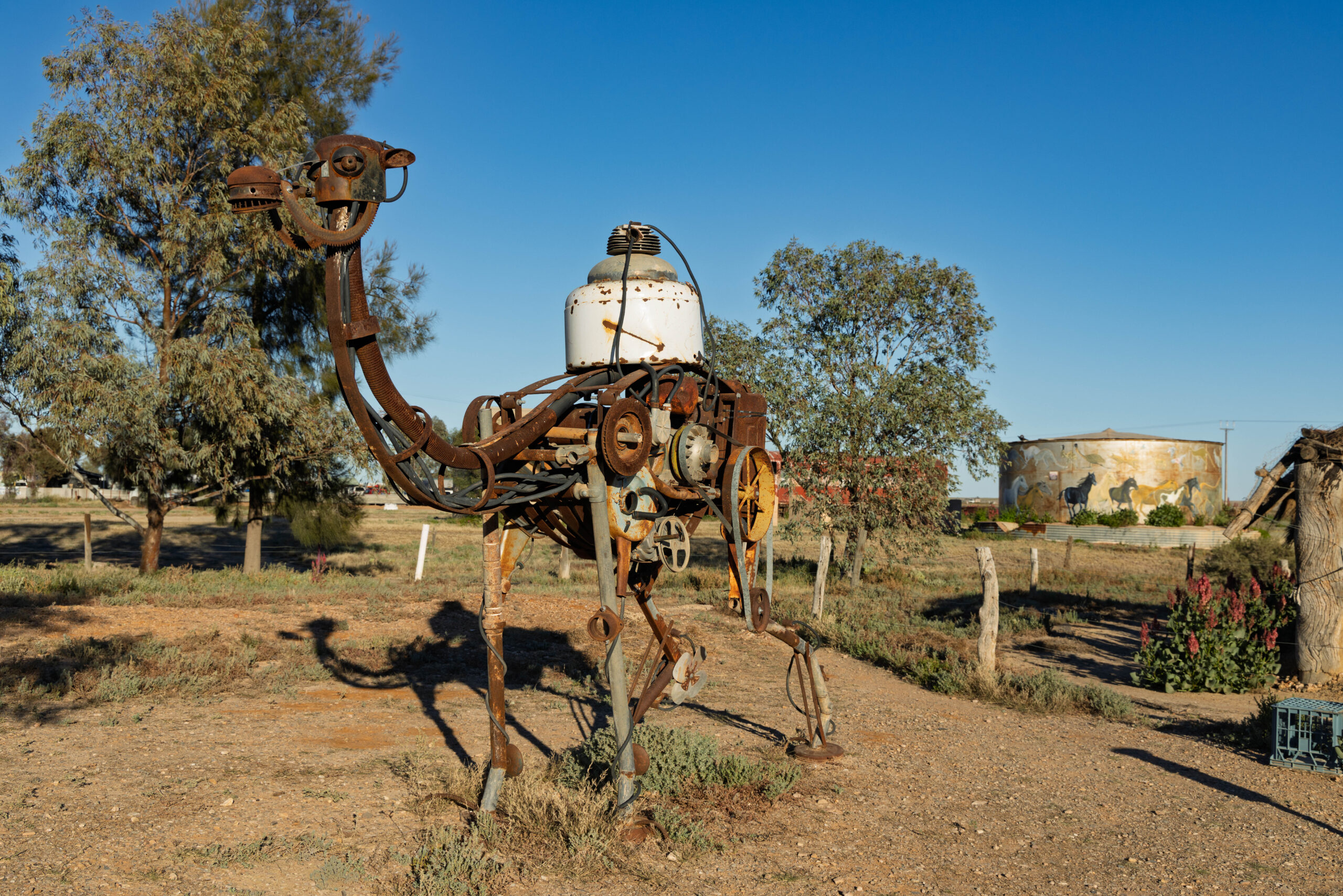
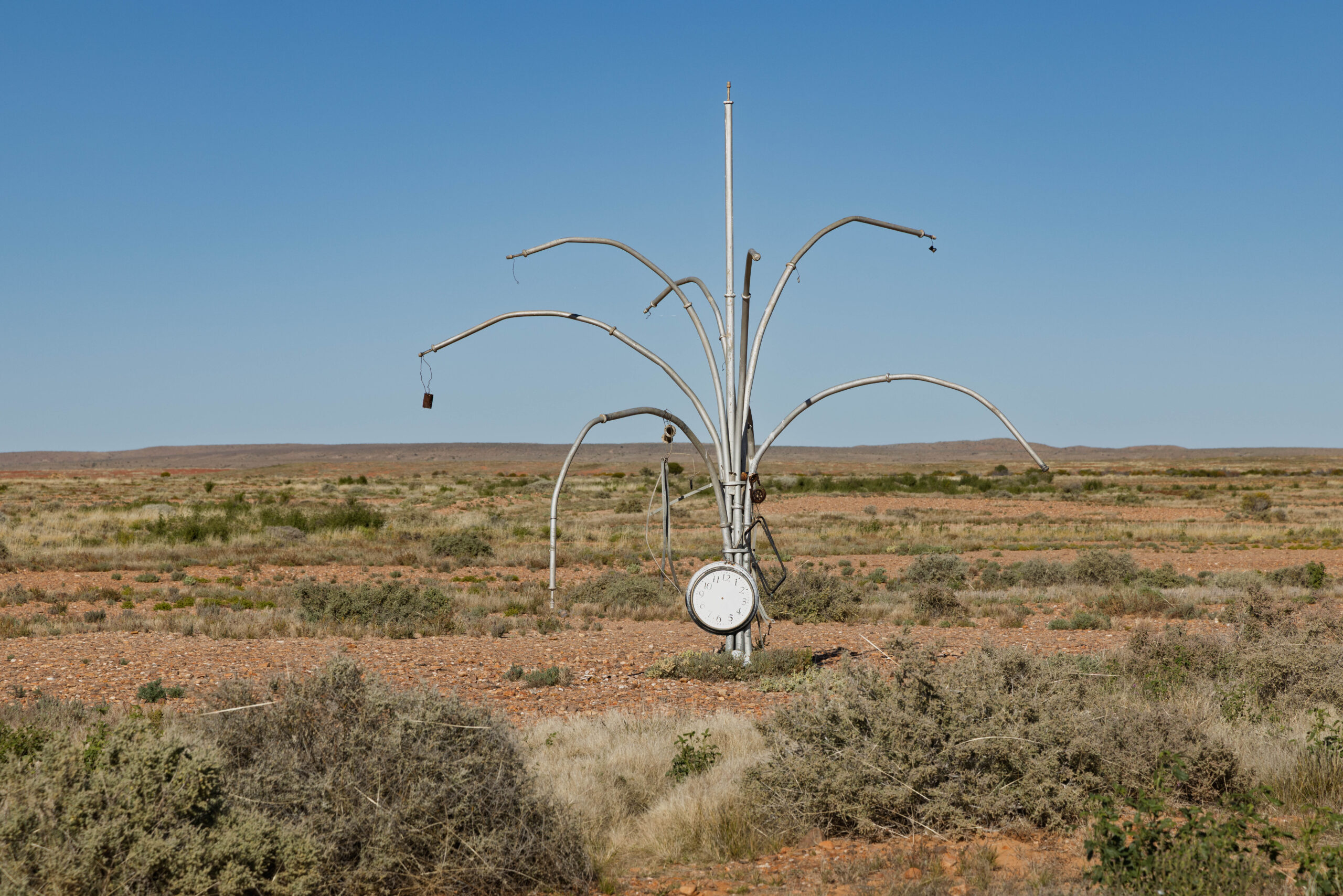
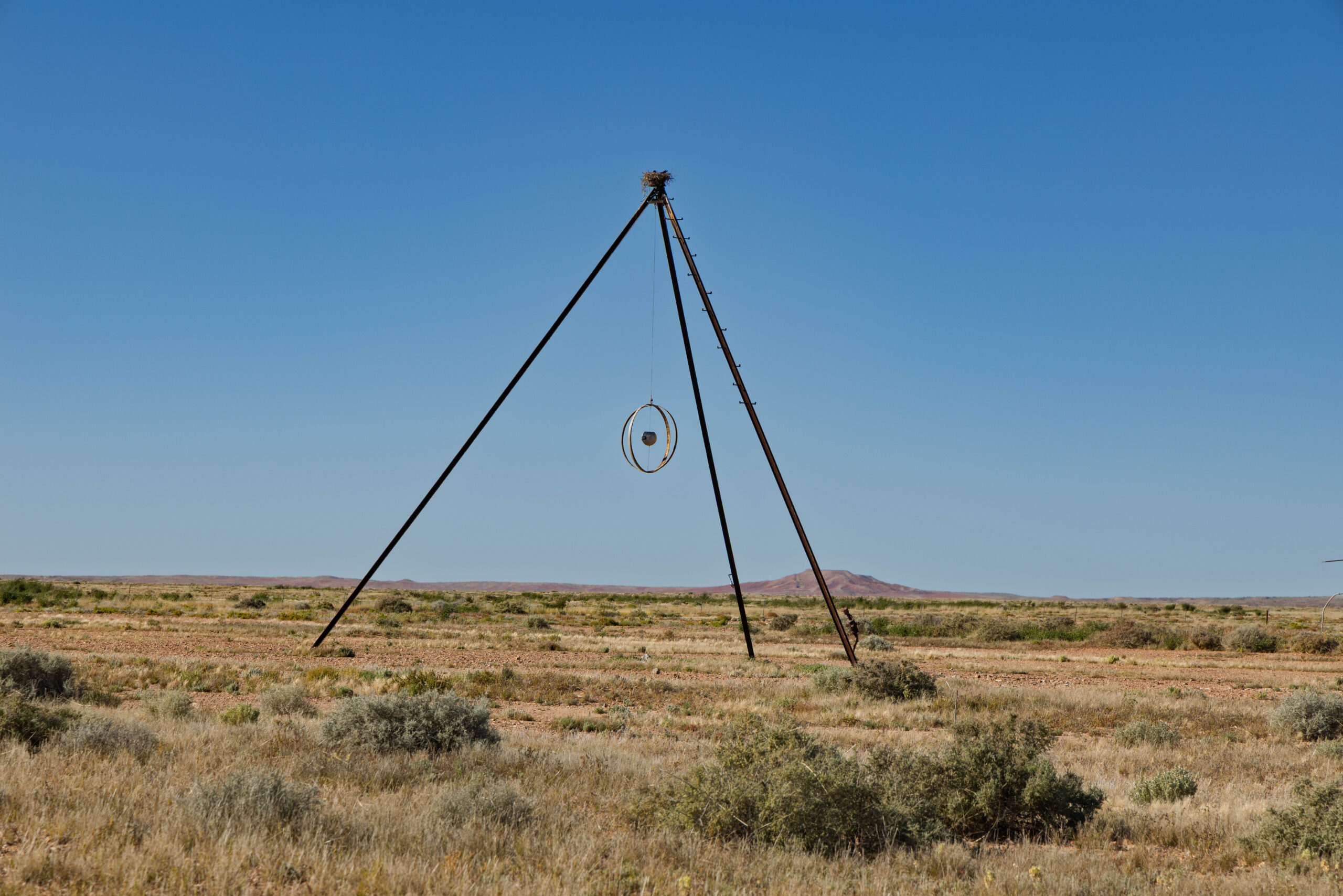
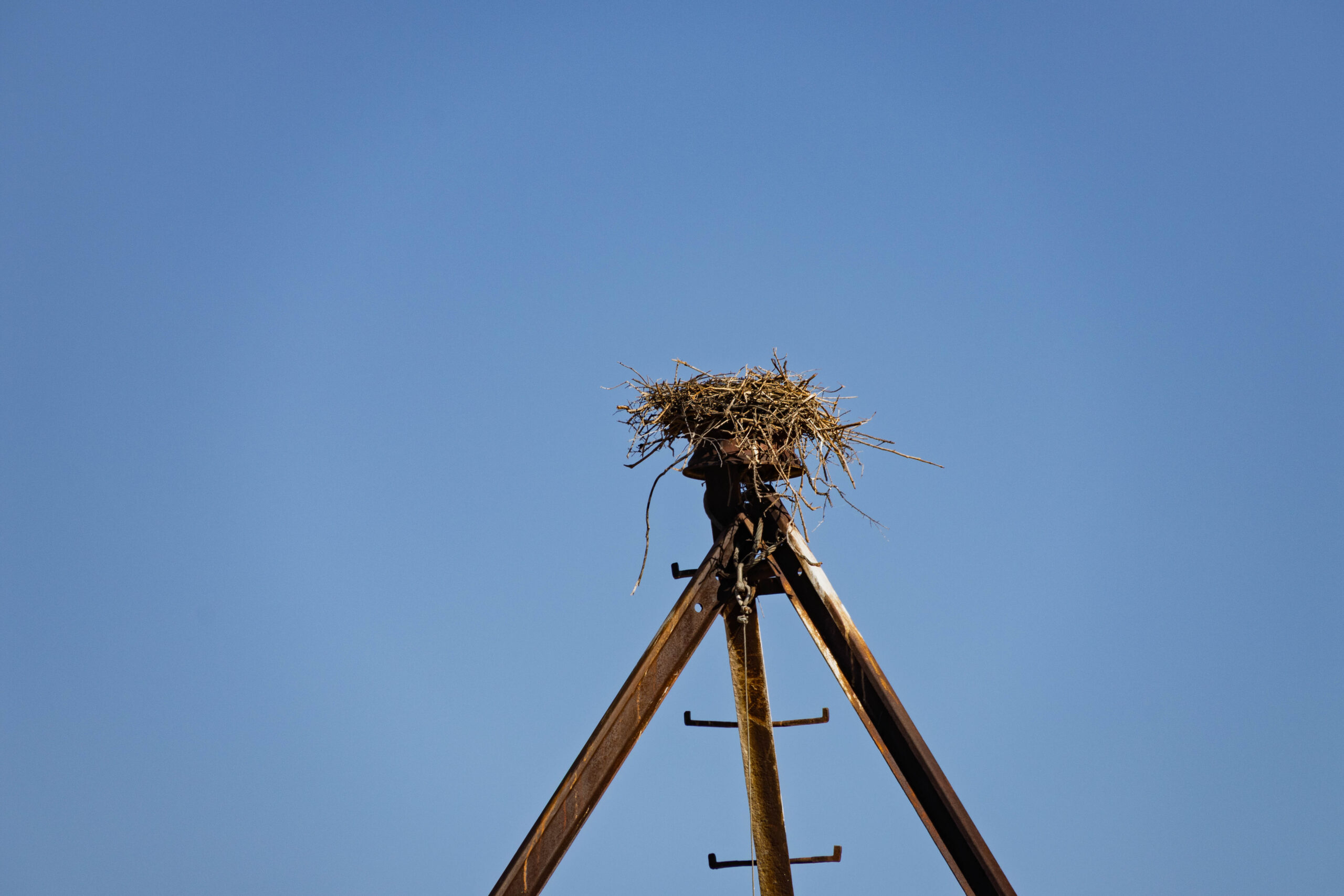
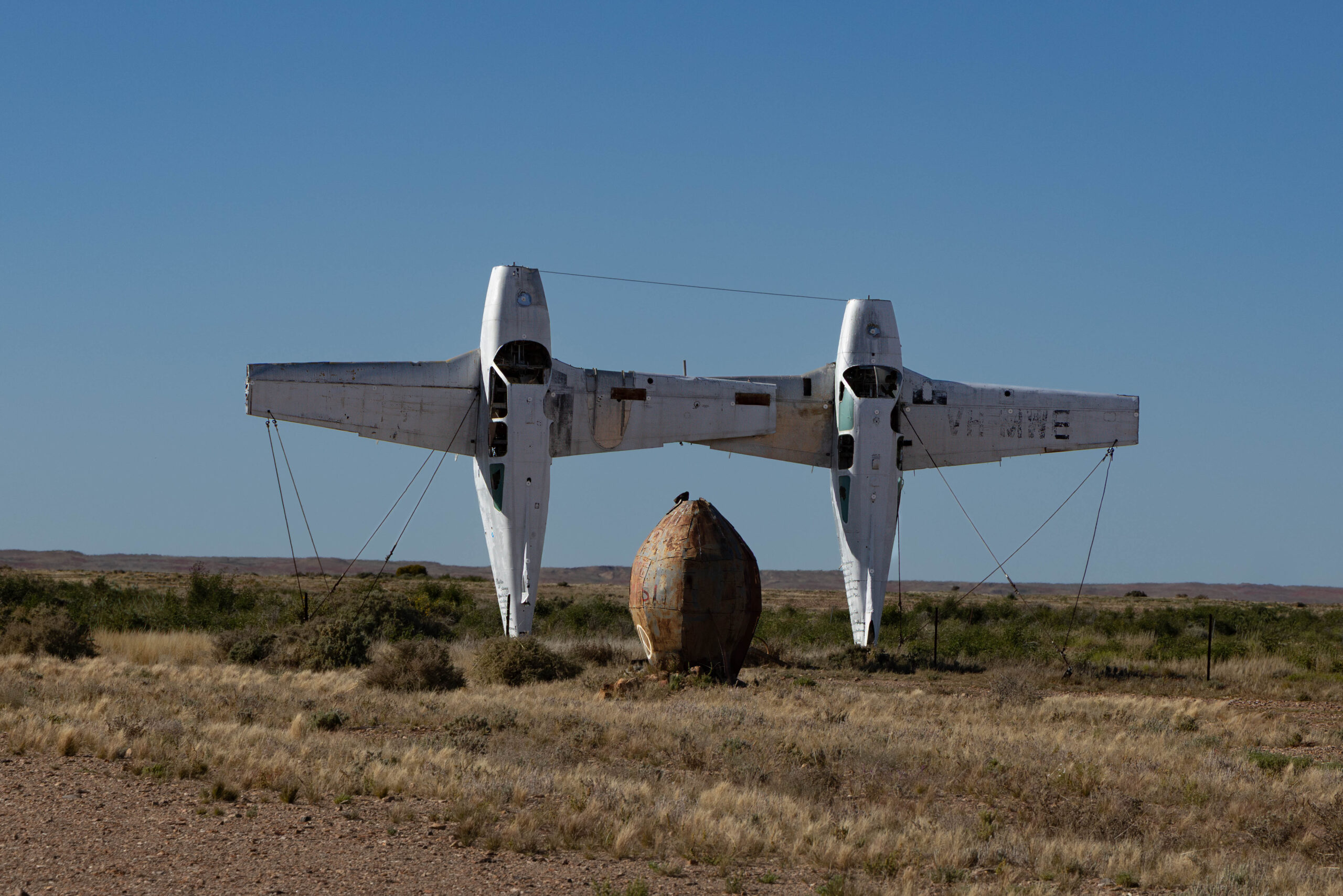
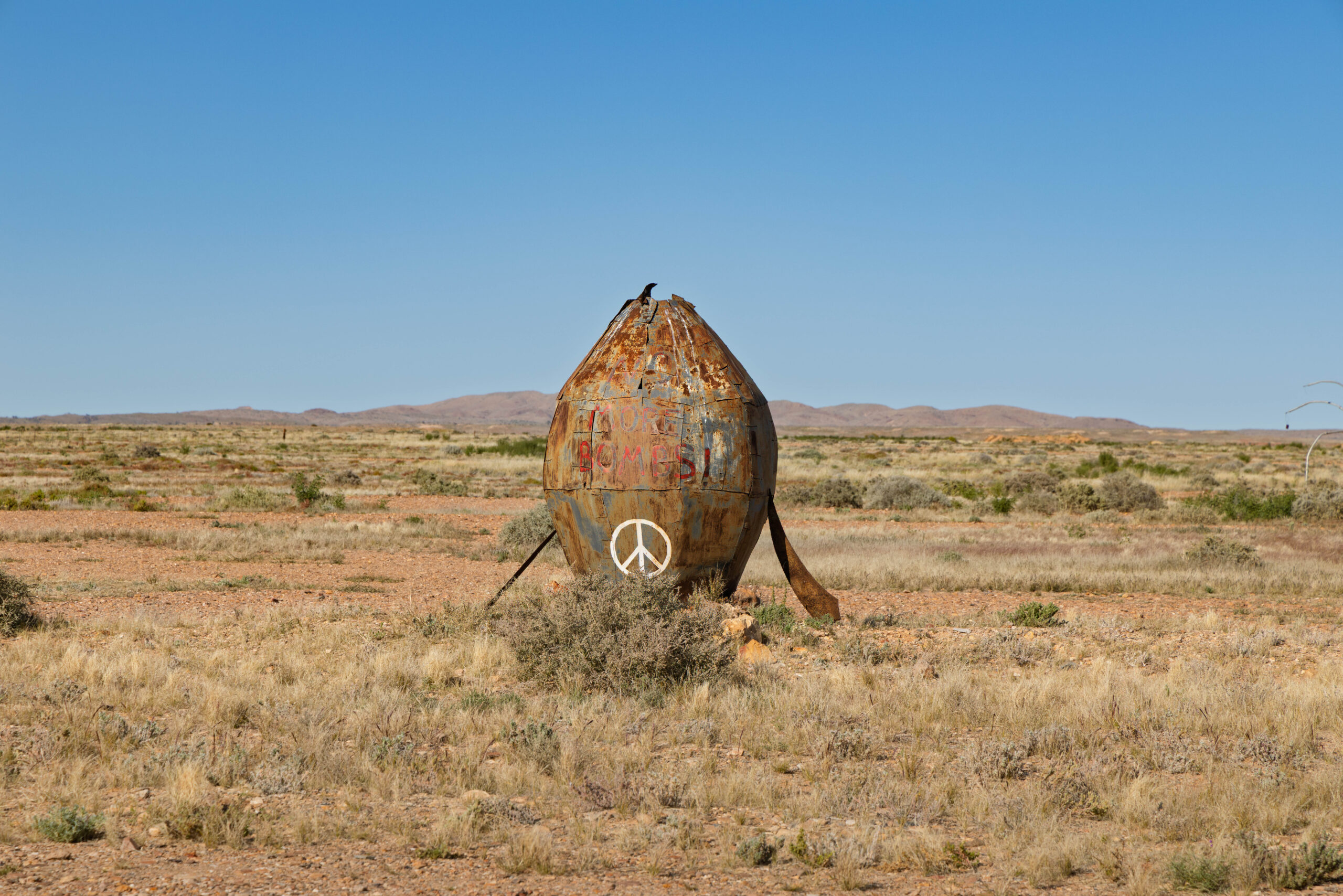
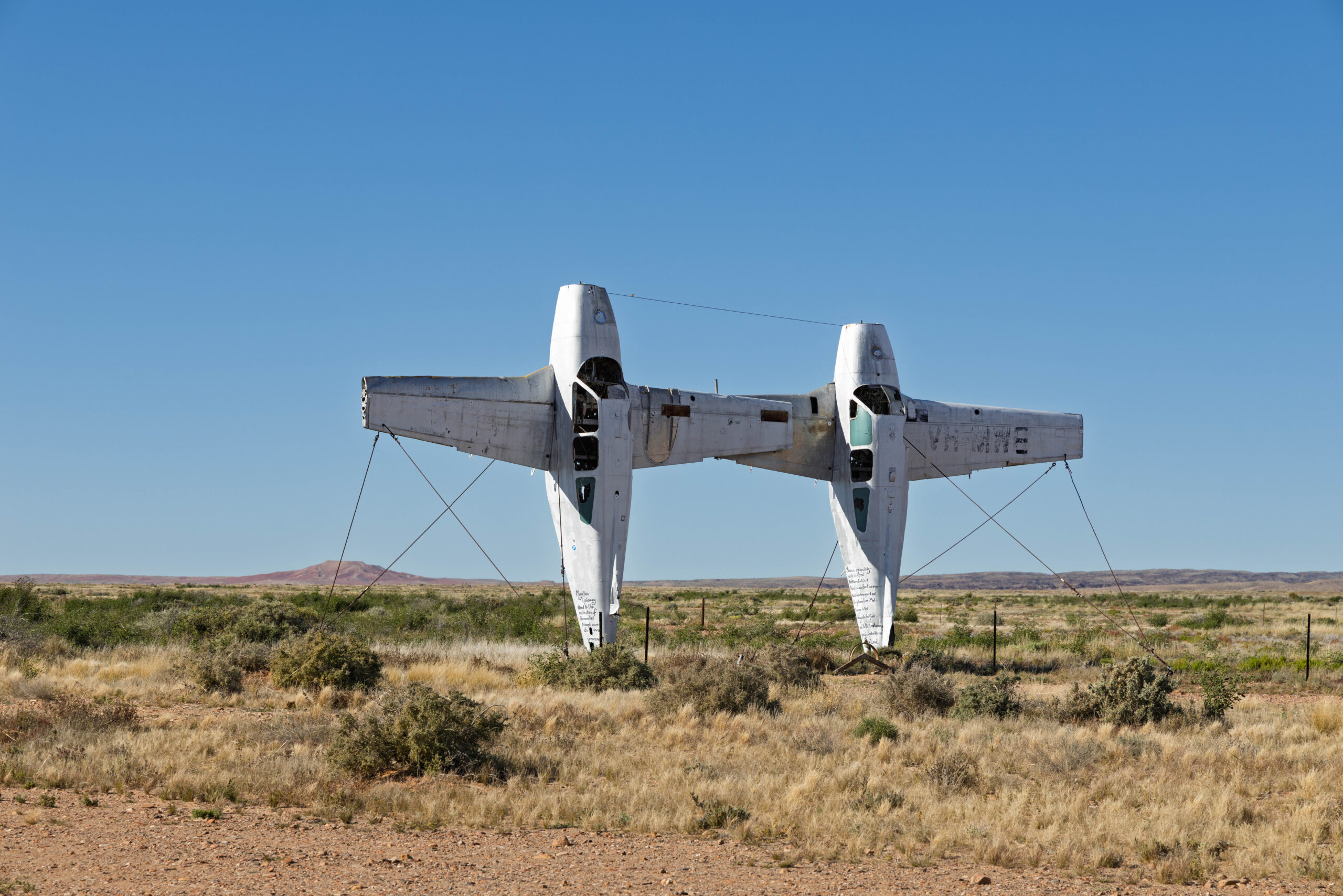
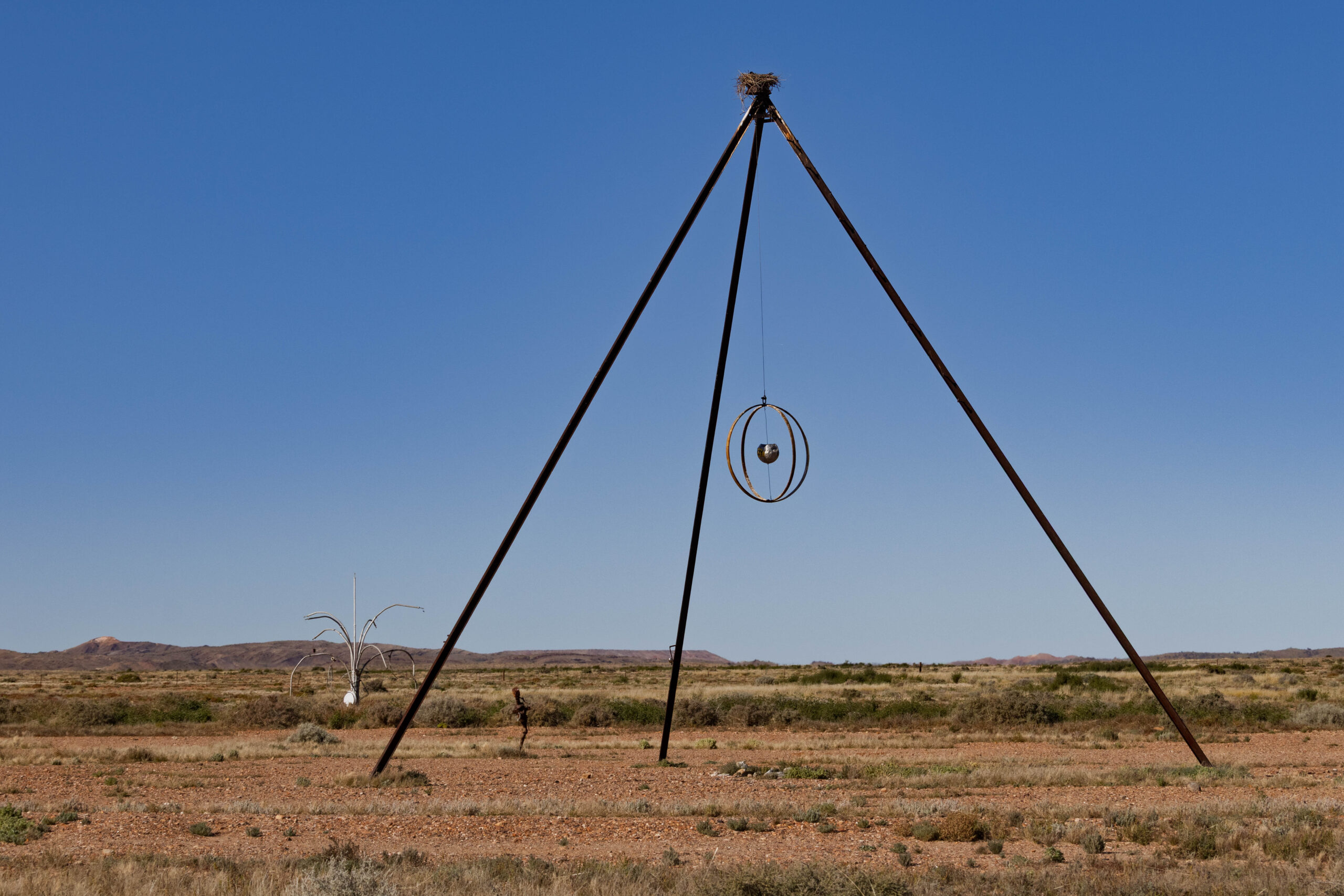
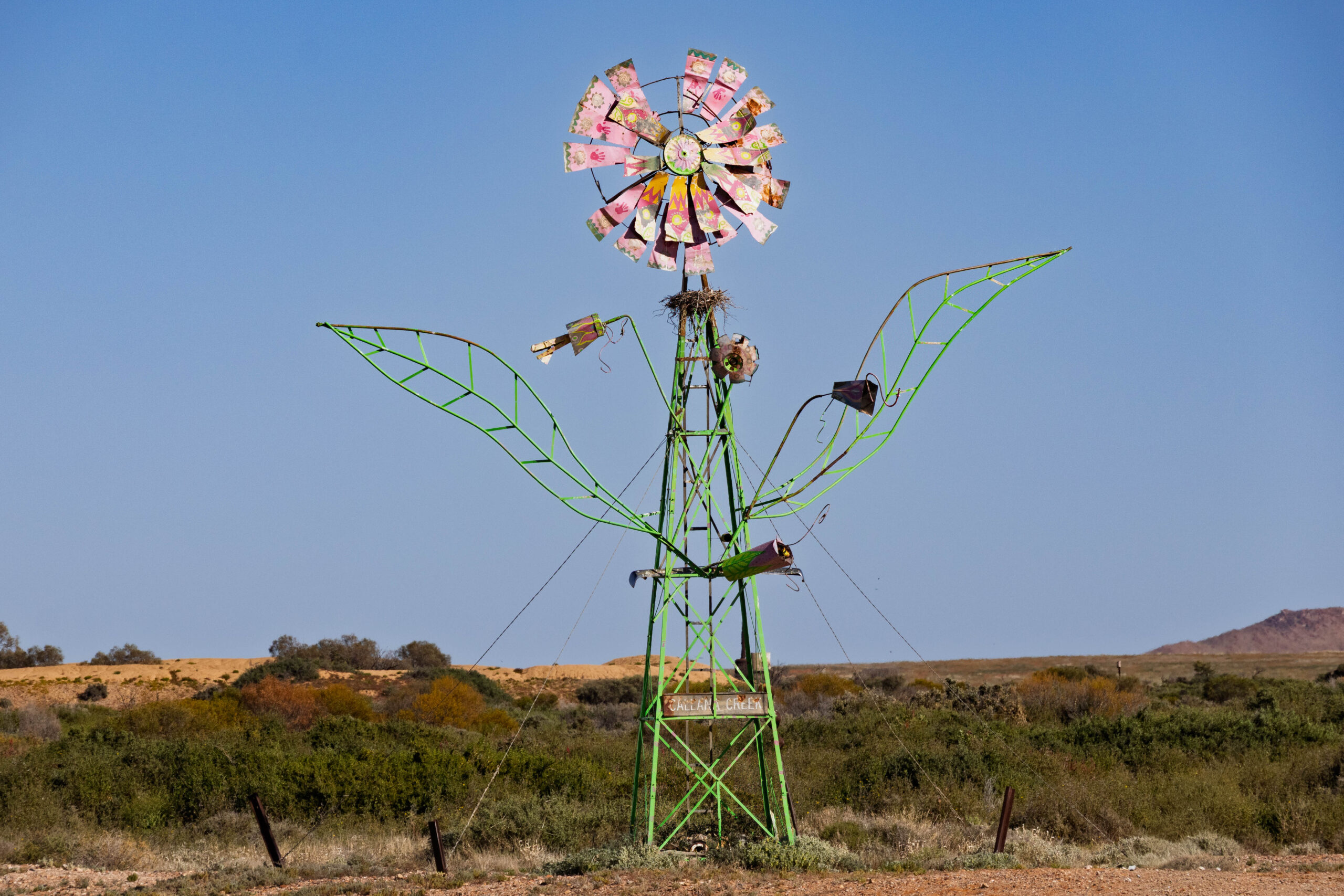
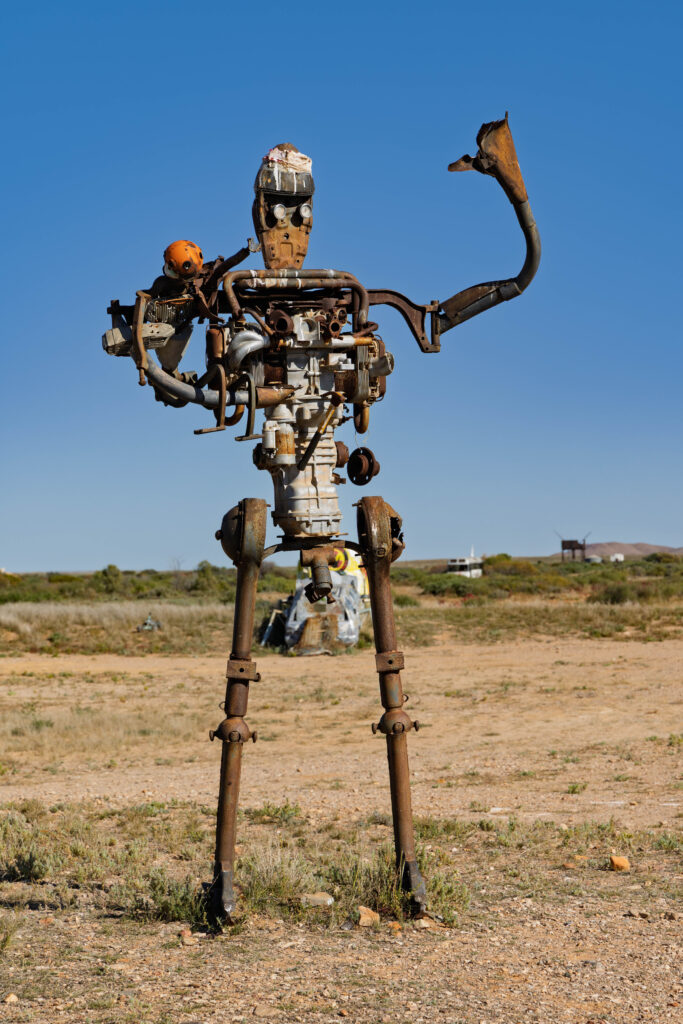
With photos taken, we were on our way on our tag along adventure into the Simpson Desert. Our first stop this morning was at the Mutonia Sculpture Park. Also known as Plane Henge the industrial sized sculptures have been crafted from scrap metal by former mechanic Robin Cooke. We spent about half an hour wandering around exploring the sculptures. We certainly had no idea that we were going to find an outdoor art gallery in the desert this morning. John had been crafty about keeping it as a surprise for us.
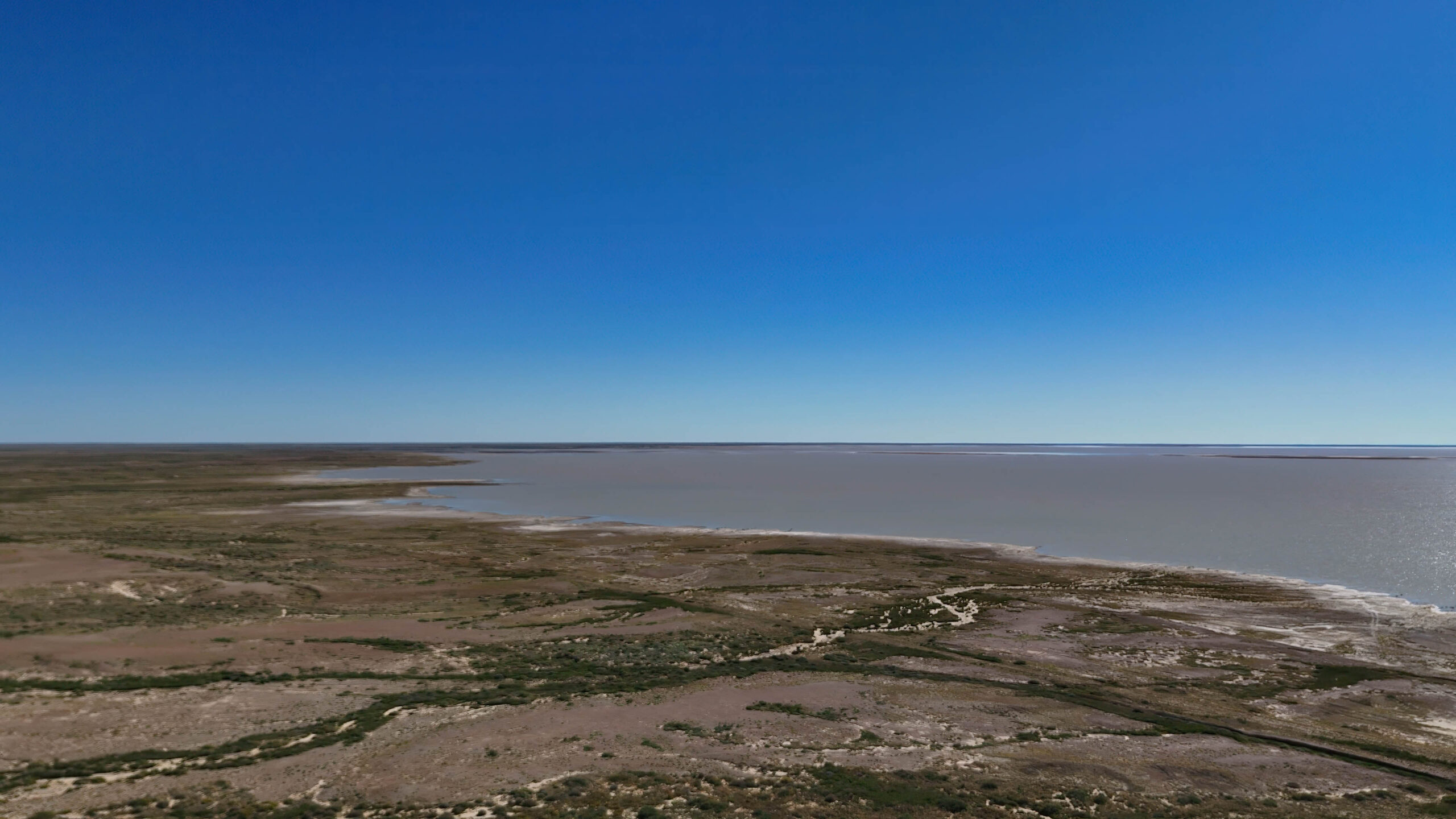
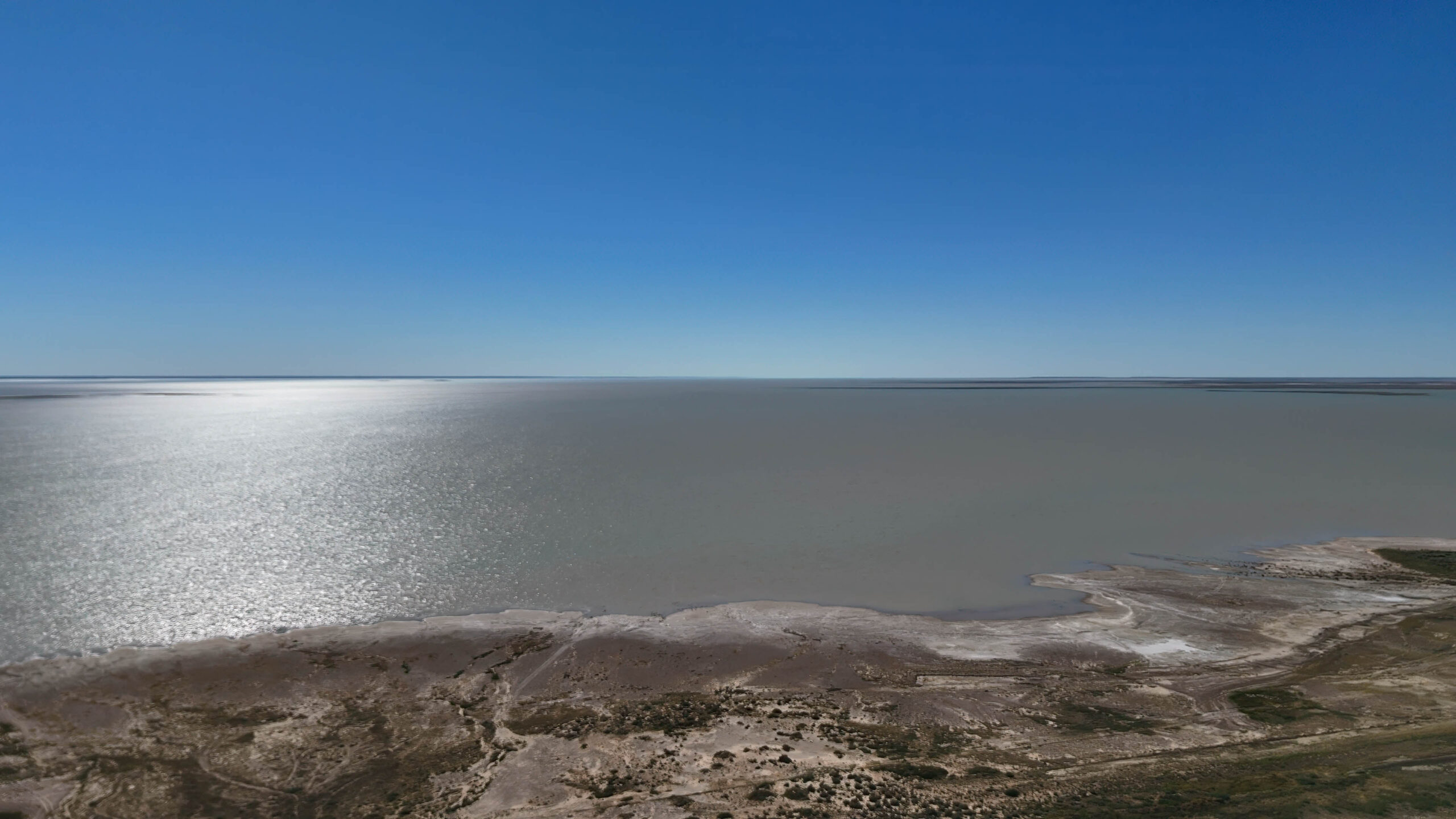
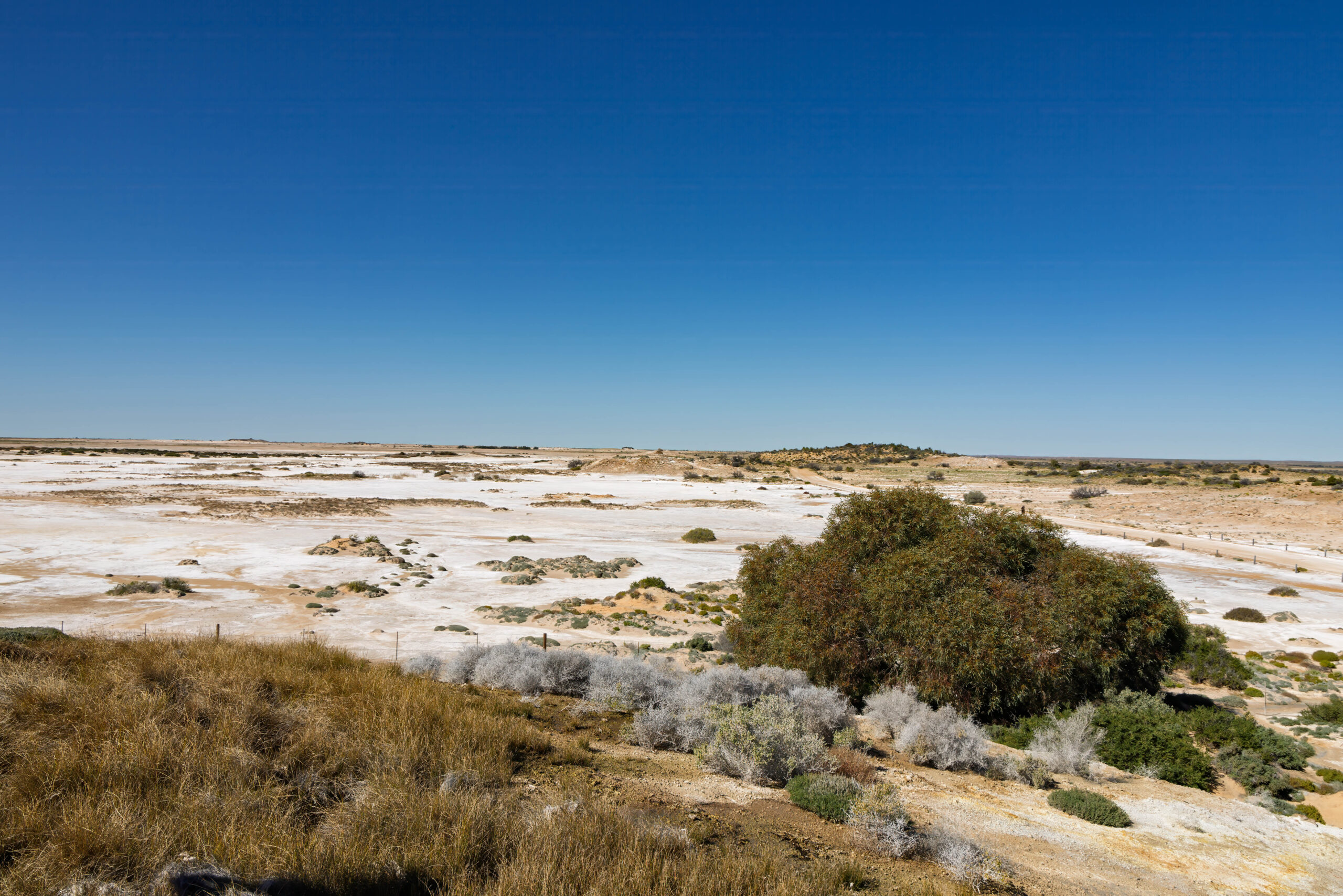
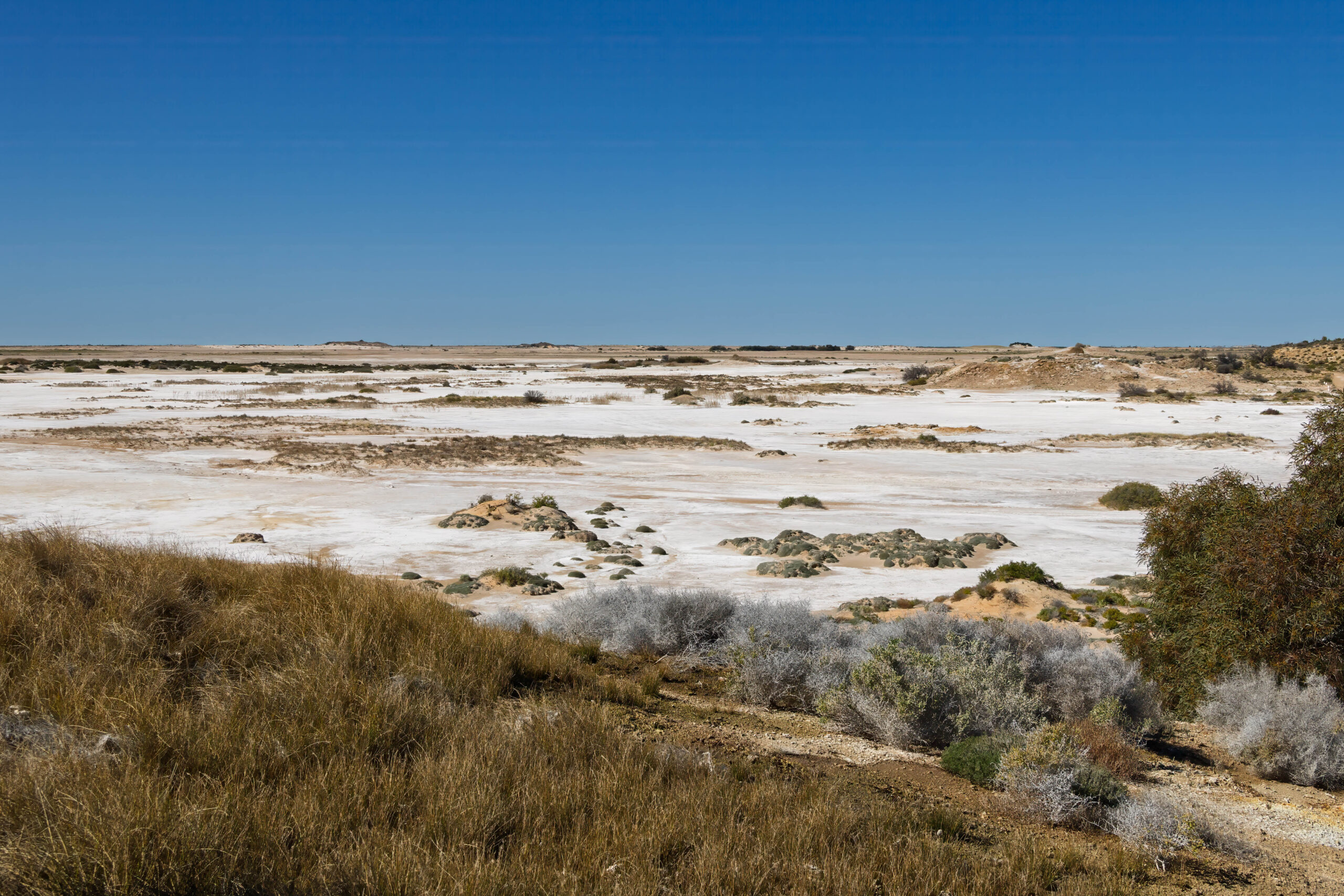
Back on the road, our next stop was at the Kati Thanda (Lake Eyre South) Lookout. This was another pleasant surprise because we hadn’t been able to tell from our atlas that the Oodnadatta Track was going to pass so close to the lake. It was only this morning, when we broke out our new Hema Great Desert Tracks Eastern Sheet map, that we could see Lookout symbols on the road near the southernmost edge of the lake.
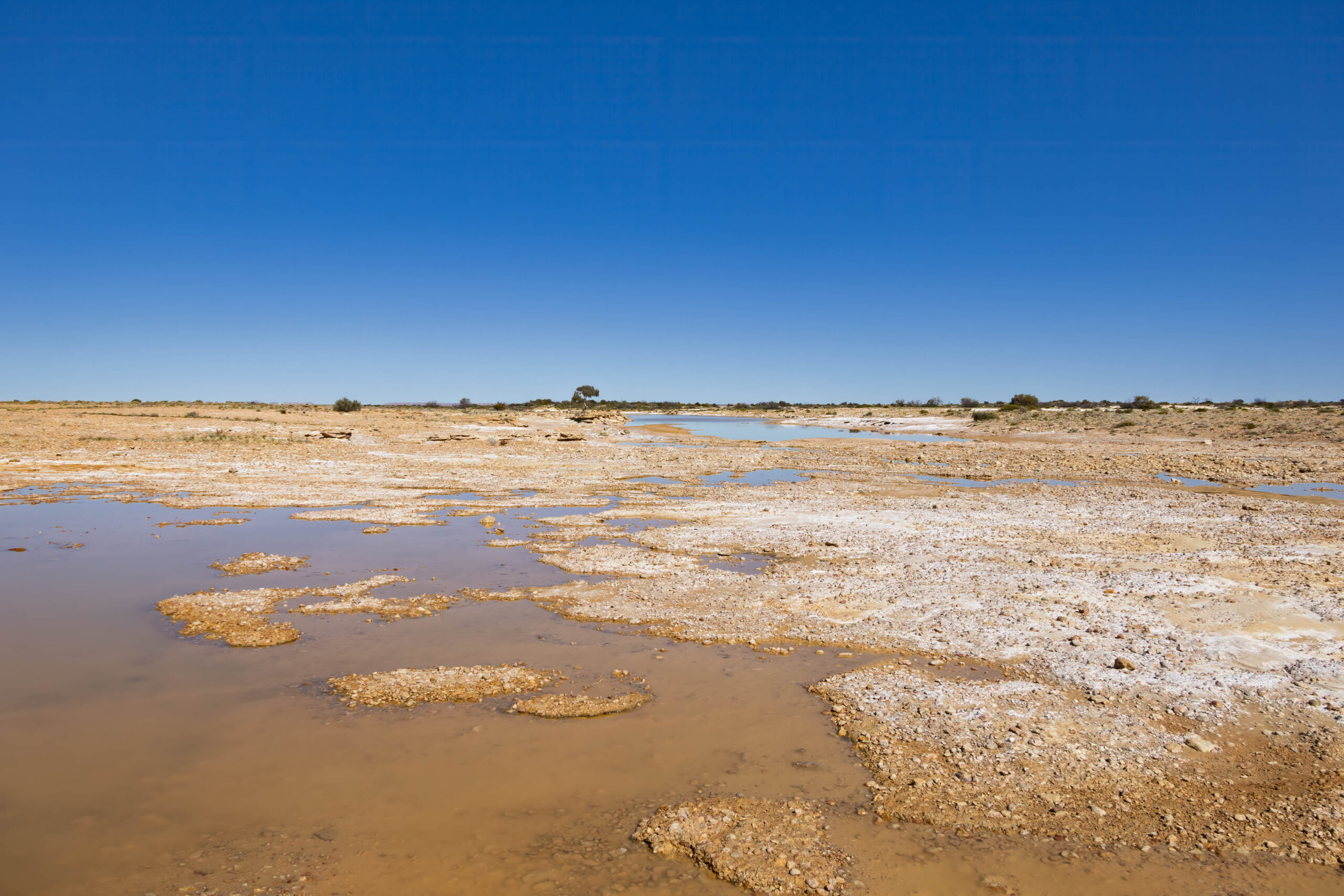
We pulled into the parking area and could not quite believe how close we were to Lake Eyre WITH WATER IN IT! Usually travellers on the Oodnadatta Track are looking out onto a vast salt pan, but we were incredibly lucky to be seeing an actual water-filled lake. When we flew over last year, on a day trip from the Flinders Ranges, water had only just started to flow through the Goyder Channel into Lake Eyre South. After all the rain that Cyclone Narelle dumped on the channel country in March, water has continued to flow into the northern lake and then overflow through to the southern lake.
We had toyed with the idea of taking another flight over the lake tomorrow, but we had not booked ahead and we found last night that no seats are available. I’m actually happy to be saving the money and delighted with having seen water in the southern lake from the lakeshore. If not a once-in-a-lifetime experience, certainly something that only happens each decade or so.
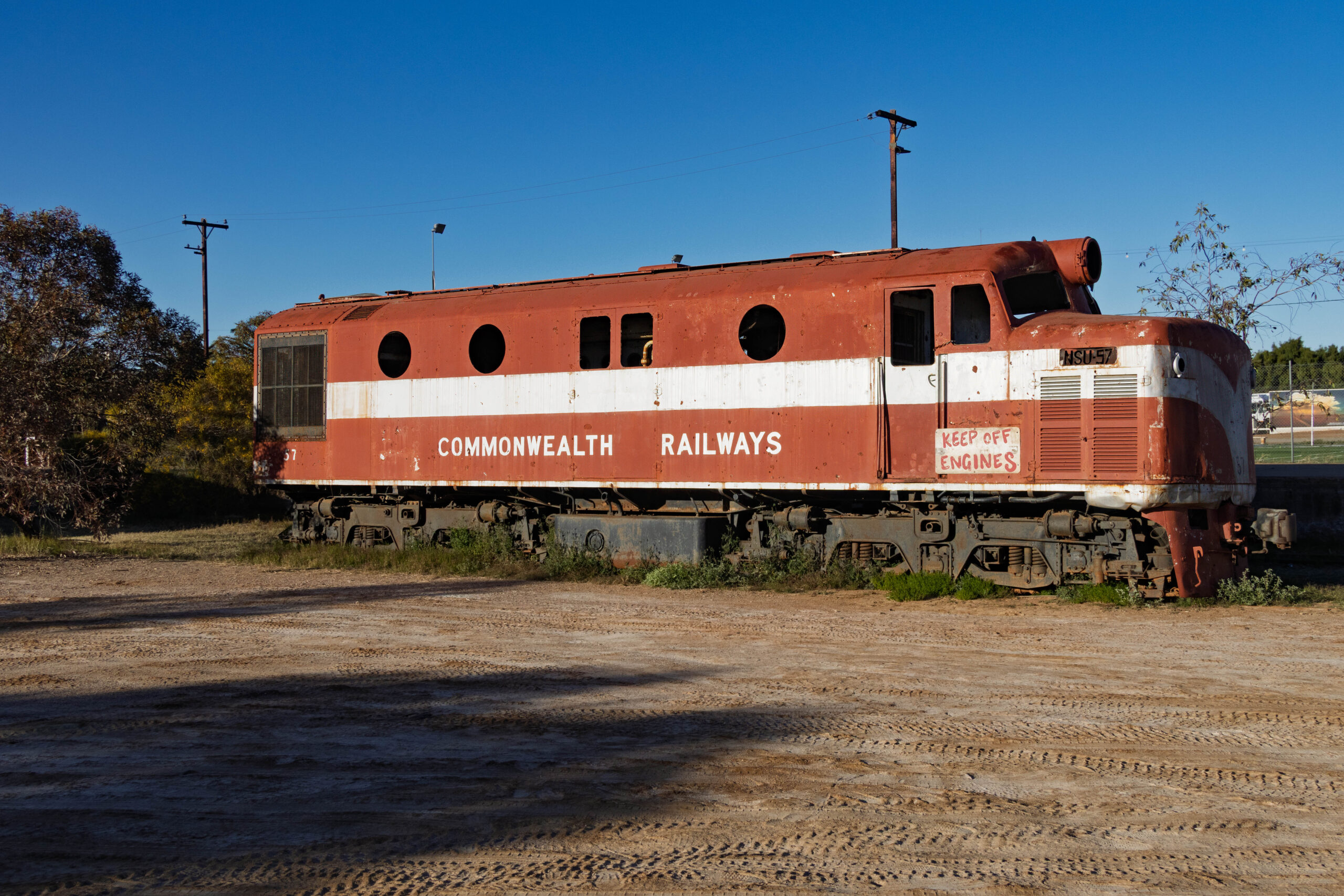
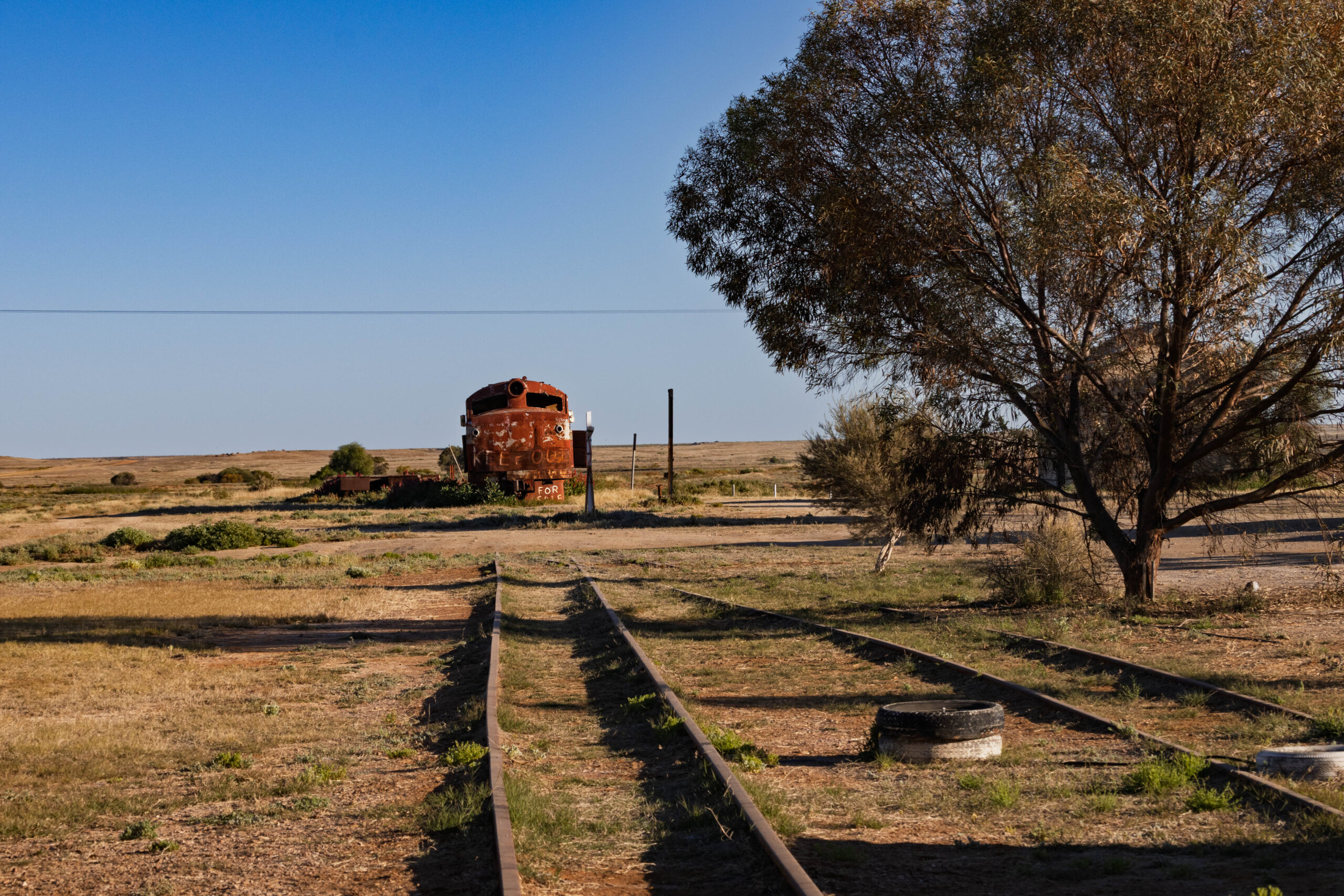
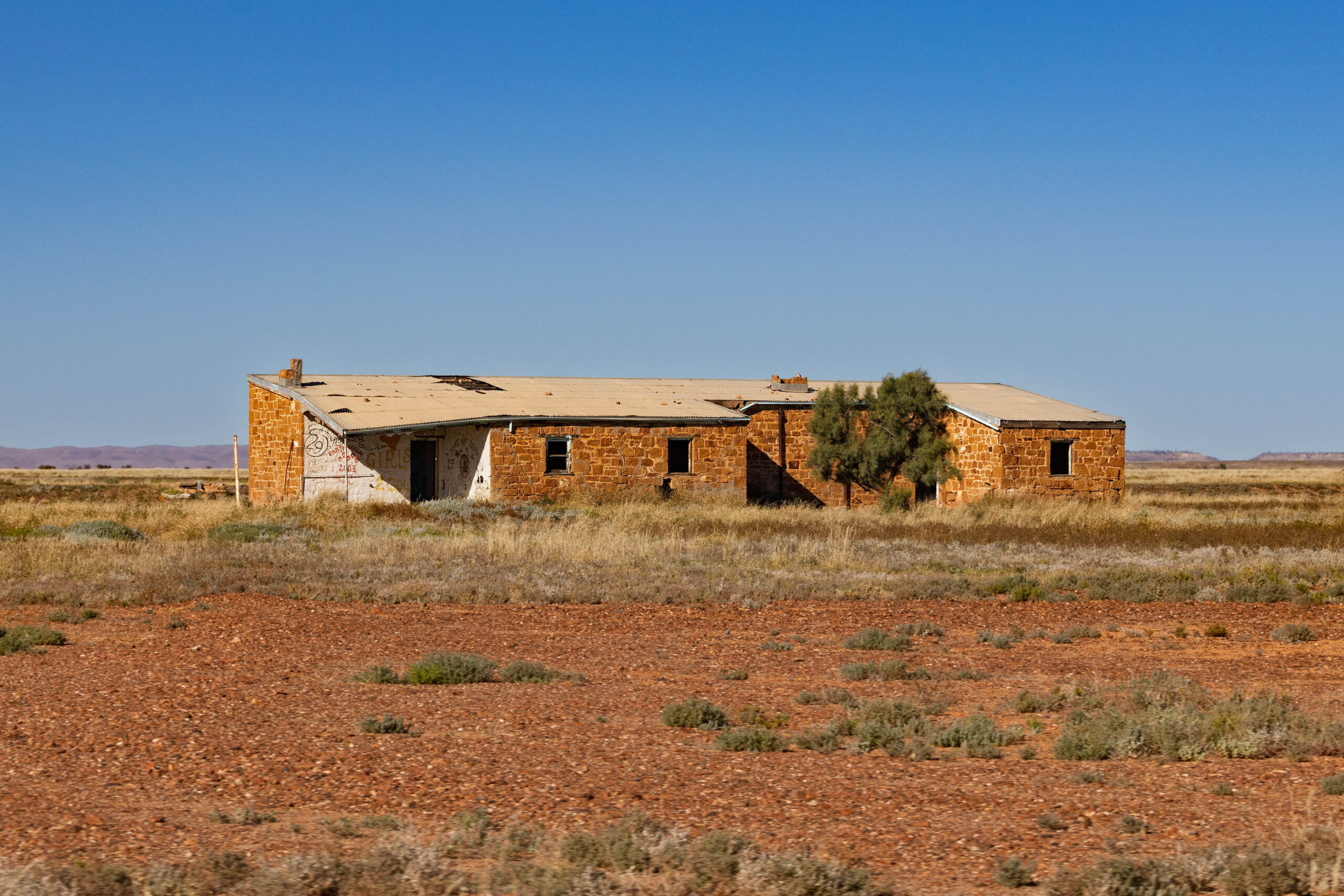
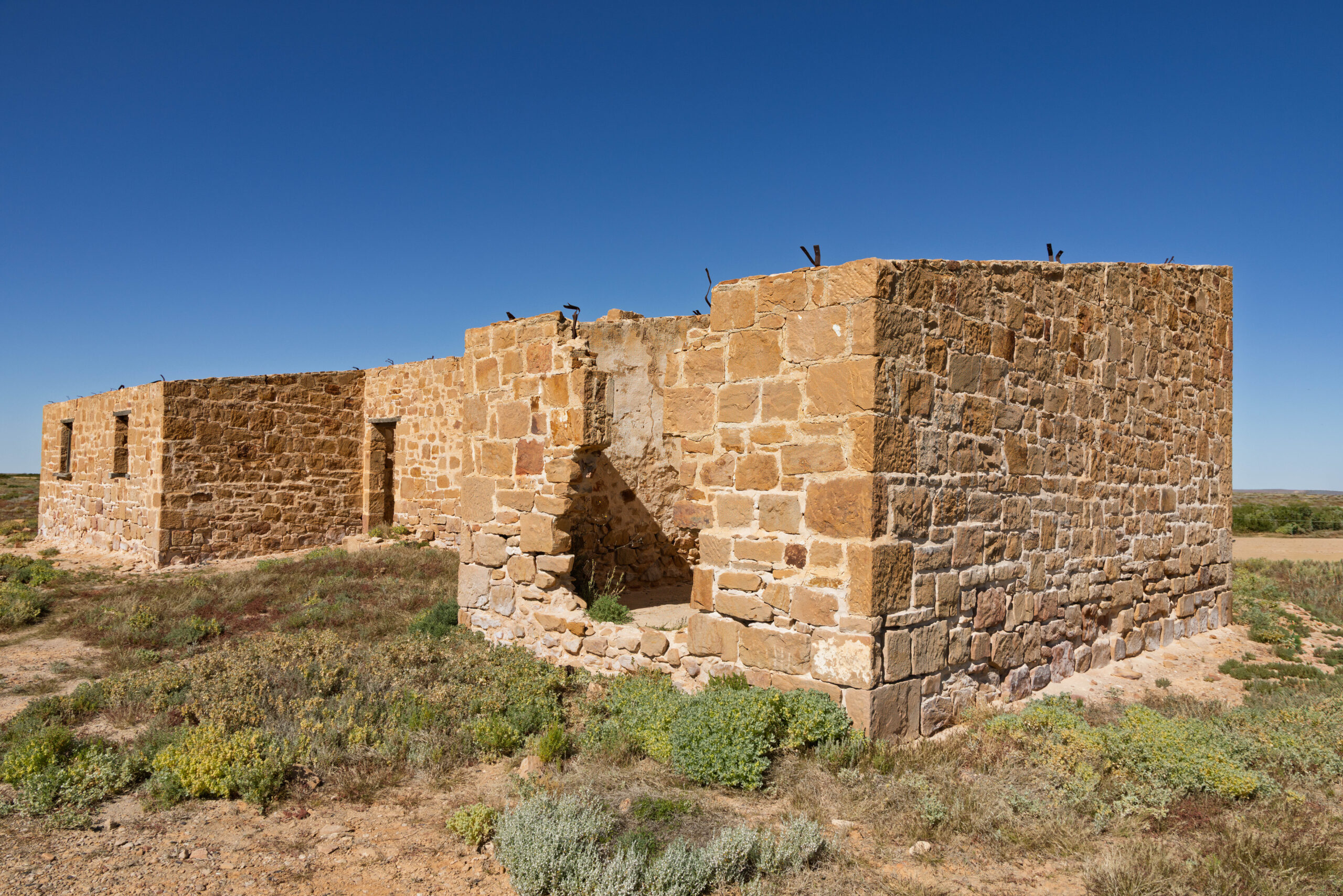
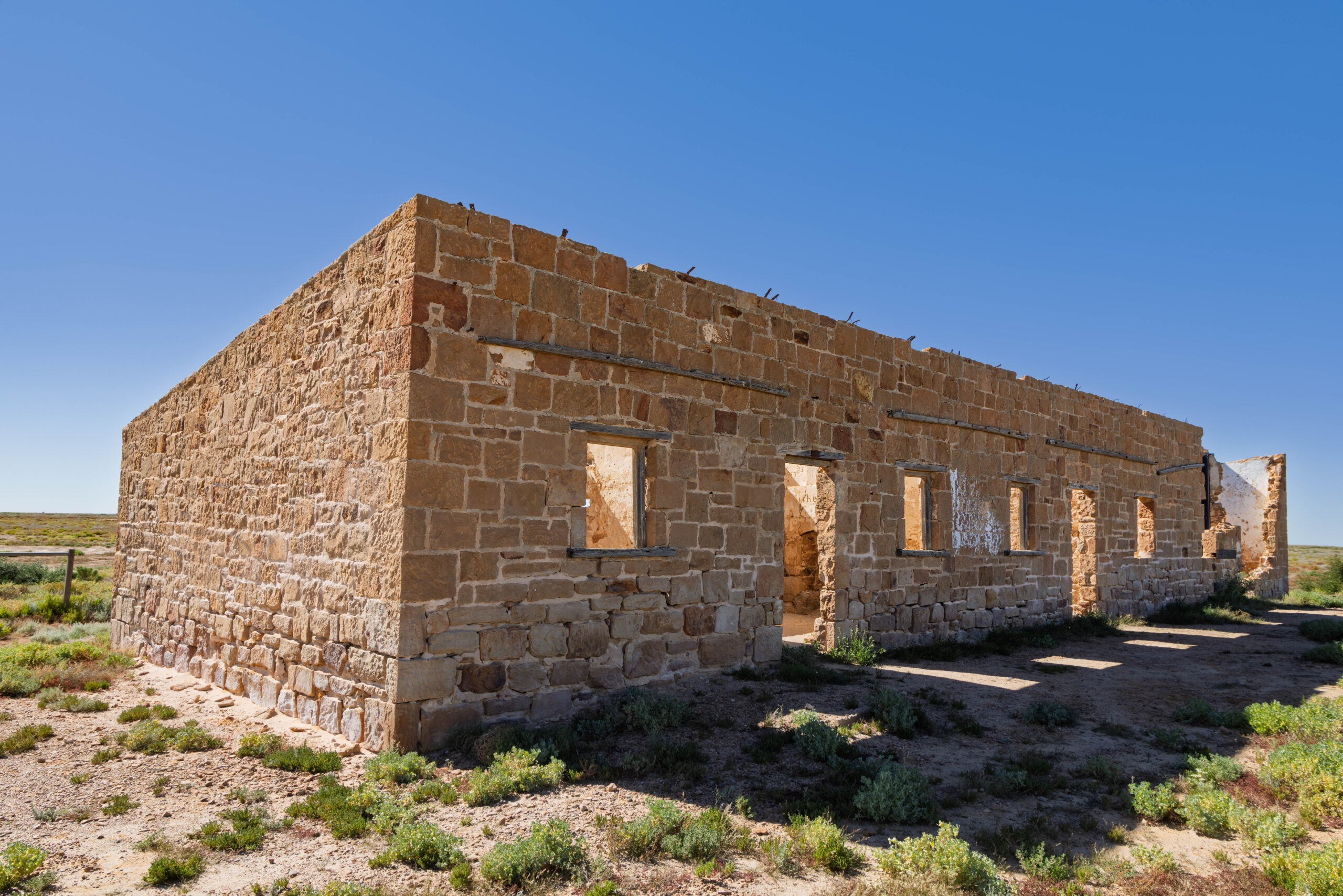
Our next stop was at Margaret Siding, a small cottage that would have been home to the fettlers – the gangs of men who maintained the railway track. Because the Great Northern Railway line ran through remote country, hundreds of kilometres away from any services, gangs had to live along the track to respond quickly when repairs were needed. Constant upkeep was needed as well as major repairs due to flash flooding and sand storms. In some cases the extreme heat was known to warp the track.
Fettlers undertook backbreaking work in the hot dessert sun, miles from any large settlements and few records remain of their contribution to the settlement of the outback. Margaret Siding stabilization work has been funded by the Department for Environment and Water, and undertaken by the owners of Coward Springs, so the fettler’s story can be appreciated a little longer.
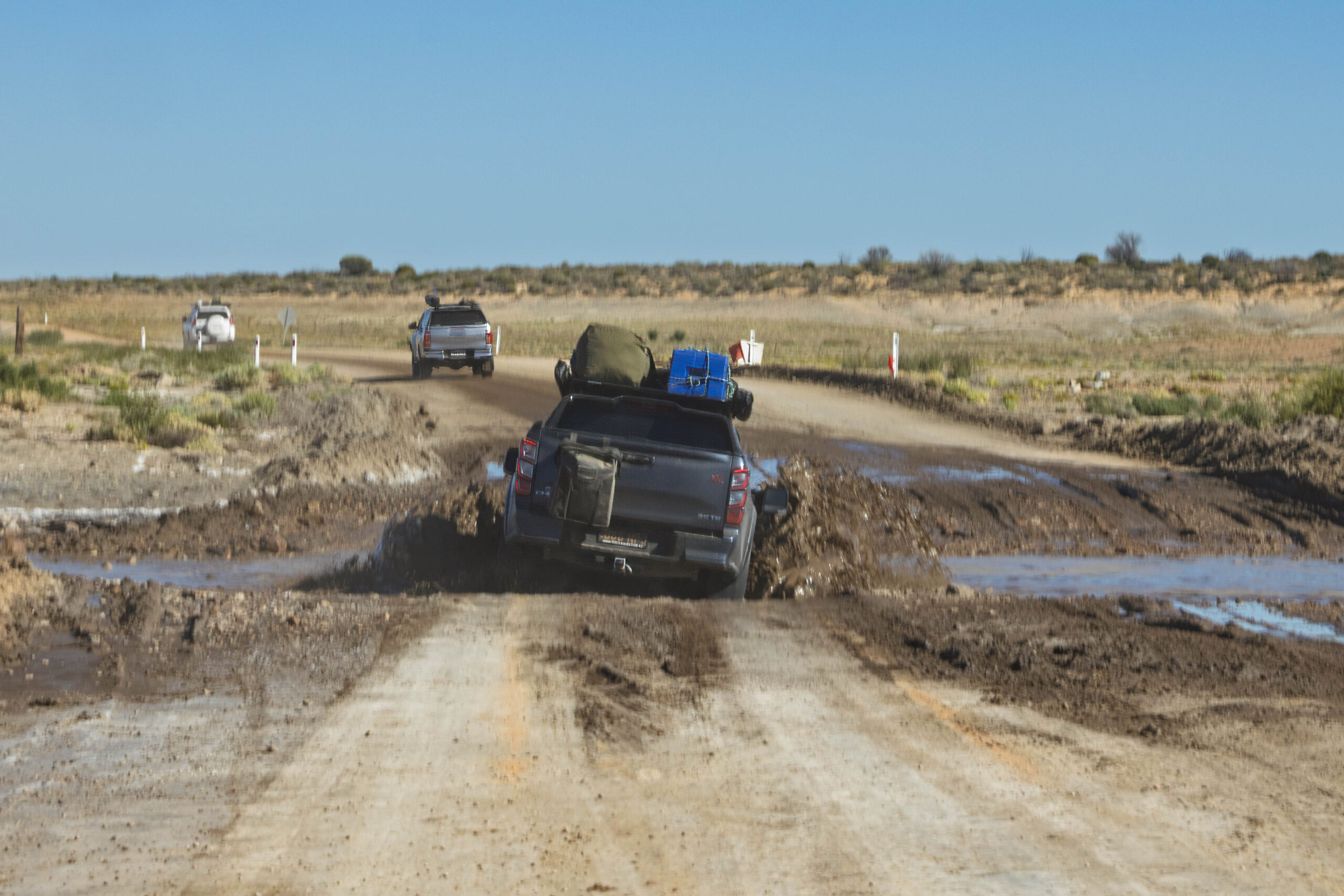
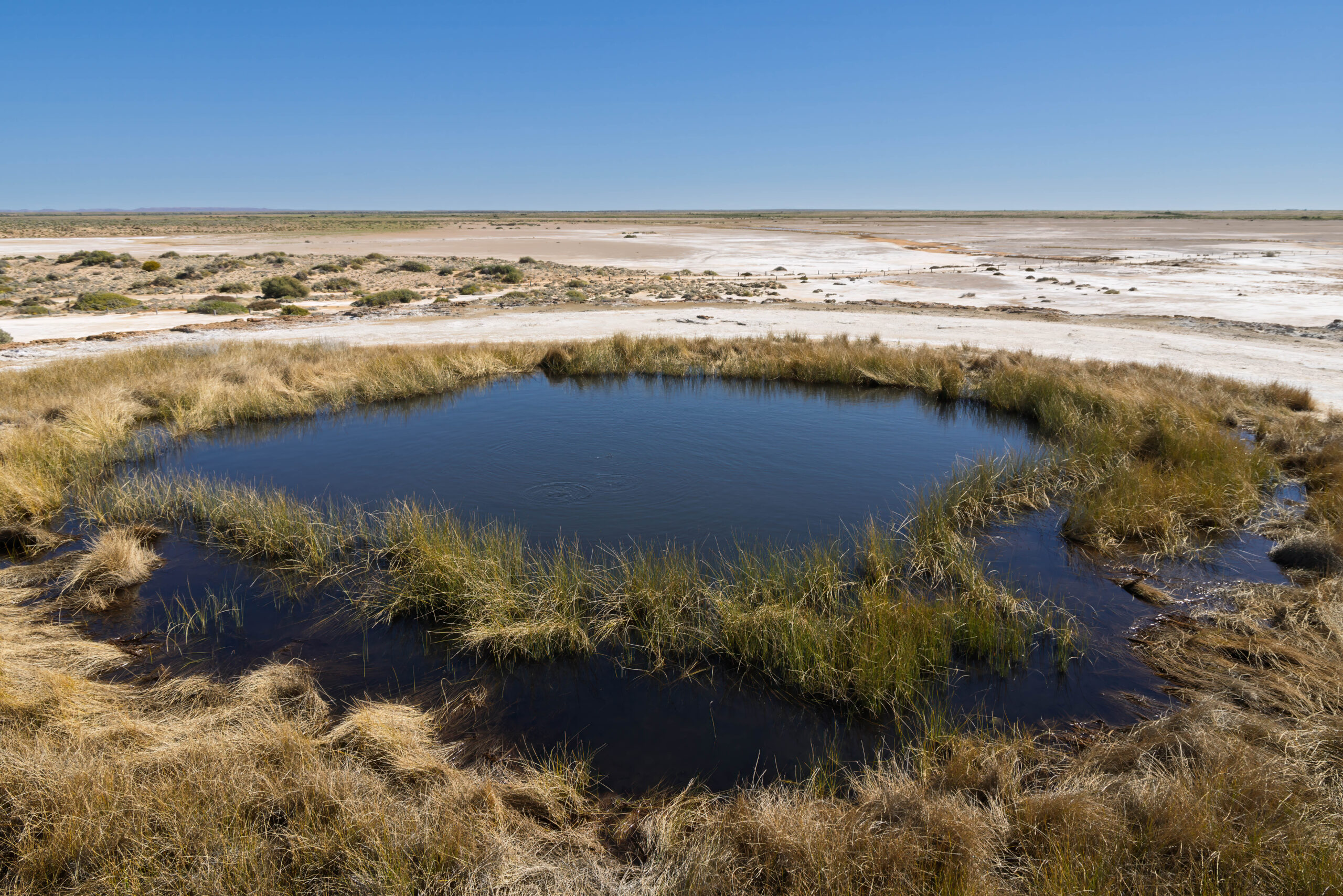
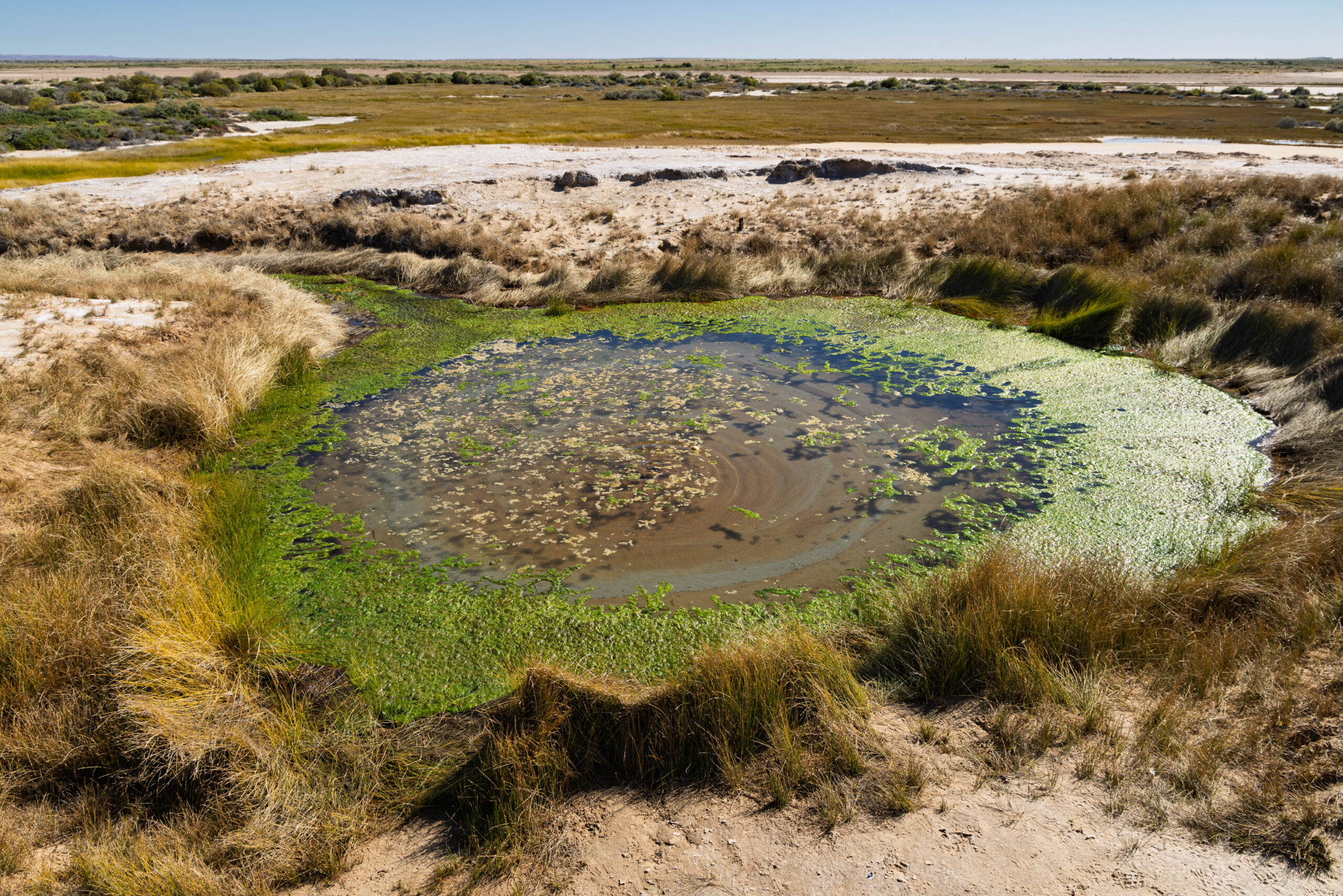
Another few kilometres and another surprise, this time turning off into the Wabma Kadarbu Mound Springs Conservation Park. After four teeth chattering kilometres, over very rough corrugations, we arrived at Blanche Cup Springs. We had driven in over salt flats and now found ourselves beside a mound breaking out of the surrounding plain. We walked up the boardwalk, wending its way around the side of the mound, to find the freshwater spring at the top.
Water pushing up from the the Great Artesian Basin finds cracks in the earth’s surface and breaks through as springs. Some springs (like this one) deposit salts and sediments, wind-blown dust is added, and over millennia mounds are formed. Looking across the road we could see Hamilton Hill (Wabma Kadarbu) which is an extinct mound spring, that is believed to have formed perhaps a million years ago when water pressures were much greater. We were fascinated by the geology.
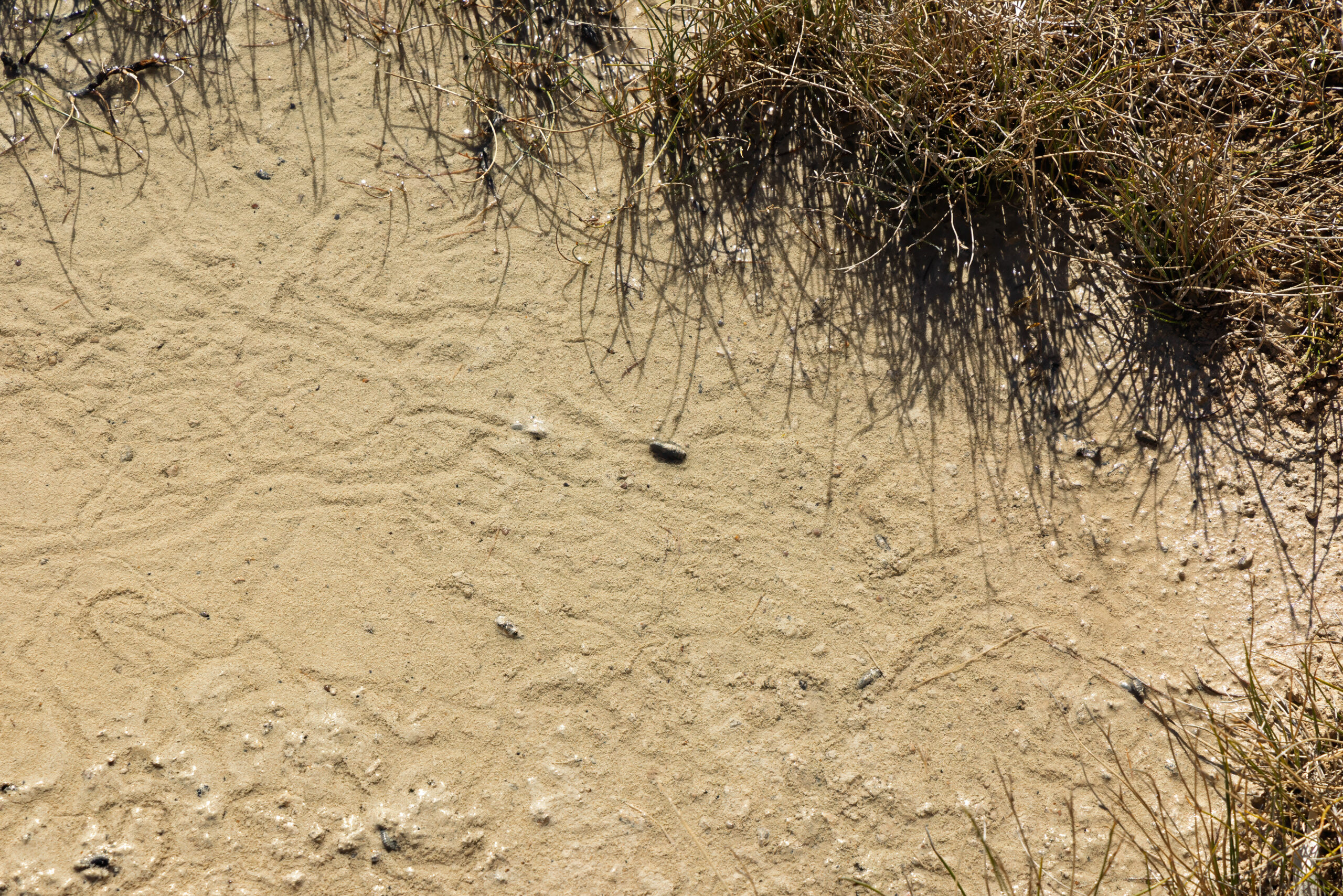
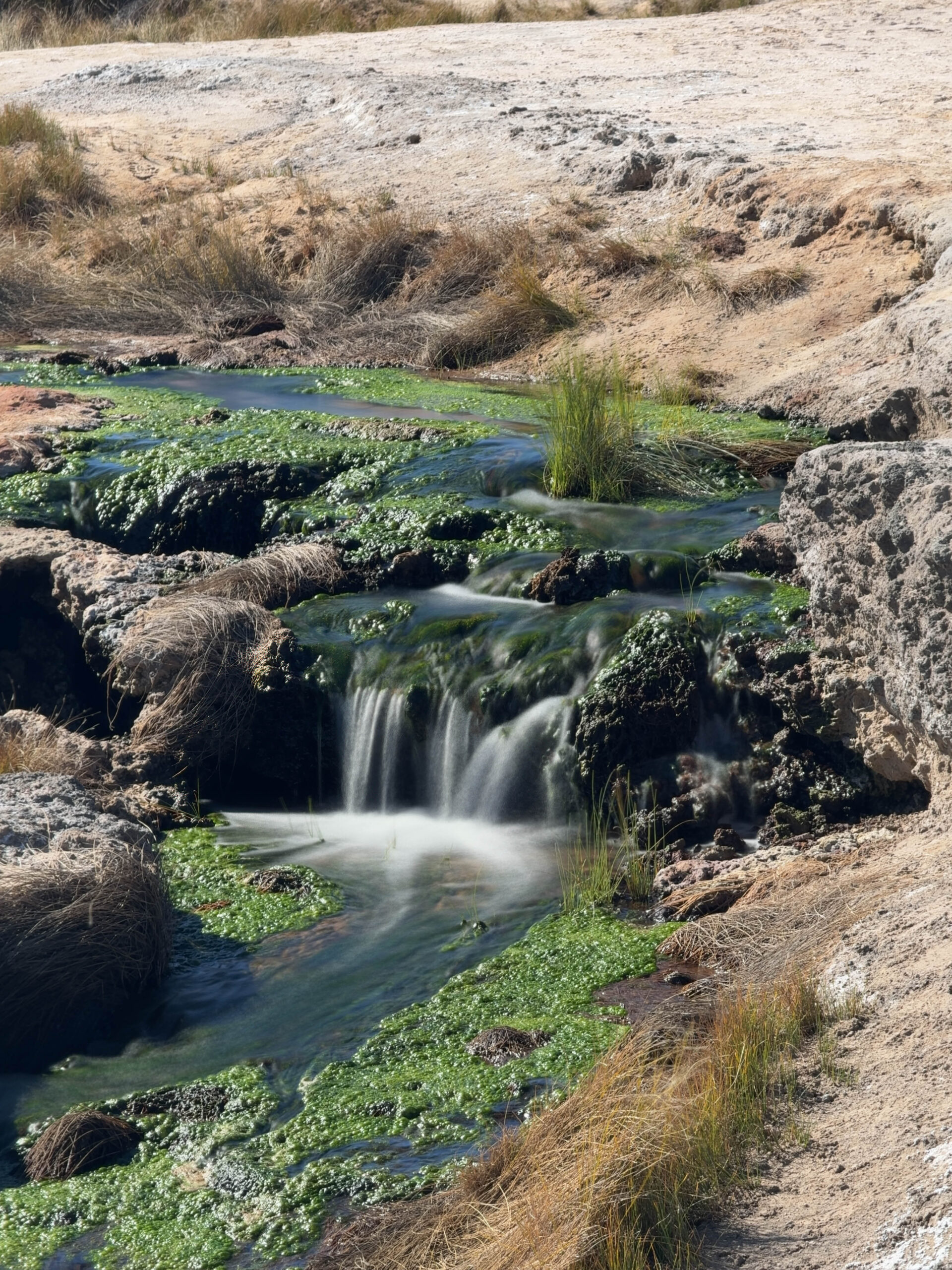
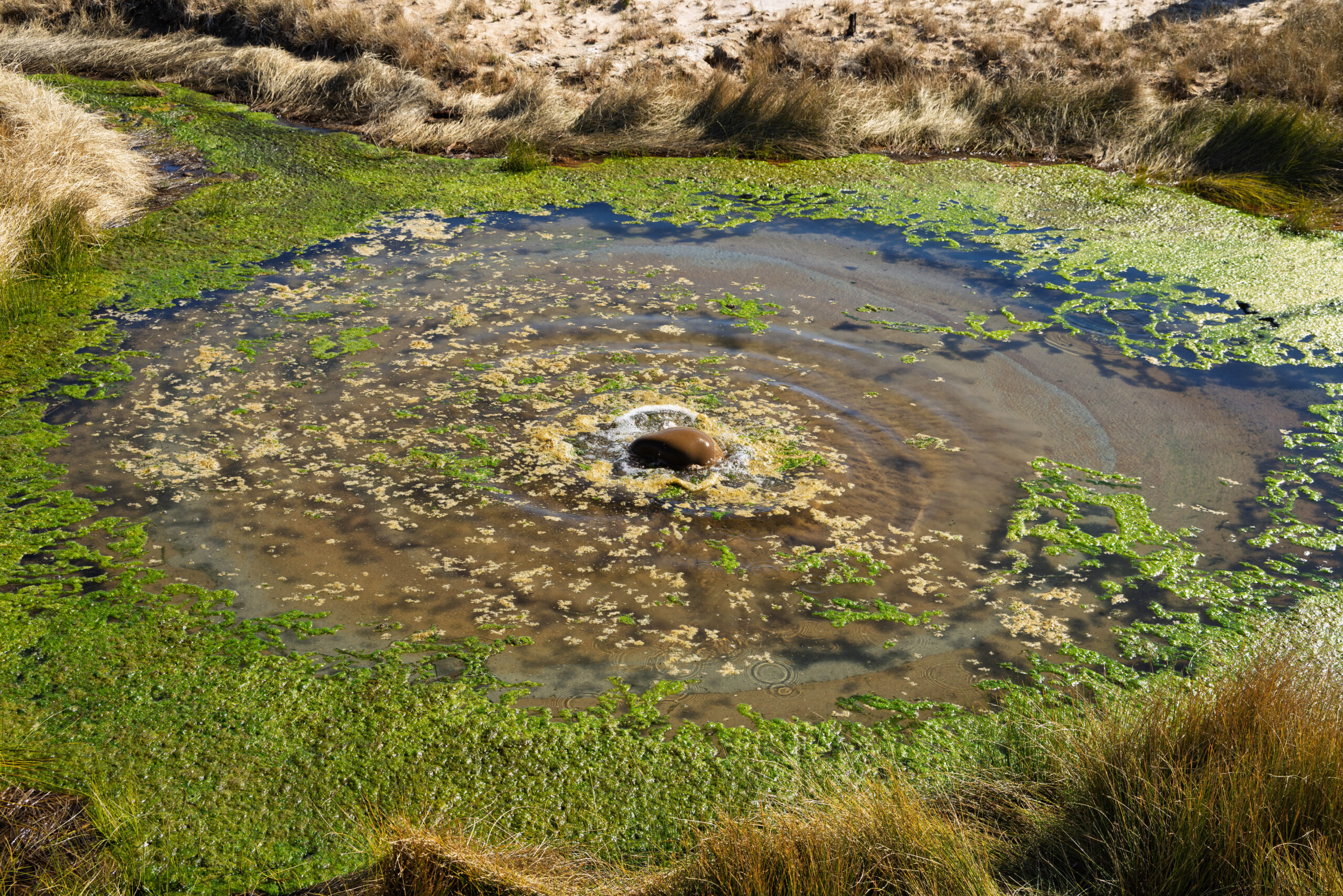
And then John guided us around to The Bubbler. Wow! This is another nearby mound spring and it was even more incredible than Blanche Cup. There is a stronger flow of water from this spring resulting in a green oasis at the base of the spring. The spring itself is more active than Blanche Spring with water actively bubbling to the surface of the water. It was quite hypnotic watching occasional bubbles rise to the surface of Blanche Spring but this was next level, with the water erupting to the surface much more vigorously. Everyone was transfixed watching it.
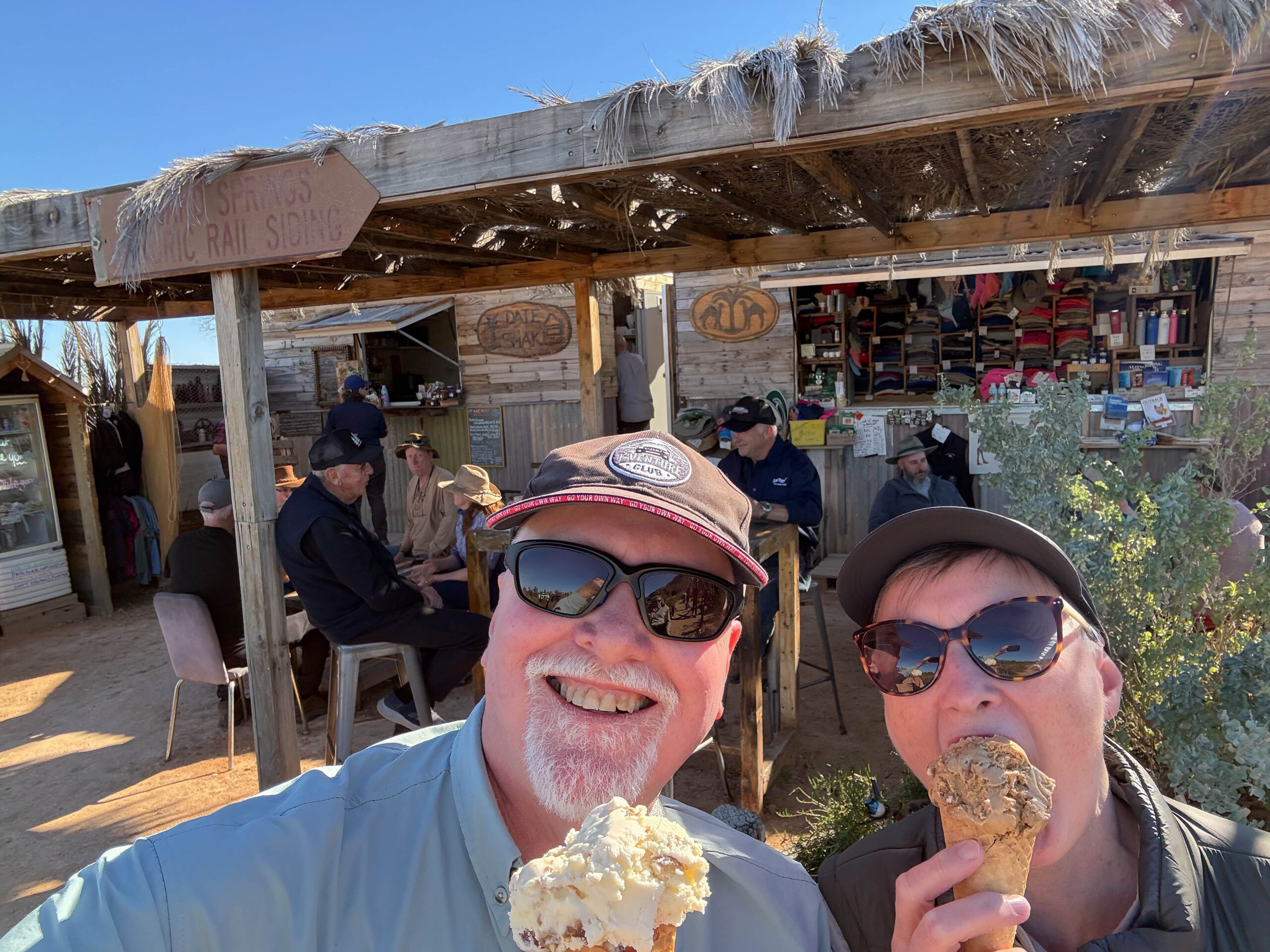
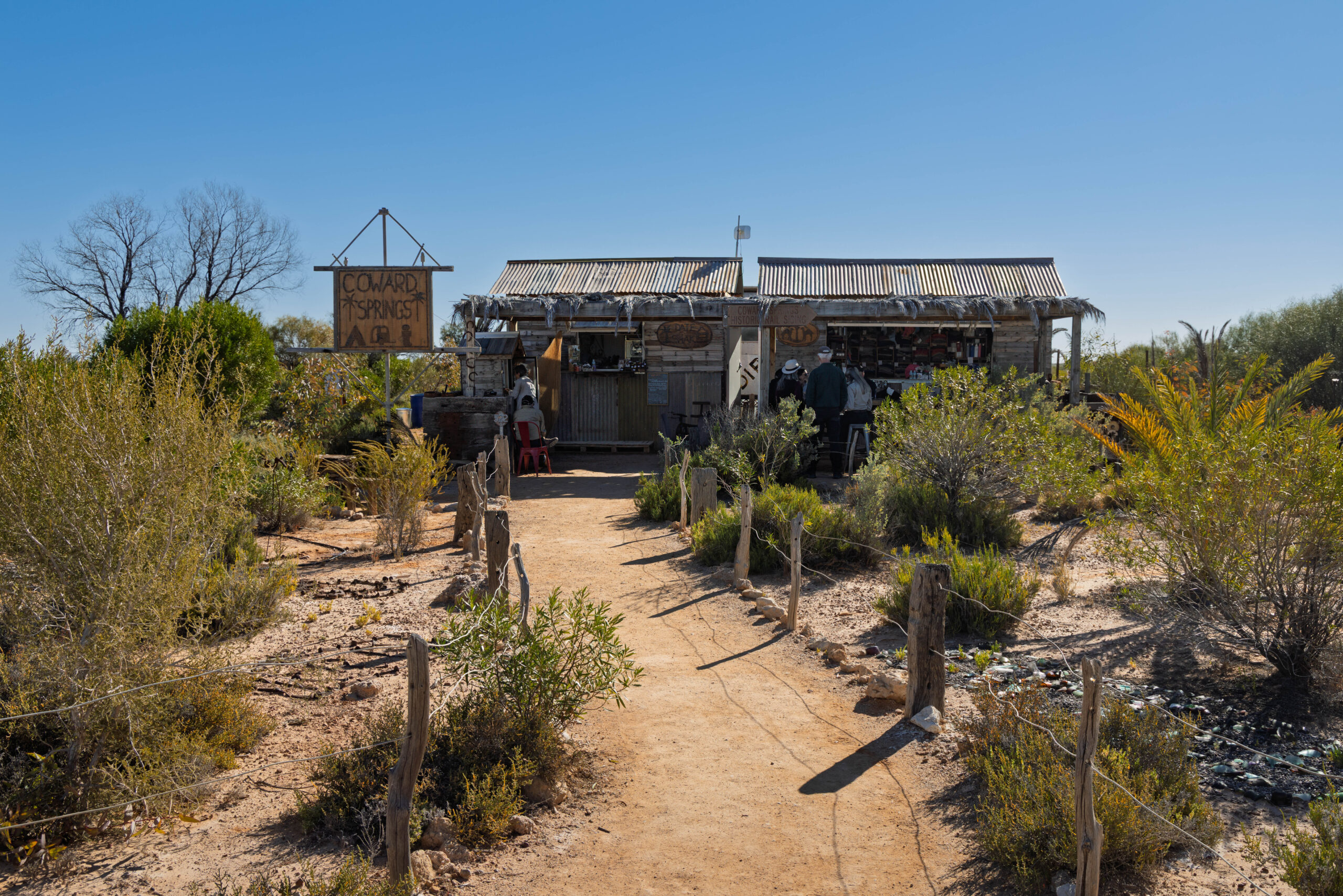
We juddered back to the Oodnadatta Track and drove just a few kilometres further before turning into Coward Springs, a unique heritage and conservation property established on the site of a former railway settlement. The current owners are known for their Date Shack, a café that specialises in handmade treats crafted from their homegrown dates. How could we say no to sampling their home-made date ice-cream?? Vanilla and date for Bernie and coffee and date for me. Many of the others enjoyed fresh date scones with their coffee. The best thing though? They had toilets!! It had been many hours since we left Marree, so a comfort break made me much more comfortable, ha, ha.
After our afternoon tea break we had to stop sightseeing and head for William Creek. With a table booked at the hotel for dinner tonight we needed to get into town, pre-order dinner for our 5.45pm dinner sitting and then make camp … or snaffle a cabin in our case … before dinner time.
As we drove this last leg of today’s journey, John told us that we were entering Anna Creek Station, the world’s largest working cattle station. With the station covering 90 million acres or approximately 340,000 hectares, we’ll be travelling through it for the next three days! The property was established in 1863, was then long part of the Kidman empire before being purchased by the Williams Cattle Company in 2016.
By the time we arrived in William Creek, we could only secure a twin room. Still, I was happy to spend a night in a twin room and delay the camping experience for one more night! After unloading some gear we headed back over to the hotel for our 5.45pm dinner. So glad we didn’t have to try to set up our swag beforehand. We ate our chicken schnitzels, chips and salad while our companions enjoyed other items from the reduced ‘group bookings’ menu: bush burger, goat curry or fish and chips.
All too soon we were being kicked out so that they could re-set the table for the 7.00pm sitting. There was talk of a campfire being lit over at the campground. We put on an extra layer of clothing and went stumbling around in the dark looking for the Dingo Trax campfire but, we couldn’t find any of our more intrepid travel buddies out there. We gave up and retreated to our cozy cabin with the heating on. We are sure there will be plenty of other opportunities to sit around a campfire before this trip is done.
Spending far too many hours in the truck to make it worthwhile recording steps, I have decided to record our daily kilometres instead.
Maree to William Creek – 220 kilometres.