Wednesday, 5 August 2026
We were up at 6.45am to try to make sure that we had plenty of time to get packed up. We decided to shower first and then pack up the swag before eating, figuring that we could eat on the road if we had to, rather than hold people up. I ended up slightly panicked about our pack-up when we were the last ones to leave the campground and make our way to the front of the hotel. Phew, we ate breakfast at our campsite and found, when we drove over to the hotel, that quite a few of the others were eating their breakfast at the hotel. Not last to be ready after all.
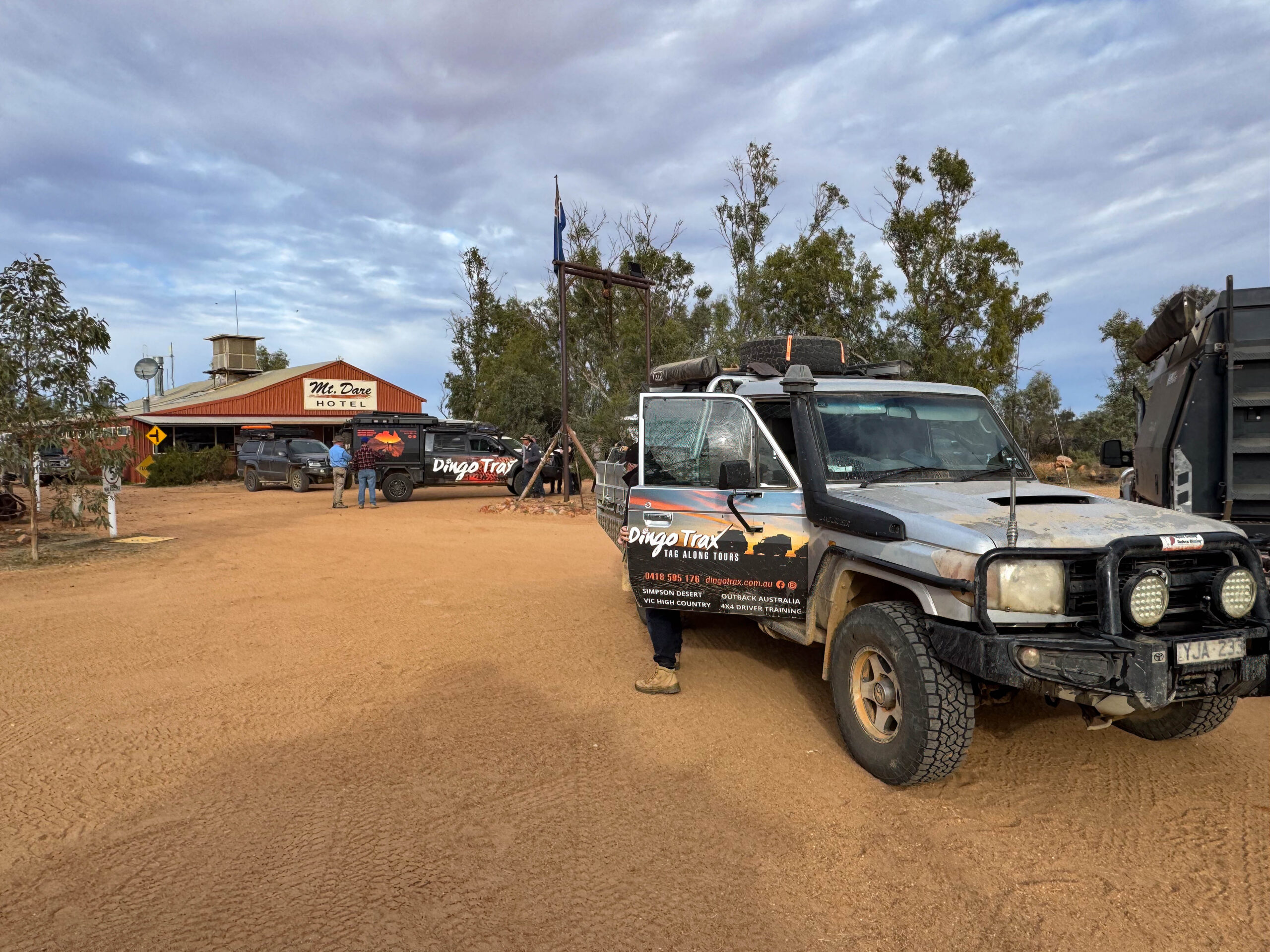
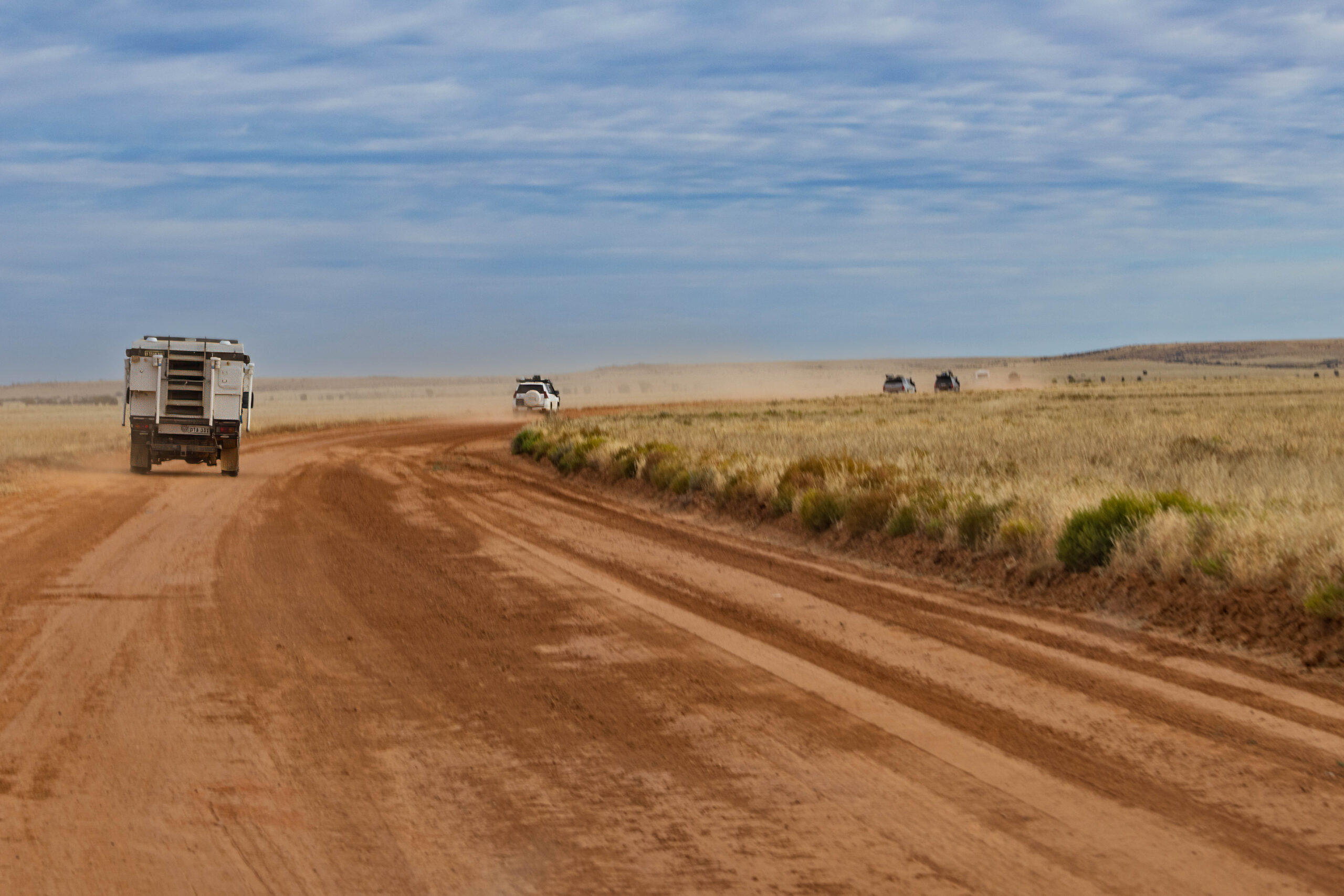
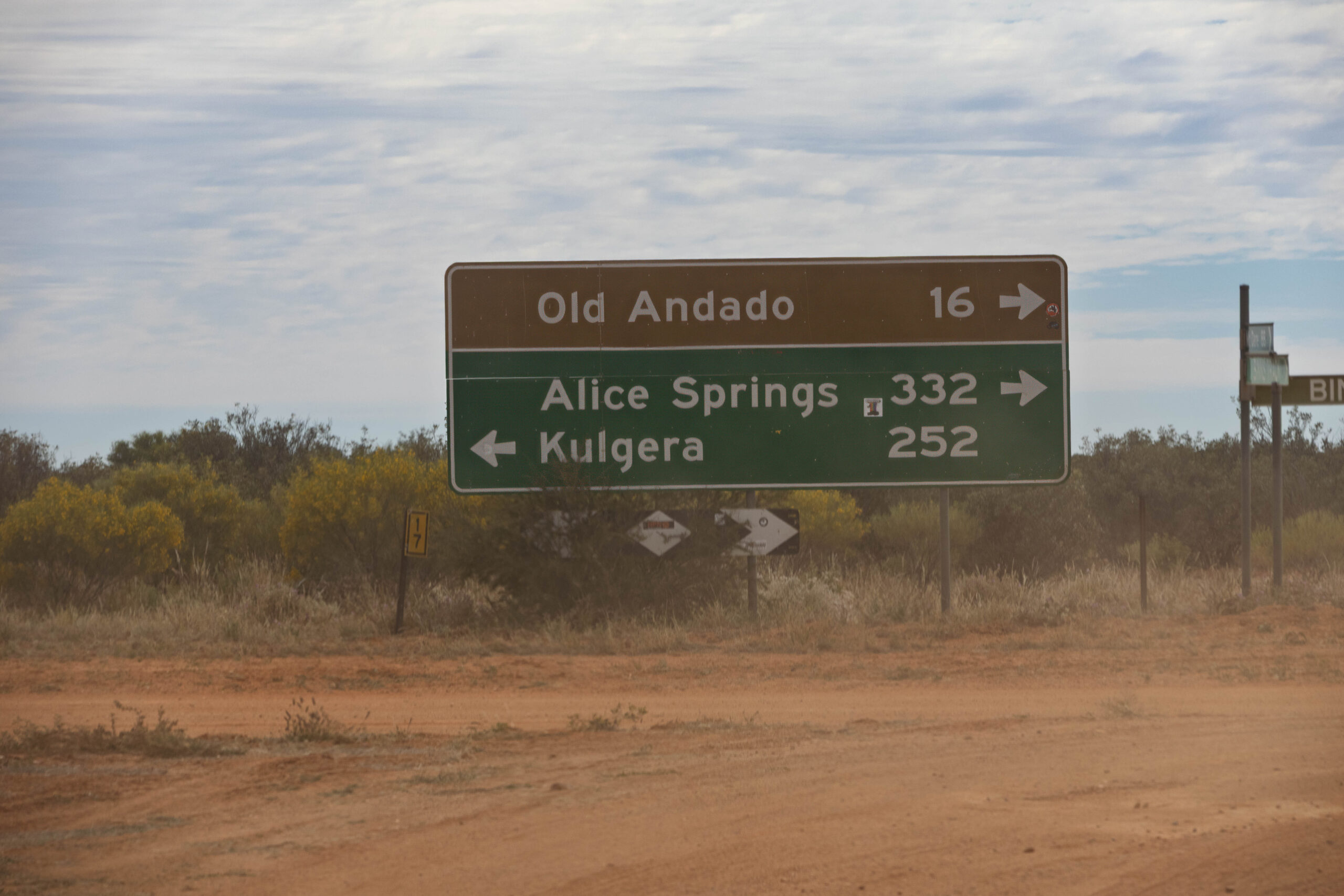
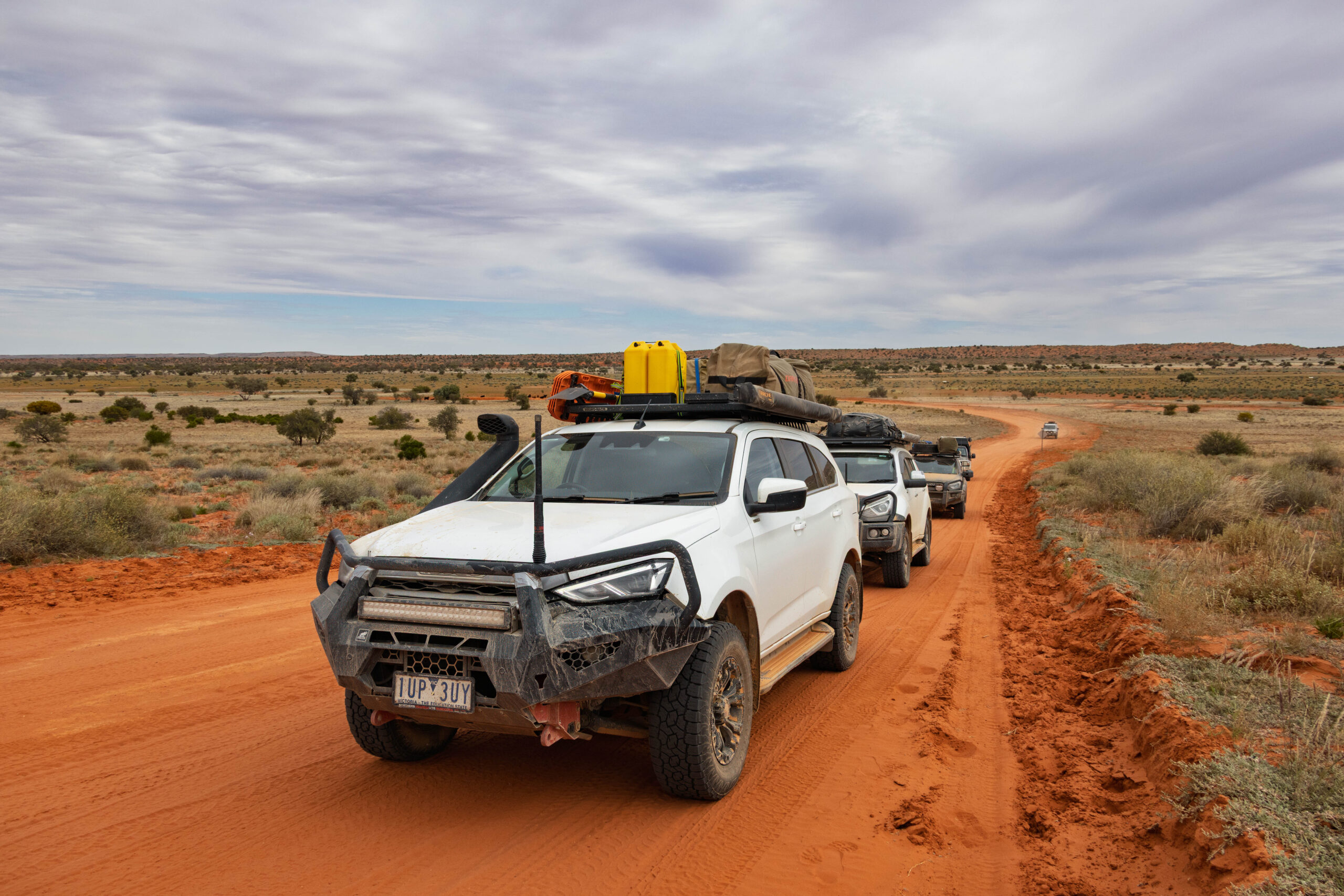
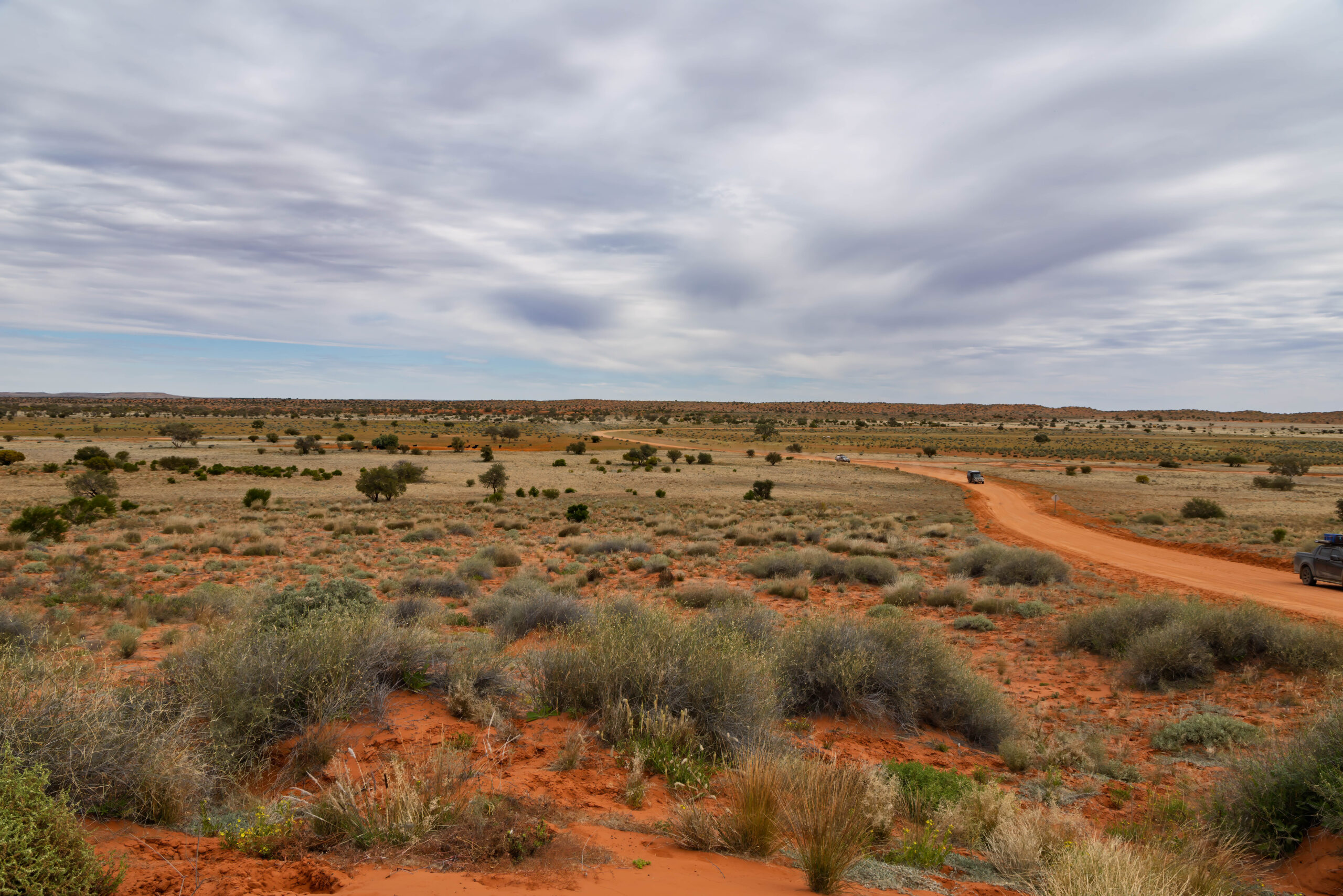
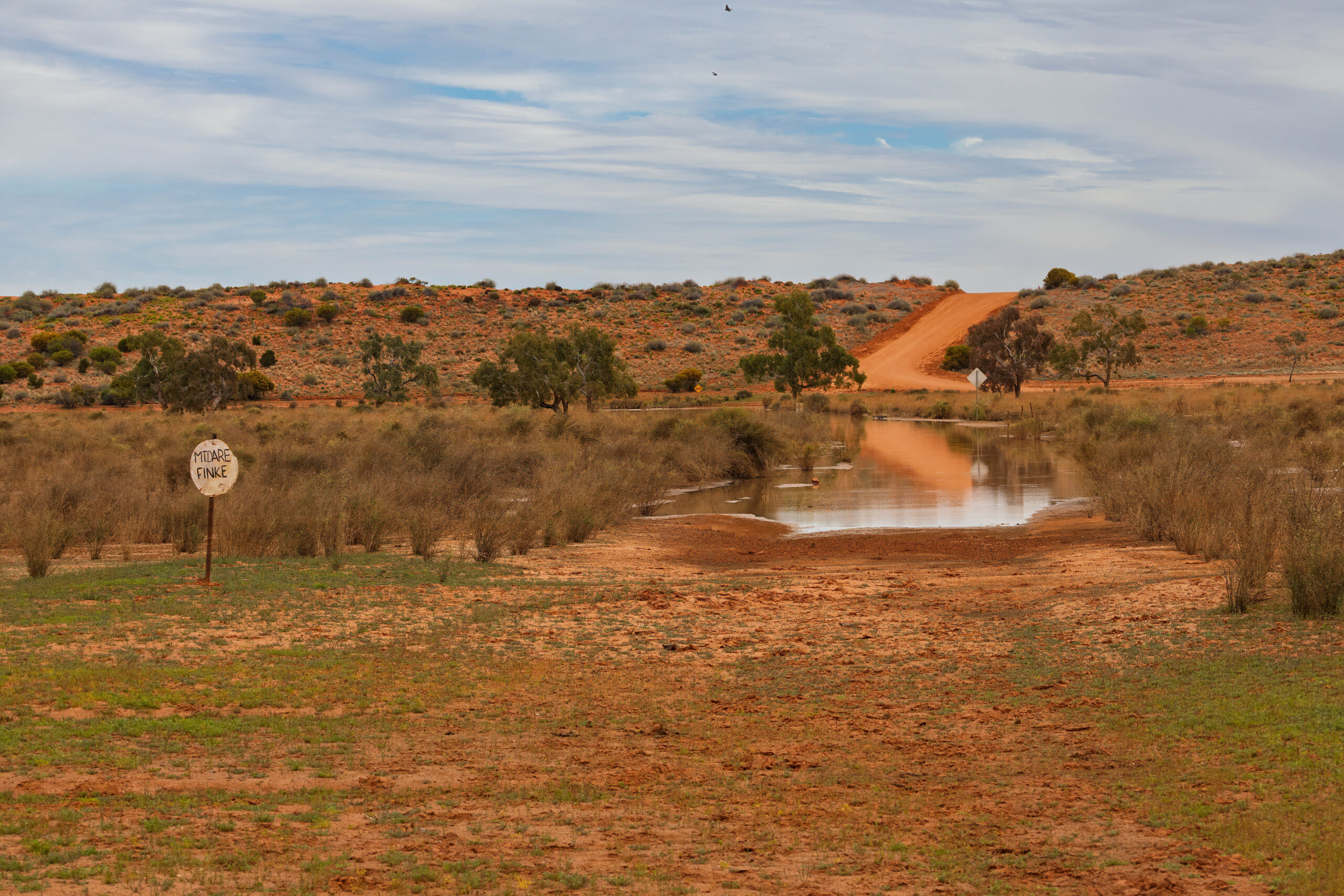
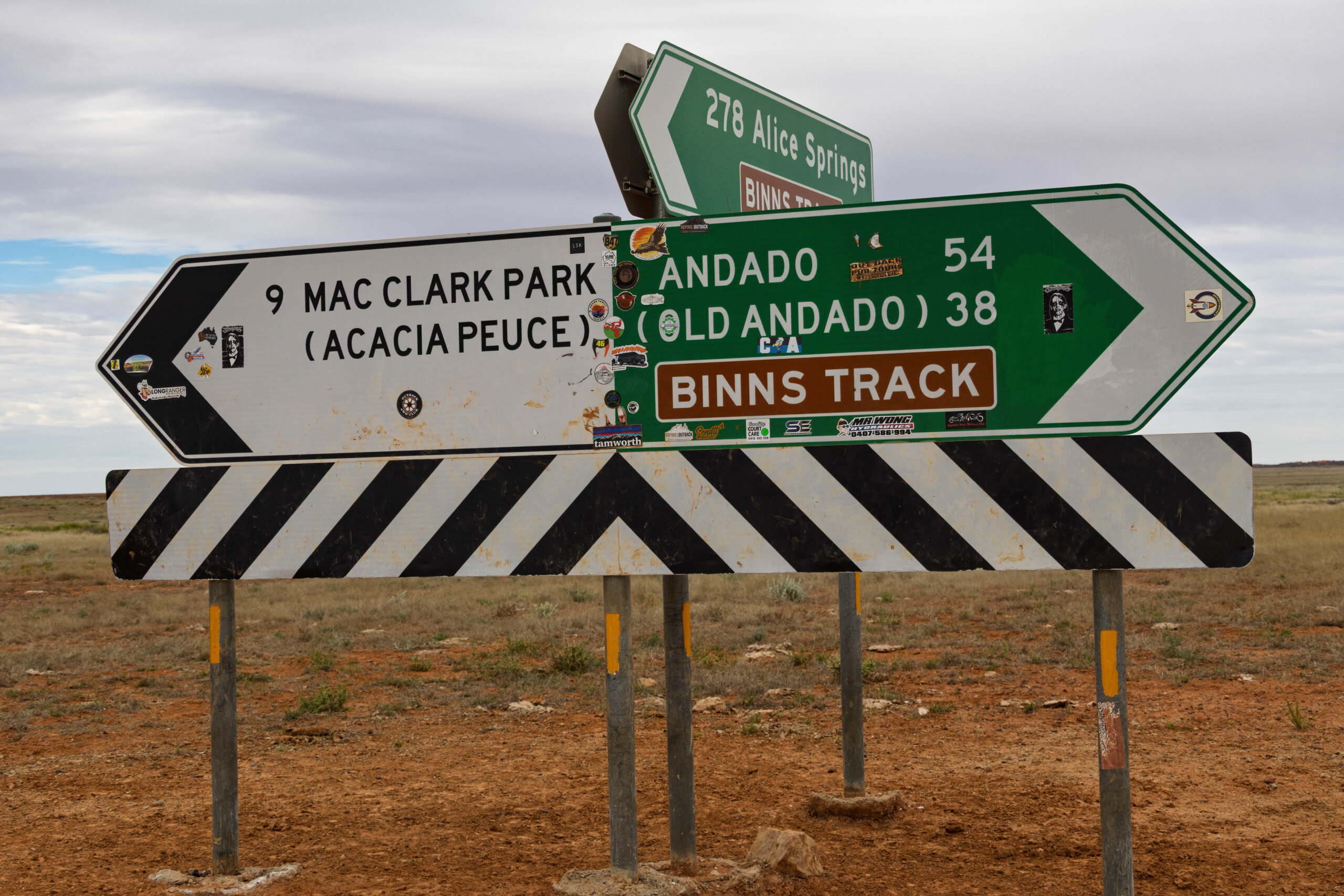
Just after 9.00am the Dingo Convoy pulled out of the Mount Dare Hotel car park and veered right onto the Binns Track (Mt Dare Road / Old Andado Track section) heading north into the Northern Territory and the Simpson Desert. The Simpson Desert was first visited by Europeans (Charles Sturt and his expedition) in 1845. However, the first white person to successfully cross it was Ted Colson in 1936 travelling along the 26th parallel. After spending three days in Birdsville, he set out to re-cross the desert to Mount Etingambra to complete a grueling round trip of nearly 600 miles in 35 days. That seems a little bit crazy to me?!
As we motored along, Bernie spotted some black birds perched in the roadside trees. He wondered if they were crows, but I thought they might have been black cockatoos. Moments later a flock of black cockatoos flew over the road. I was excited to see them but didn’t see a flash of colour in their tails, so I was uncertain what type of black cockatoos they were. We pulled up soon after to collect firewood and Ann was able to tell me that there were, in fact, Glossy Black Cockatoos, which are very rare. She was sharing with me that conservationists near where she lives in NSW are planting tracts of eucalypts to form wildlife corridors for them.
Collecting firewood was … interesting. Only a few vehicles had room to load wood, but everyone pitched in to collect deadfall from the side of the road. Some of the dead wood on the roadside was full of sand and was declared to be not good firewood. It was also full of ants, which I discovered with the first piece that I picked up. Had to slap those little buggers off my gloves, fortunately getting most of them before they reached my arms. A chainsaw was liberated from someone’s tray and a dead tree was felled. A bit controversial because dead trees are still habitat. Our group seems to be made up of people with varied opinions on campfires, ranging from pyromaniacs to those who would prefer to watch the stars. I think most are somewhere in between.
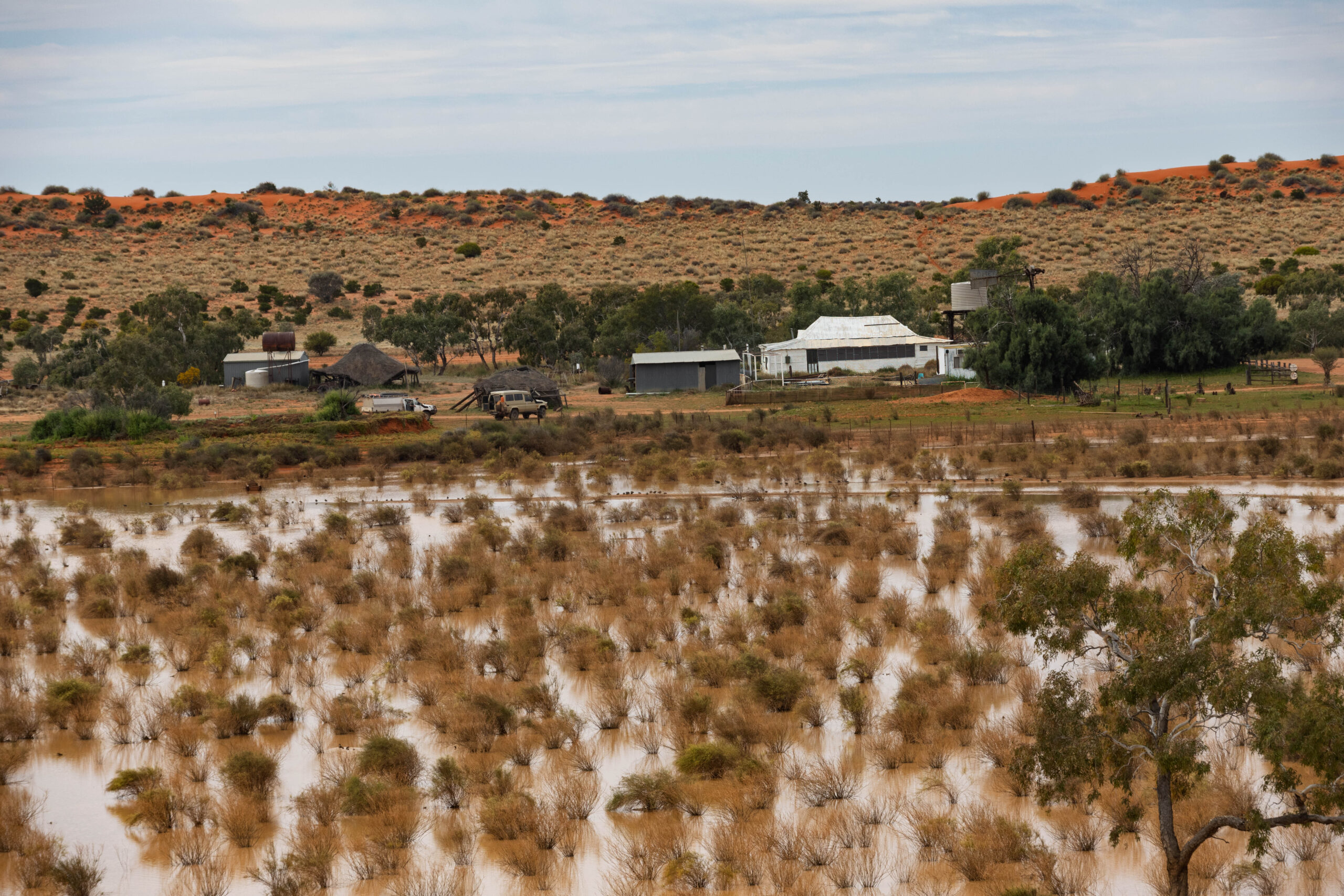
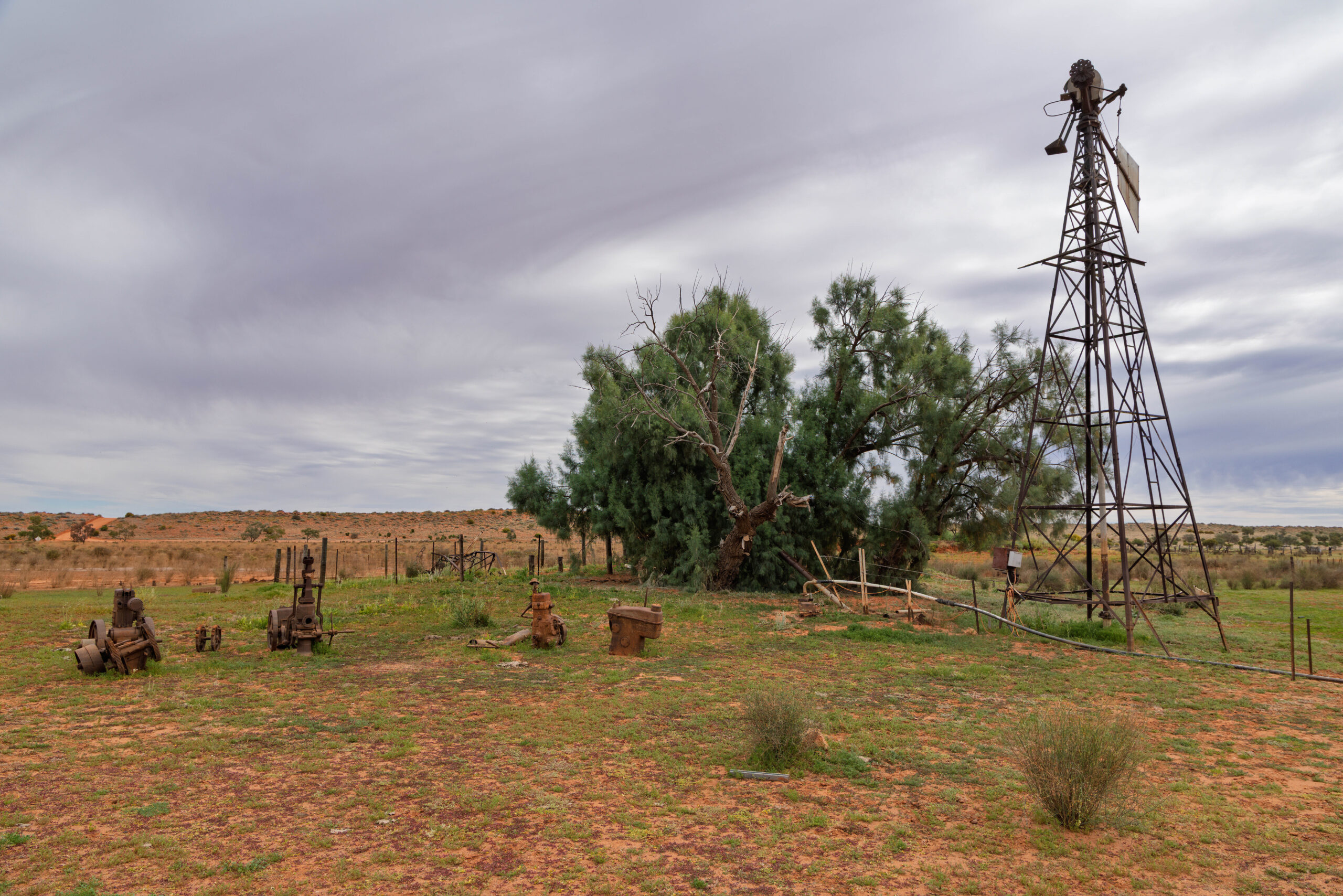
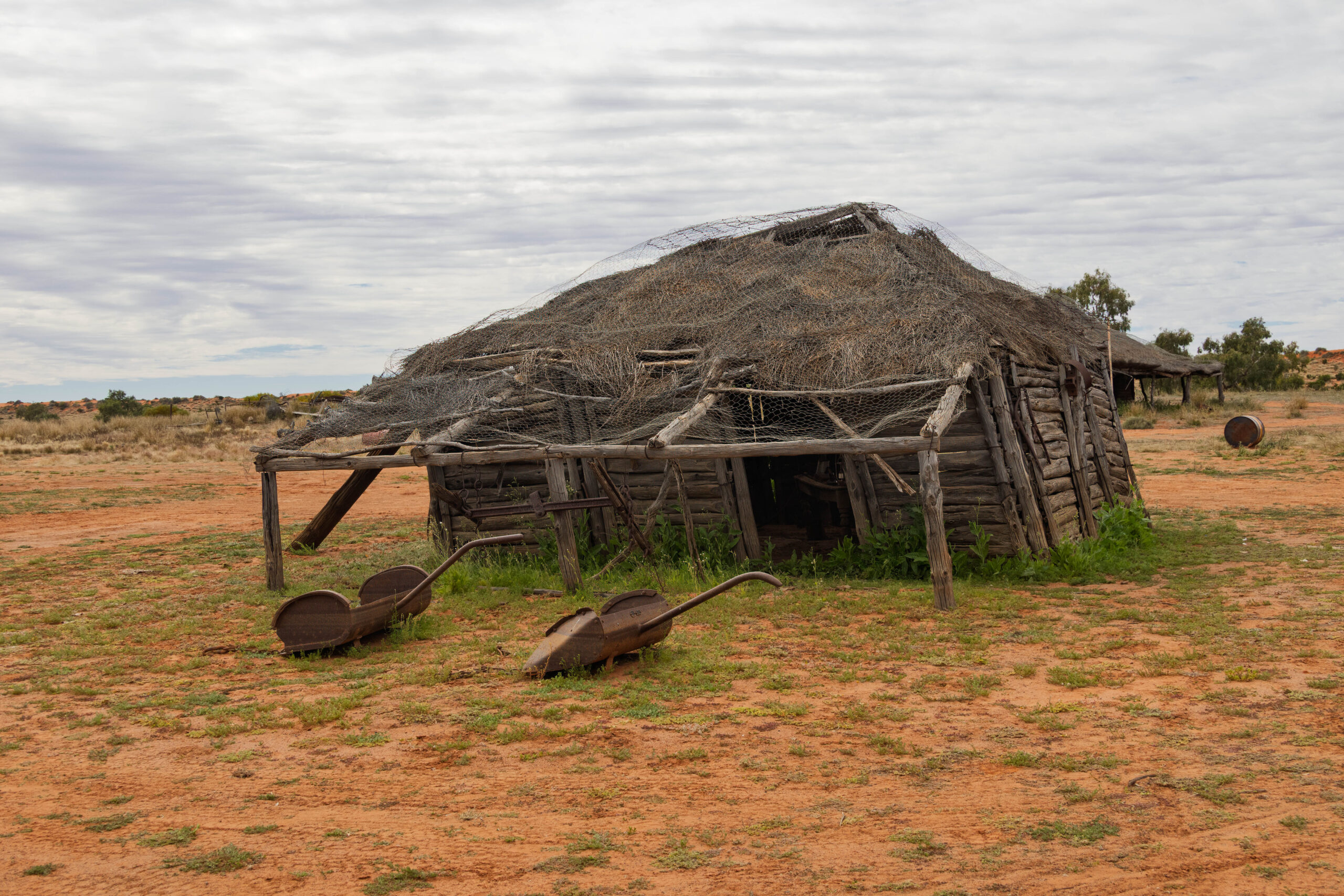
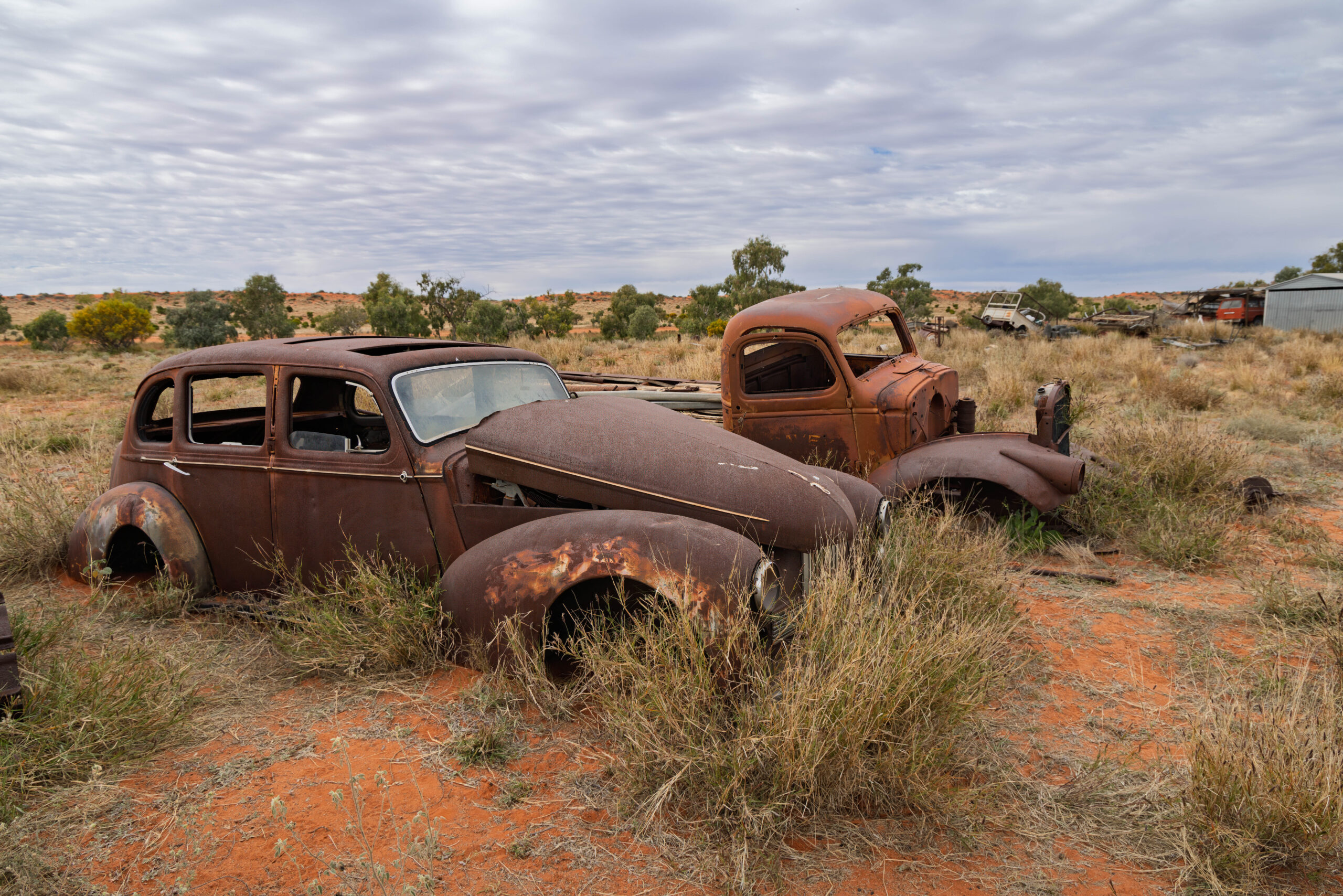
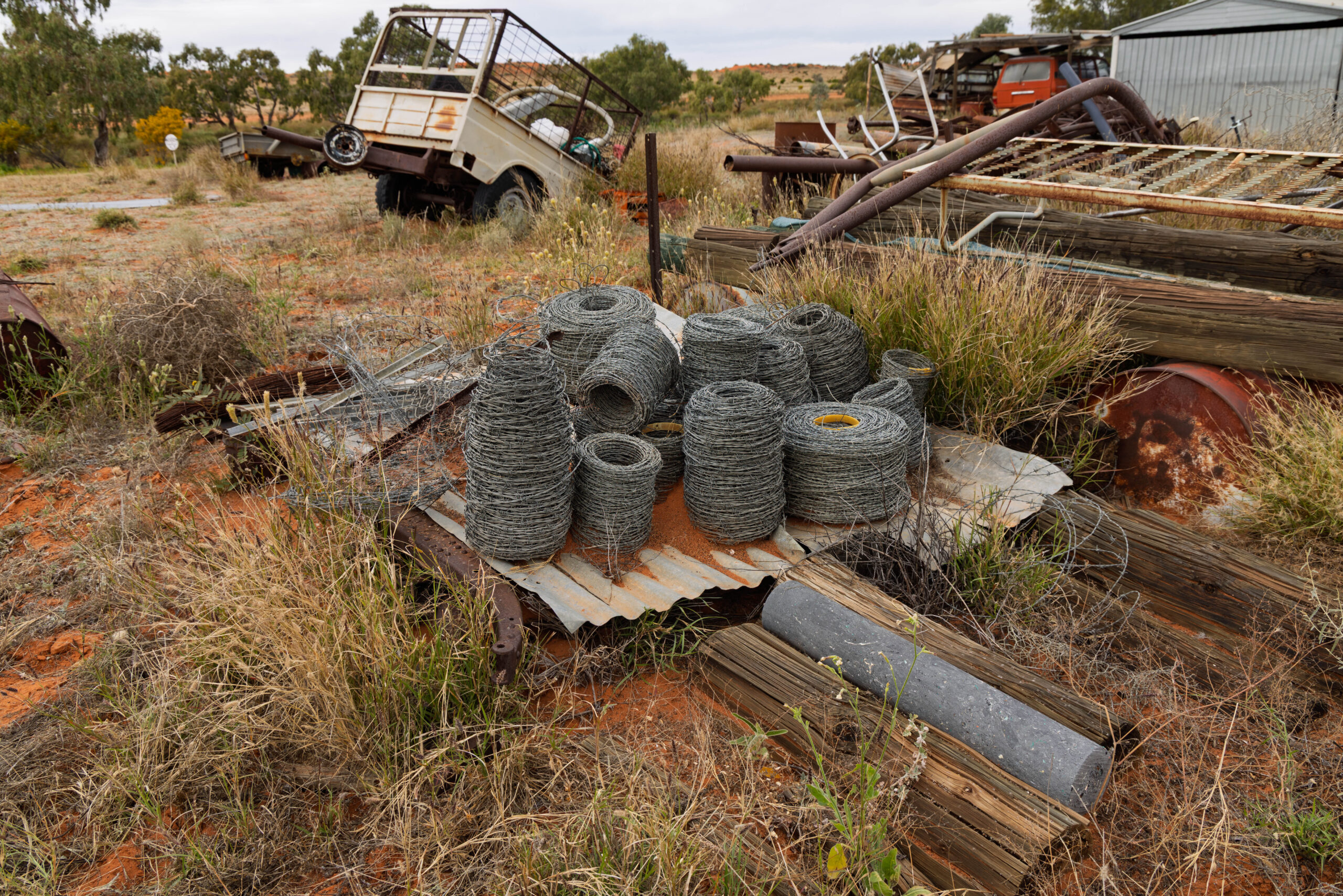
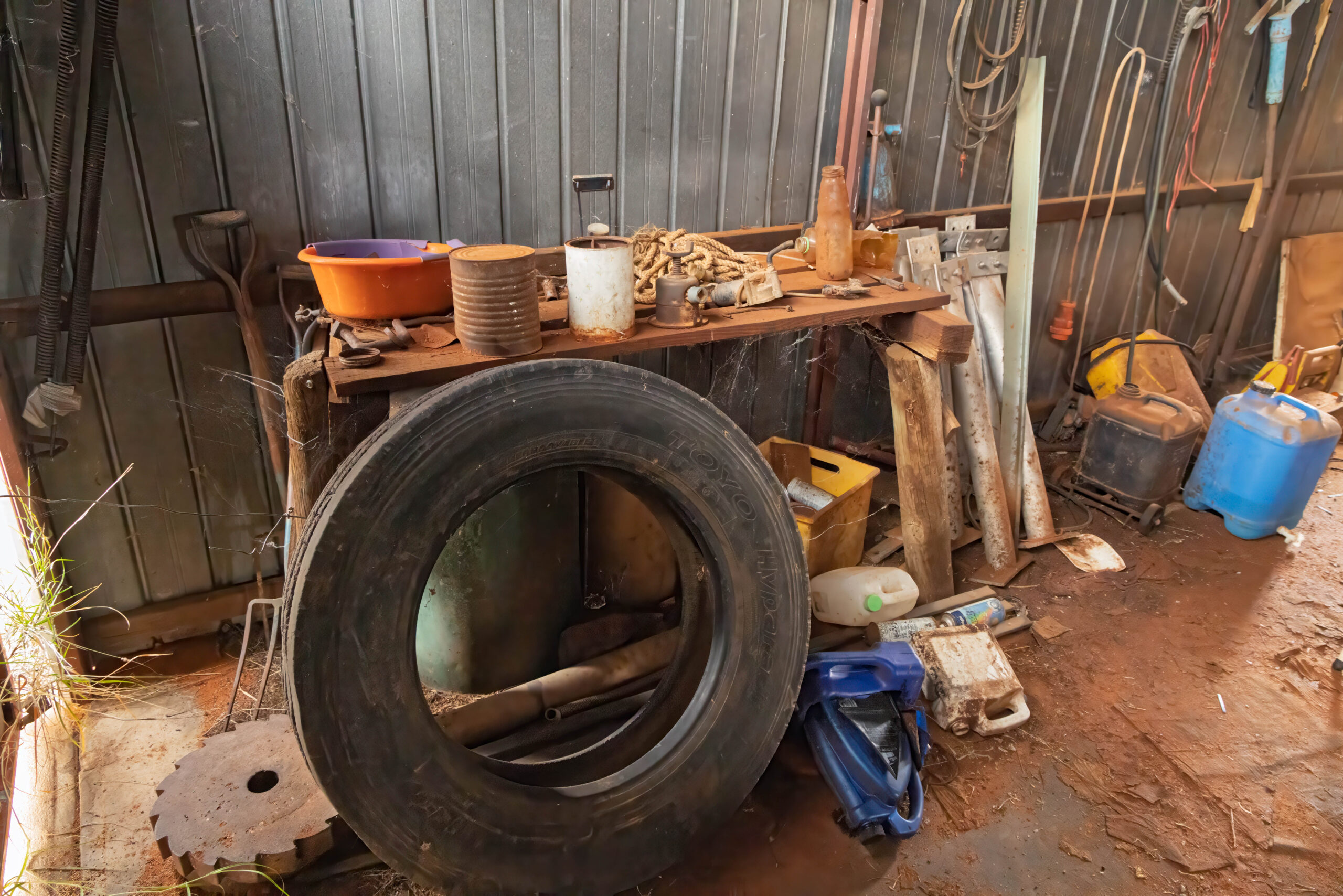
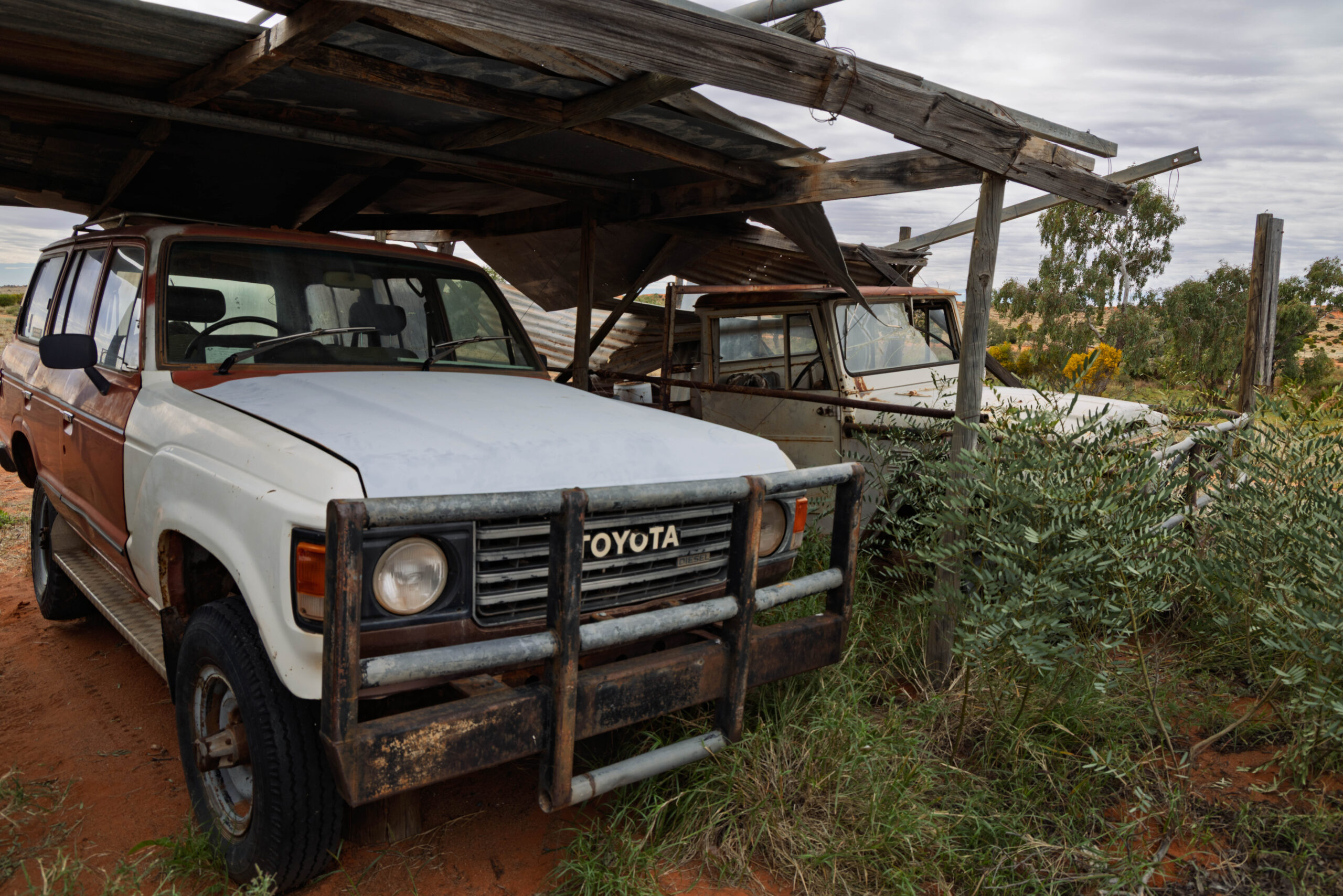
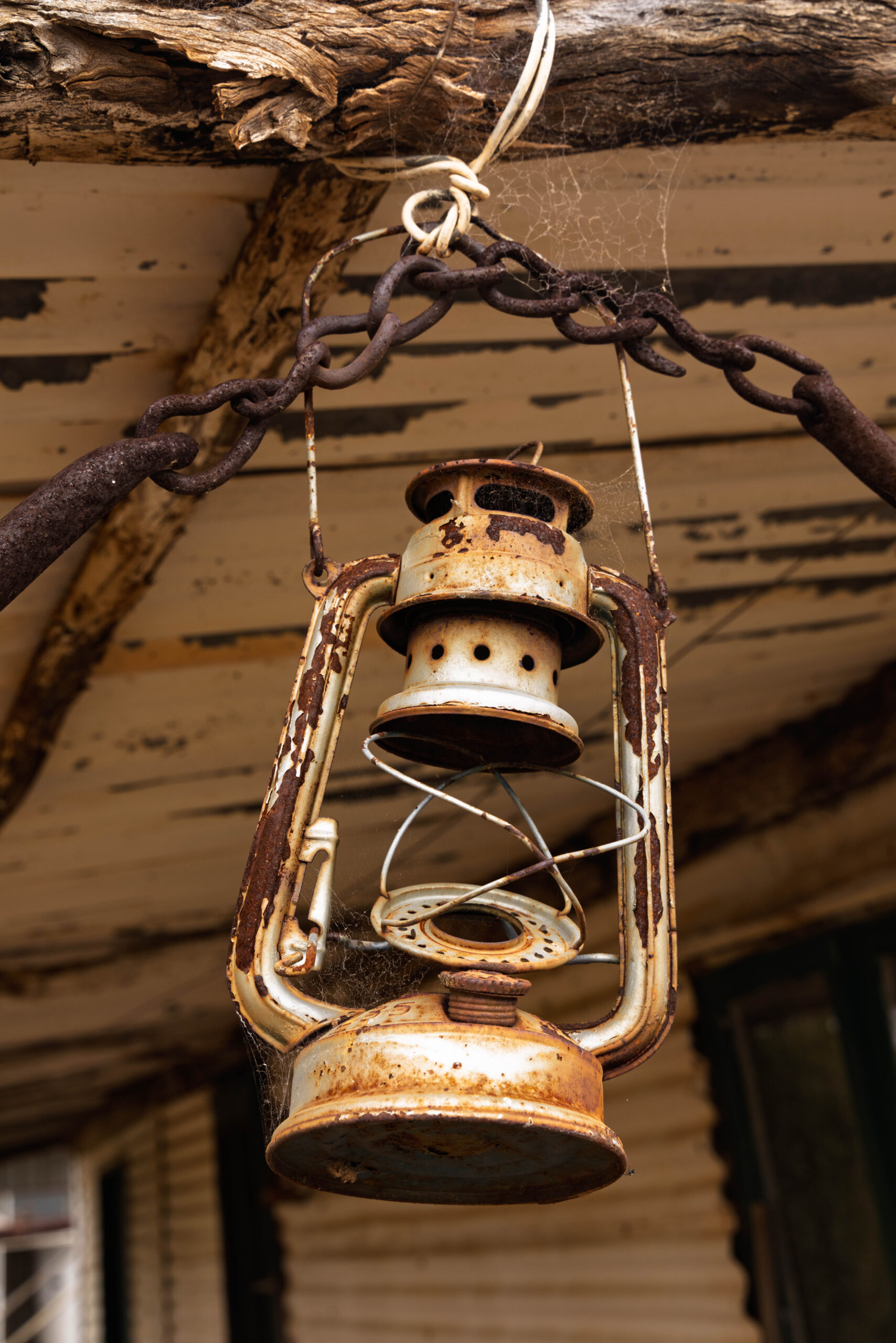
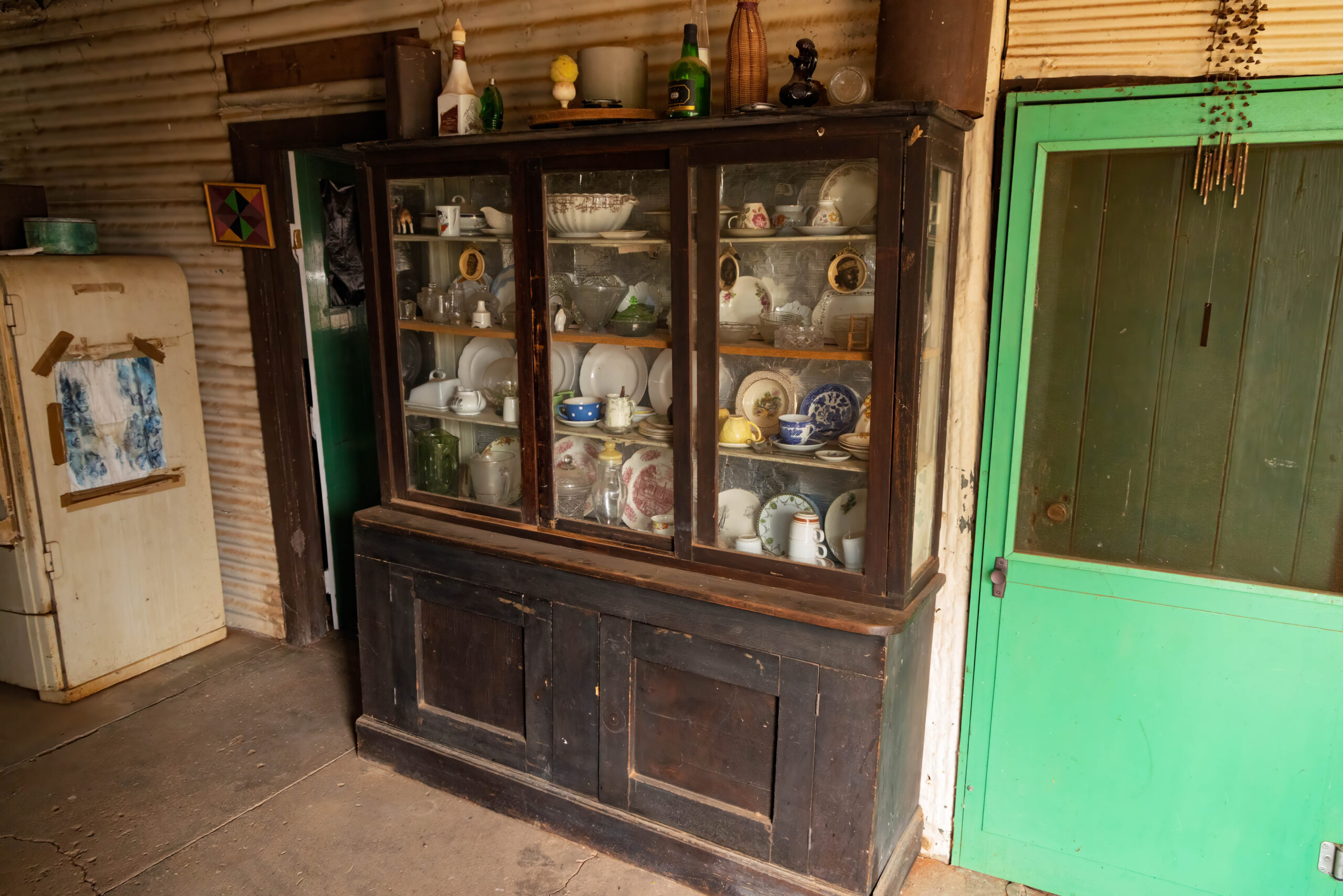
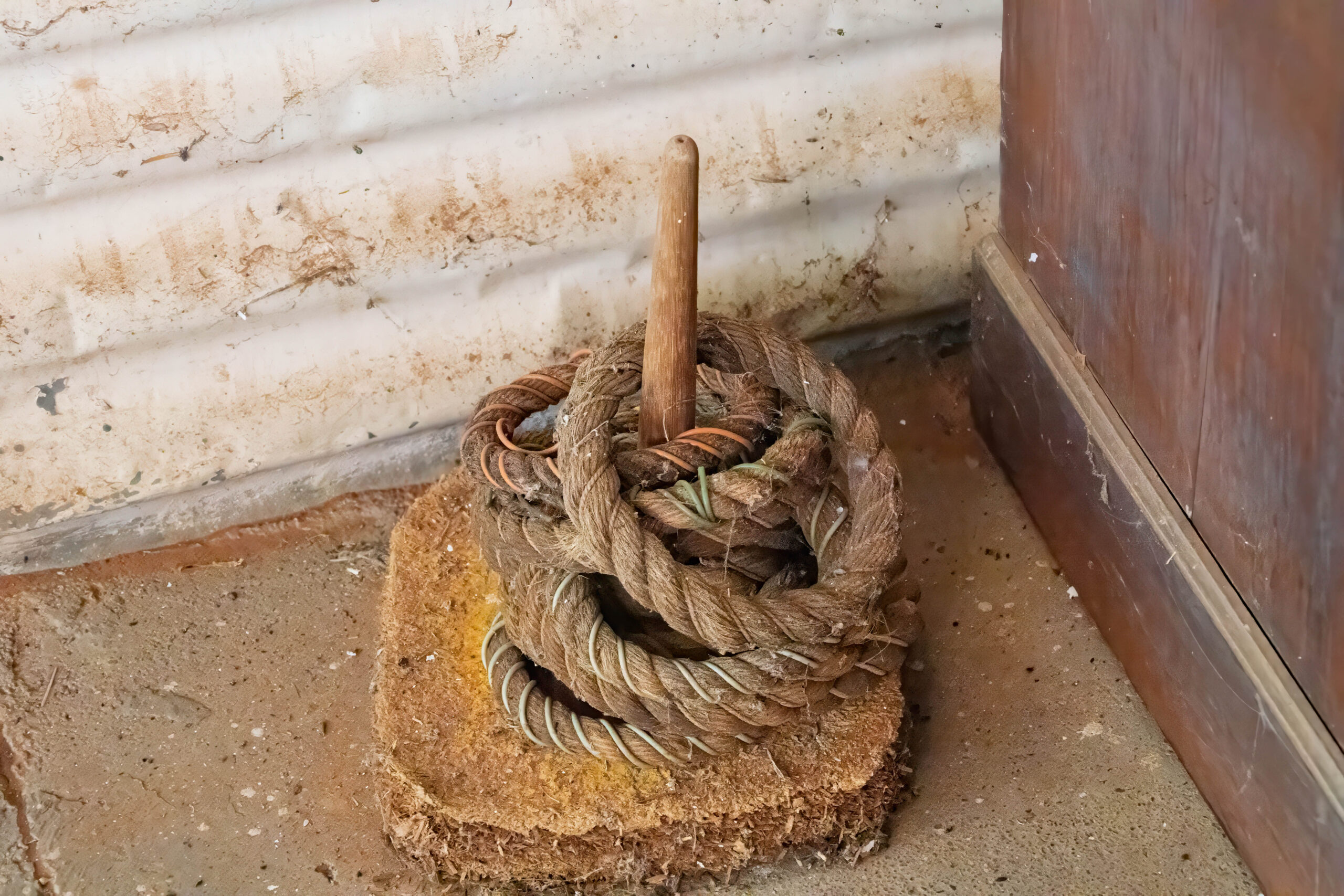
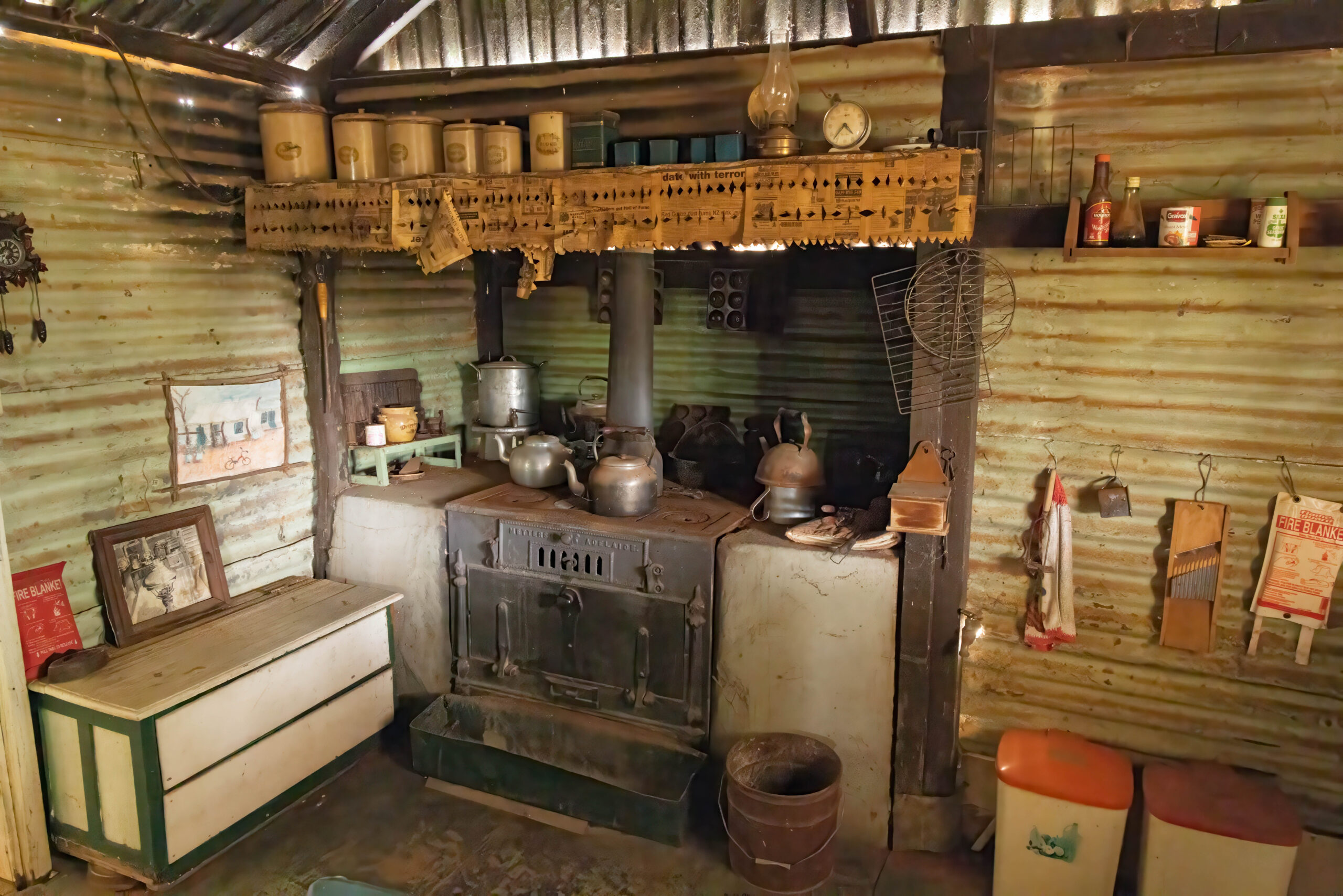
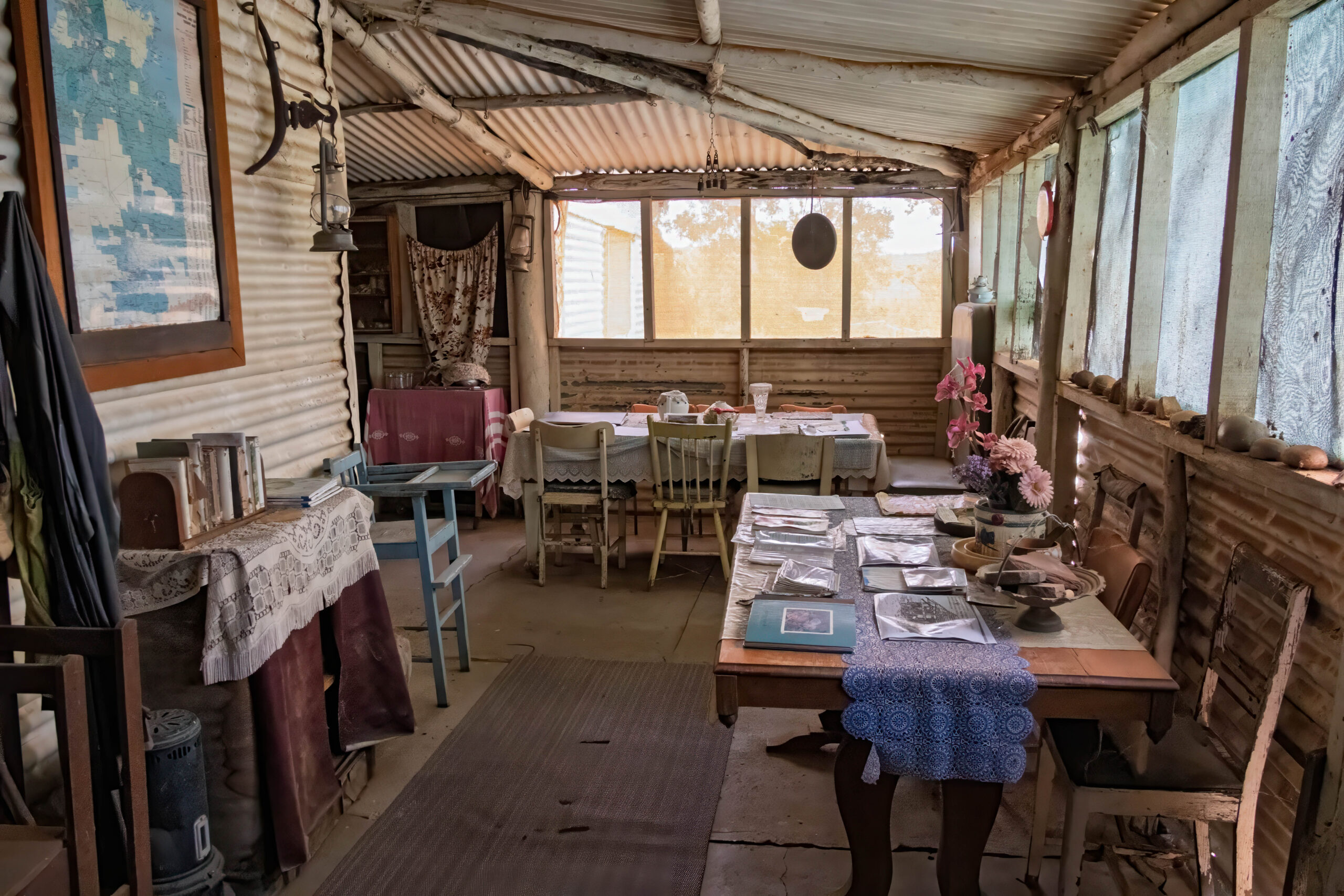
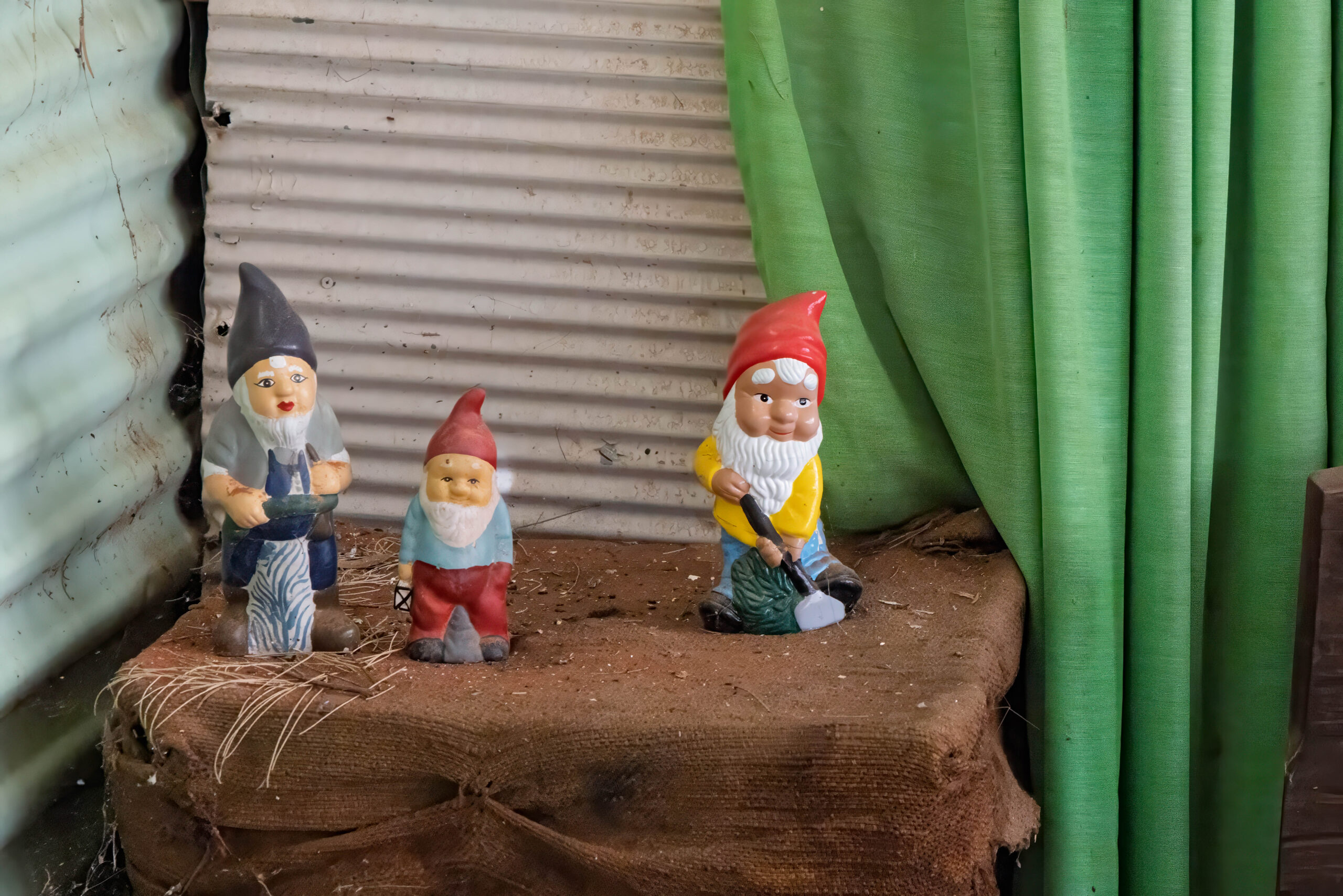
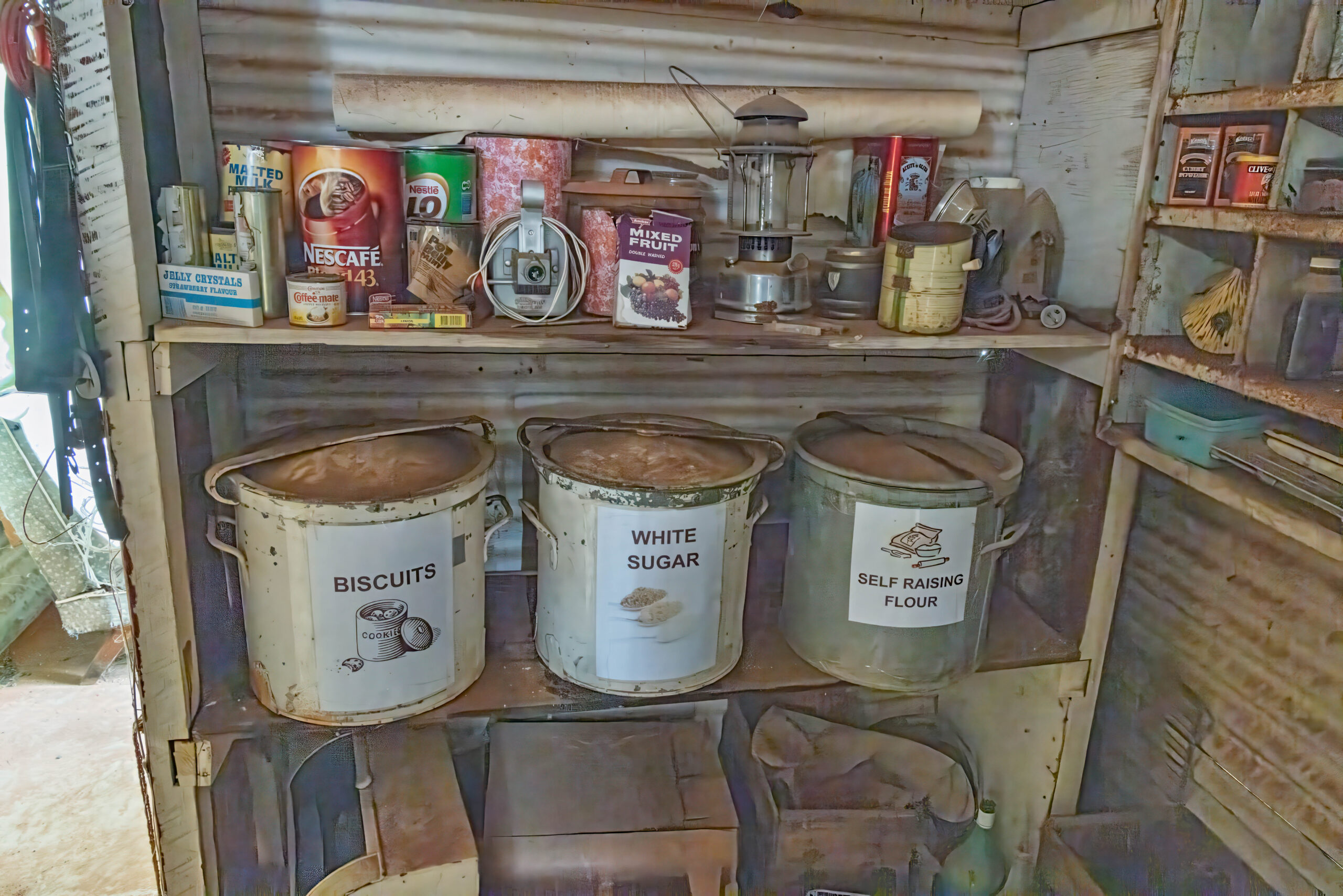
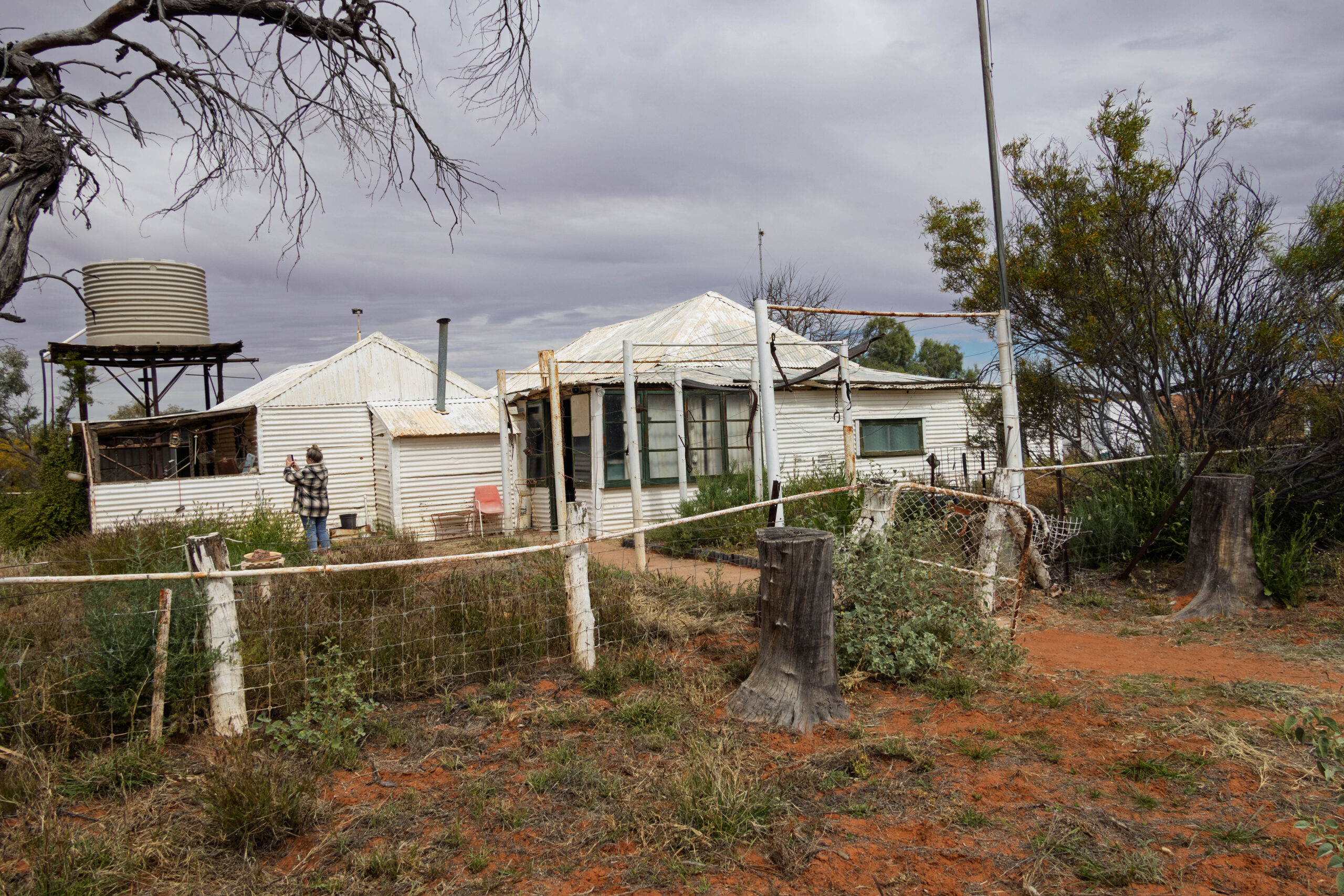
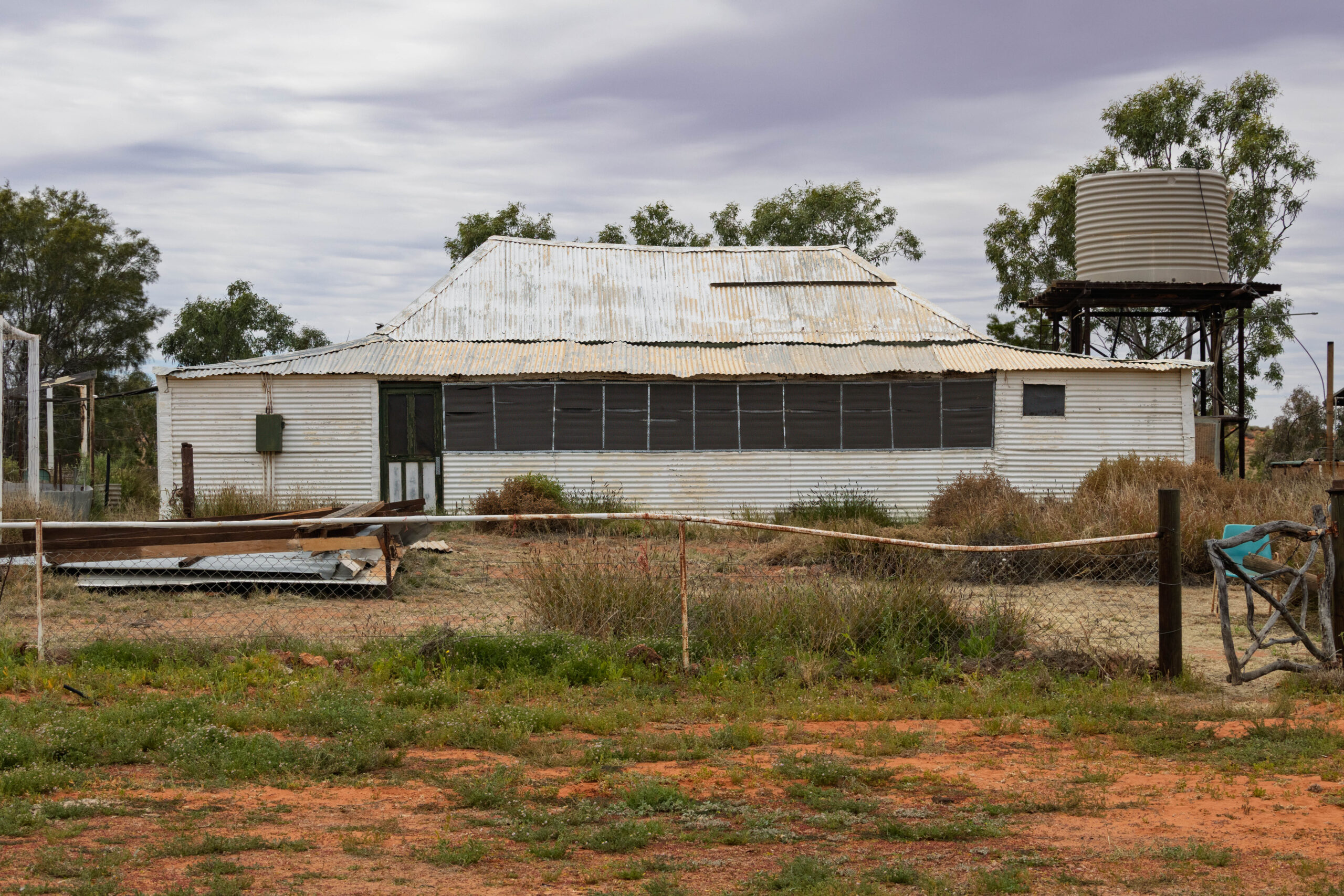
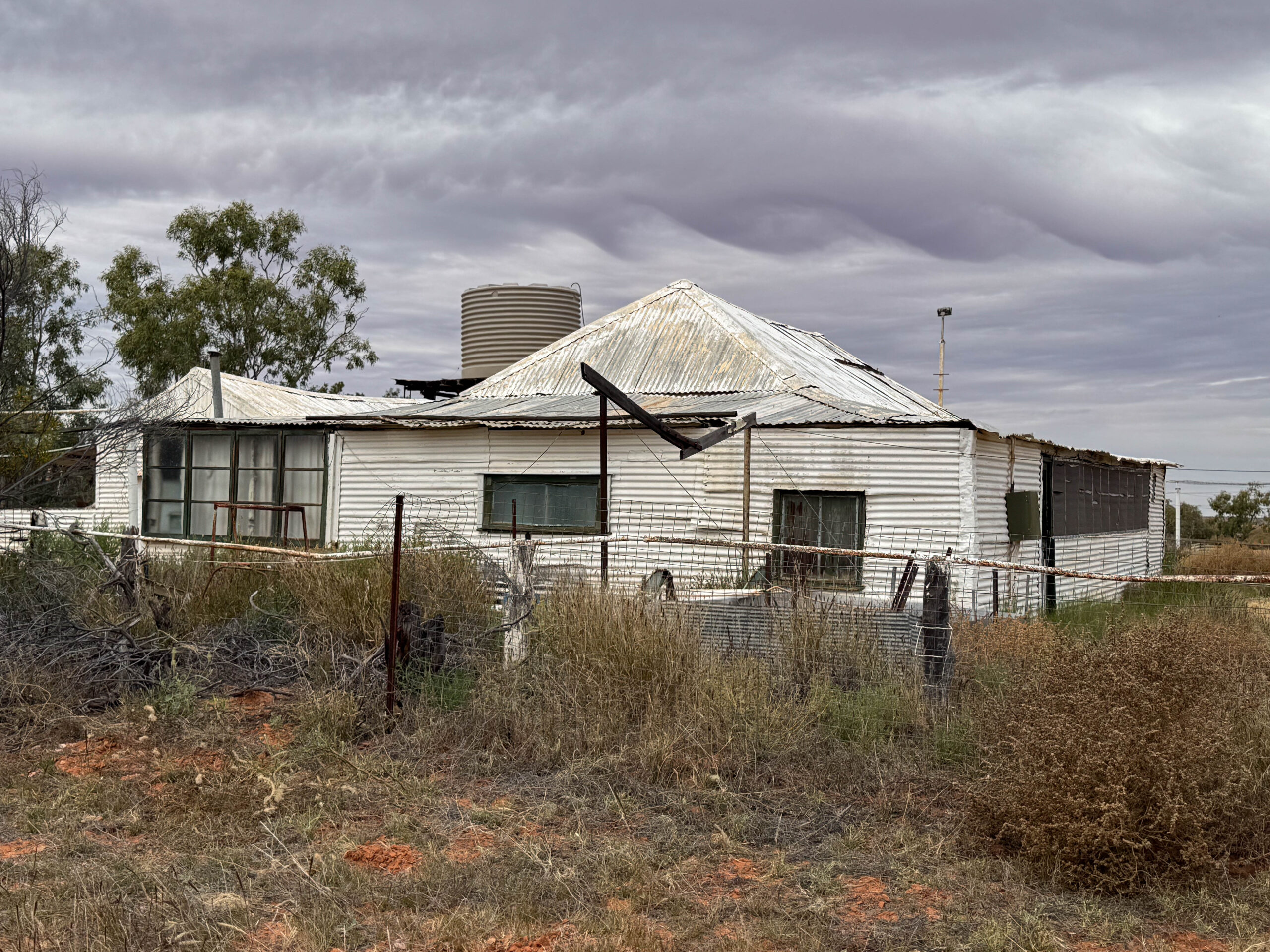
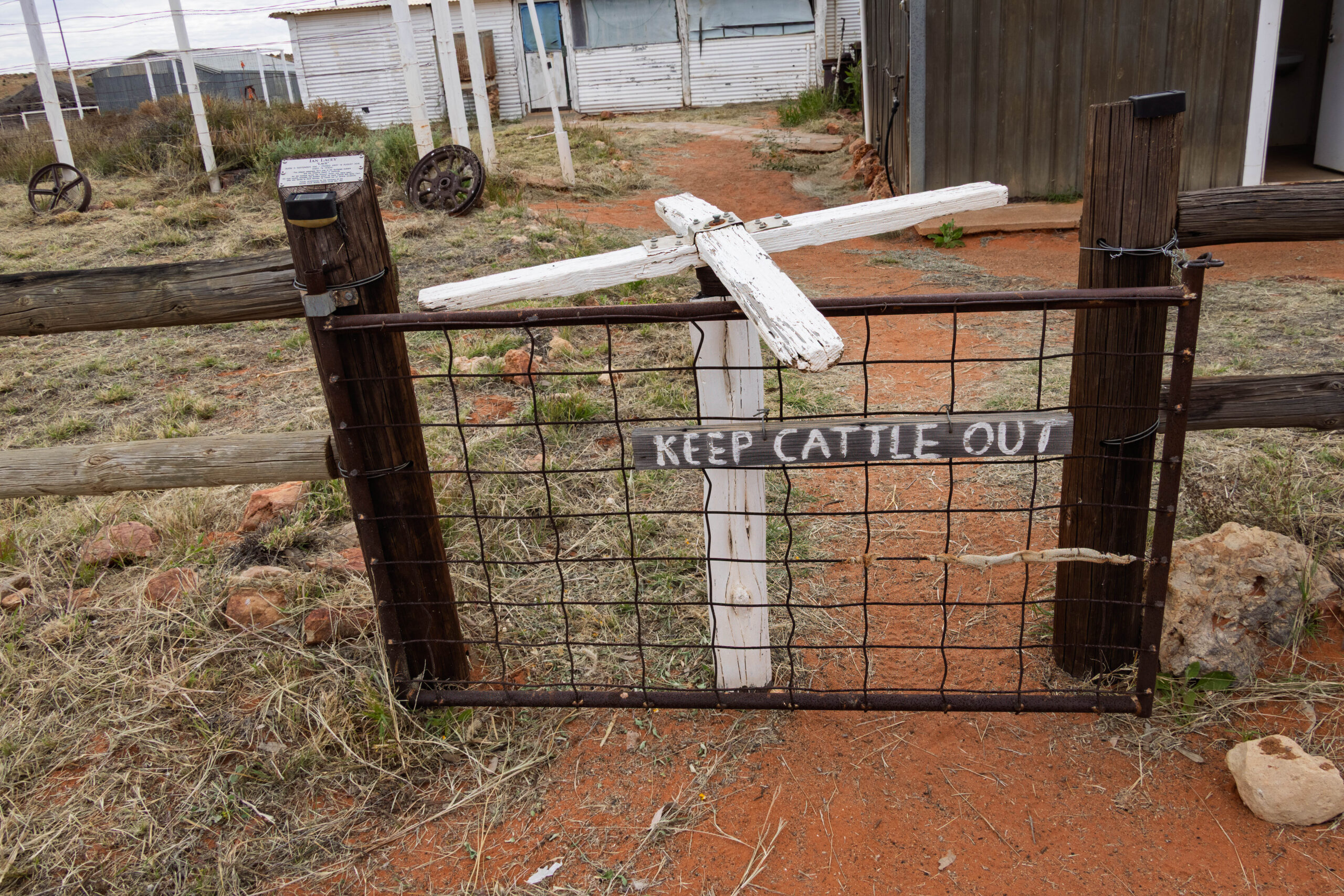
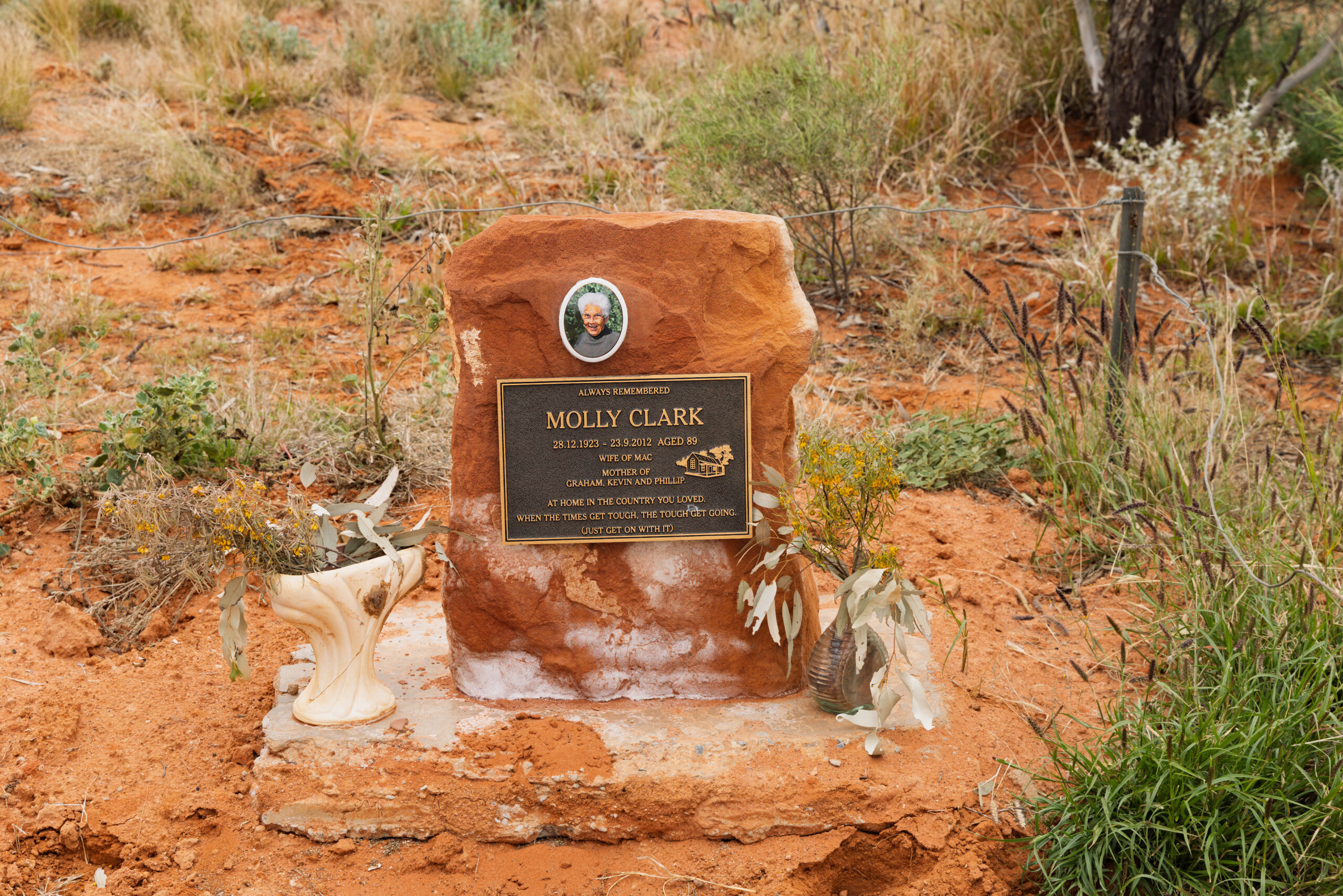
We made our lunch stop at Old Andado Homestead. The Andado Station was one of the first pastoral leases to be granted in the Northern Territory. The station was run for many years by larger than life characters, Mac and Molly Clark, until Mac tragically died in 1978. Molly continued to live at the station until the late 90s when she moved to Alice Springs before passing away in 2012. The old homestead is preserved like a snapshot of station life at the end of the 20th century.
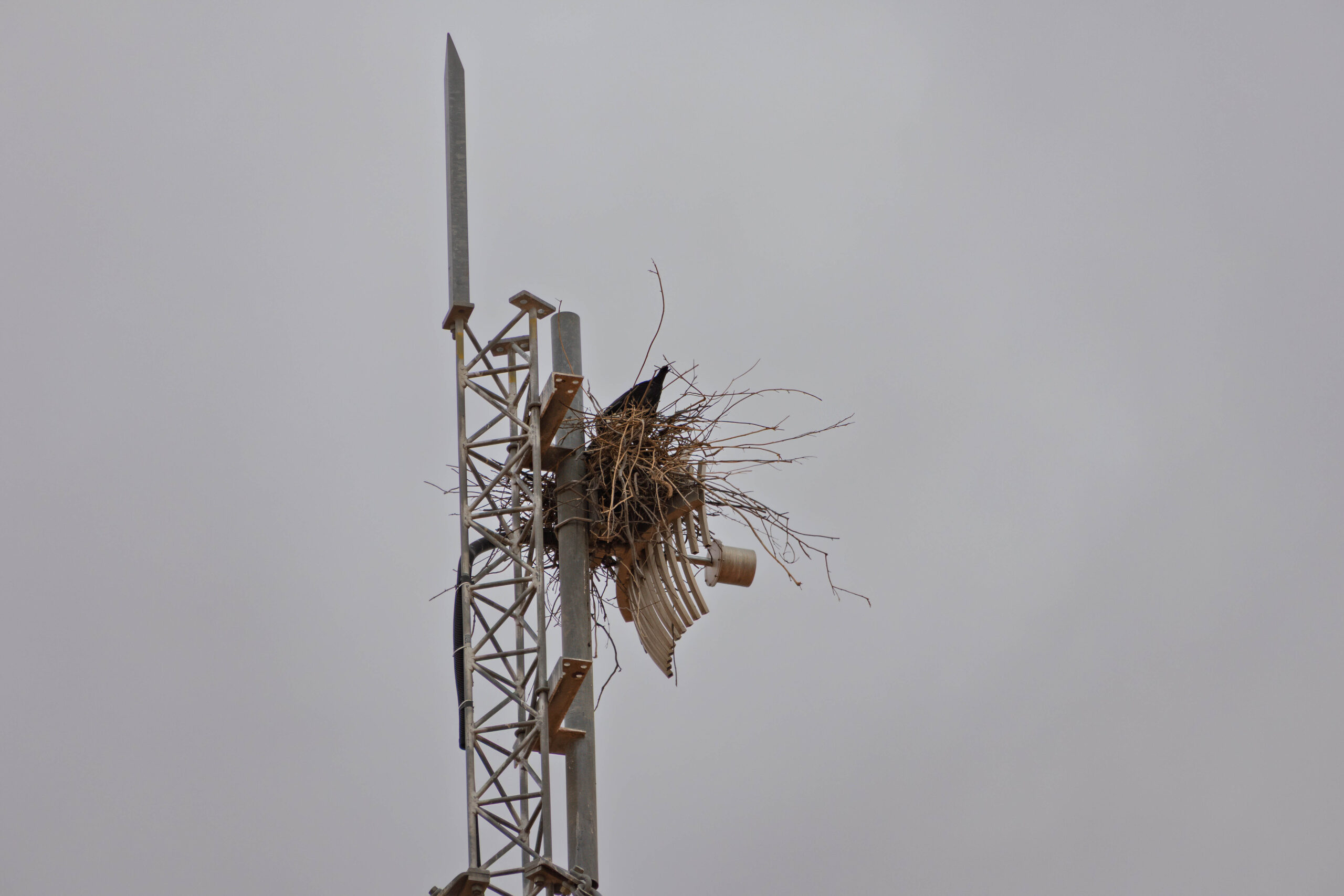
There was a bird’s nest perched up on the radio mast adjacent to the homestead. We mused about the ability of wildlife to adapt manmade structures to their own ends. We then speculated about what sort of bird would build its nest in such a location. I suggested a kite, but didn’t want anyone to take that as fact. I watched a bird fly back to the nest and it did not look like a kite, but I couldn’t tell what it was. I waited patiently and it left the nest again with a caw, caw, caw. Dammit, the birds was nothing exotic AT ALL, just a common crow!
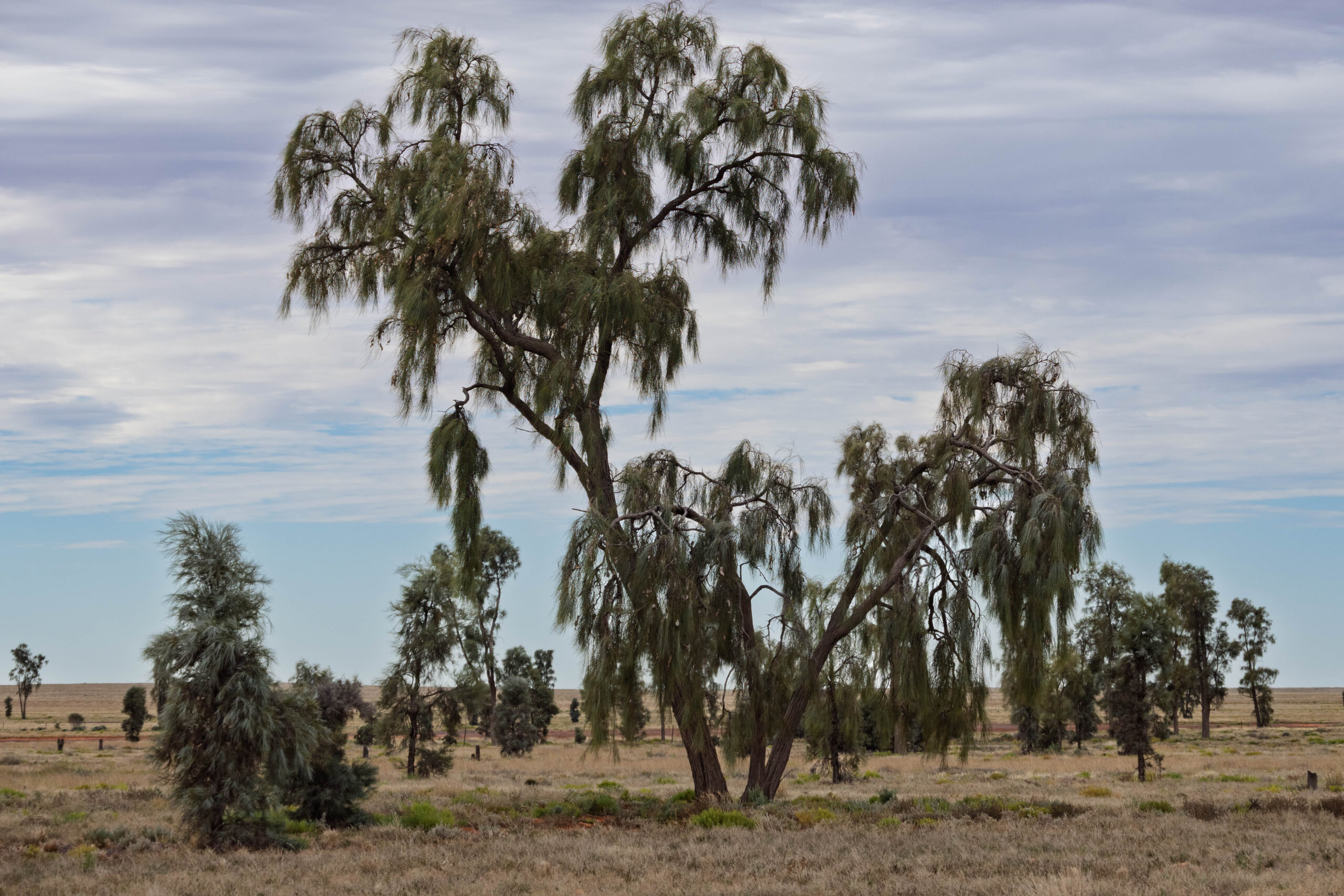
After lunch we made a quick visit to Molly’s grave before we continued on our way. After 30 kilometres we turned onto the road that would take us to the Madigan Line. Before commencing on the Madigan Line properly, we called in at the Mac Clark (Acacia Peuce) Conservation Reserve. During his time running cattle here between 1949 and 1978 he became concerned about the decline of the trees. This led to the reserve being declared and there are now about 2,000 mature trees protected inside the reserve’s fence.
Acacia peuce, one of Australia’s rarest trees, is a member of the wattle family. Most wattles only live a few years but some of these trees are believed to be 700 years old! The name ‘peuce’ comes from the Latin word ‘peuke’ which means ‘pine-like’. While the trees can cope with the searing desert heat during summer, they cannot cope with the soil disturbance caused by grazing cattle or fires. The trees common name is Waddy Wood because the Aboriginal people made waddies, fighting clubs, from the incredibly hard wood.
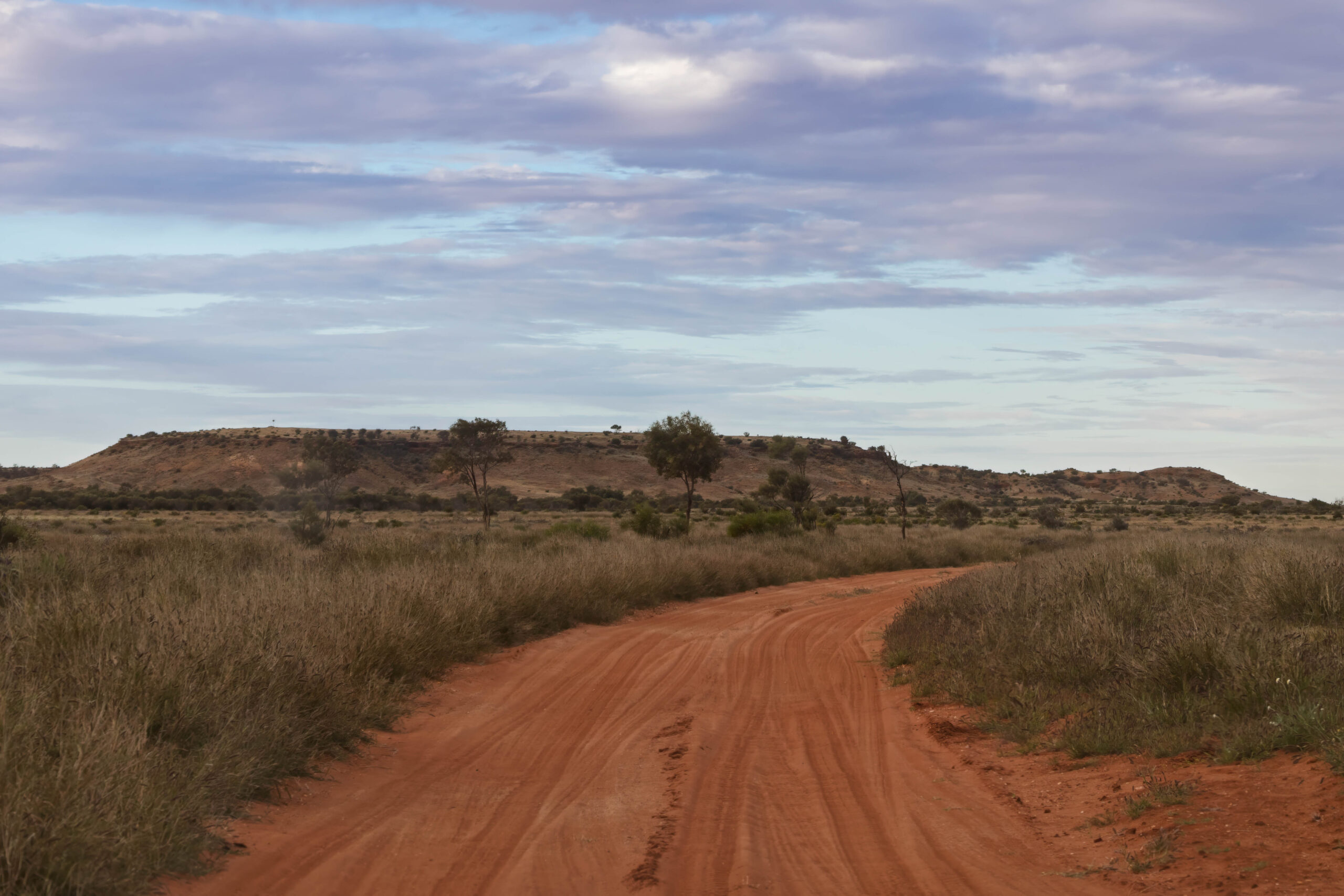
After this stop, it was time to set out along the Madigan Line. Dr Cecil Madigan led the first scientific expedition across the Simpson Desert in 1939. The route that we will be driving over the next five days (roughly) follows his route. In places the the route shown on our Hema map is indicative only as the track is not always clearly visible and can be re-routed following the wet season. The road requires a permit to drive it, one of the many administrative things that have been looked after for us by our tour leader.
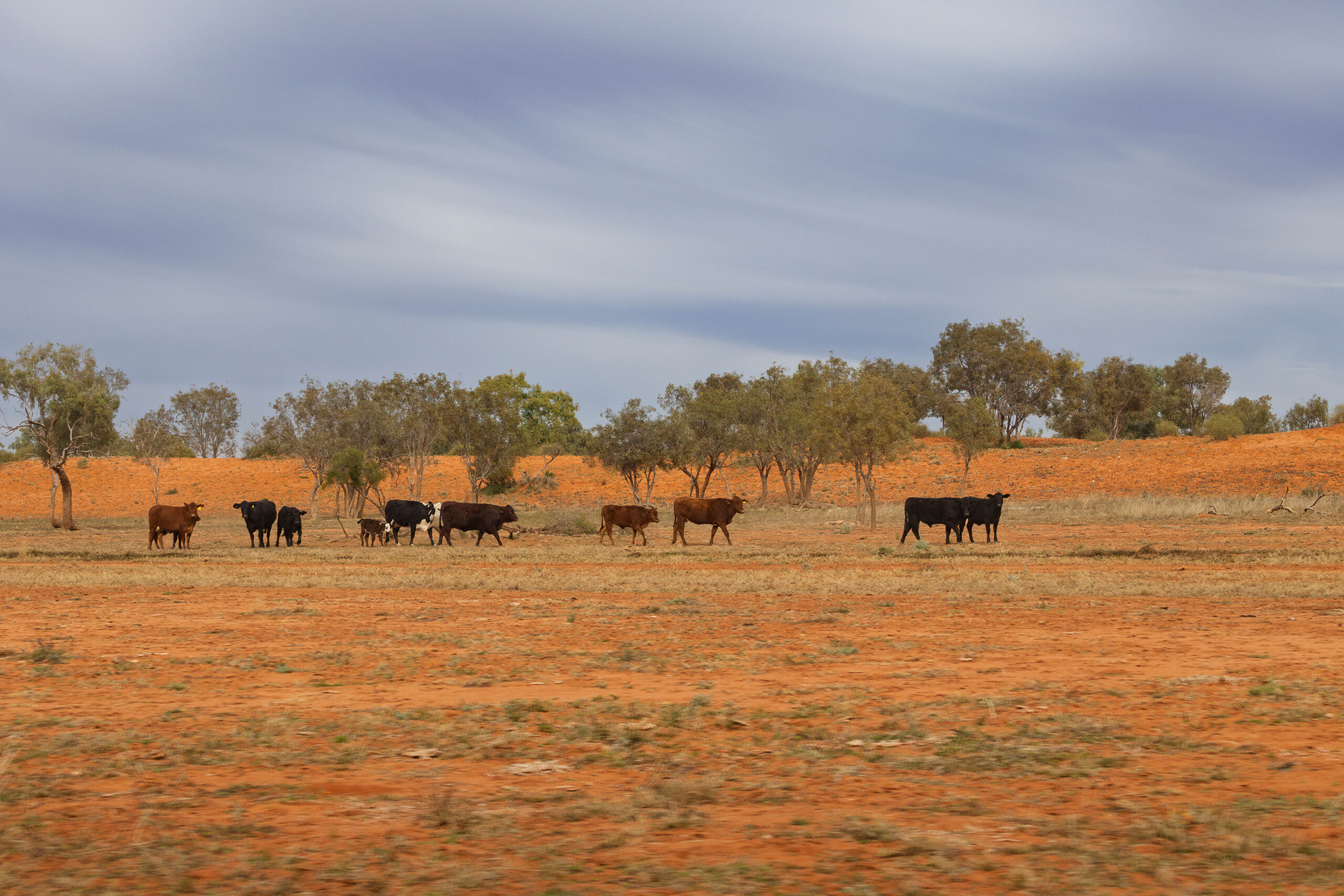
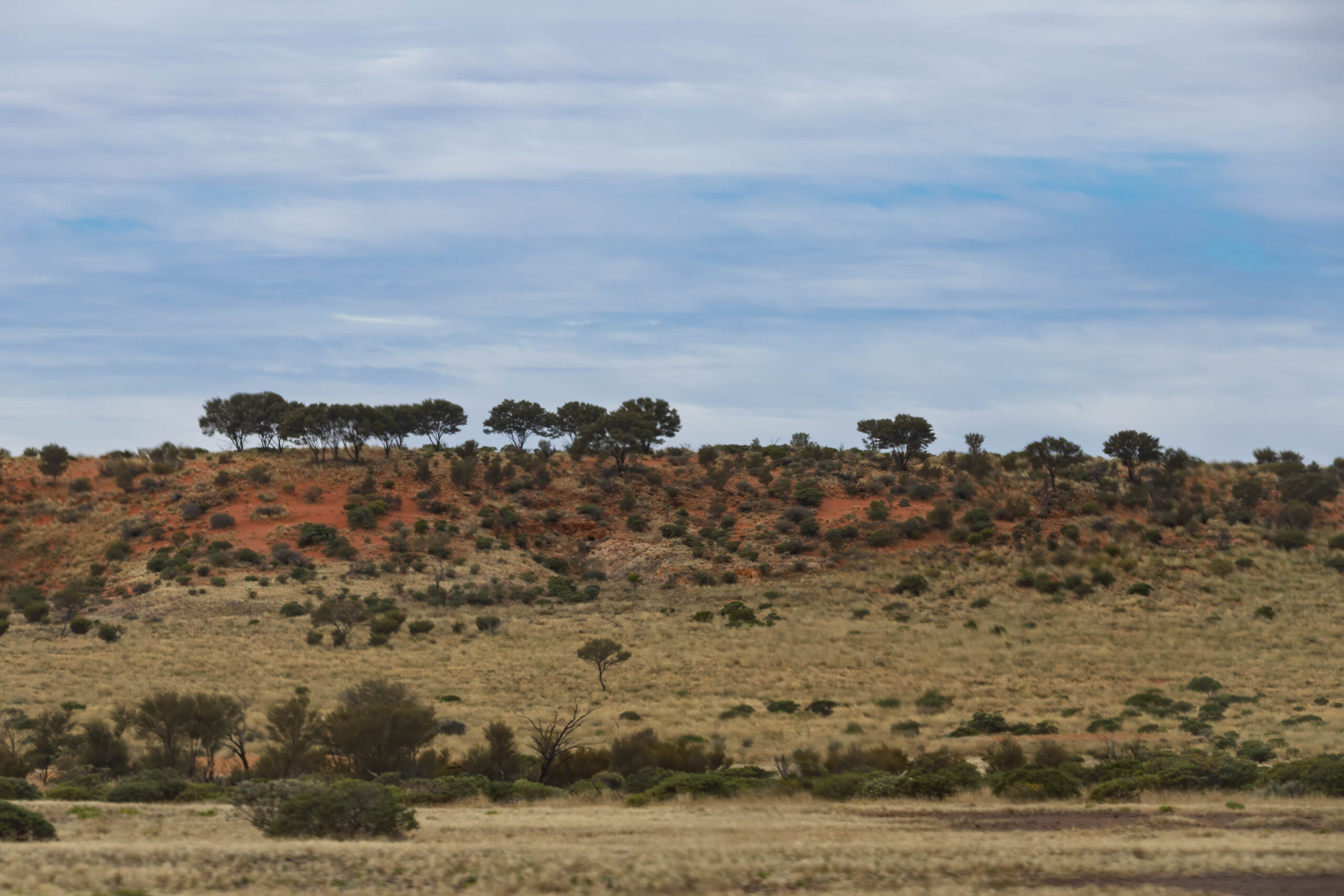
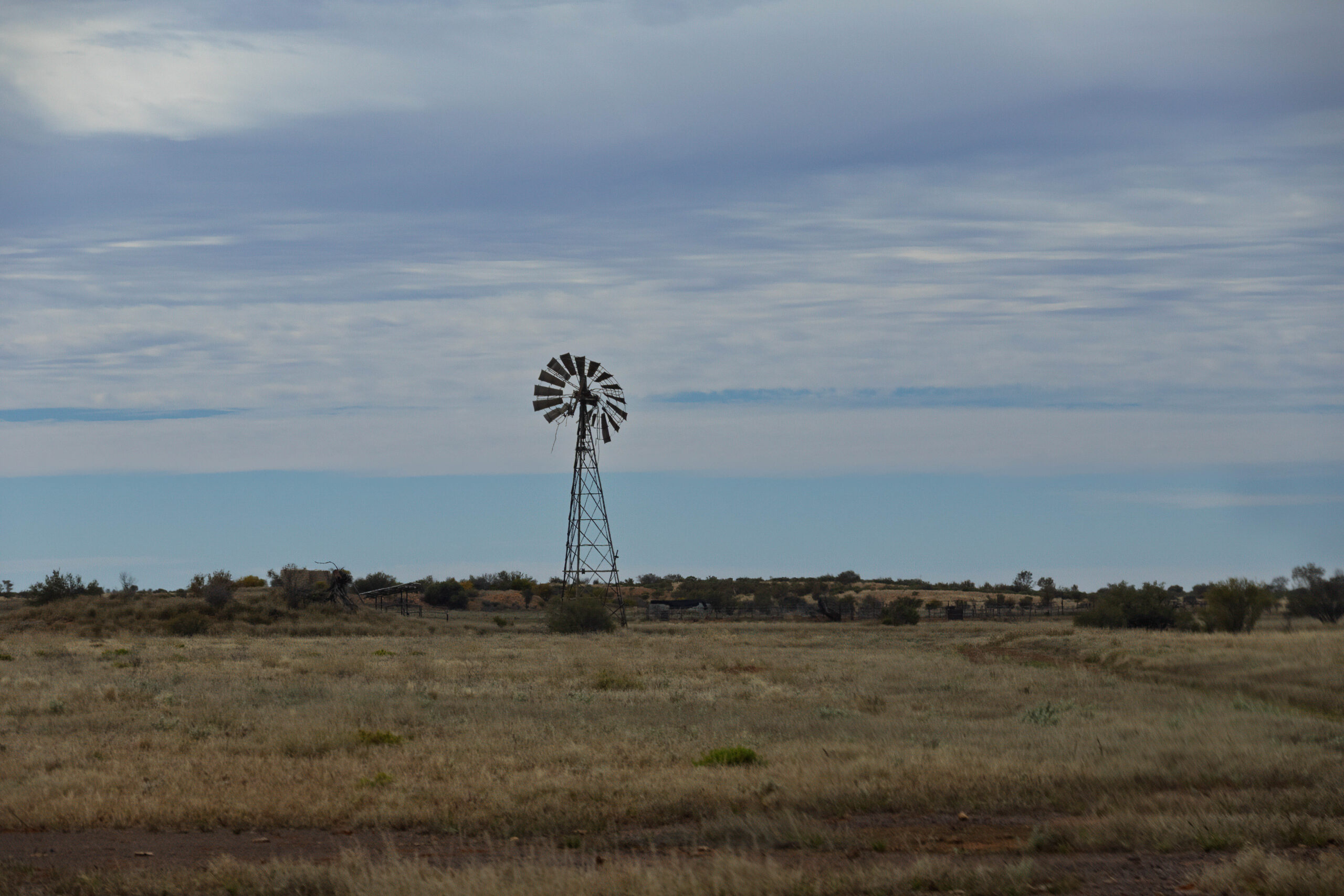
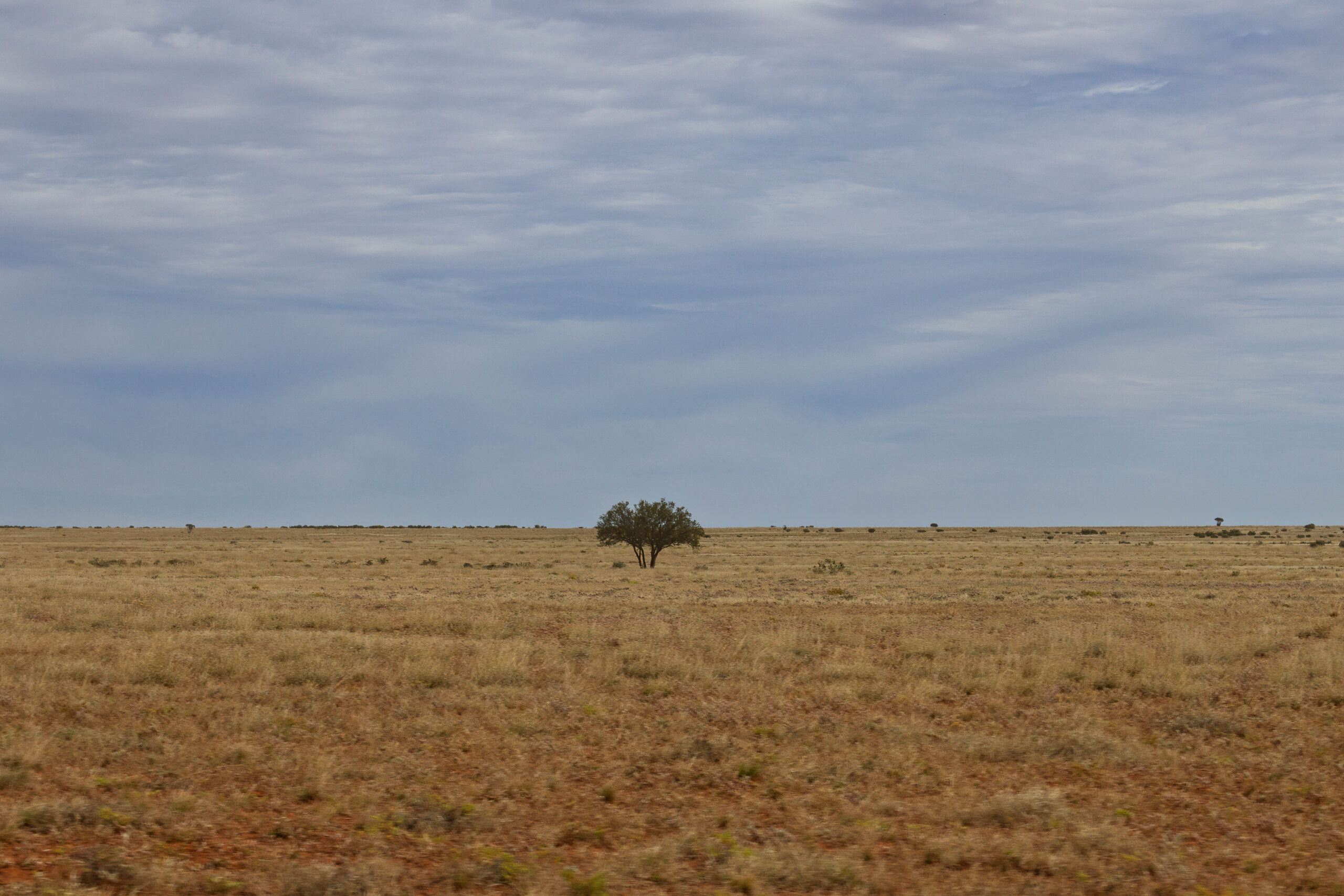
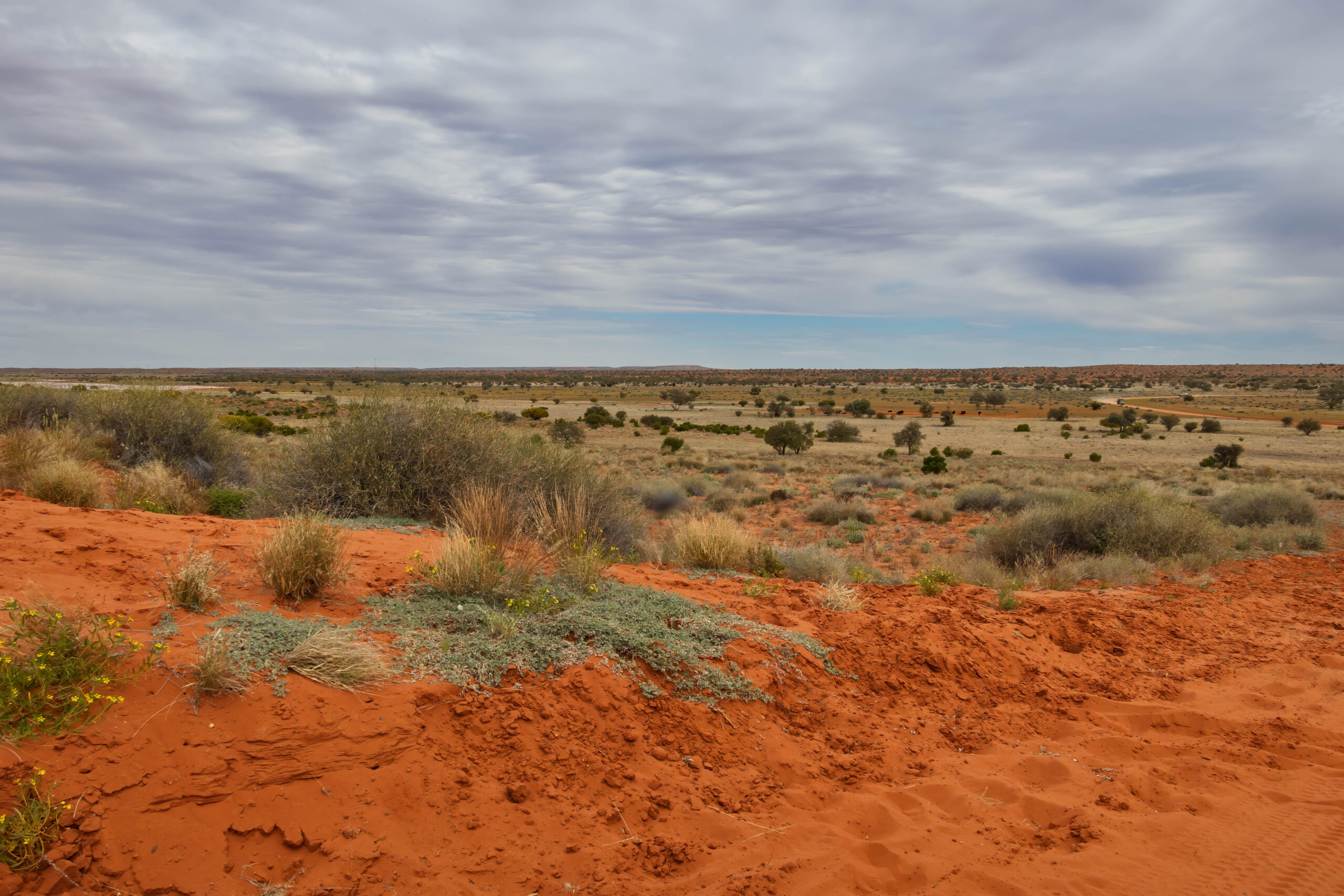
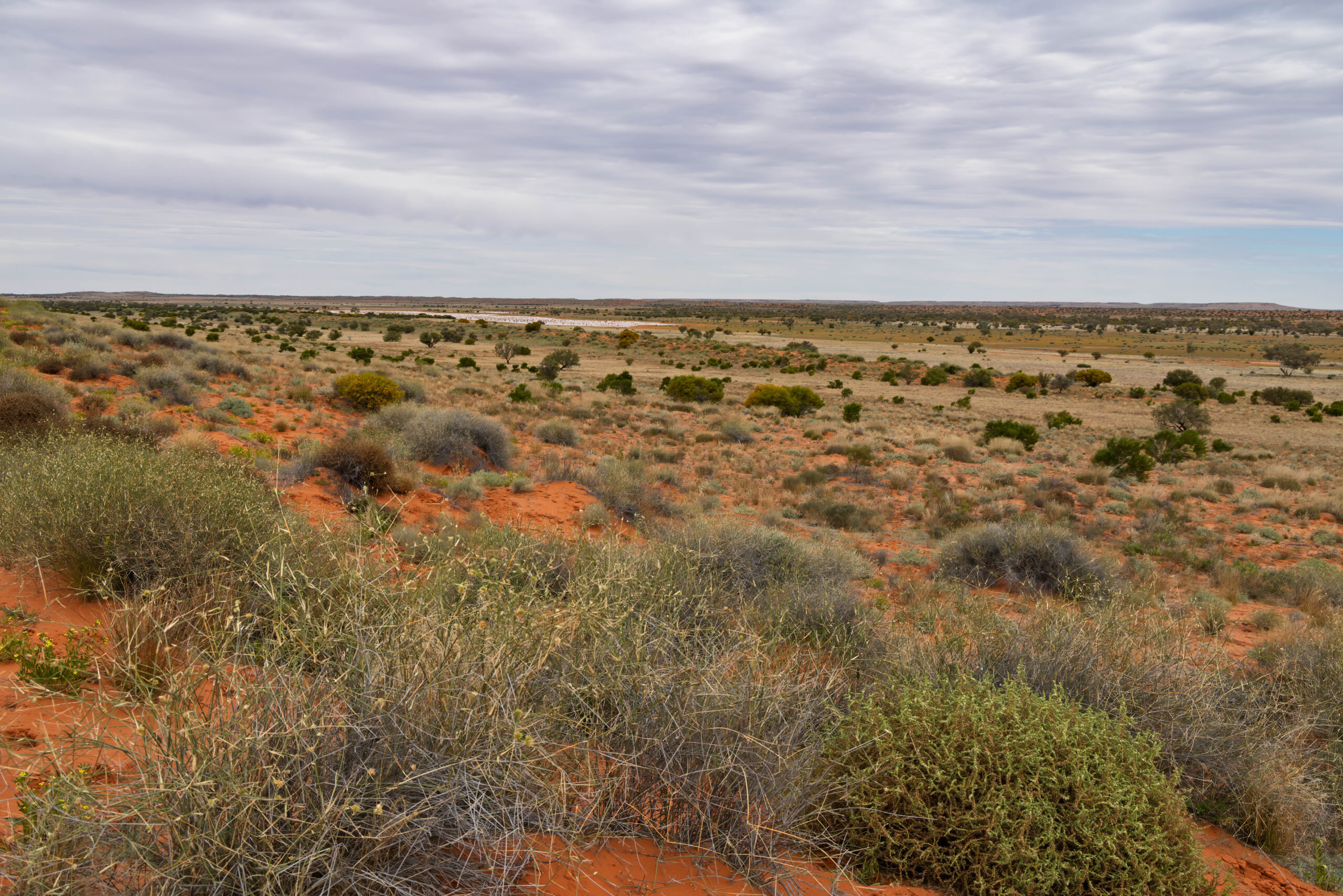
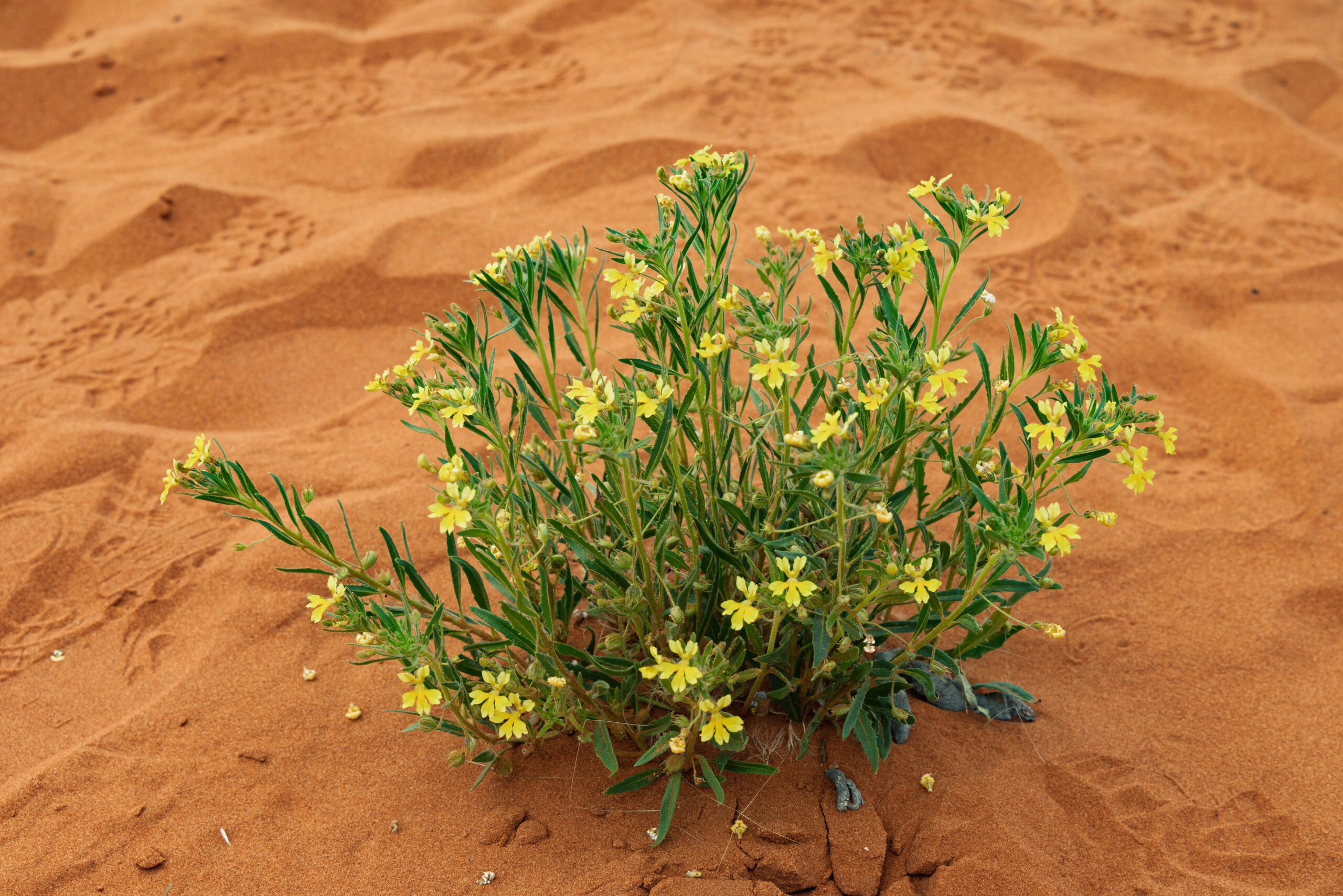
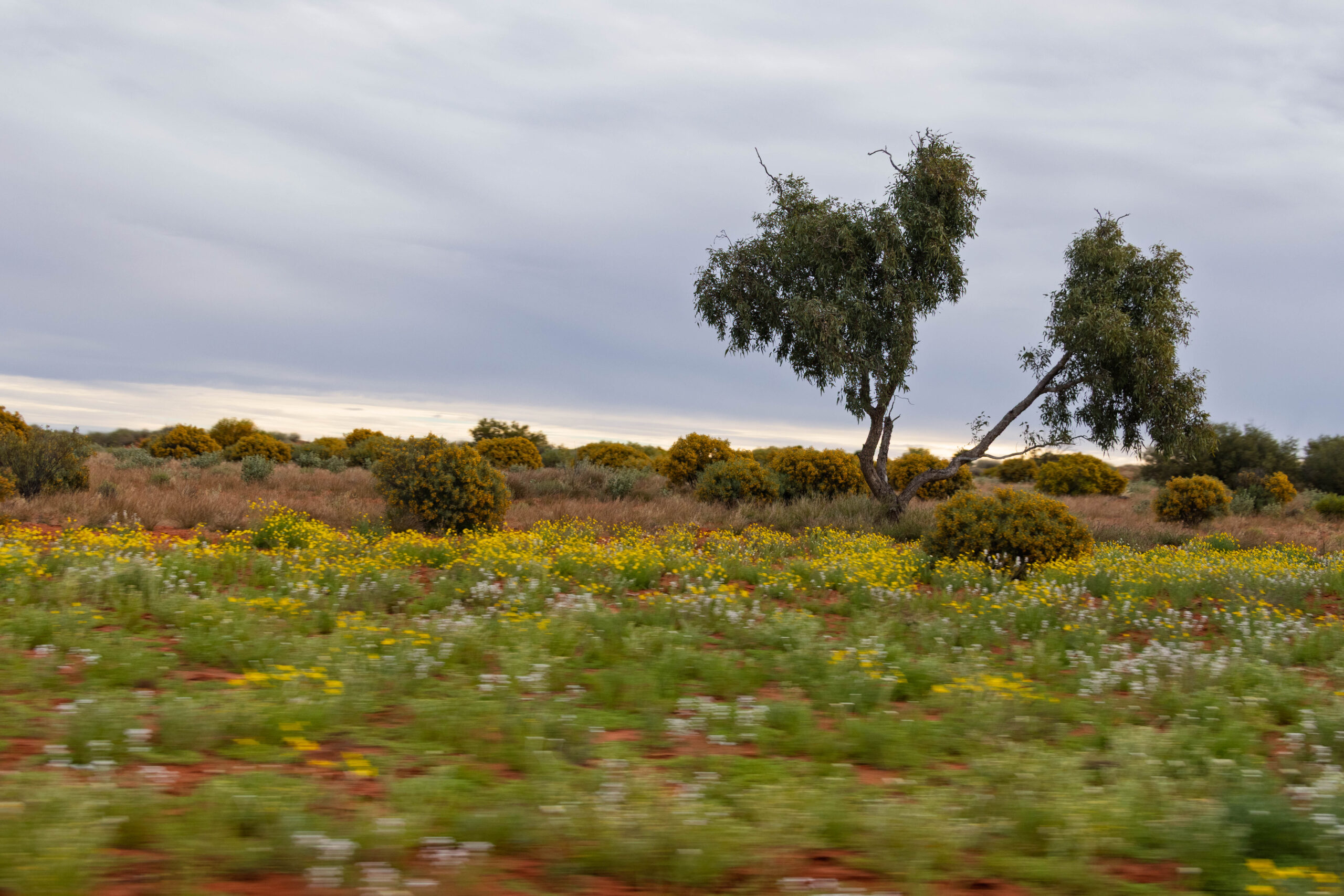
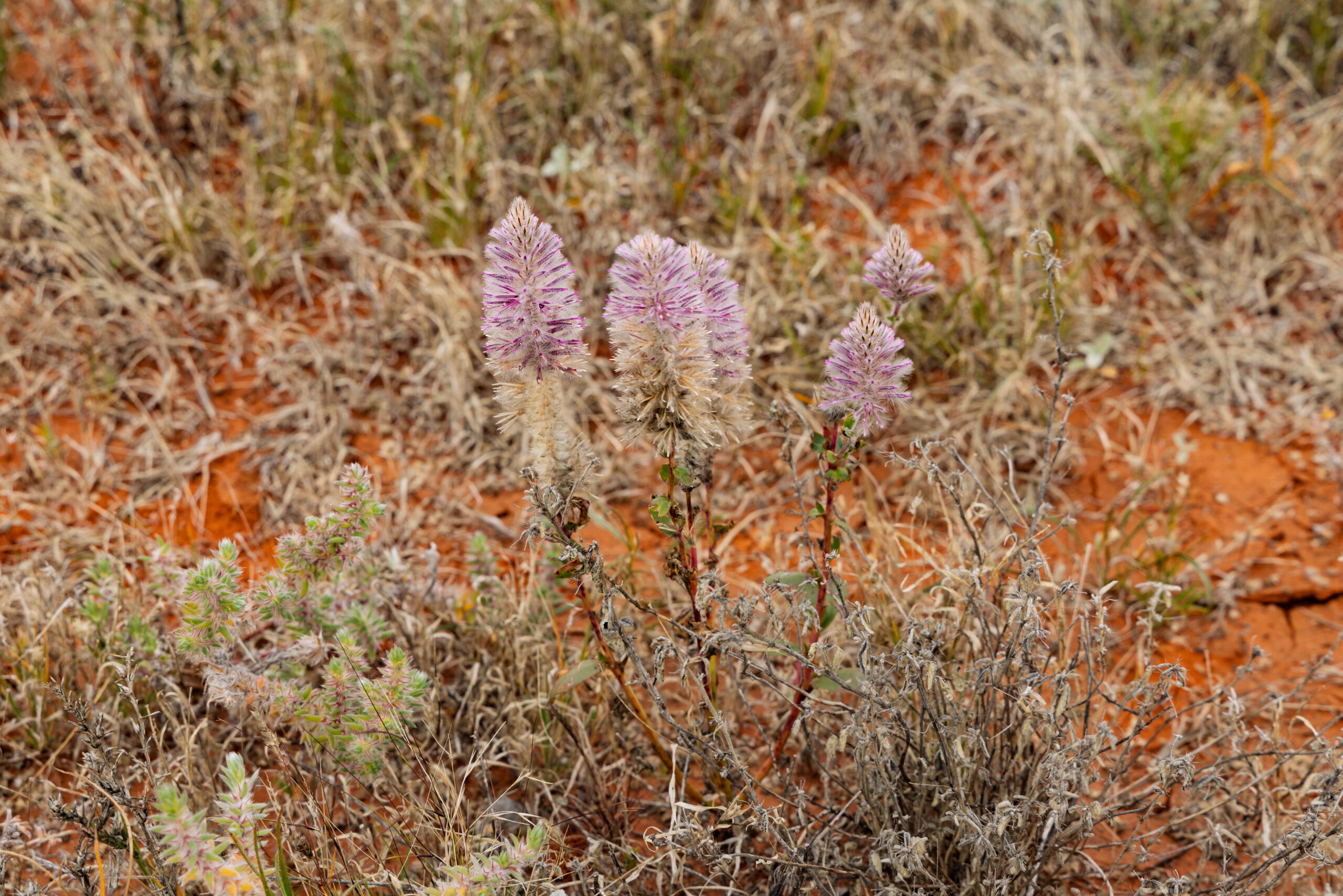
This afternoon we passed Madigan Camp 1a and continued on our way, looking for the perfect camping spot for tonight. As we drove we were treated to a veritable carpet of wildflowers by the roadside. I tried to photograph the wildflowers, and other roadside scenery, from the moving vehicle and I do hope that at least some of those photos capture a little of the beauty of the desert at this time of the year.
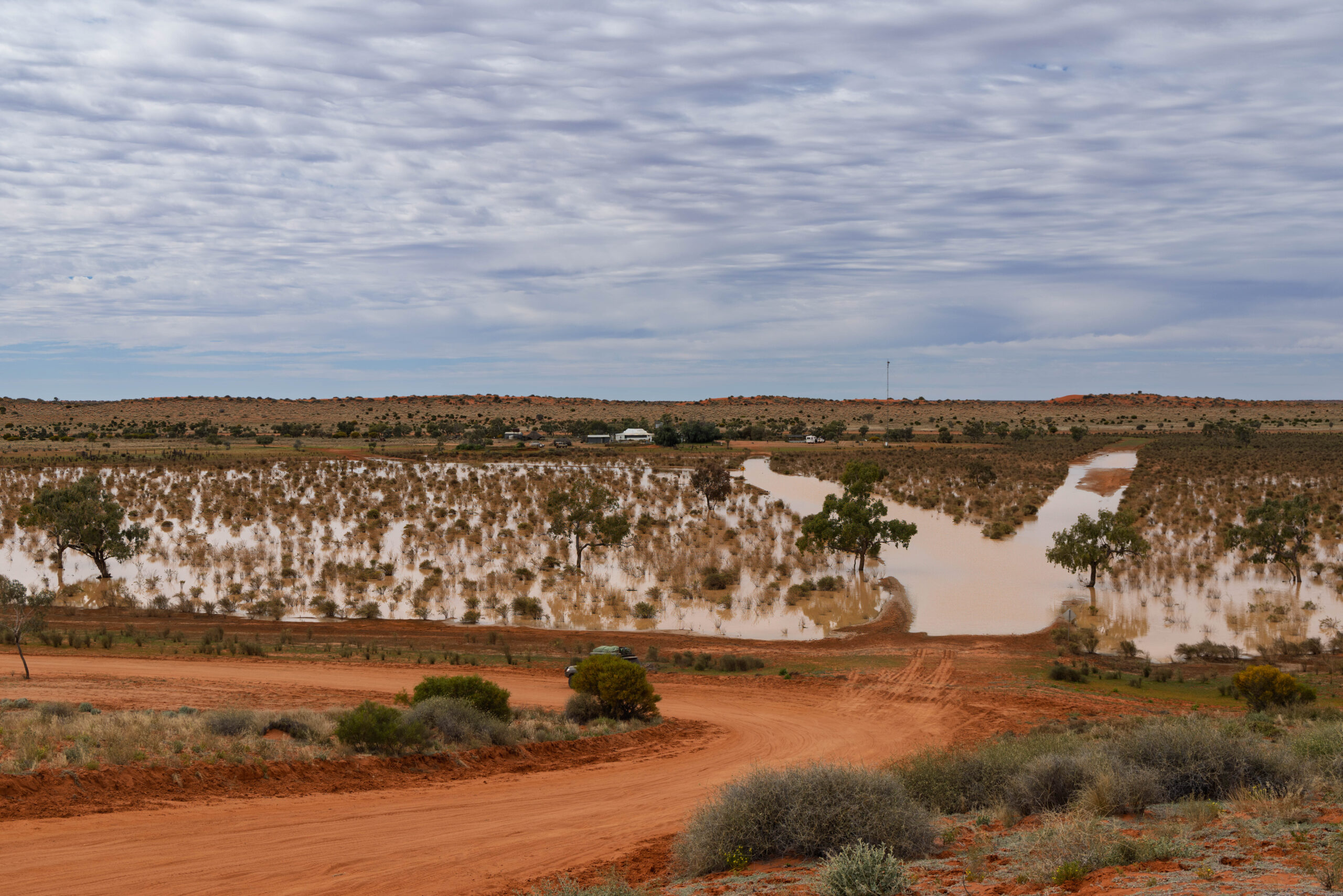
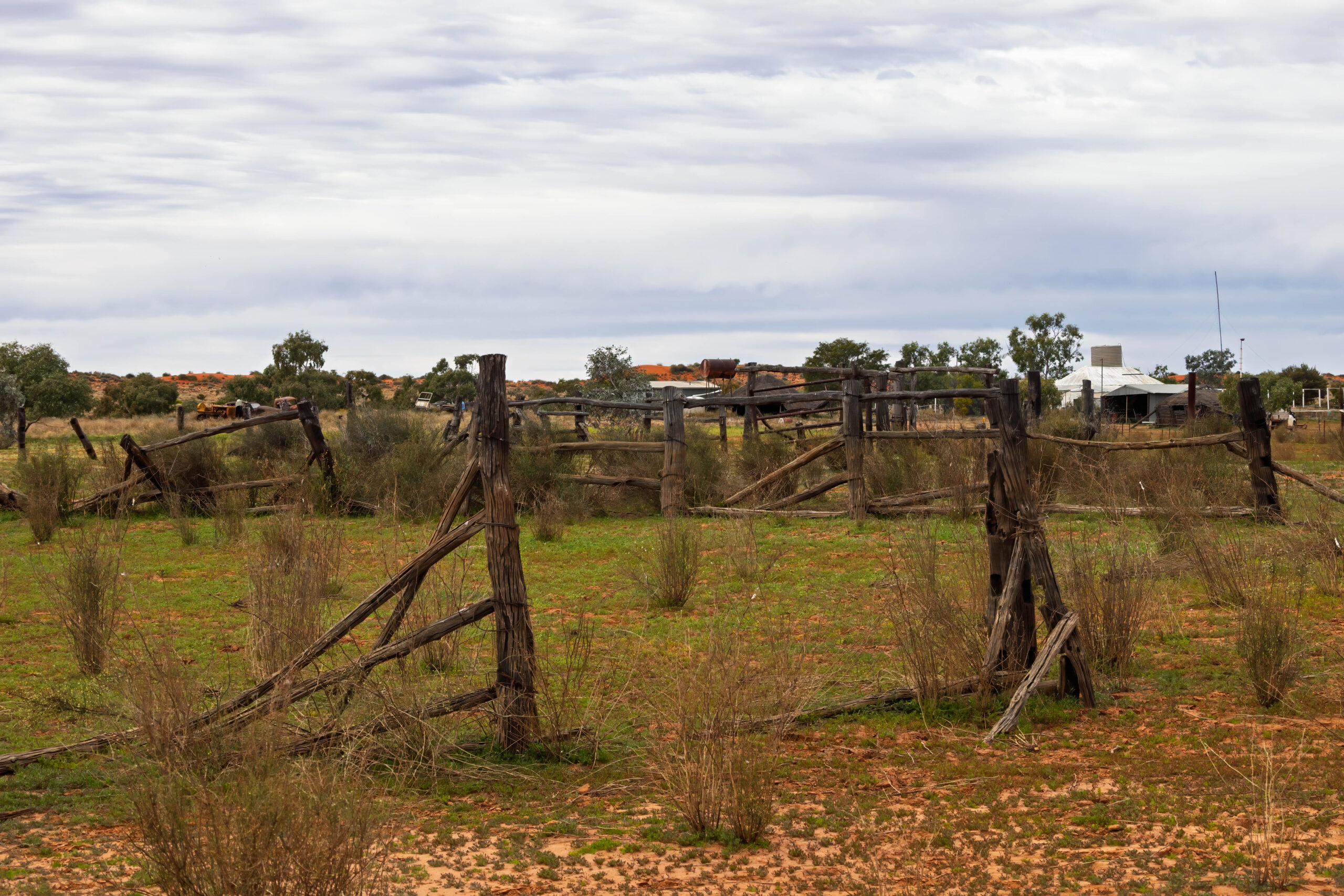
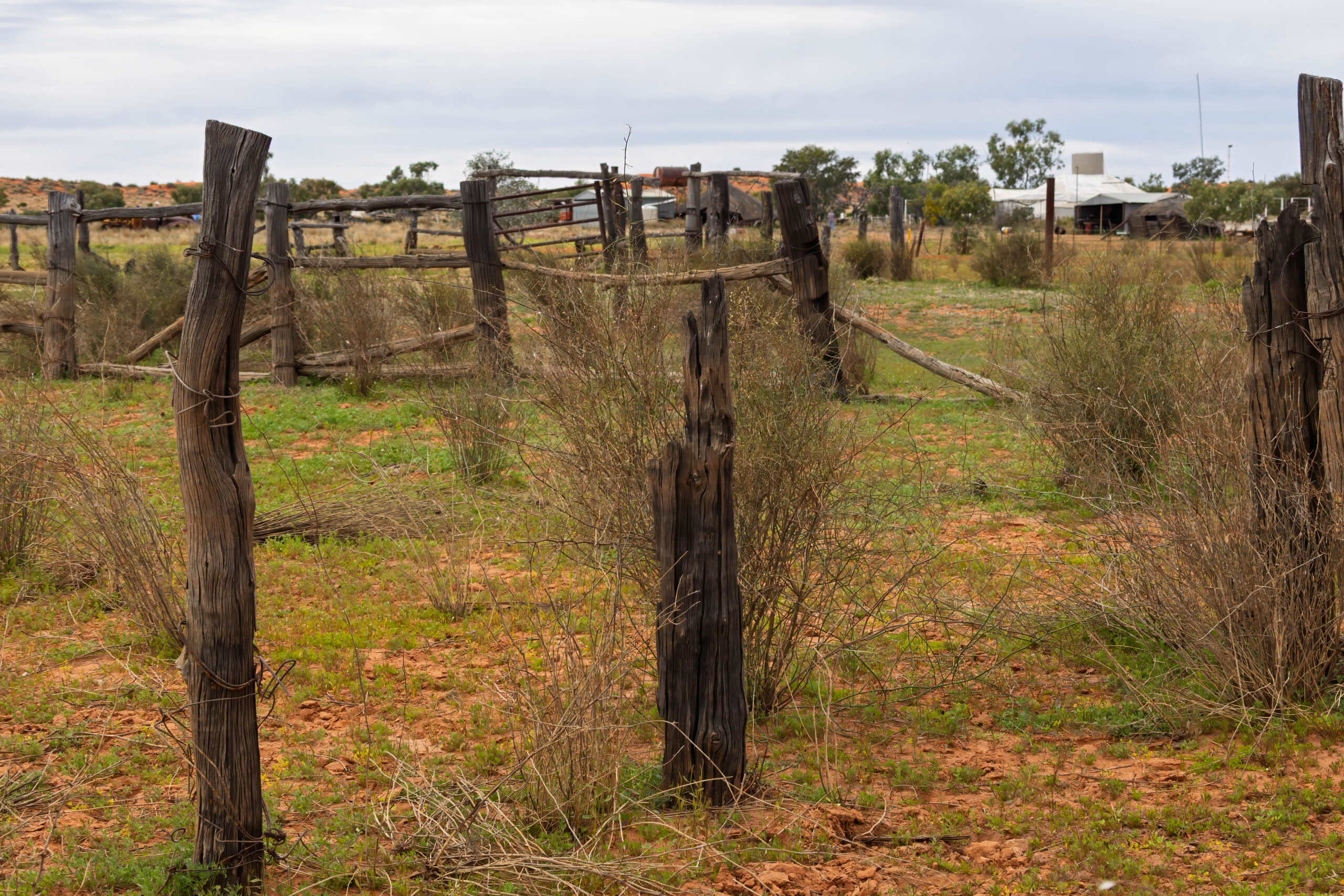
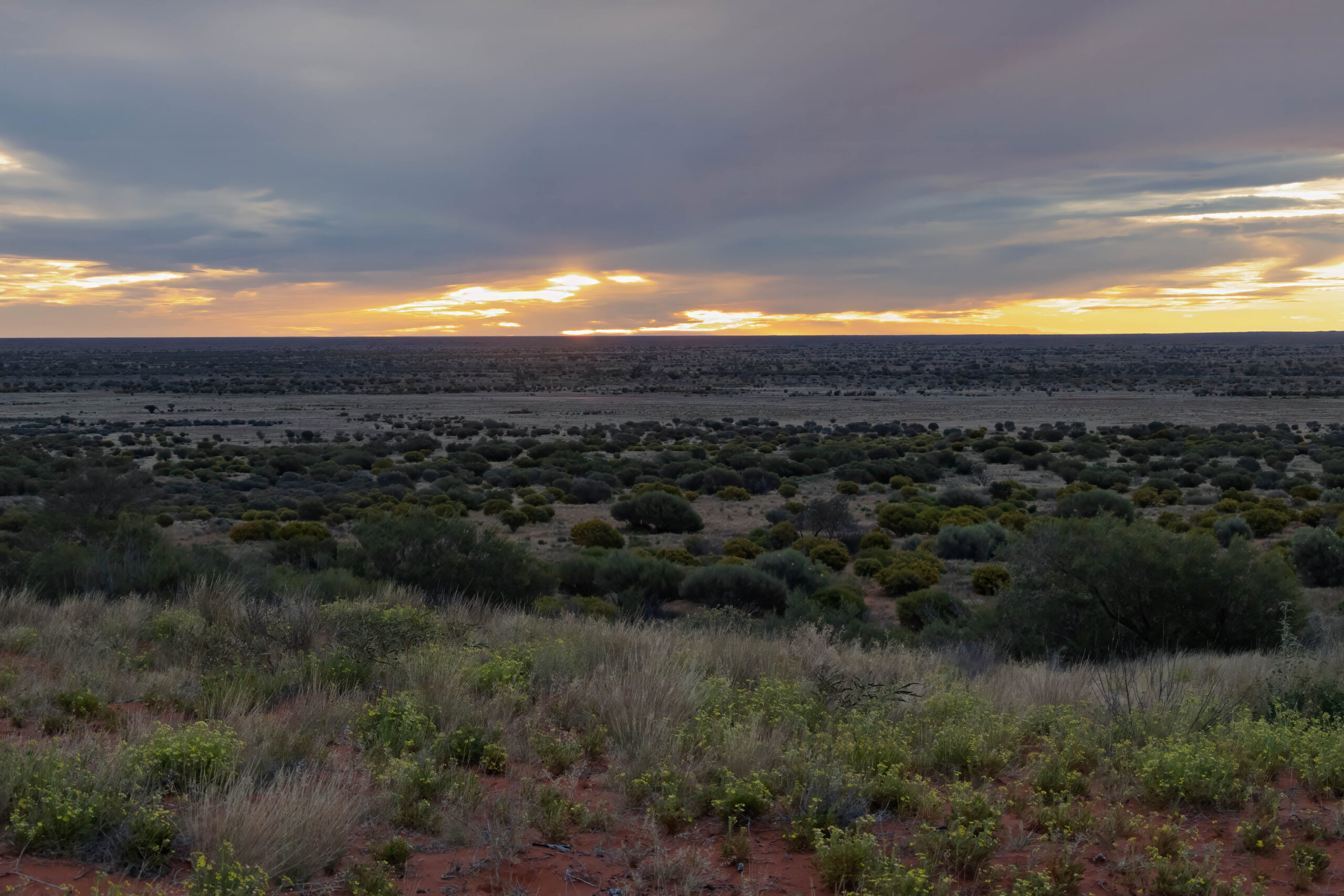
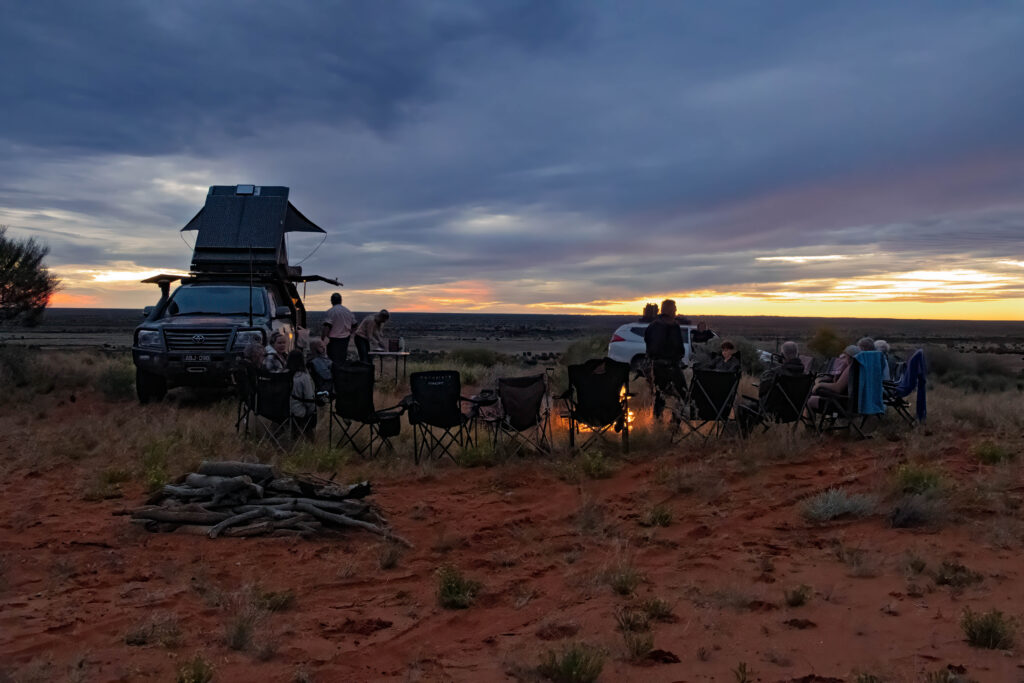
John eventually led us up onto an escarpment to make camp. He did suggest stopping on the plain beside a cattle yard and a tank, but Helene overruled him in favour of a more picturesque site. As we drove up onto the bluff the view was stupendous, a vast sweeping vista over the surrounding countryside. We pulled into our lovely campsite for tonight, where we were able to make camp while we enjoyed the last of the afternoon light. With today’s cloud cover persisting into the late afternoon and evening the sunset was … subdued.
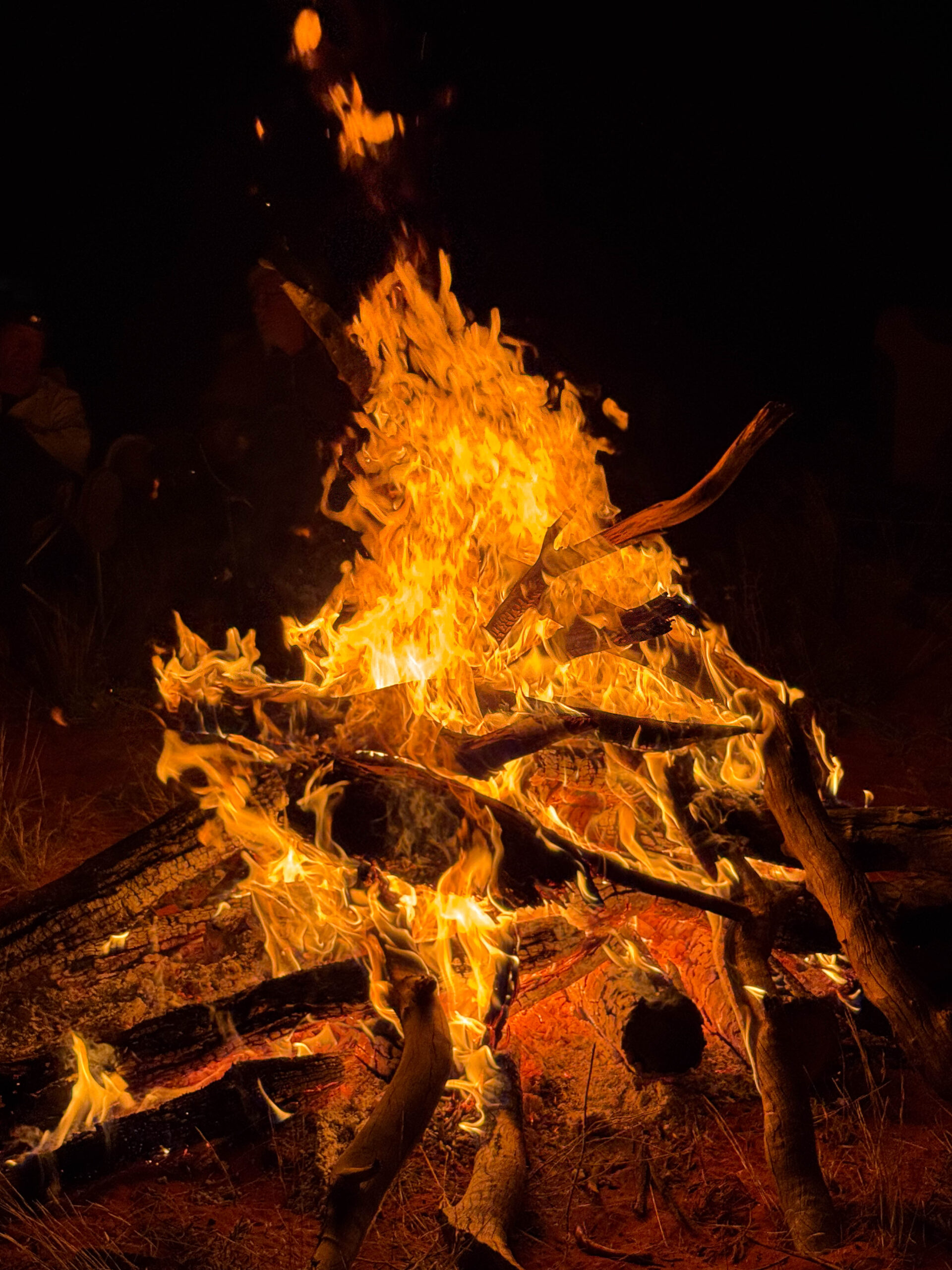
While we were setting up, others, with set ups that seemingly unfurl at the touch of a button, were able to turn their attention to starting our campfire for the night. I had no idea that a campfire could be kindled so quickly and efficiently. After we had cooked and eaten our meal over beside the truck, we were lucky enough to just carry our chairs over and pull them up beside the fire to enjoy its warmth and hypnotic allure.
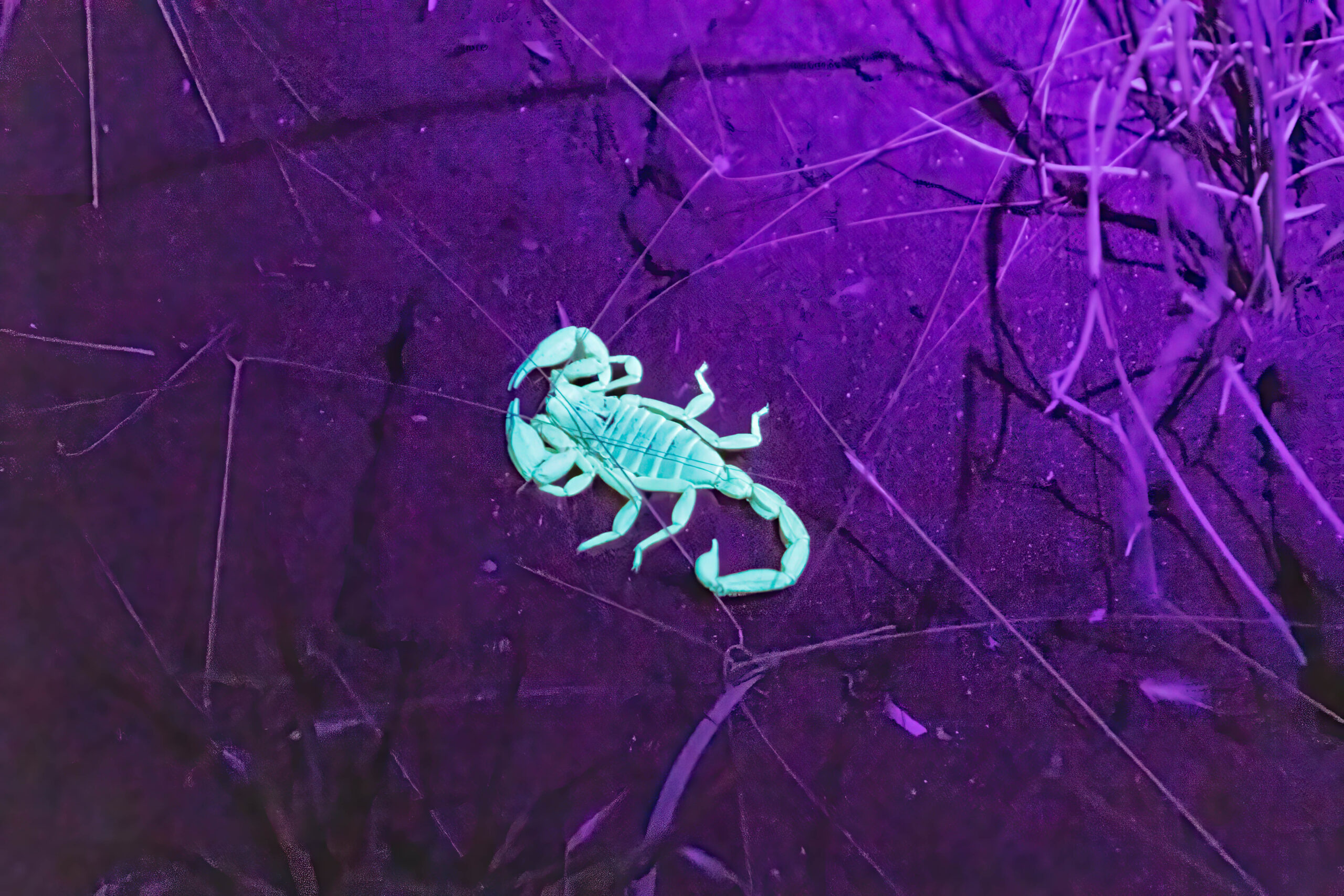
We did have just one little diversion on our way to the campfire. One of our companions came armed with a UV torch with which to find scorpions. The scorpions are fluorescent and glow white under UV light. Who knew? Mal did. He knew that he didn’t want to come into the desert without being armed with a UV torch specifically for the purpose of finding scorpions. We have to thank Mal for his foresight and Don for his excellent smartphone photograph of the iridescent scorpion. Unless my DSLR photo is the one that makes the cut when Bernie is uploading photos to the blog??
Mount Dare to our first camp on the Madigan Line – 198 kilometres