Tuesday, 4 May 2026
So, Bernie had a win last night, rigging up the power to charge the spare battery. Then, despite being in the most urban location we have been for weeks, we had other power challenges. First, not being able to get the hot plates in the cabin to work so that we could actually cook our own dinner last night and then … in the wee small hours, we had a power outage. In our tiny little cabin, it got real hot, real quick once the a/c went off causing us to wake up!! Bernie managed to get the hot plates going by switching the fuse off and then on again and, fortunately, the power outage was not for long with the power coming back on about half an hour after we woke up.
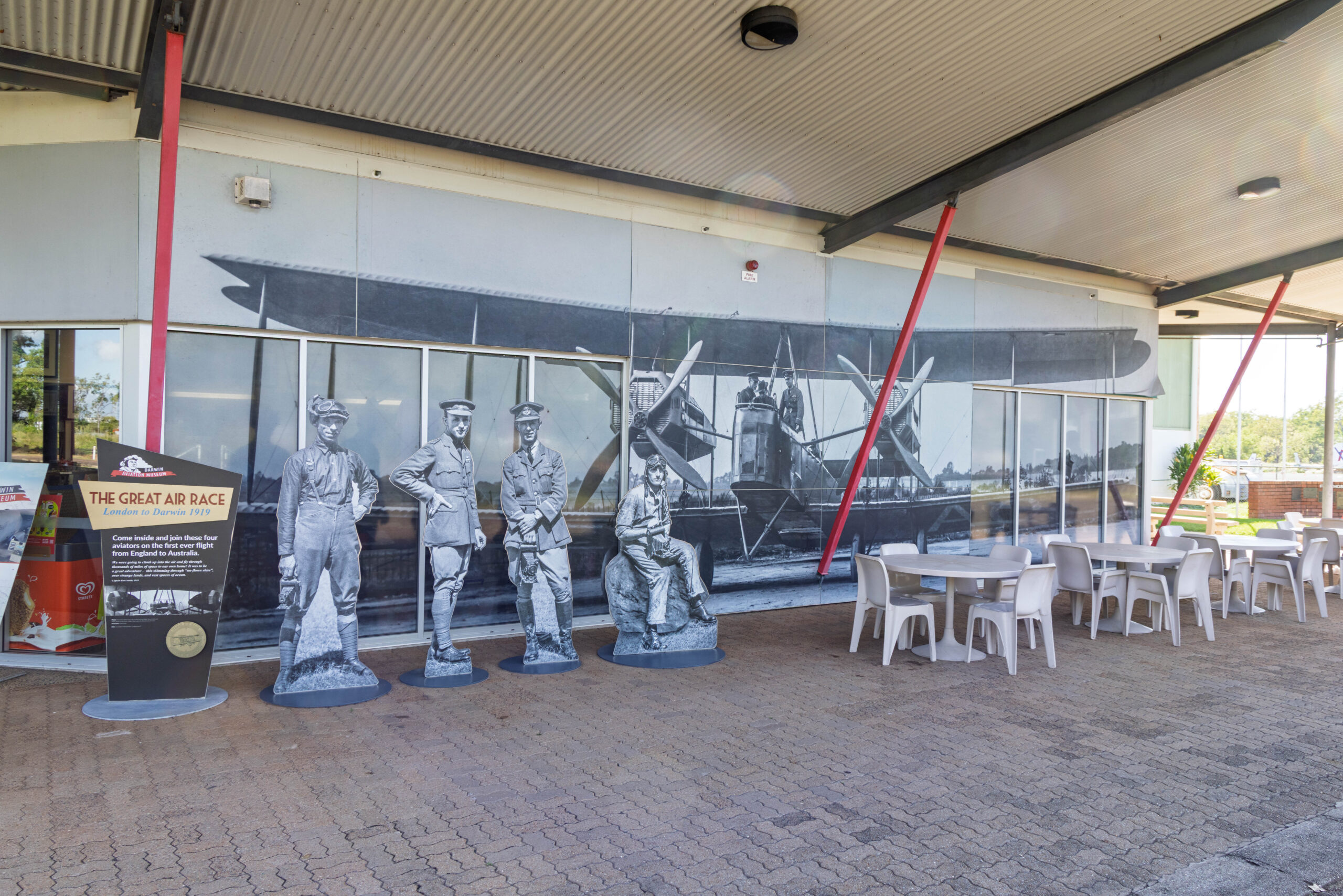
Our first stop this morning was across the highway, almost opposite where we are staying, at the Darwin Aviation Museum. To begin our visit we sat in airline seats to watch the three short films on the bombing of Darwin in 1942, Cyclone Tracy in 1974 and the epic flight of the first Australian aviators to fly from England to Australia in 1919.
The museum is in a HUGE hangar that houses a B52 Bomber with many other aircraft, engines and relicts of crashed aircraft displayed beneath its wings. There was heaps more information about ‘When the War Came to Australia’. We knew that Darwin was bombed during WWII but have to admit that we had no idea that the Japanese mounted raids across the Top End of the Northern Territory for nearly two years.
There was also more information about Cyclone Tracy and the aftermath, which involved one the largest ever peacetime evacuations of civilians in the days afterwards. We were 12 and 13 years old when Cyclone Tracy virtually wiped Darwin off the map, so we remember it happening but, again, we didn’t really know just how bad it was or appreciate the logistics of dealing with the disaster. Bernie maybe a little bit more, as he said that he recalled evacuated children attending Drouin High School in 1975.
And even more about the Great Race. After WWI, The Australian Government offered a £10,000 prize for the first Australian to fly from England to Australia in under 30 days. Six teams of Australian airmen keenly put their aviation skills and aircraft to the test. Brothers Ross and Keith Smith (pilot and navigator), along with mechanics Wally Shiers and Jim Bennett, arrived in Darwin on the 10th of December 1919, 28 days after departing Hounslow, England on the 12th of November.
There was also a section dedicated to female aviators including Amy Johnston, who became the first female pilot to fly alone from Britain to Australia in 1930. She departed from Croydon, south of London on the 5th of May 1930 and crash landed in Darwin on the 24th of May. Her 18,000 kilometre solo flight gained her world wide recognition. There were many other amazing stories about adventurous women who were determined to take to the skies despite the dangers. One story was about Millicent Bryant who became the first Australian woman to gain a private pilot’s licence. She died just seven months later, not while flying but in a Sydney ferry accident.
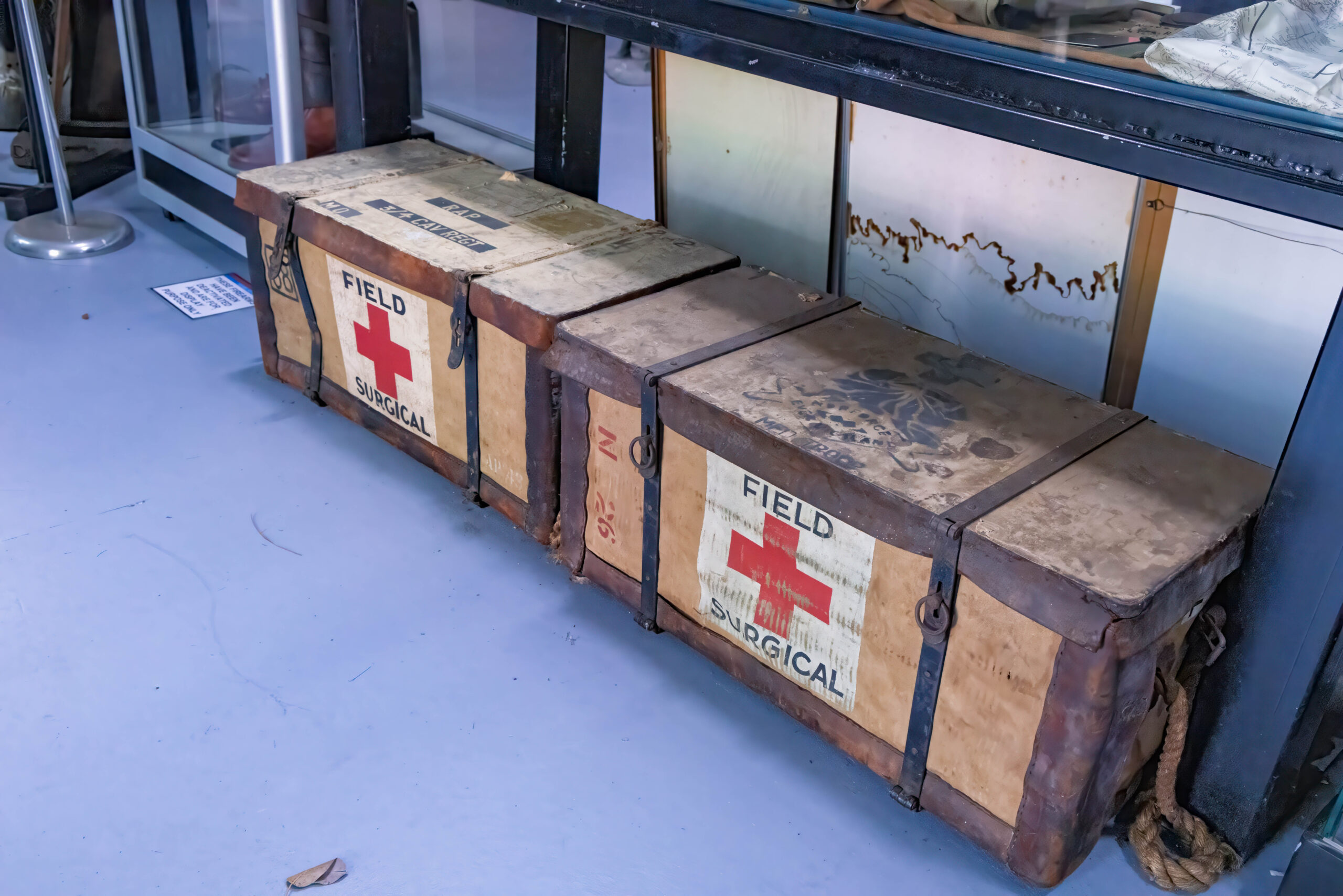
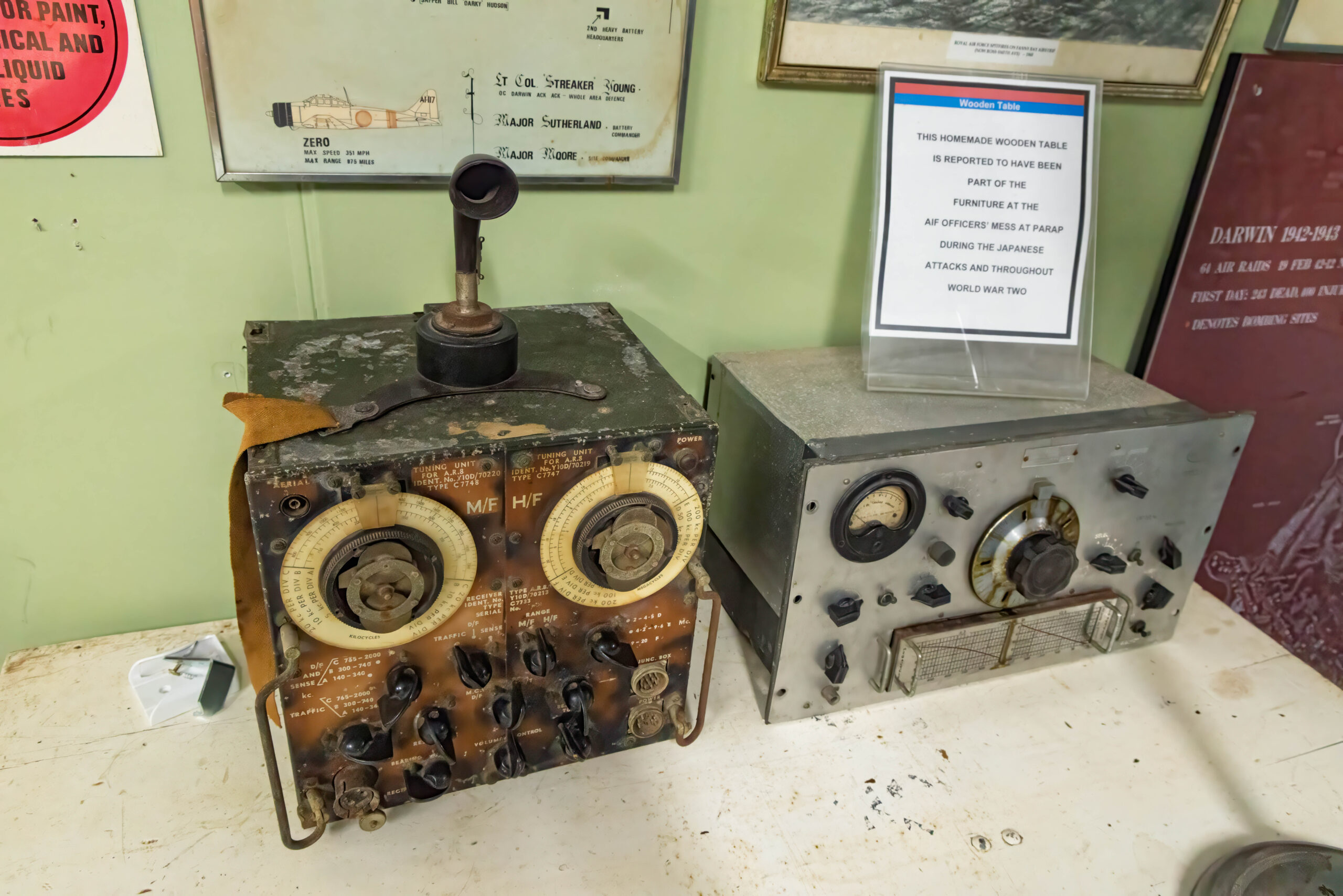
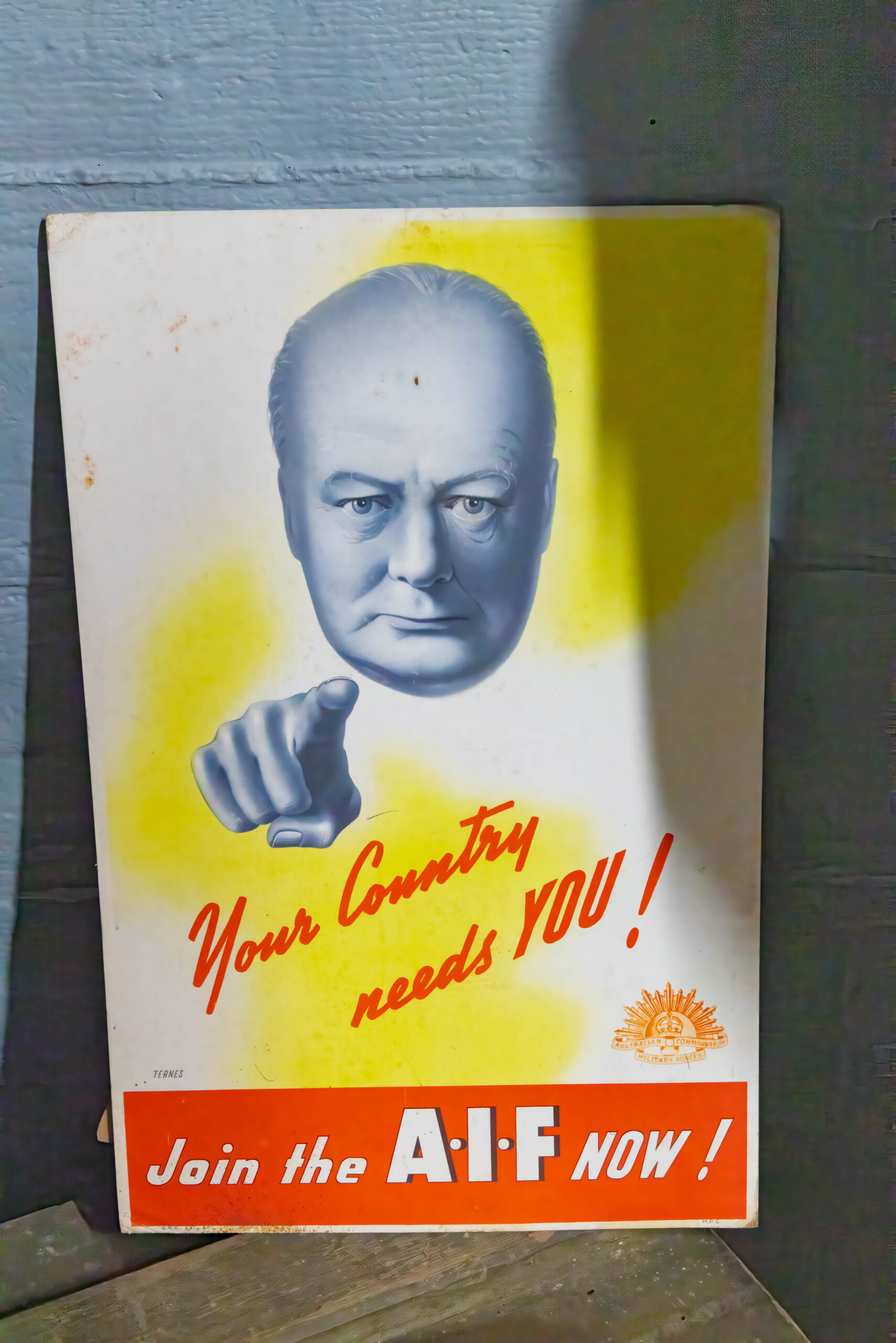
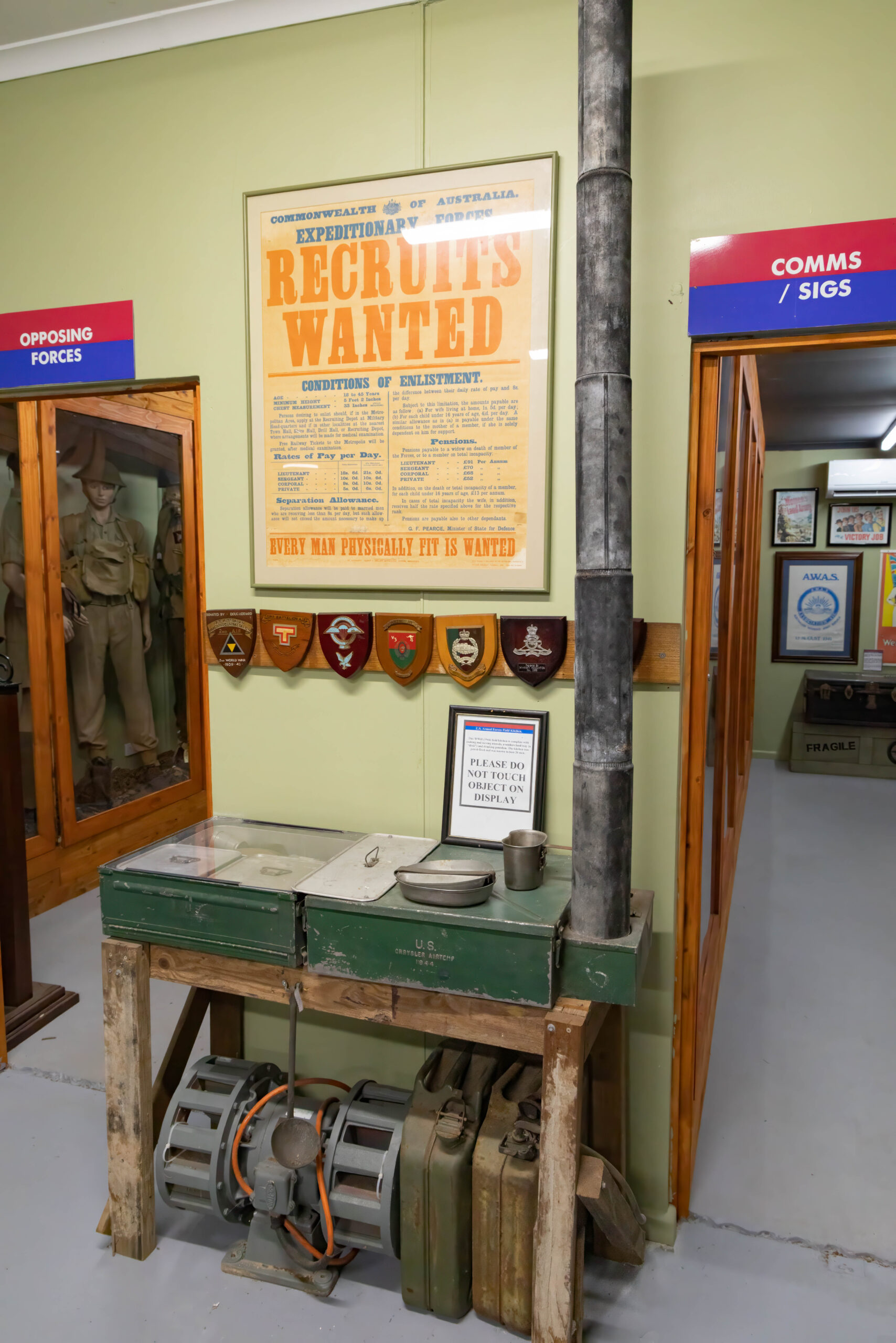
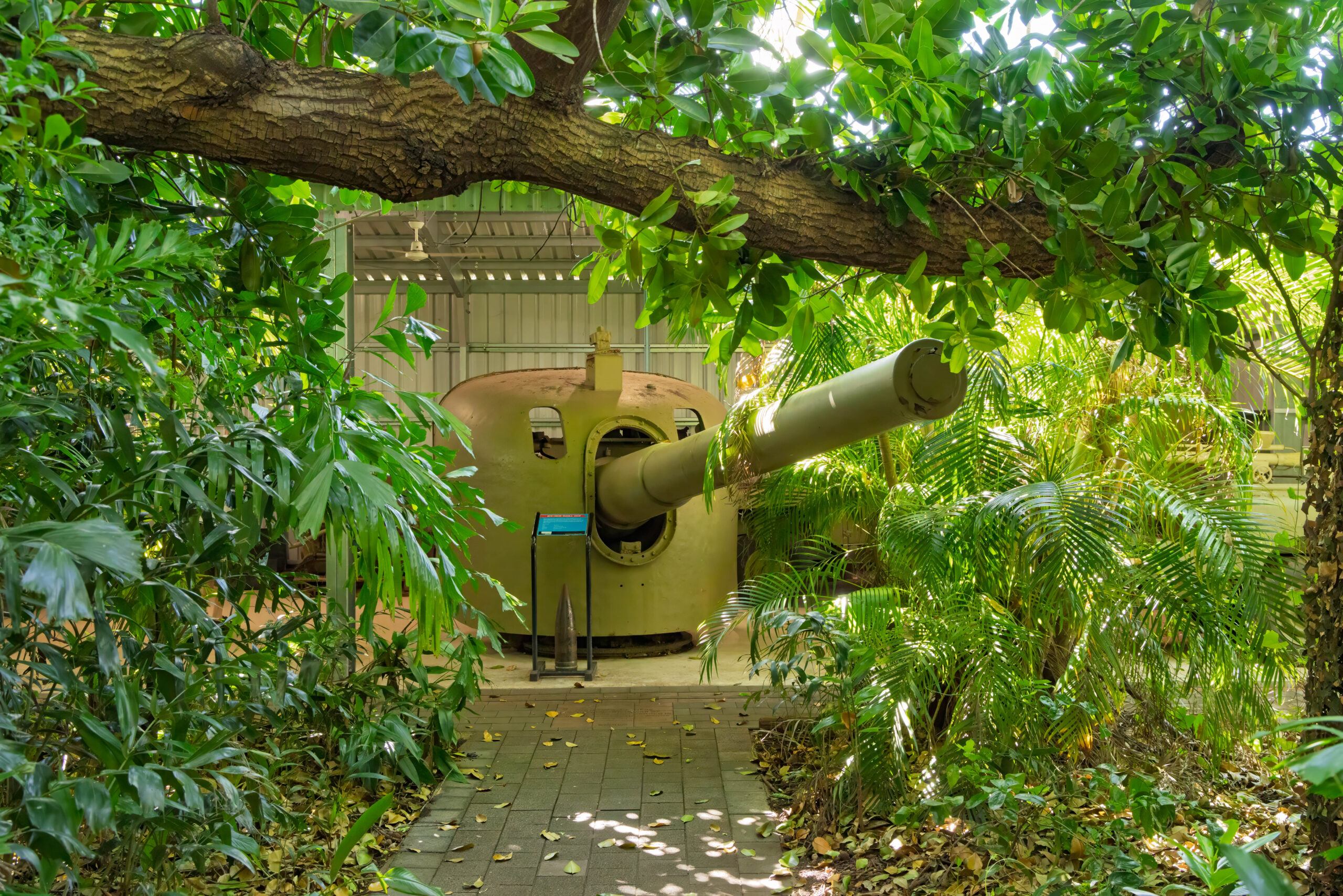
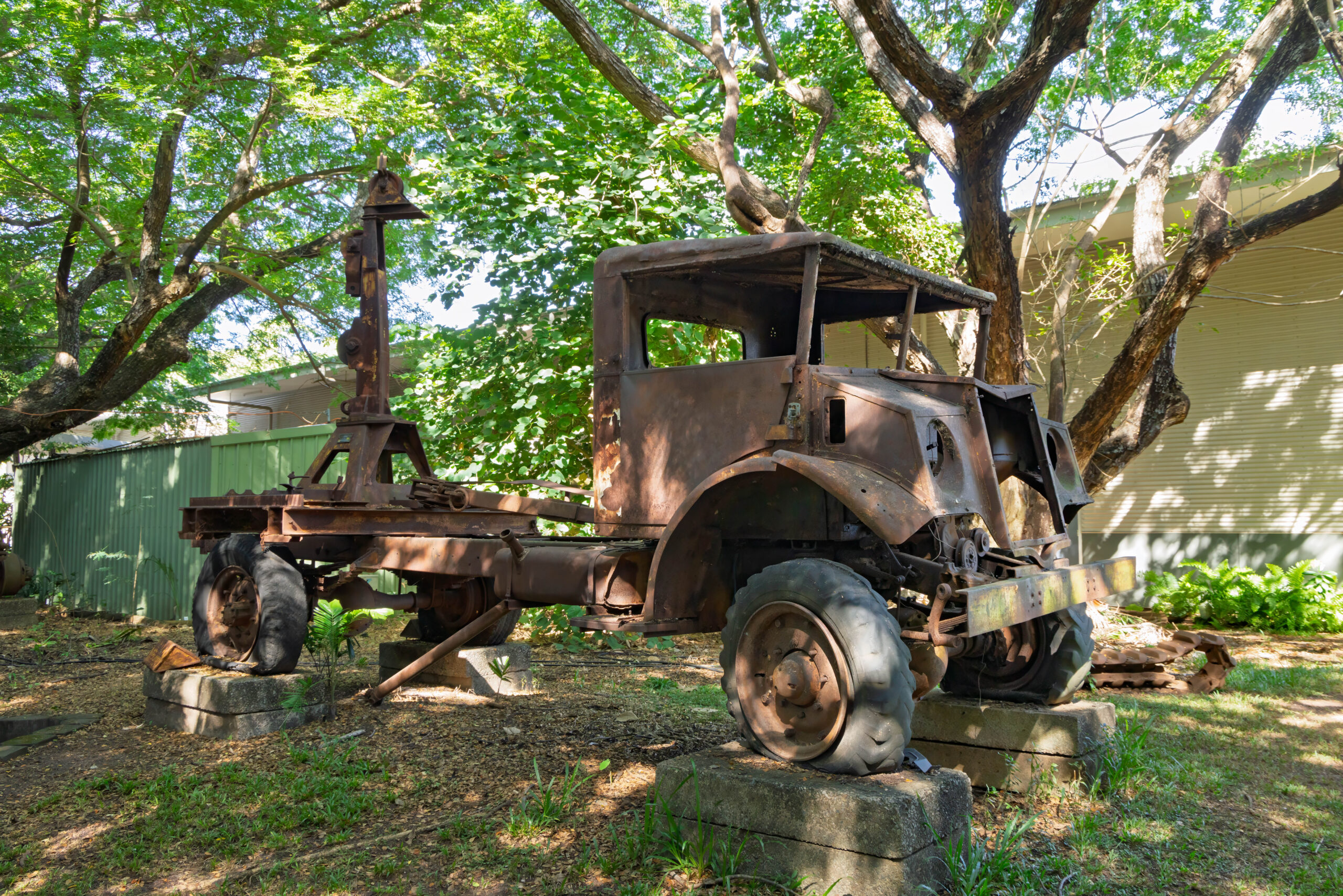
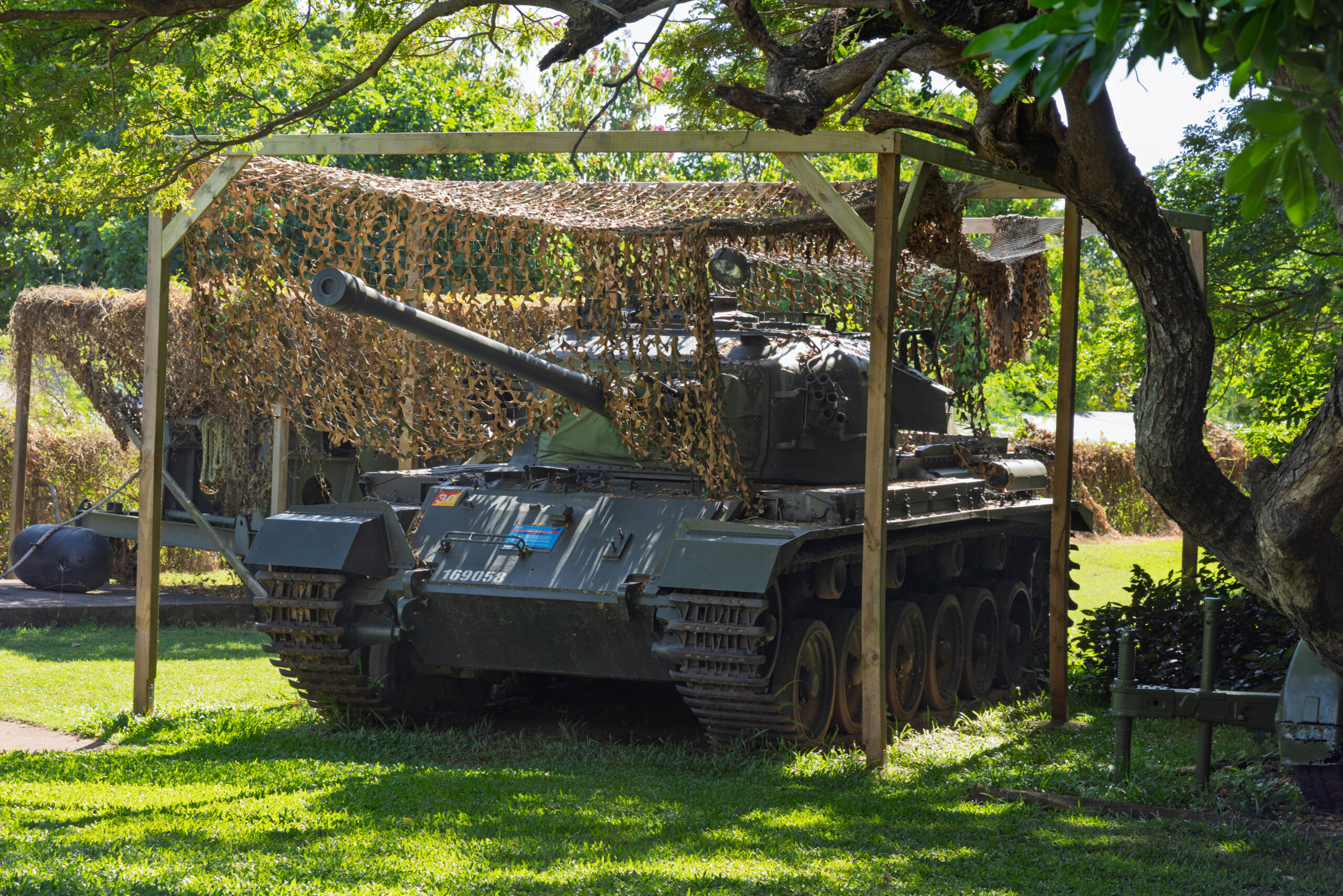
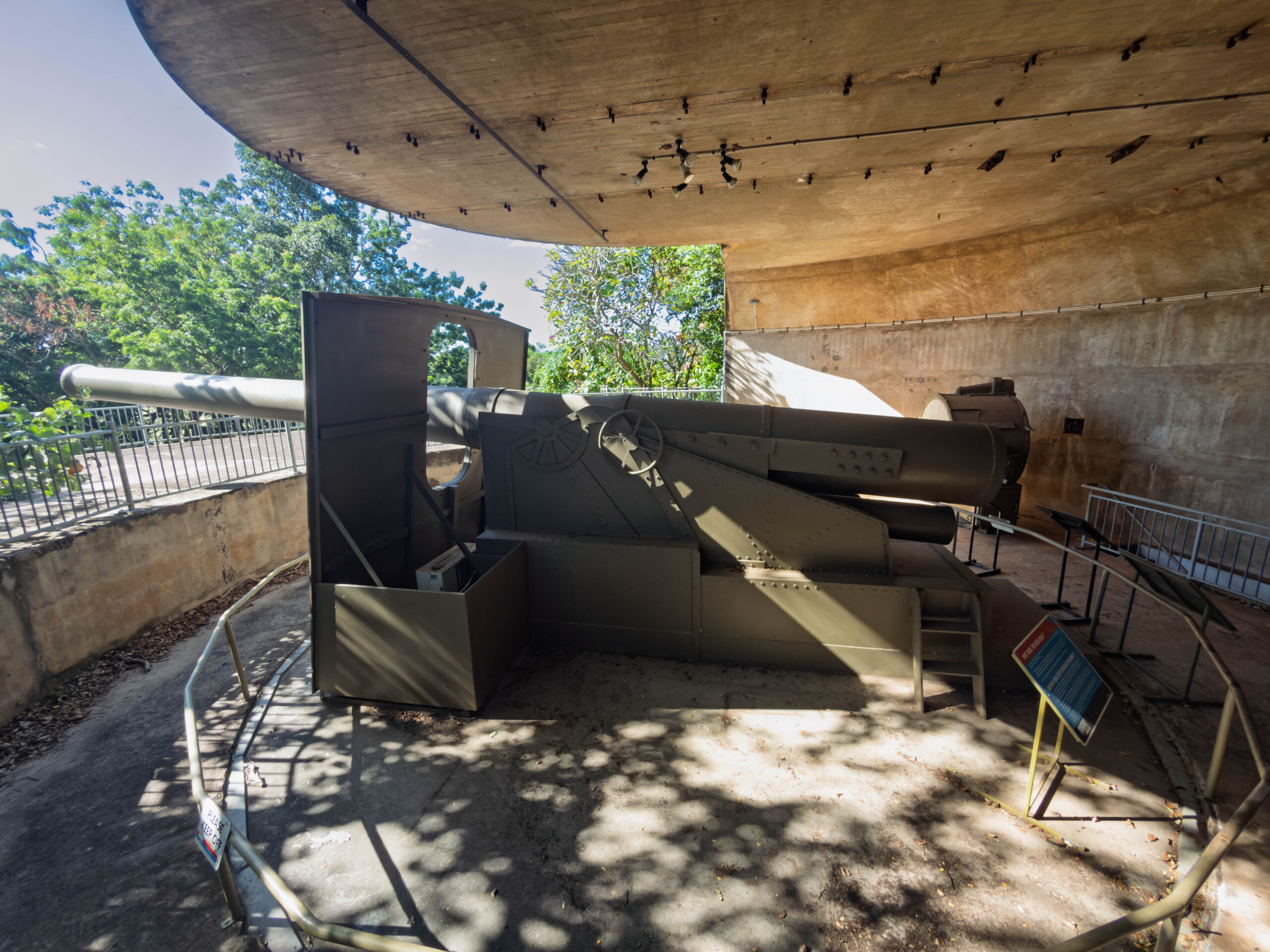
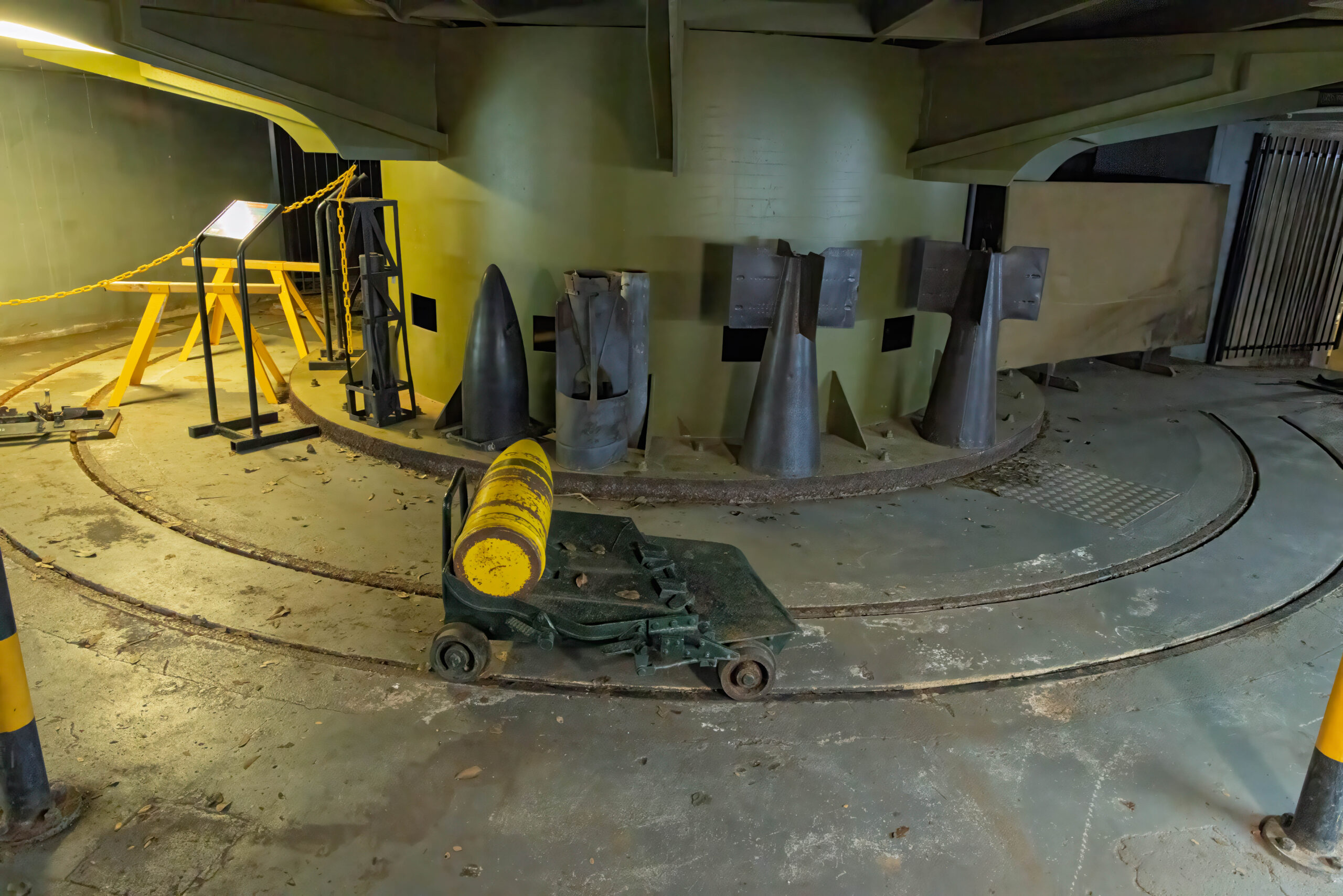
From the Aviation Museum we made our way out to East Point to visit the Darwin Military Museum. The museum started as the East Point Military Museum in 1968, the vision of the members of the Royal Australian Artillery Association (NT), who saw the gun emplacements and remaining weapons of the WWII base being destroyed by vandals and the weather. Under the leadership of Colonel Jack Hayden, they fenced off an area and began conserving and collecting military memorabilia. The original museum was based around the old Command Post. The museum was modernized after 2010 with a new facility alongside the original museum that utilises interactive technology to give visitors a more up-to-date experience.
There was some overlap between the two museums, with the Military Museum providing us with even more information and stories about the the Darwin bombings and the aftermath of Cyclone Tracy. The museum continues to evolve. One of the areas we visited was being prepared to receive a new donation from an American family who are donating their relative’s military collection to the museum because he spent time serving in Darwin during WWII.
In 2024, the museum opened a new permanent exhibition, The Darwin Holocaust Memorial and Education Centre. The centre aims to educate against antisemitism, racism and religious hatred by documenting European history between 1932 and 1945 through personal documents and stories of Holocaust survivors who came to Australia.
Visiting these museums was certainly different from spending time communing with nature in Kakadu. While it was a gentler pace than hiking to waterfalls and climbing (small) mountains, it was mentally more draining, reflecting on the horrors of WWII both in Europe and closer to home and the peacetime disaster of Cyclone Tracy.
After spending the whole day immersed in history, we headed off to find Chemist Warehouse to purchase a few things. This was followed with a quick trip to BCF and Anaconda. I only packed one pair of shorts. What was I thinking? Well, I did pack a second pair of shorts but they’re not really casual/hiking shorts, so I needed a second pair of comfy, easy to wash, quick to dry sort of shorts.
We returned to the cabin via the supermarket and ate in again tonight.
Steps: 5,150 (3.32kms)
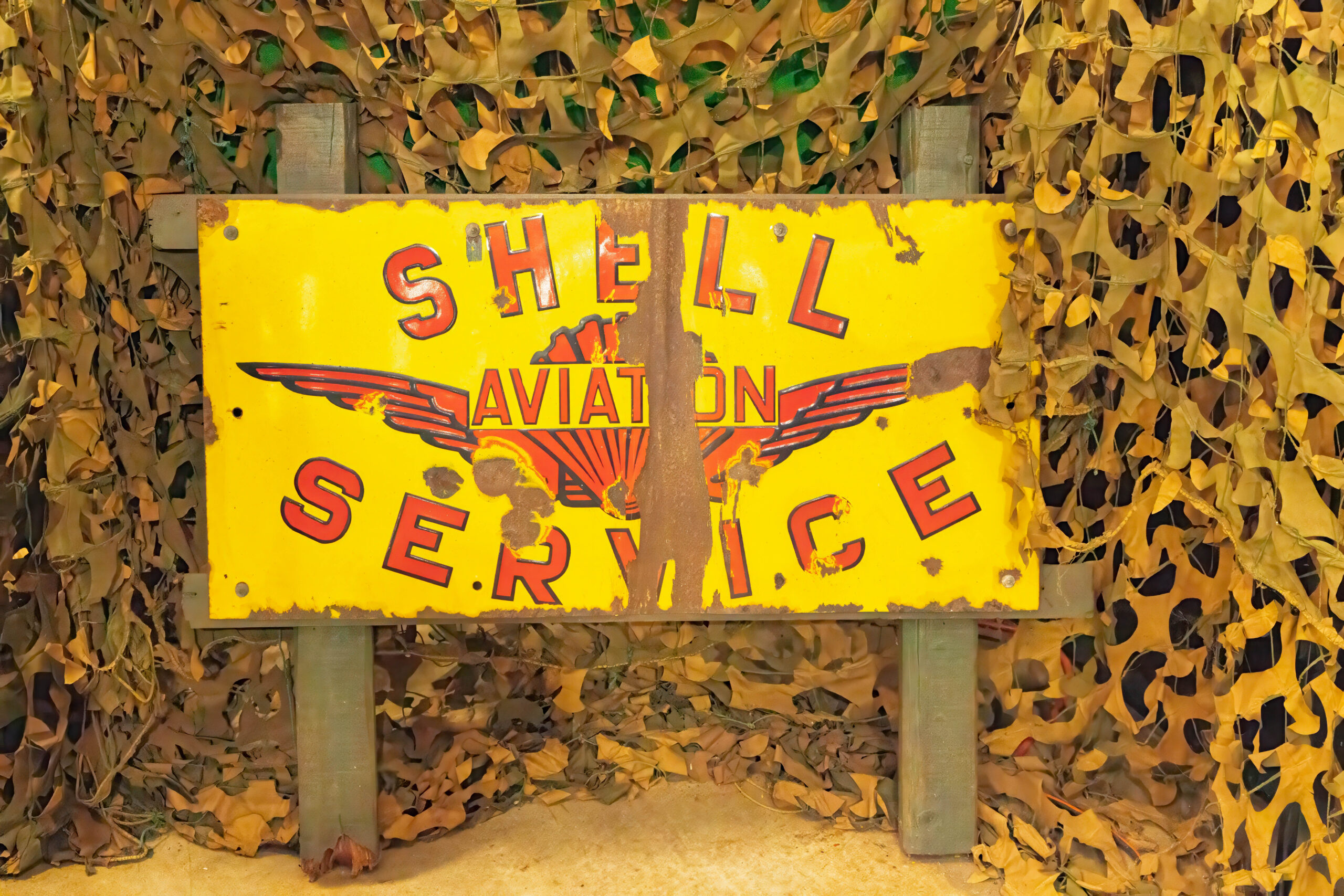
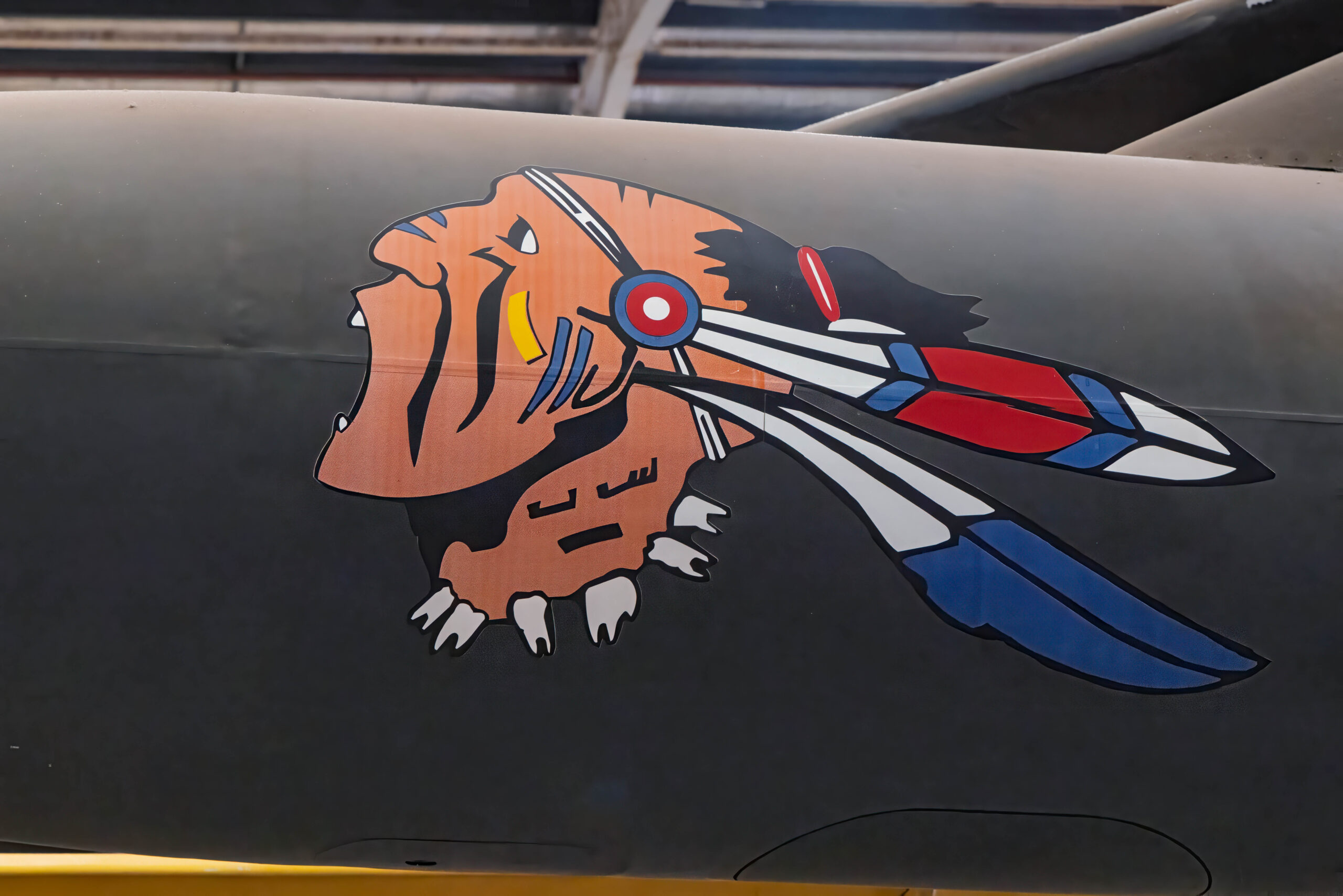
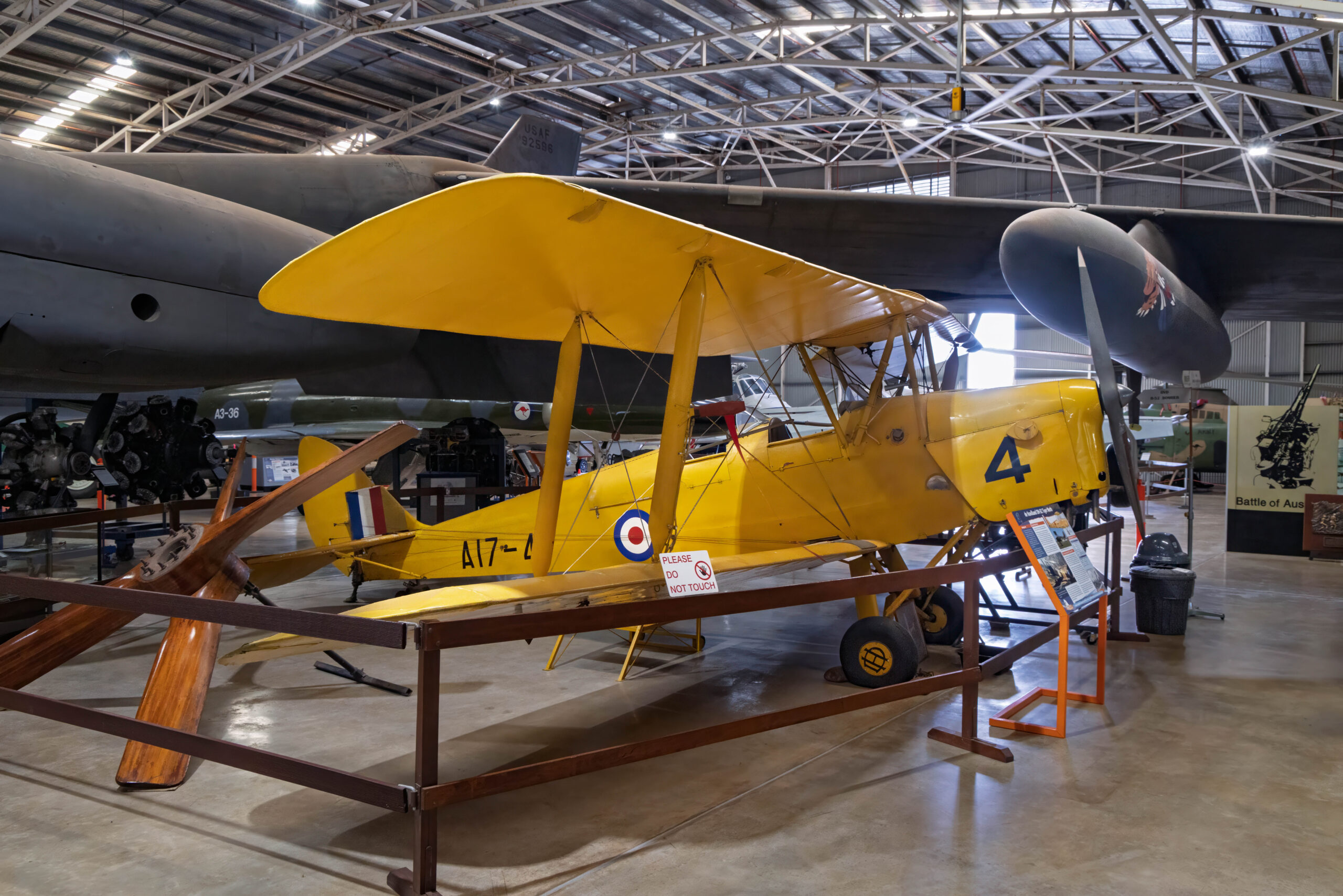
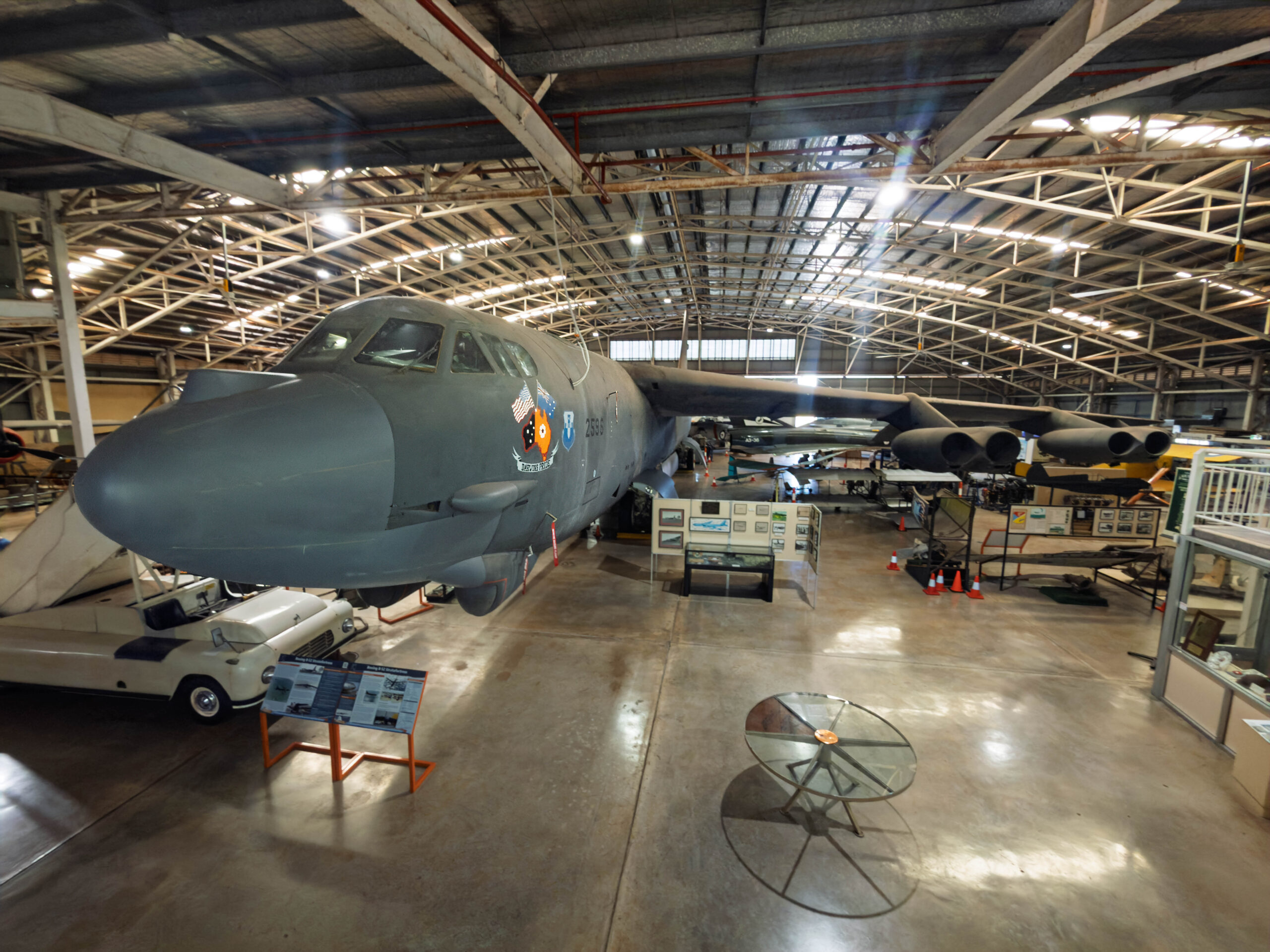
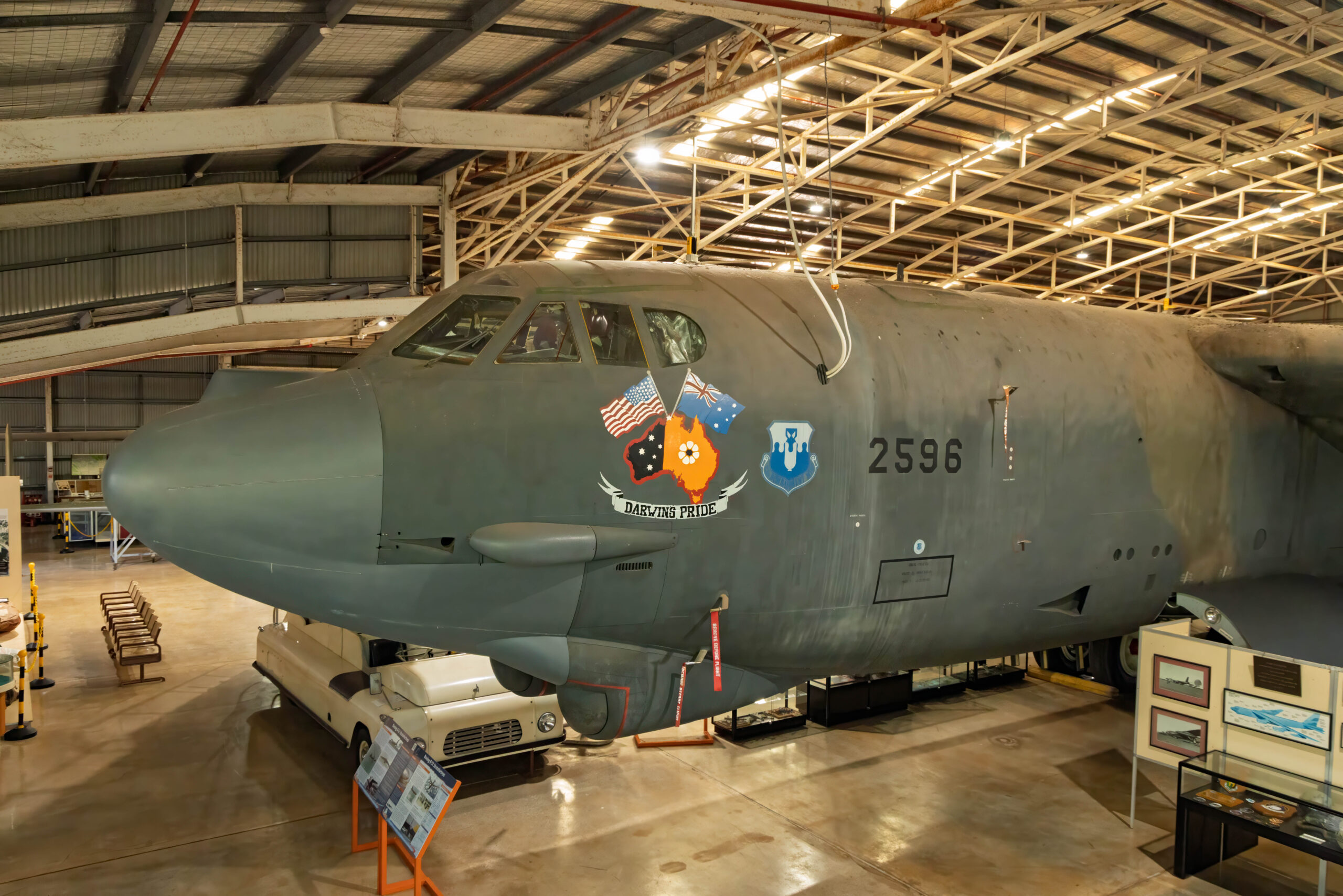
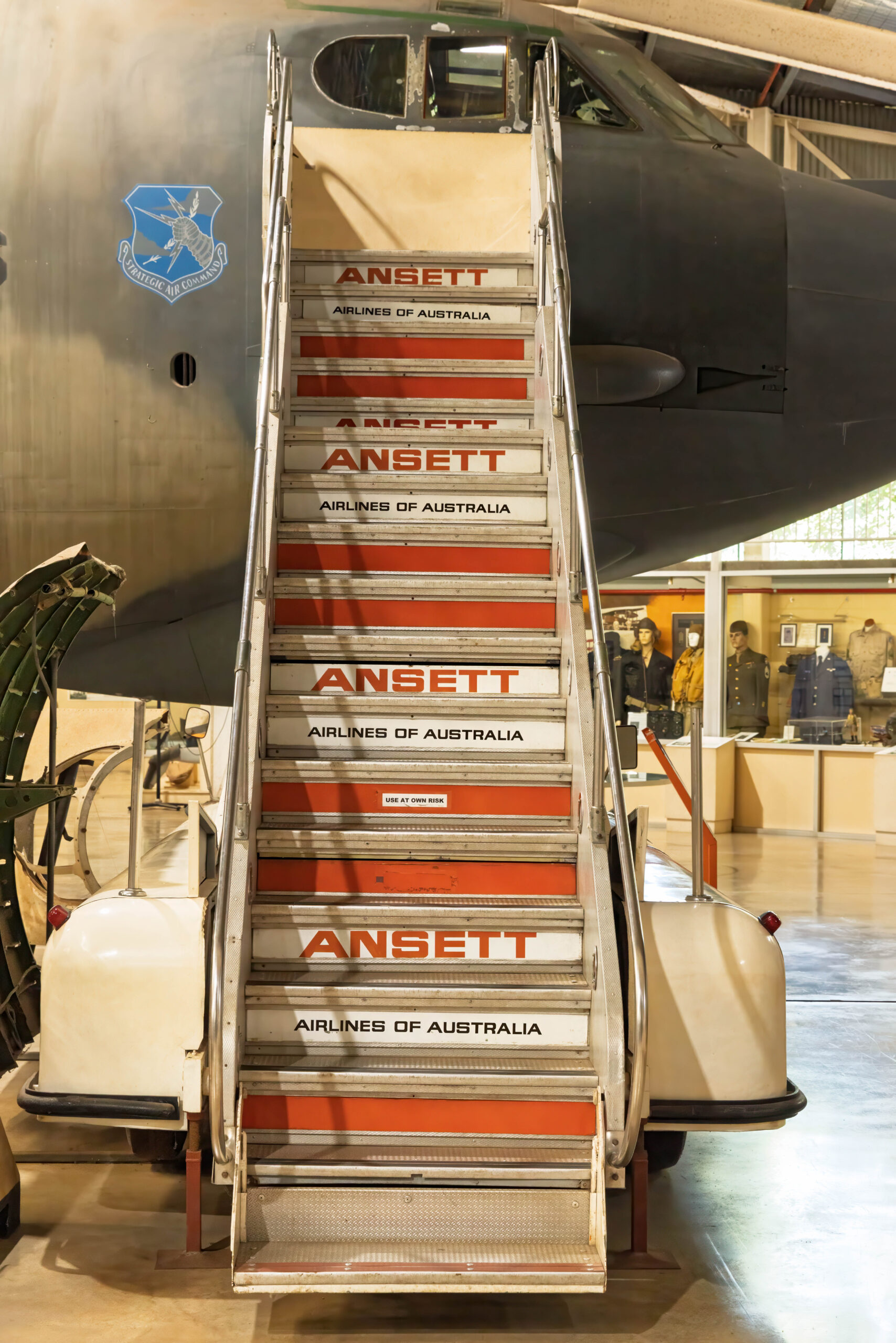
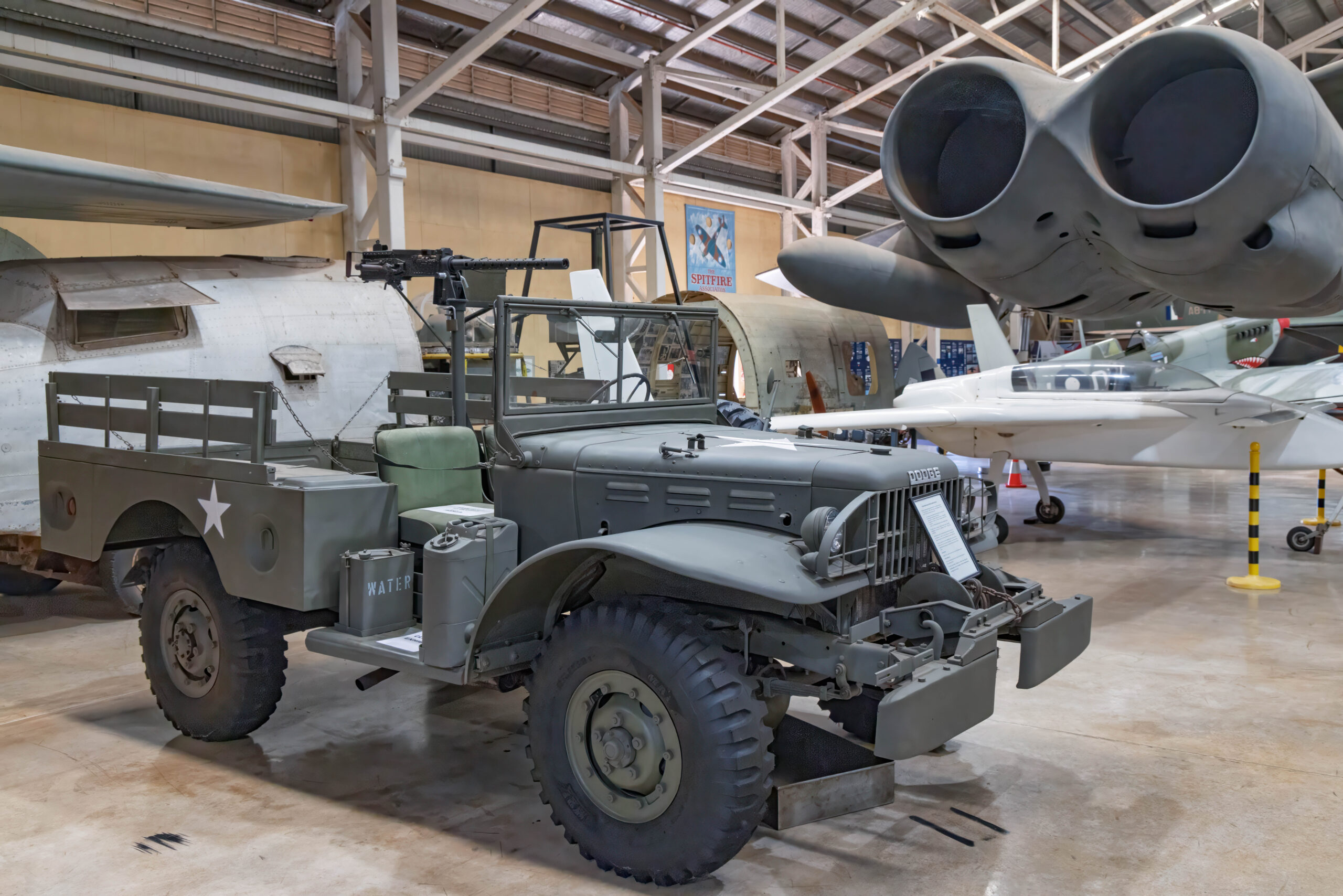
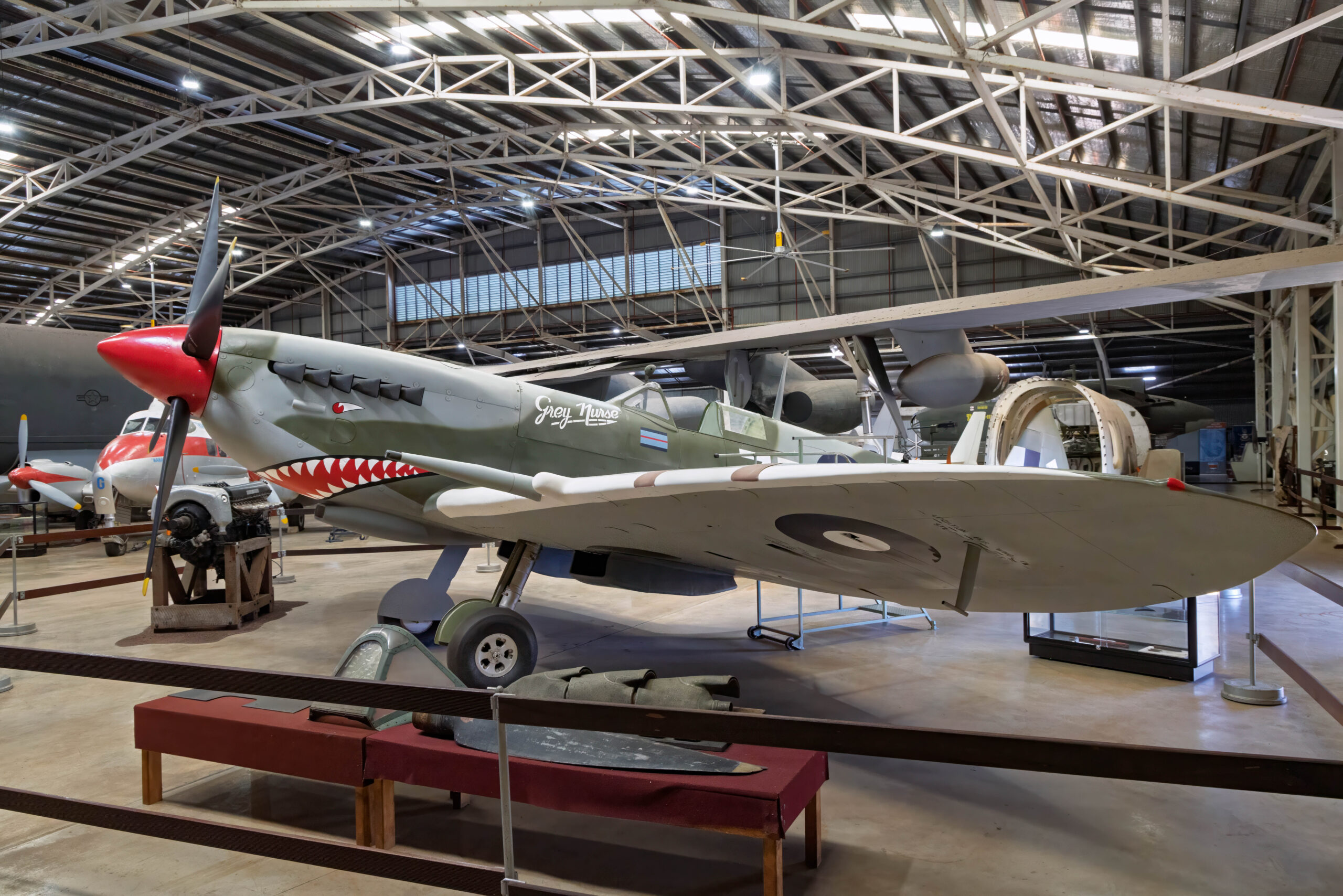
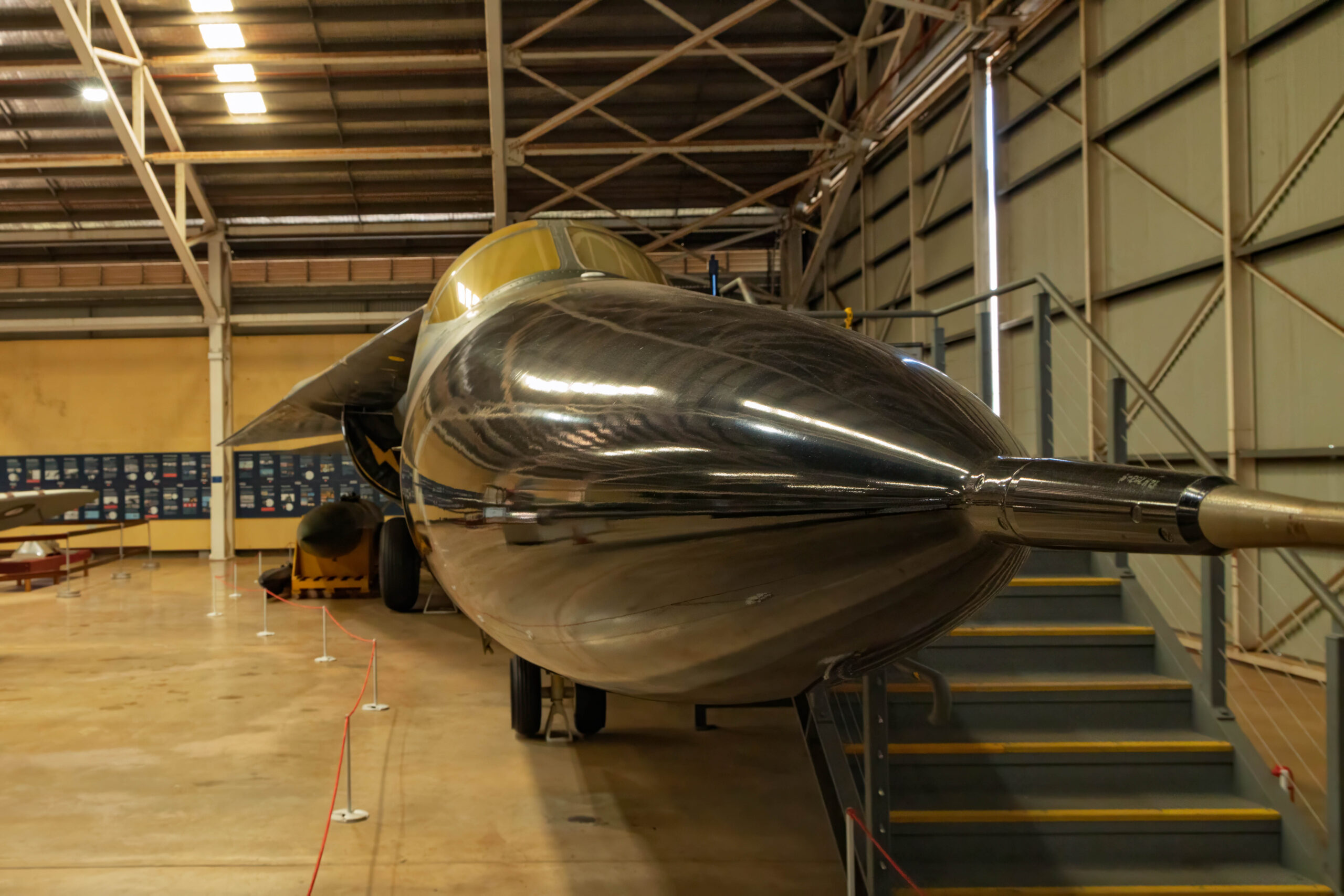
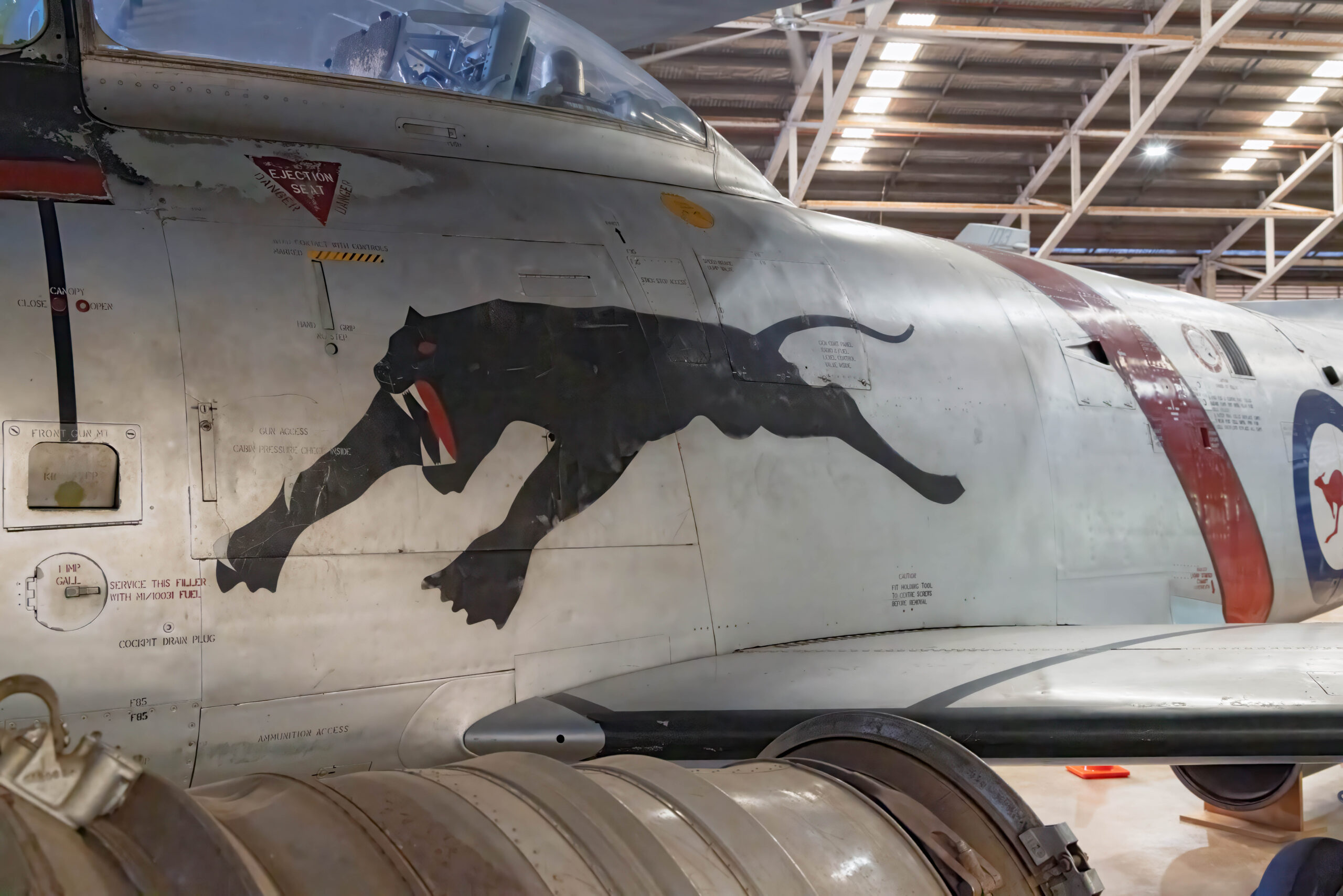
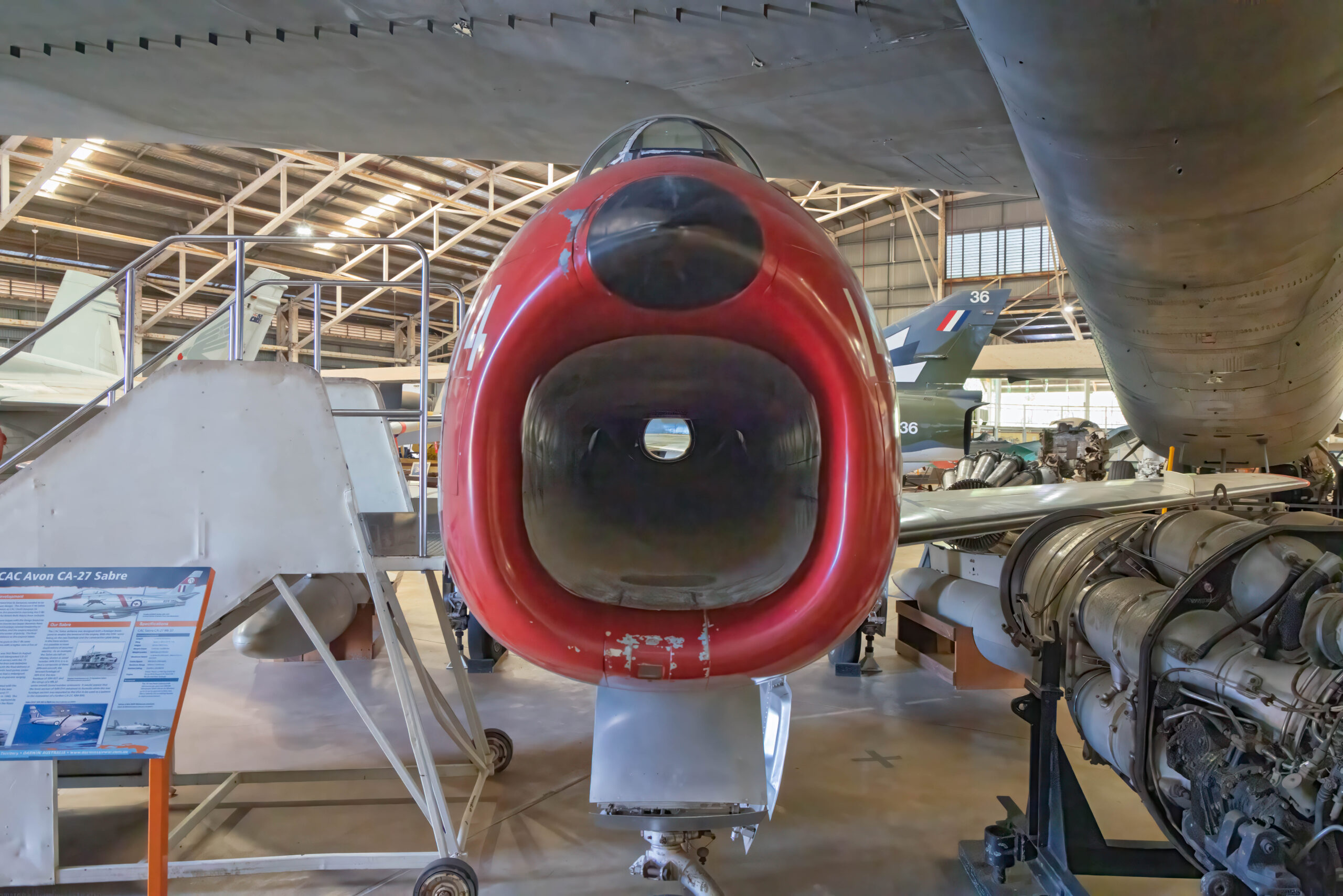
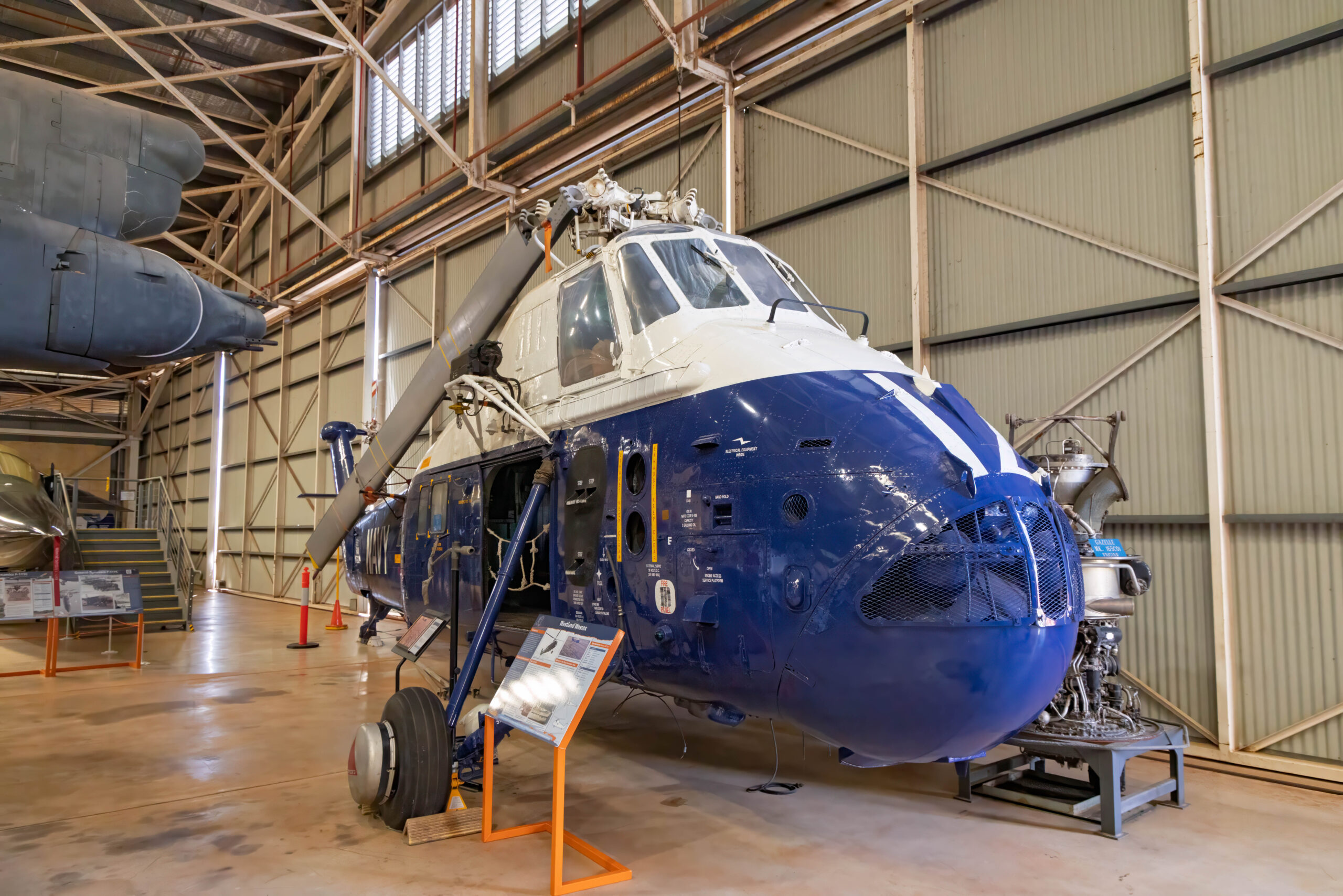
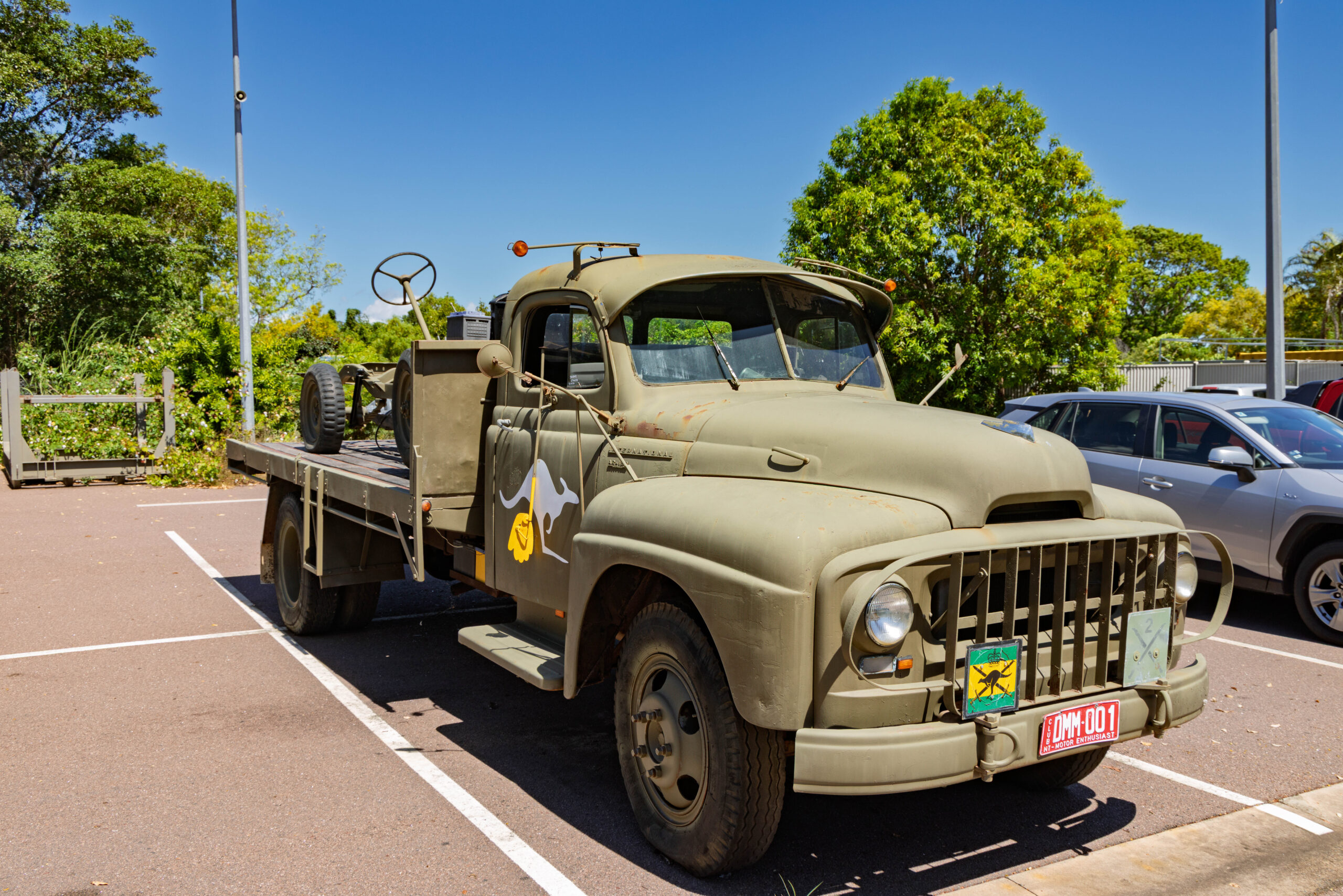
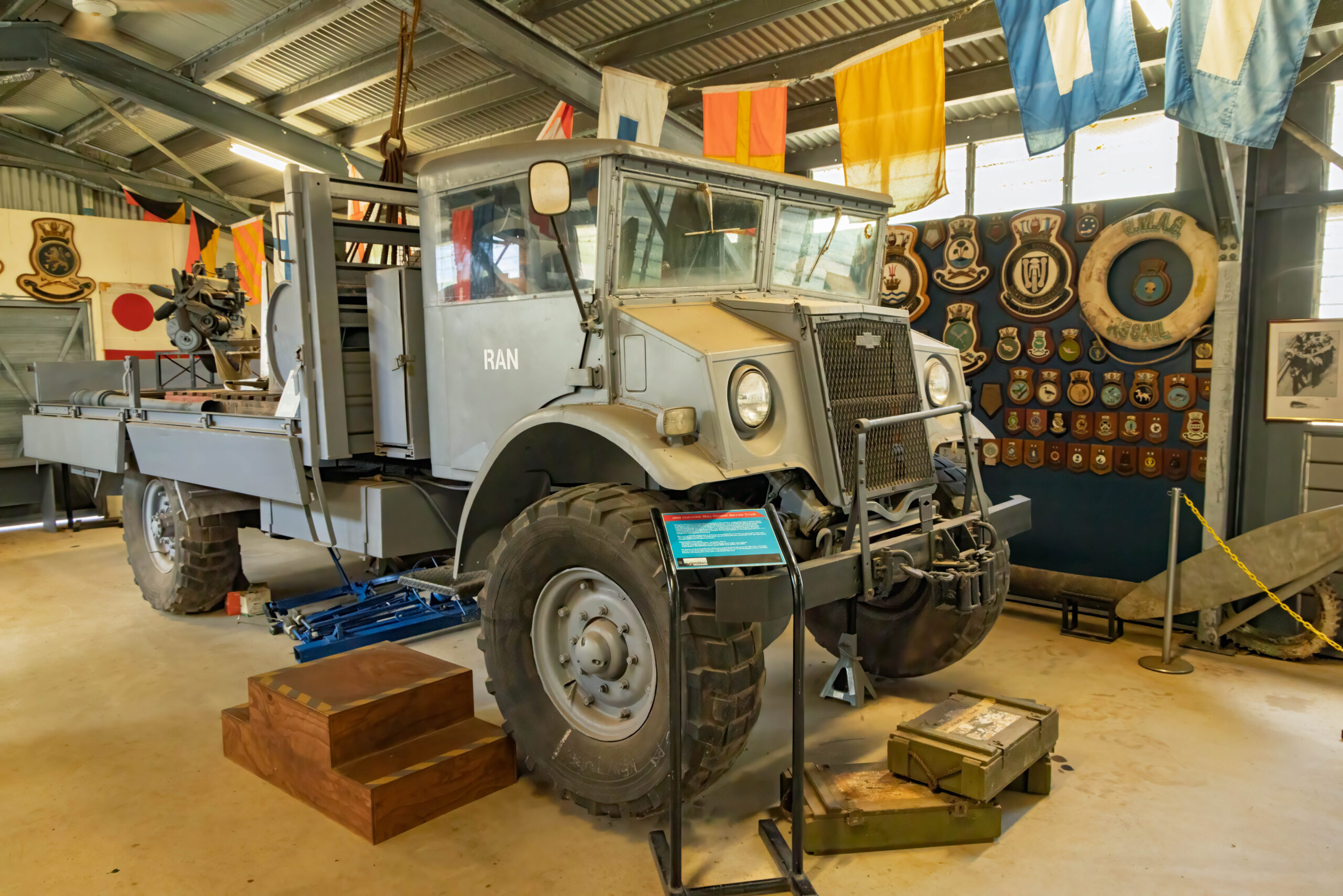
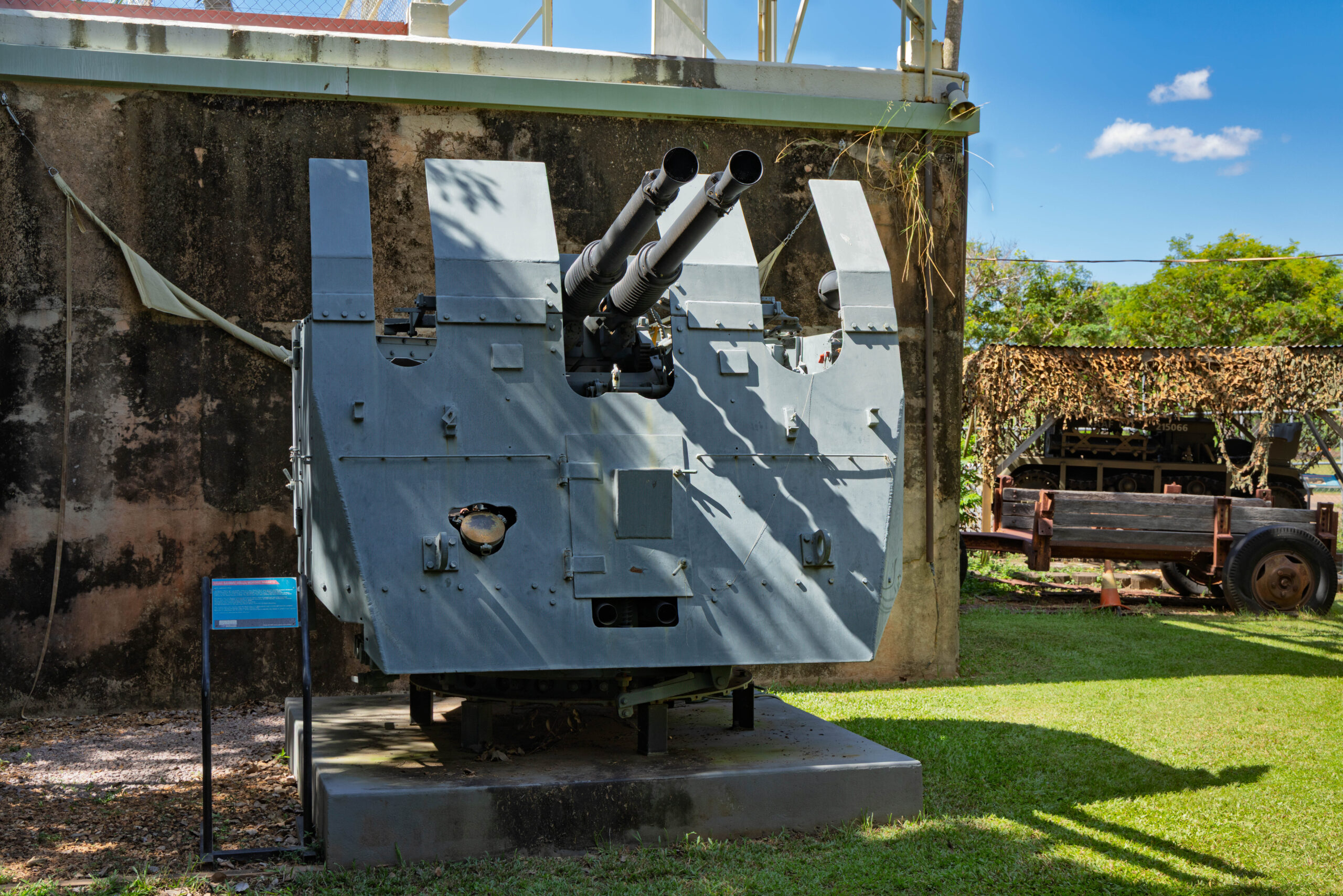

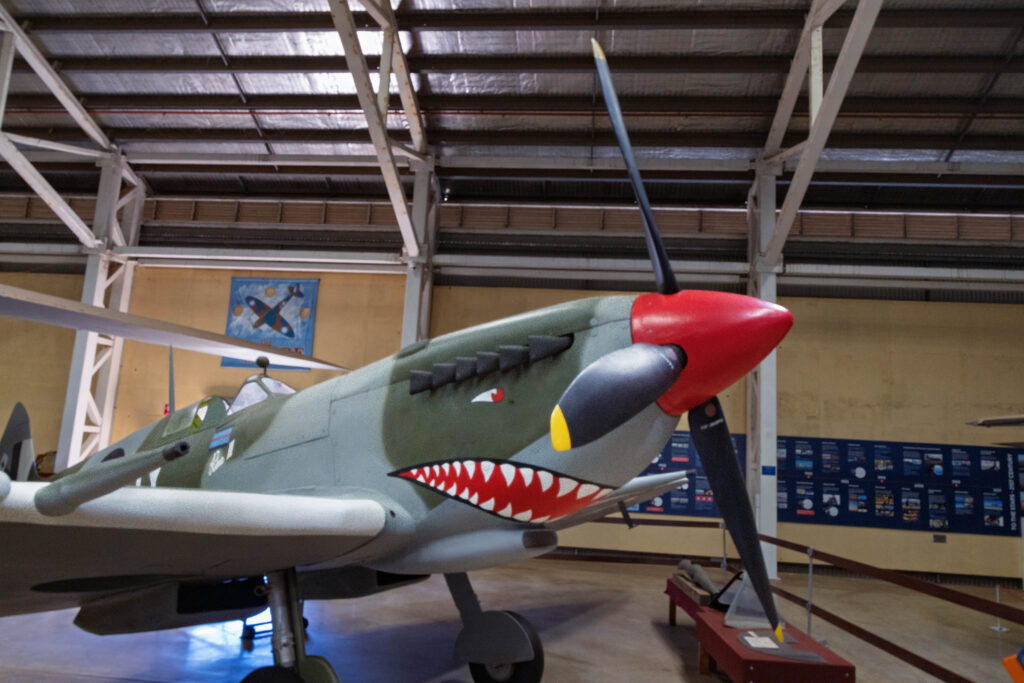
We couldn’t believe the size of the B52. Was very enjoyable museum to visit.