Saturday, 6 June 2026
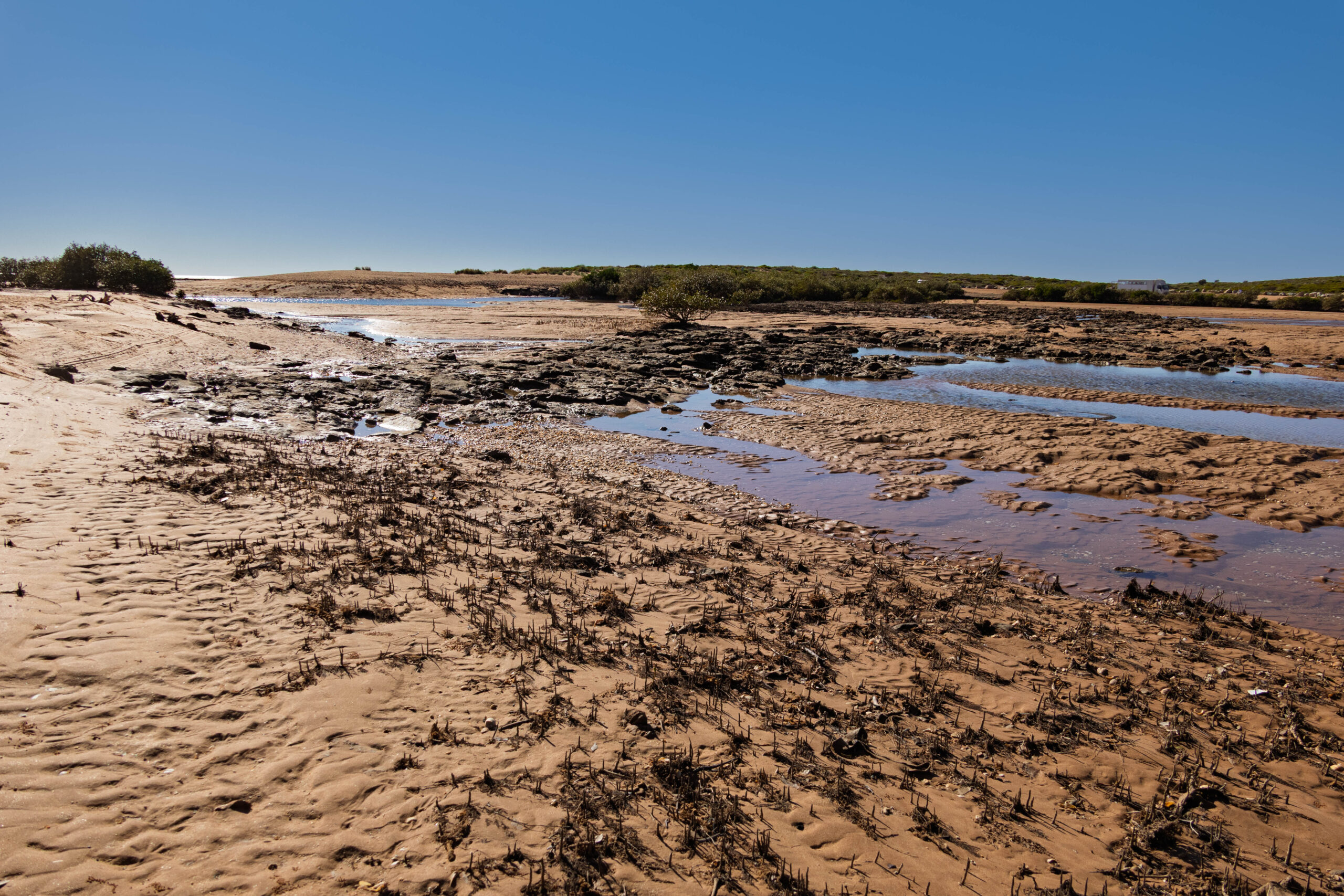
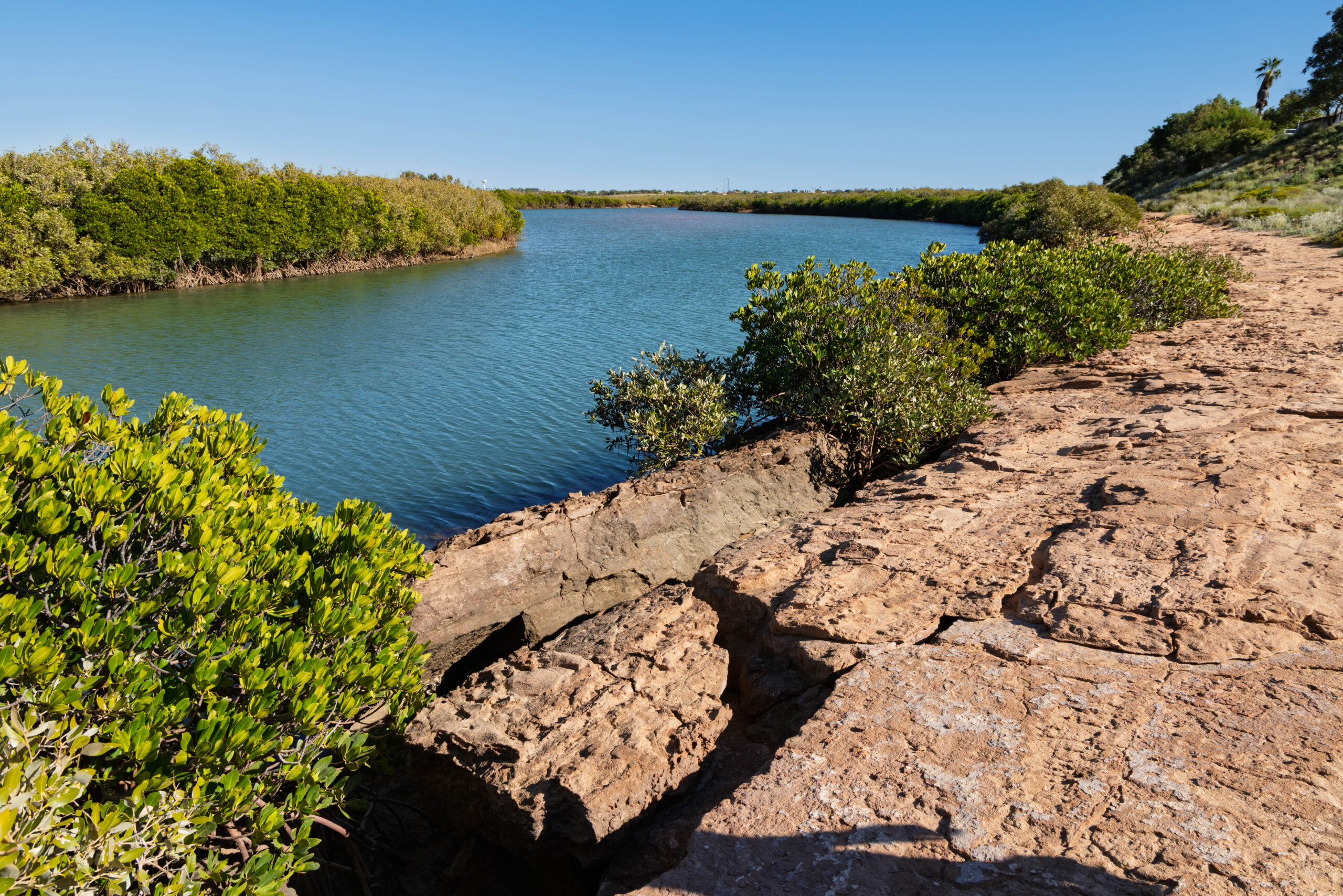
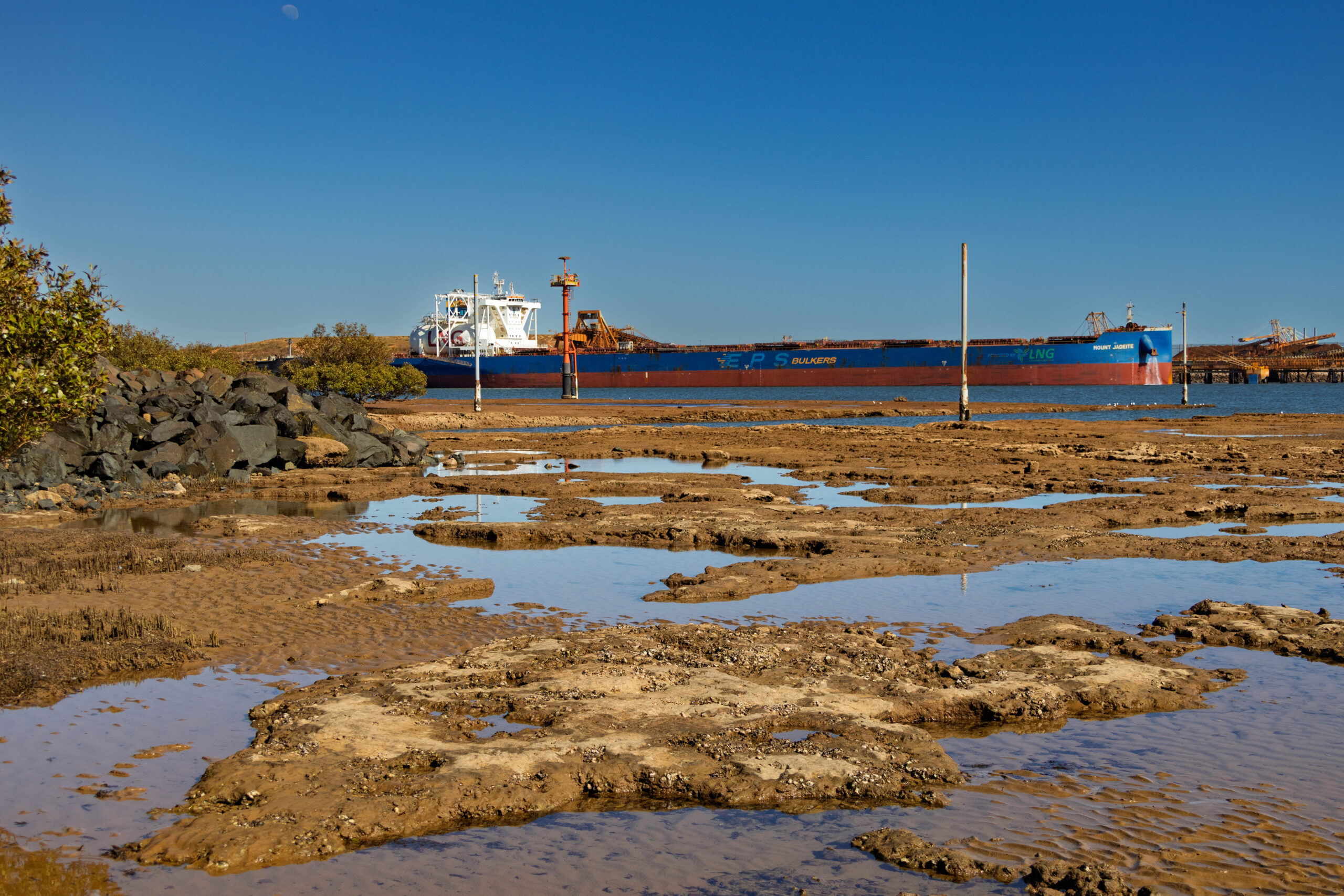
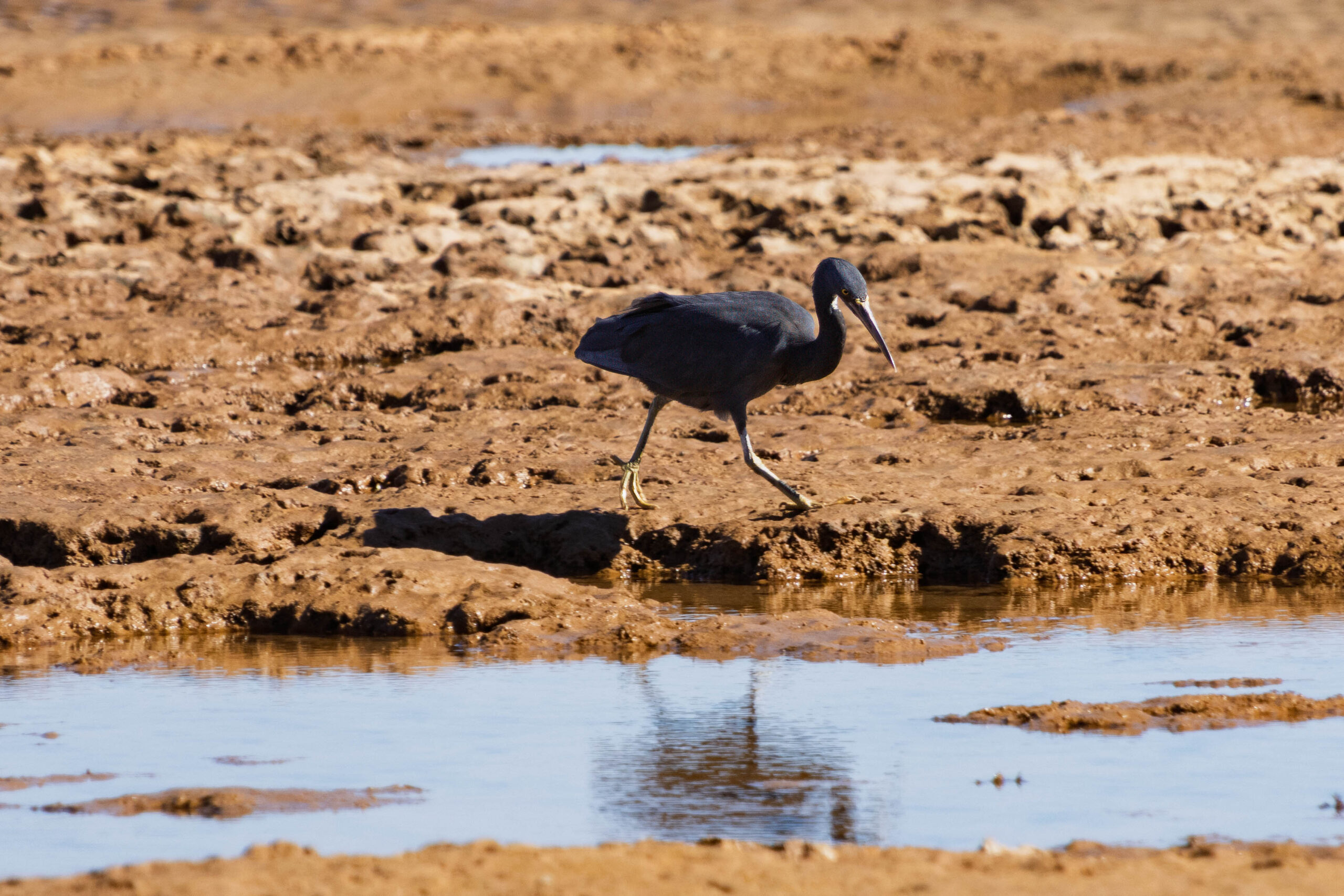
After packing the car this morning, we took a stroll down to Pretty Pool which marks the transition between Pretty Pool Creek and the ocean. When we checked in, we were told it is a good spot to see juvenile turtles at high tide, so we thought we should at least have a look before leaving this morning. Hmmn, it was the wrong time of day, with the tide out and no turtles to be seen.
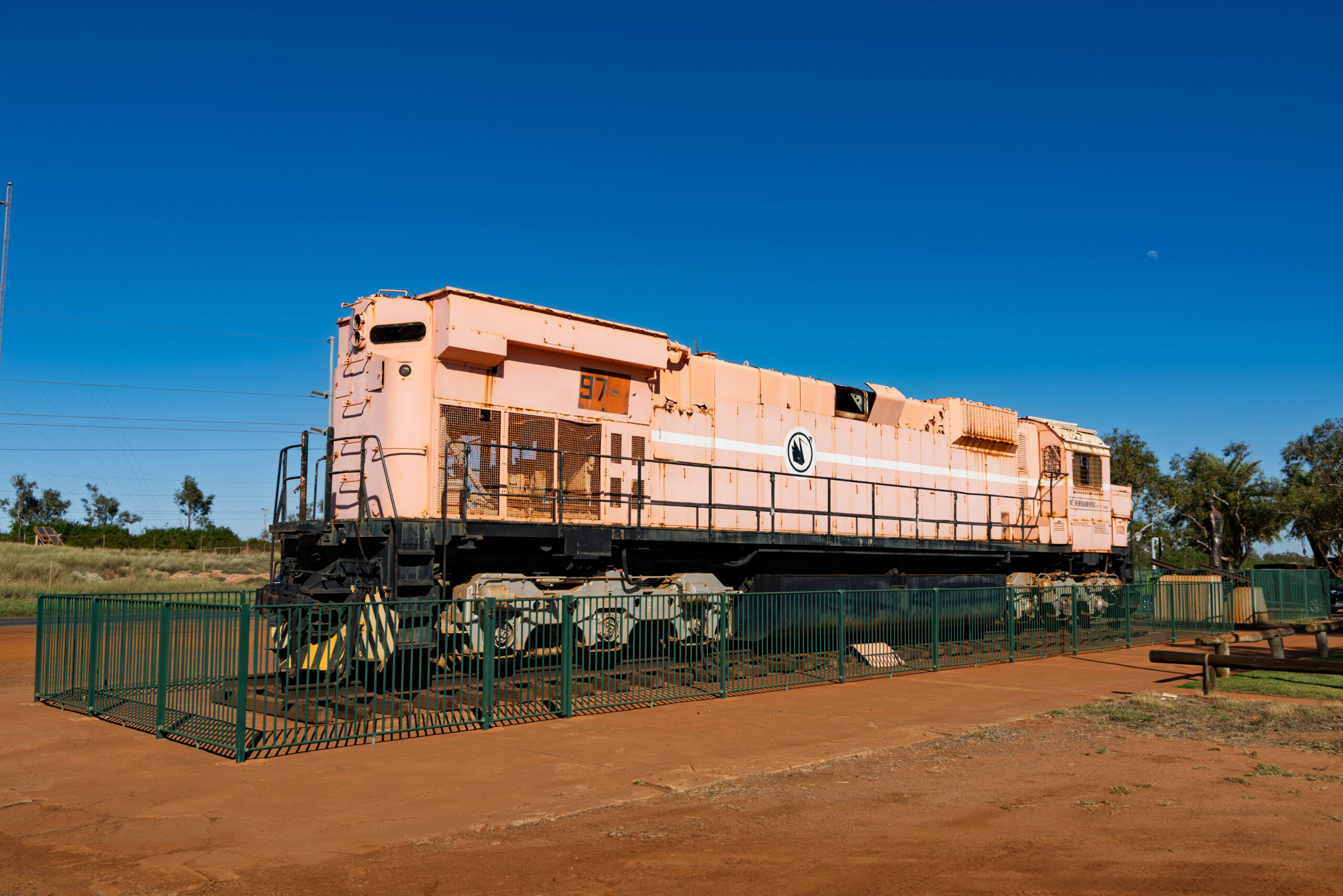
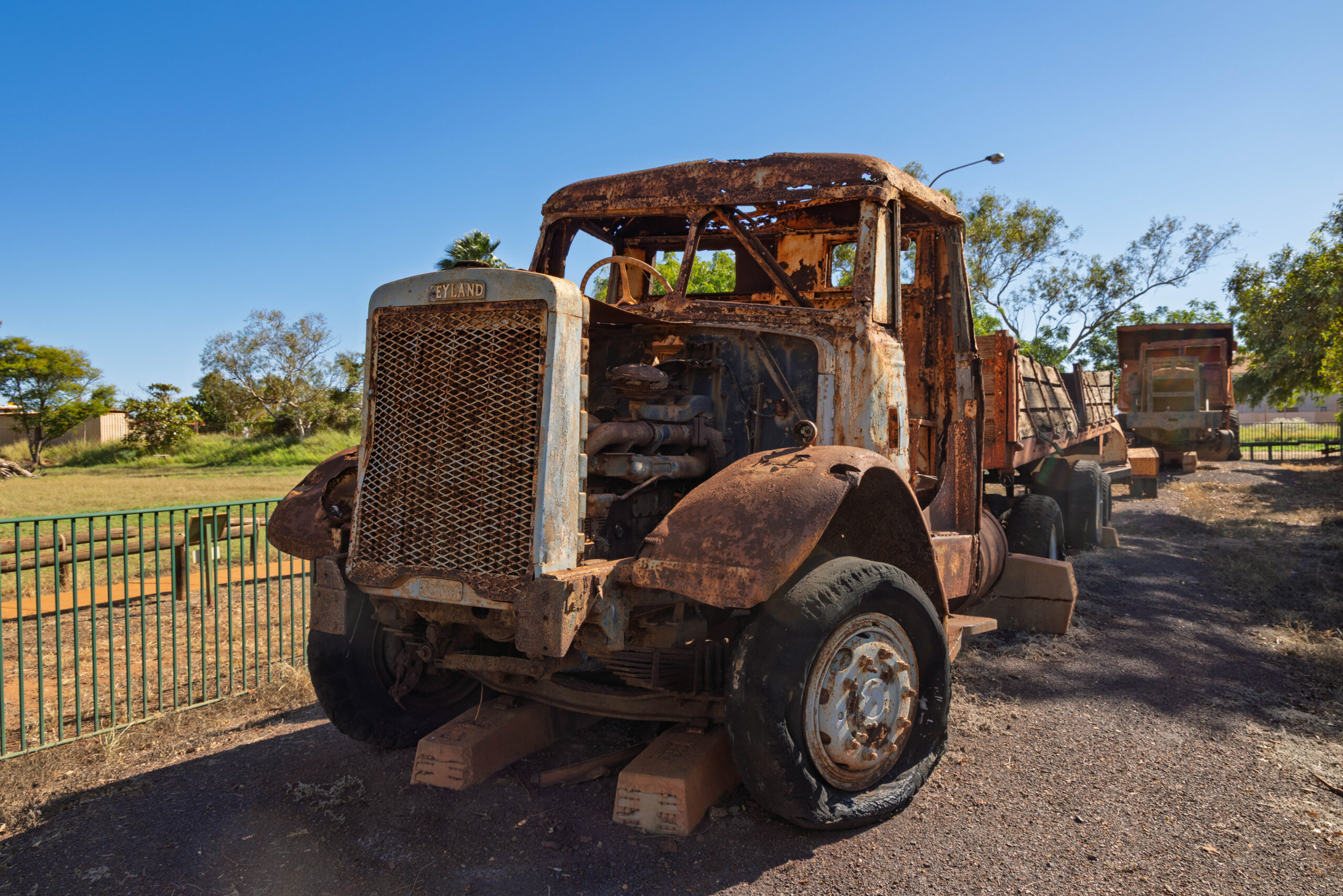
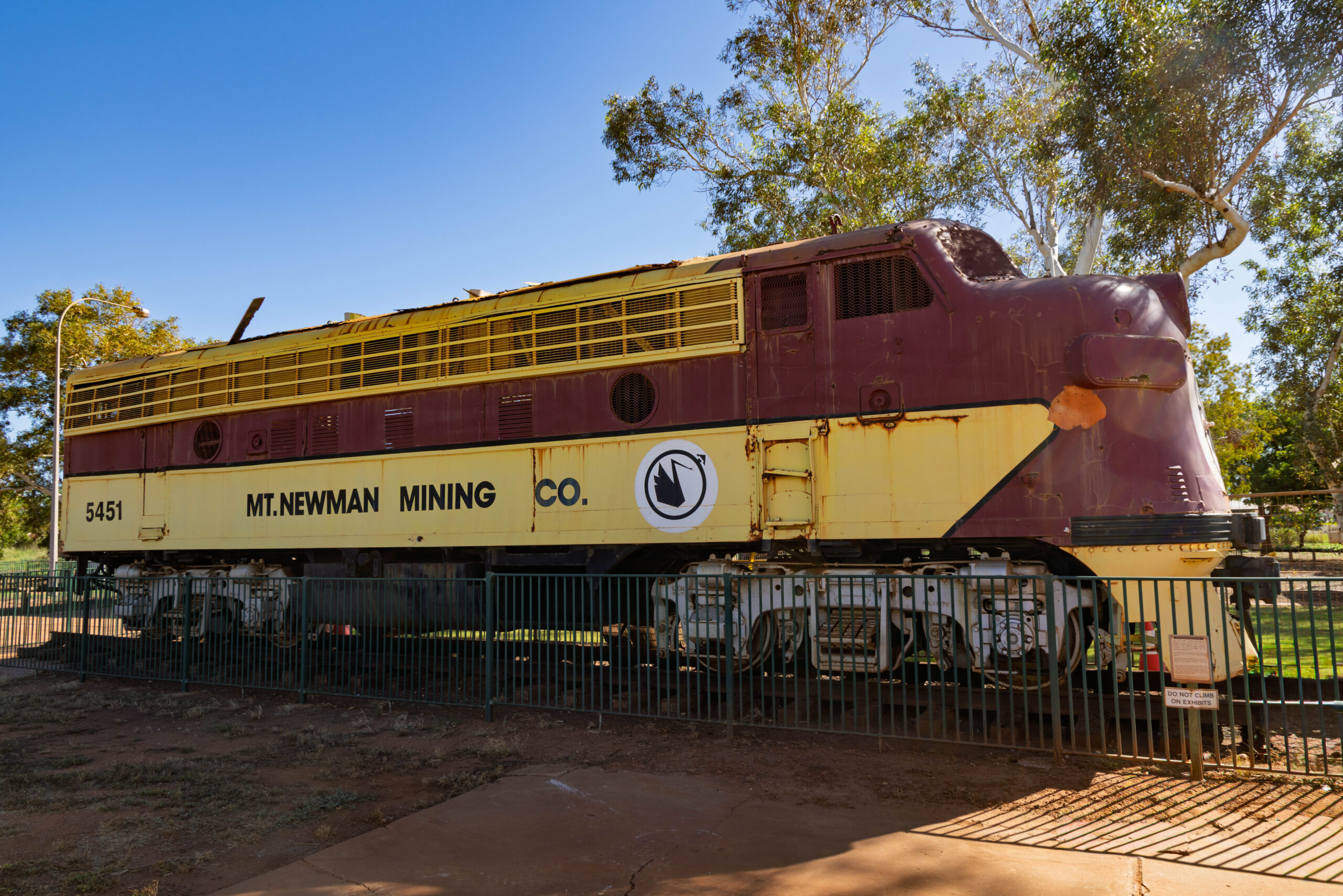
On our way to the port we stopped at the Don Rhodes Mining & Transport Museum on Wilson Street. The museum is an open-air museum that pays tribute to the pastoral, railway, manganese and iron ore industries. The museum includes historically significant examples of now redundant machinery that contributed to the growth of each of these industries during the boom years of the 1960s and 70s.
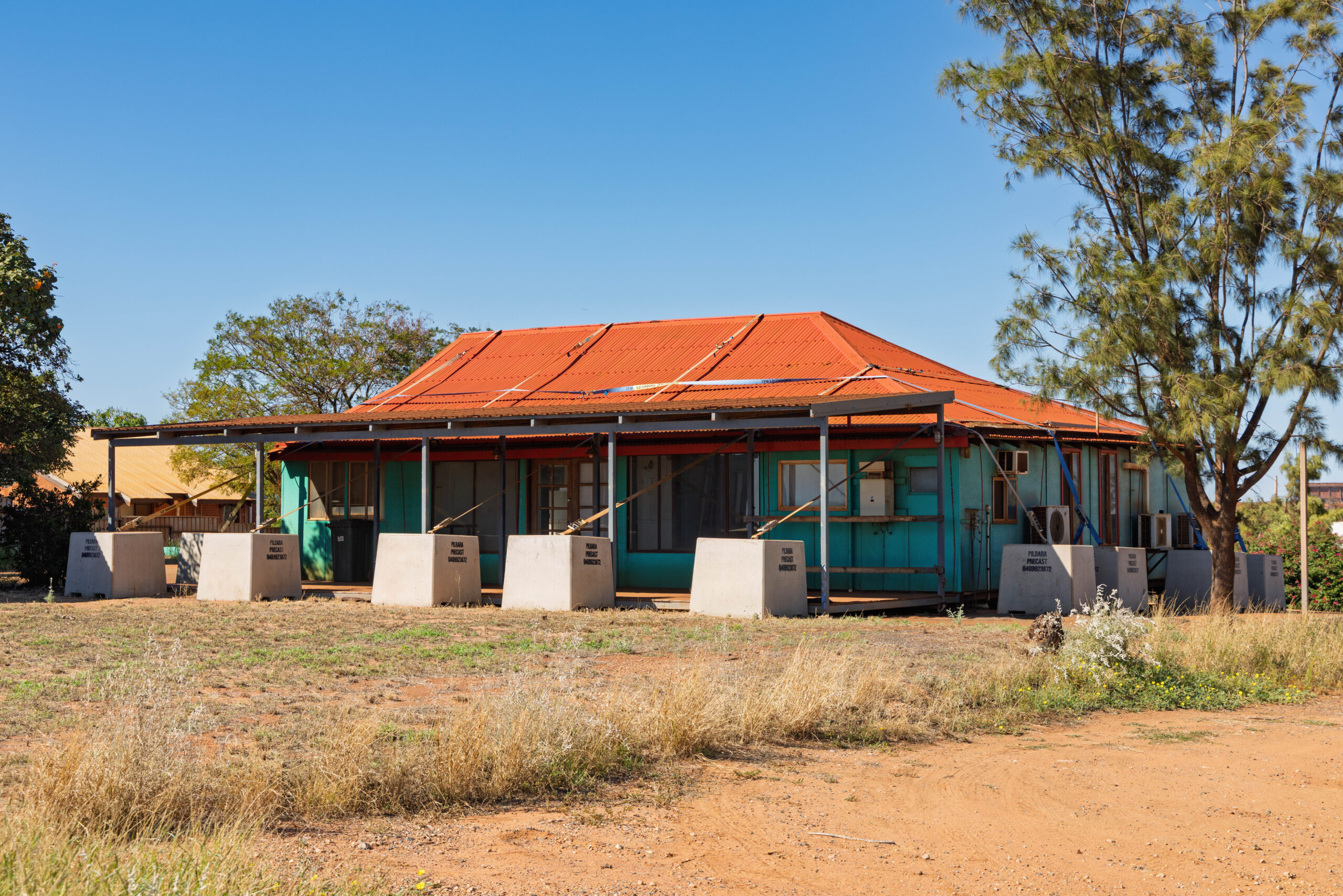
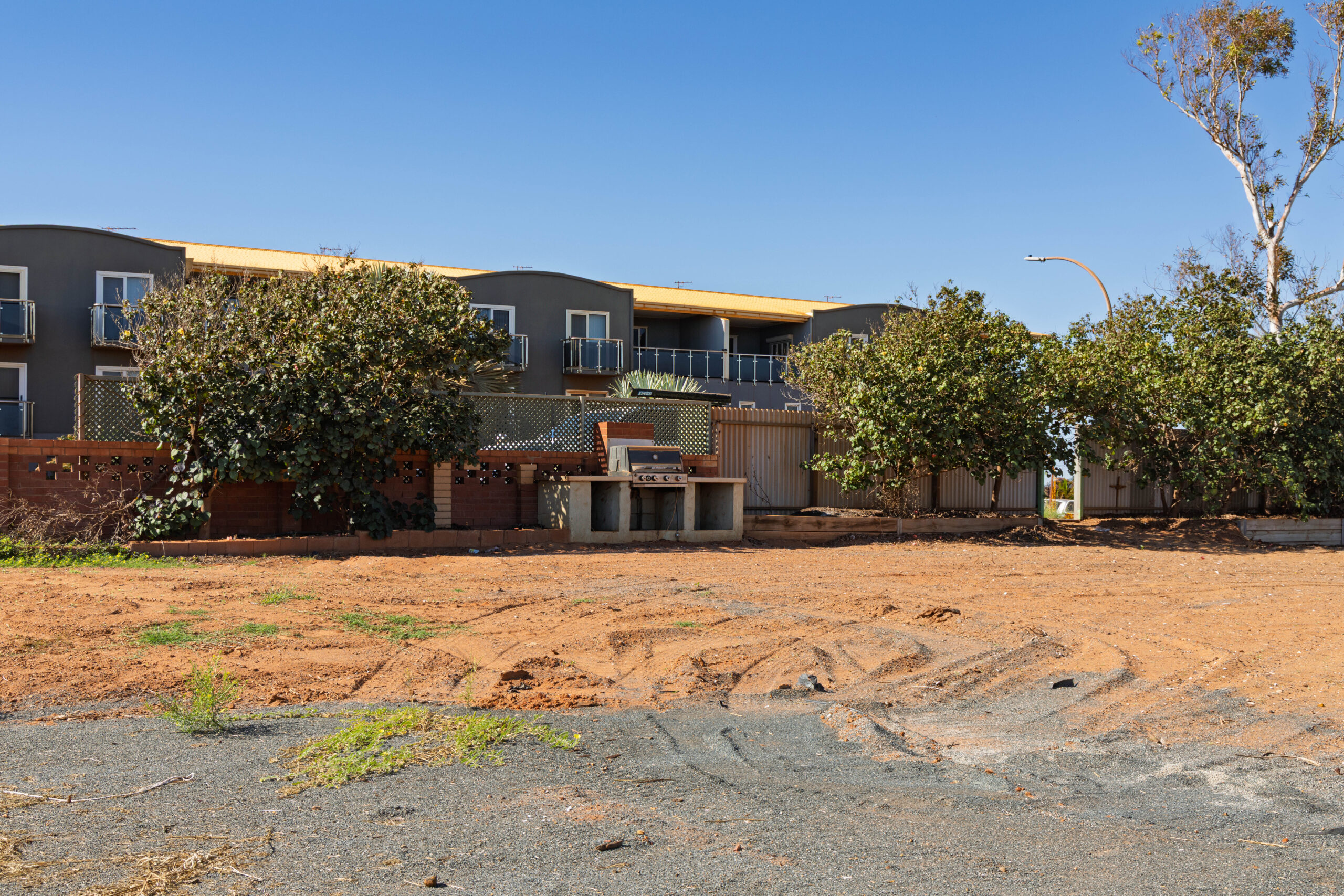
We drove the rest of the way into the area adjacent to the port. We were booked to do the Seafarers Tour at 11.00am so filled in some time taking a walk along the footpath between the old boat ramp and the Yacht Club, which is currently being refurbished. Along the path there was evidence of the risk of living on the absolute beach front at Port Hedland. One property had ties over its roof connected to concrete blocks and at another all that remained was a brick BBQ near the side fence. The rest of the block had been cleared, we assume due to cyclone damage?
We drove around to the Port Hedland Seafarers Centre at the corner of Wilson and Wedge Streets. Bernie booked the tour online without paying for it, so we arrived in time to settle up our payment for the tour. At 11.00am we gathered in the chapel with our guide, Damien. Our tour commenced with Damien giving us an excellent overview of The Mission To Seafarers, a not-for-profit organisation that offers practical, emotional and spiritual support for all seafarers regardless of their rank, gender, nationality or faith. The organisation was started in 1836 by the Reverend Dr John Ashley in Bristol, England, to address the plight of seafarers who lead lonely lives, working in harsh and dangerous conditions. The Reverend dedicated the next 15 years to the welfare of seafarers, until forced to give up his chaplaincy as a result of ill health. He had visited 14,000 ships during those years.
In 1856 the Anglican Church took up this ministry, which has grown to 300 seafarer centres worldwide across 71 countries, with 28 centres throughout Australia. HRH Princess Anne serves as President and Patron. Port Hedland’s Mission began in the Anglican Church rectory in 1970, before moving to a purpose built centre in 1973. Cyclone Joan caused significant damage to the Seafarers Centre in 1975 and it was rebuilt as it stands today. Work has recently commenced on a new centre, which will take around 18 months to complete.
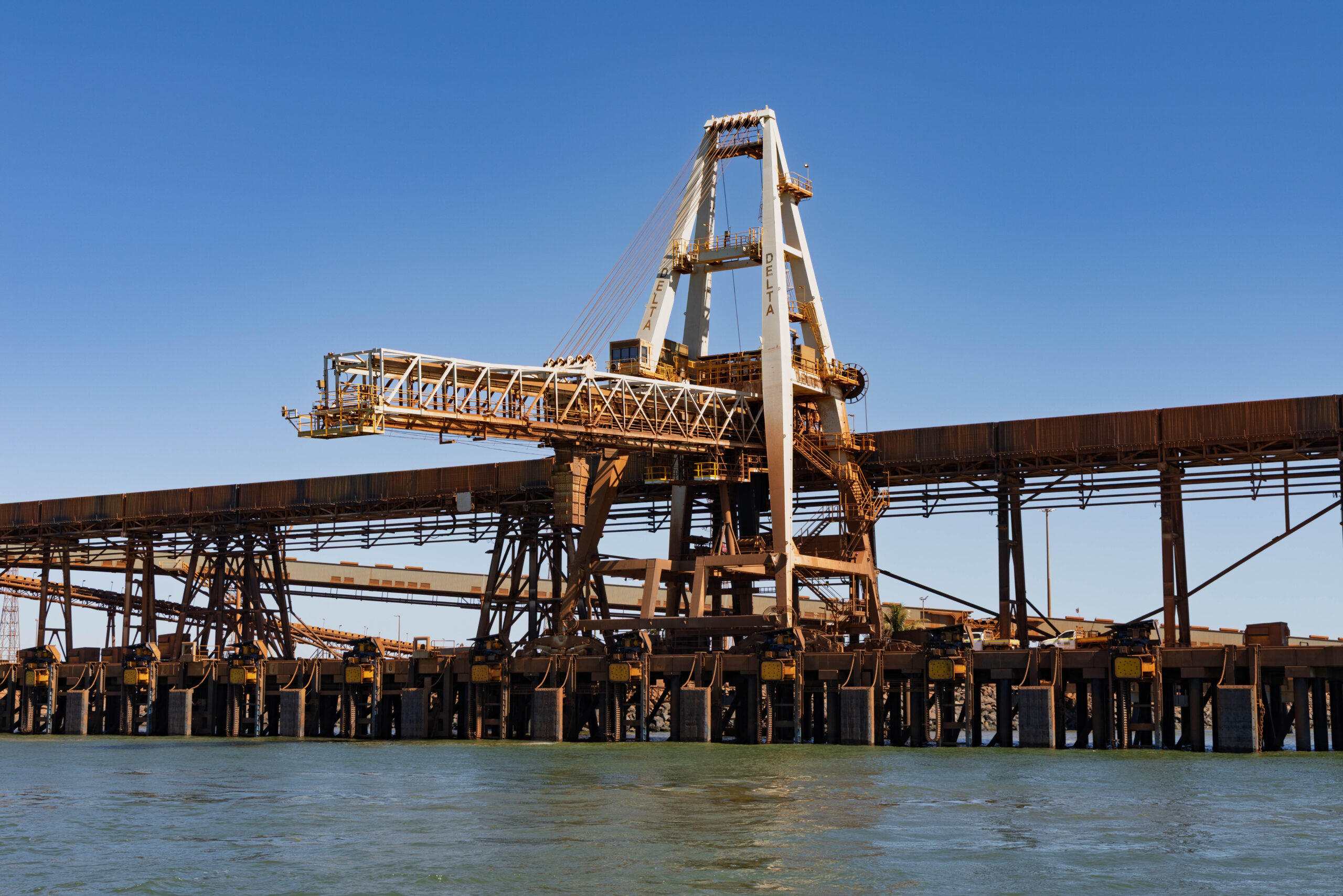
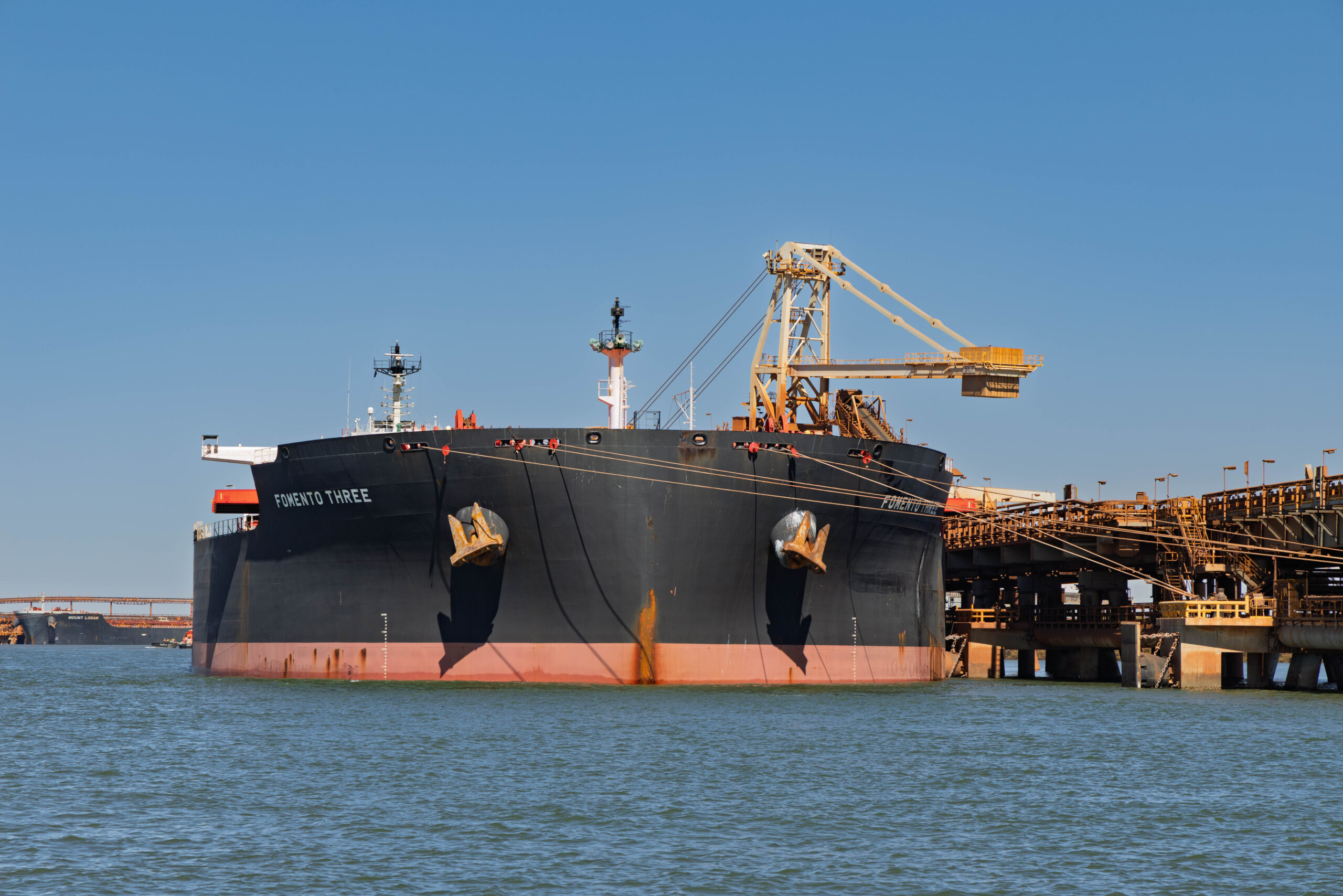
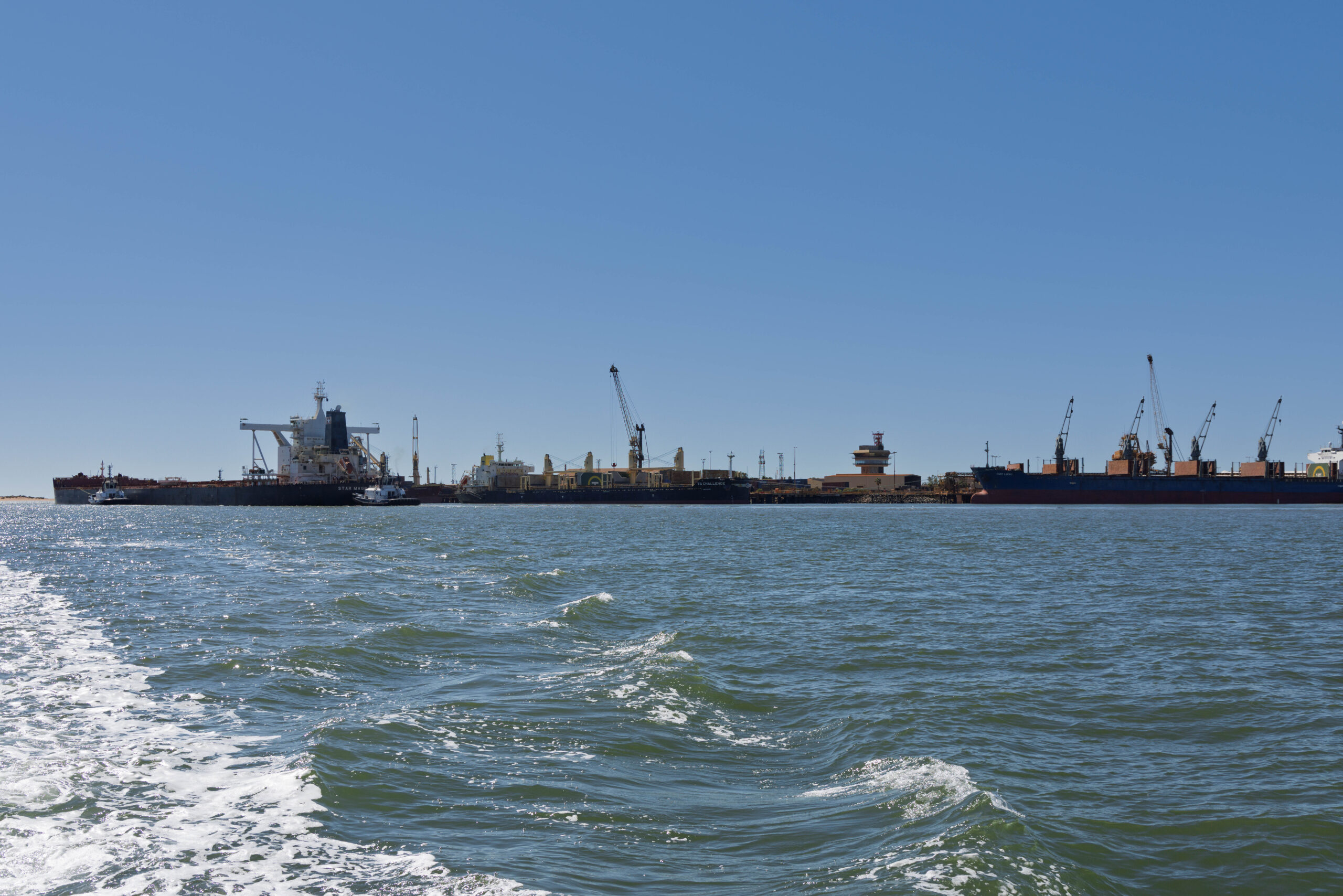
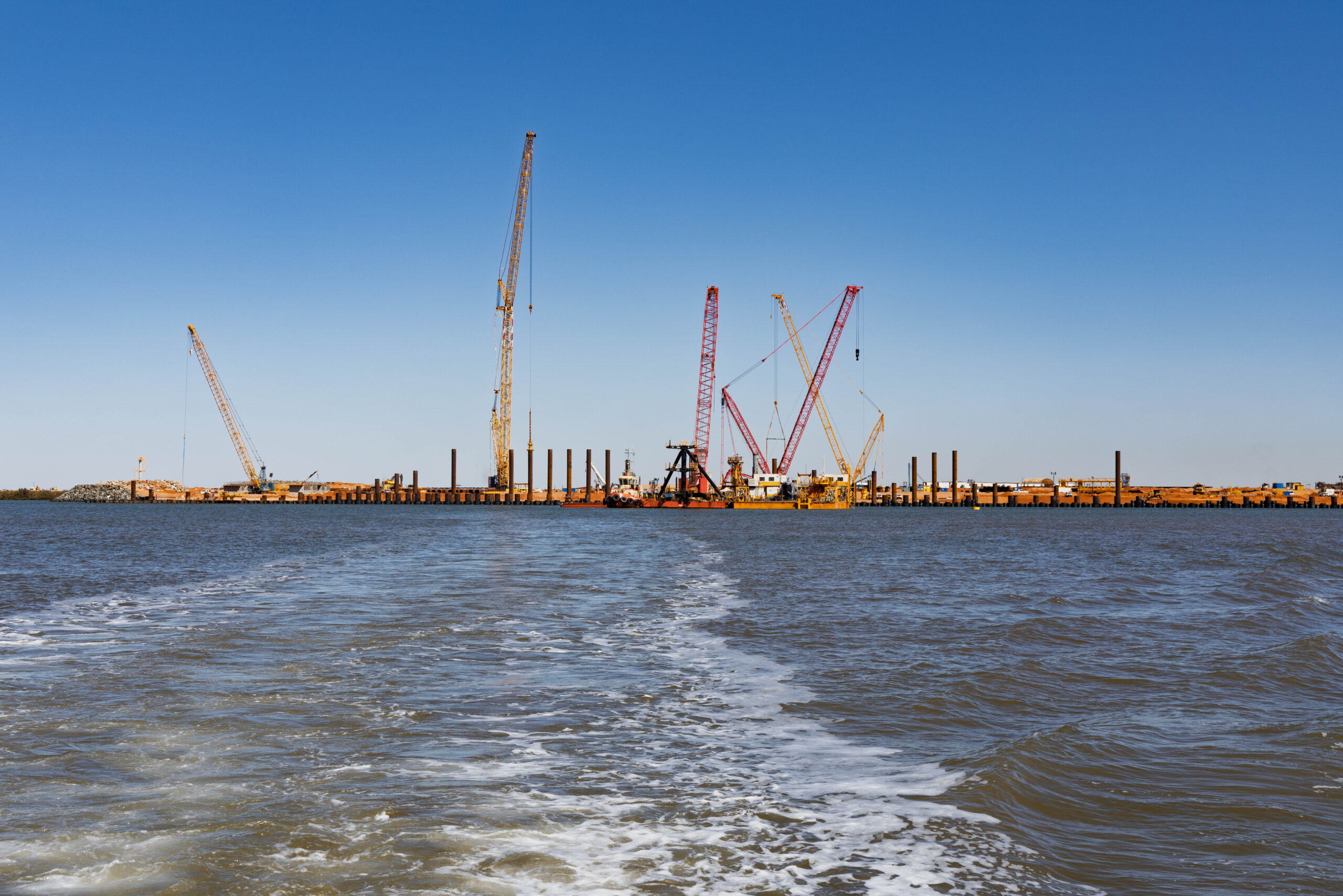
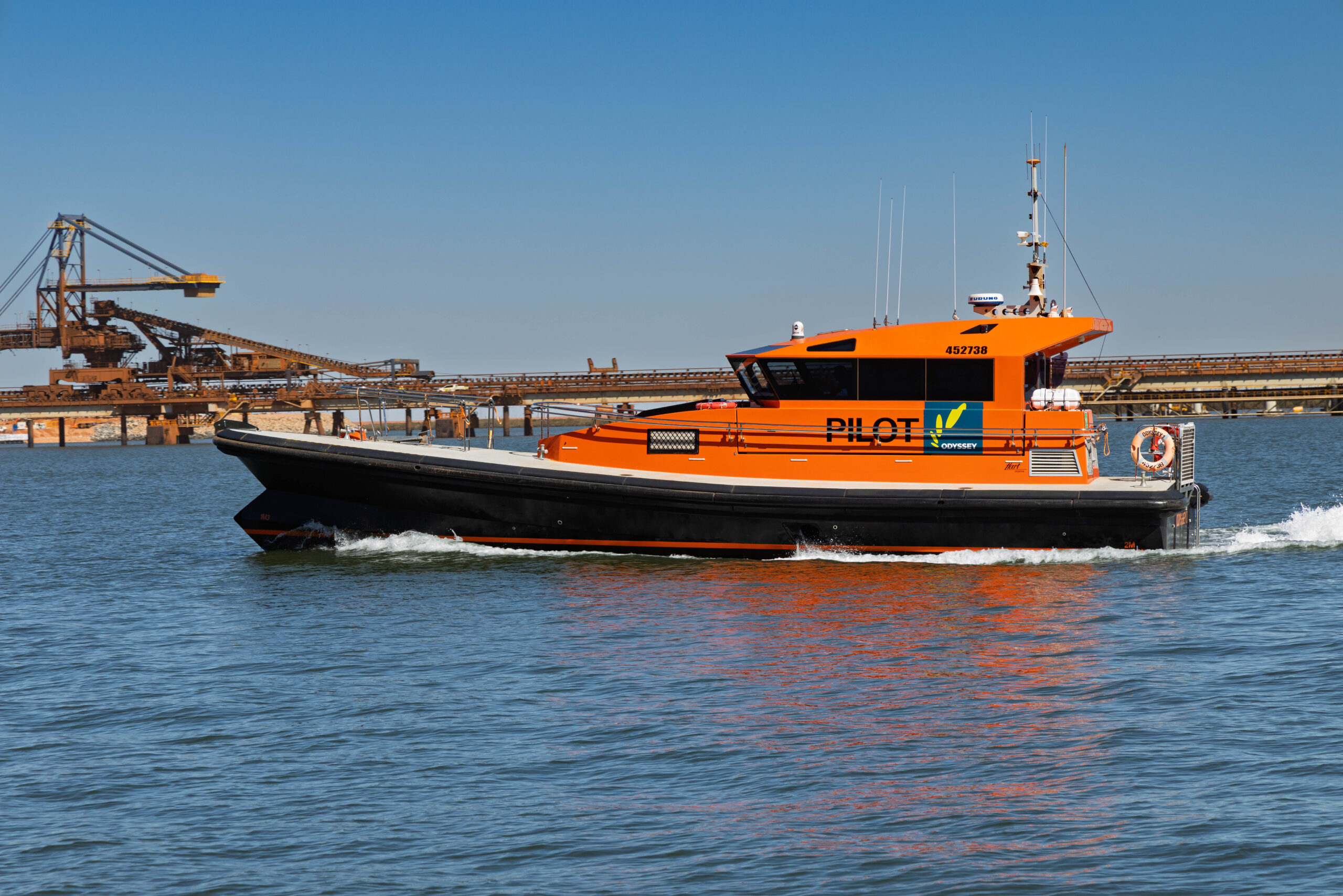
Next an overview of the port explaining: The Anchorage, where ships wait their turn to come into port, the S-bend channel that must be navigated, the pilots who bring the ships into the harbour, the tugs that assist and the size and number of berths in the port. The port handles a small amount of general cargo, but it is mainly dedicated to the export of iron ore. The Pilbara Ports Authority operates 4 berths, BHP 8 berths, Fortesque Metals Group (Andrew Forrest) 5 berths and Hancock Iron Ore (Gina Rinehart) 2 berths. Another two berths are currently under construction at Lumsden Point. We were given stats on the amount of iron ore being moved into the port by rail and out of the port on ships bound (mainly) for China, and the numbers are staggering.
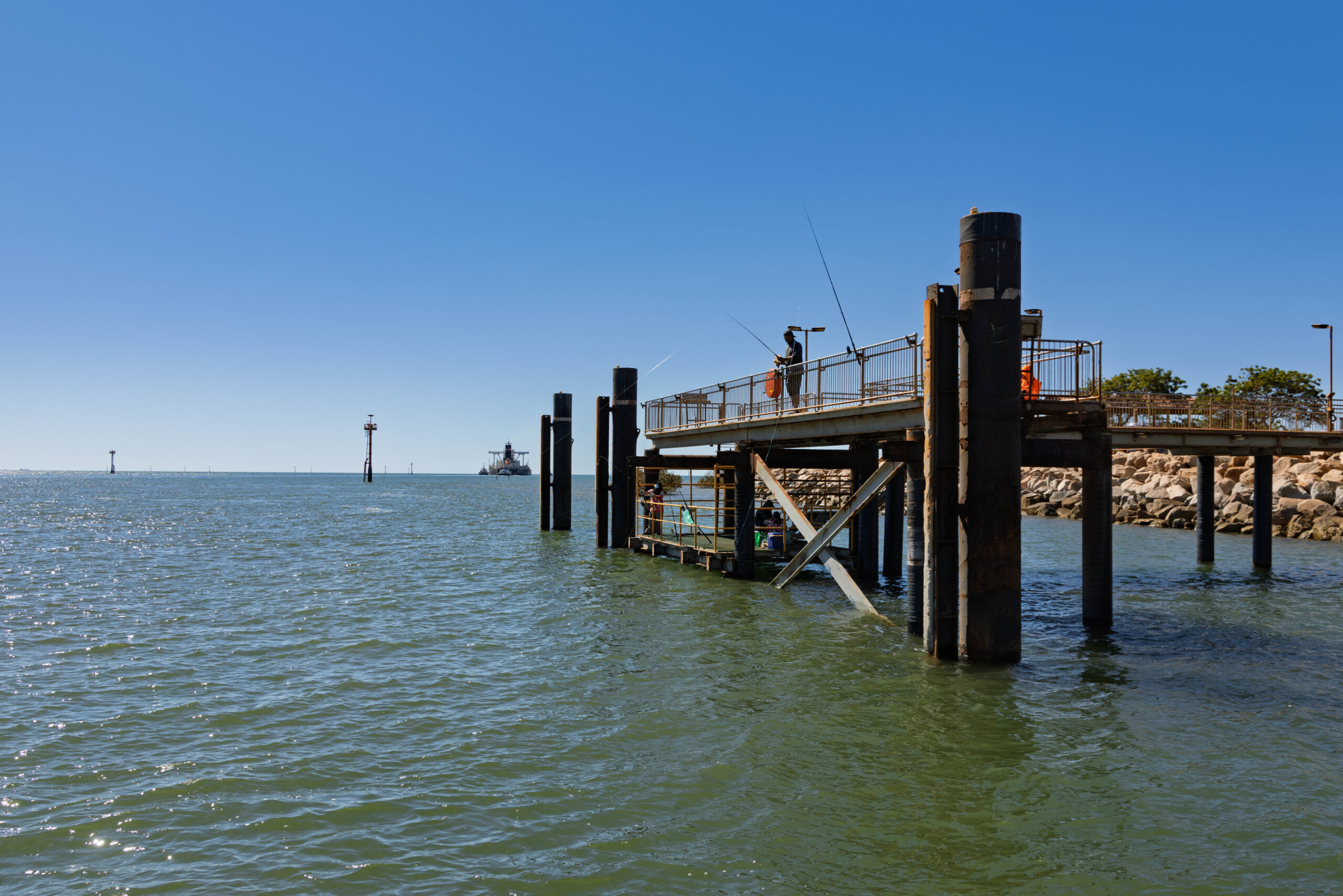
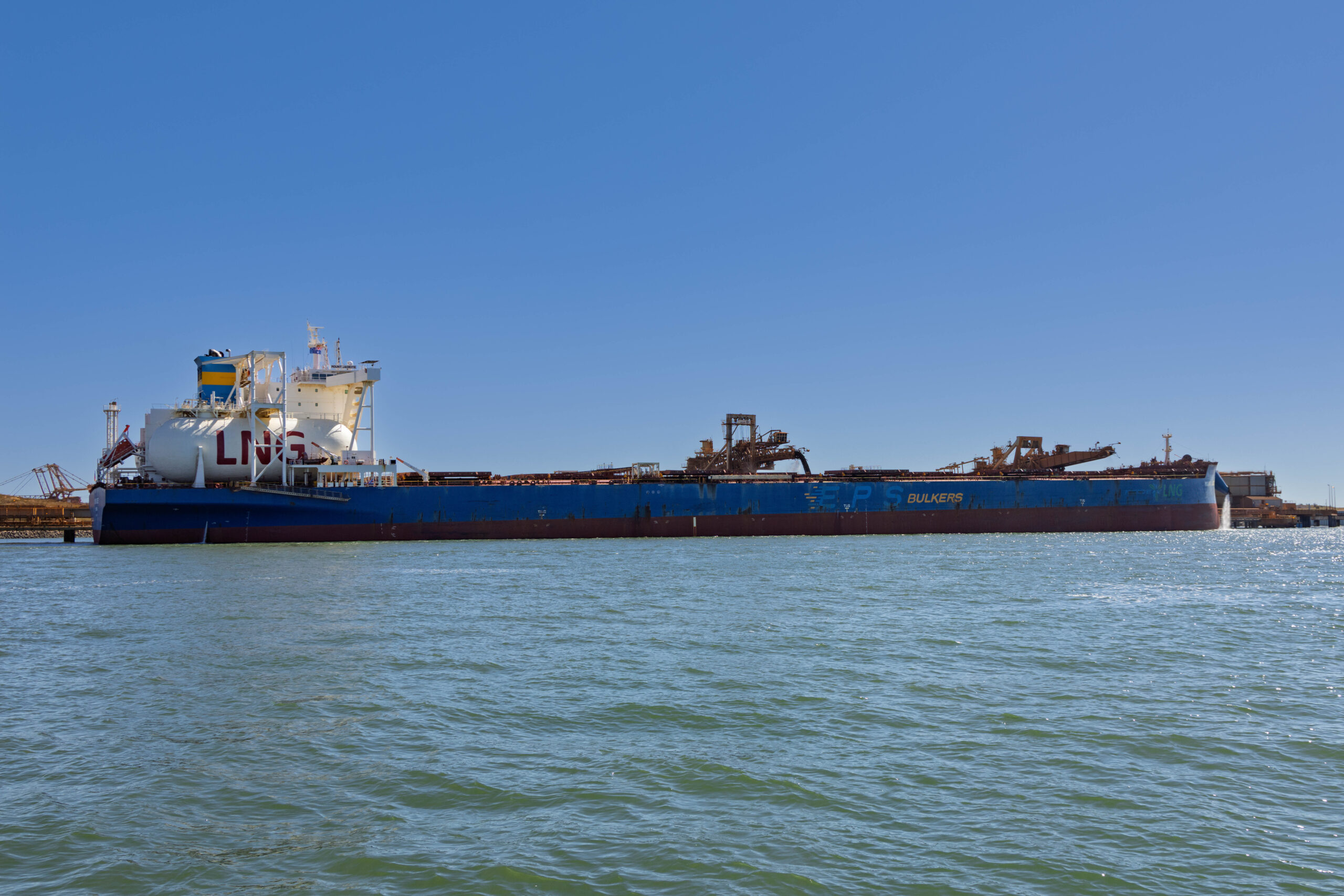
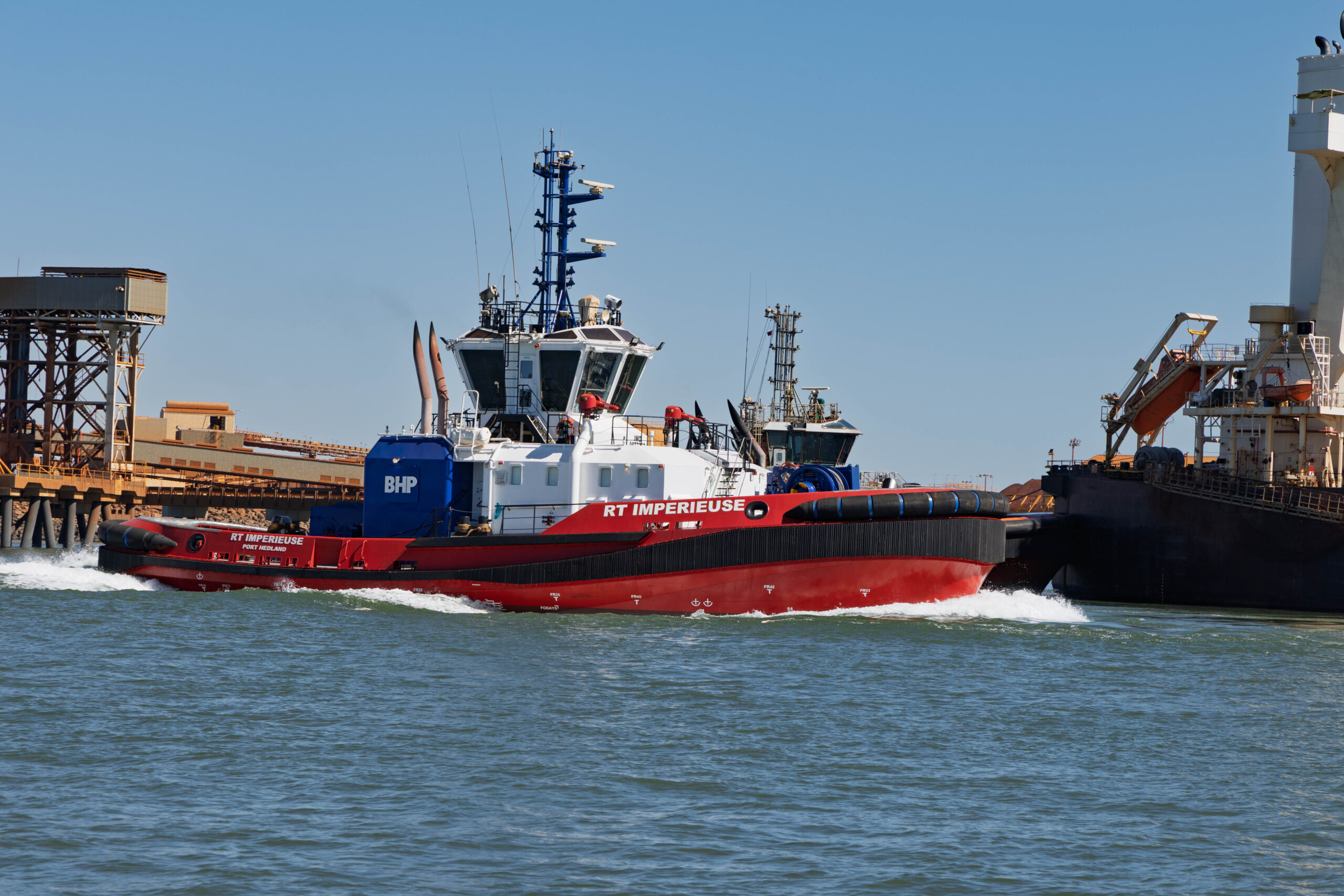
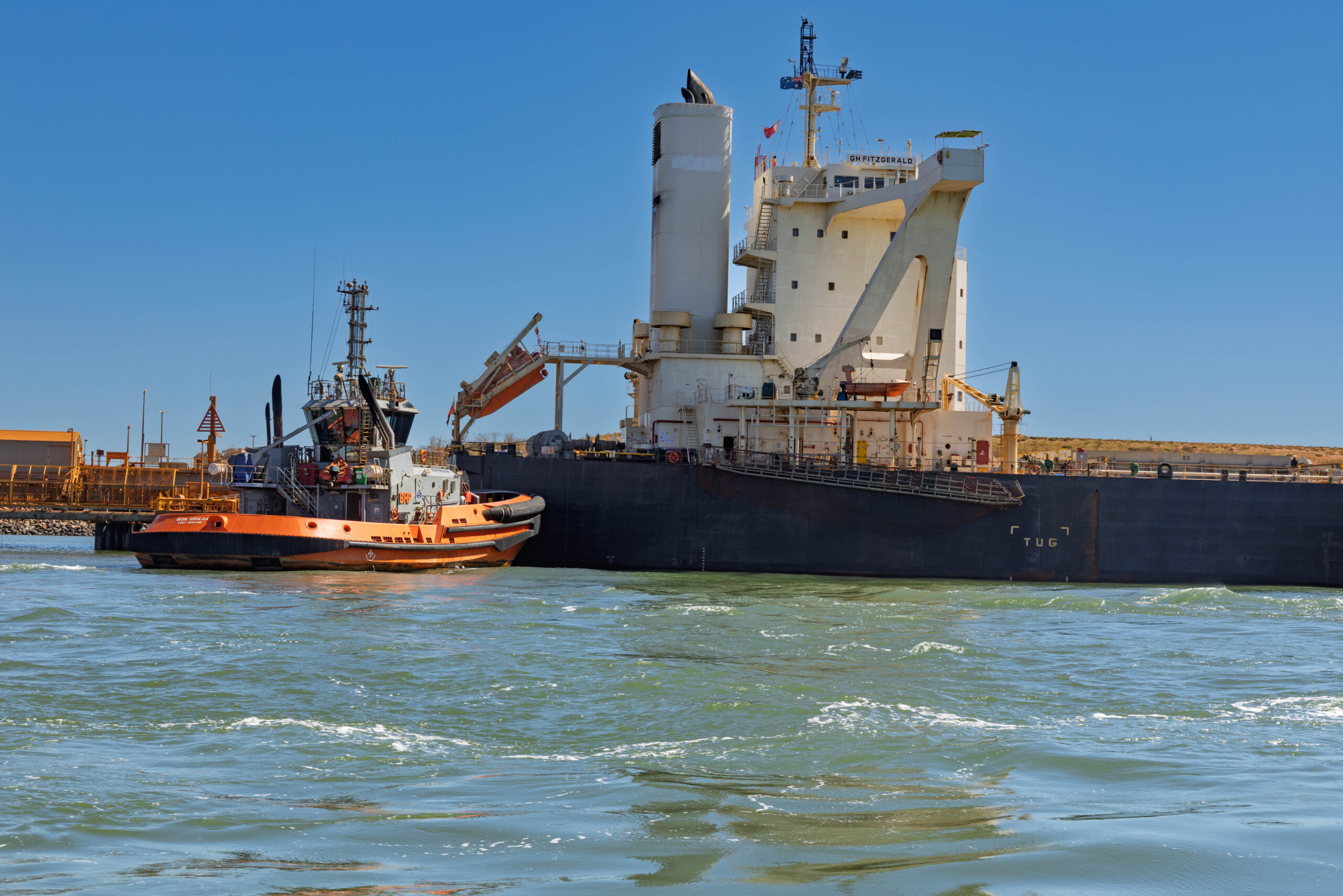
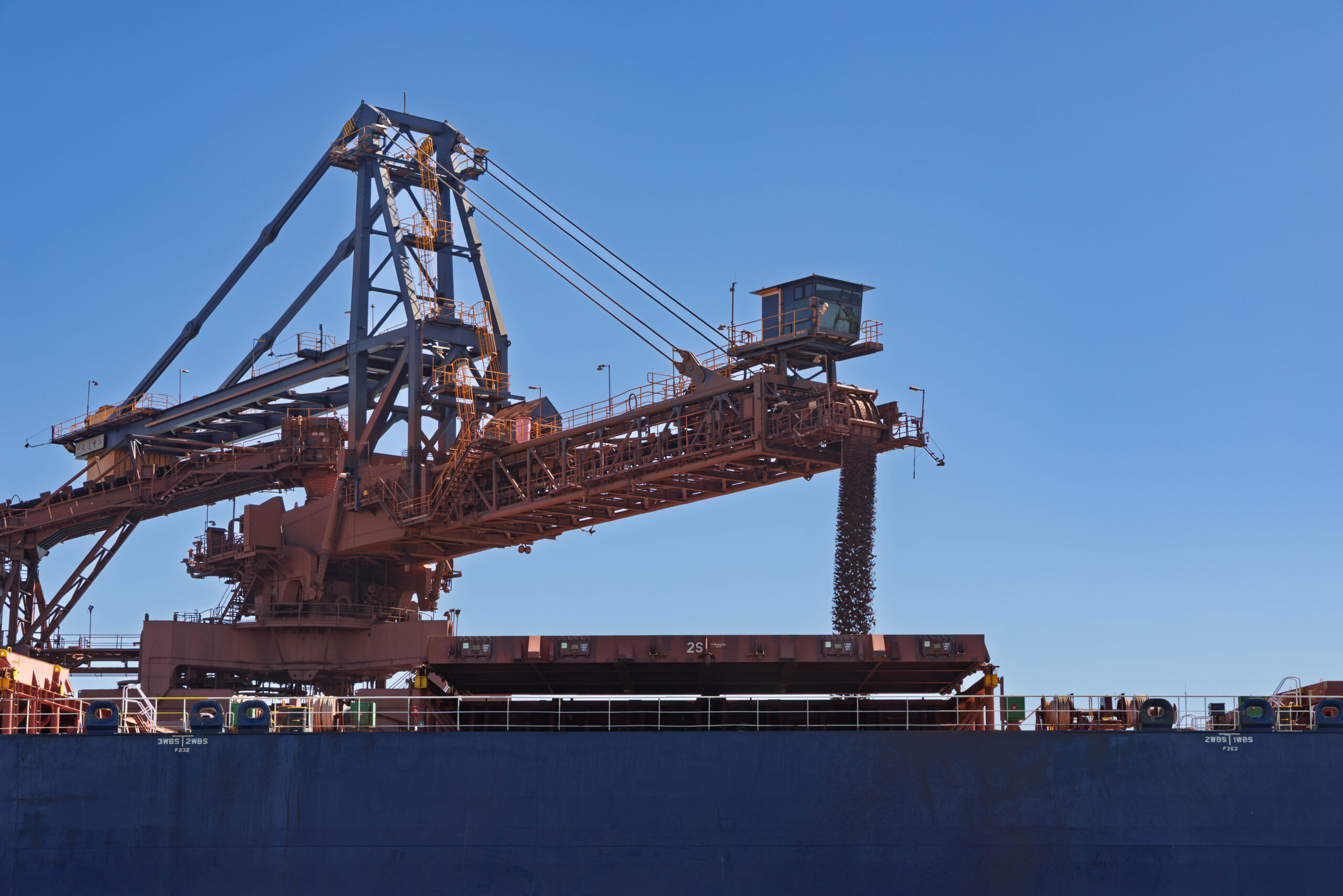
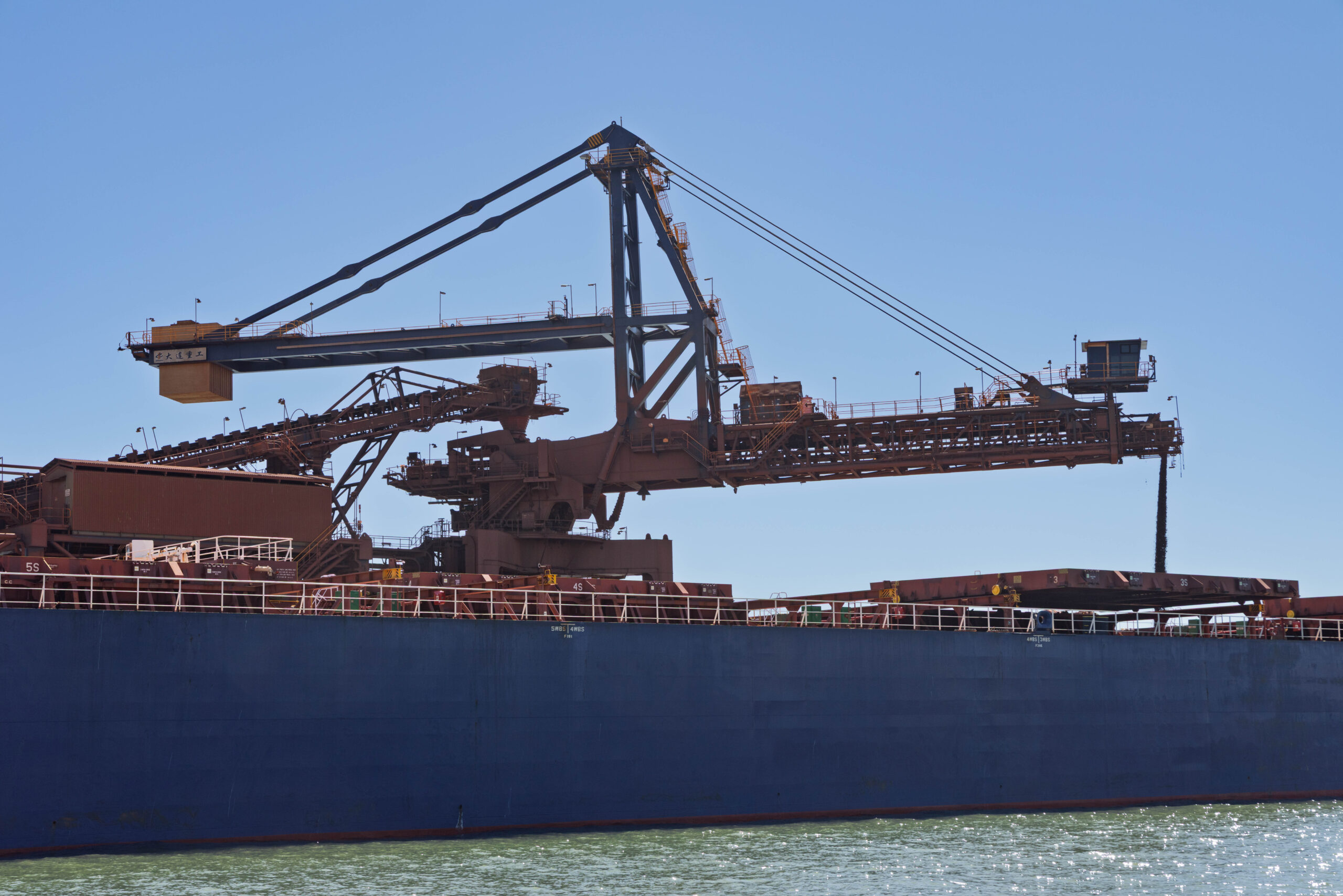
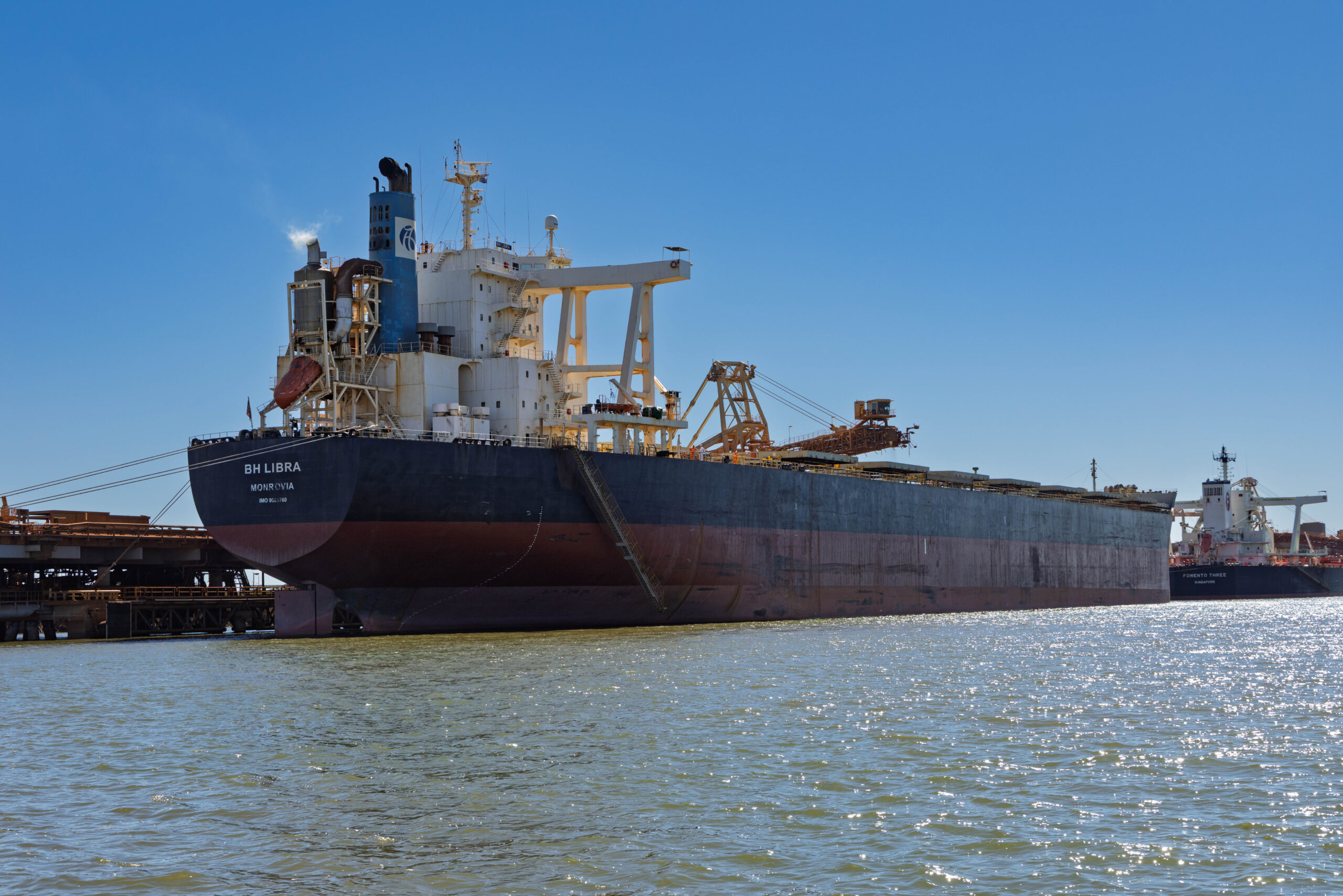
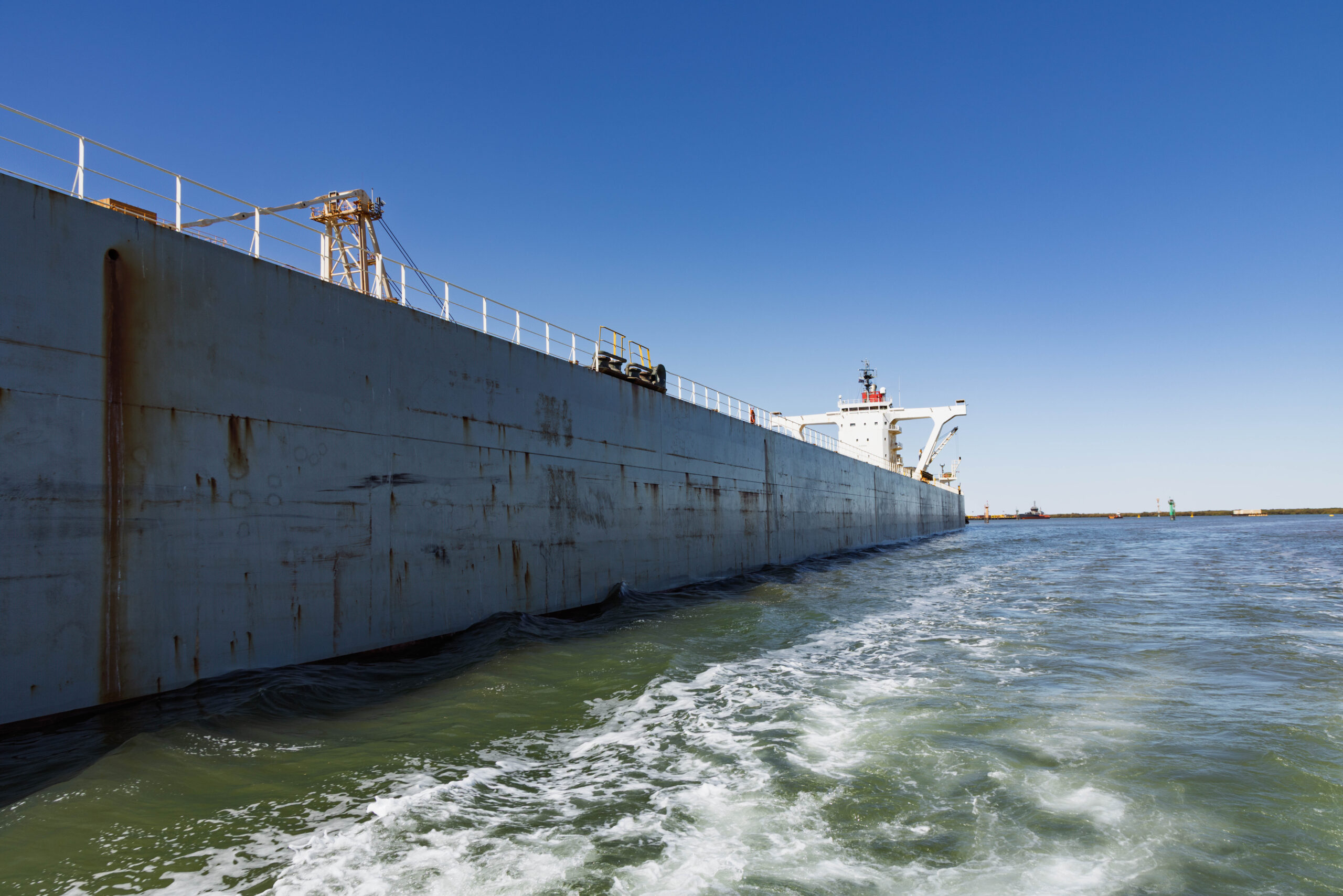
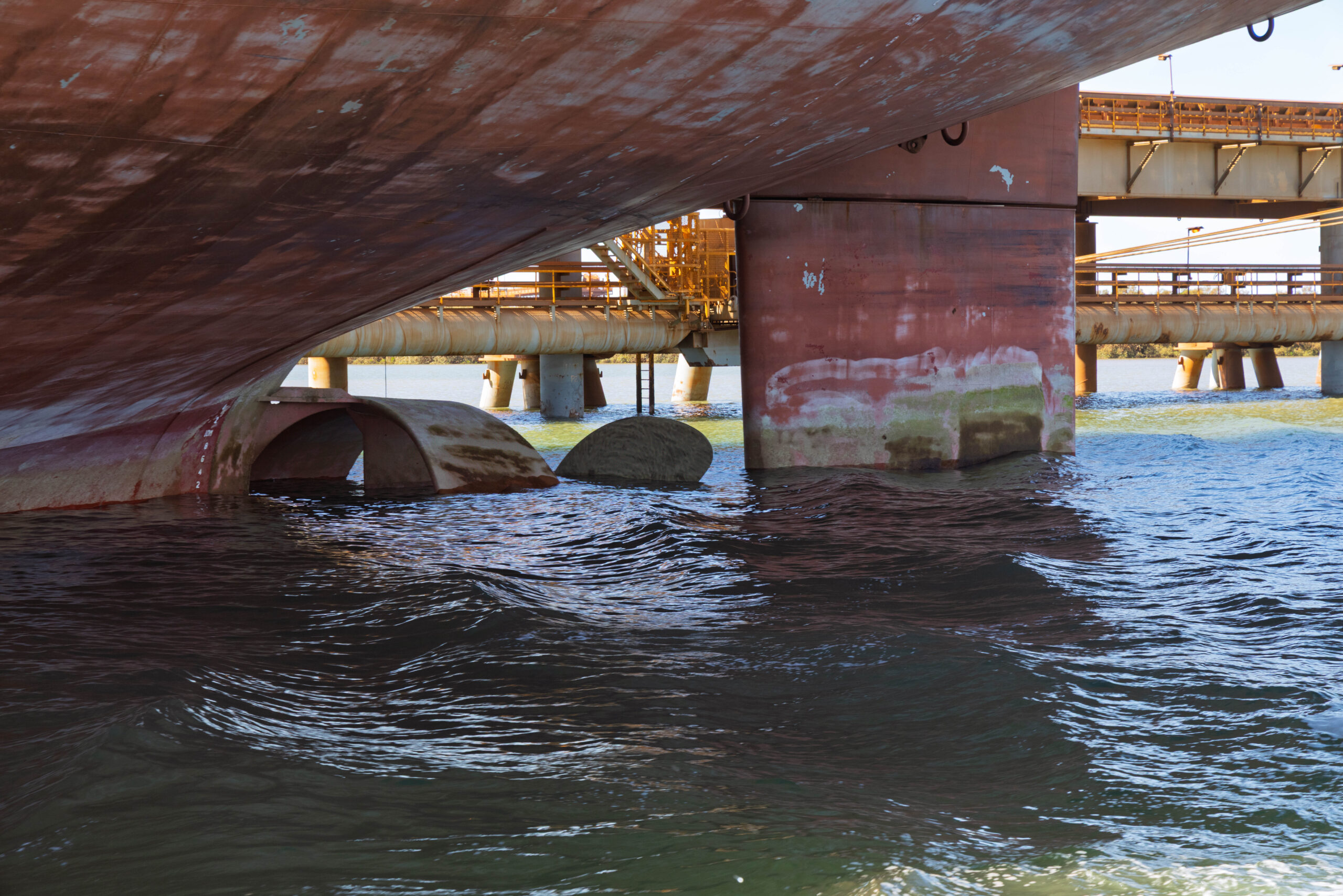
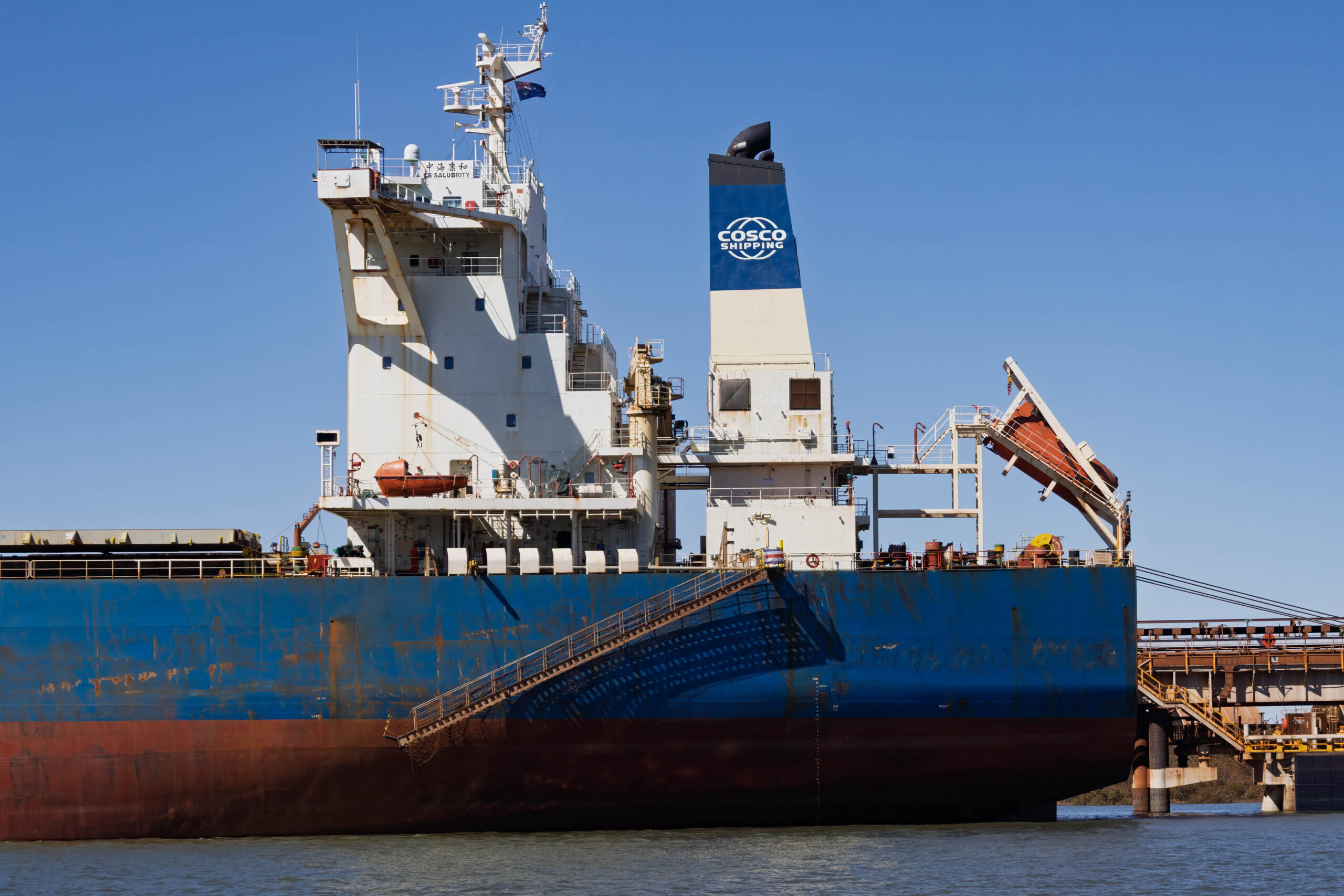
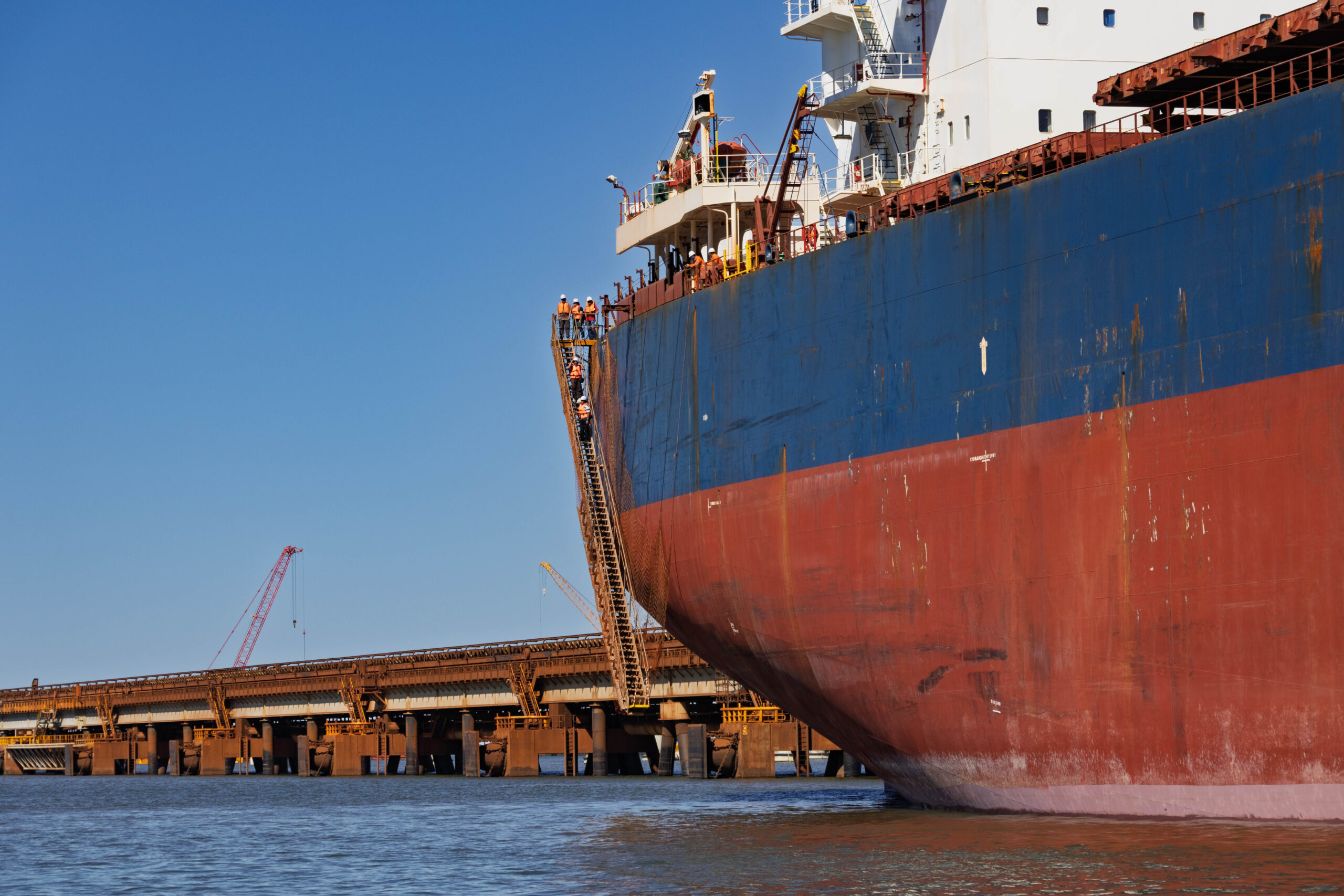
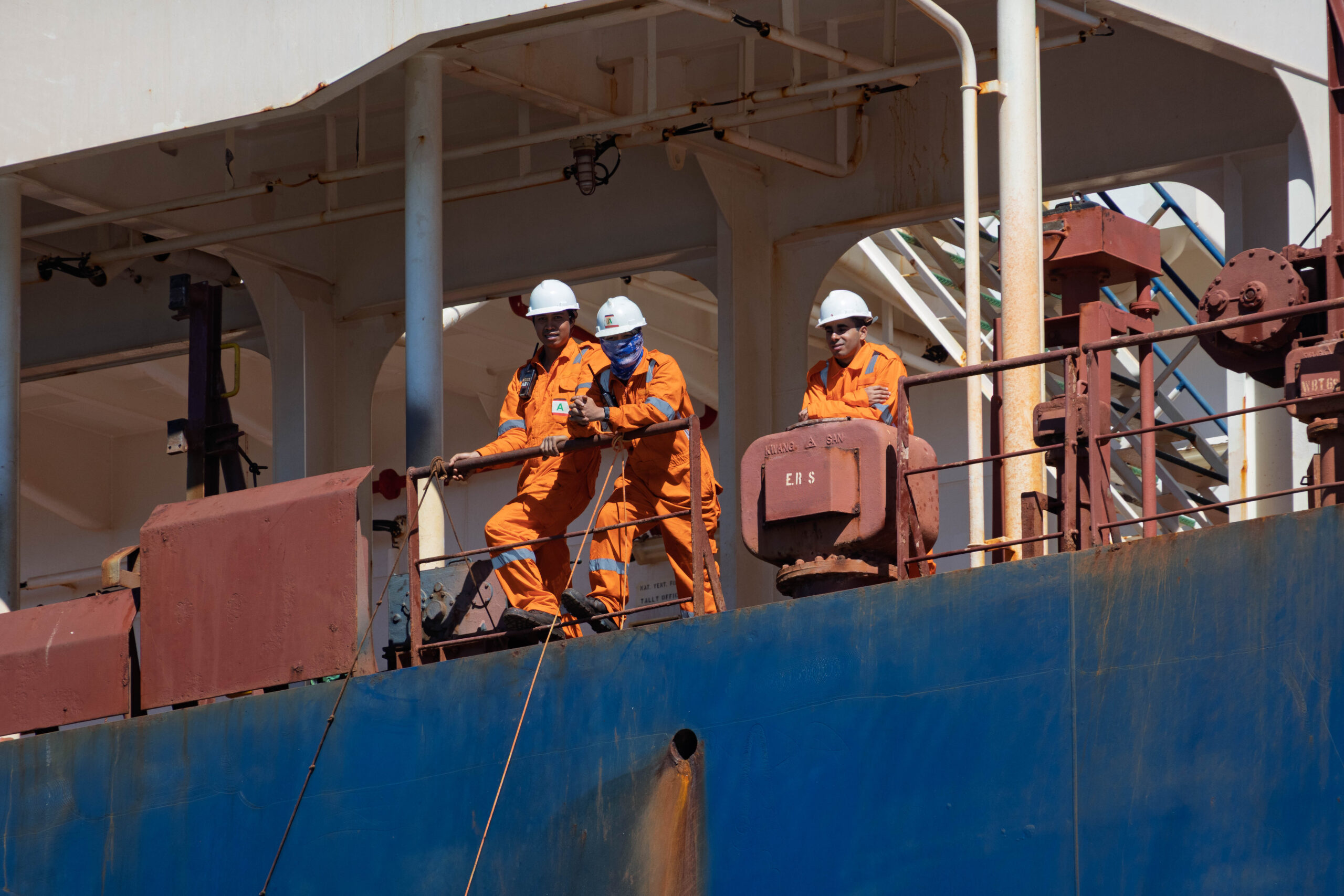
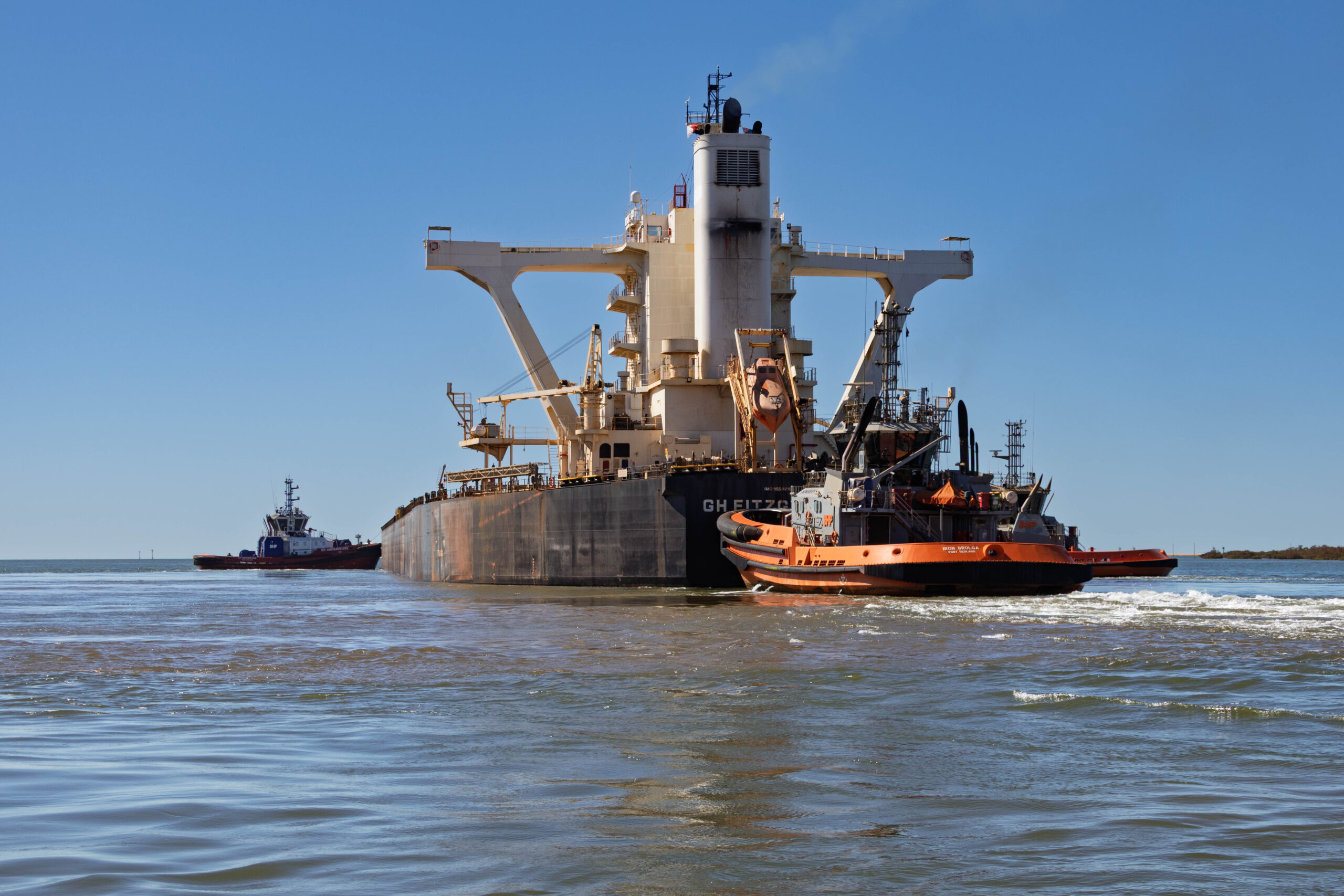
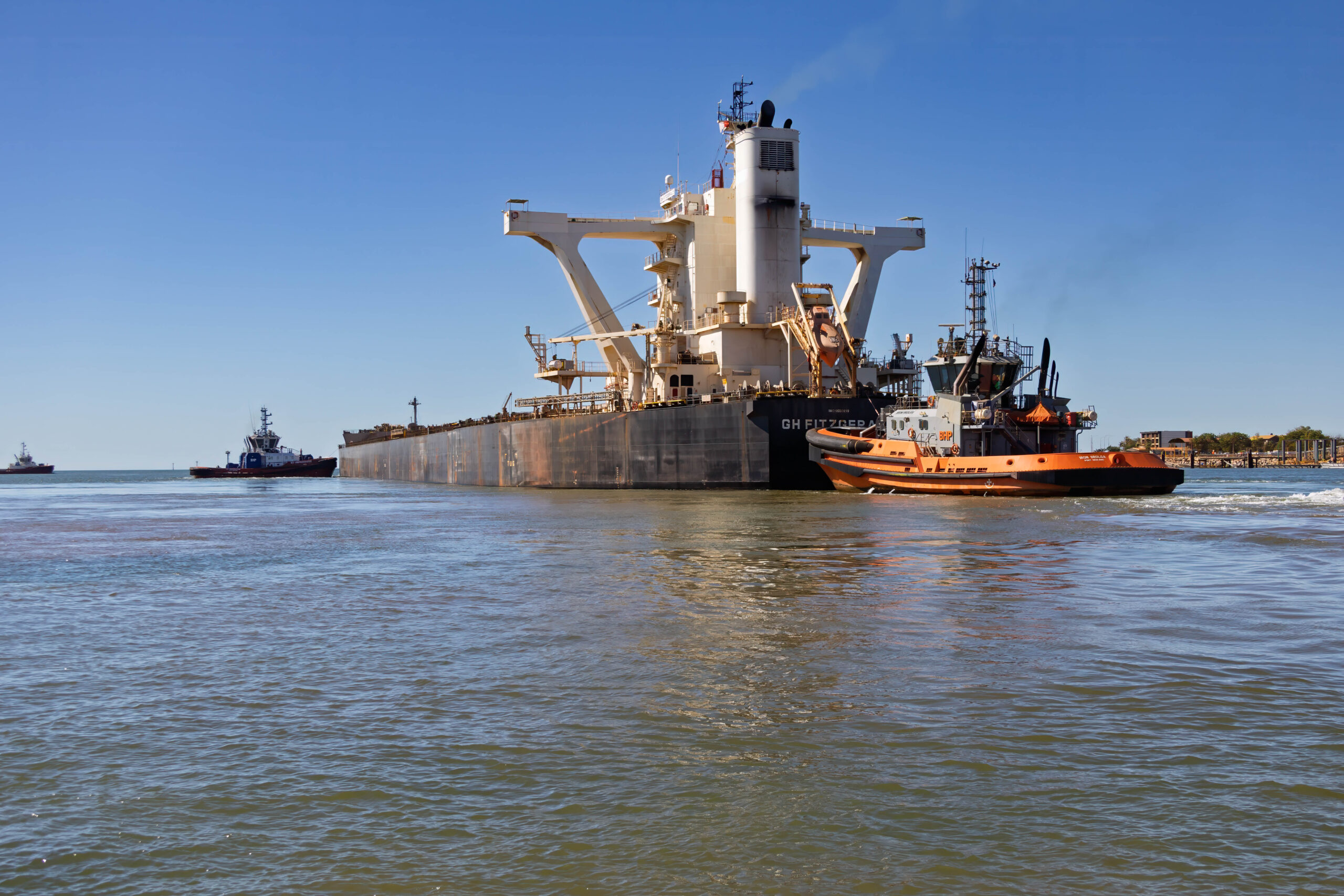
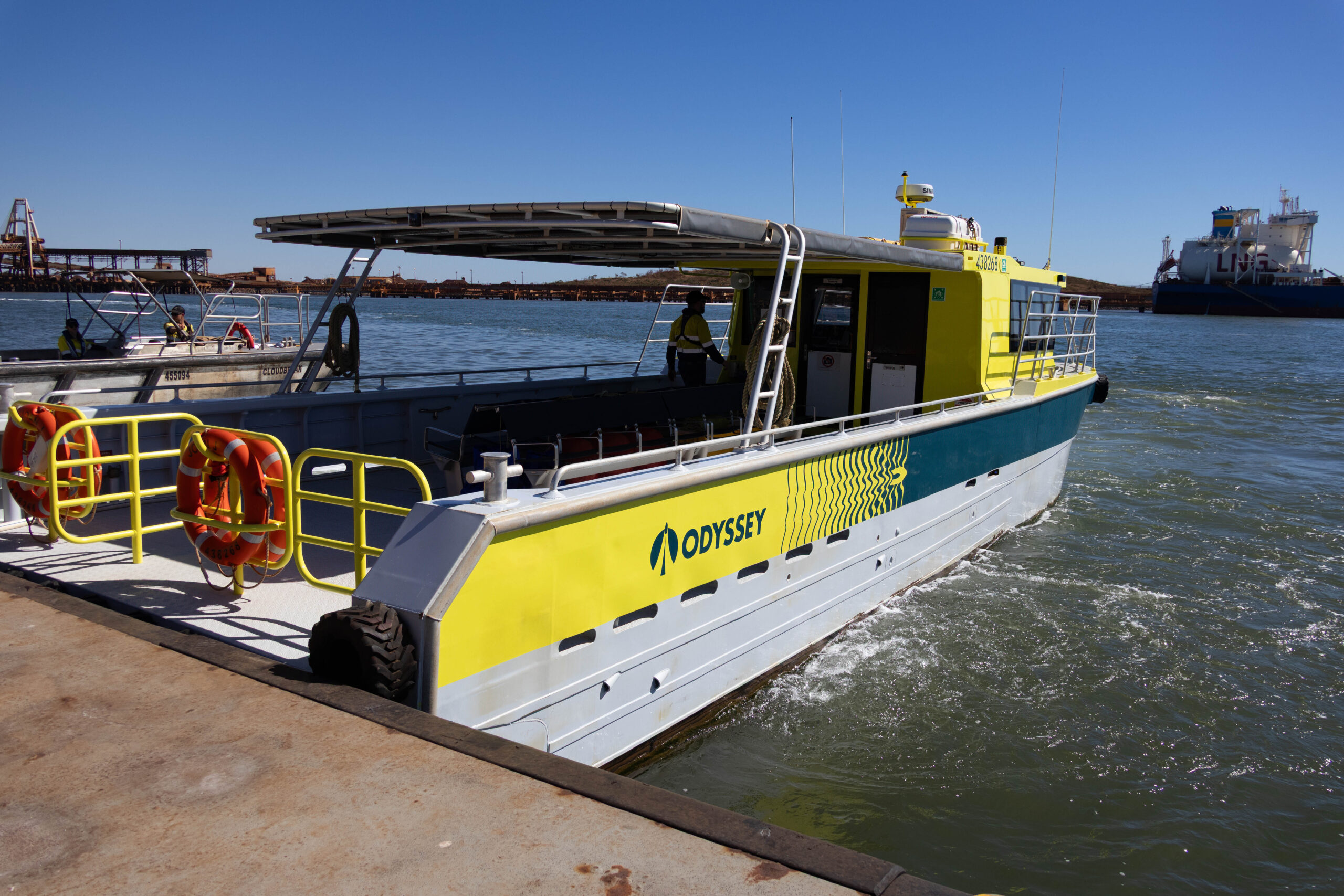
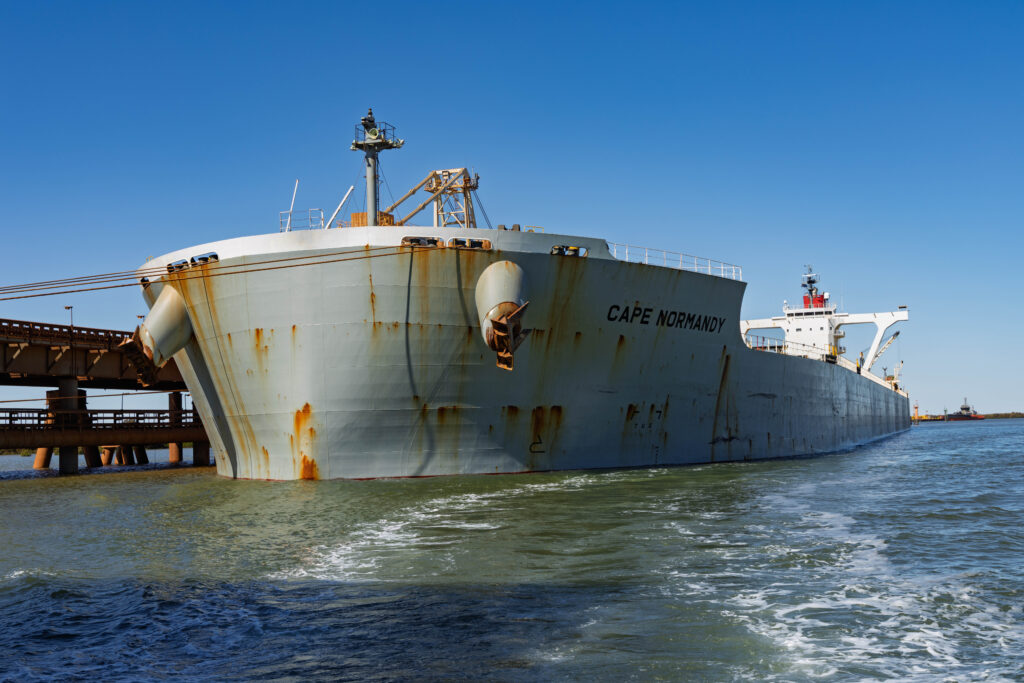
After this introduction, it was time to head out on the ‘Joan J’ launch to get up close to the ships. It was amazing to be zipping around these MASSIVE ships, watching them being loaded with coal and witnessing a couple of ships being guided out into the channel by the tugs. We sailed very close to the GH Fitzgerald as it was leaving the port, as the launch needed to stop at the gangway for the Mount Jadeite, at the next berth, to drop off the Chaplain. Bernie talked with the Chaplain and learnt that it’s a FIFO role. He is based in Sydney and is currently working at the Mission for ten weeks.
The waters between the ships were being criss-crossed by pilot boats and tugs so the port was really buzzing with activity. I asked Damien who owns the ships? The Chinese or the mining companies. Damien told me that FMG owns its ships, but BHP leases ships from allover the world. He said that ship ownership and shipping is a very complex business!
After our fascinating tour, we were returned to the Seafarers Centre just after 1.00pm. We collected the truck from the carpark and drove around to Dome Café for a quick lunch. We splurged on BLTs today which was certainly tastier than a servo sanga! There was probably more to see and do in Port Hedland, but our accommodation for tonight was booked further down the coast. If we had the afternoon to while away, we could have watched some ships come in! The fully laden ships only have a four hour window – two hours each side of high tide – in which they can leave, so our tour coincided with that window. The empty ships ride much higher in the water and are able to negotiate the channel more easily, with some scheduled to come into port during this afternoon.
From the café we drove to the Ampol Service Station in South Hedland. It may have needed a very slight deviation to our route out of town, but Petrol Spy had revealed that it was selling premium diesel for a good price. Bernie much prefers to fill the truck with premium diesel, so the slight detour was deemed worthwhile.
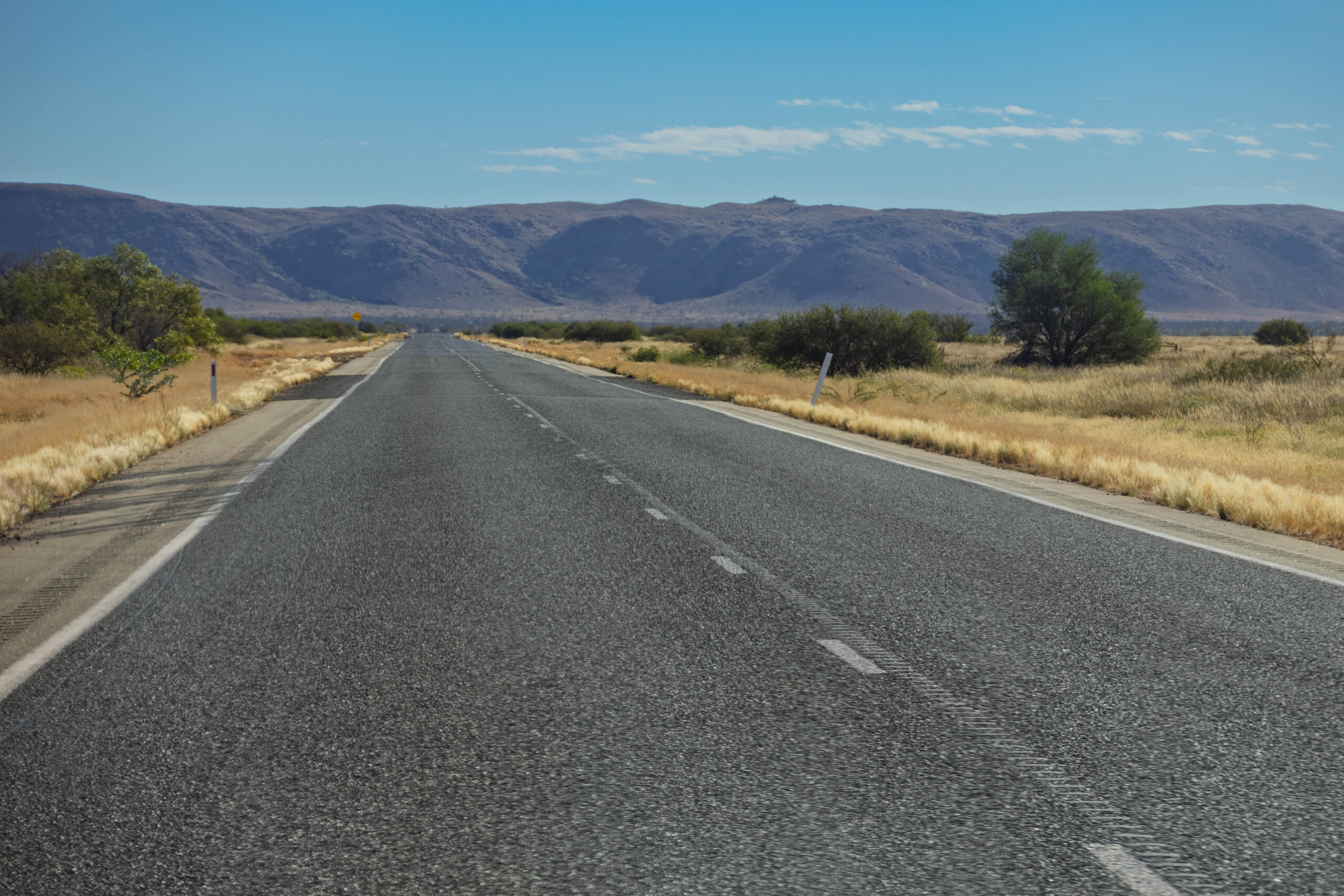
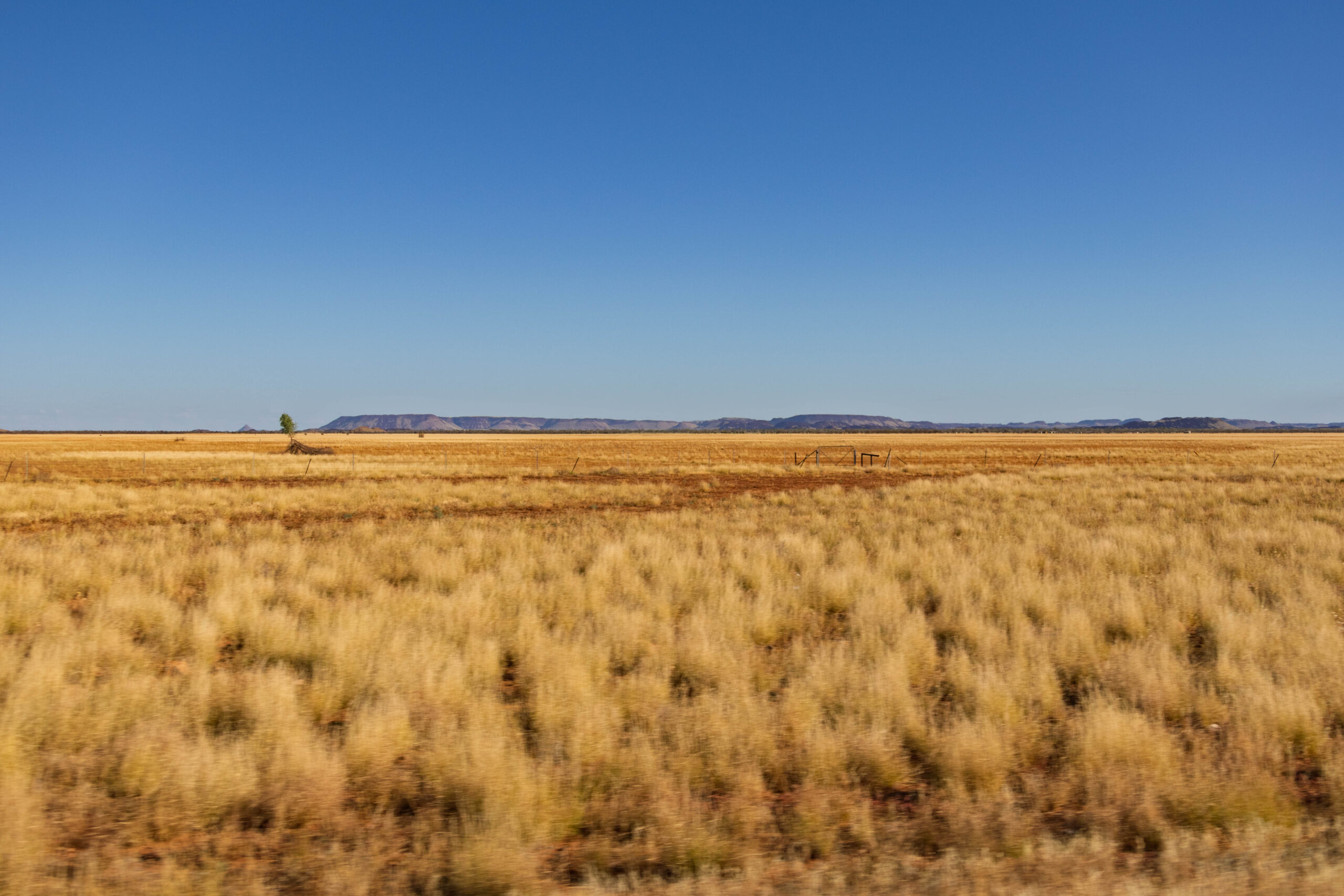
With the tank refilled, it was time to make tracks for Karratha, 240 Ks south of Port Hedland. We’d had a message from the park reminding us that reception would close at 5.00pm. By Syri’s reckoning, we were going to make it in time. Forty Kilometres out of Port Hedland it was time to take the coastal route. This meant turning off the Great Northern Highway, heading to Newman, and onto the North West Coastal Highway aka Warlu Way. The roadside vista varied between flat grassland and treed areas where rivers flow during the wet season. Today, nearly every river crossing revealed a dry riverbed. The countryside was also broken up with some low, scrubby ranges.
We passed through Whim Creek and Roeburne before turning off onto De Witt Road. Our introduction to Karratha was cruising past its Industrial Estate. We entered Karratha and turned left onto the Dampier Highway, making it to the caravan park by 4.36pm. HEAPS of time before reception closed. We collected the keys to Cabin 97, along with a park map, before negotiating the boom gate to enter the park. A guy was working on the gate and we suspect the repair was getting more complicated because he was on his phone and scratching his head.
Unpacked again, for two nights this time, we went straight back out to find the Woolies. We didn’t dare do this on the way in because we didn’t want to have hassles getting into the park after hours. Aaargh. The shopping centre car park in Karratha had the most complicated layout we’ve ever encountered! It took us quite some time to navigate our way from where we entered the car park to a parking spot even remotely near the Woolies.
With some supplies to cook meals for the next two nights, we drove back to the cabin in the twilight. We missed sunset tonight while we were doing our shopping! Whipped up a spag bol for dinner with a bit of salad on the side.
Steps: 9,151 (5.86kms)