Tuesday, 12 May 2026
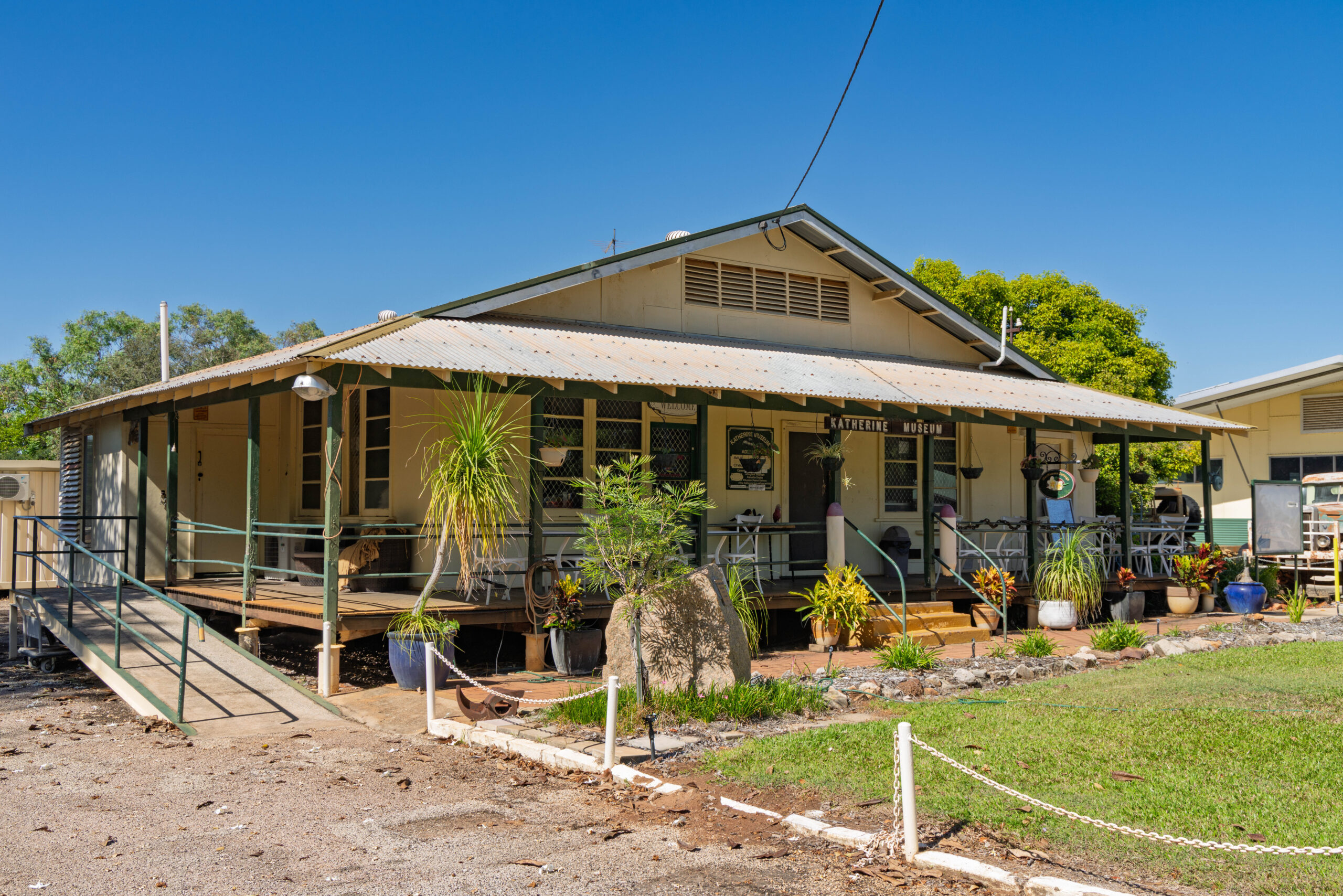
The Katherine Museum is housed in part, in the former passenger terminal and air radio building of the Katherine Aerodrome. The site operated as the Aerodrome for 30 years from 1945 until the last aircraft officially used the aerodrome early in 1975. In this building there was information about local identities: John Tilley, a farmer turned aviator who founded TILLAIR a charter air service covering the Northern Territory, Noel Buntine who, amongst other things, modernized the cattle and transport industry and Bill Tapp, a legendary cattleman.
This building also held displays about the gazettal and development of the Katherine township, policing and education, the establishment of the military Australian General Hospital the development of Tindal Airfield and the mighty Katherine River and the record breaking flood of 1998.
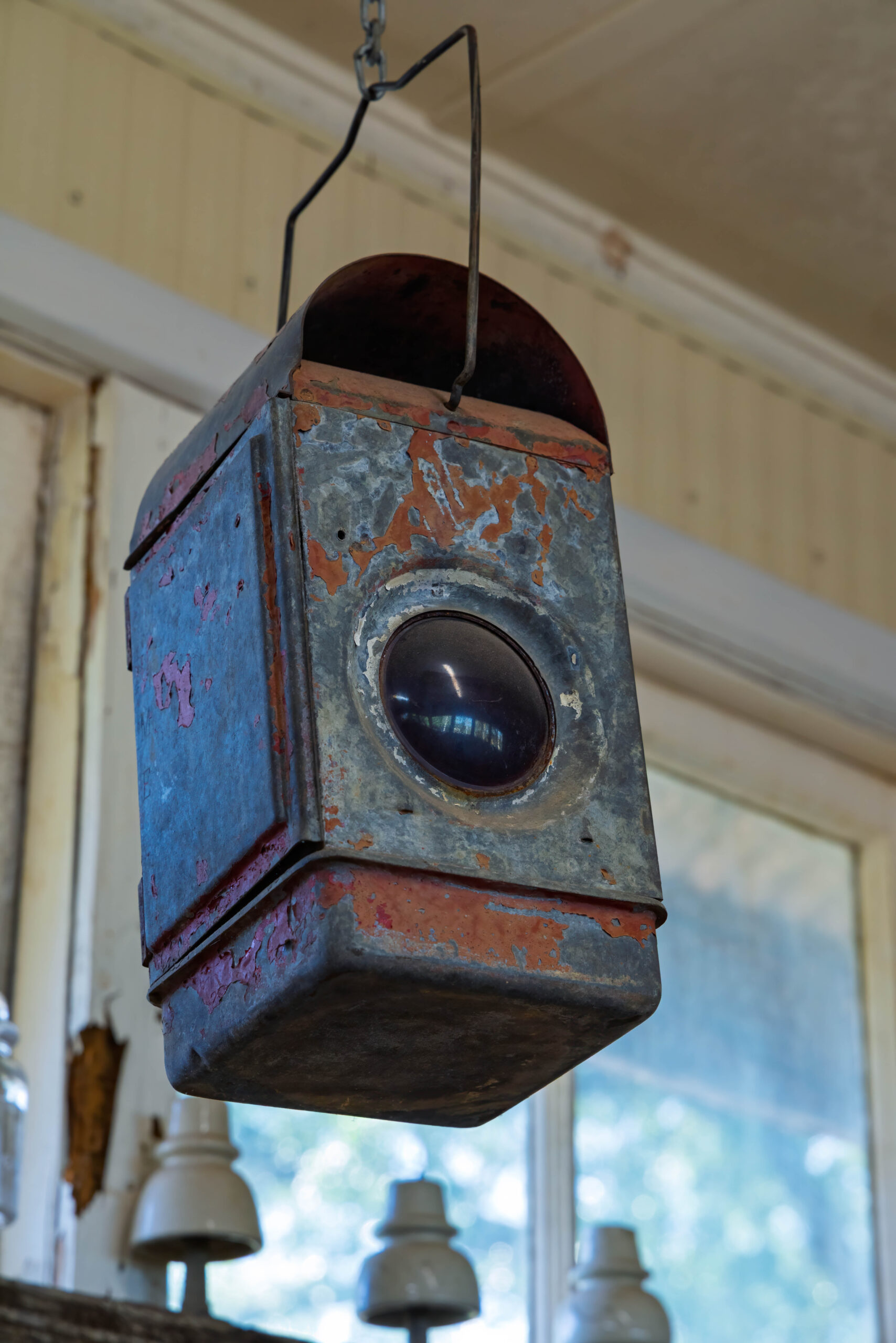
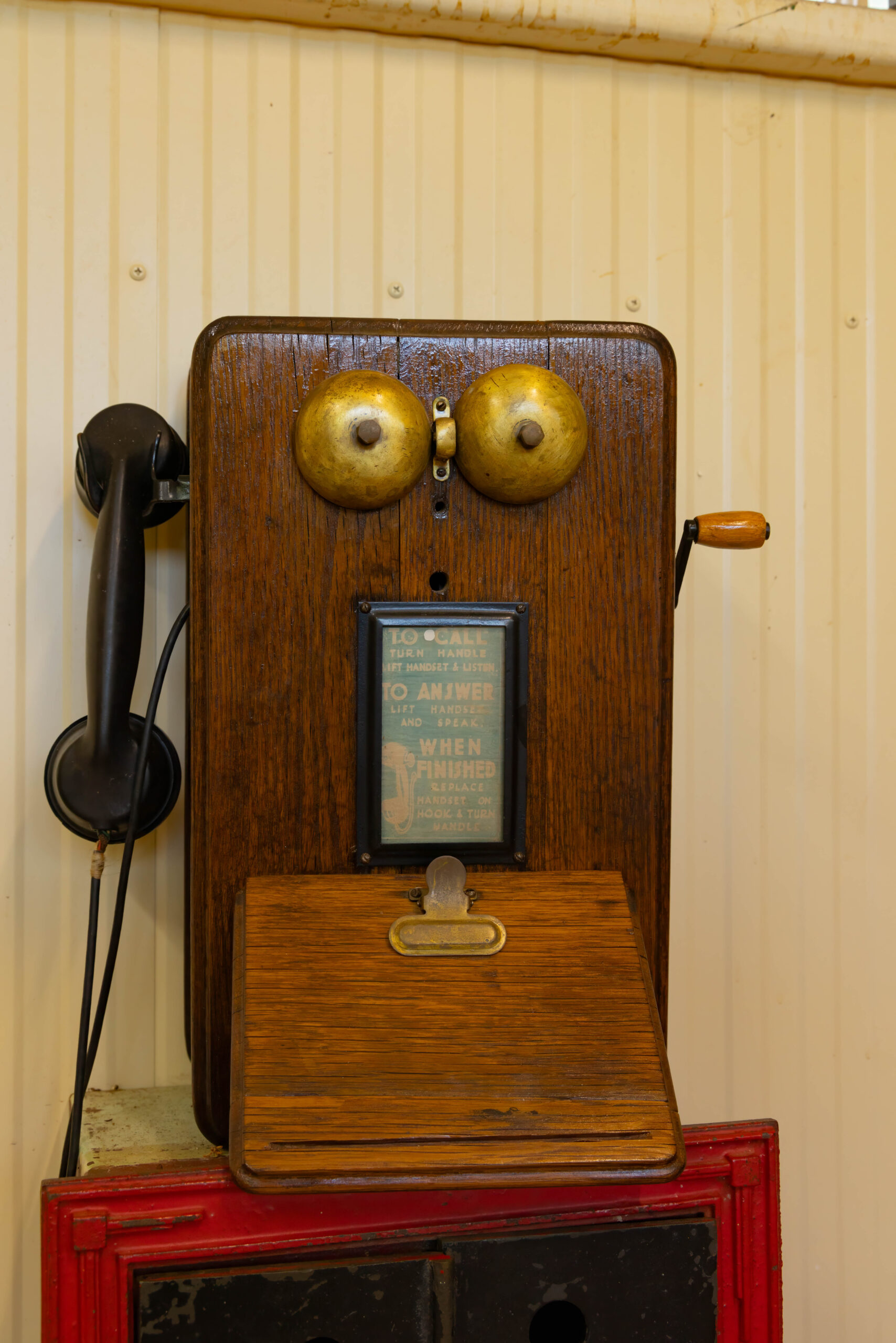
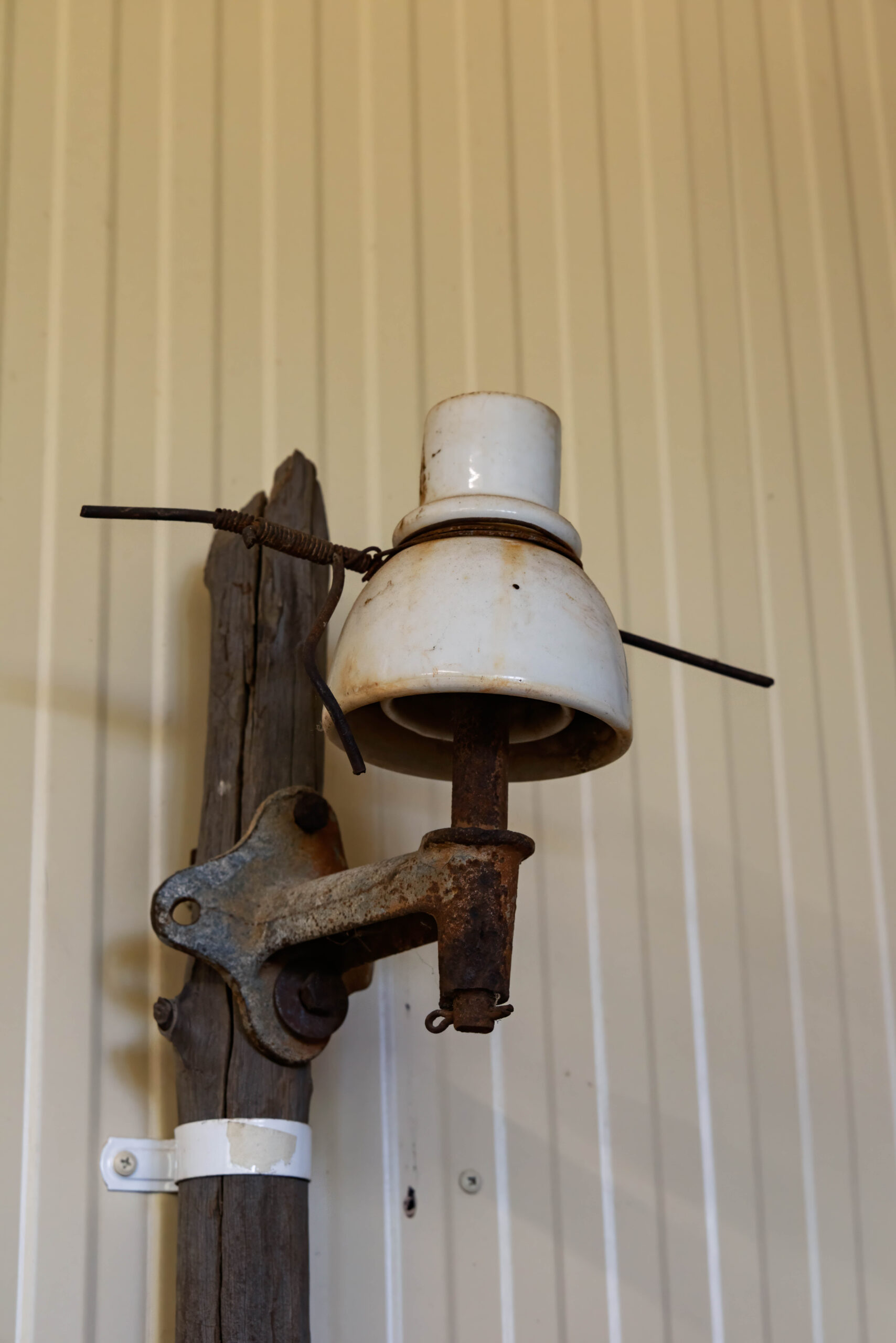
From this first building, we crossed to the shed housing the overland telegraph exhibition. We almost didn’t go across to this building, feeling that we couldn’t learn anything more about the overland telegraph. But, we did! We had not read previously that just as the Australians had almost finished the overland telegraph line connecting Adelaide with Darwin, to then connect to the rest of the world via the underwater cable between Darwin and Singapore, the underwater cable went dead in June 1872. Adelaide and Darwin were connected in August 1872 but the first message from England to Adelaide was not transmitted until October that year.
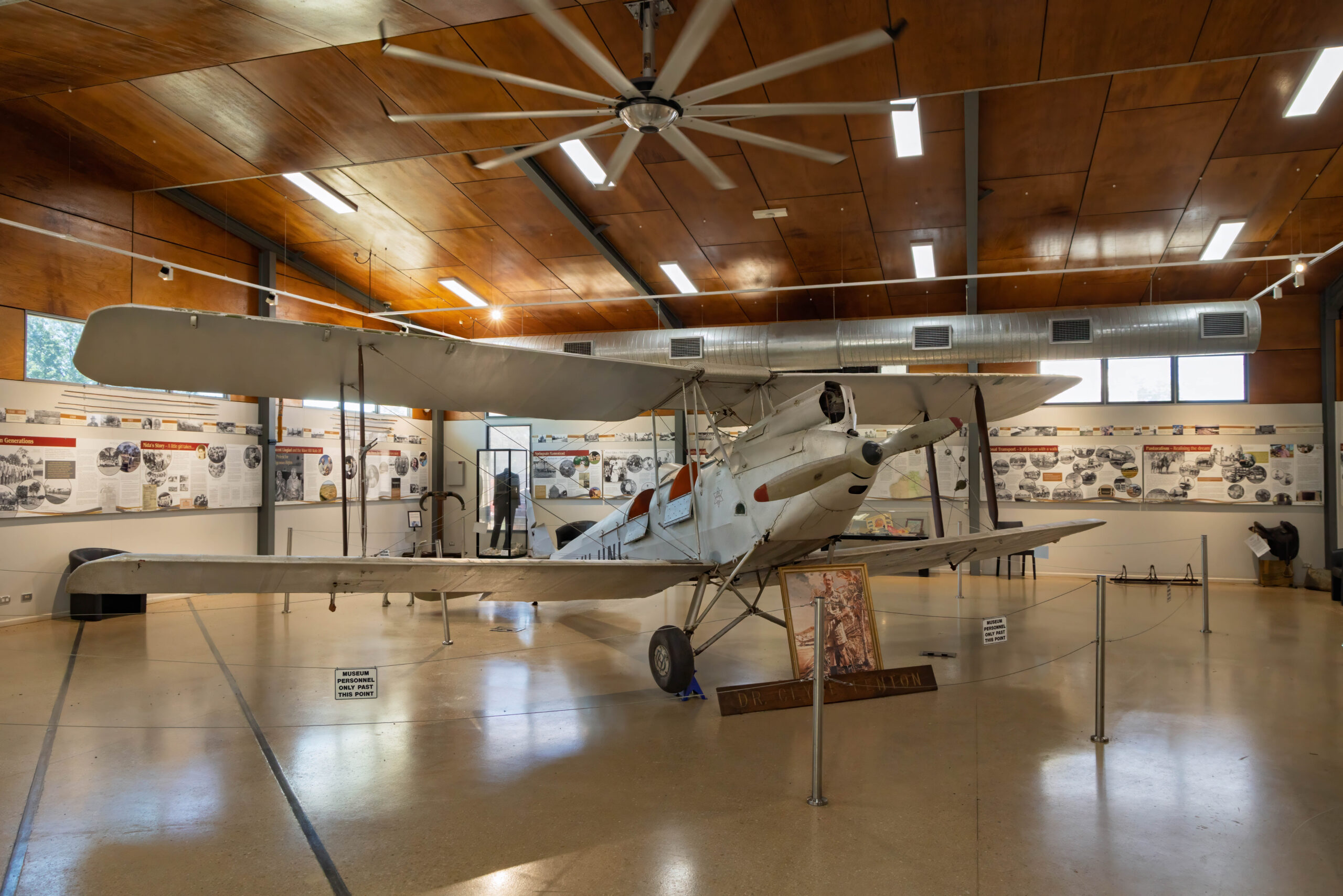
We next made our way across to the shed housing Doctor Clyde Fenton’s De Havilland Gypsy Moth VH-UNI. Clyde Fenton was a doctor who earned his pilot’s licence hoping to join the Flying Doctor Service, but the founder, Reverend John Flynn, had a policy of not using doctors as pilots. Undeterred, Doctor Clyde Fenton privately raised money for an aircraft. In March 1934 he arrived in Katherine as the Government Medical Officer and started an aerial ambulance rescue service that grew into the Northern Territory Aerial Medical Service. From all accounts he was somewhat of a larrikin who crashed his first three planes. The Civil Aviation Department regarded him as a disaster, but to the people of the Northern Territory he was a hero.
So much more information in this shed. There were interpretative boards on all the walls with a wealth of information about Katherine and the Northern Territory. Information about the traditional owners, including several larger than life characters who made their mark on Katherine, the fight by indigenous workers for equal pay and rights and the Stolen Generation. Boards about Jeannie Gunn, famous for her book ‘We of the Never Never’ about her experiences in the bush and remembering the iconic Springvale Homestead, part of Dr W. J. Browne’s pastoral empire.
The explorers of the Northern Territory were remembered; Ludwig Leichhardt, John McDouall Stuart, Augustus Gregory, Alfred Giles, Alexander Forrest, Wentworth D’arcy Uhr, Nat Buchanan and David Lindsay. And then those who came afterwards improving transport and investigating pastoral and agricultural possibilities. More about establishing Katherine, bridging the river, the arrival of the railway and the immigrants who helped shape the township. So much information!
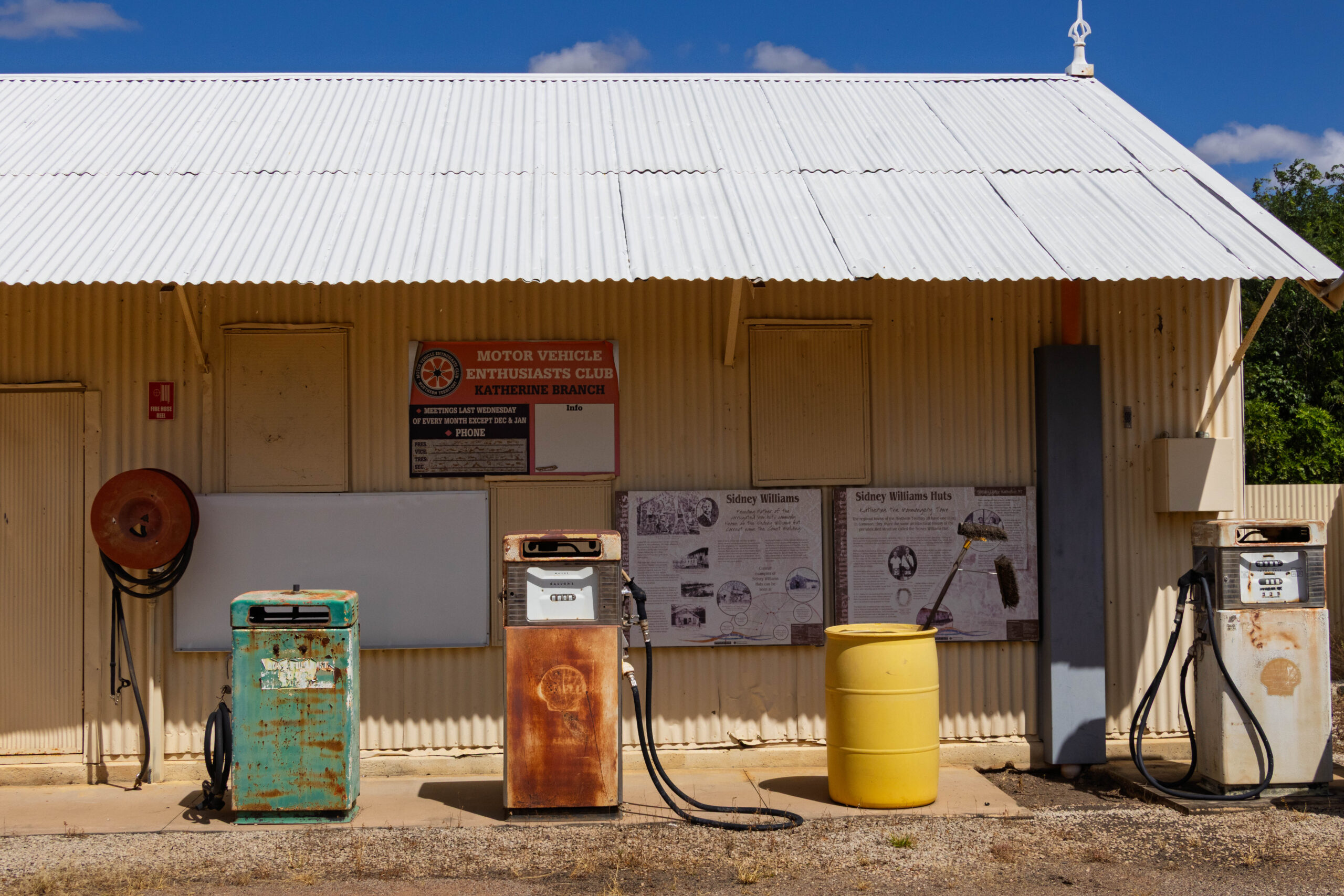
Not done yet, we wandered to the shed housing a military display, which again detailed the extent of the air attacks over northern Australia during 1942-43. There was also a poignant tribute to Wing Commander Ross James Fox who died during a training exercise in 1990. We wandered over to the next shed and learnt about Sidney Williams the father of the corrugated iron hut that became an architectural staple in the establishment of regional towns in the Northern Territory. He christened them the Comet Building, everyone else just called them Sidney Williams Huts.
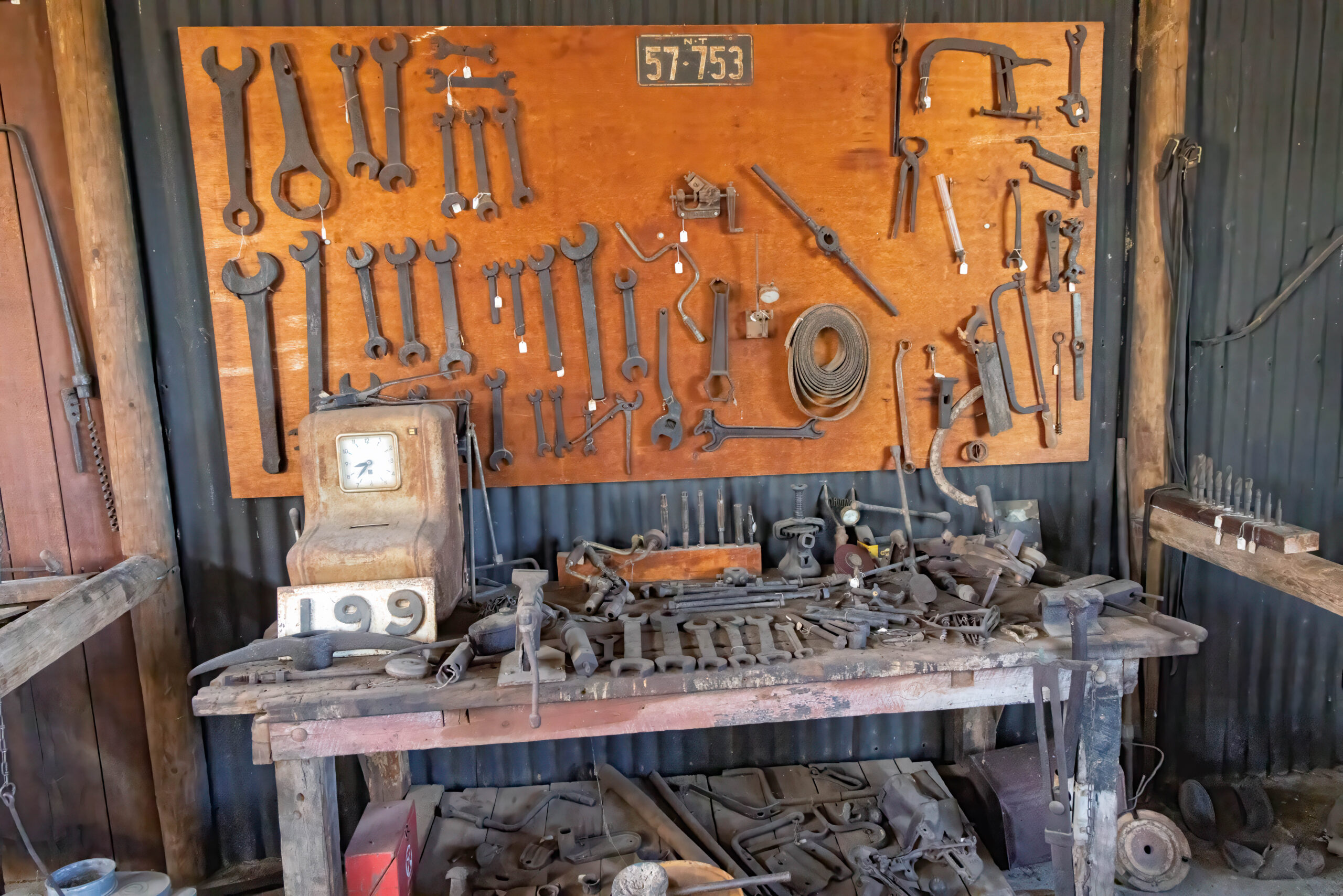
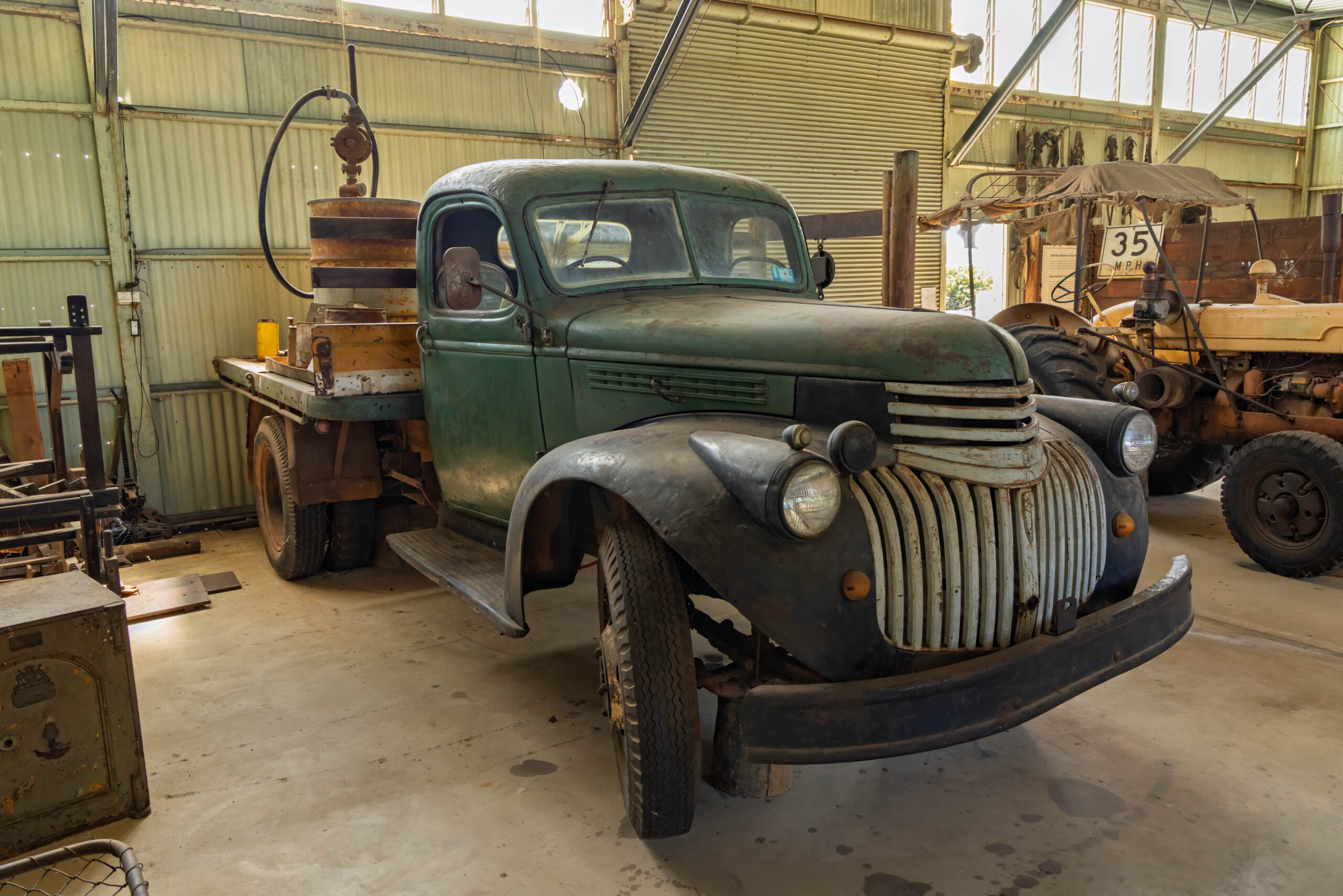
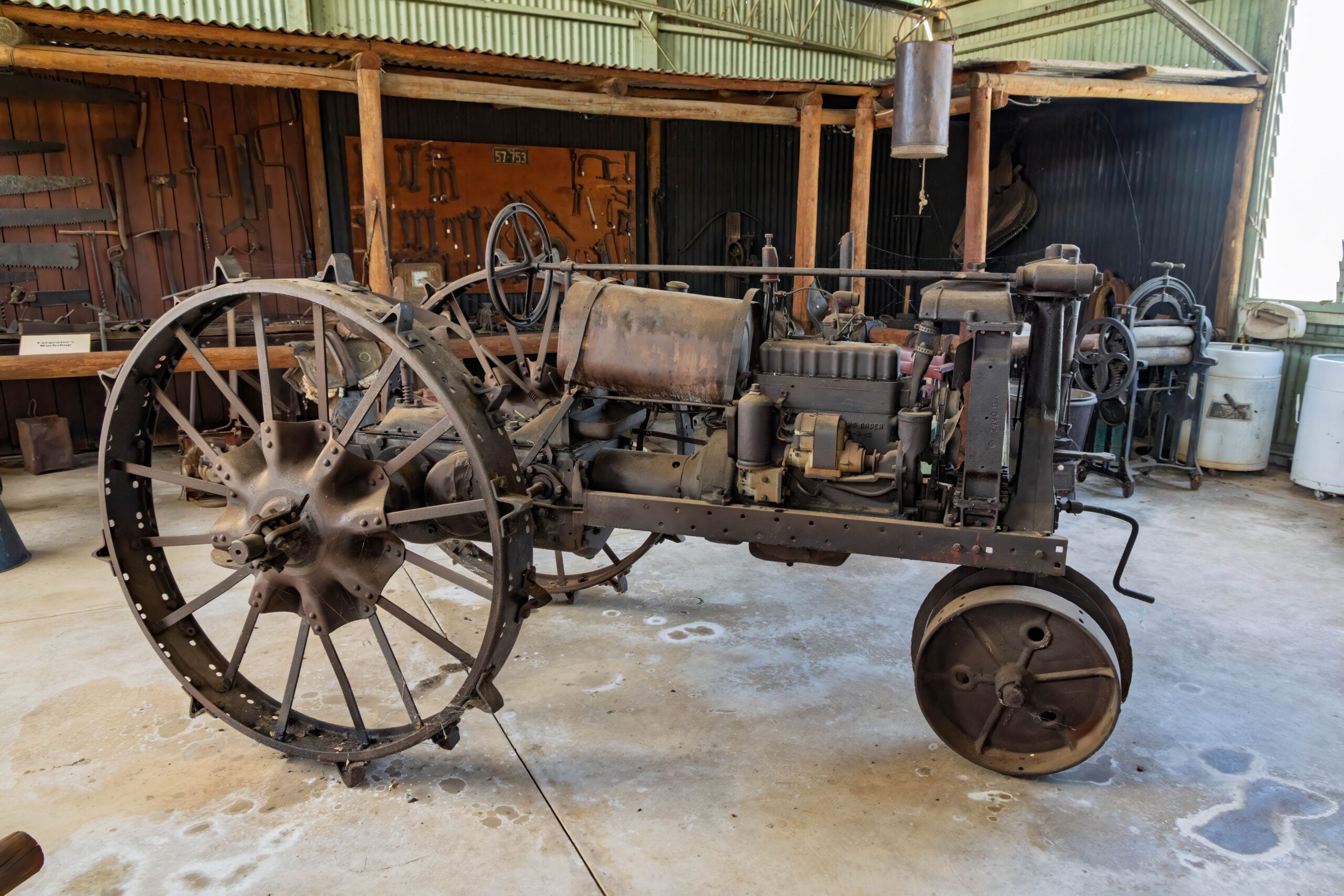
The final shed was Wallie’s Shed, dedicated to Wallace Herbert Christie, one of Katherine’s pioneering citizens who had an extensive love of history and demonstrated his commitment through the collection of historical artifacts, financial contributions and endless volunteer hours at the Katherine Museum. The shed held many interesting items and expanded on the federal government’s attempts to populate the Northern Territory by encouraging small family farming communities growing cotton and peanuts. With limited success in most instances.
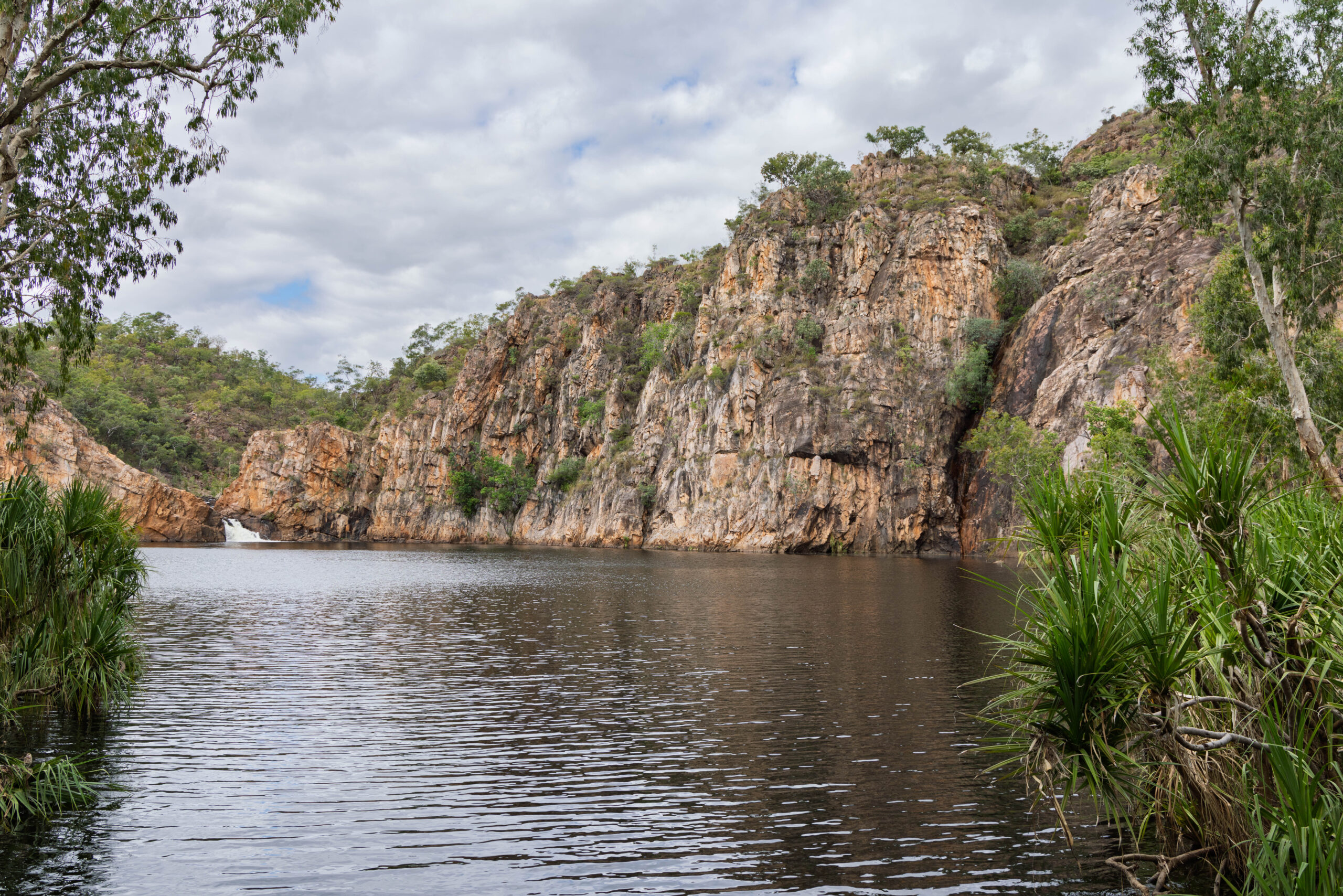
After our visit to this excellent museum, we drove out to the Leliyn (Edith Falls) section of Nitmiluk National Park. We remained unclear about how much of this area would be open, but headed off anyway. Bernie had checked that the kiosk was open, so we arrived in time for lunch. Sort of. Unfortunately, the kiosk didn’t have much to offer and we ended up with two Four’N Twenty sausage rolls and a beef pie. We did have food in the car, but our utensils box was back at our cabin. We could have ripped open a couple of tuna sachets and sucked the contents out I suppose?? But we didn’t, we ate a crappy pie and sausage rolls. We decided we would invest in some bamboo cutlery to keep in the car so, next time we leave the utensils box behind, we will have something with which to eat stuff we have in the pantry box in tins and sachets.
The information board told us that the 2.6 kilometres Leliyn Loop Trail was OPEN. That was a bit unexpected, but our map with everything crossed out was nearly a fortnight out of date. Alright then, even though it is rated Grade 4 – moderate, we’ll give it a go. After all this will be our last day in a Northern Territory National Park before we head for WA.
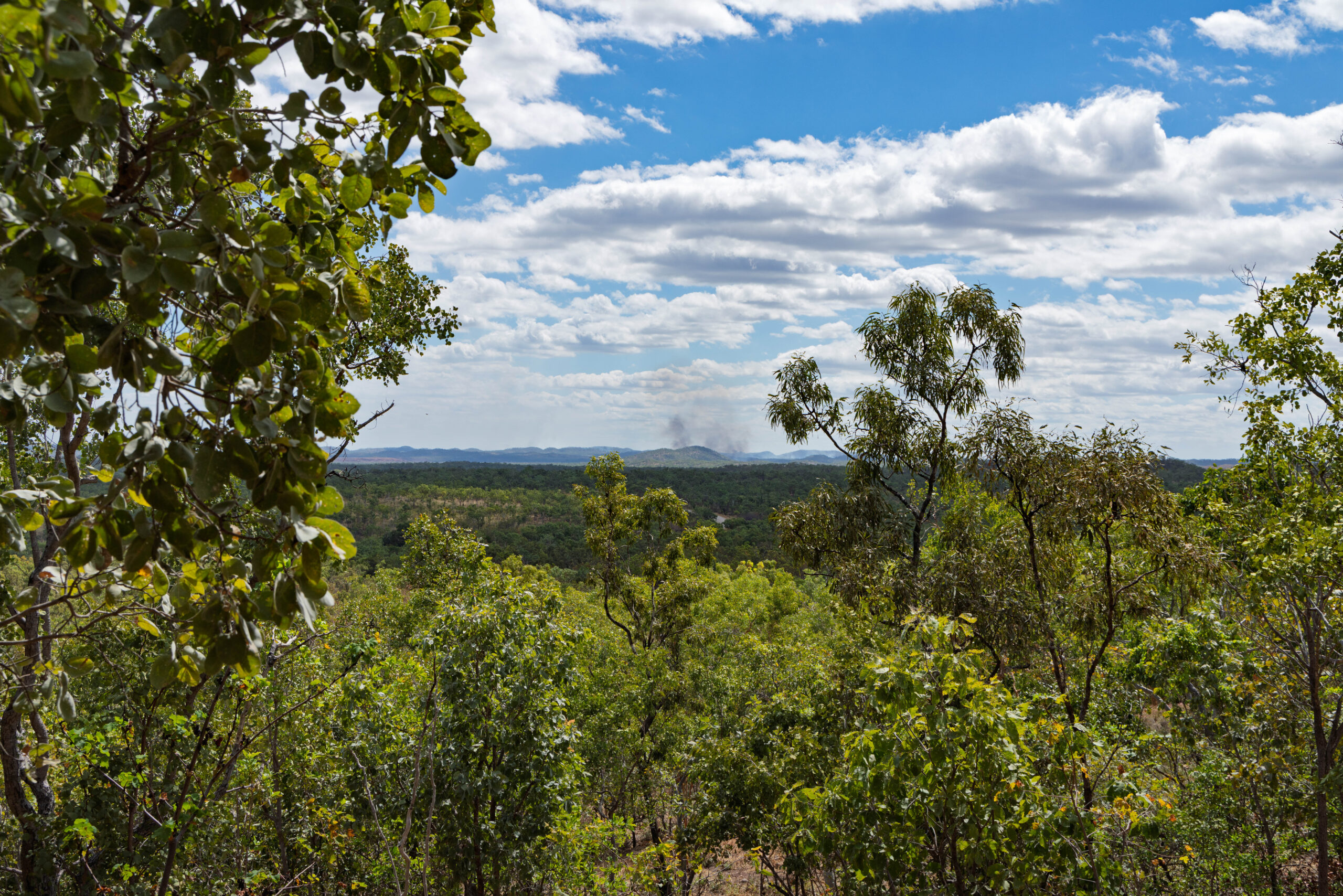
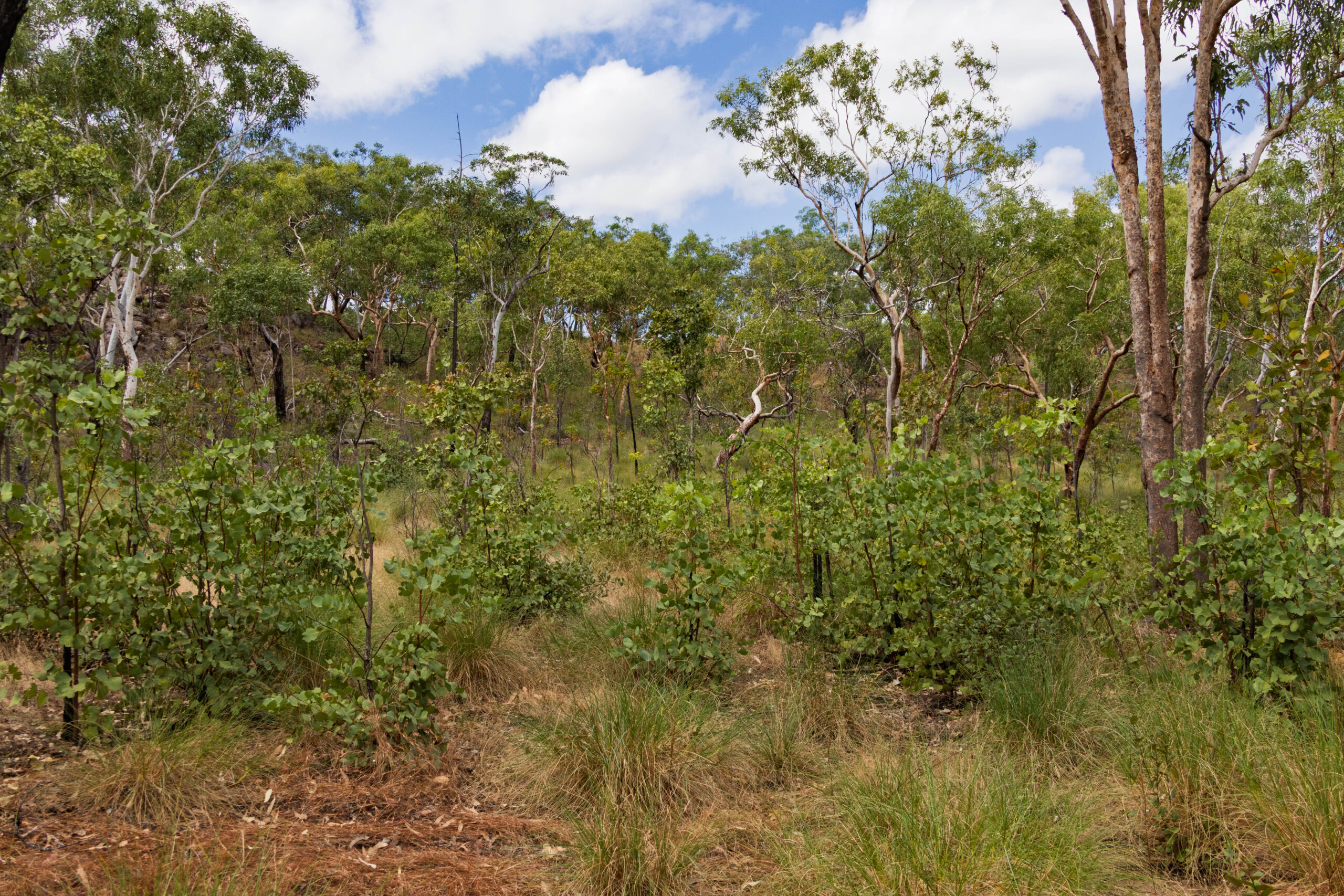
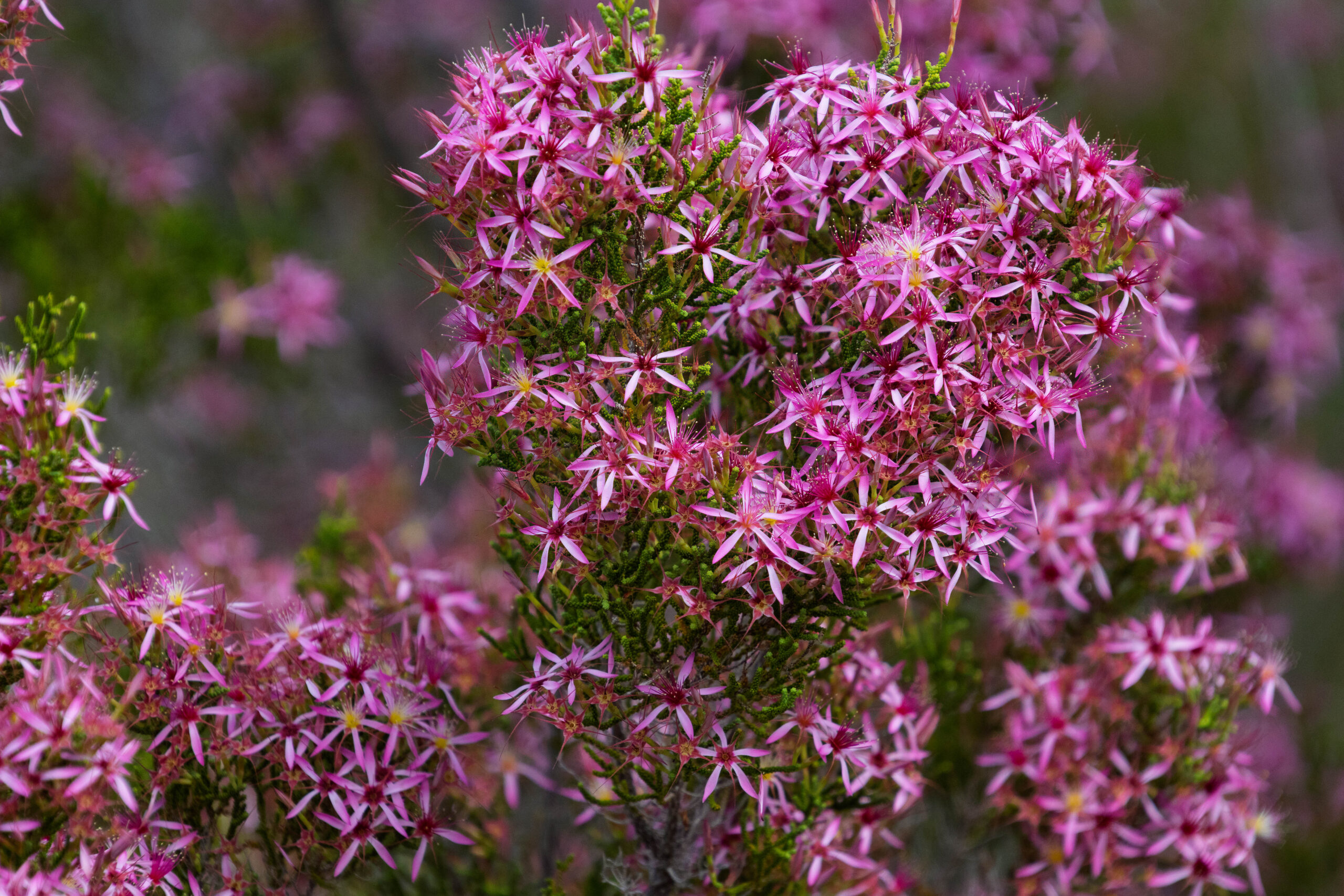
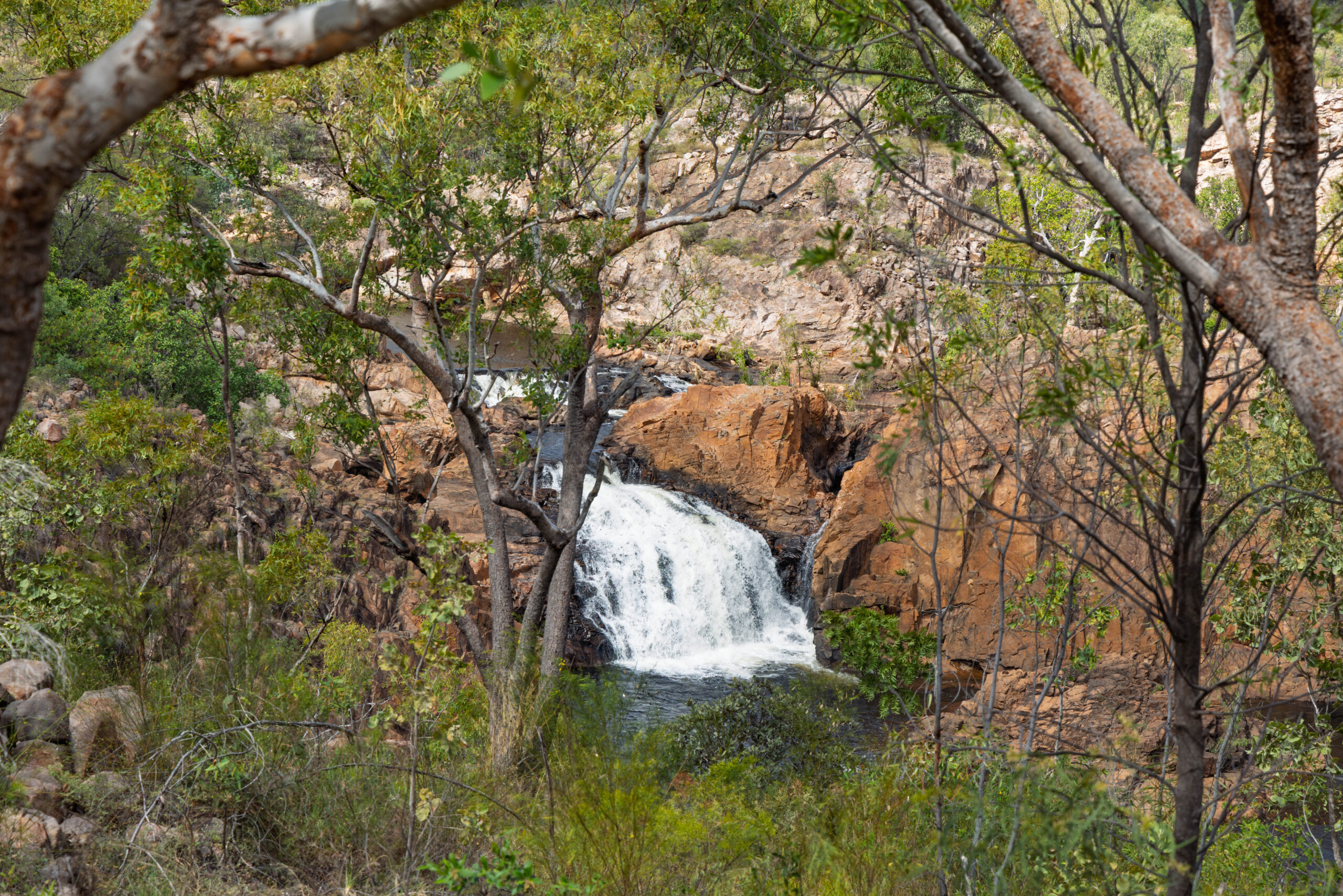
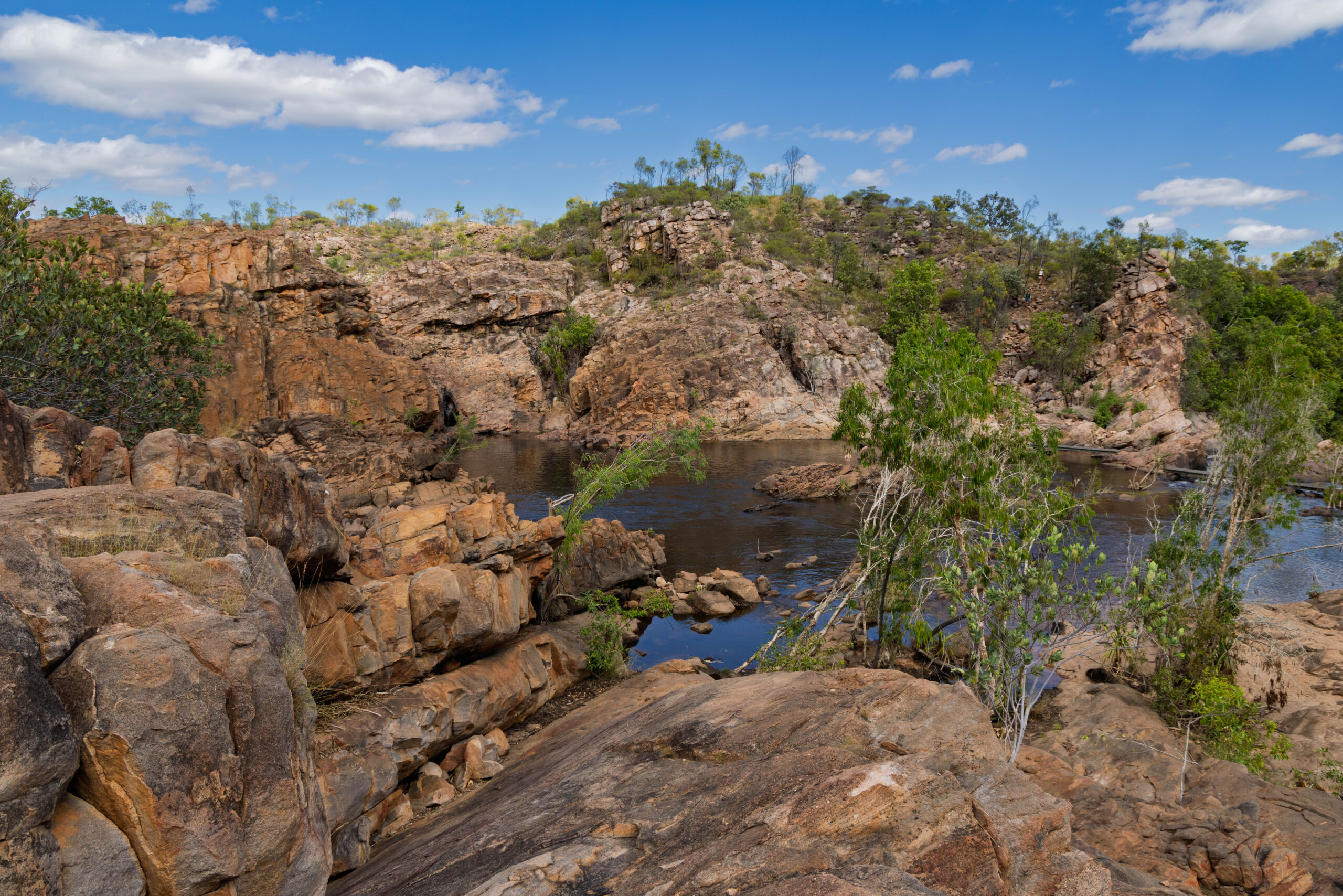
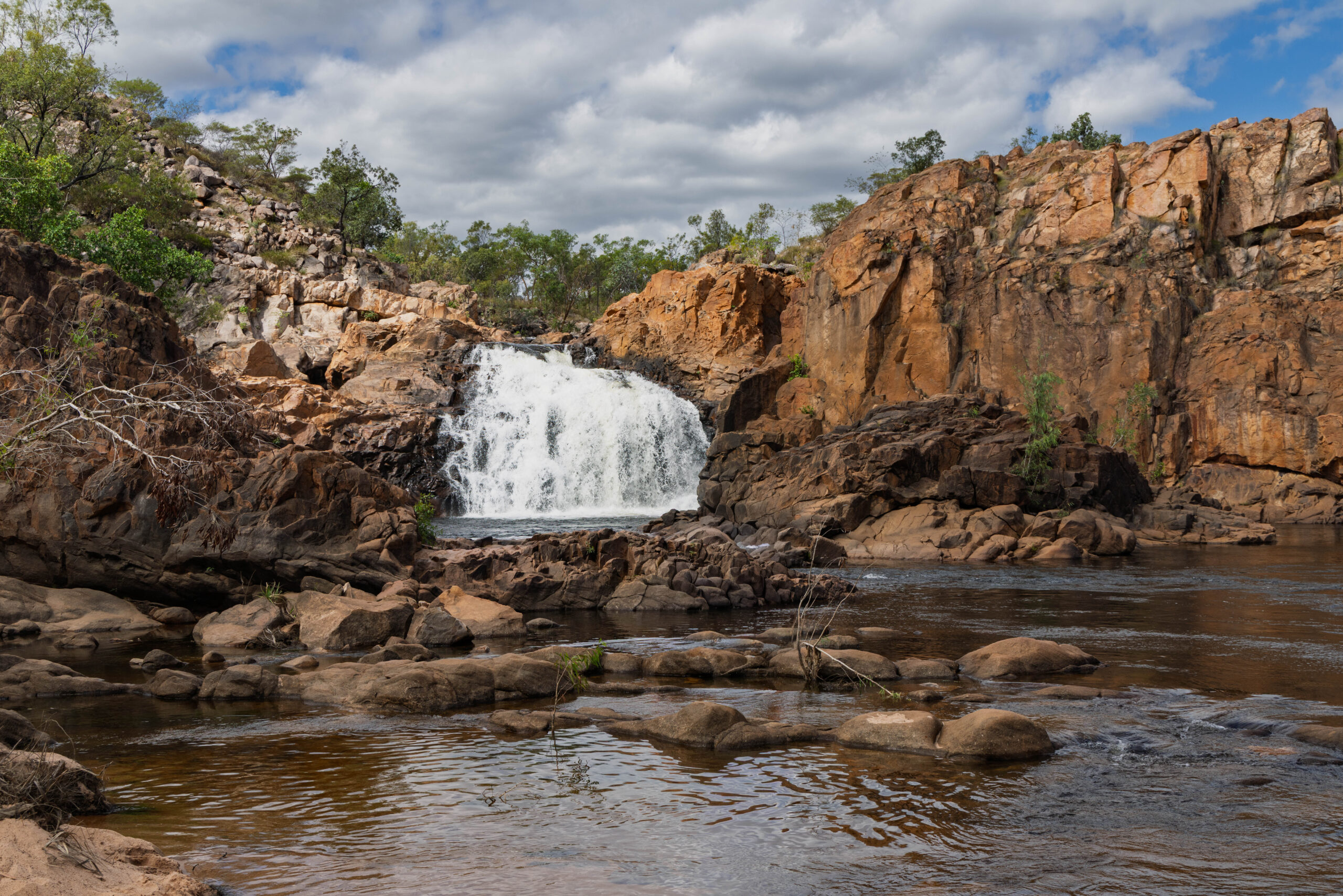
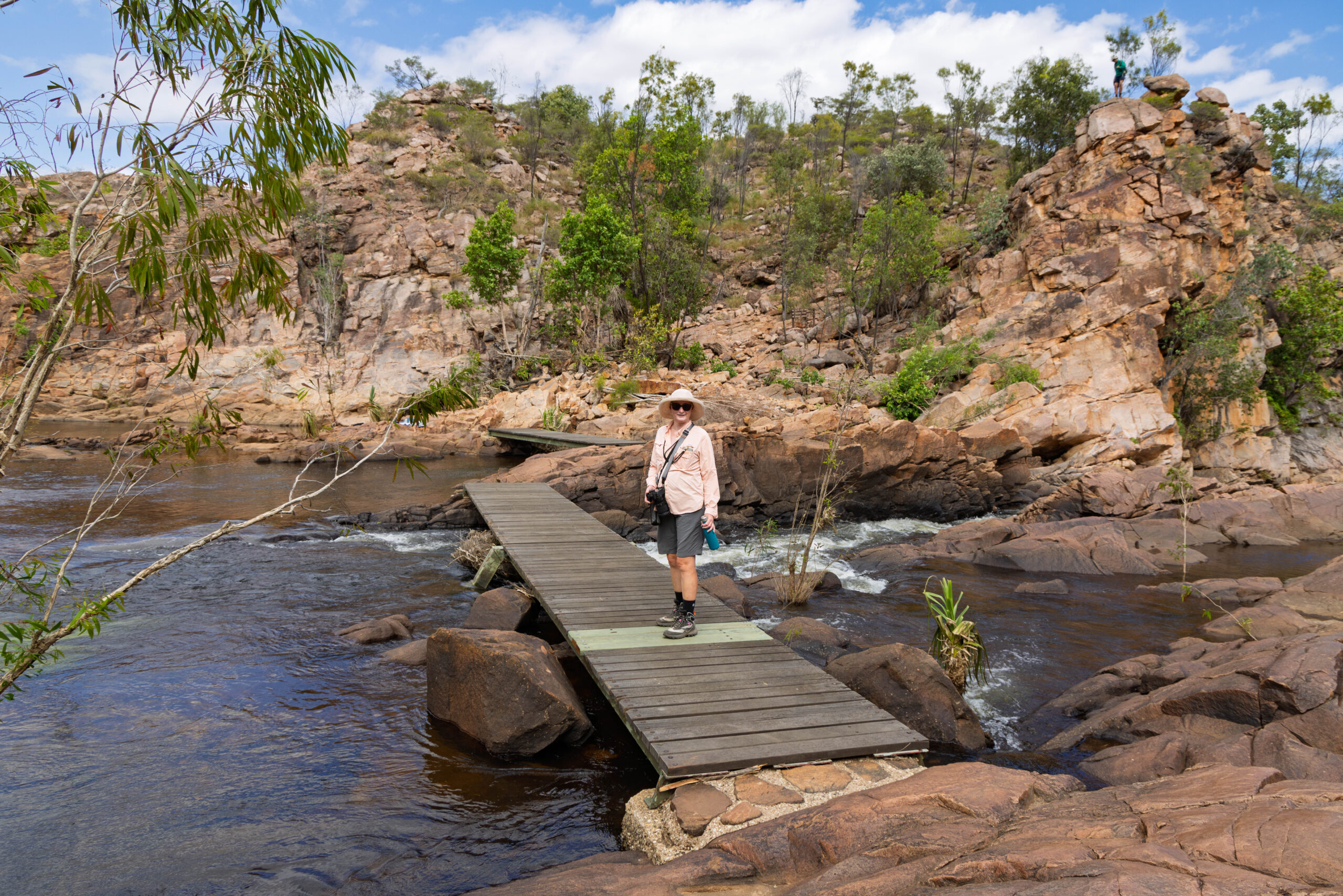
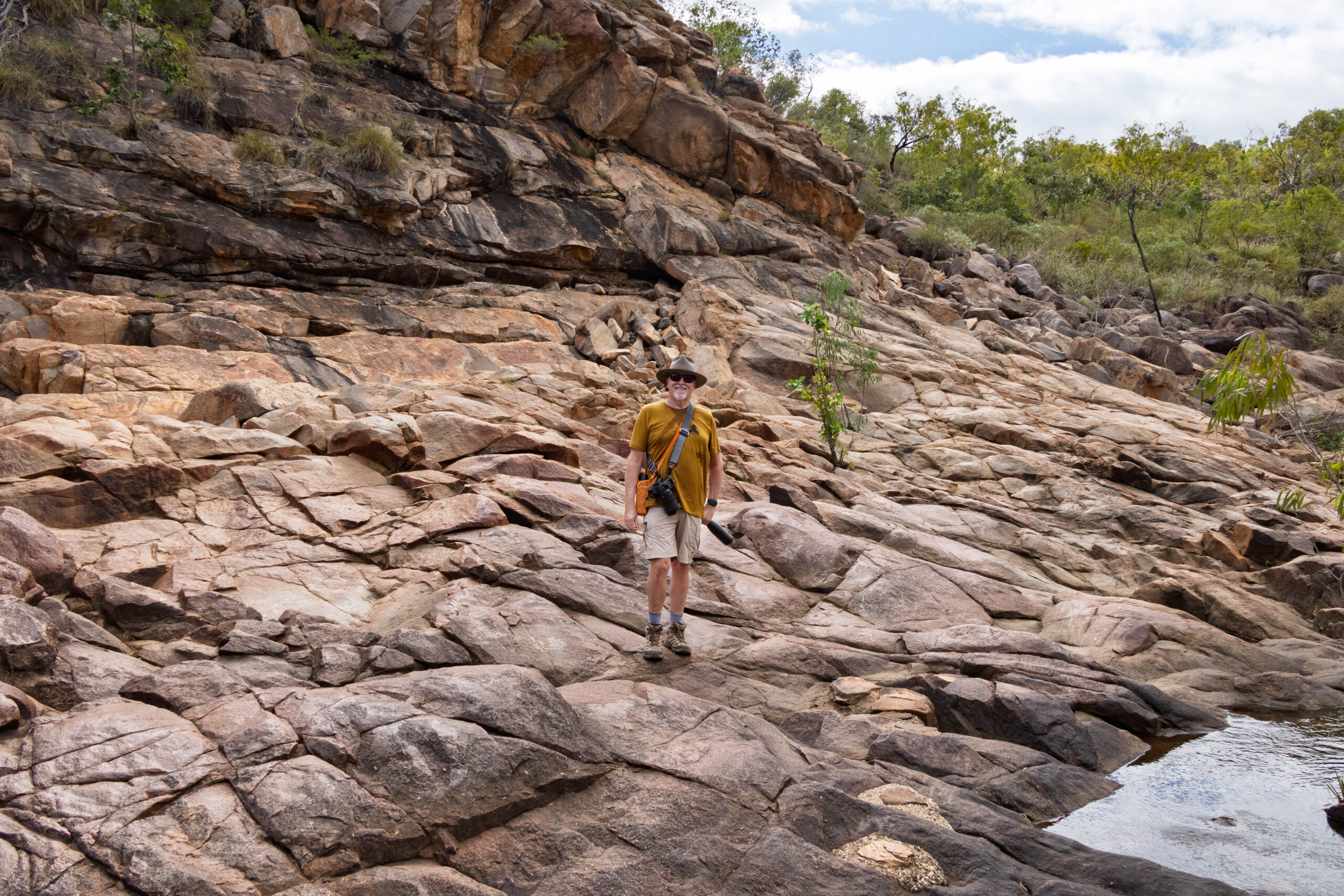
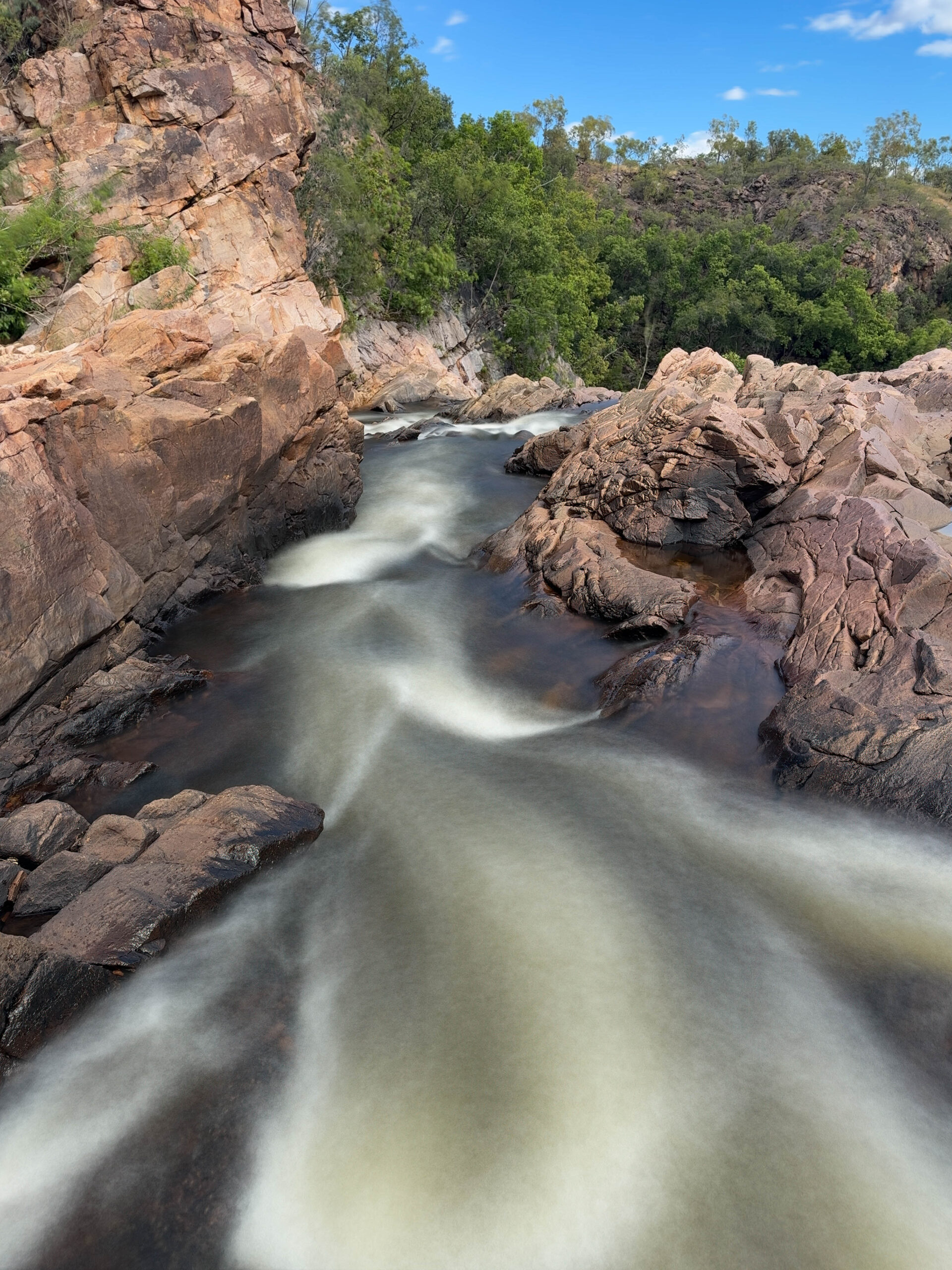
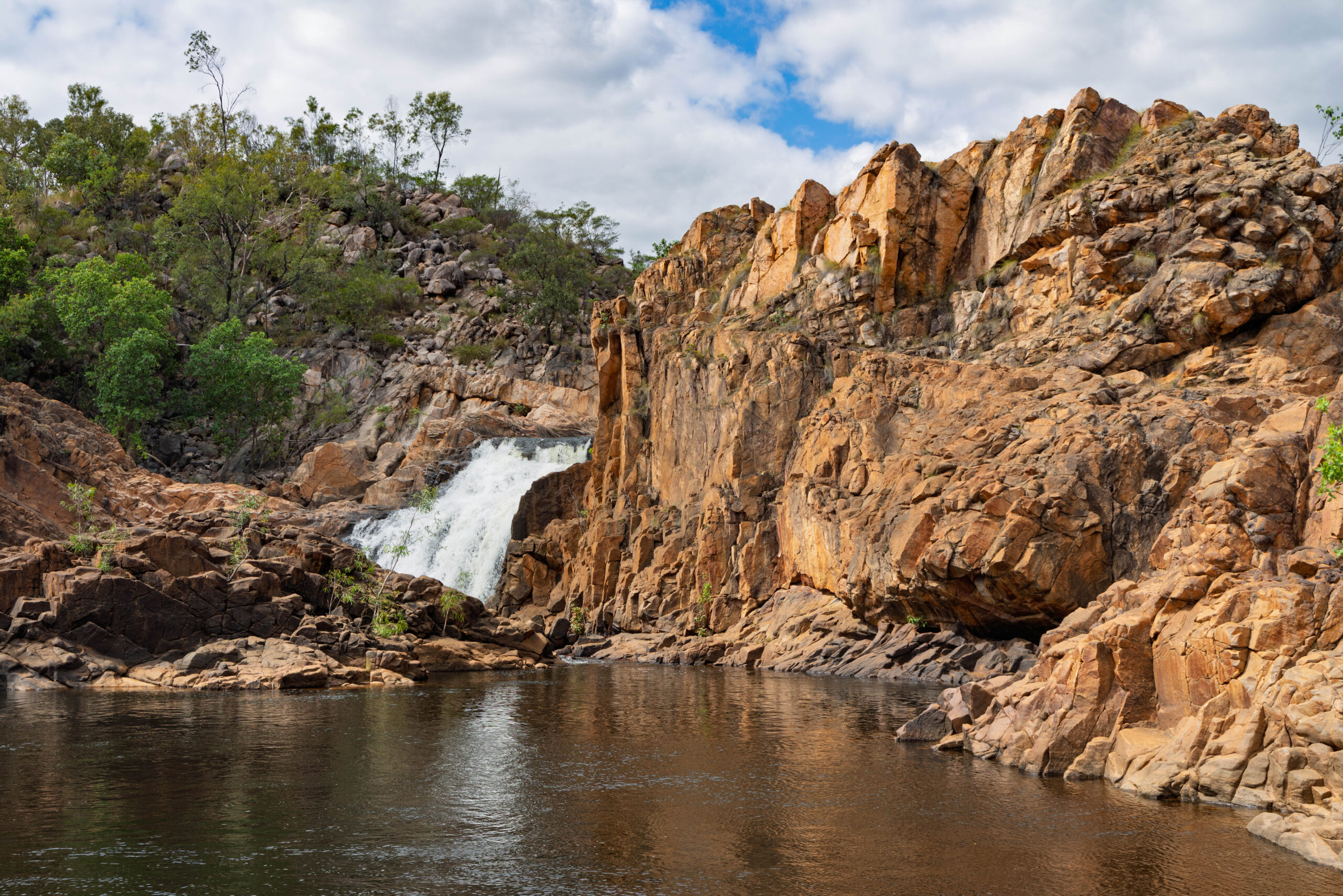
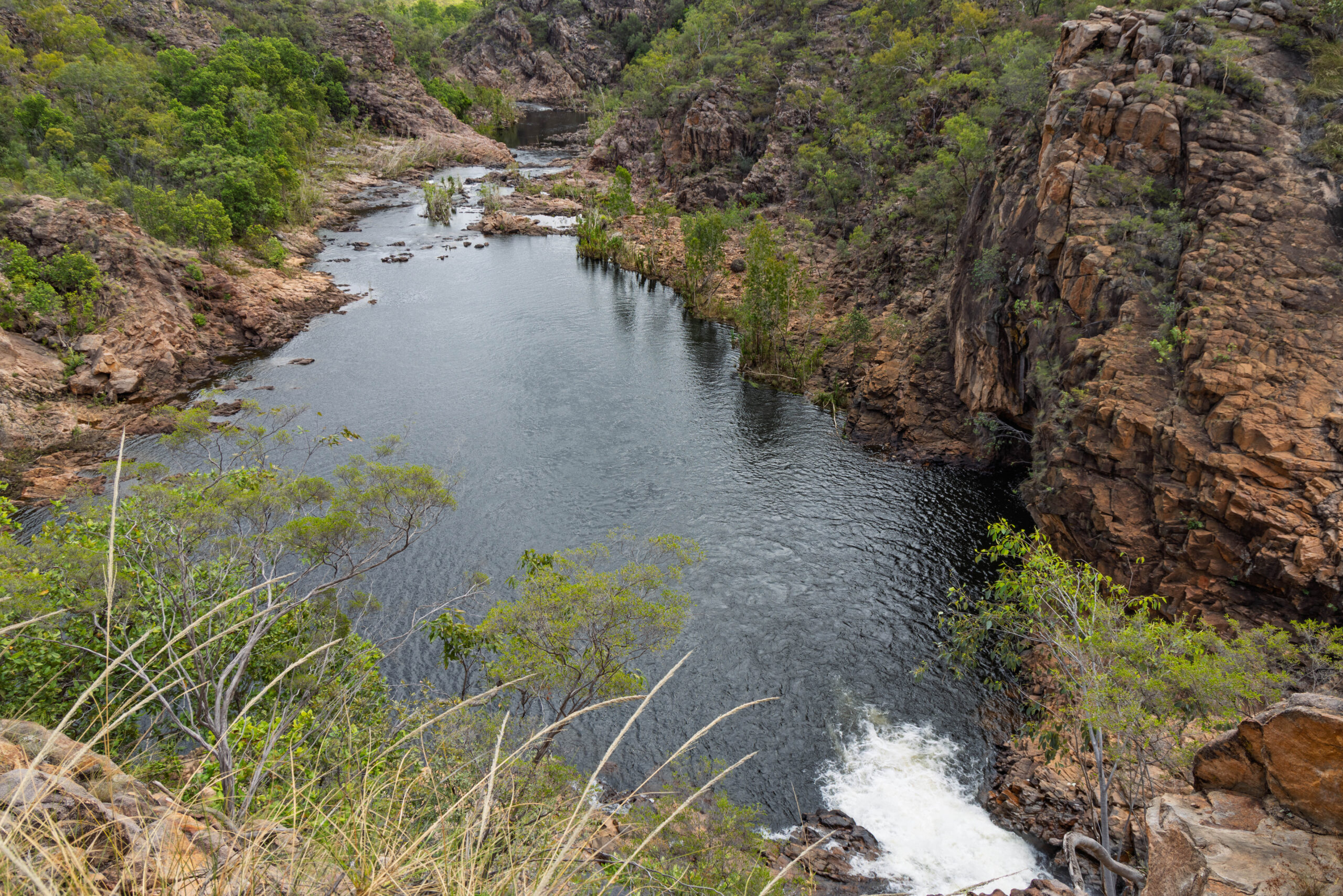
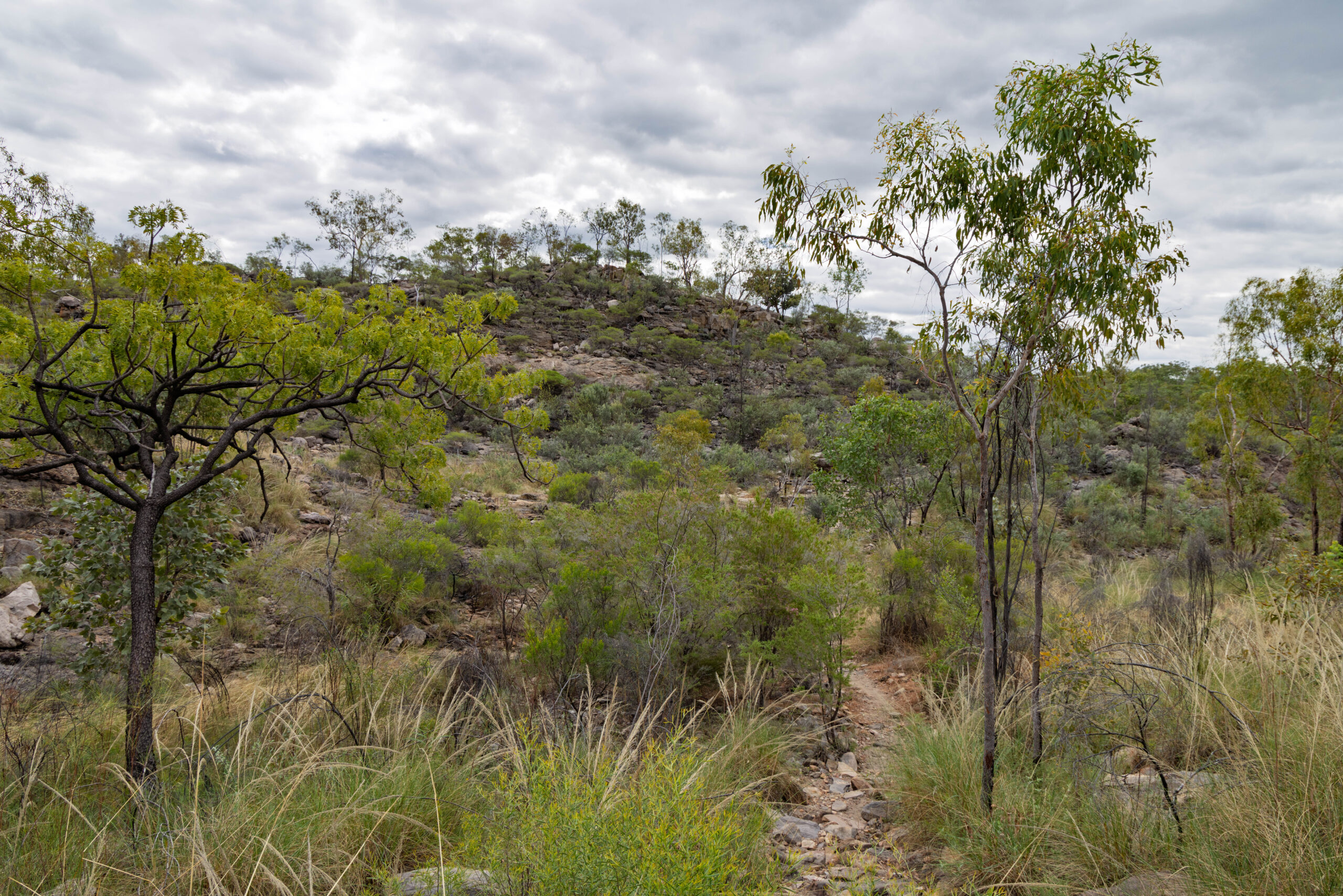
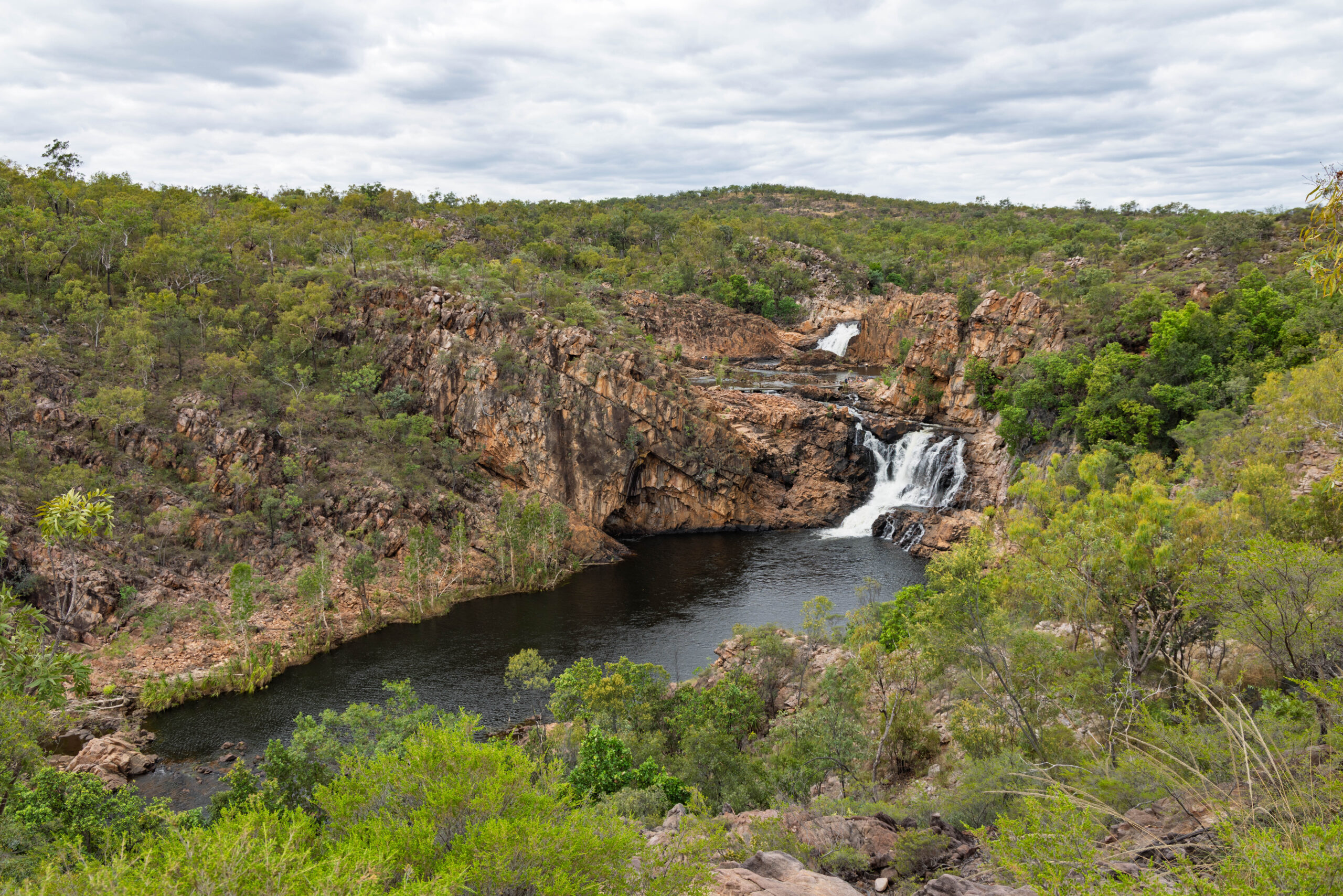
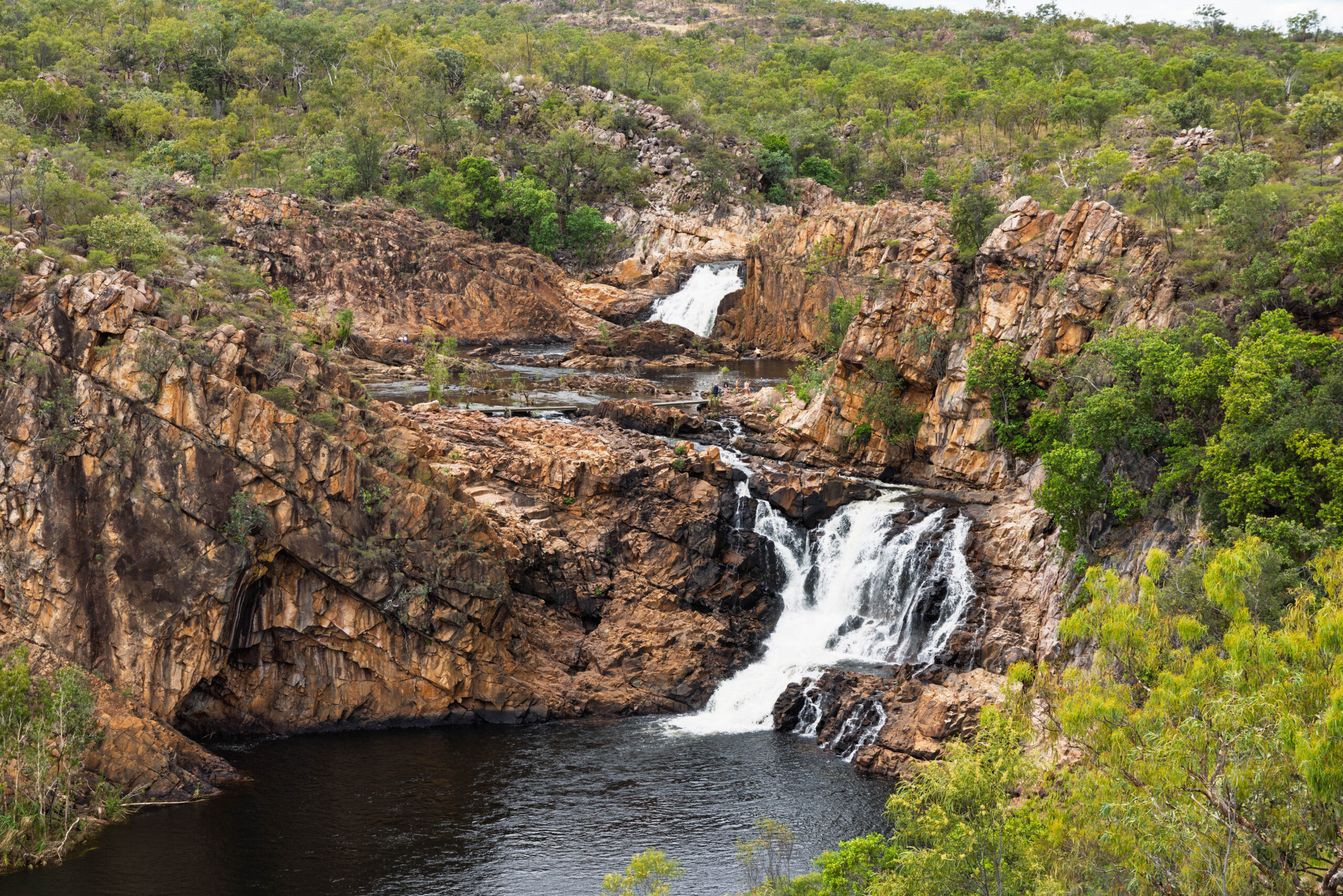
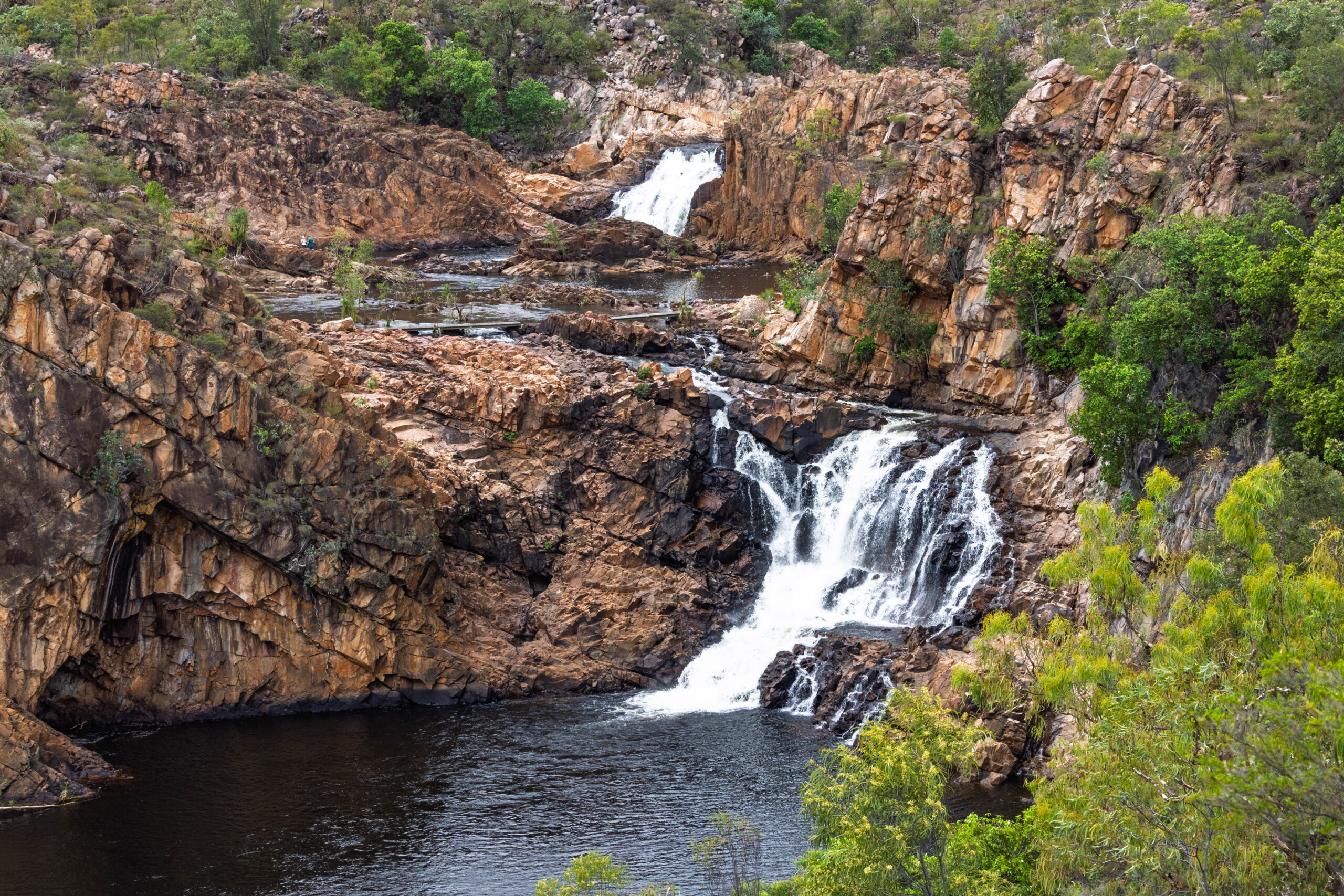
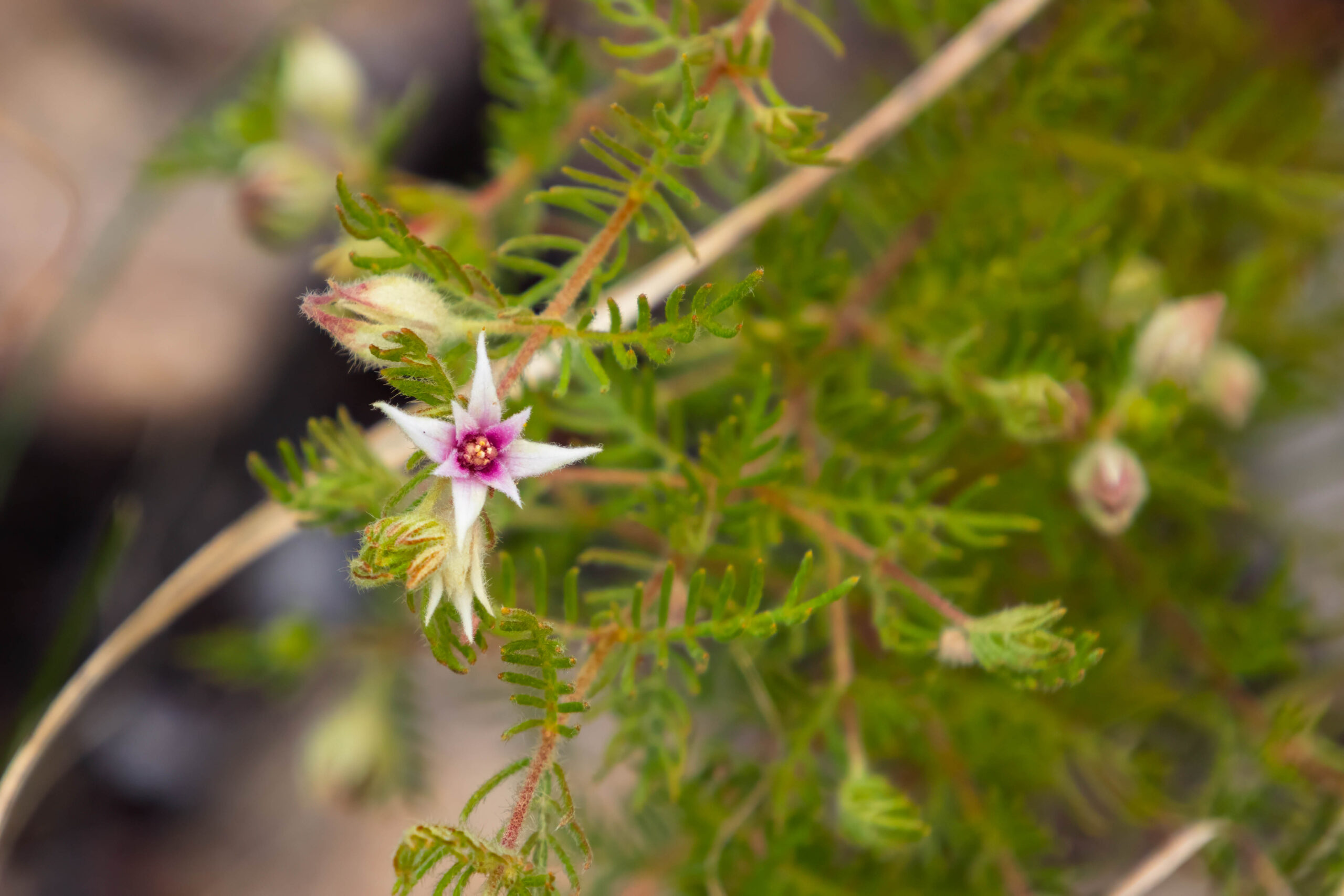
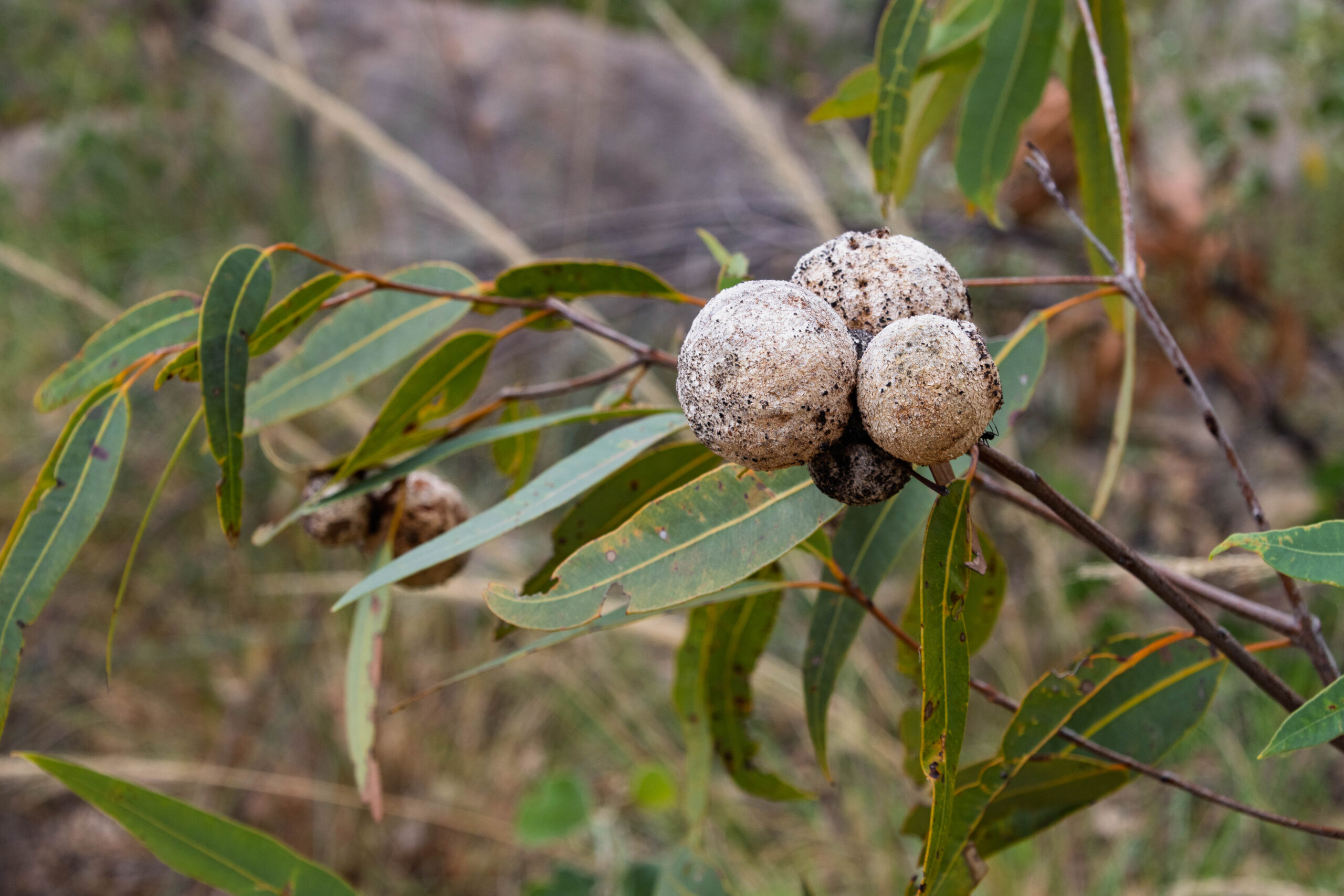
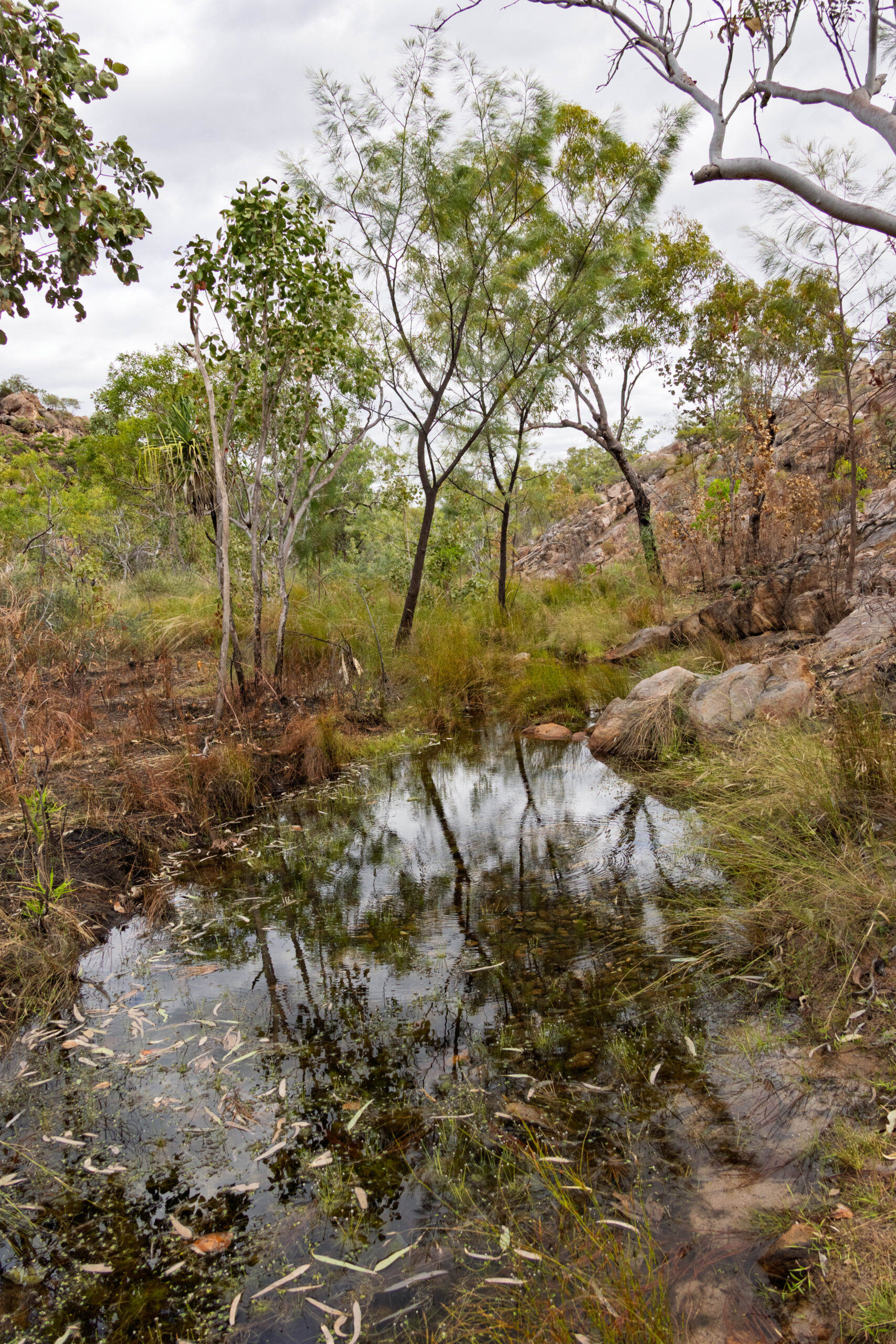
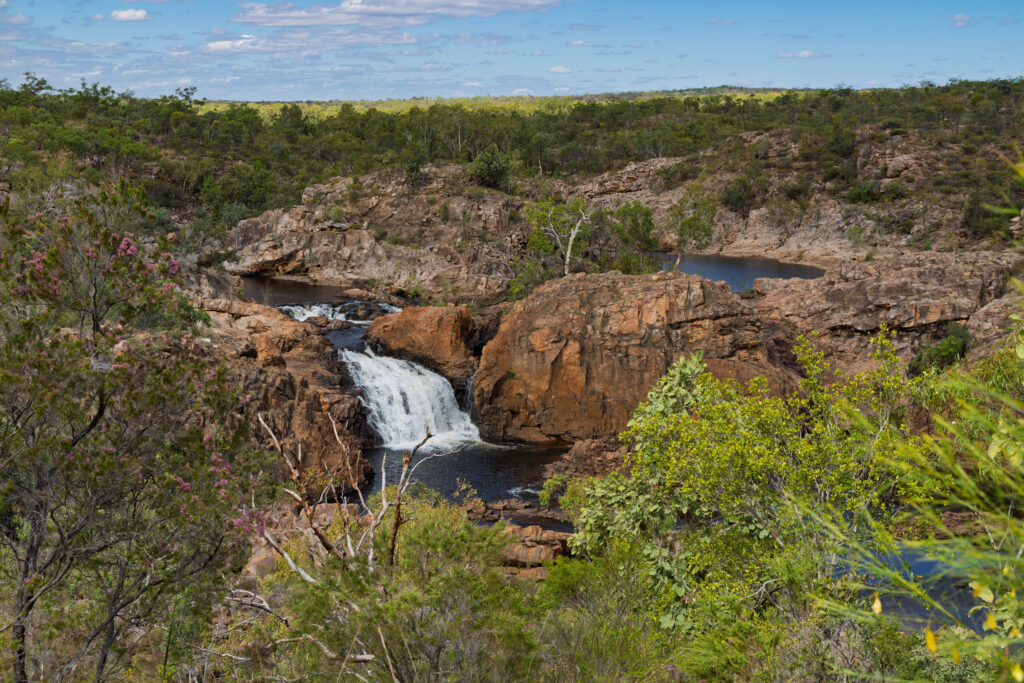
So glad we did this walk! The map showed the Edith Falls Plunge Pool (which is still closed for swimming), a Middle Pool and an Upper Pool. We imagined that the main waterfall would be into the Plunge Pool. However, as it turned out, the falls between the higher pools were much more impressive and we would have missed them entirely without completing the walk. Although rocky and steep in places, the path was really well marked. I said to Bernie that it appeared that the brief was to have every marker within line of sight of the last marker – even if the path itself was clear and obvious. Bernie joked that someone over ordered the markers so … they just used them all up. The walk also featured a couple of amazing lookouts, which made the hike totally worth the effort.
We drove back to Katherine and saw another wedge-tailed eagle feasting on road kill on our way. When we drove up, we drove through a smoky patch where they were doing a controlled burn. These controlled burns attract the whistling kites, who have learnt to be ready for small animals fleeing the fire. In fact, we read or were told somewhere along the way, that the kites will even pick up embers to drop them somewhere else to start a new fire that will result in more food fleeing towards their waiting beaks.
Arriving back in town, Bernie pulled the truck in at the Ampol servo to top up the tank ready to Go West tomorrow. Unfortunately, there were no Splices in the freezer. We are suffering from Splice withdrawal. Yesterday at Splice o’clock, we opened the freezer compartment of the mini-fridge in our cabin, only to discover that the six remaining Splices in our box from the supermarket were liquid. Sad faces!
Since we didn’t swim out at Leliyn, we made use of the pool at the Discovery Park. After our hot, sweaty hike, it was very refreshing and, even better, we had it to ourselves. Nice.
After freshening up, we drove to the Katherine Club for dinner. Even though it wasn’t Steak Night tonight, we paid full price for steaks. It was much quicker than last night’s pork chop fiasco, ha, ha. And the bonus was, no washing up.
Steps: 9,313 (5.85kms)