Thursday, 14 May 2026
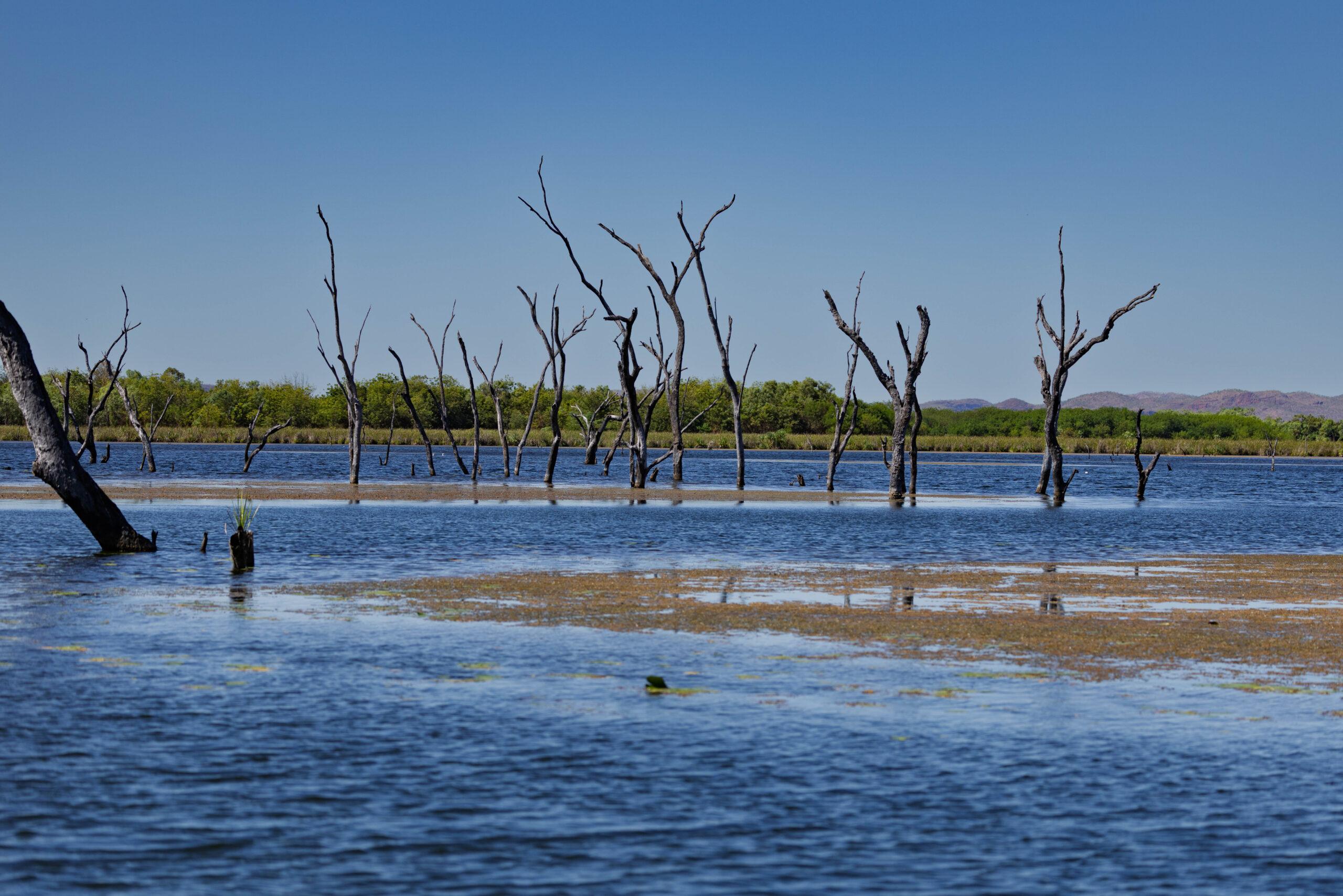
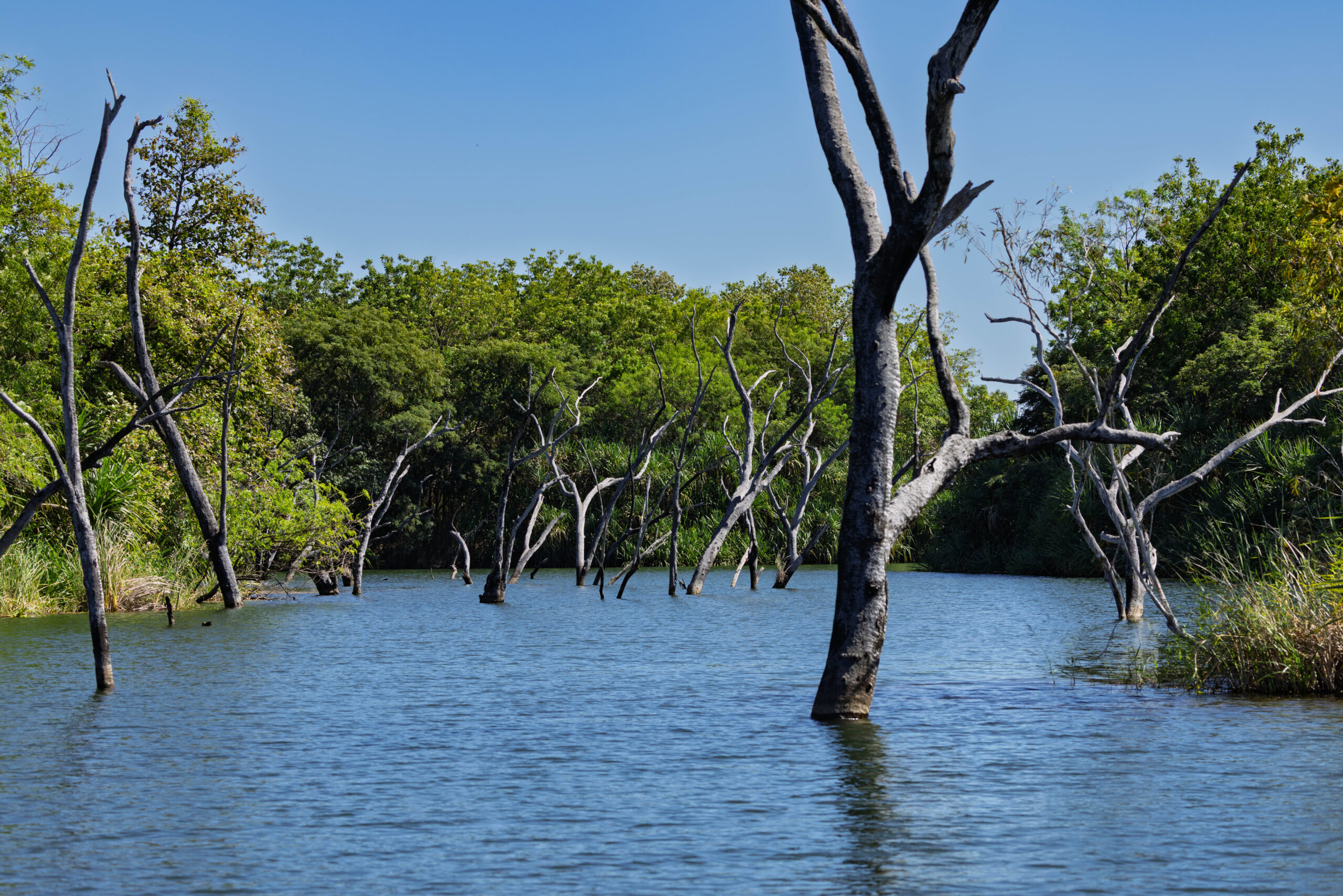
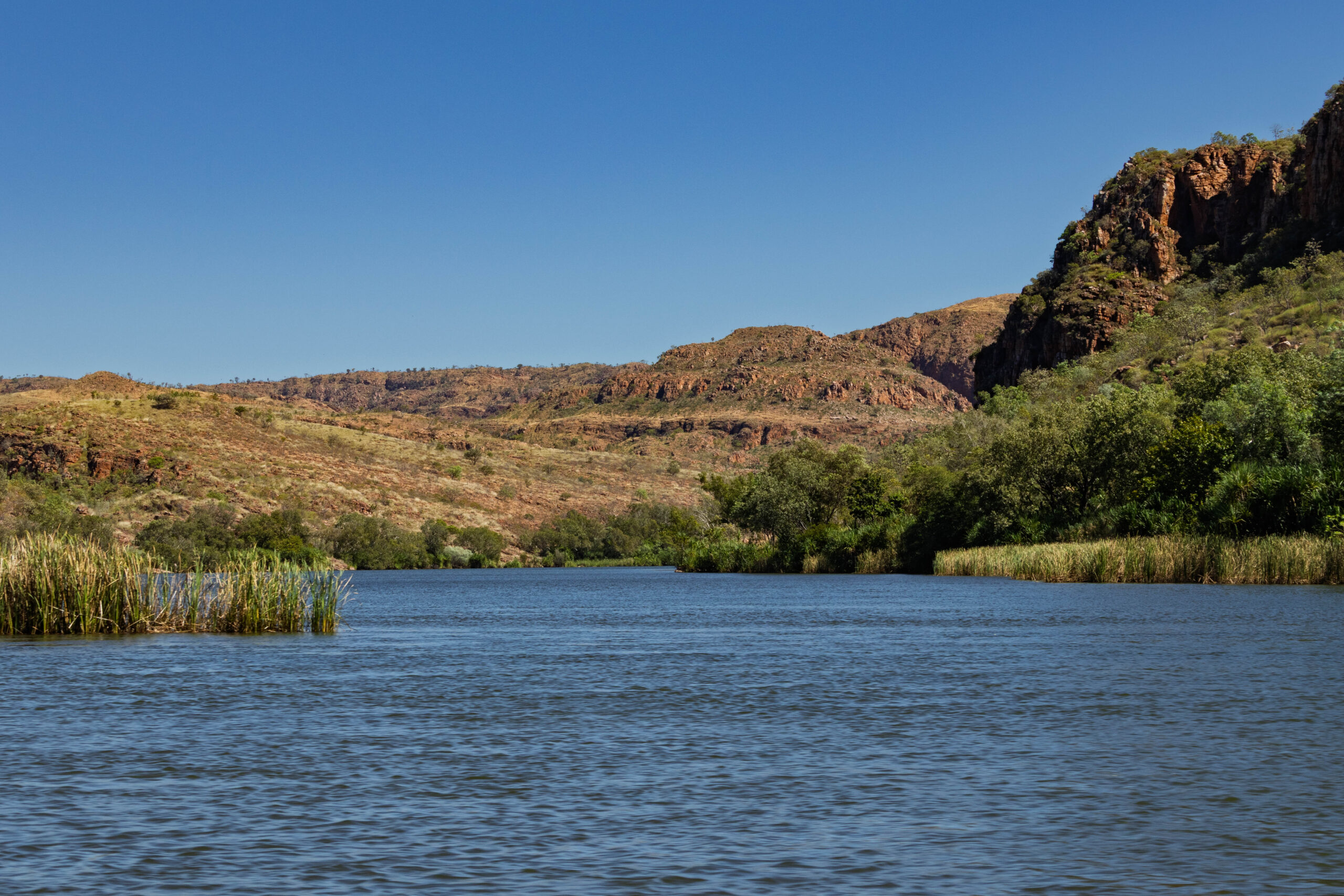
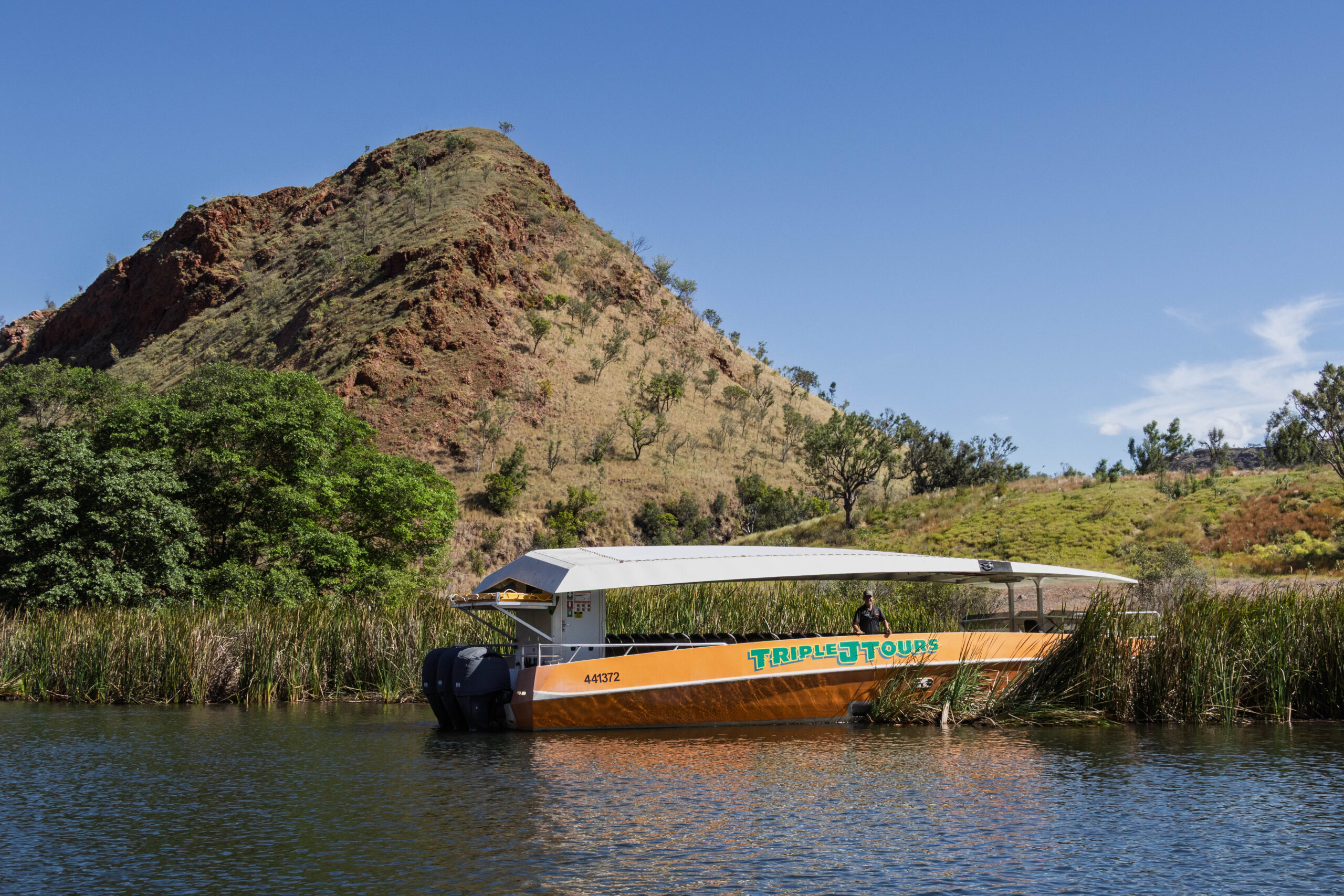
We had a big day today with a cruise on the Ord River with Triple J Tours. Our orange boat arrived about 9.15am, with driver and guide, Will, at the helm. Before we headed upriver, Will guided the ‘Osprey’ into Packsaddle Lagoon. Normally, it is only the sunset BBQ tours that go into the lagoon but Will had sought permission from the boss to take us in this morning. While we were there, Will pulled down a map of the area and explained to us where we would be cruising this morning.
He also gave us some facts and figures about the dam and the agriculture that it supports. Basically, the dam ensures that there is A LOT of water to grow lots of cotton … and some mangoes. Another passenger asked about the swimmer?? Will was able to tell us that there was an Irish guy who swam the 55 kilometres from the dam wall to Kununurra. Why? Because that’s what he does. Goes around the world setting or breaking records for swimming various bodies of water.
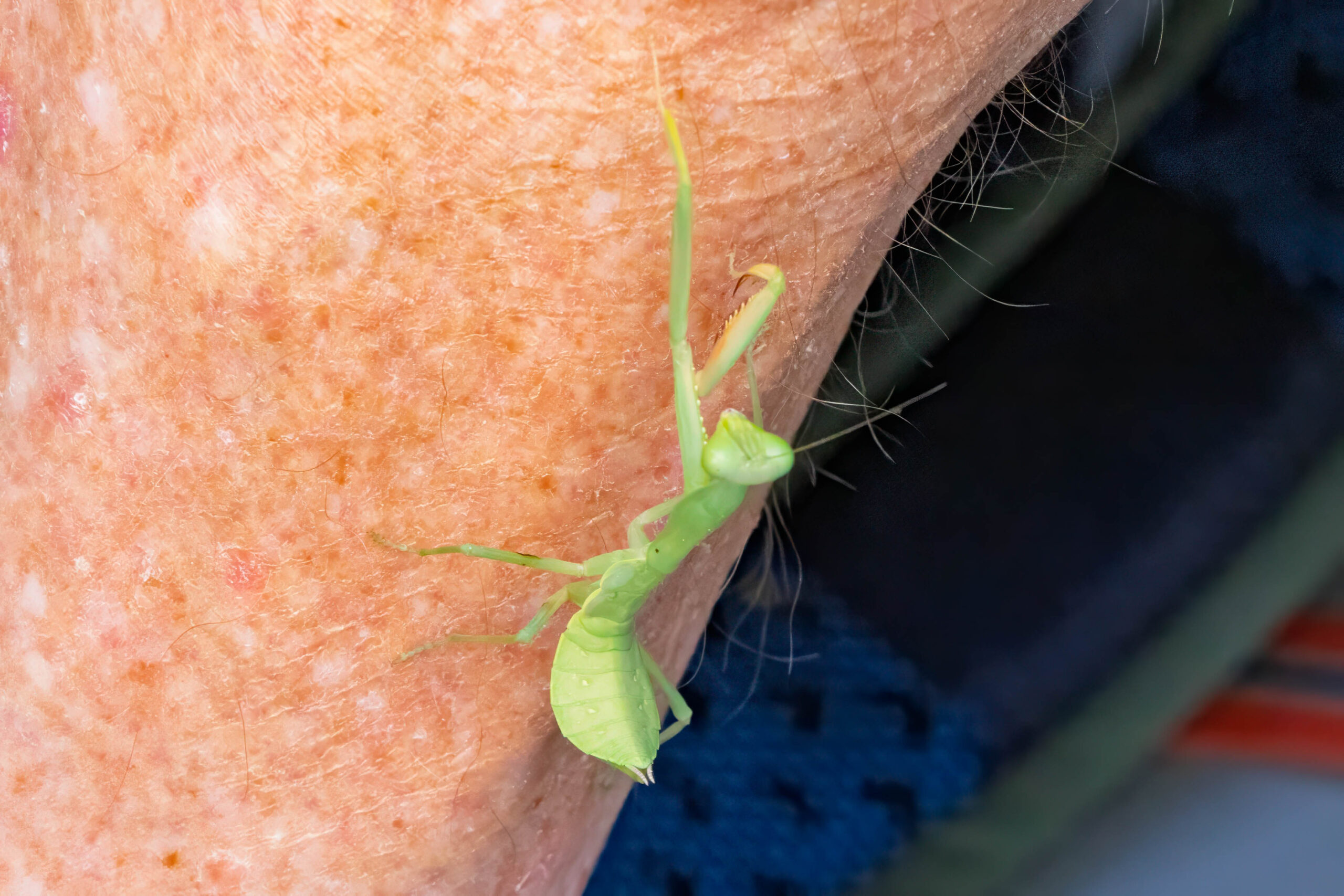
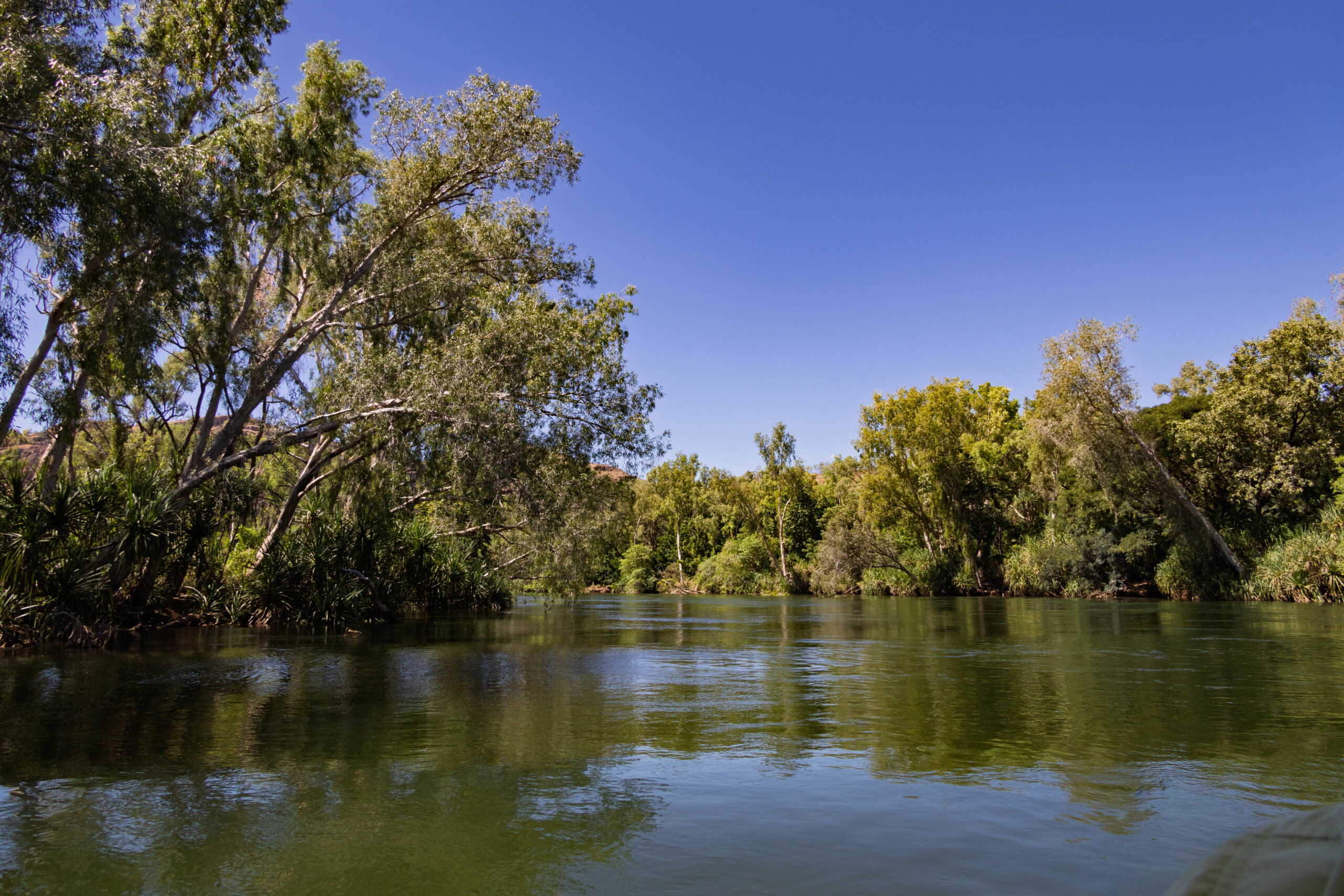
As we had cruised into the Packsaddle Lagoon, we passed very close to a few trees on our side of the boat. As Will talked, Bernie noticed that he had picked up a little friend. A praying mantis was perched on his leg, then crawled up to his shirt and sat on his shoulder. As we started cruising back out to Lake Kununurra, it climbed out onto the rail of the boat. I called out to Will to say we had a praying mantis on board and asked if we could deposit it on a tree on our way out. He said, nah, it can come and have lunch with us at Echo Point.
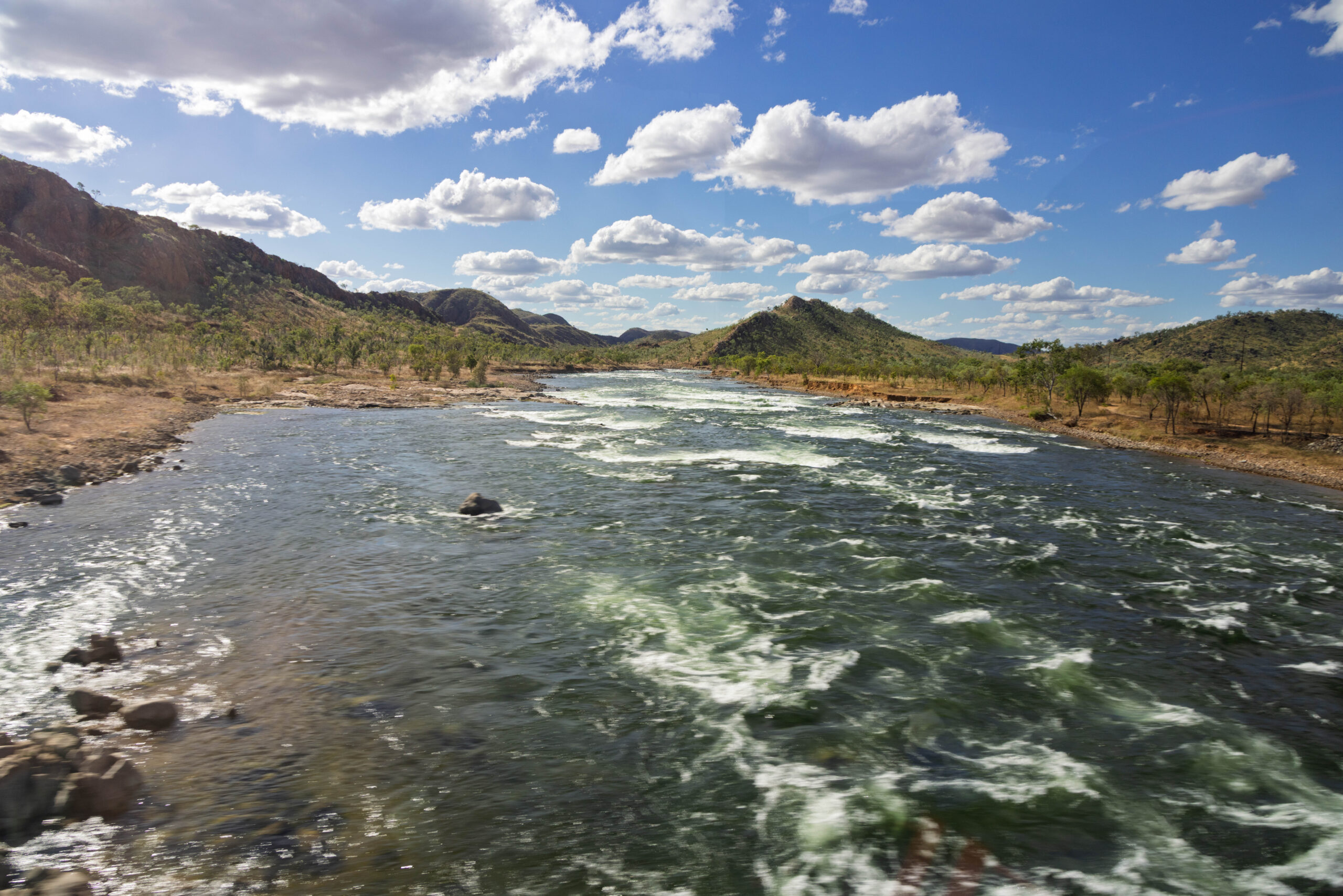
Back out on the lake/diversion dam, Will opened the throttle and we started heading upriver. We all had to either hang on to our hats or put them away, so that we didn’t lose them. Bernie couldn’t keep his Akubra or his alternate bucket hat on his head, so he had to resort to putting his head sock on. Actually it’s one of those tube things that you can wear as a neck warmer or a face protector or a beanie. He carries it in his camera bag all the time so it was lucky he had it to protect his head from the sun. Not far out of town, Will pointed out Buddha Rock to us, which does look remarkably like a reclining Buddha.
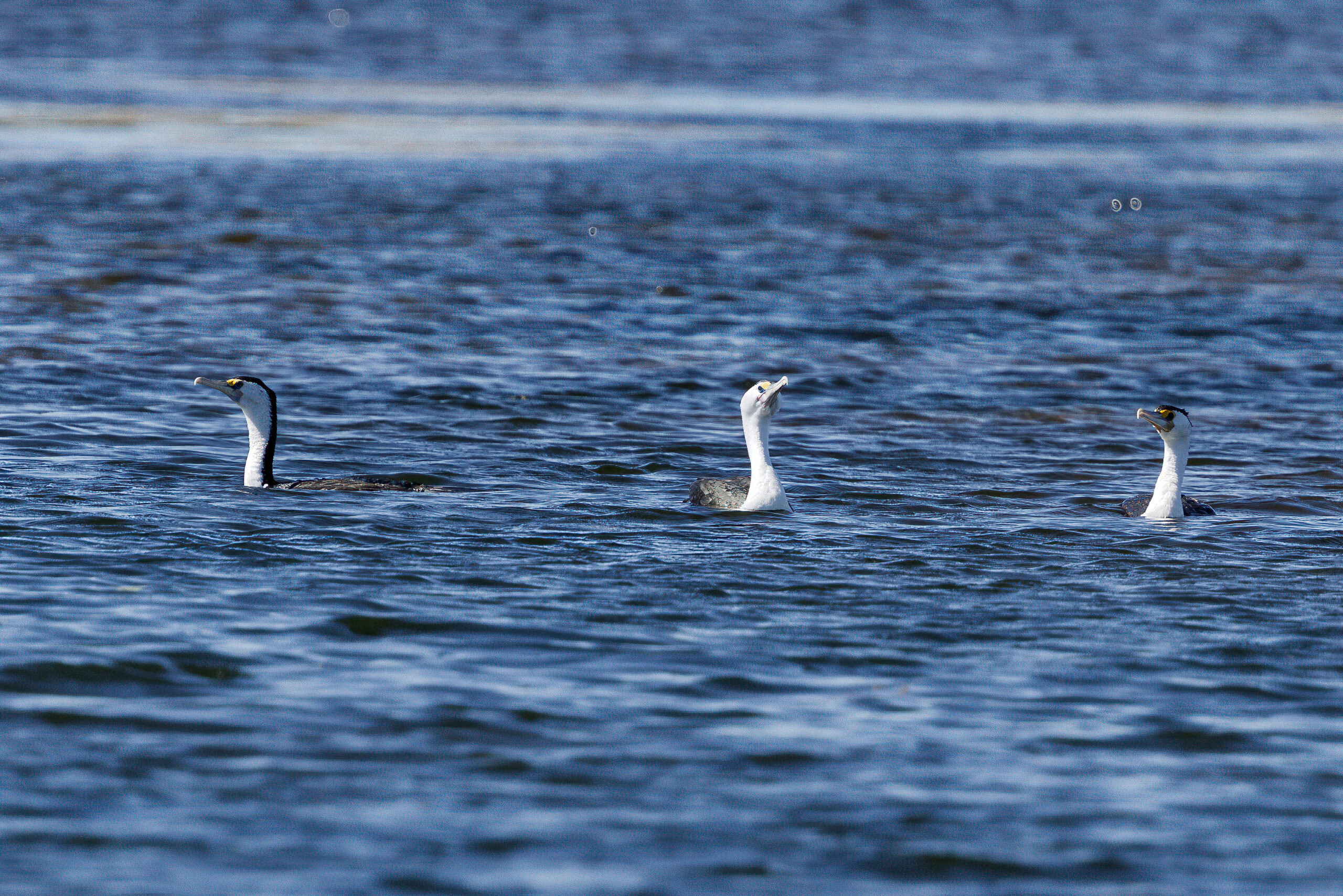
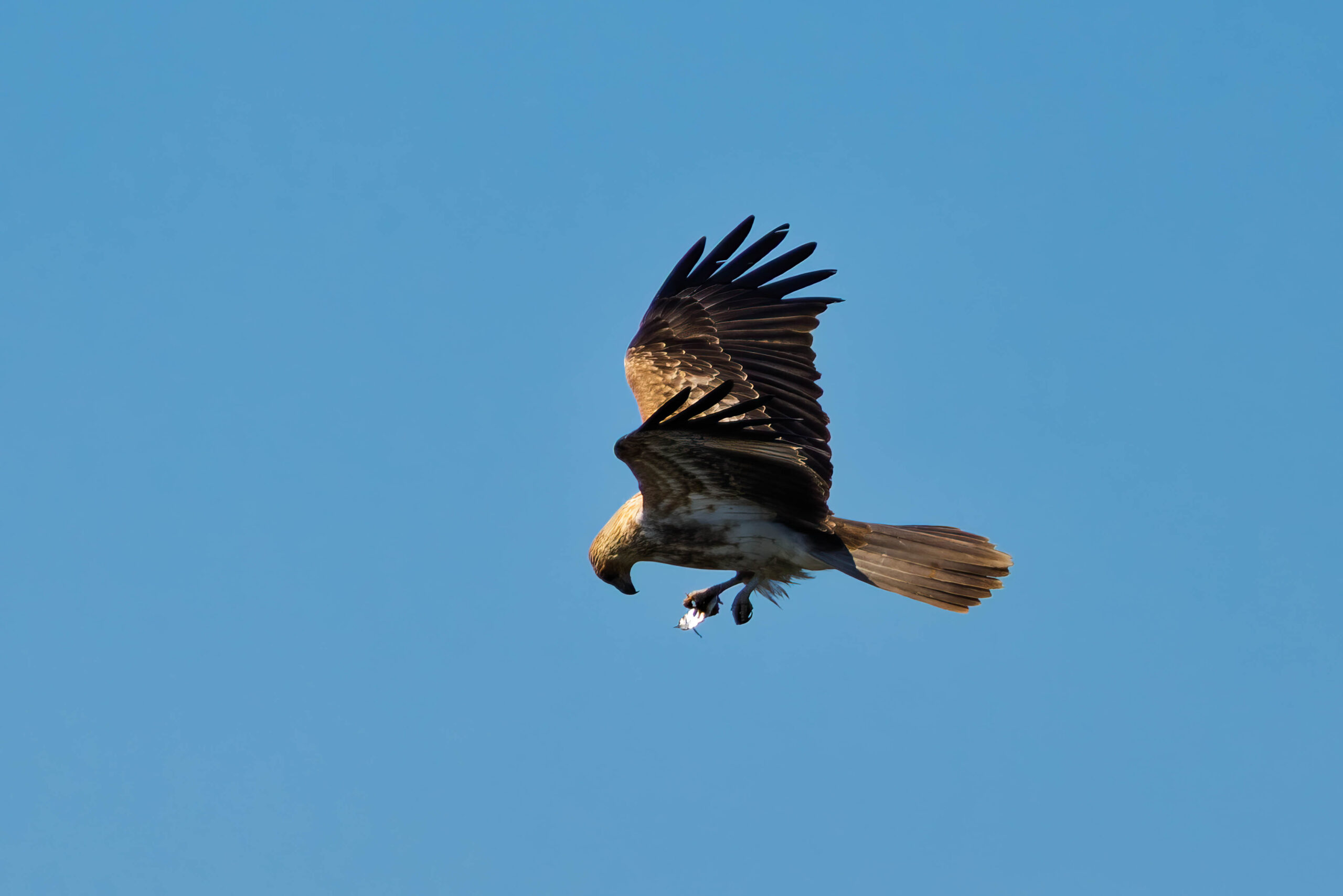
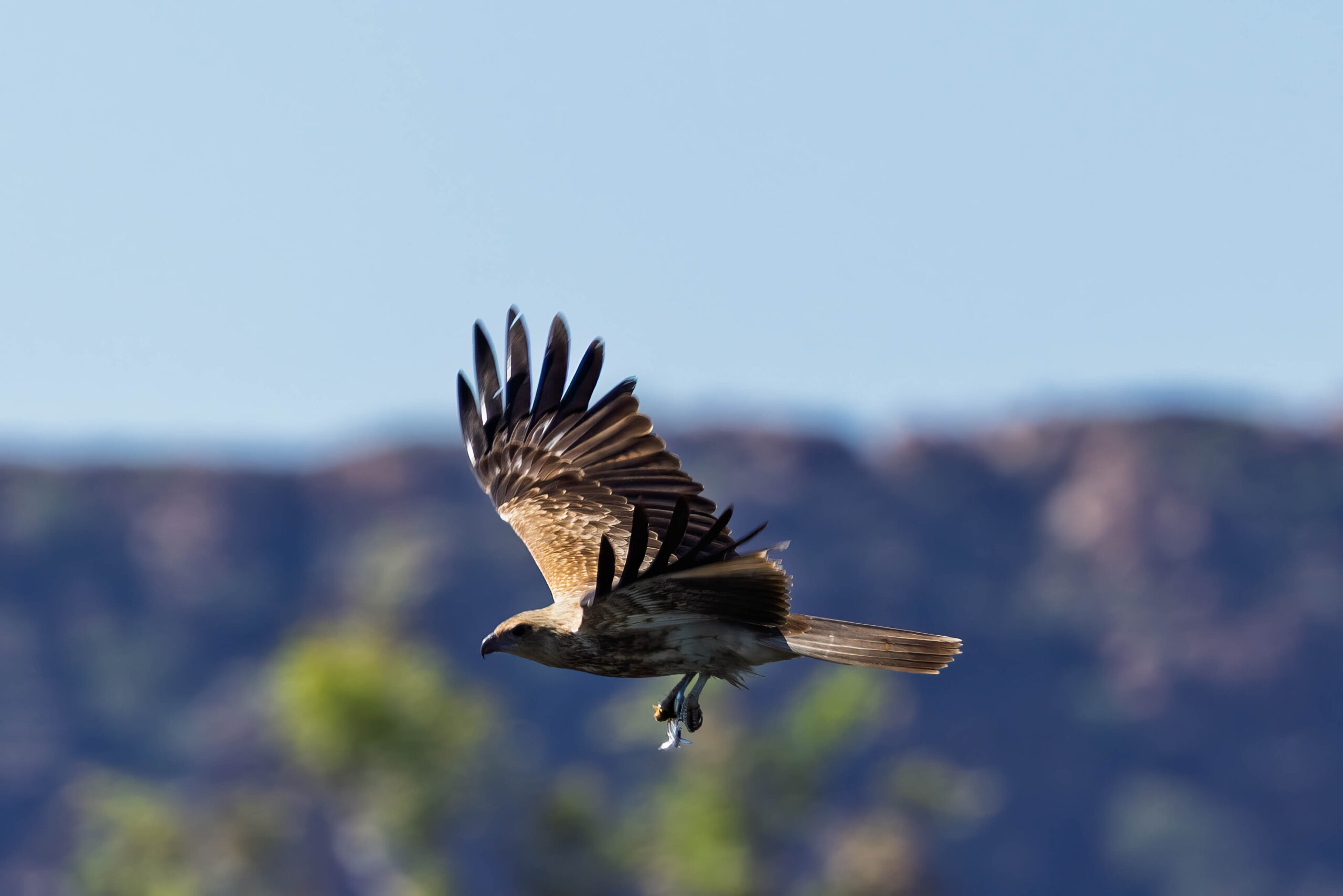
We took a quick look in Spillway Creek, which is still flowing at the moment as the water level is still about a metre and a half above the spillway, after the late finish to this year’s wet season. Will also apologised that this is the reason for there being fewer birds than usual at this time of the year. Various other waterways and lagoons have not dried up so birds are not yet congregating at the permanent water supply they rely on over the dry season.
Around the corner from Spillway Creek, we arrived at Echo Point Bush Camp which is 15 kilometres up river. Will beached the boat and we made our way ashore for lunch. With a minimum of fuss, Will unpacked an amazing array of food for lunch. Fresh bread rolls, meats, salad, fresh fruit, condiments, charcuterie items and crackers and hot and cold beverages. A veritable feast. And, rather surprisingly, our praying mantis friend had made it to Echo Point without being blown off the side of the boat. One of the other passengers carried her (it was a big praying mantis) from the boat and deposited her on a tree.
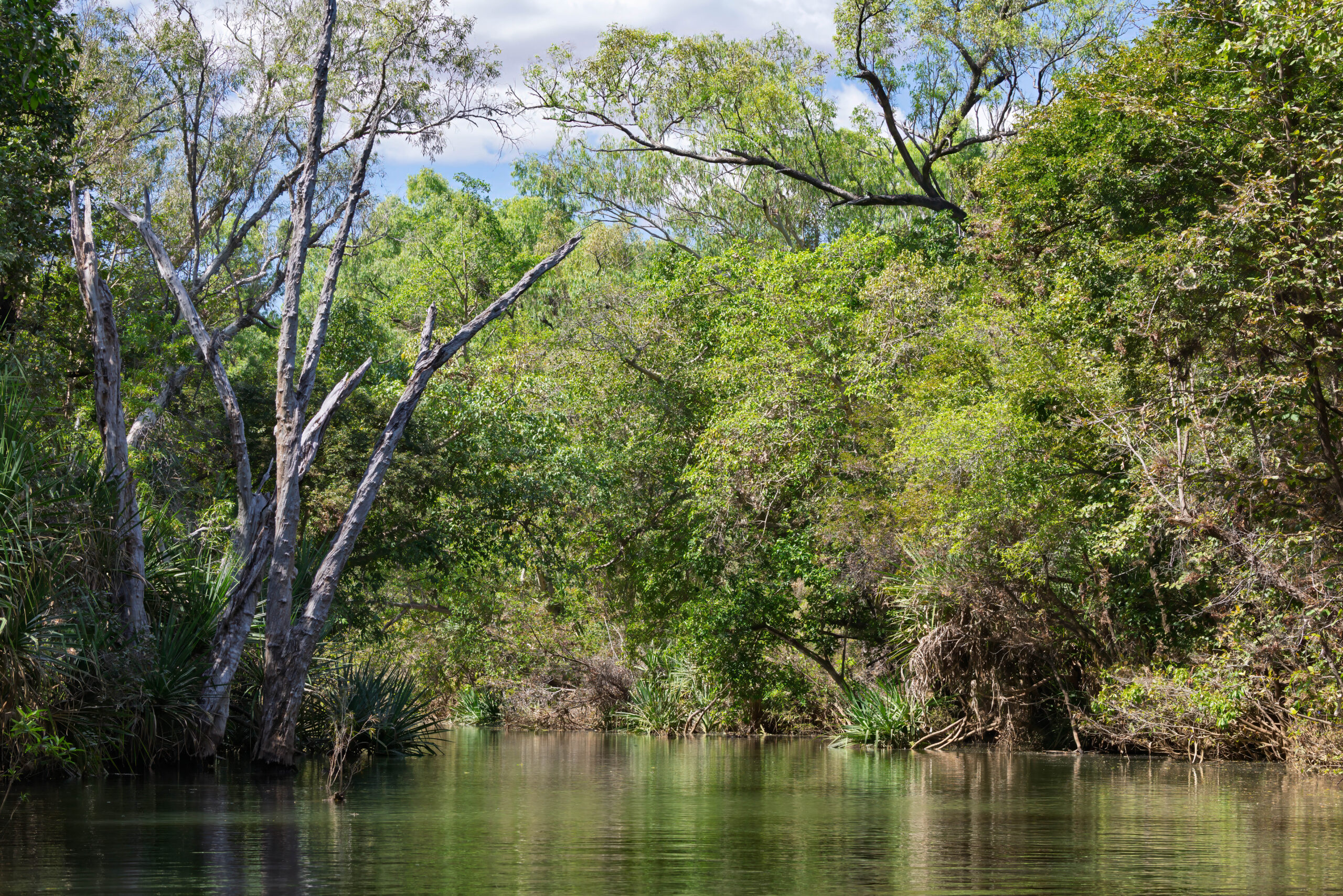
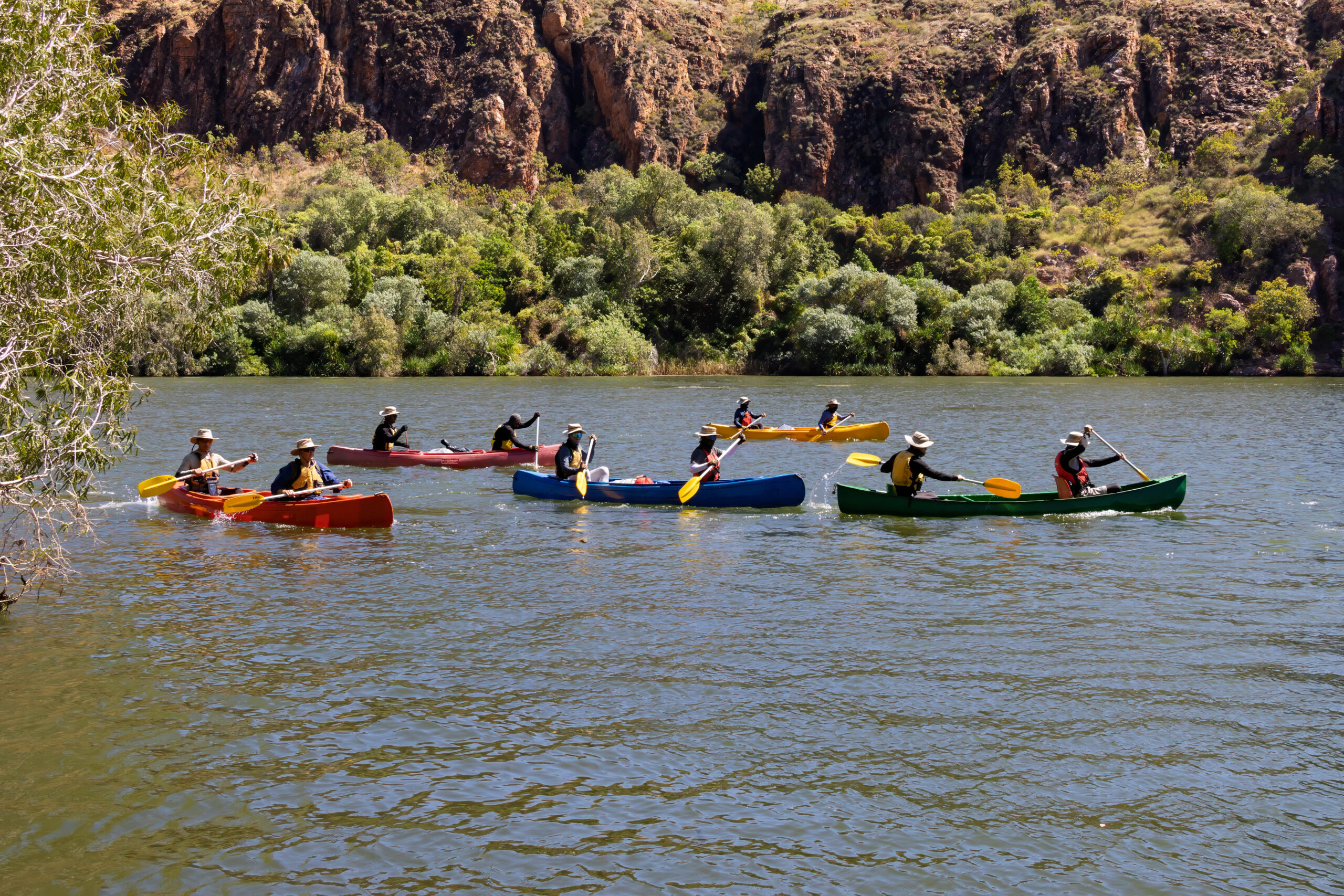
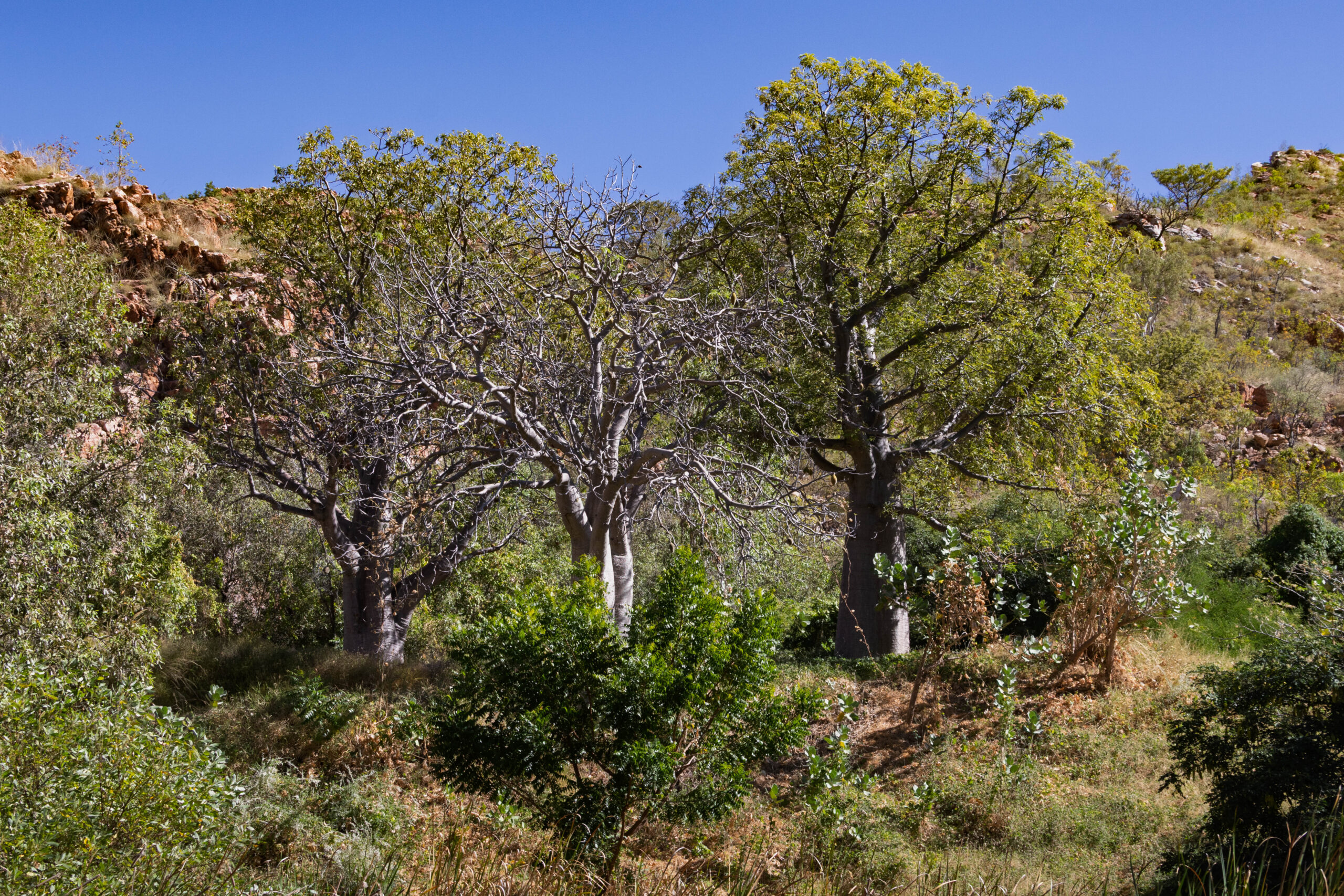
Leaving the bush camp, Will took the boat across to Echo Point opposite and demonstrated the echo that occurs in the bowl shaped section of the river, which is also one of the deepest points of our journey. We couldn’t do this as we arrived because canoeists were coming past Echo Point on their way downriver, We nosed into another creek to look at a variety of different flora, both native and, unfortunately, introduced. We were also keeping our eyes open for the herd of cattle that became stranded on this island in the river years ago and continue to live there. None in sight today.
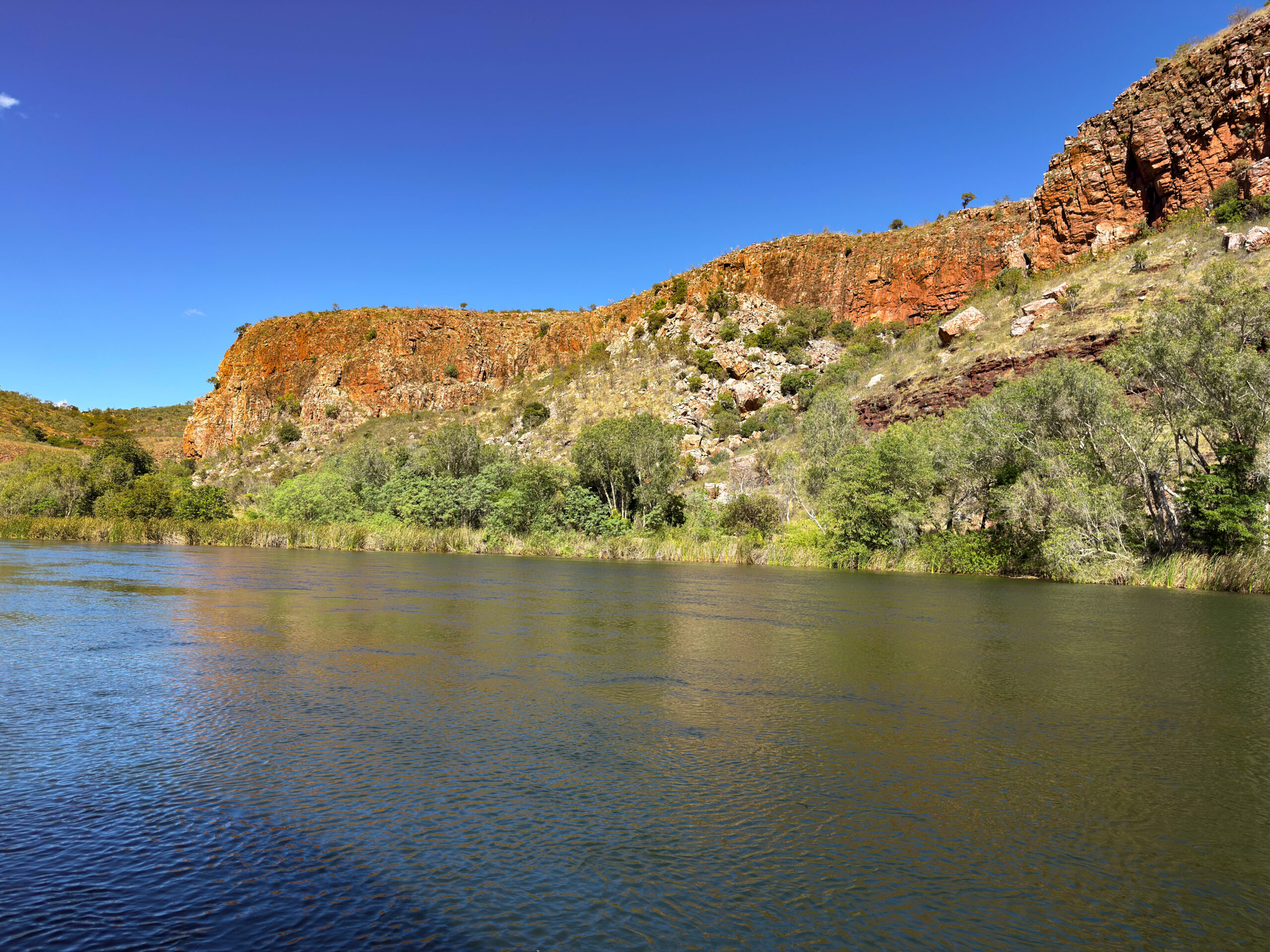
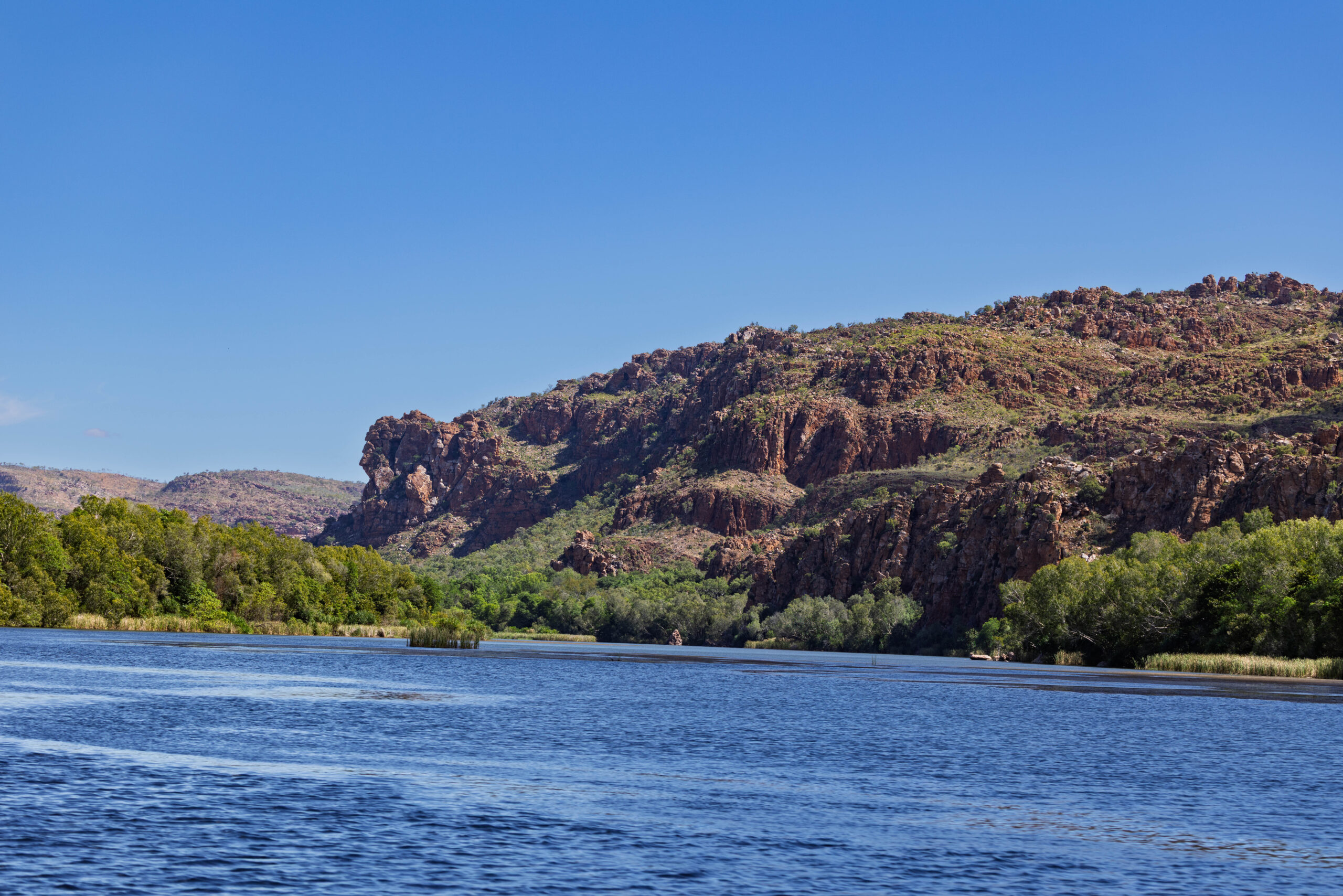
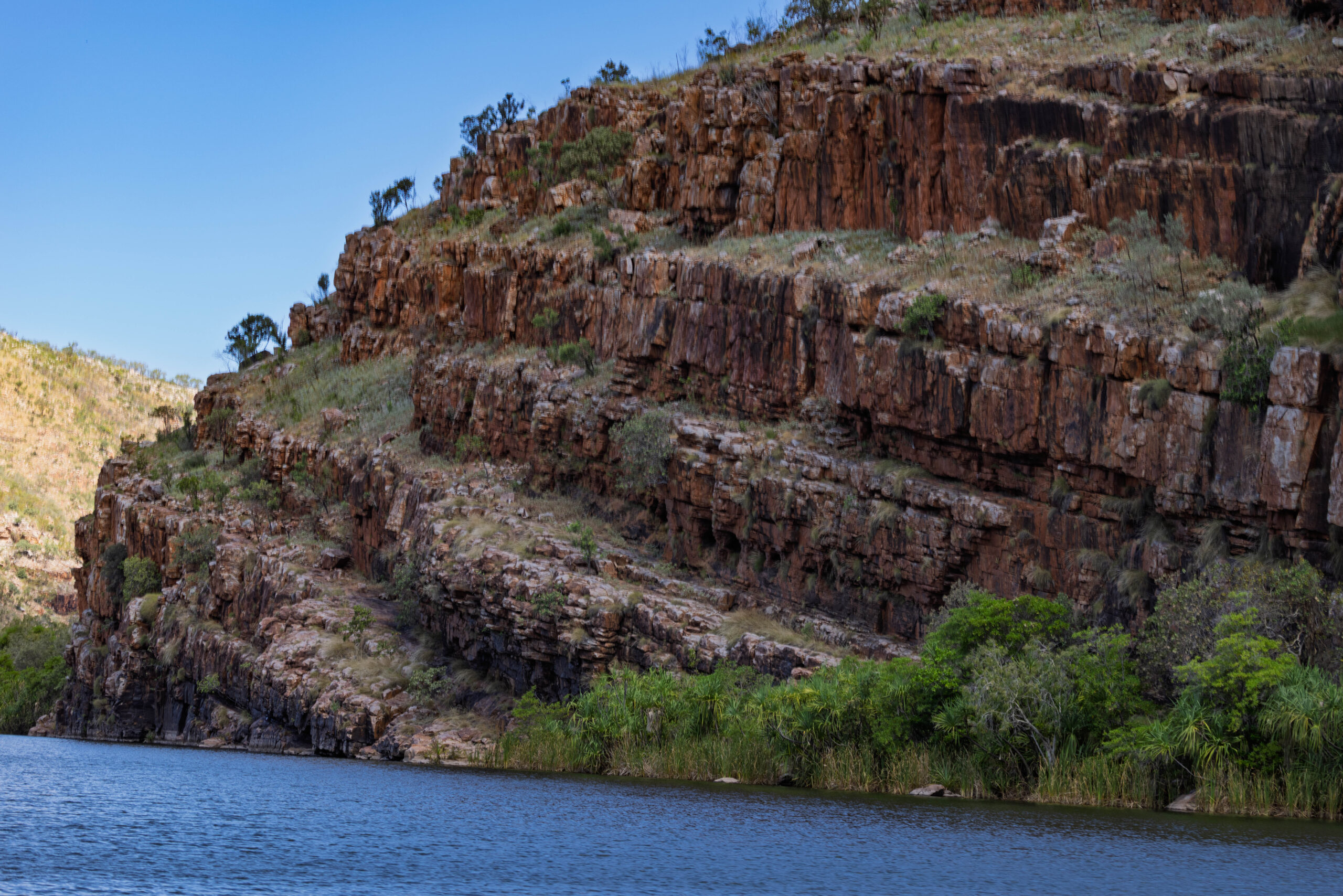
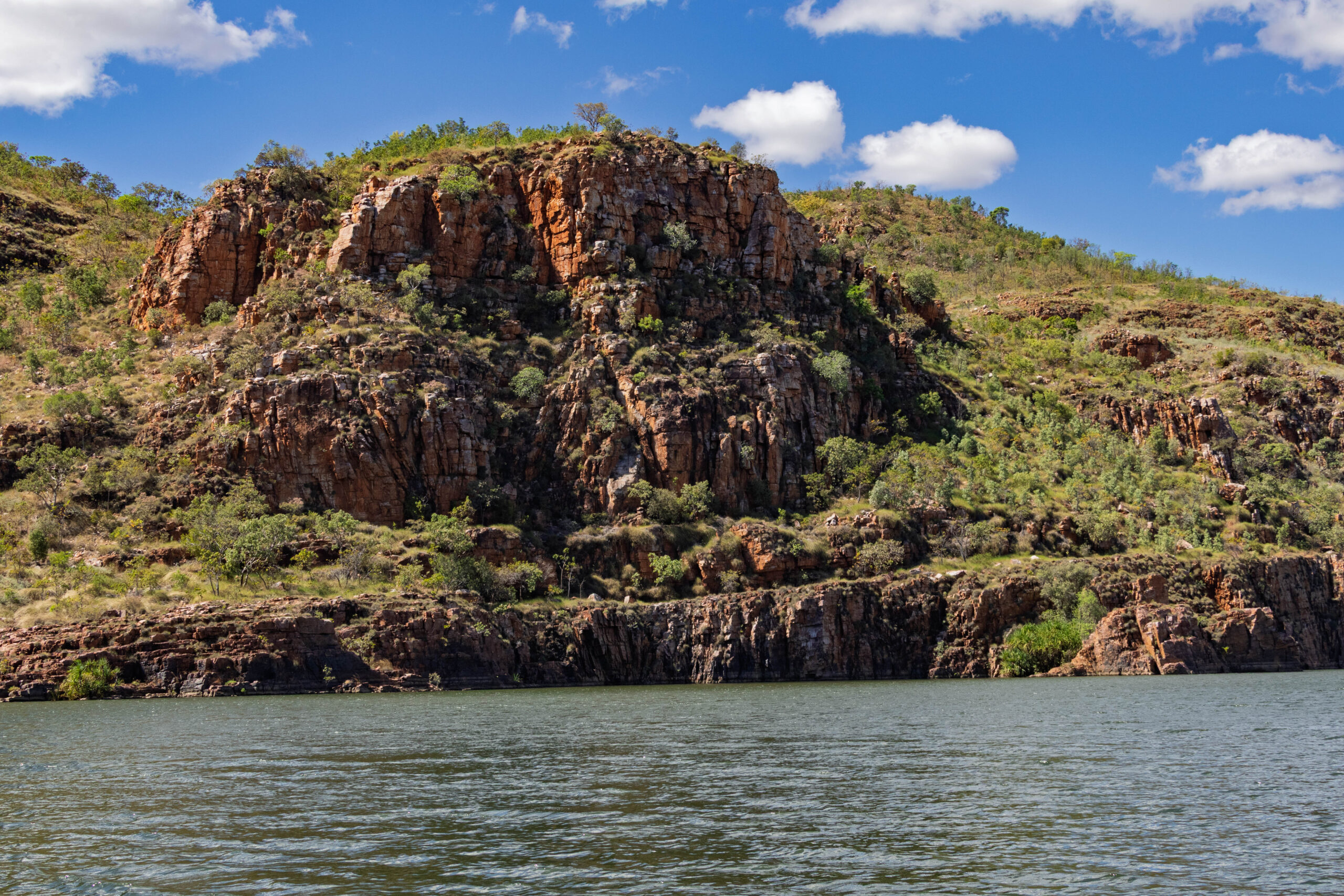
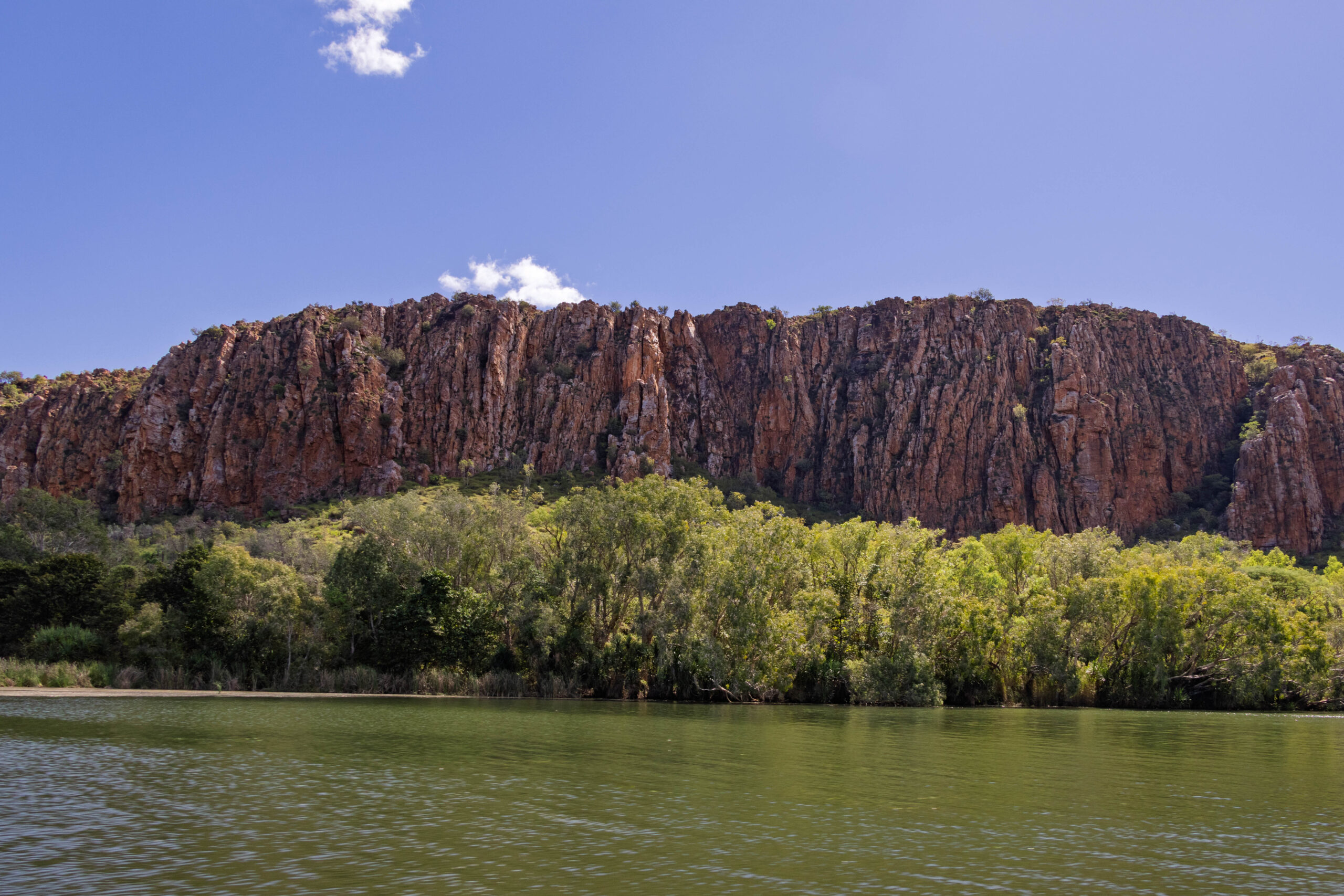
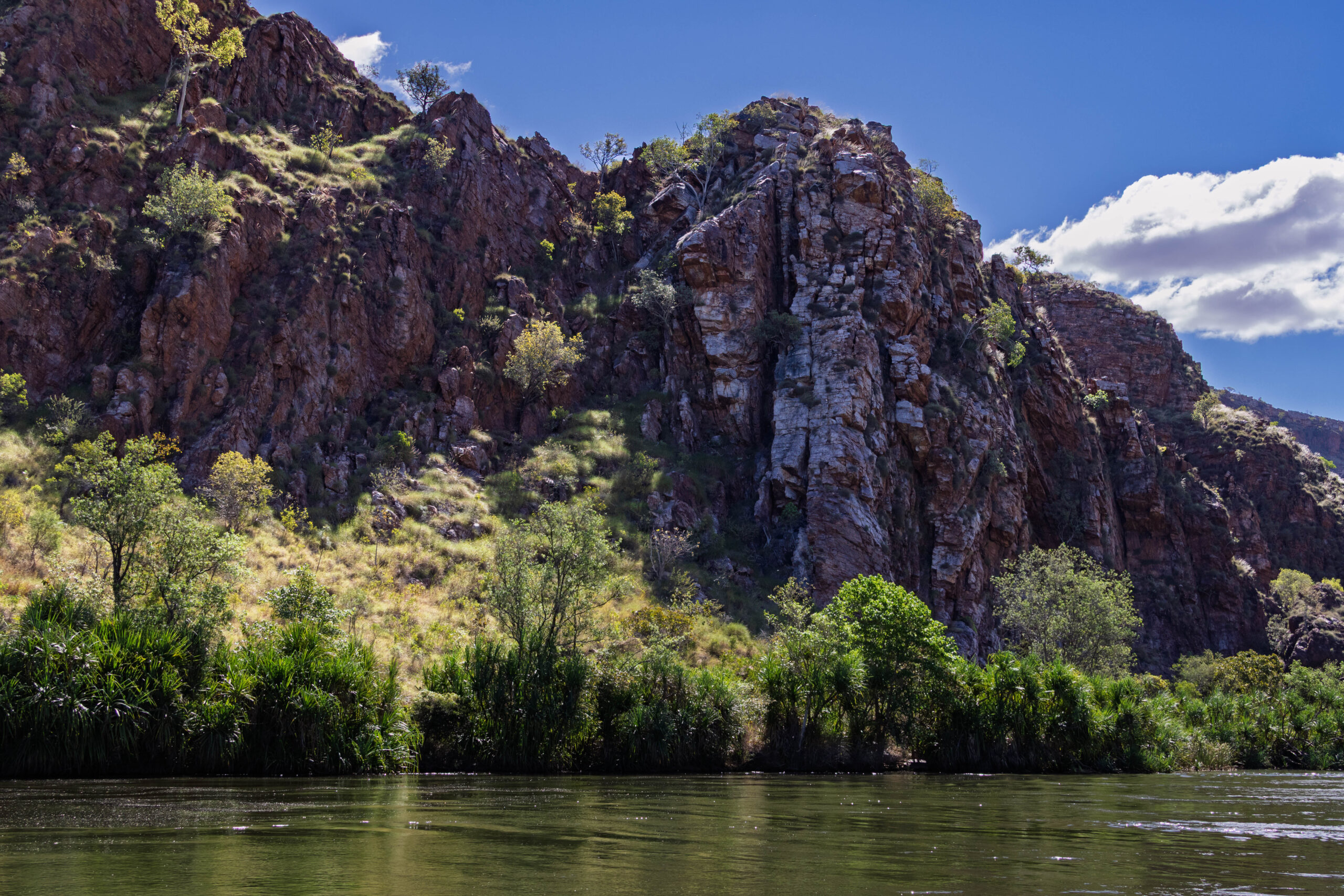
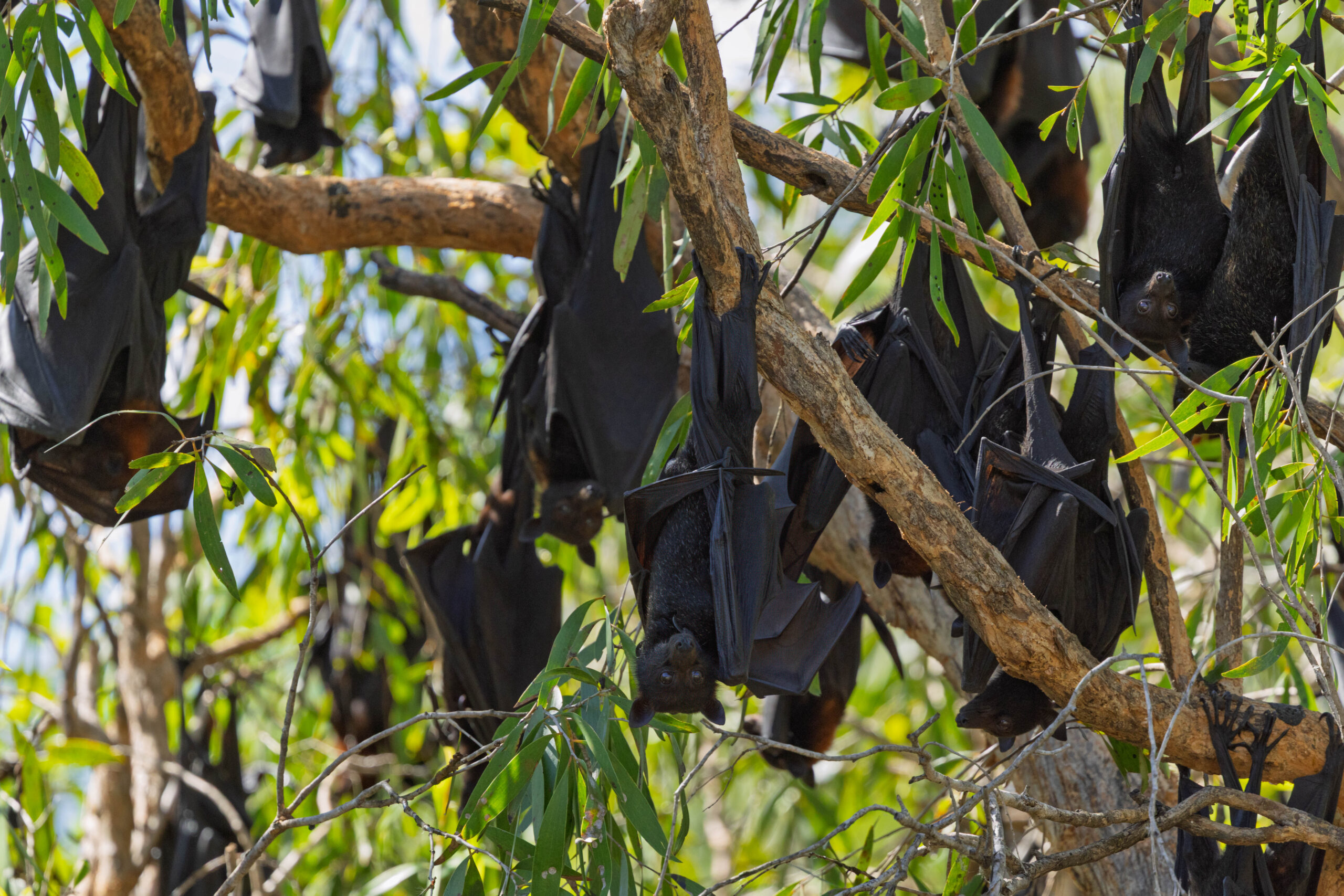
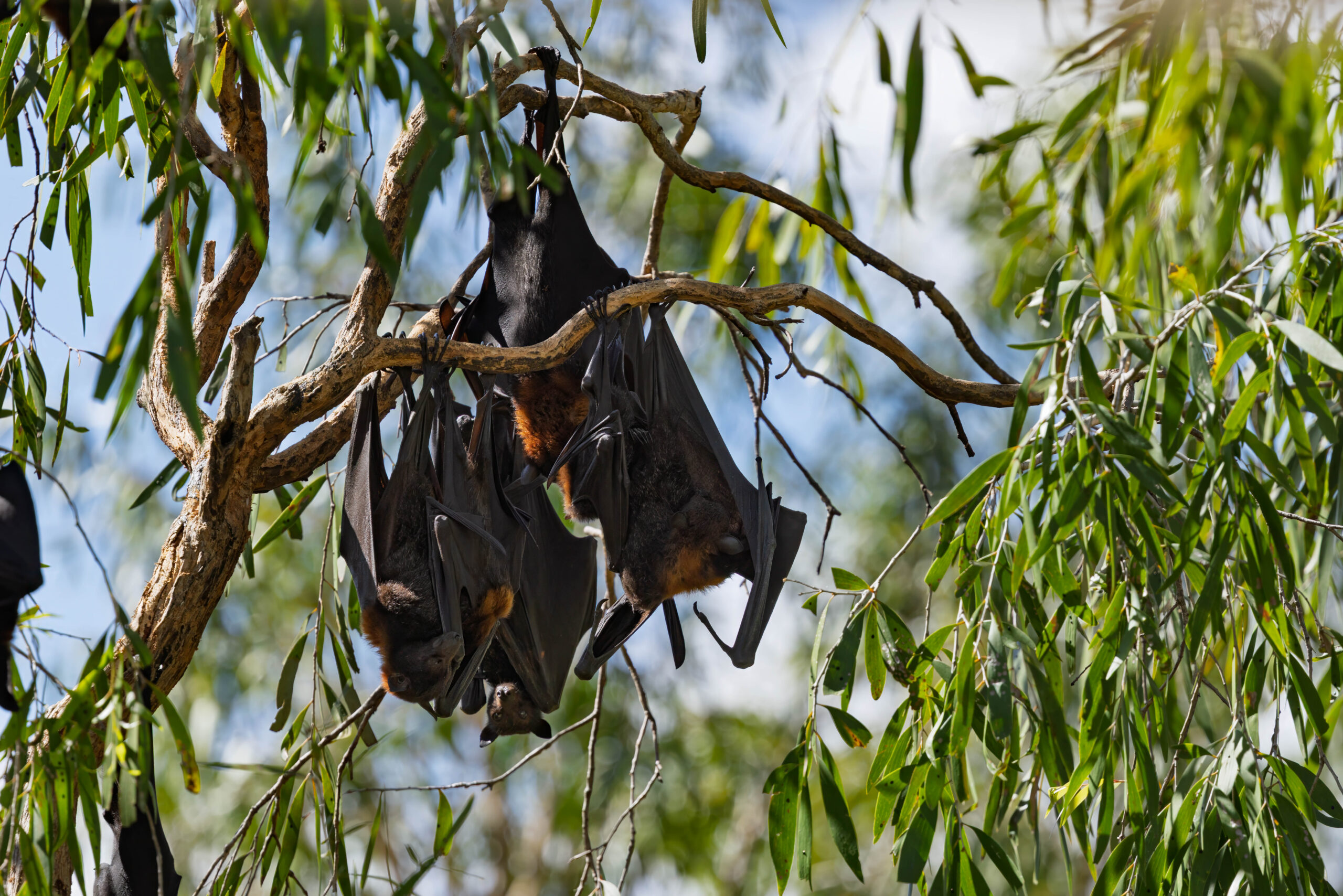
Cruising back out of the creek, we made our way through Carlton Gorge. At the furthest end of the gorge, at 40 kilometres upriver, we officially passed from Lake Kununurra into Lake Argyle. This is Will’s favourite part of the journey, because he gets to open the throttle and swish the boat through some of the narrower sections. We stopped briefly to look at the fruit bat colony, where Will tried to convince everyone from the eastern states that fruit bats are not pests. He assured us that around here, everyone loves the fruit bats!!??
Another stop at a section of cattail reeds. Will said they are a weed, but a native weed that supports a range of wildlife. He told an anecdote about a politician who took this tour about a decade ago, who was concerned when these reeds were described as a weed and worried that they might take over the river in the future. This politician allegedly told the tour operator that ‘they should introduce hippos to eat the weeds’. I’m not sure if that’s really true or not, but it makes a good story.
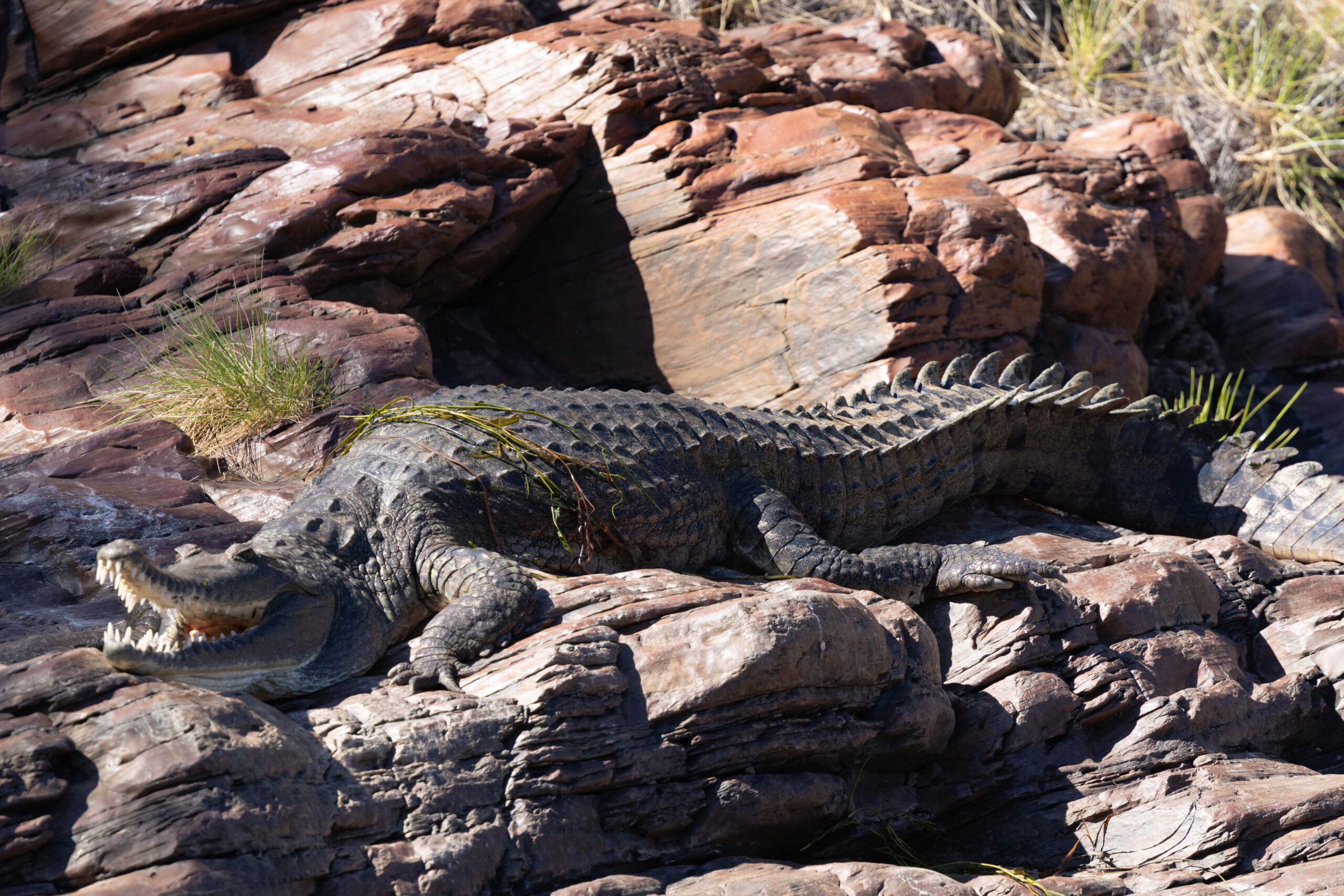
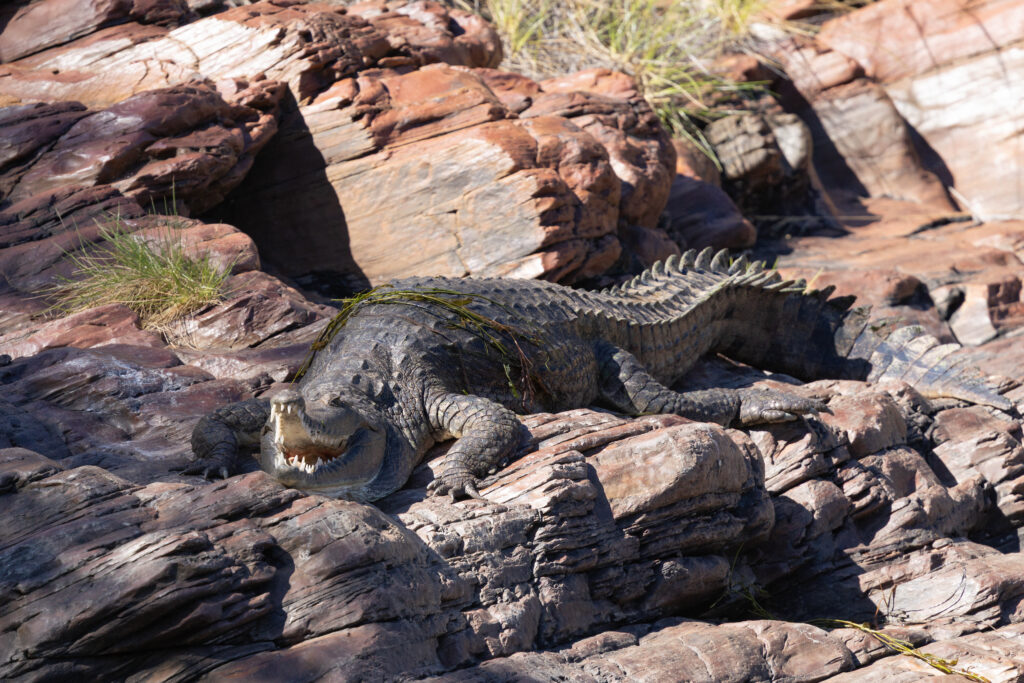
Finally, just as we arrived at the dam wall, Will pointed out a freshwater crocodile sunning itself on a rock. That’s the first freshwater crocodile that we have seen on this trip and it was a big one at about four feet long.
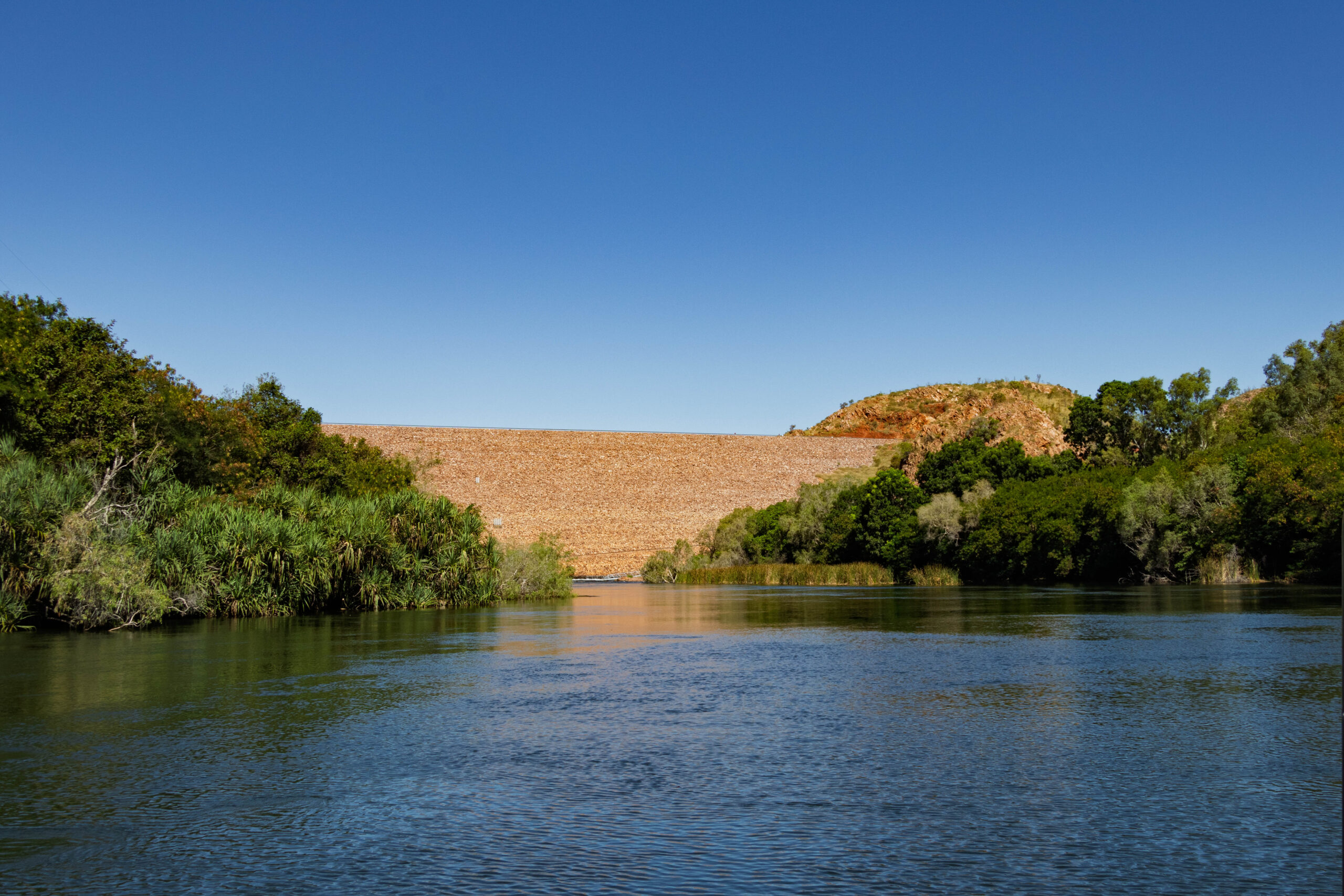
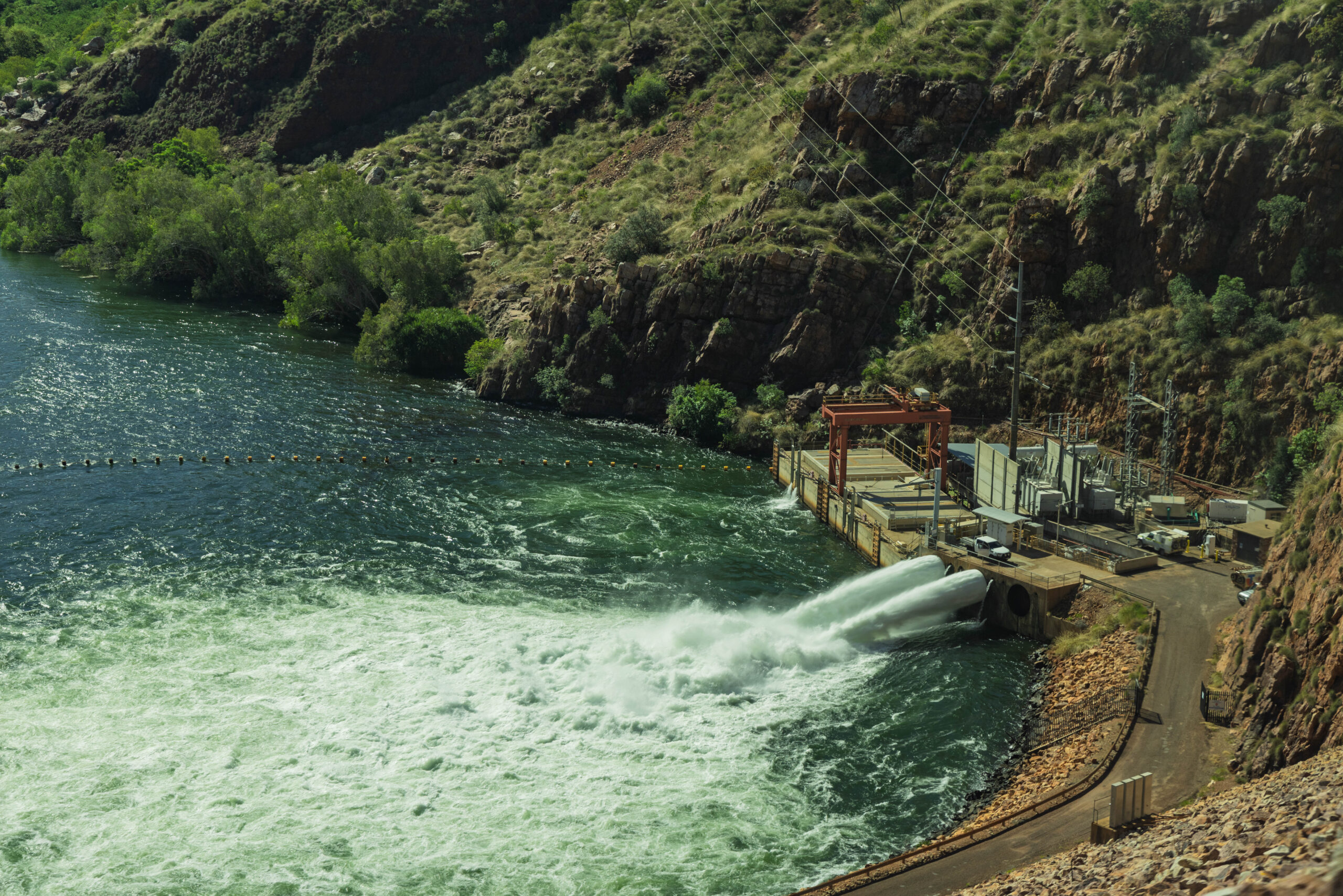
The dam wall is 335 metres long and 98 metres high, constructed with rock fill and clay core. Will told us they blew up a mountain to create the rock fill that was used in construction. Completed in the early 1970s, as Stage Two of the Ord Irrigation Scheme, Lake Argyle is roughly 21 times larger than Sydney Harbour. Stage Three of the project added a hydroelectric power station that supplies energy to Kununurra and Wyndham.
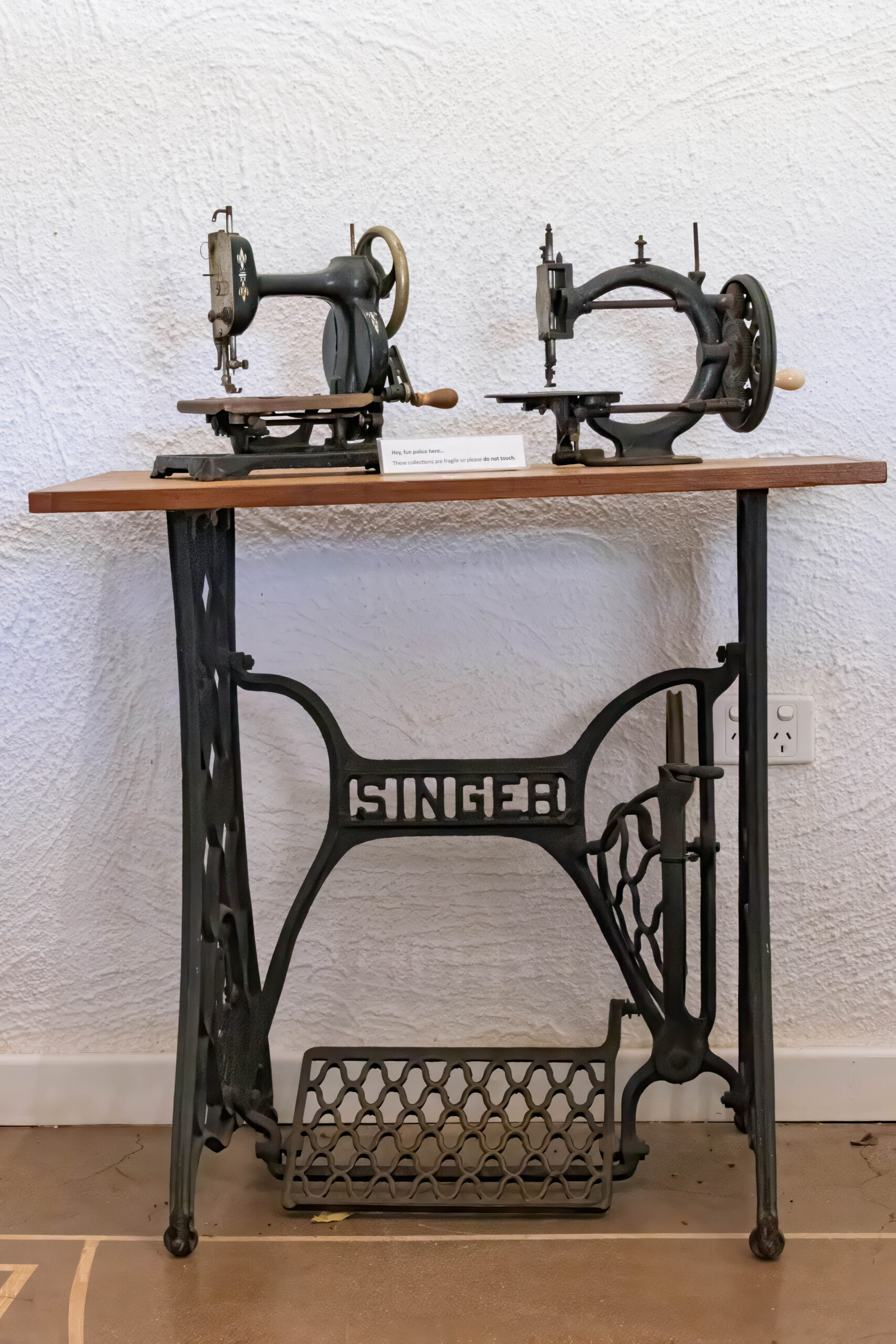
That concluded the cruise component of today’s outing. We farewelled Will, disembarked and joined bus driver, Marvo for a short drive across the dam wall, to the Argyle Homestead Museum. It was a very short visit to the museum. We only had about 20 minutes, because the ATP people on today’s cruise had to be back in Kununurra by 3.00pm, so they could go on the sunset BBQ cruise! Ordinarily, the tour concludes back in town at 3.30pm.
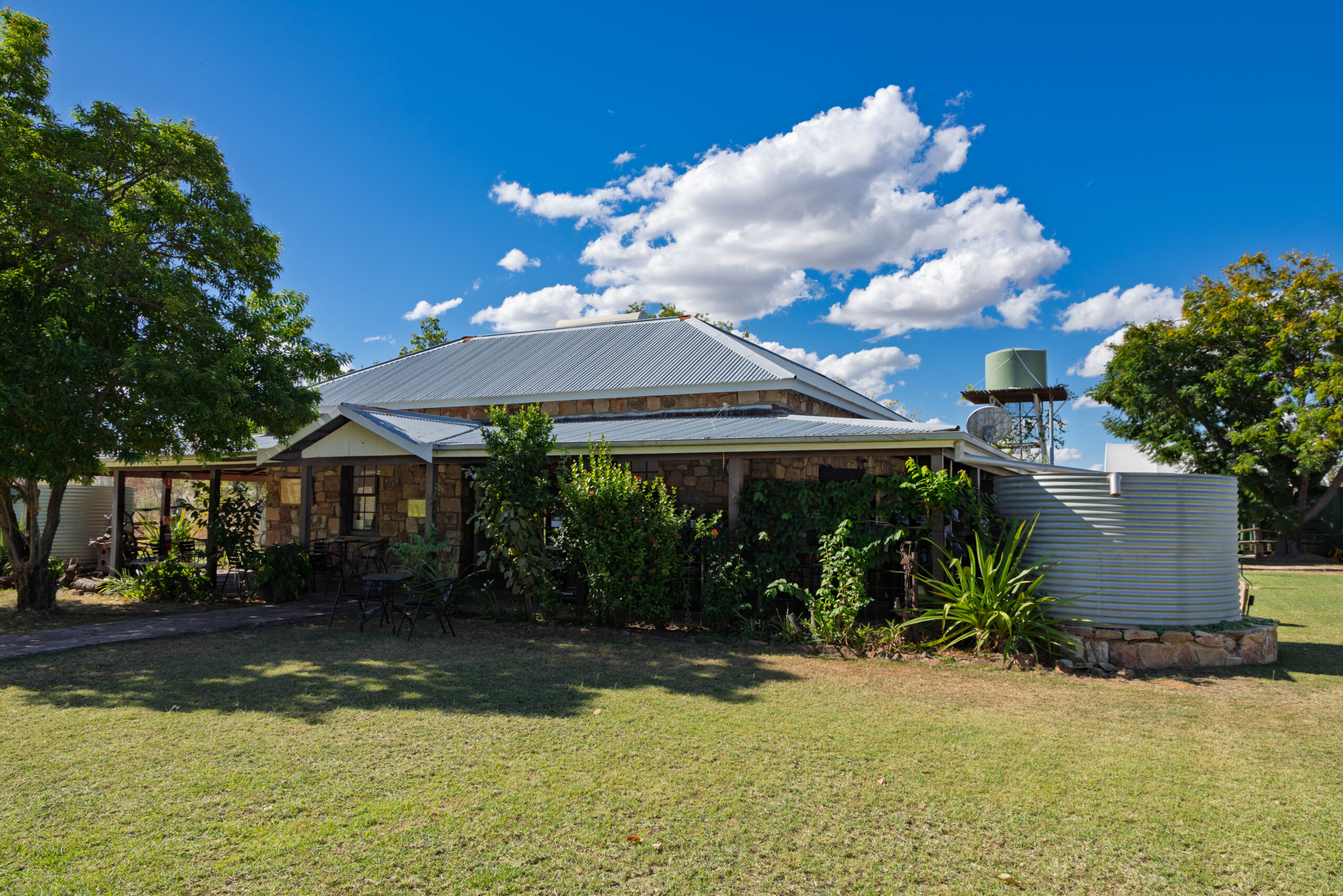
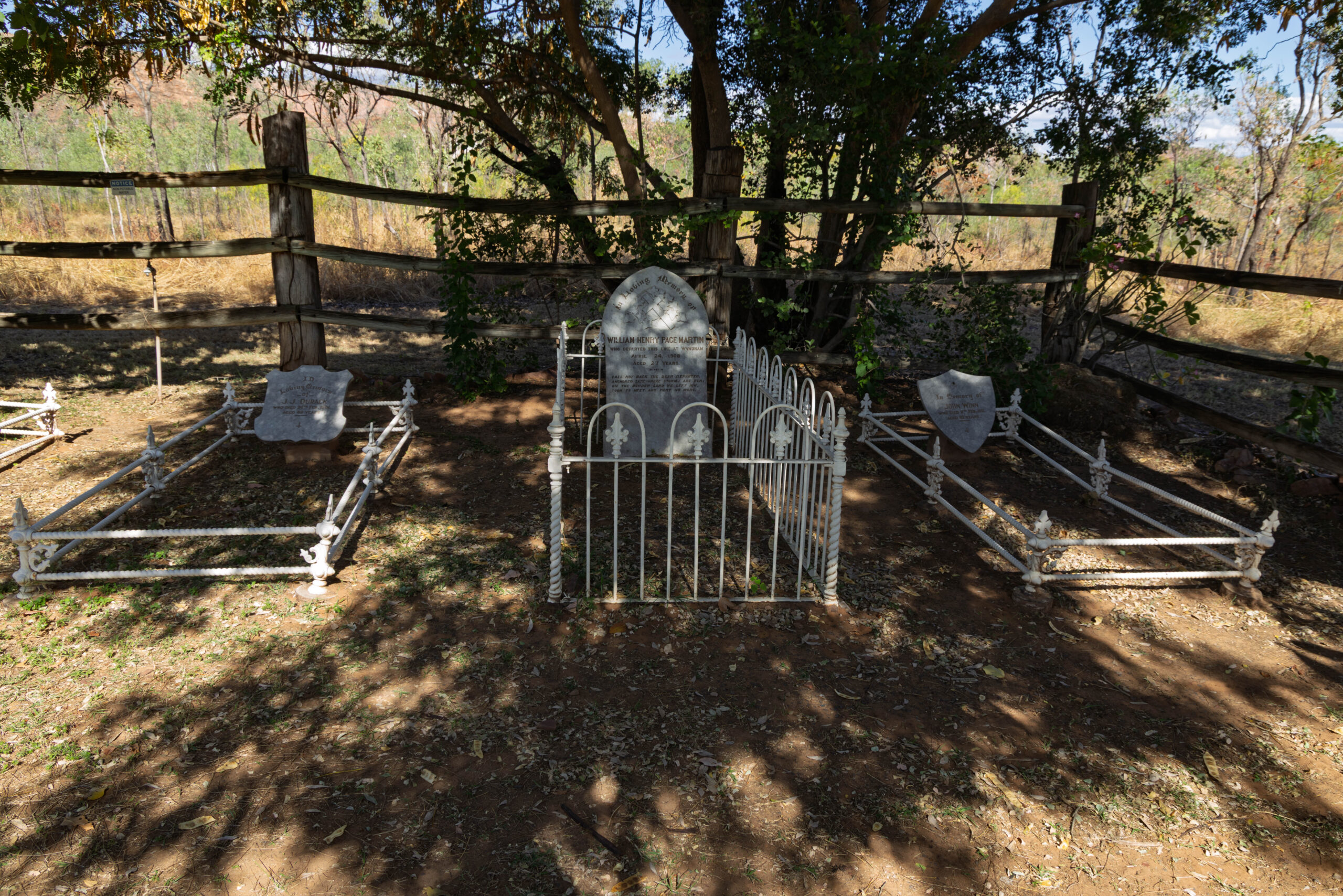
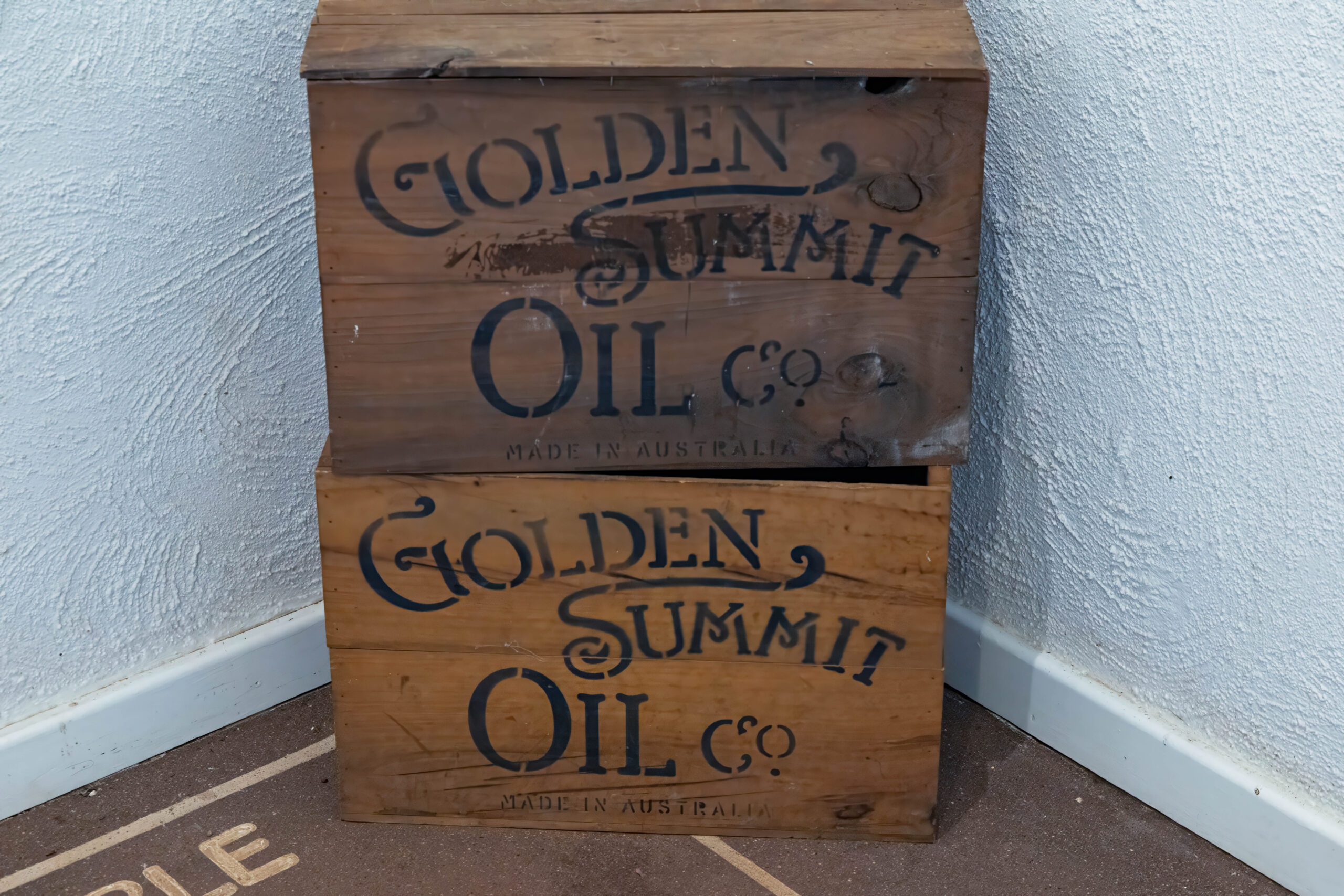
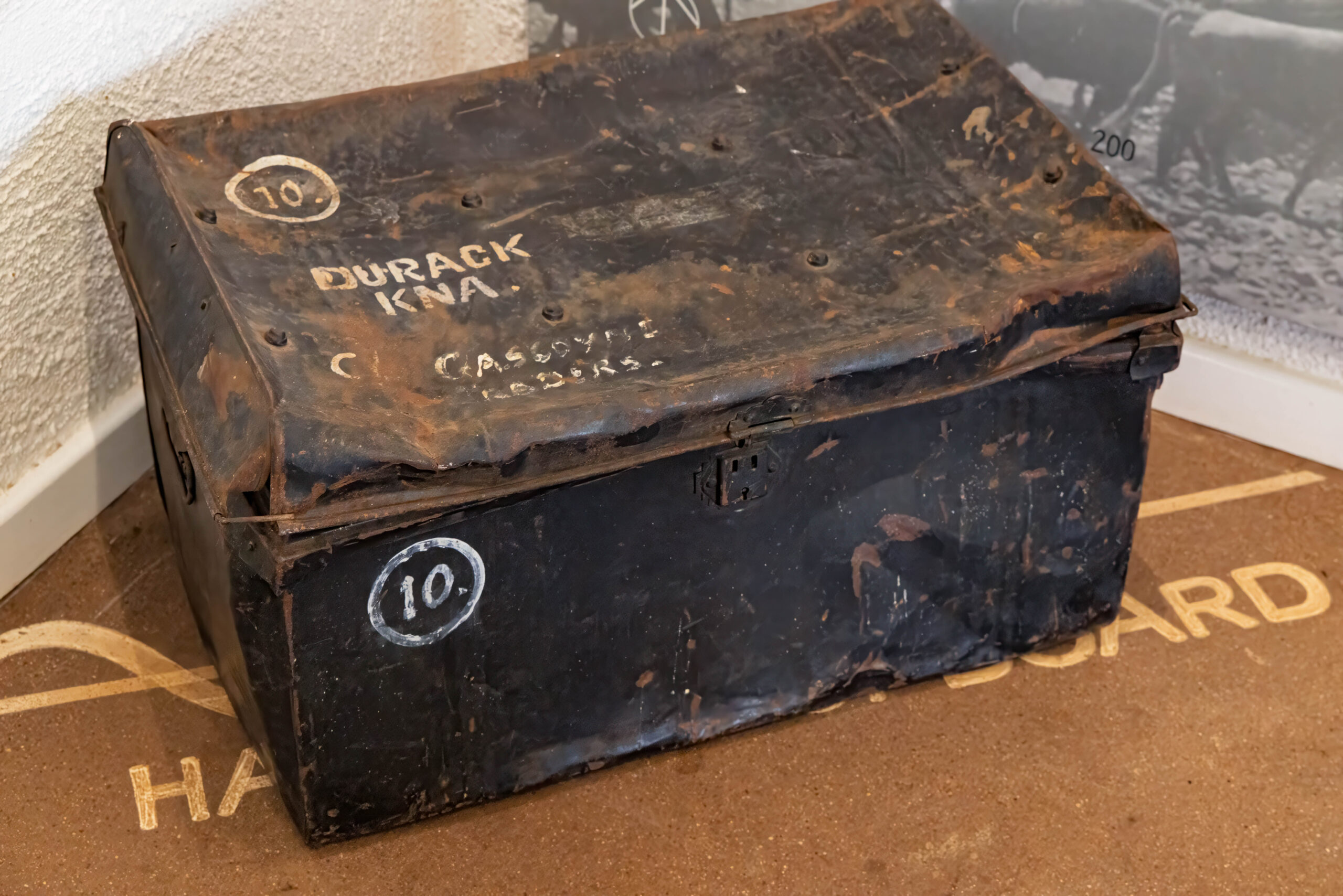
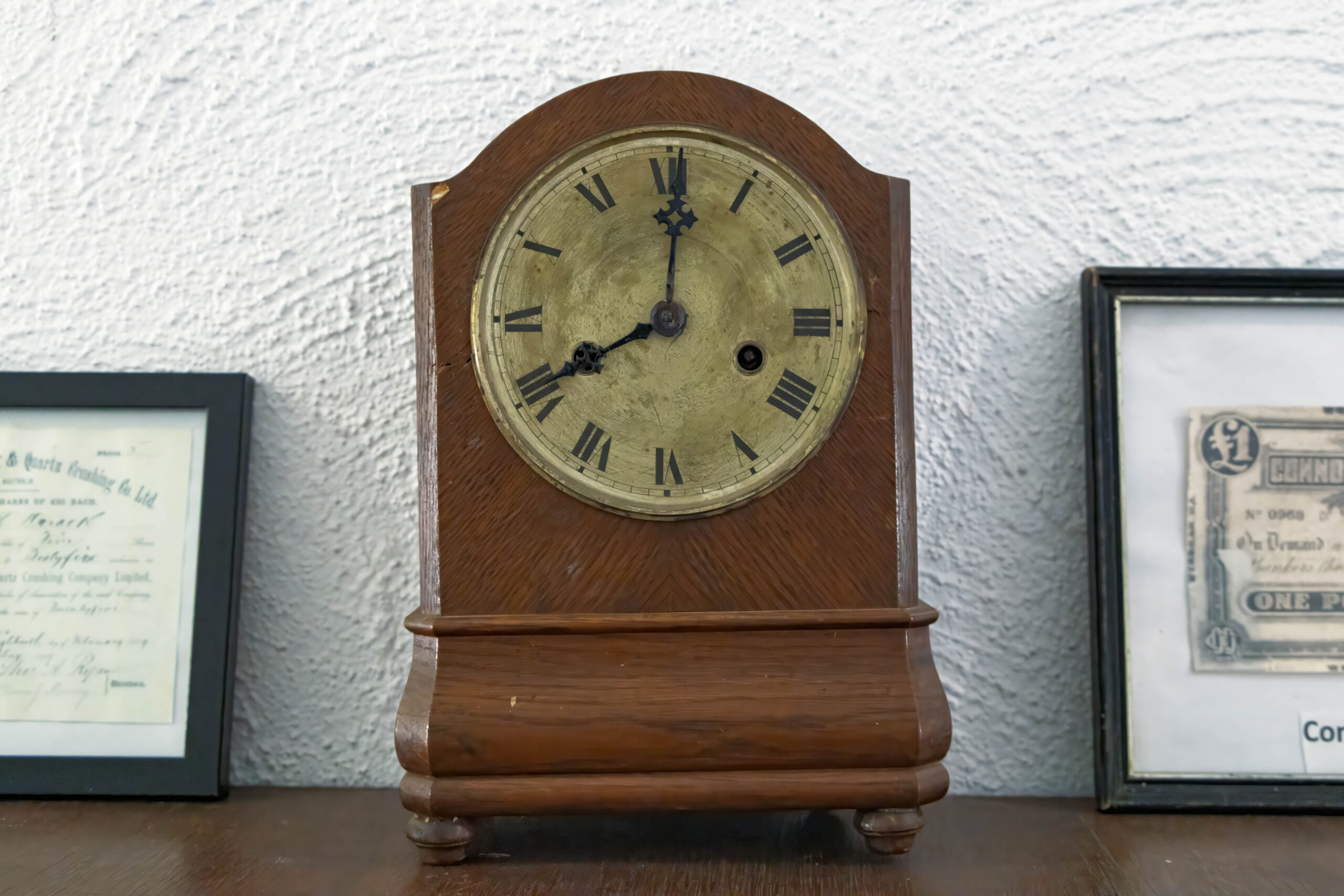
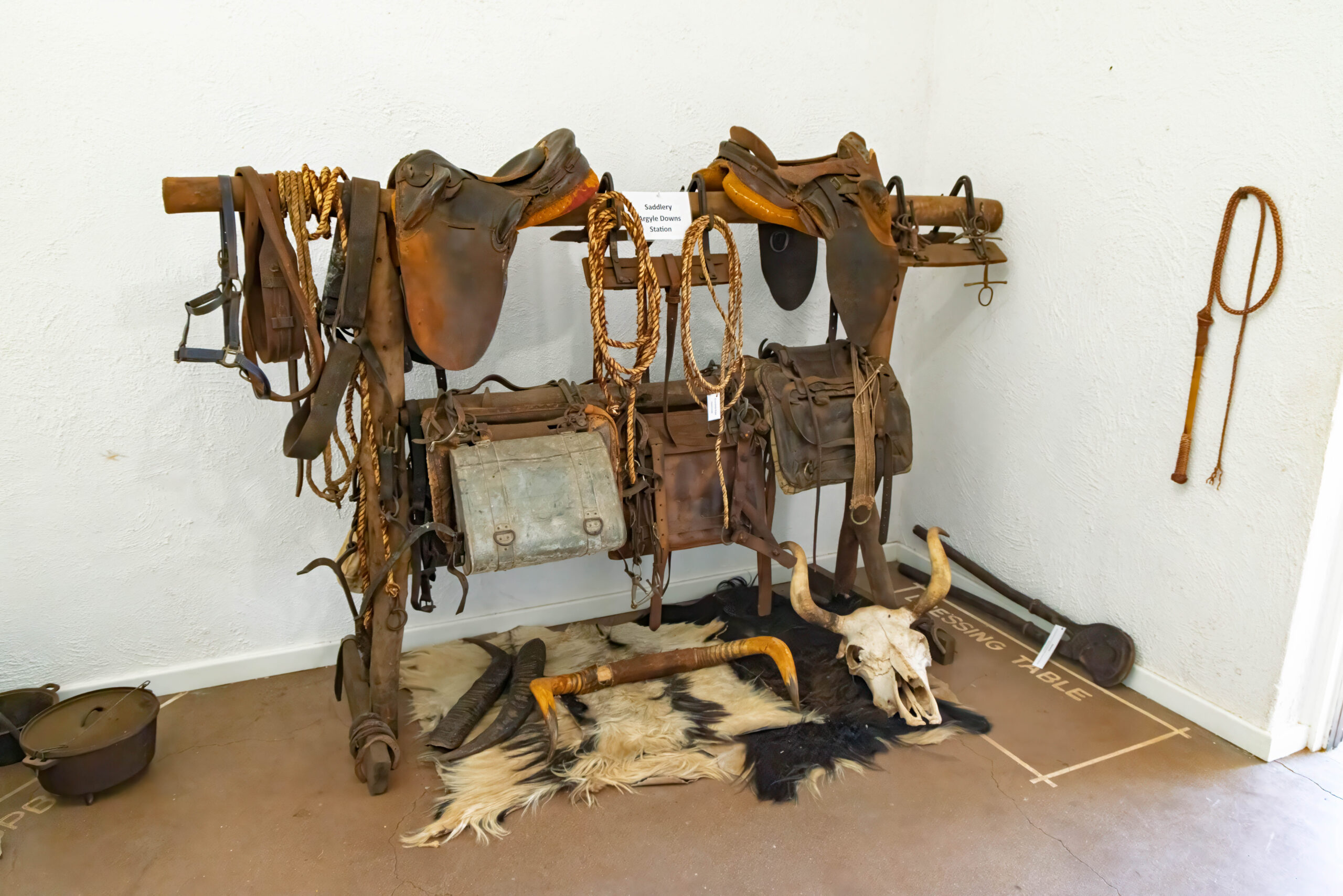
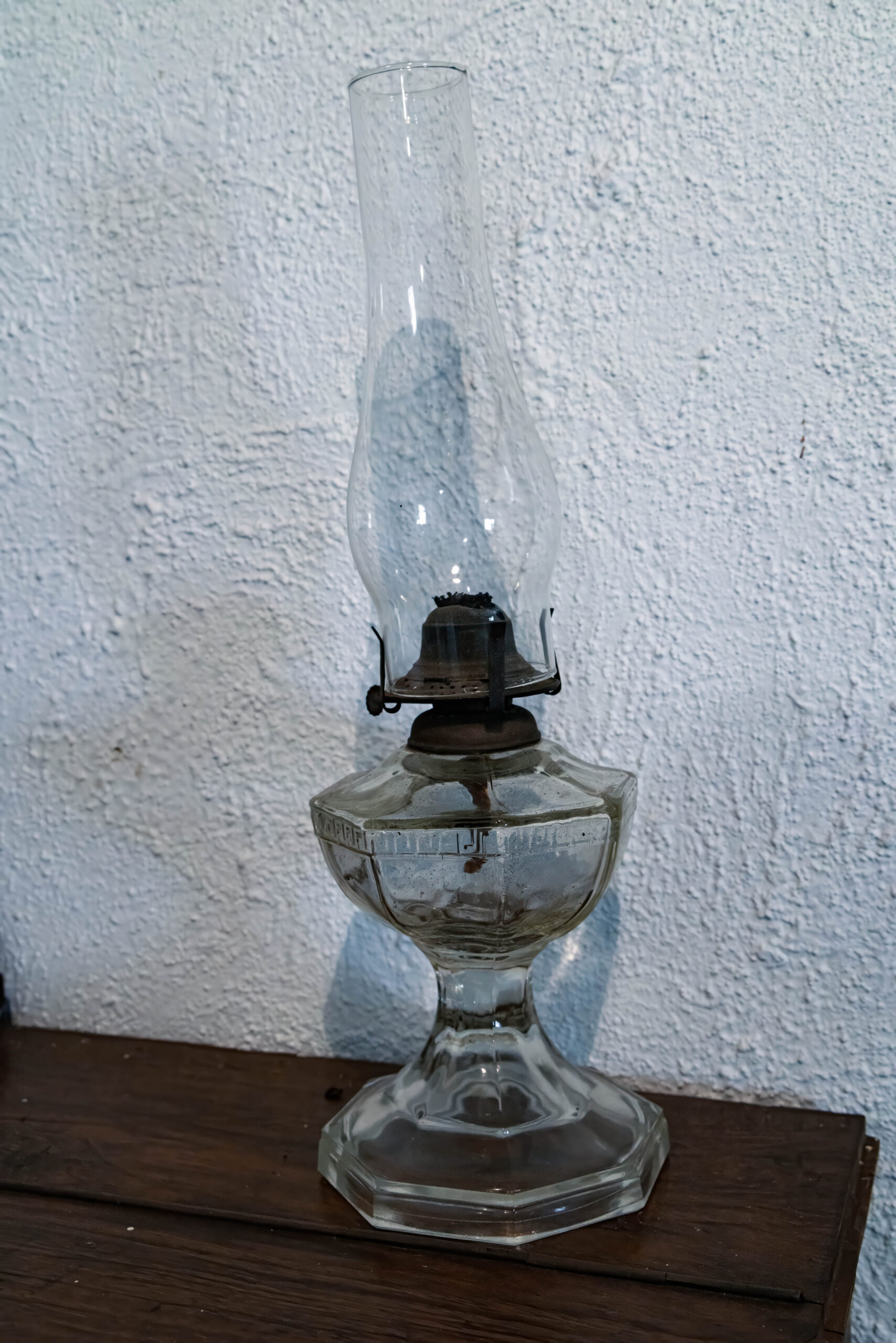
The Argyle Homestead, home of Pat ‘Patsy’ Durack and his family, originally stood in the area that was due to be flooded. Durack granddaughter and author of the famous book about her grandfather ‘Kings in Grass Castles’, Mary Durack fought for the homestead to be relocated to preserve it. The homestead was central to the vast family enterprise that at its peak comprised five stations, encompassing an area the size of Belgium. As the dam started to fill in 1971, the homestead was taken apart stone by stone and put in storage. It was later rebuilt on a small hill, well above the dam wall, some 15 kilometres from its original location. It has operated as a museum since 1979, dedicated to the pioneering spirit of the Durack family.
After our whirlwind visit to the museum, Marvo drove us the 70 kilometres back to Kununurra. Passengers were dropped off at various locations around town, with the bulk of them, the 15 ATP passengers, alighting at the marina for their sunset BBQ. Phew, after already being out for six hours, we were just as happy to be dropped off last, at the Discovery Park, to put our feet up for a while as we slurped on our Splices.
This was followed with yet another trip to the supermarket. We have counted up the number of days that we will be off the beaten track, on the Gibb River Road, and decided we should buy more breakfast and lunch supplies. Shock, horror, we are going to have manage for a few days where we will not be able to get to a supermarket. We also visited the butcher, opposite the supermarket, to pick up some items to go on the barbie. The cabin we are in at the moment has a small BBQ on our deck, which is very convenient. The skewers from Tenderspot Meat Company were delicious.
Steps: 4,600 (2.91kms)