Friday, 7 August 2026
We have learnt something from our four-wheel driving adventure. UHT milk does not travel well. Ugh! We already had the tetra pack of UHT milk in the fridge spring a slow leak, but we put that down to the humidity in the fridge AND the bouncing around compromising the cardboard’s structure. We wrapped it up in a plastic bag to prevent it leaking through the whole fridge and we are still using up the last of it. I went into our pantry box yesterday afternoon, to start taking out a few things to make our dinner, and found … milk spilt. More spilt milk! We had to take everything out, wipe it down and repack it. Seems the destruction of the tetra packs is all about the bouncing and little to do with moisture on the outside of the pack.
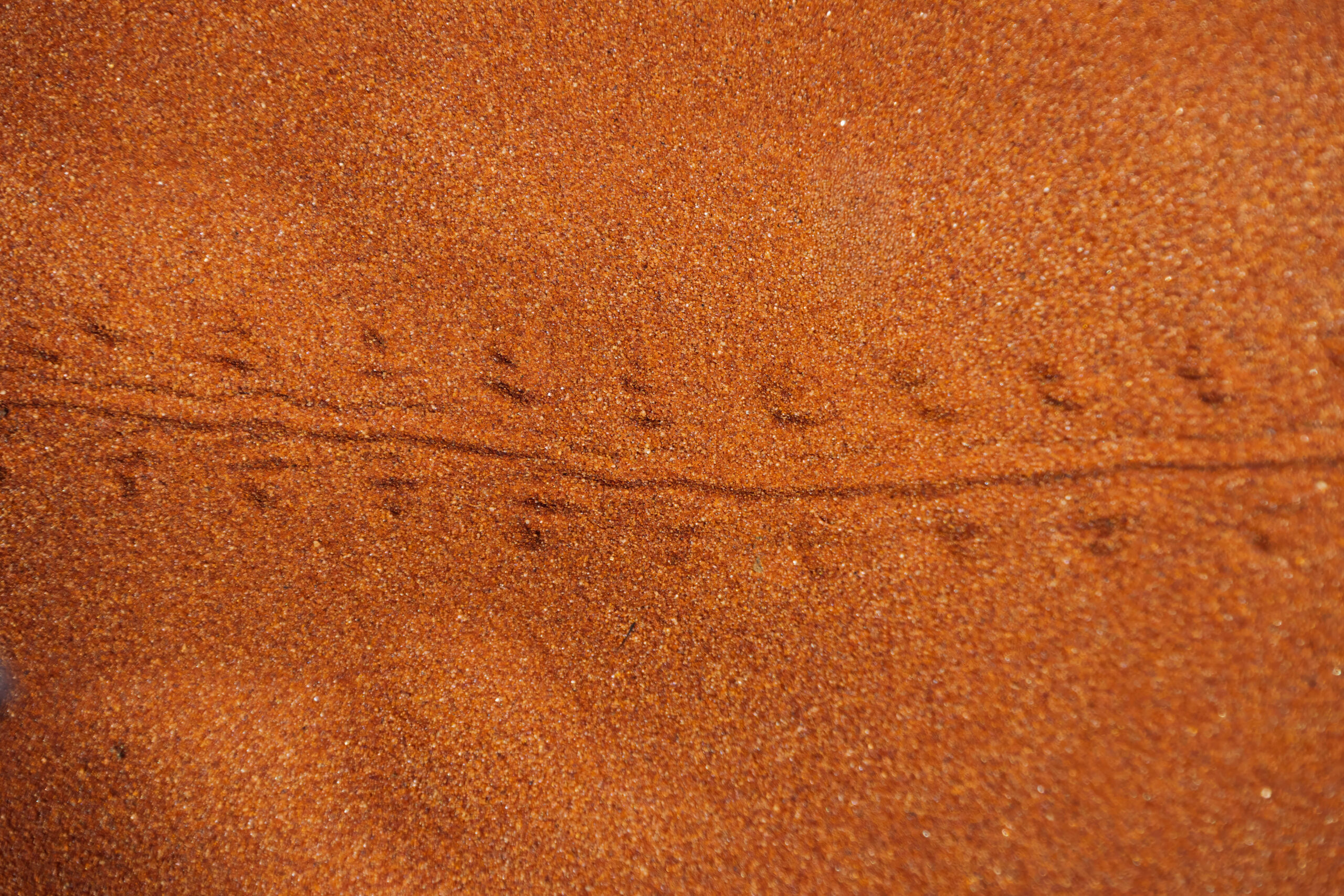
Apparently we had camels through our camp overnight. Some of our companions heard them, one even got out of bed in the middle of the night to make sure they weren’t going to damage food or equipment … and we were blissfully unaware. Camel prints in and around the camp this morning and along the track on our way out of camp paid testament to our nocturnal visitors.
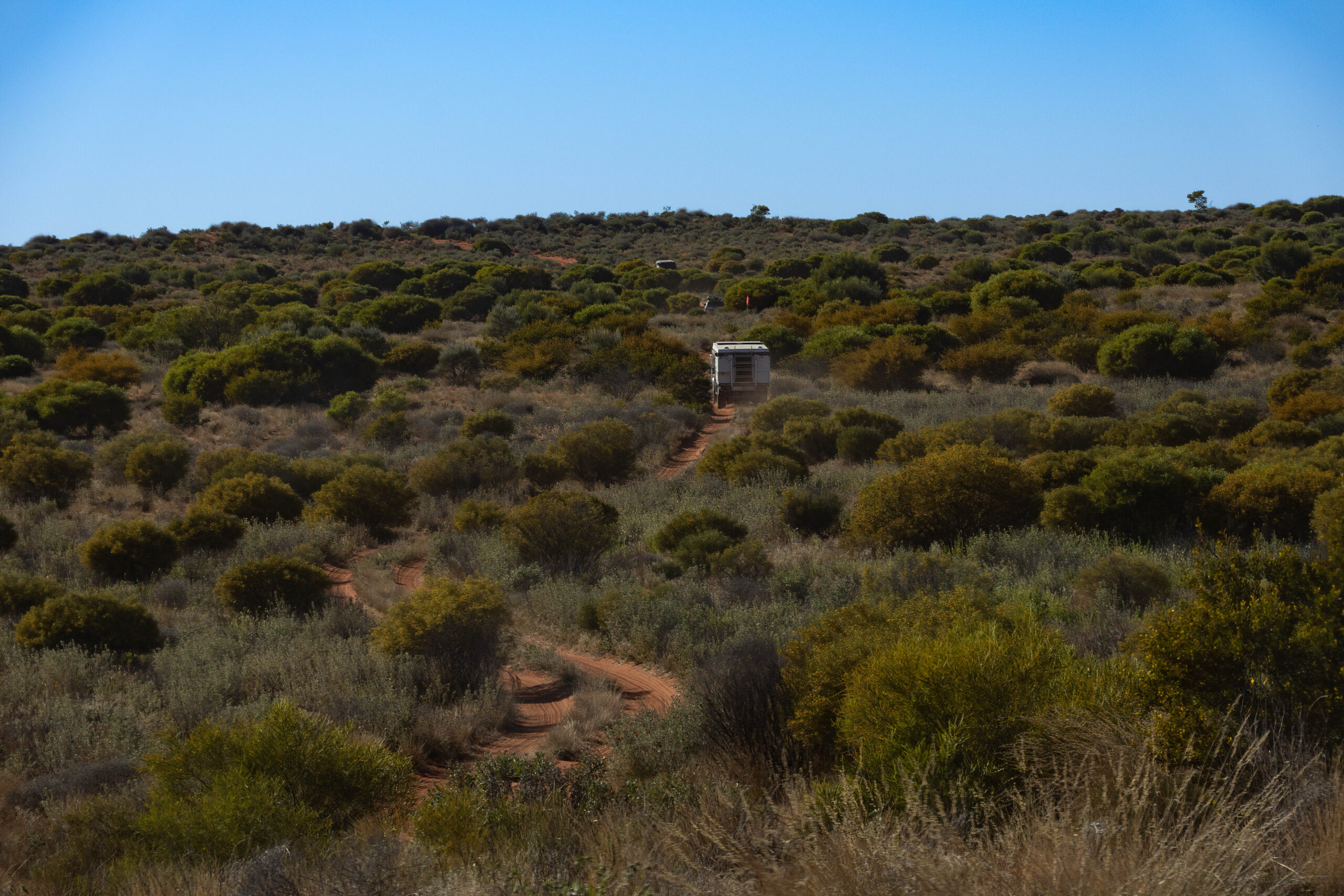
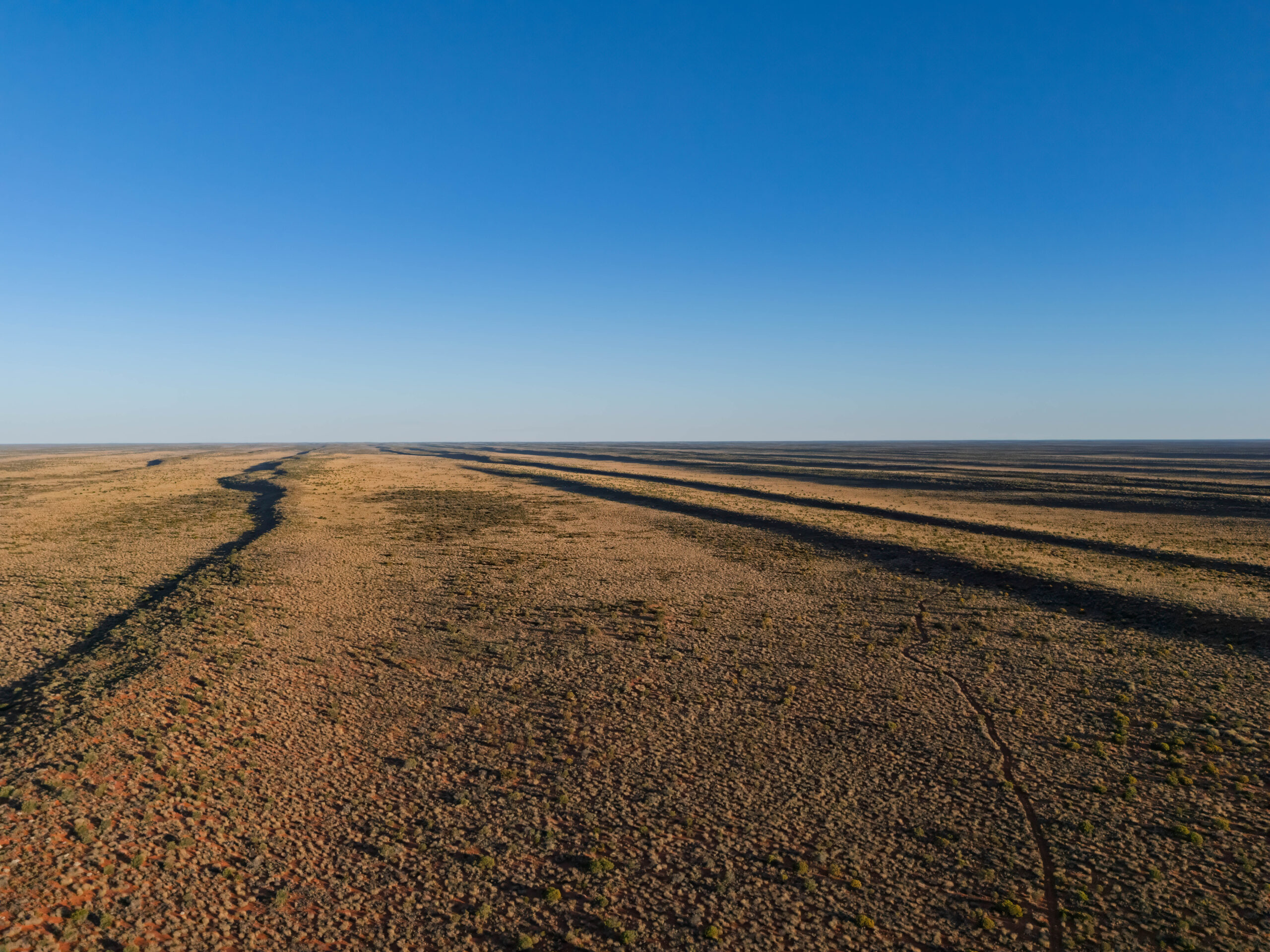
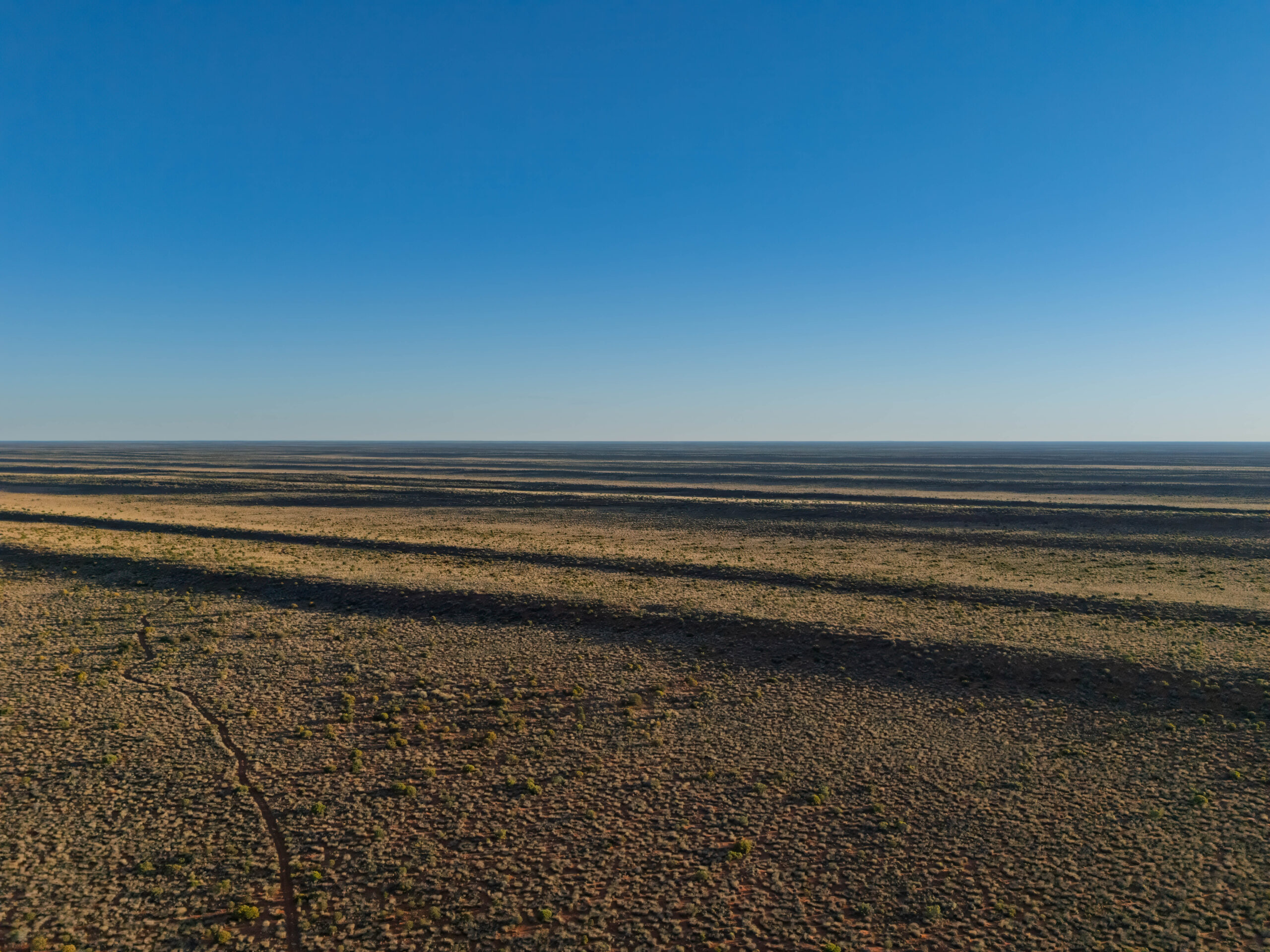
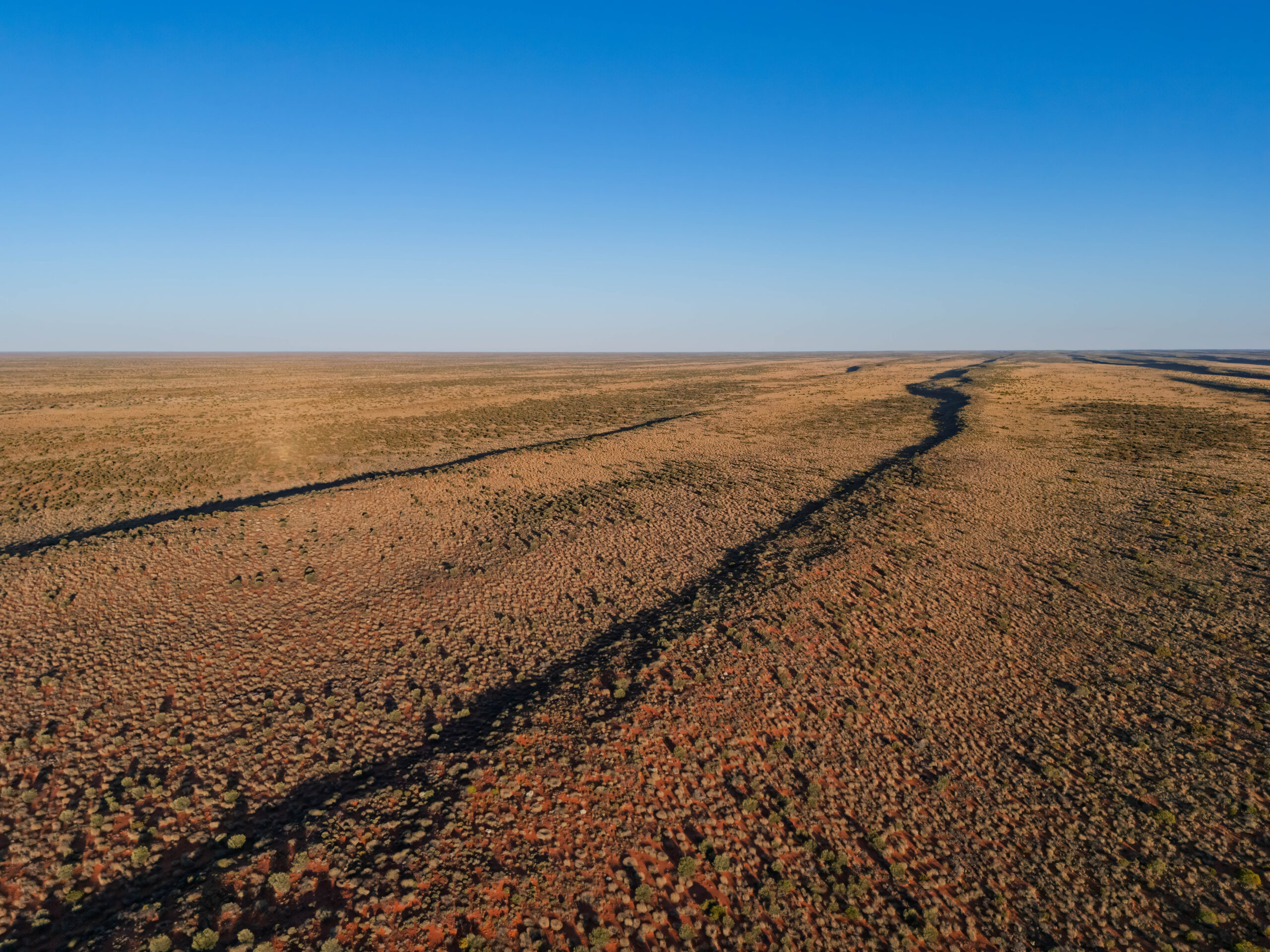
Lutz and Mel are counting the dunes as we traverse them! I admire their dedication to the task because we are going to climb over about a thousand dunes before we drive into Birdsville! This morning’s count started at just under 100 dunes. I think they said we were up to about 108 or 109 soon after we started our journey this morning. They are not counting out each one over the radio but provide periodic updates on what dune number we are up to.
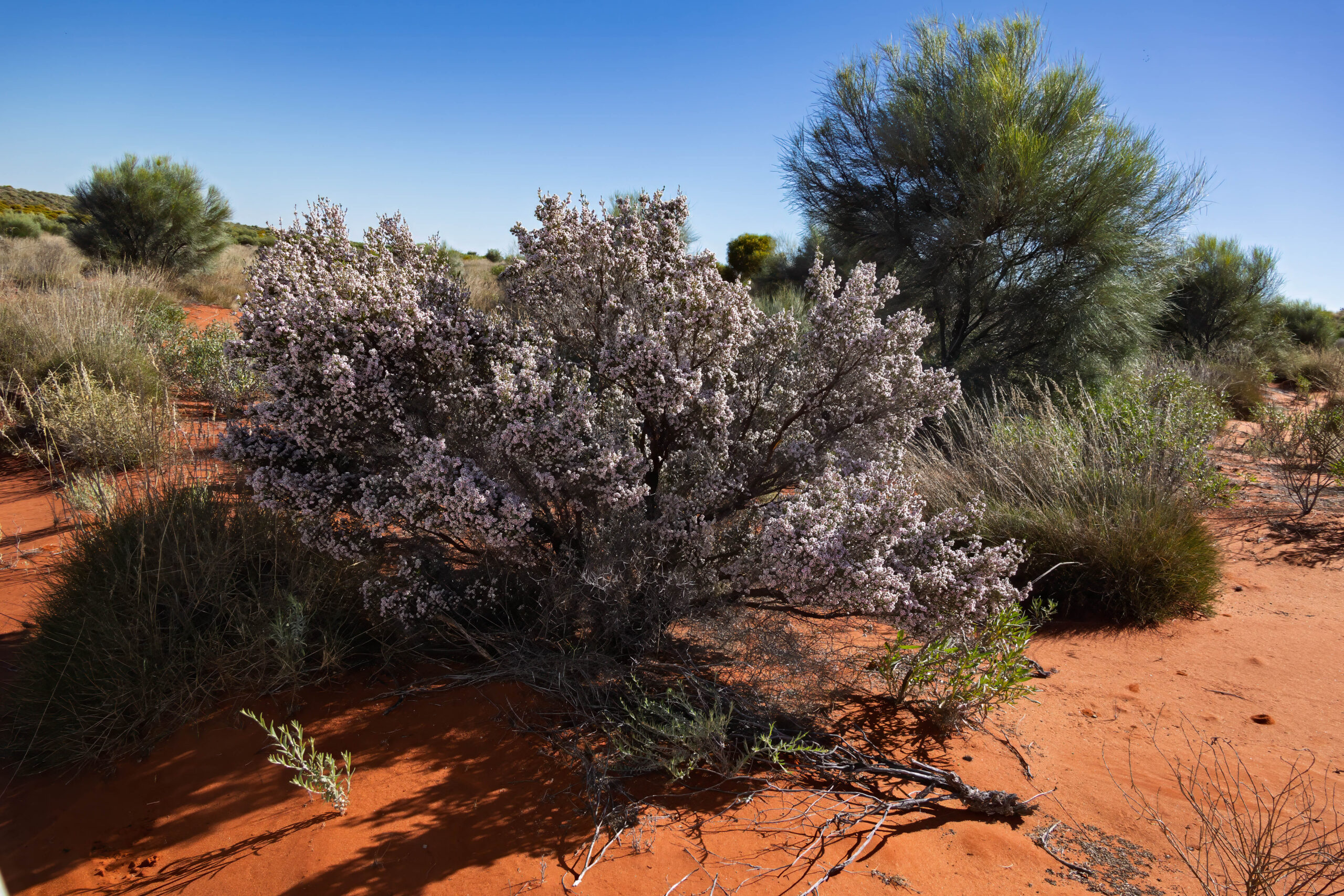
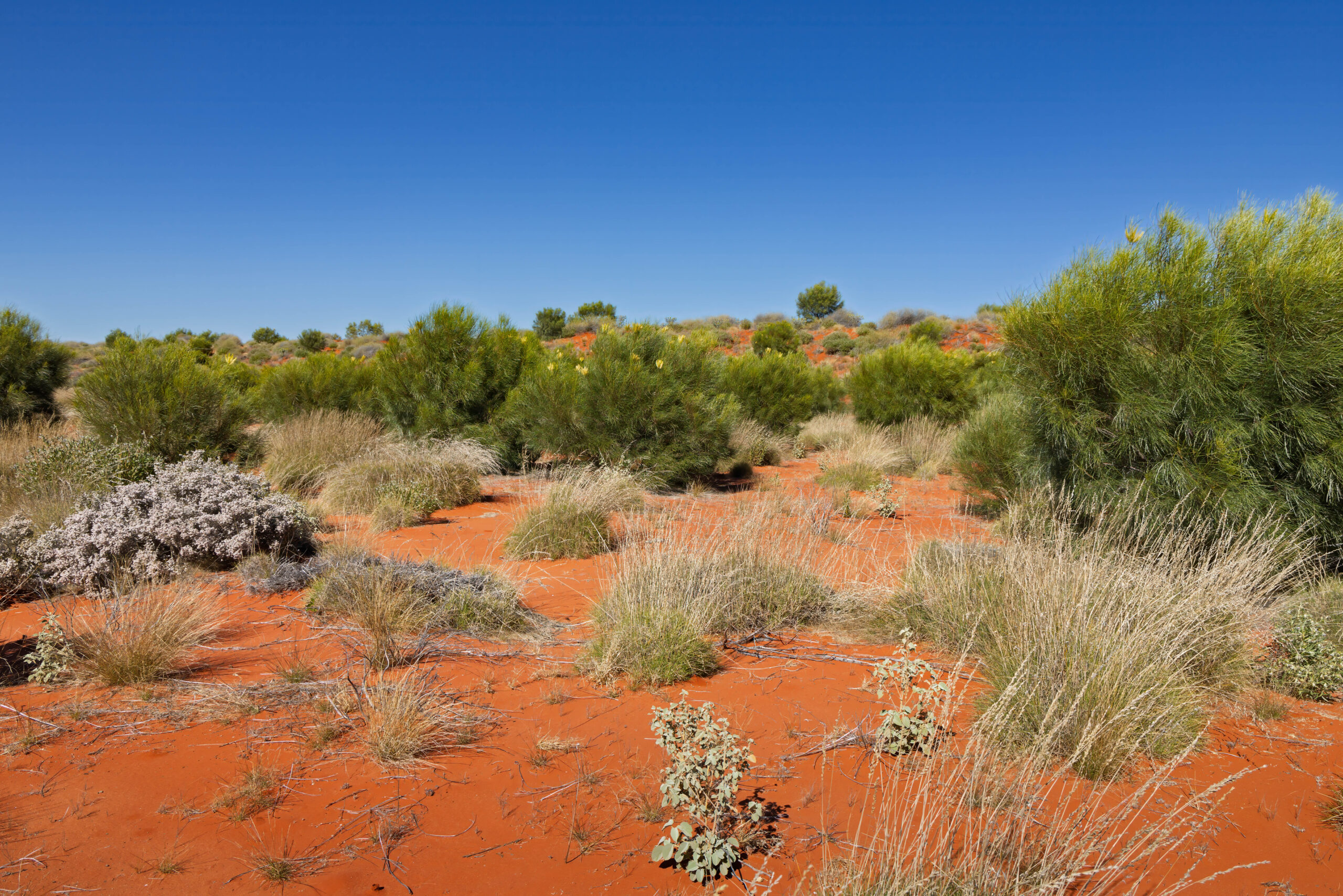
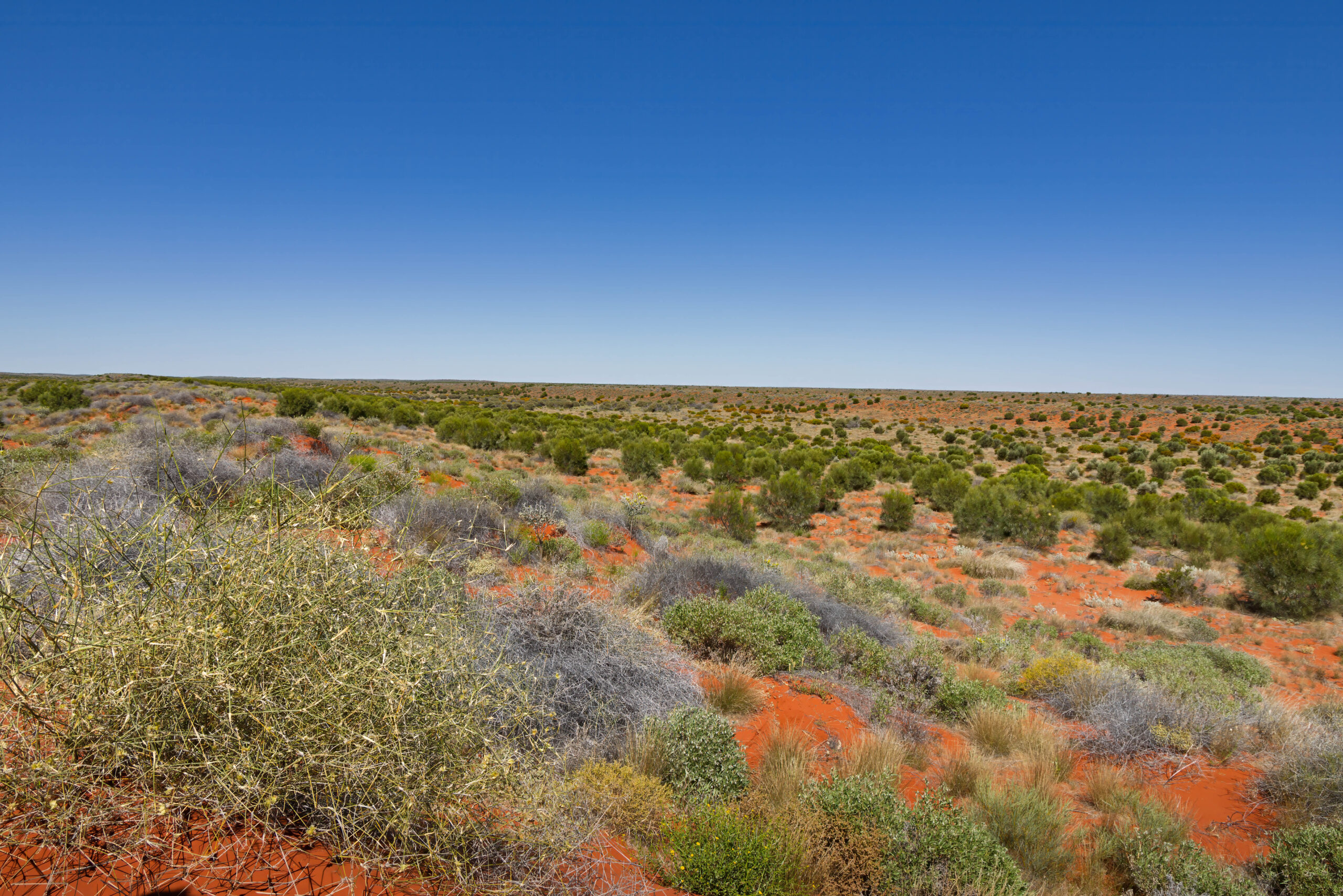
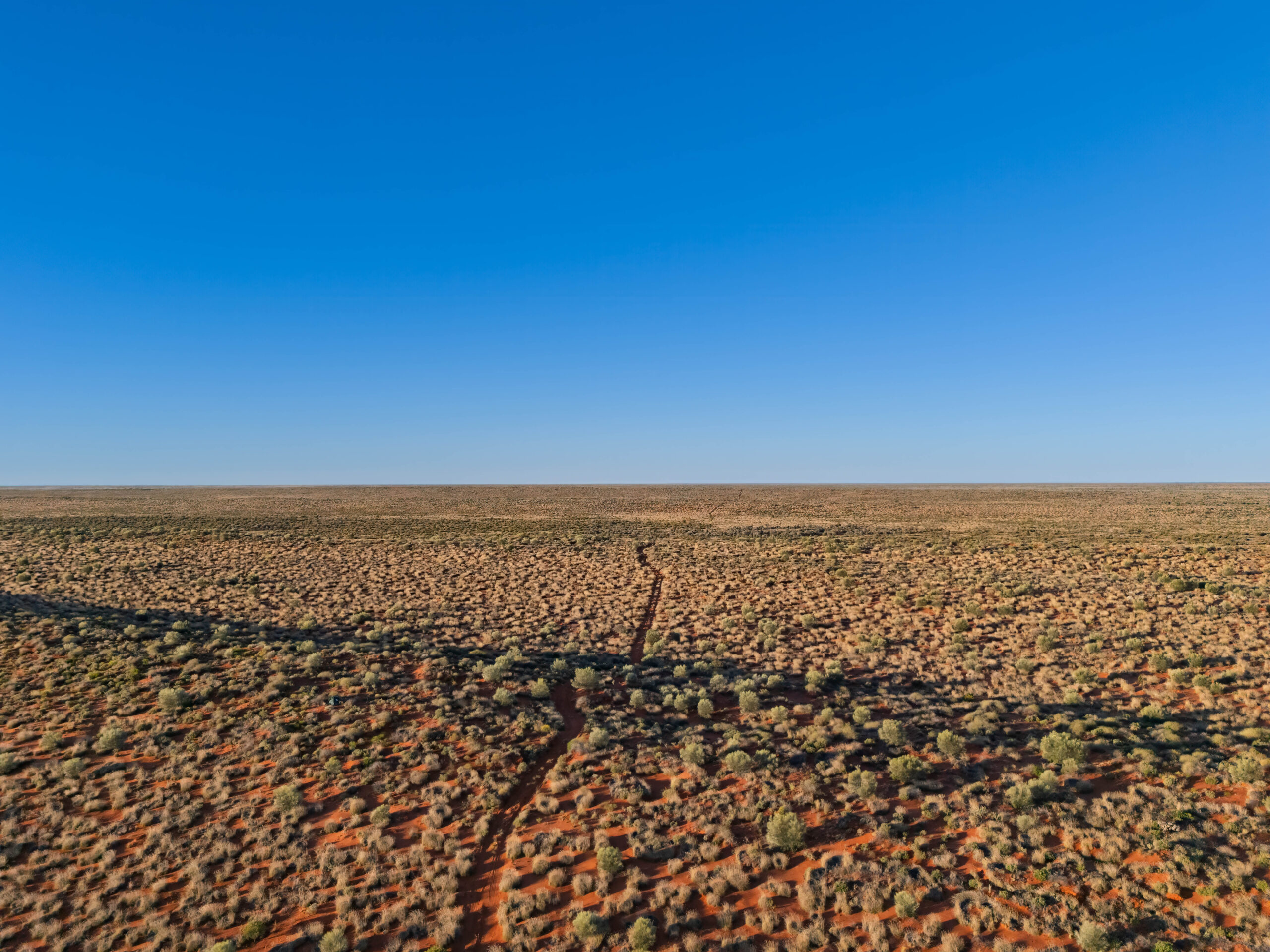
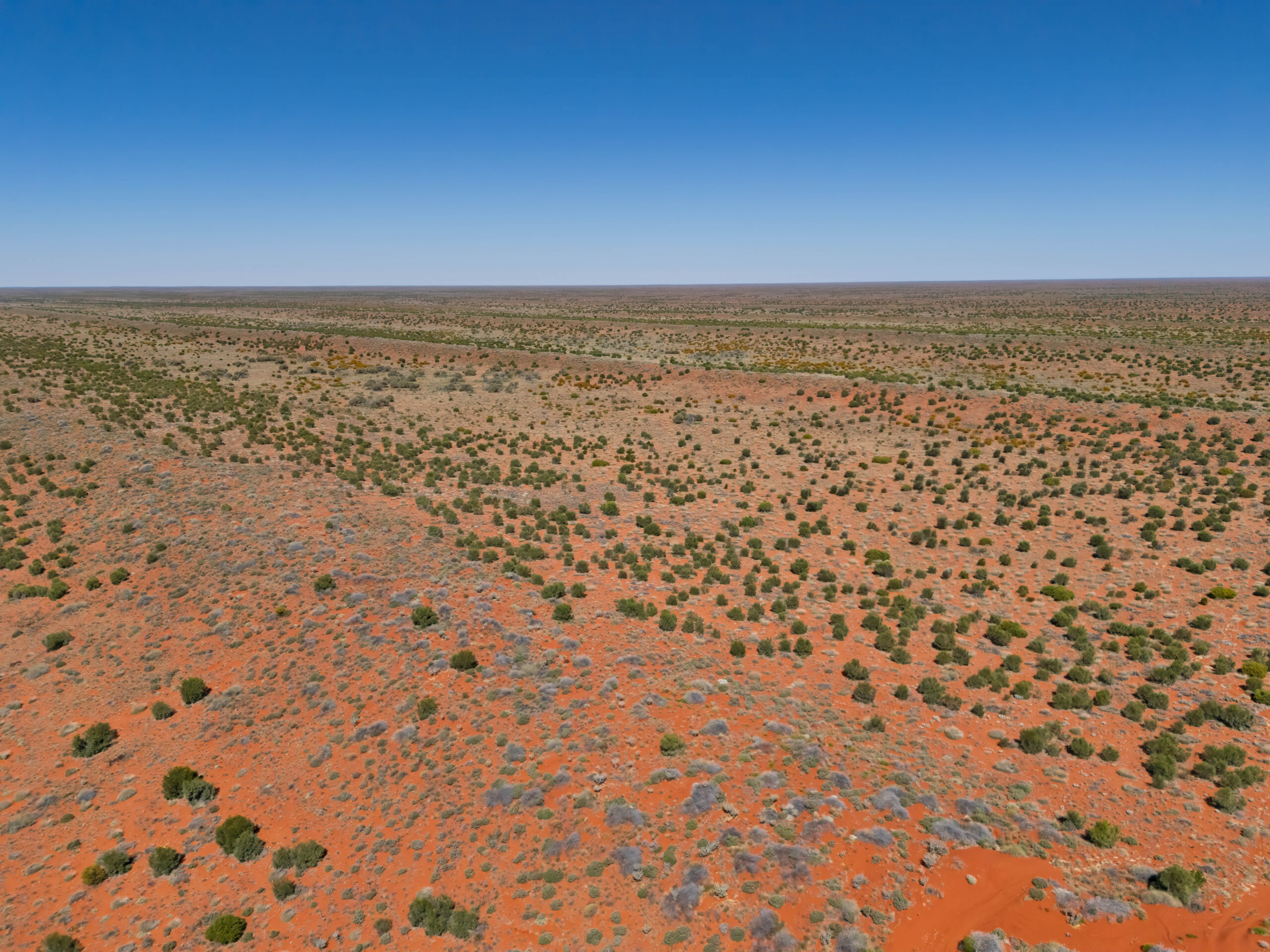
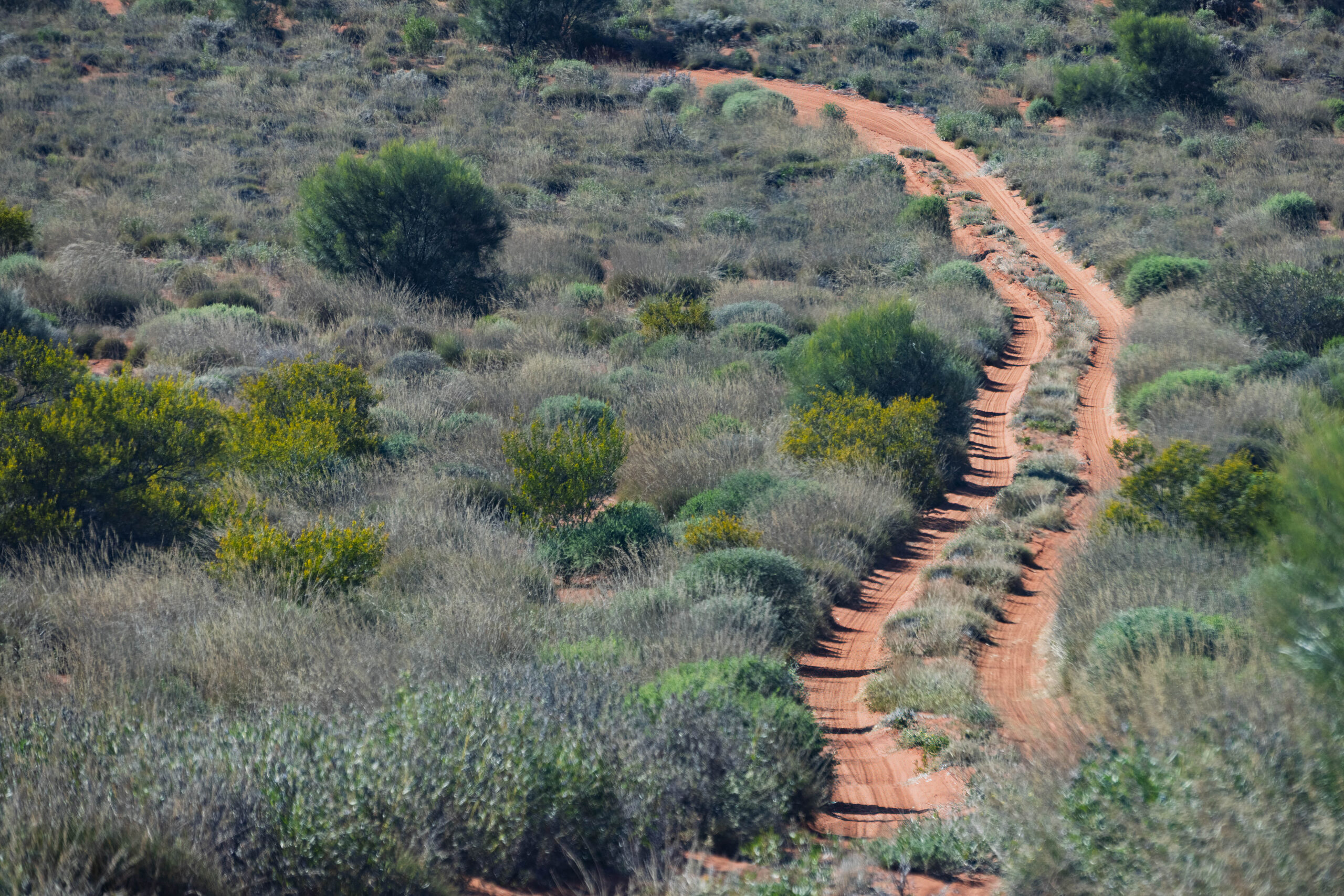
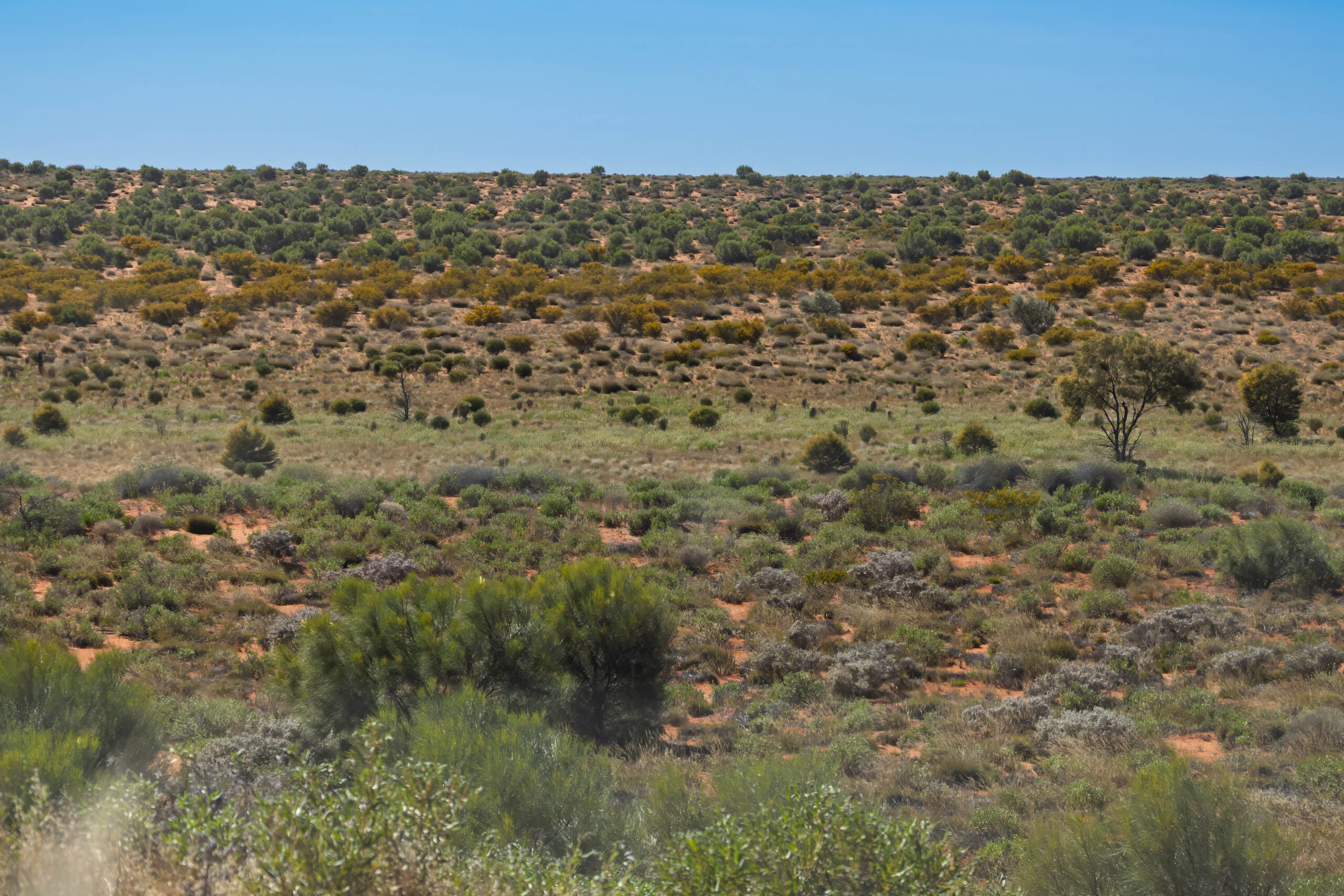
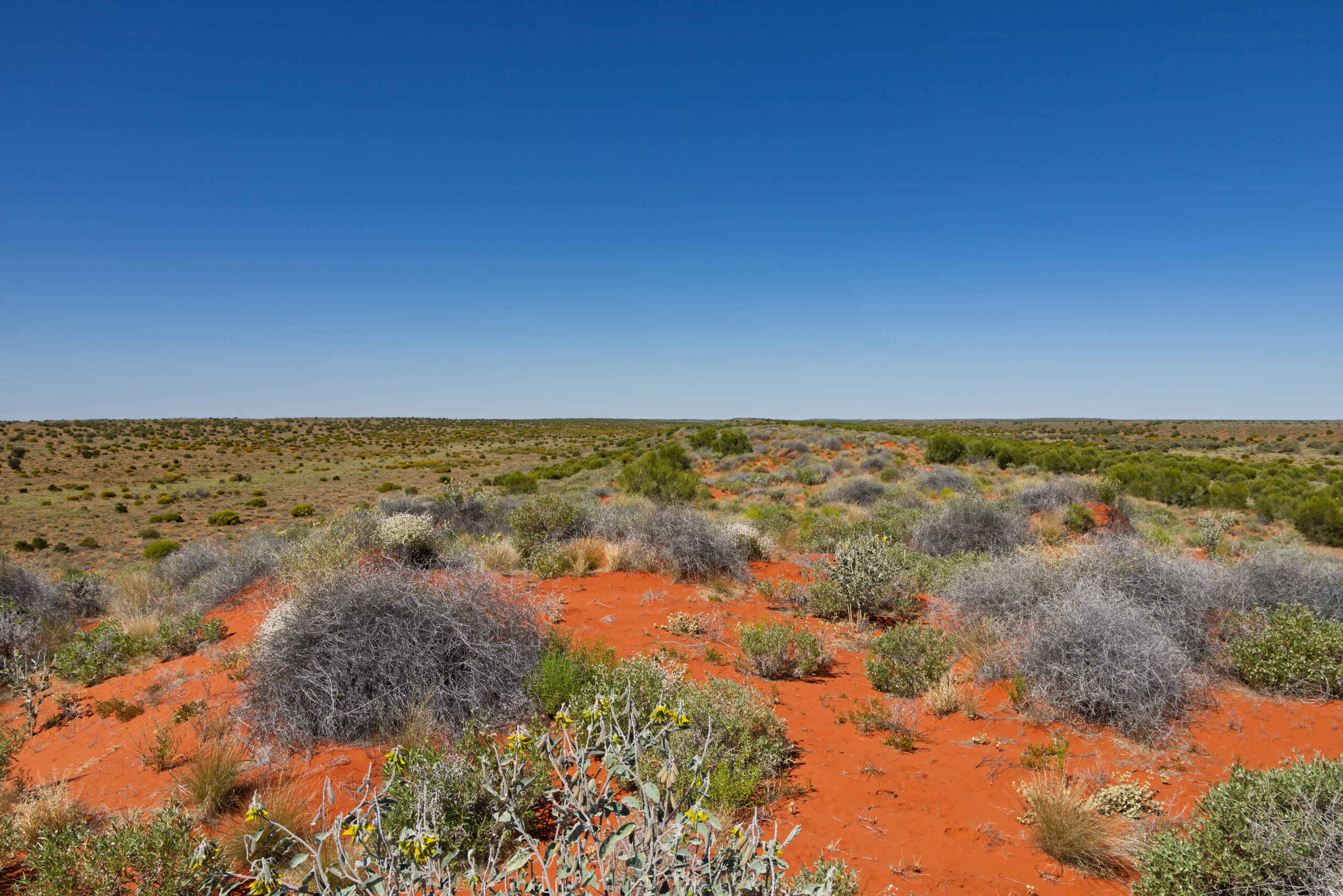
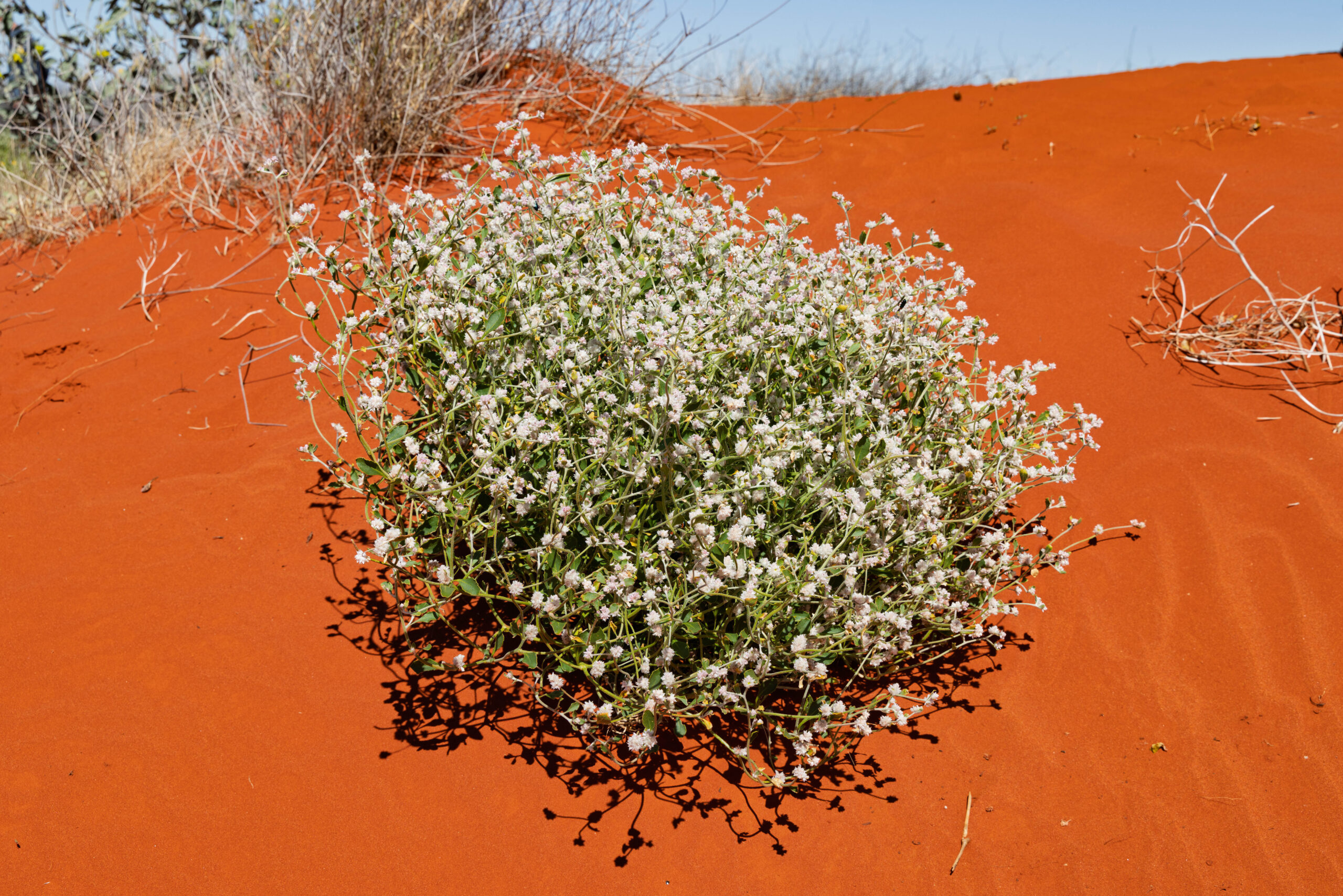
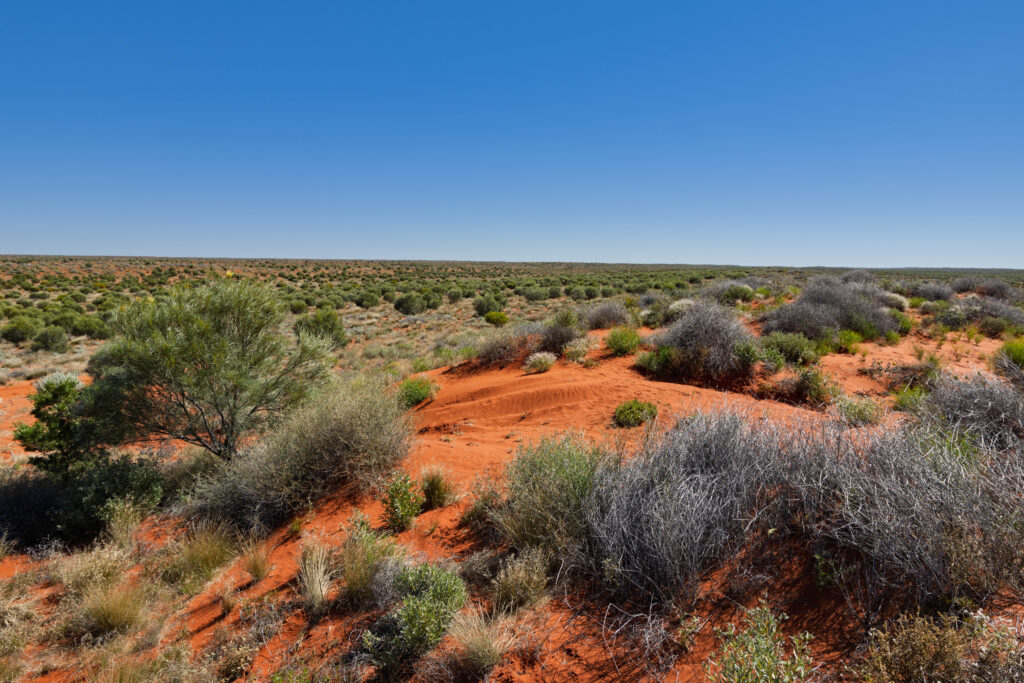
Our journey this morning passed through hectares and hectares of thryptomene. In places it created a veritable sea of white that all but obliterated the red dunes. It seems to flower absolutely prolifically out here in the wild. I have grown thryptomene in Melbourne but I am sure it doesn’t seem flower so densely in a suburban garden setting.
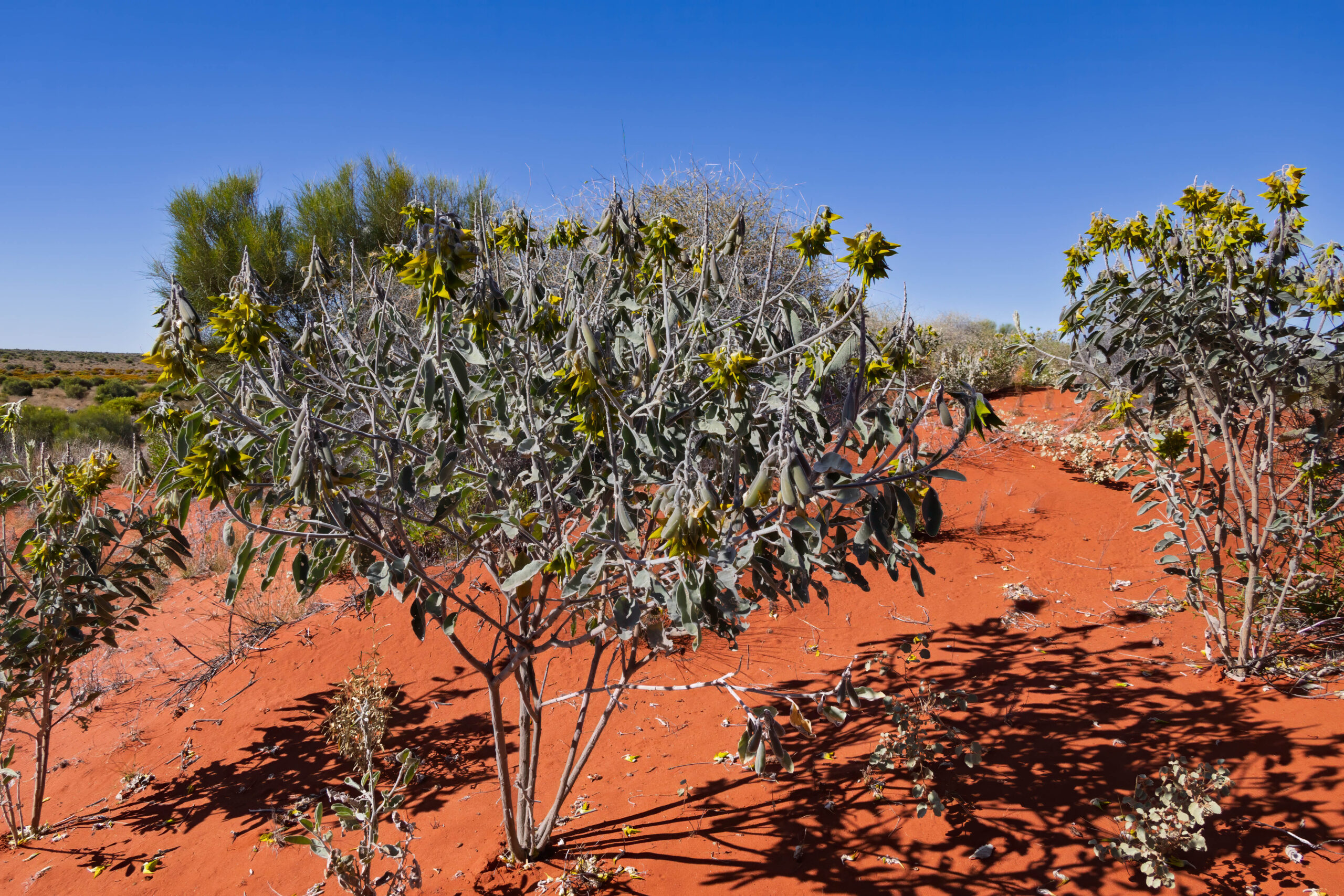
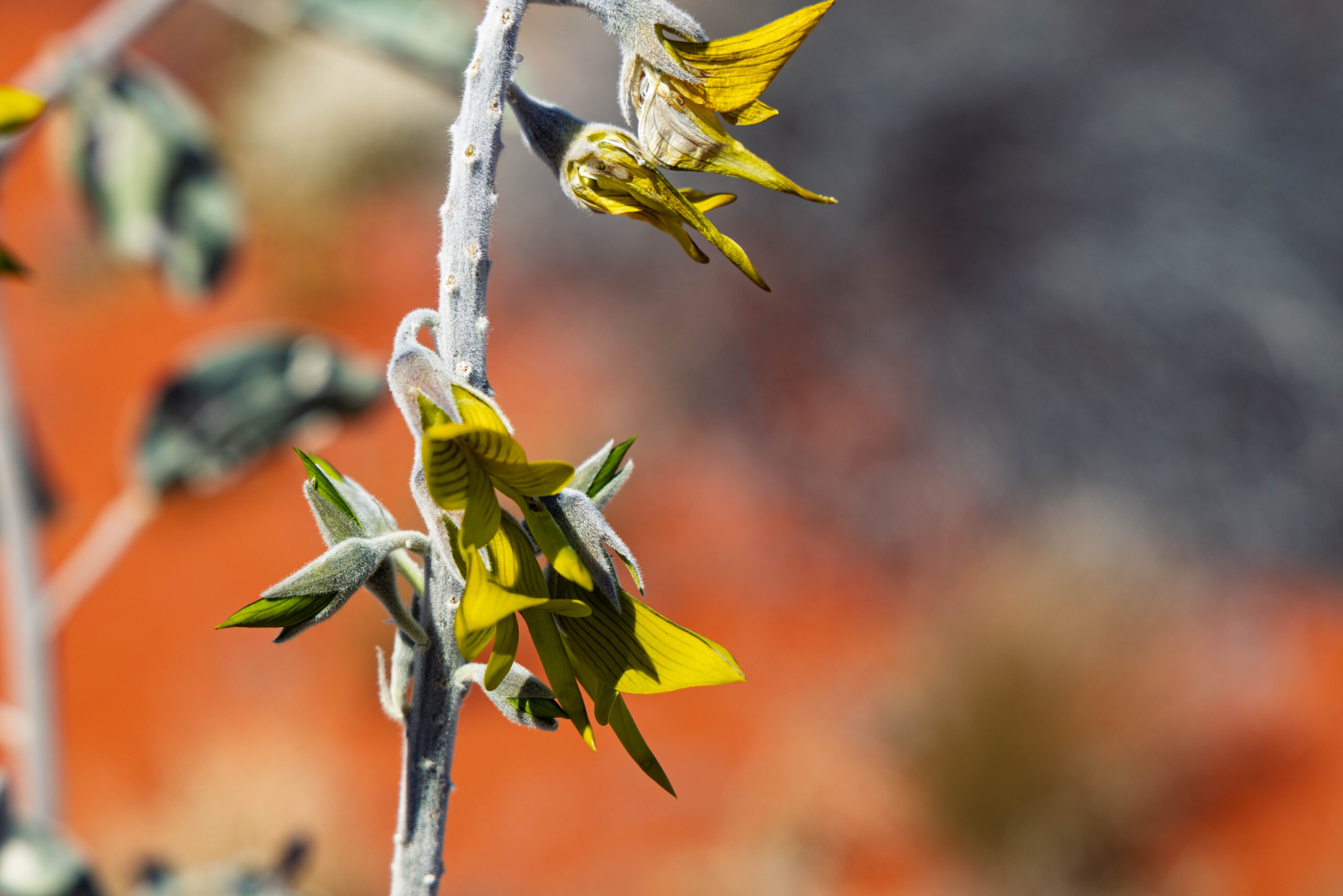
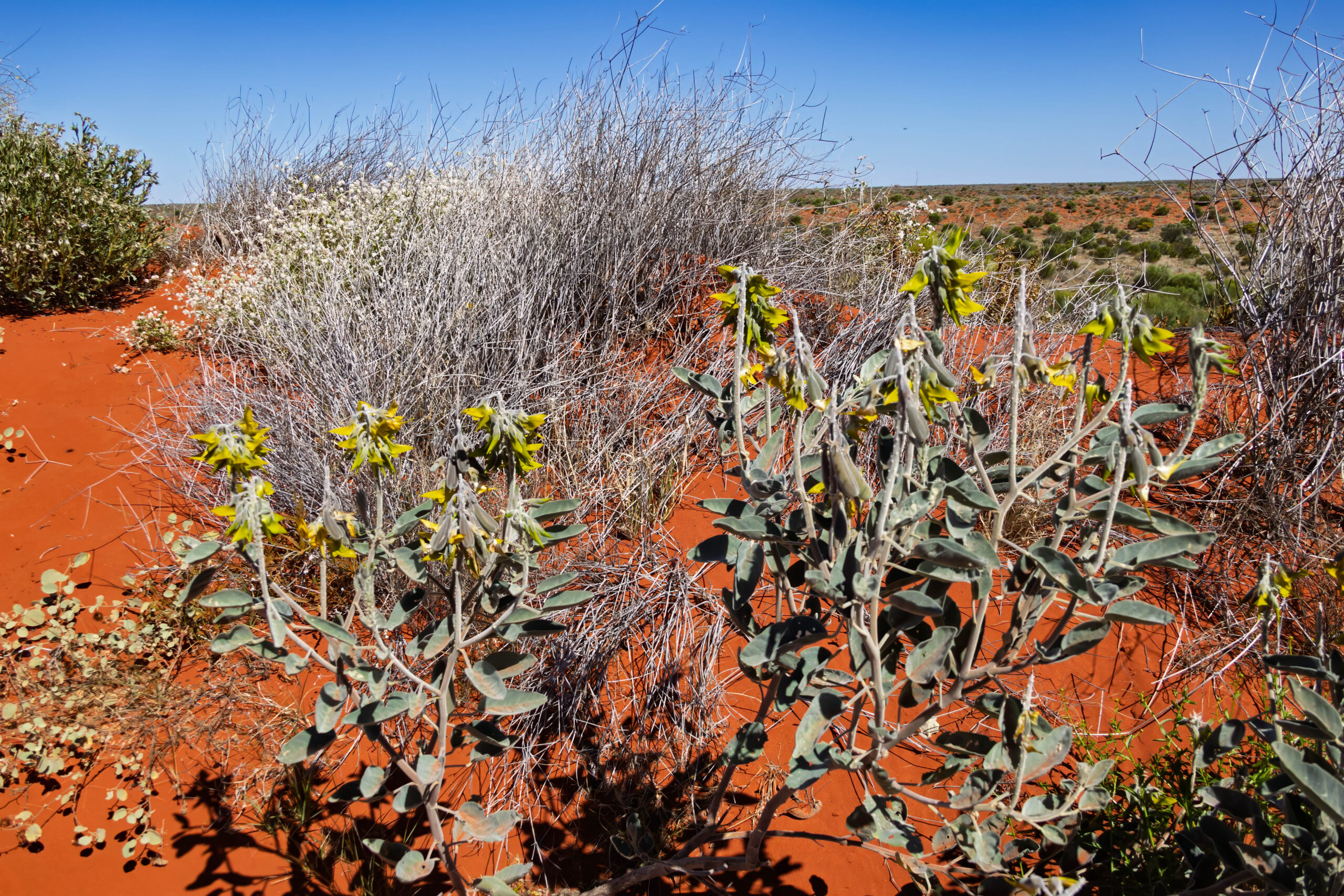
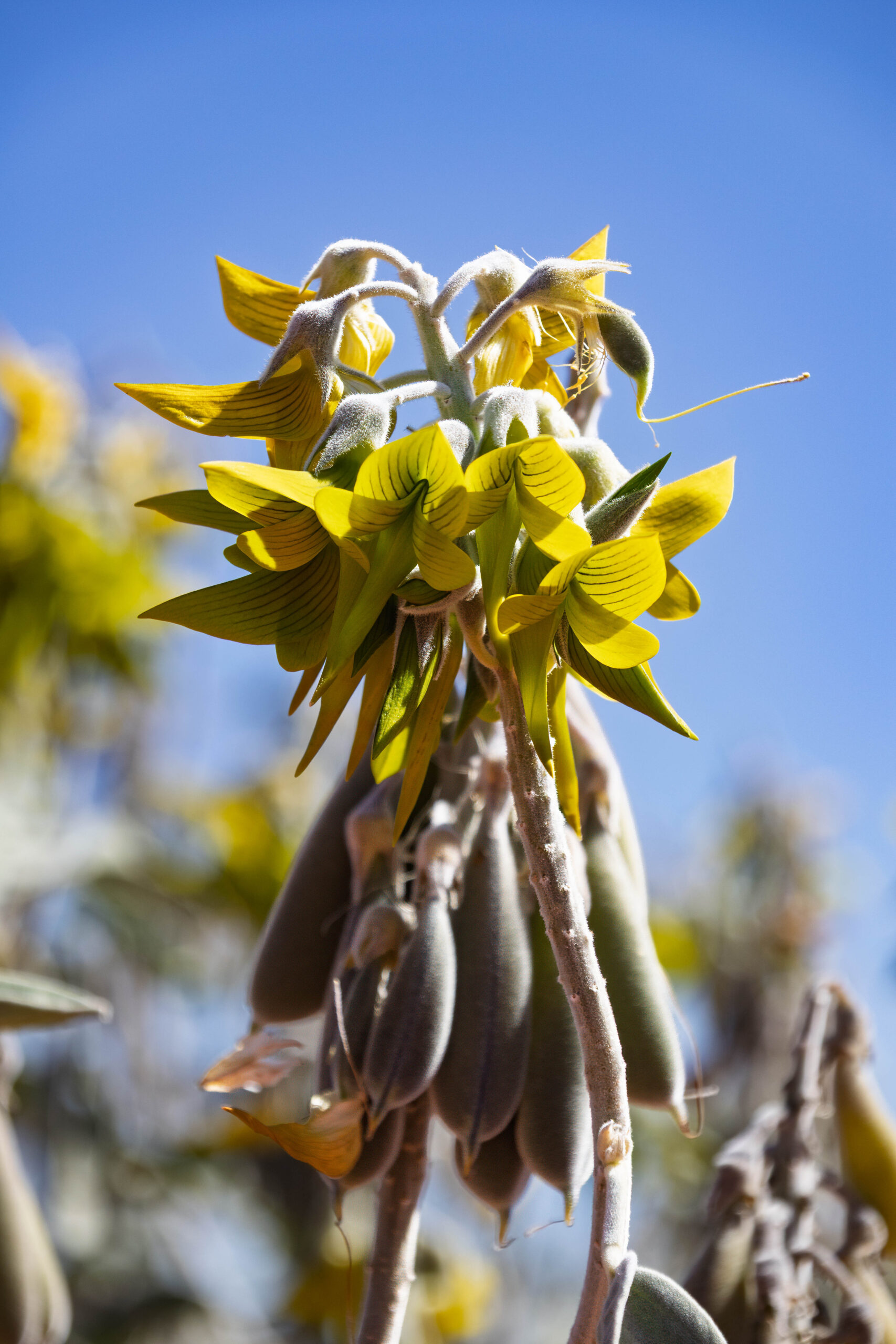
We made our lunch stop at Madigan Camp 8. Coming in to the camp Helene pointed out the regal bird flowers that grow only on the very top of the dunes. Others had mentioned hummingbird trees. It turned out that they are one and the same. The plant’s official name is Crotalaria cunninghamii and it has a very (very) long list of common names.
There had been conversation, too, about the thryptomene shrubs / desert heath myrtle. A post was made on our WhatsApp group to say that it is Aluta maisonneuvei. I was confused because it looked like thryptomene to me. I Googled to find out that the shrub was named Thryptomene maisonneuvei in 1864 by Ferdinand von Mueller in honour of Michel Charles de Maisonneuve, director of the botanic garden at Bordeaux. However, in 2000, Australian botanists, Barbara Rye and Malcolm Trudgen, changed the name to Aluta maisonneuvi. Once again, same plant but known by various different names. So confusing!!
Others shared on the radio that they have, or are, reading Cecil Madigan’s Book ‘Crossing The Dead Heart’ in which he chronicles the first crossing of the Simpson Desert that he made in 1939. It was mentioned that his party spent two nights at Camp 8 due to ‘tumultuous rain’. Apparently the rain was a fortunate event as they had been using water much more quickly than they had planned and the rain relieved the pressure on their water supply.
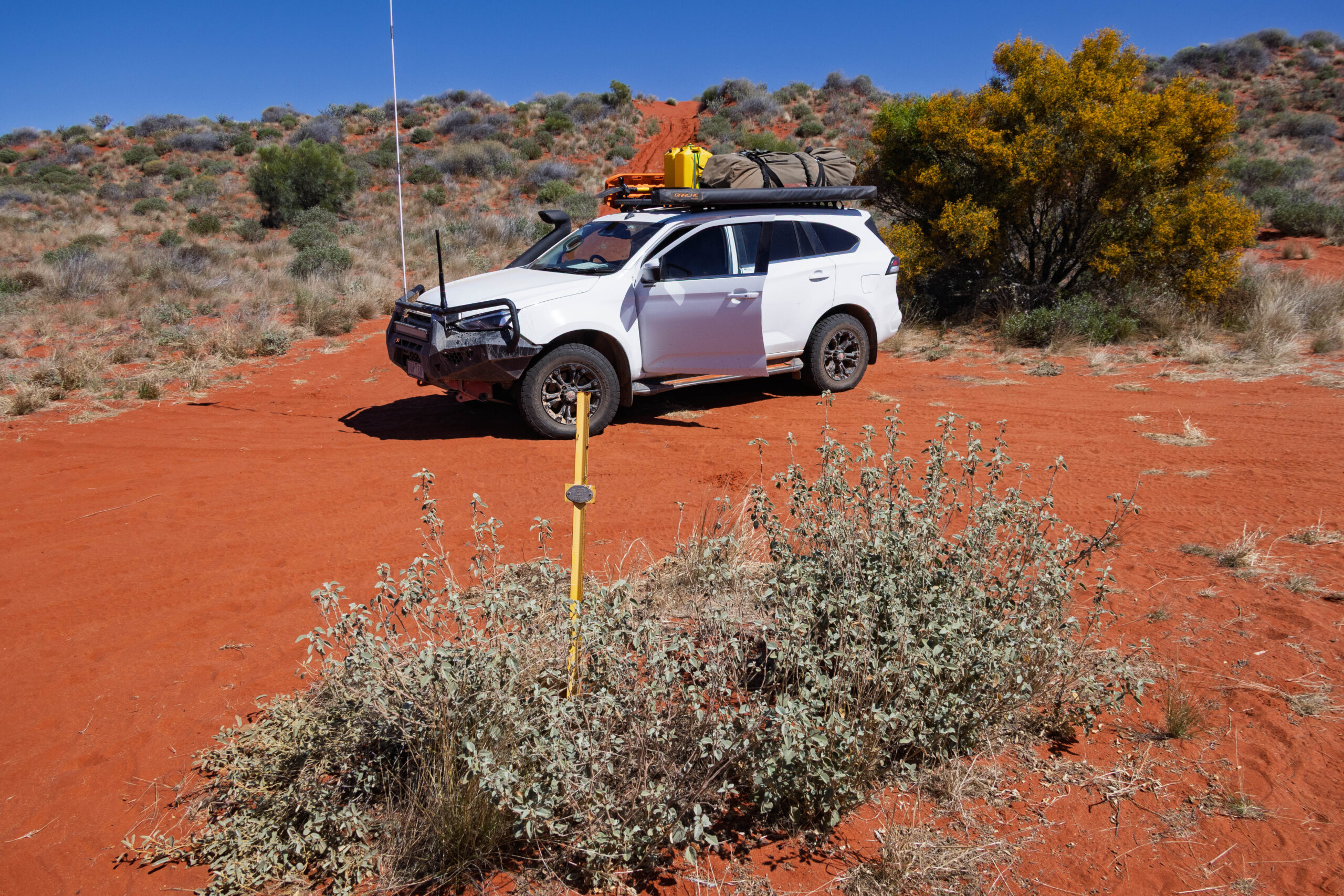
As we have driven today the dunes have been getting bigger and more challenging to traverse. We had our first instances today of vehicles having to back off the tops of the dunes in order to have another go at making it over. Tyre pressures have been adjusted on the go, to try and find the right pressure for everyone. With a variety of vehicles running at very different weights, it has not been a case of everyone deflate your tyres to 20 psi, it’s been more a case of everyone let your tyres down to the pressure that enables you to drive up and over the dunes without any difficulty. On the whole everyone is managing the sand driving really well and there have only been a few who have needed a second bite at the cherry.
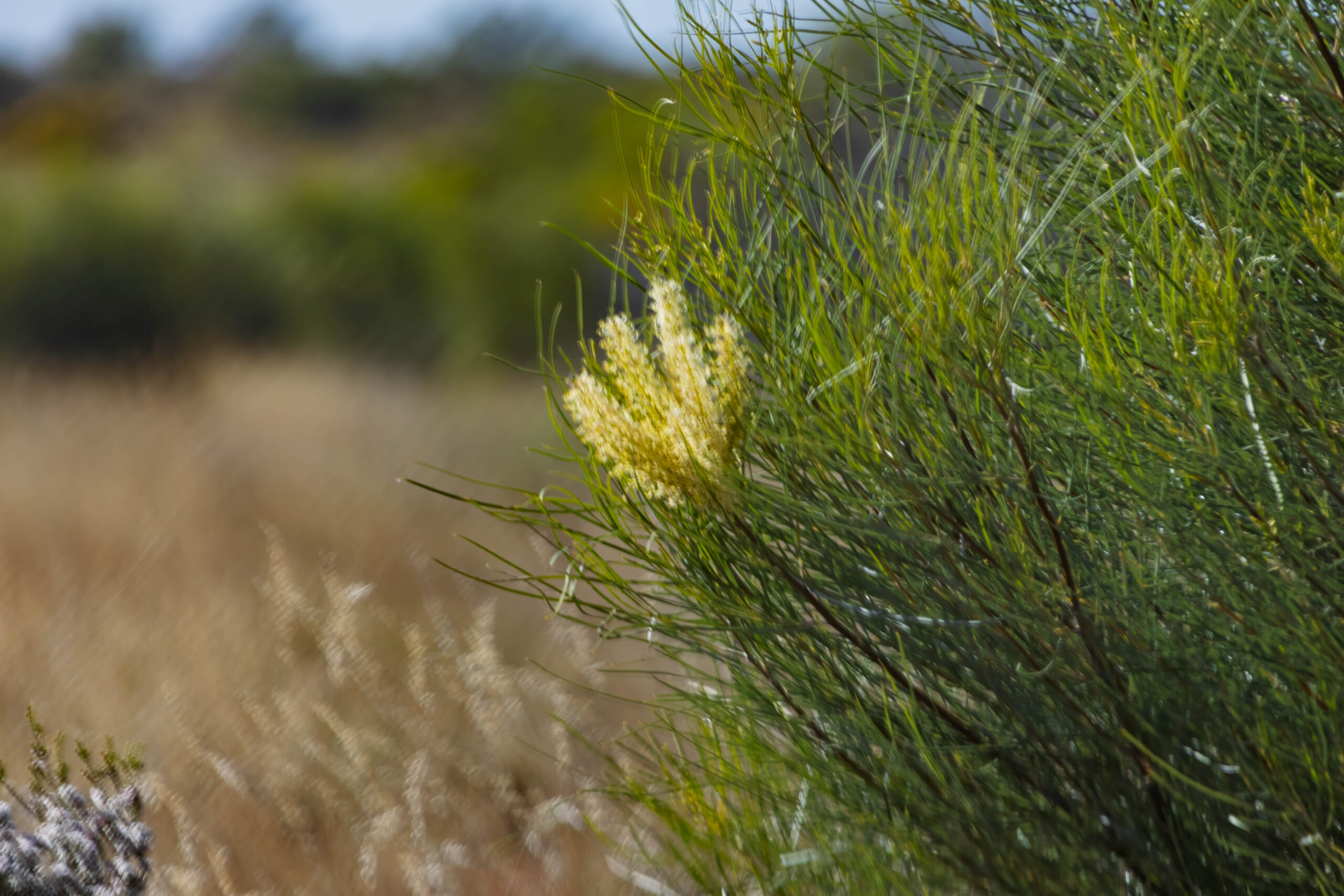
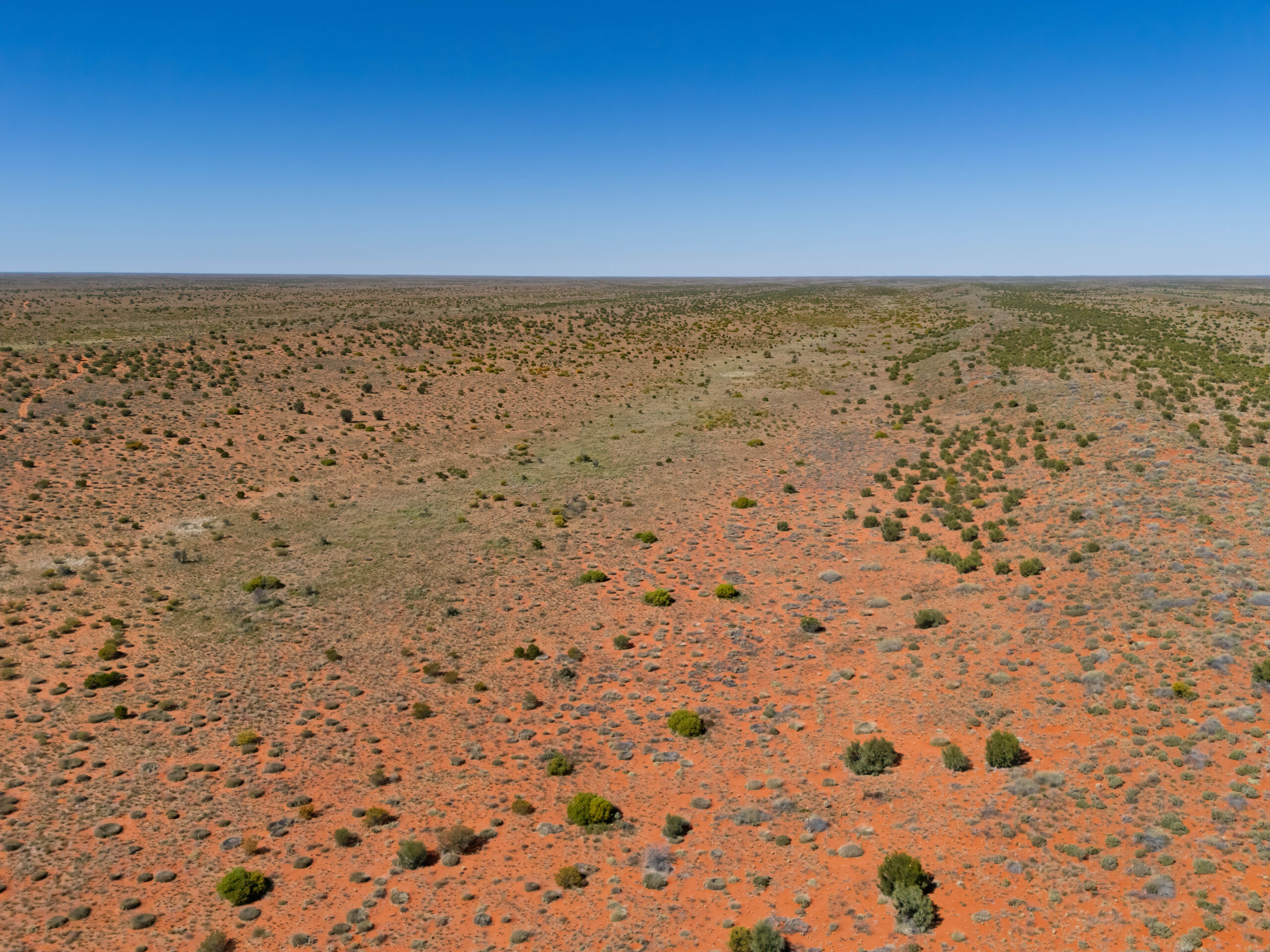
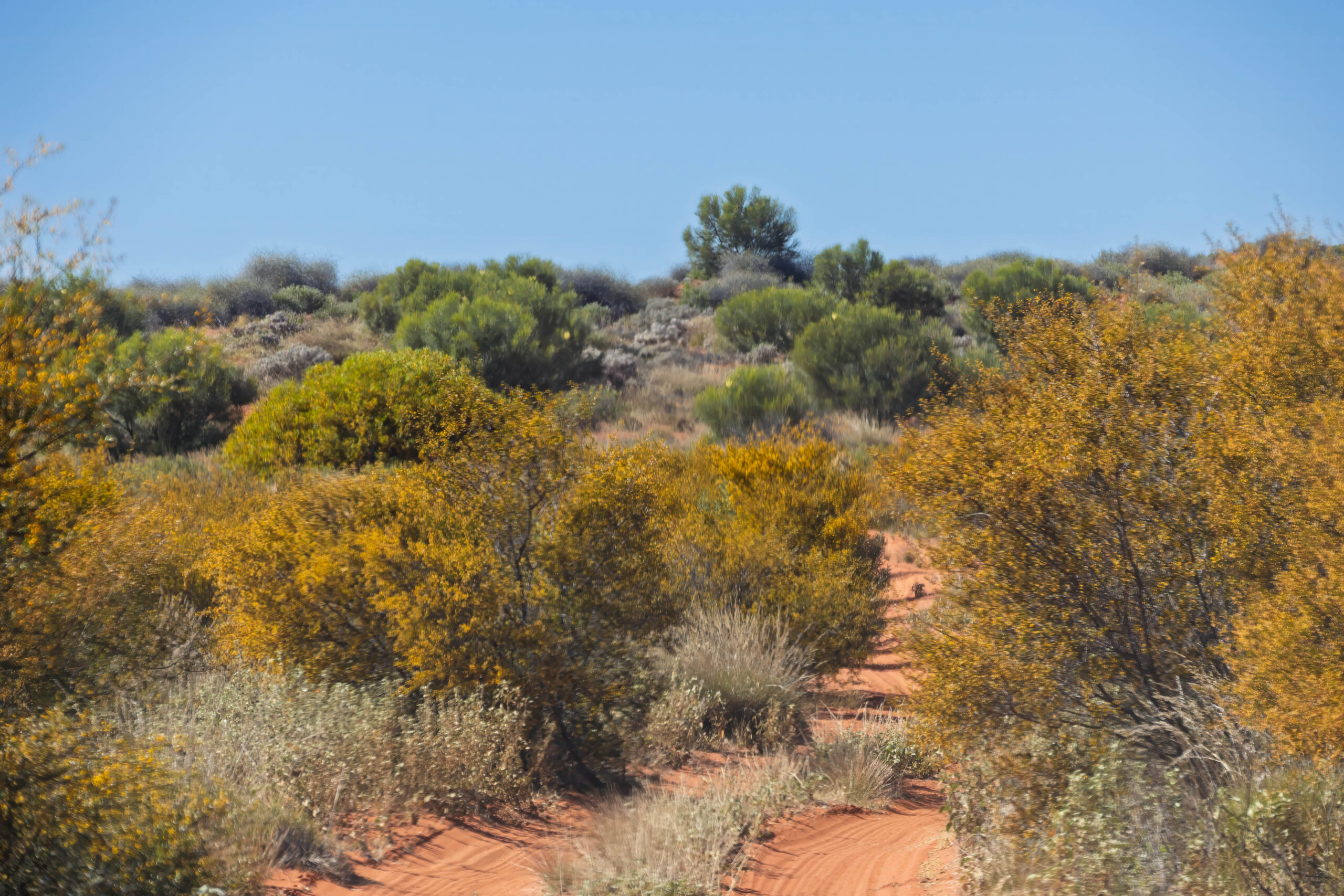
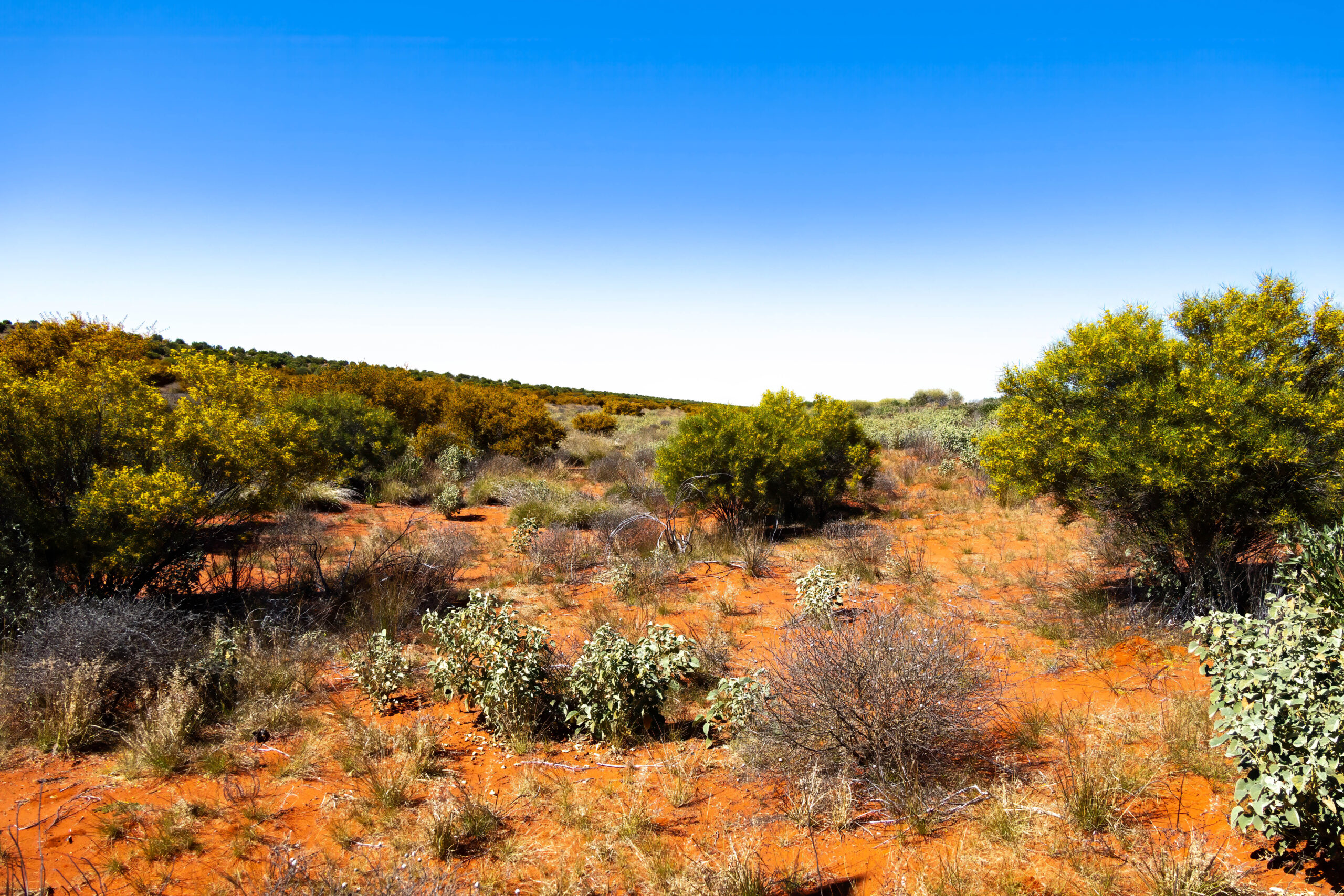
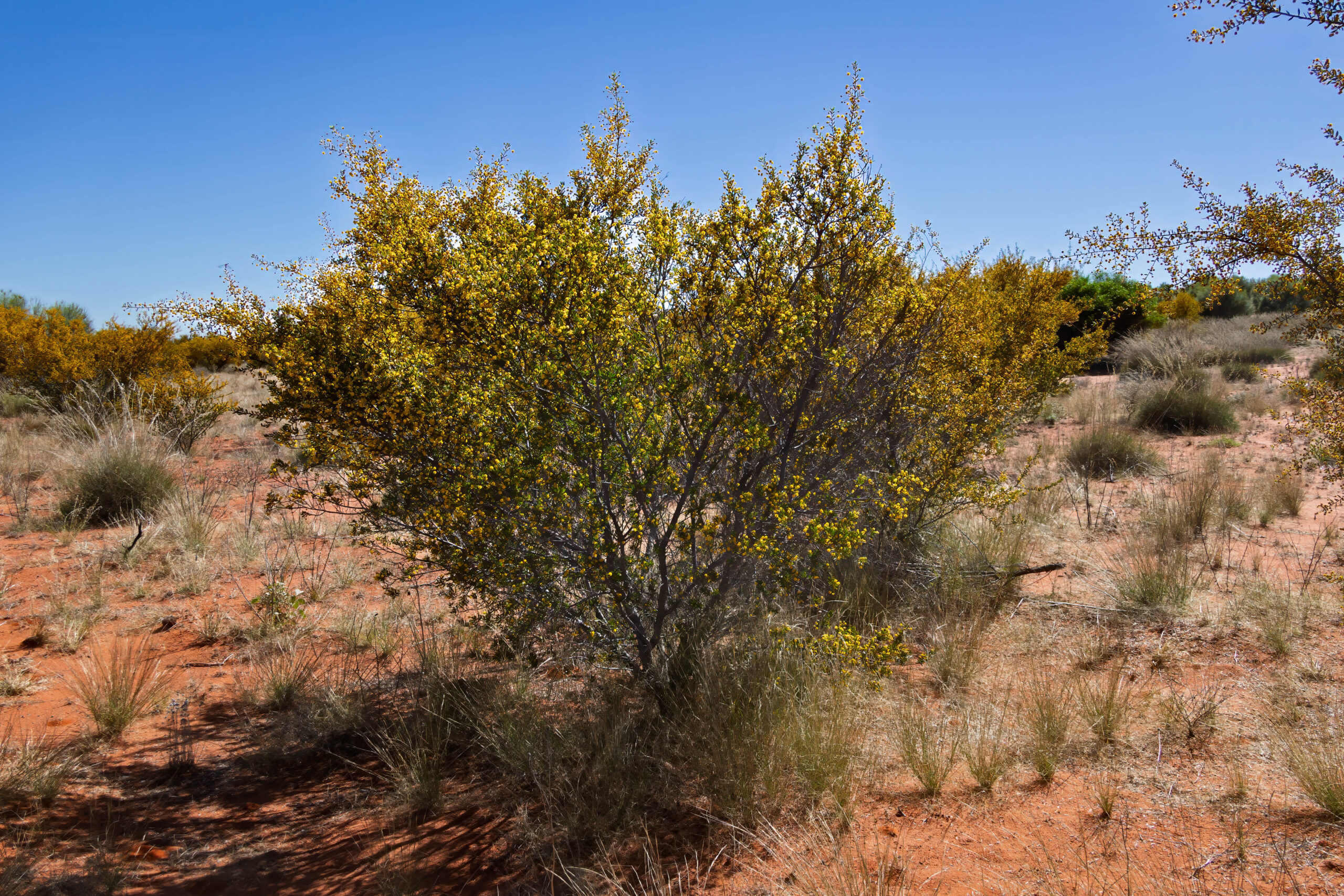
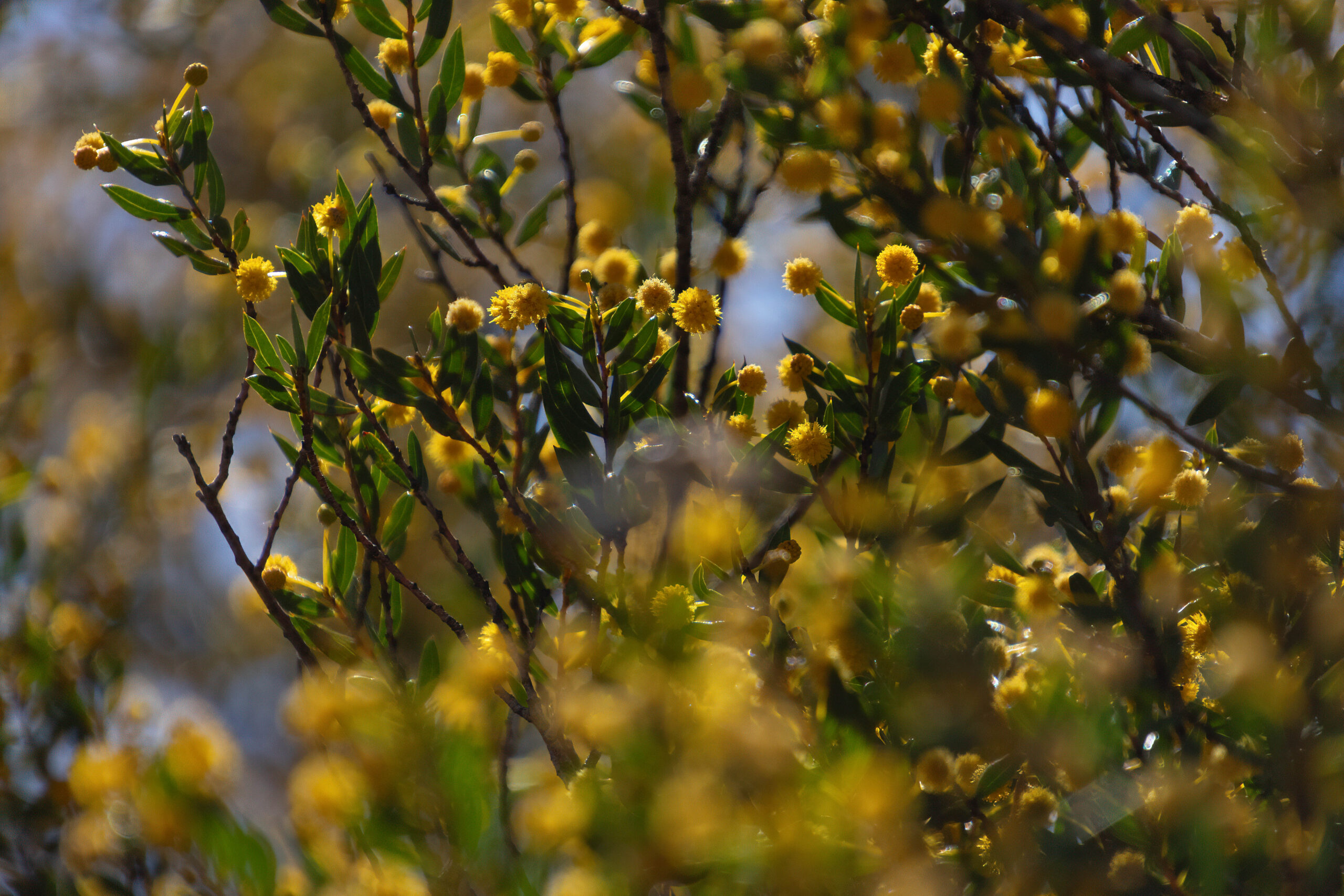
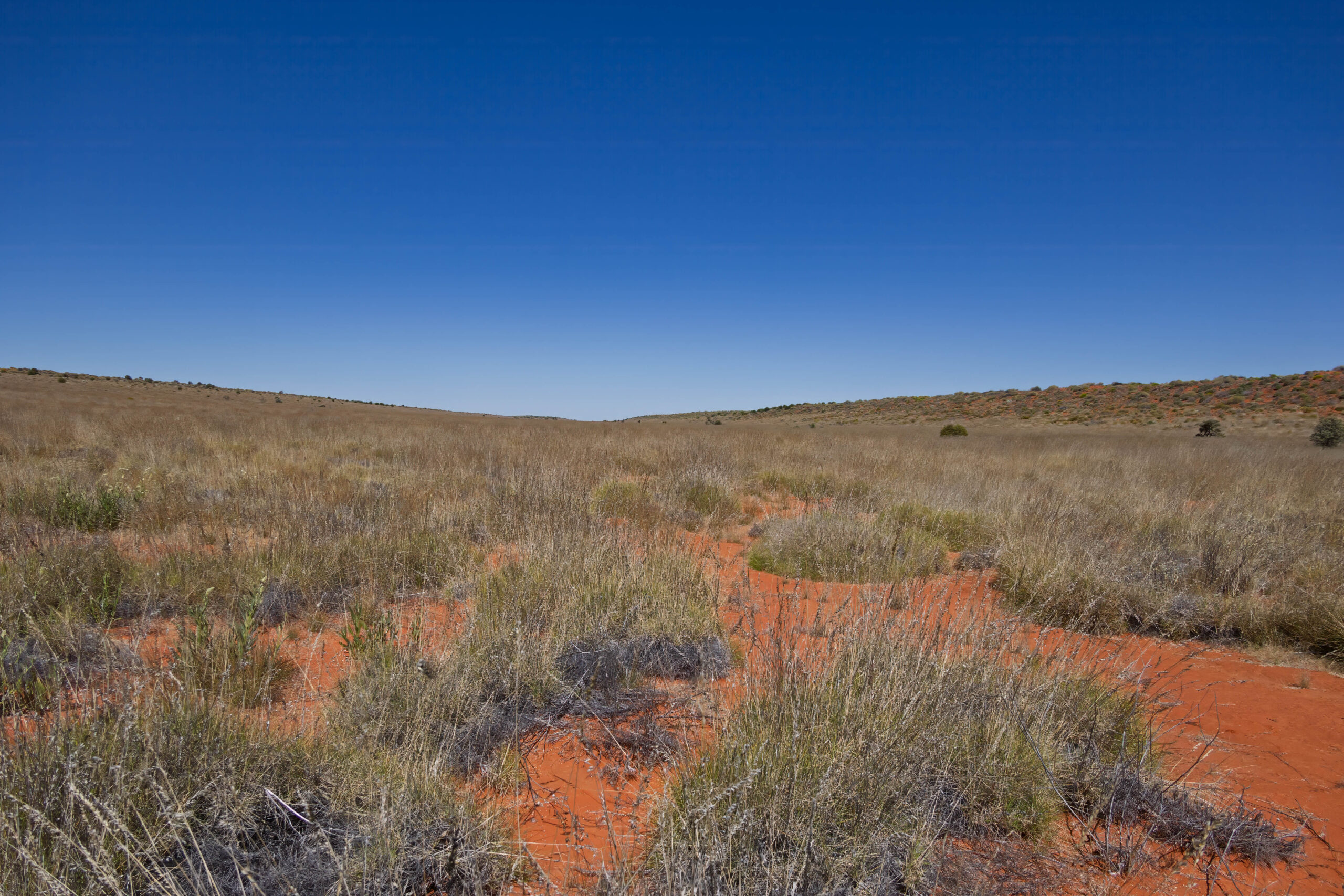
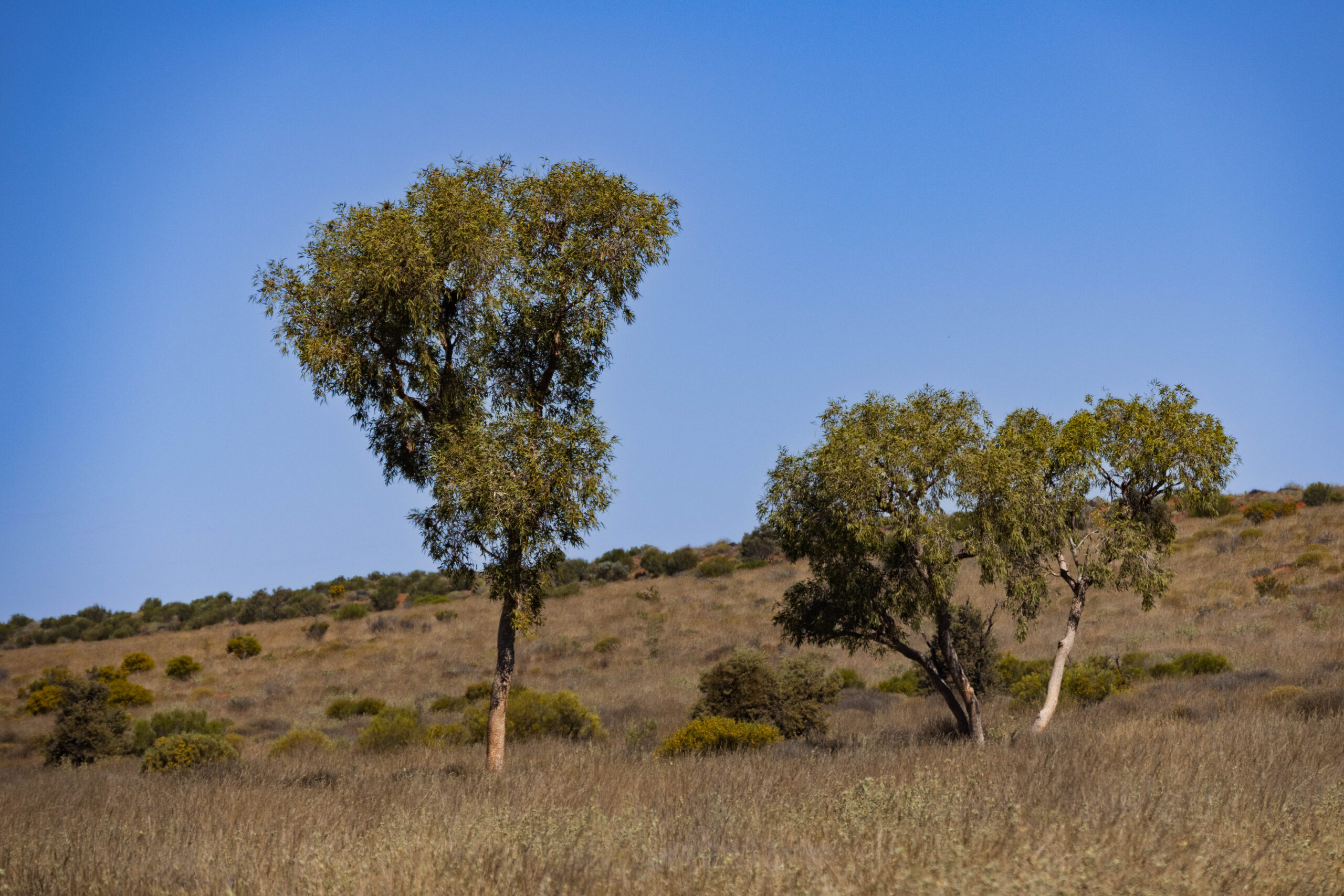
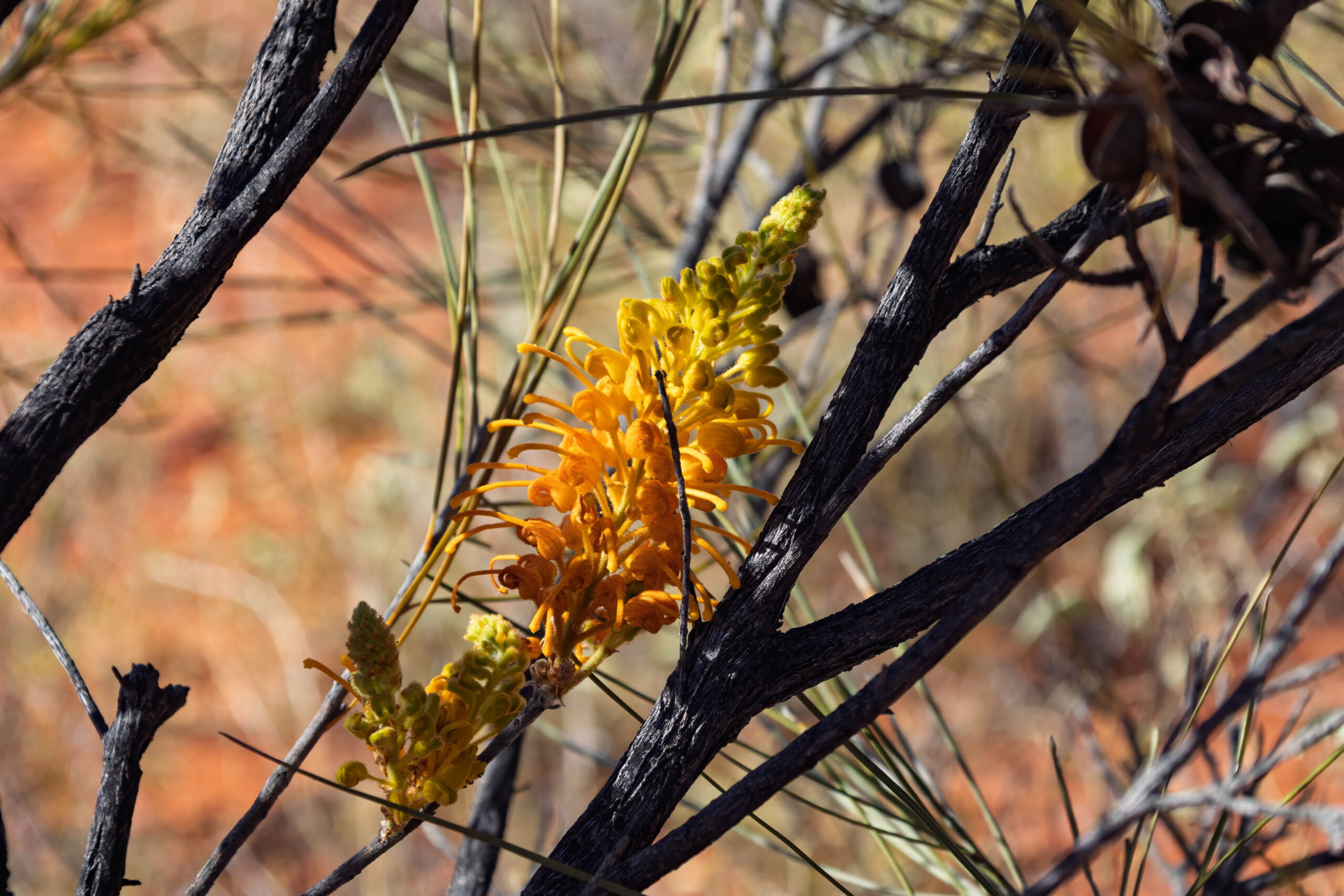
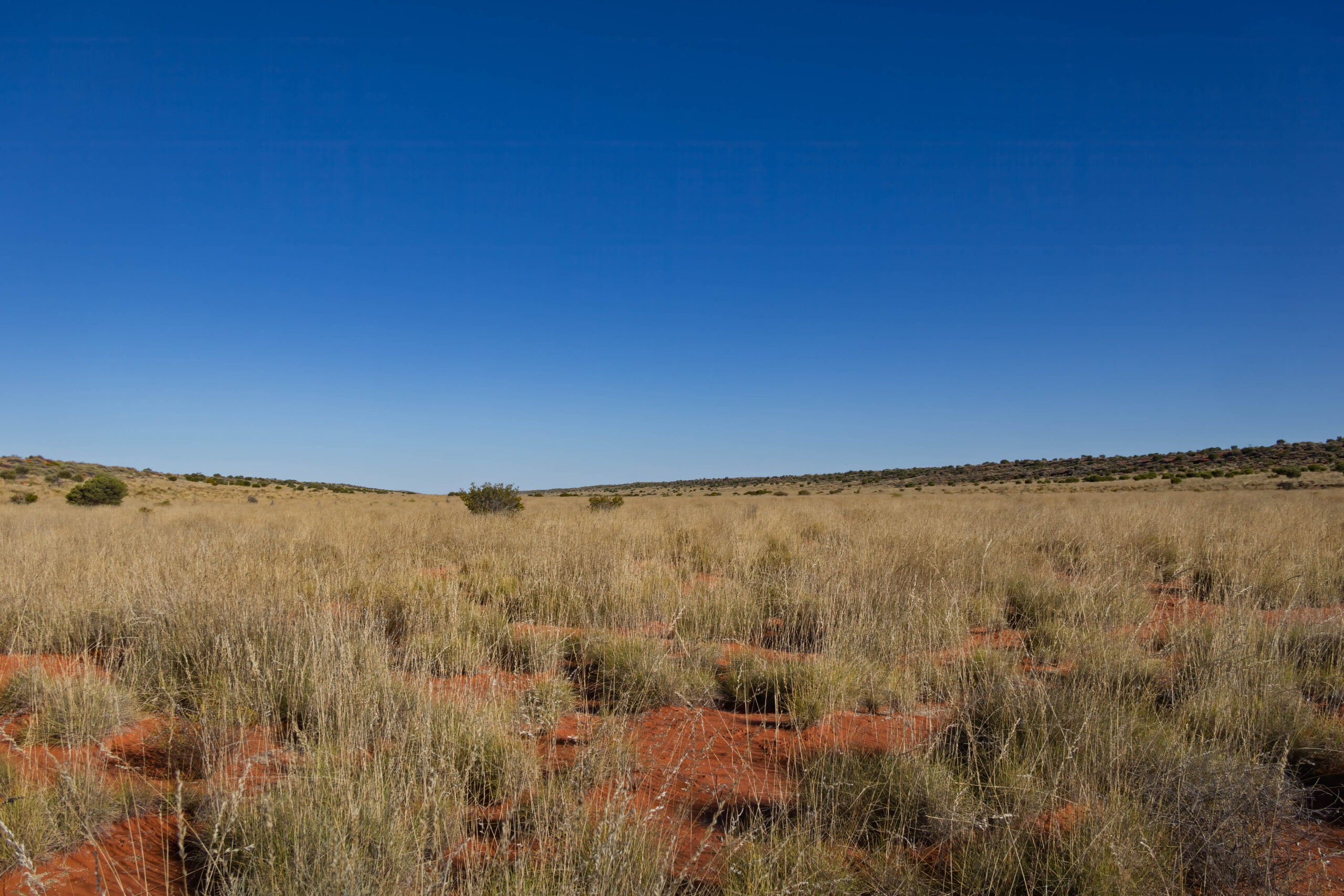
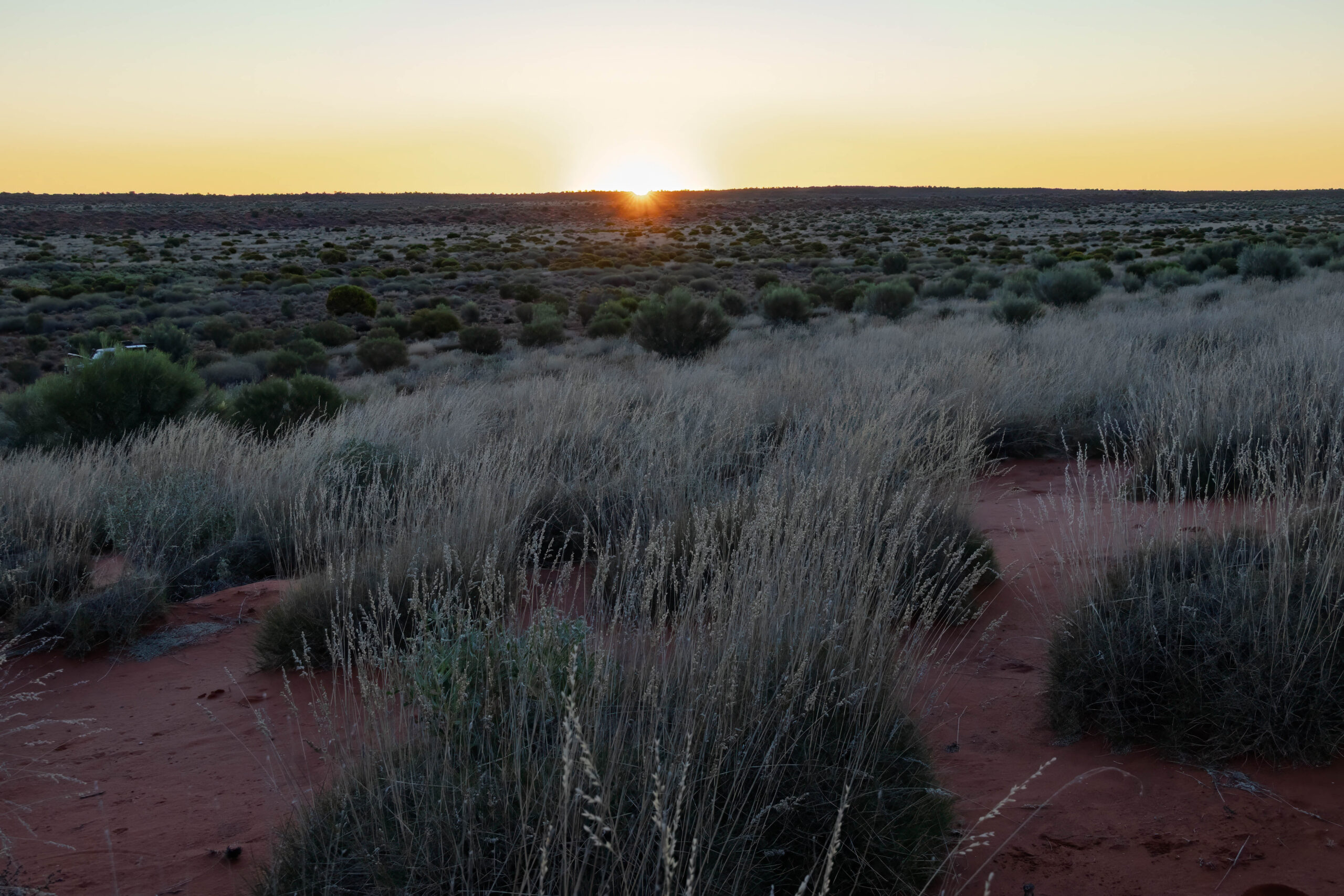
This afternoon there was much more spinifex grass and not as much grevillea and thryptomene. There are still plenty of yellow flowering shrubs, including at least a couple of different acacias, brightening up the landscape. We all continue to be amazed at the amount of vegetation in the desert. Around the campfire tonight, someone said that they didn’t think we were going to be driving through the Simpson Rainforest. Rainforest might be a bit of a stretch BUT there is certainly a wealth of vegetation that has adapted to living in the desert, to make this experience so much more than kilometre after kilometre after kilometre of red sand.
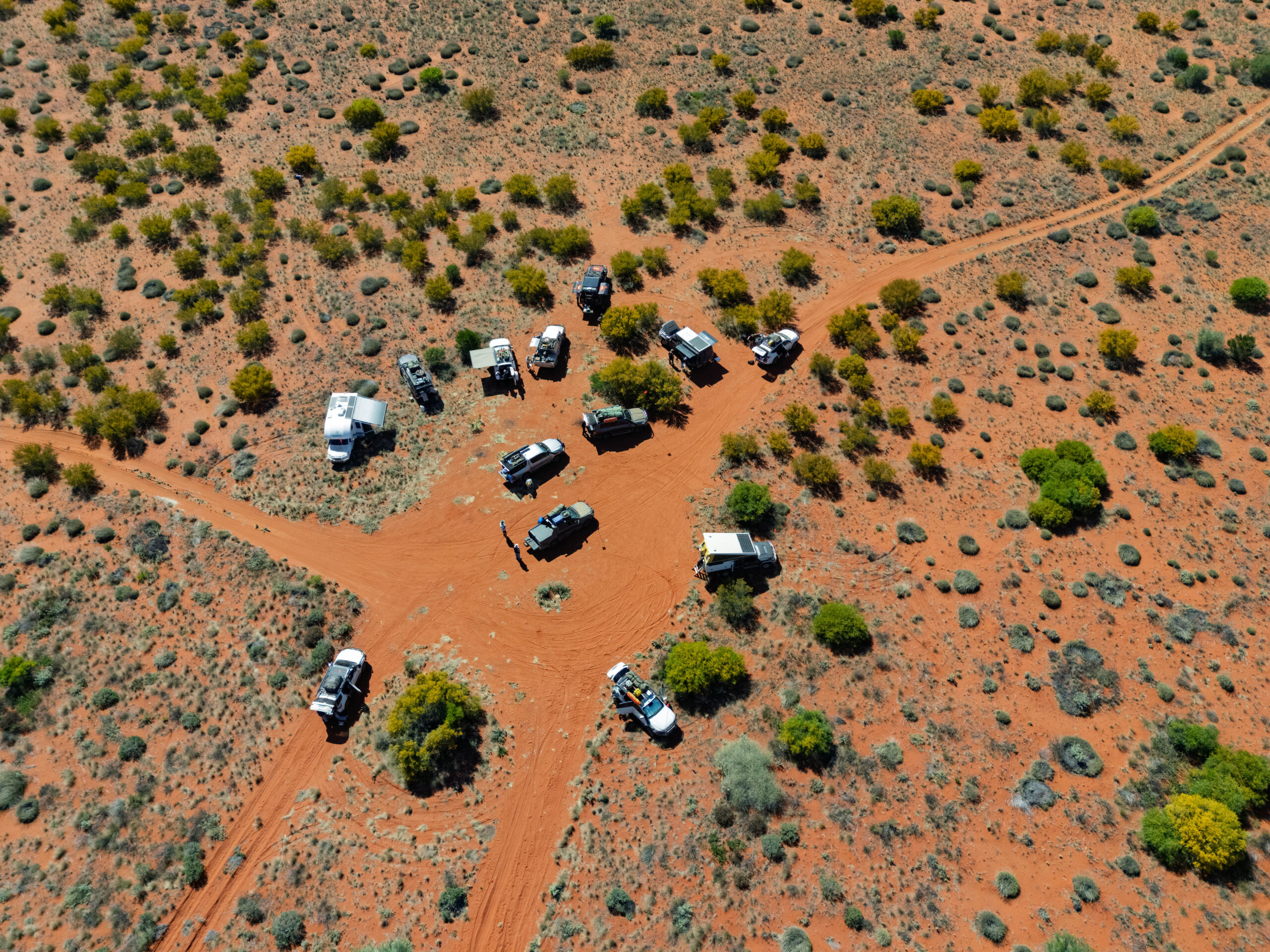
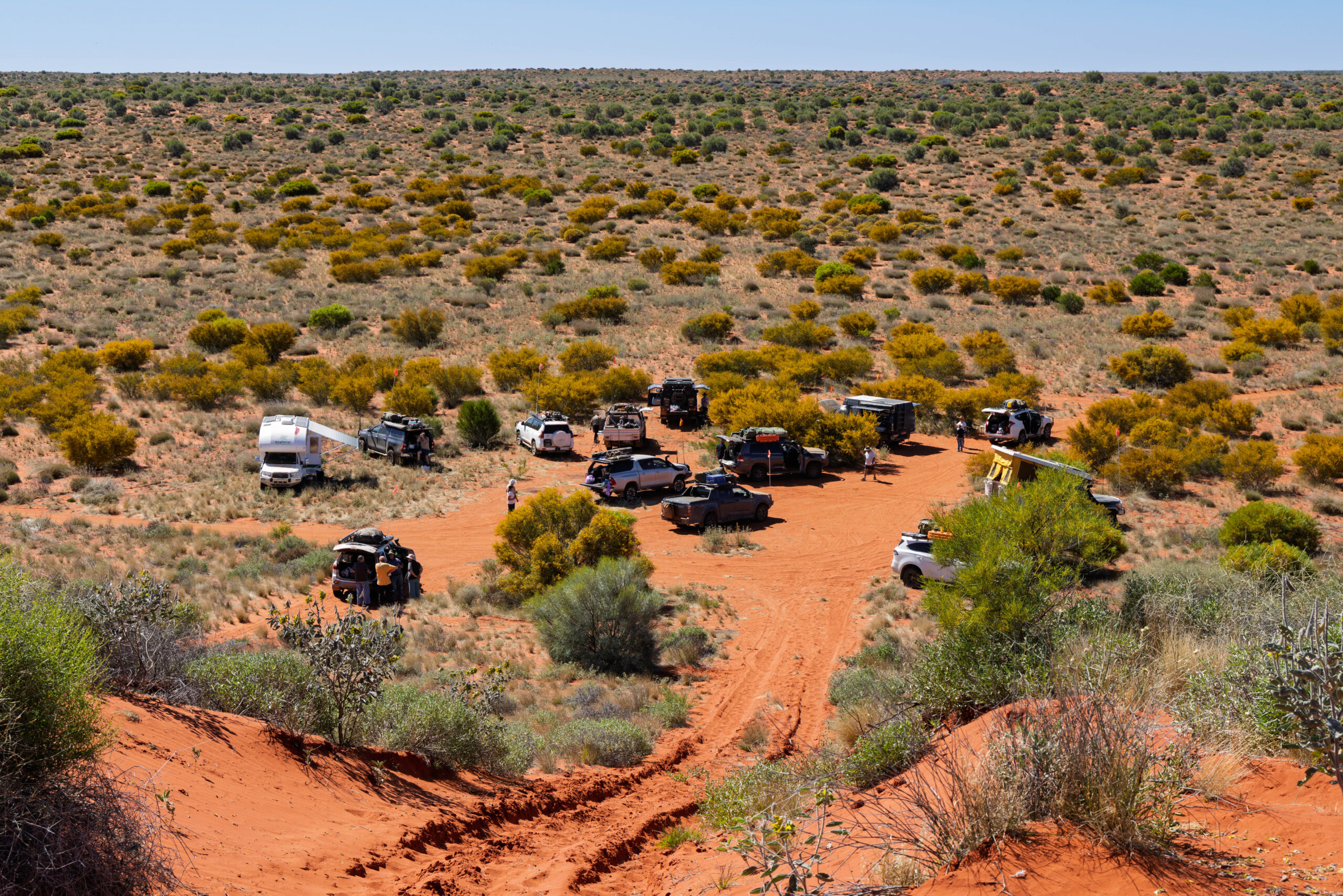
We took a very brief leg stretch at Madigan Camp 9, after which the dunes continued to get even BIGGER! We motored past Madigan Camp 10, with Dingo 1 declaring it too small to accommodate all of us. In position nine of thirteen vehicles, I’d have to say that by the time we reached camp 10 it must’ve been small, because I think we blinked and missed it? With Madigan Camp 11 only six kilometres further on, we continued to camp 11 to make our camp for tonight. This site was expansive and plenty big enough for all of us to make camp without being on top of each other.
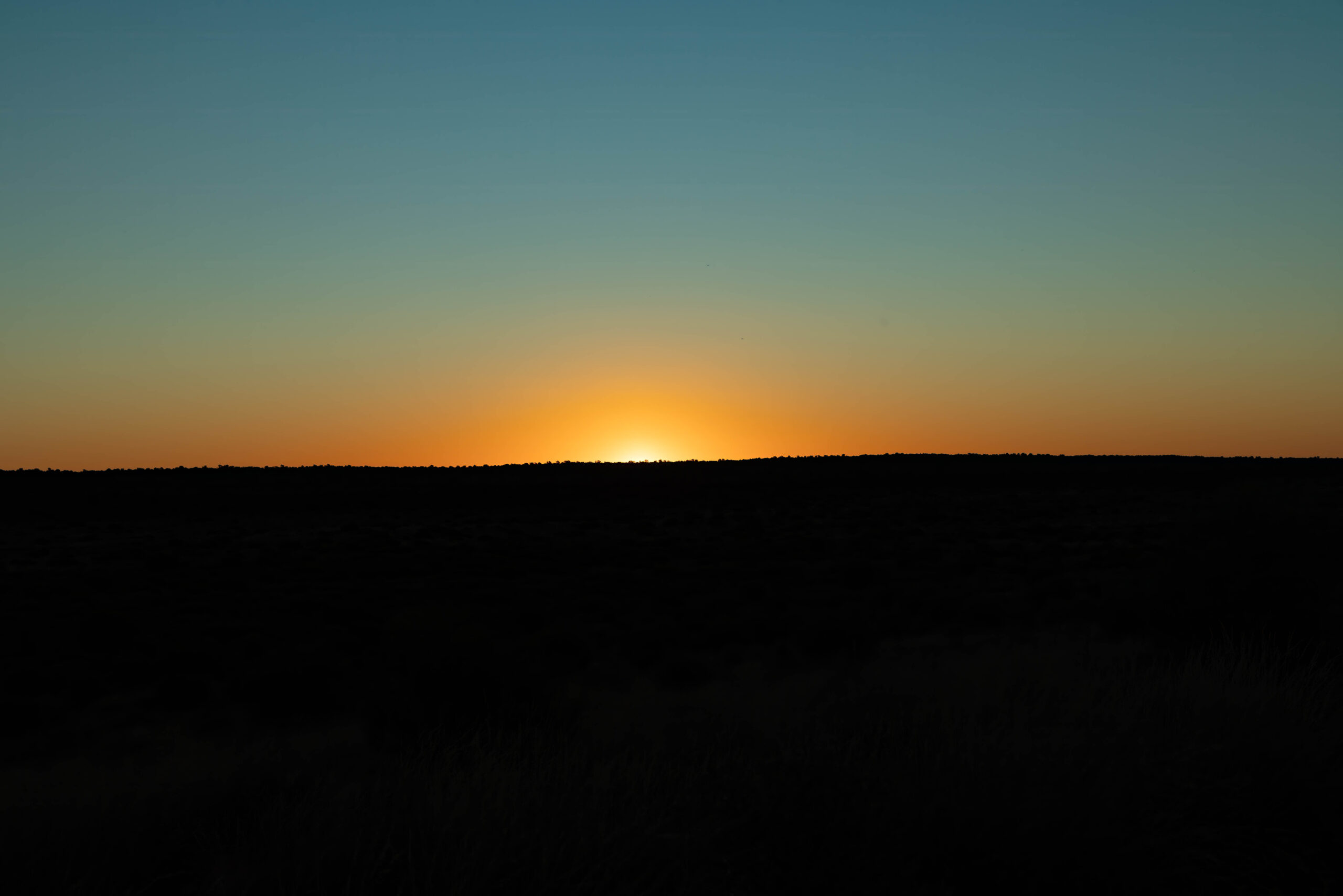
We are definitely getting quicker at setting up our camp. We had ourselves set up for tonight well before we ran out of daylight. Most of us trooped up the next dune to watch the sun set, before cooking tonight’s dinner. We were sitting in our campsite when John called out from the campfire look, look, look. We turned our heads just in time to see a meteor streaking across the horizon. Wow!
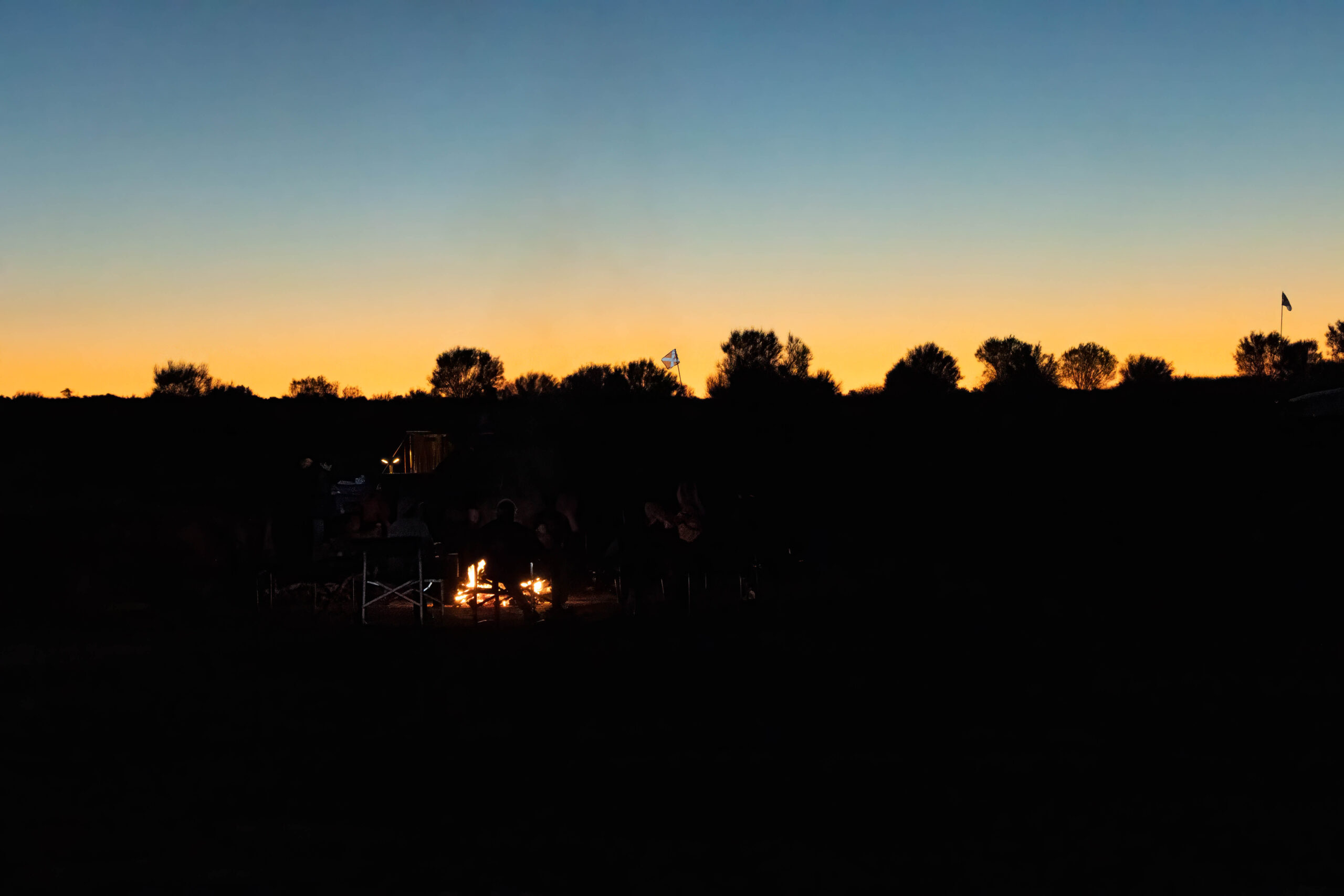
After eating our dinner we joined the gang over at the campfire for a while. Still not as big a conflagration as our first camp bonfire, but a more robust and warmer fire than we had last night.
Western side of Camp 7 to Camp 11 – 80 kilometres (120 dunes!!)