Sunday, 9 August 2026
After finishing the blogging last night we thought we could hear an owl calling?? A quick Google search revealed that both boo-book and southern barn owls can be found in the Simpson Desert, but I couldn’t hear it well enough to say if it WAS an owl, let alone what species of owl. Just one of the many nighttime sounds of the desert.
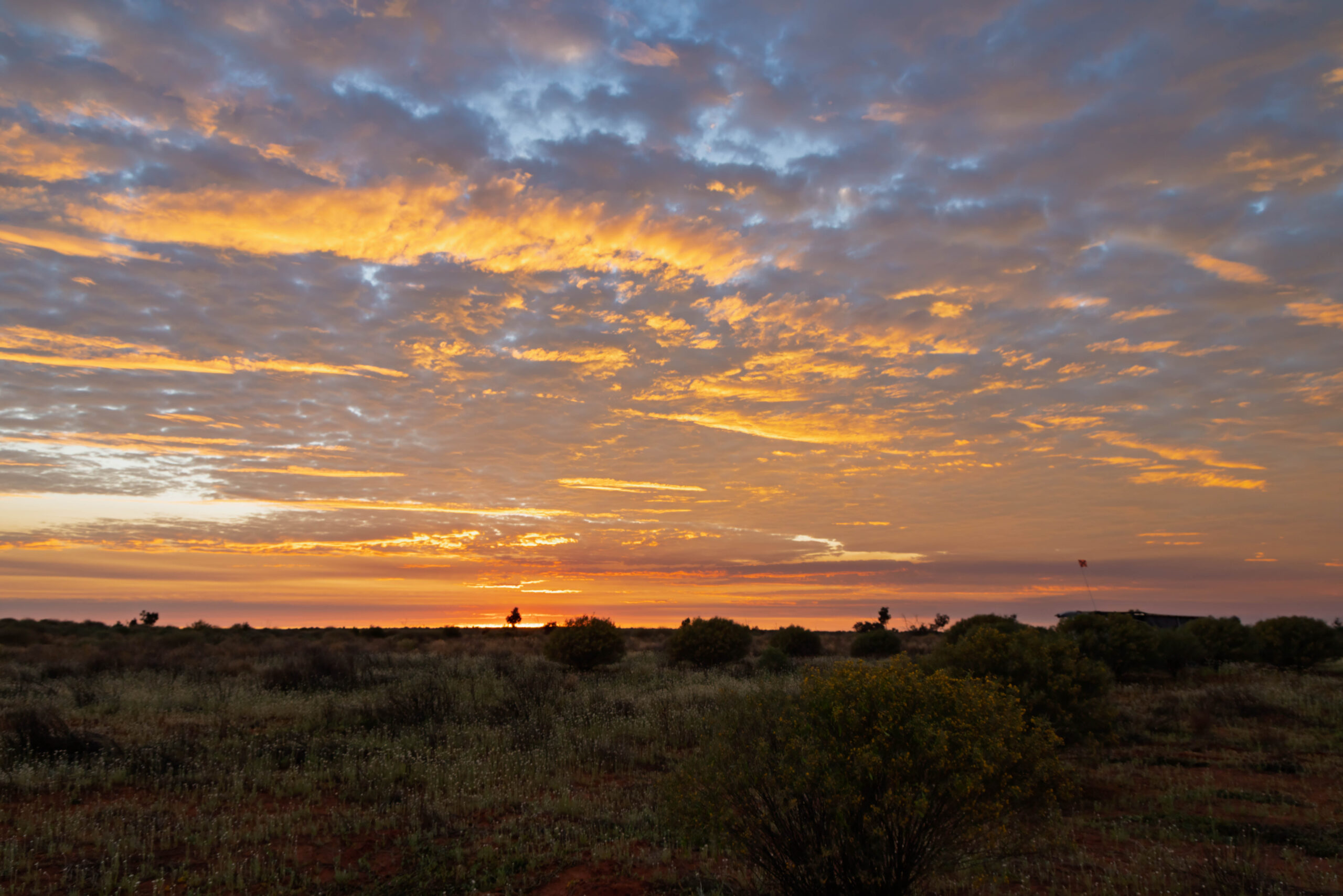
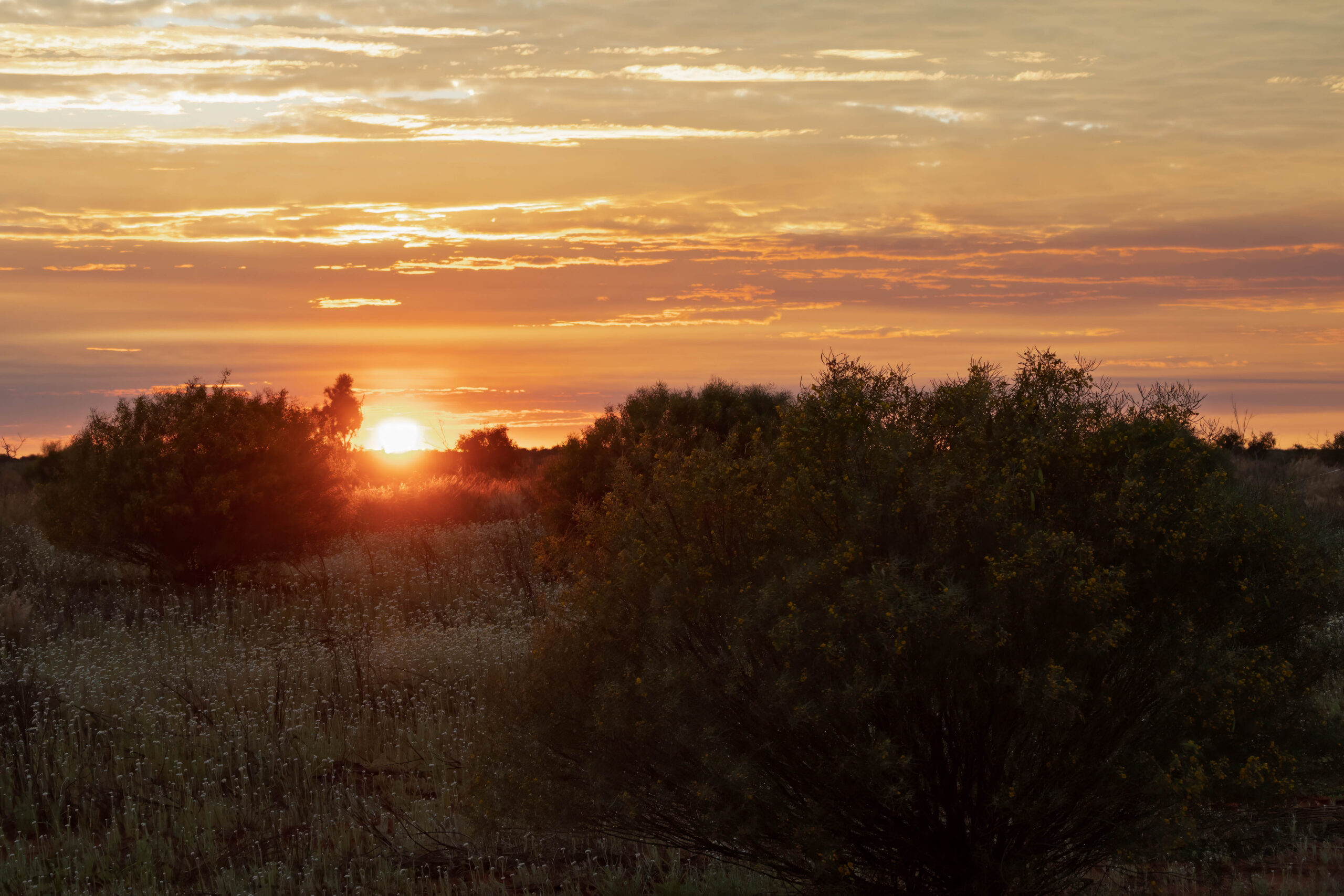
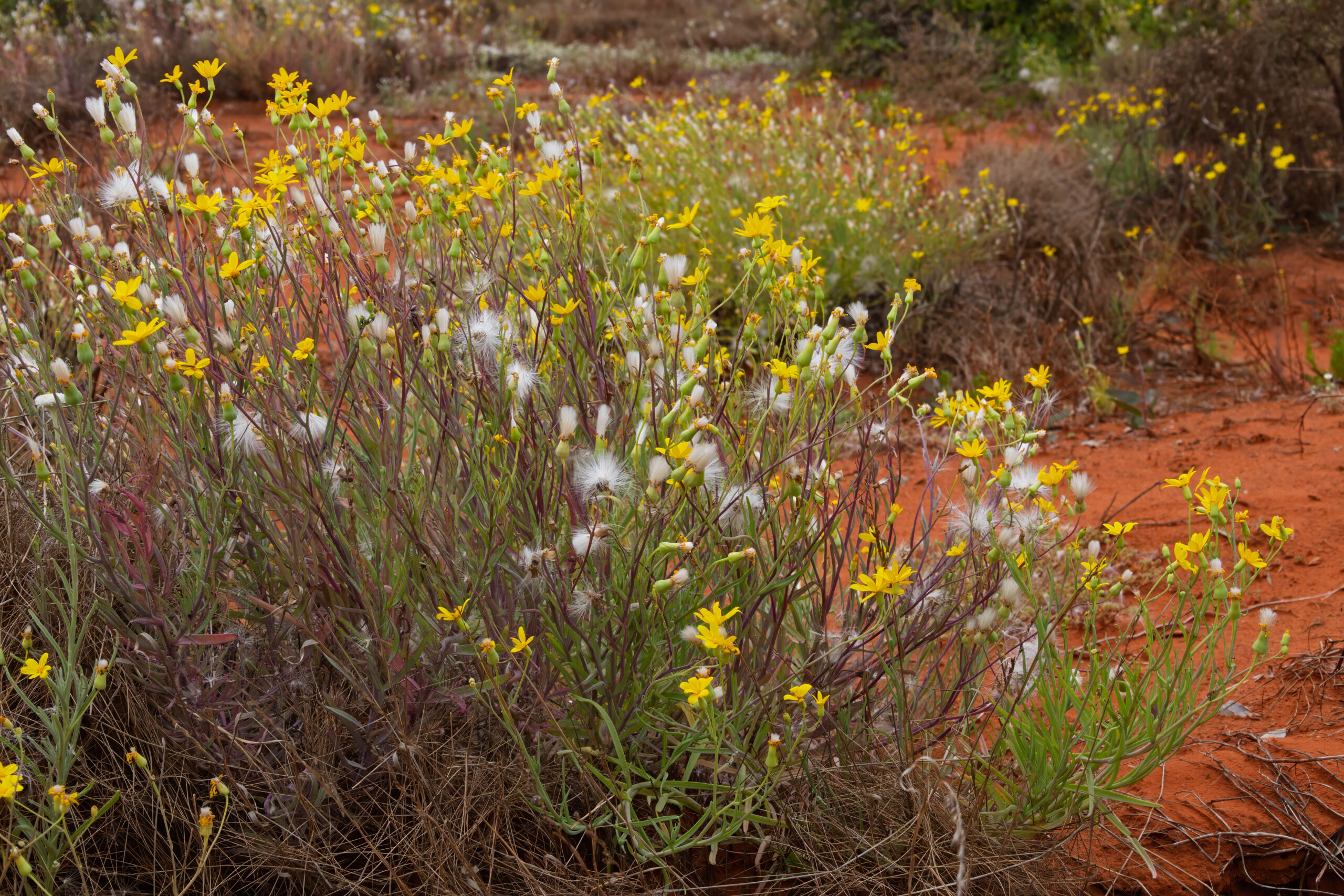
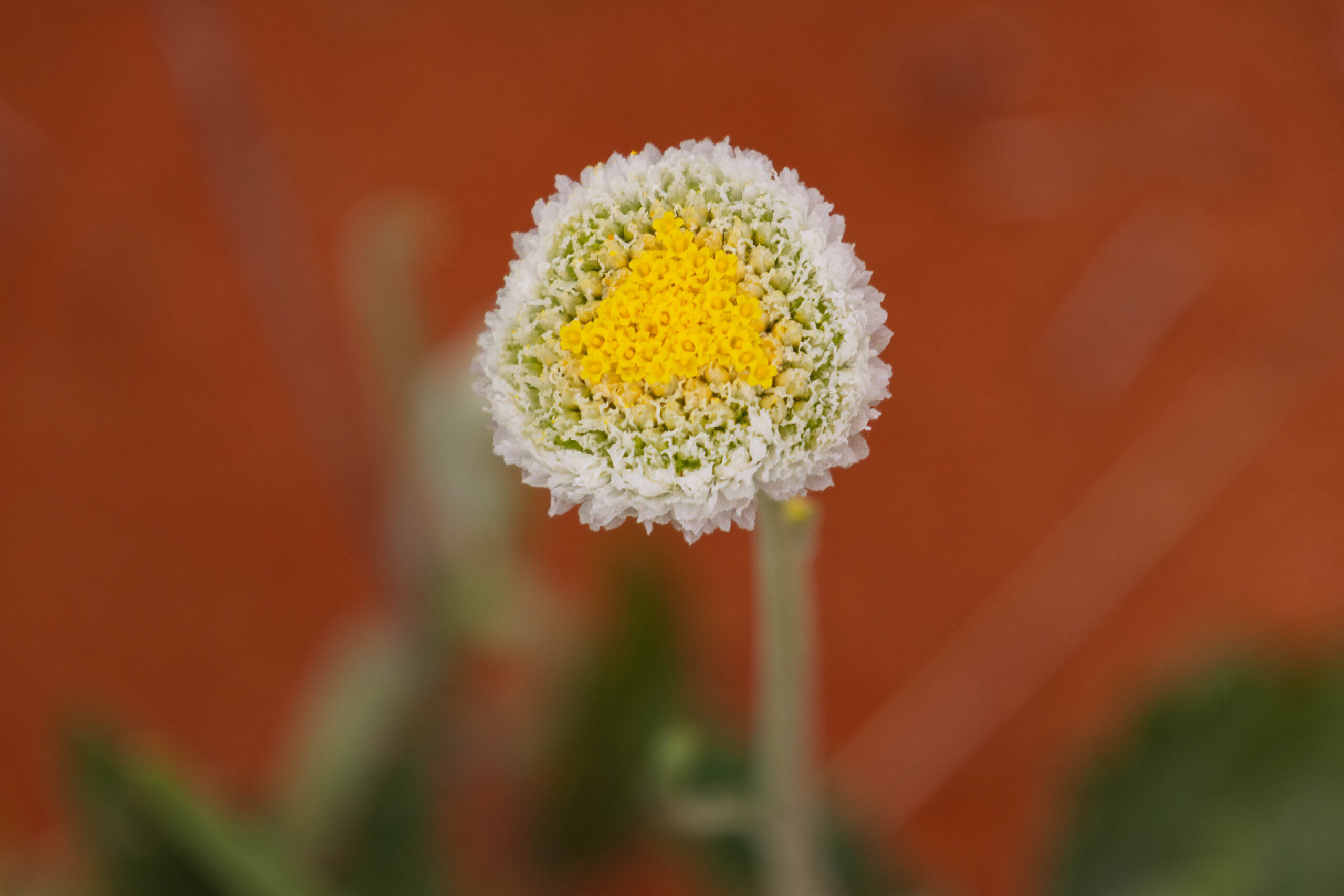
Aside from the fridge/freezer drama last night, this has been an exceptional camp. After a warm day, the evening remained mild, which was perfect for sitting around our camp. This morning, after a spectacular sunrise, we could appreciate how beautiful our camp was, nestled amongst sea of white daisies. And it was still a balmy 19 degrees!
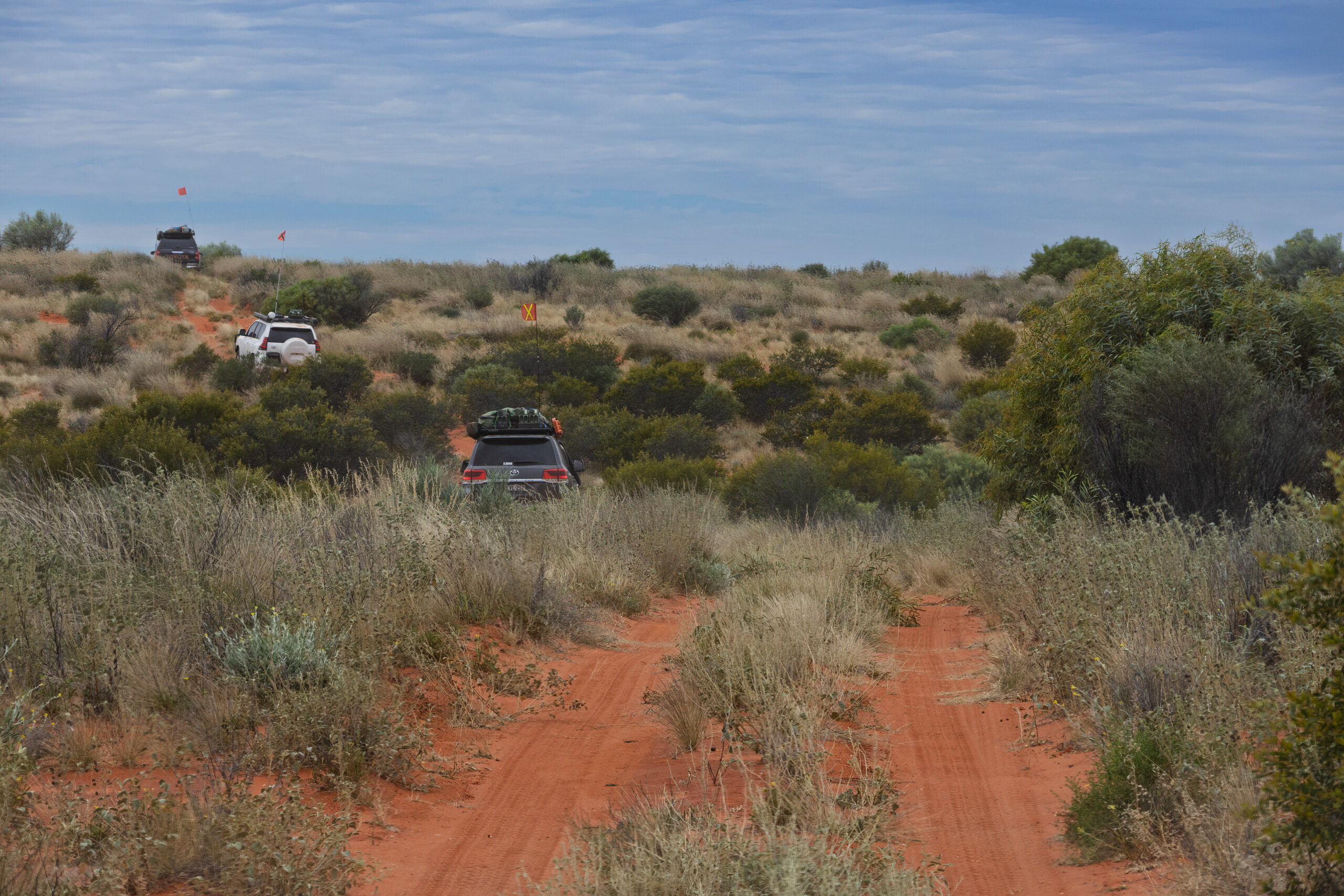
We were on the road a little earlier today at 8.40am. Now, I could just write that today was like yesterday. A little like being in a washing machine stuck on a permanent cycle of wash, spin, rinse, repeat. As the truck navigates the dunes I am tossed backwards and forwards and from side to side. Bernie at least has the steering wheel to anchor himself to. But, of course, I am never one to minimize words when I can go on … and on … describing our day.
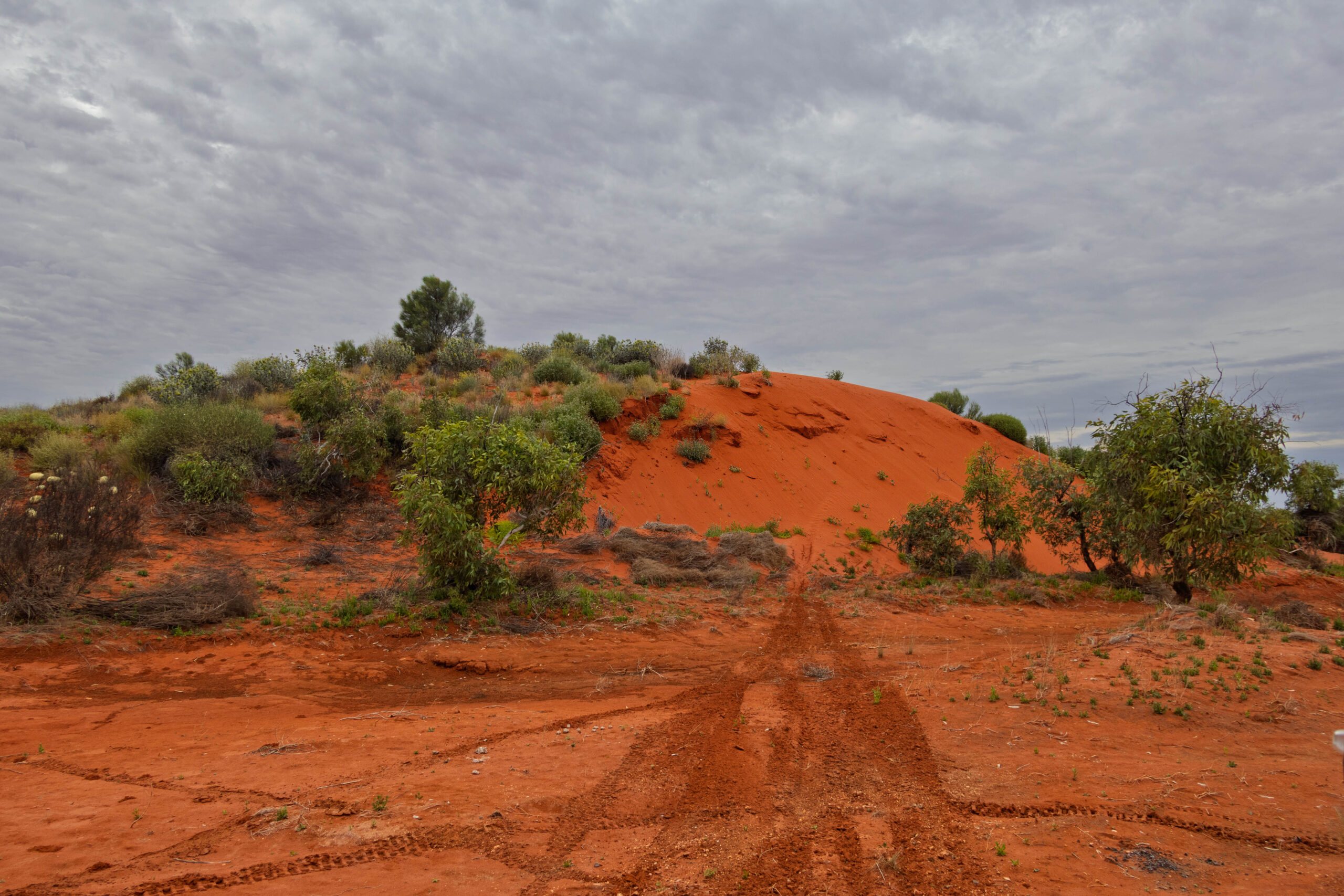
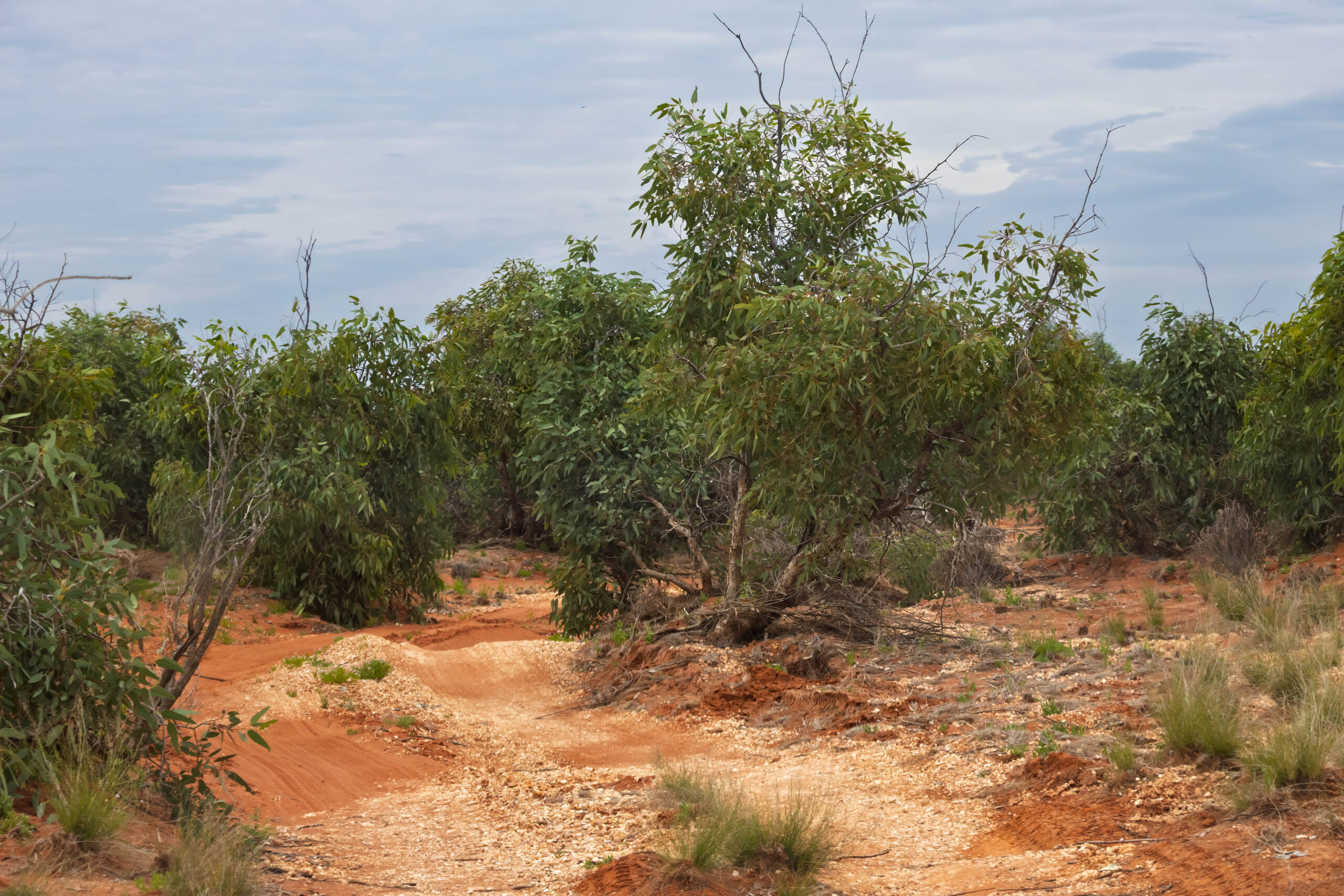
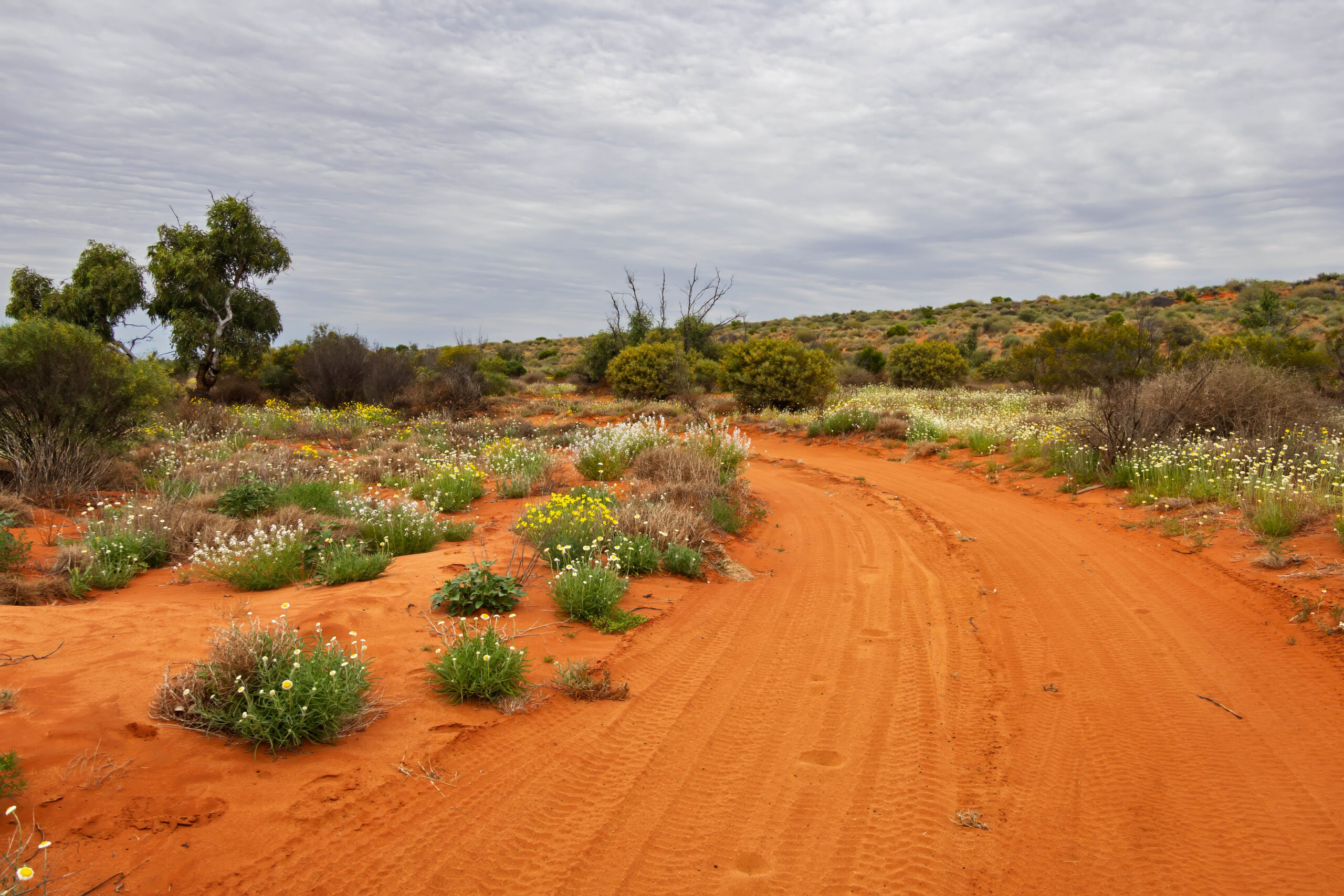
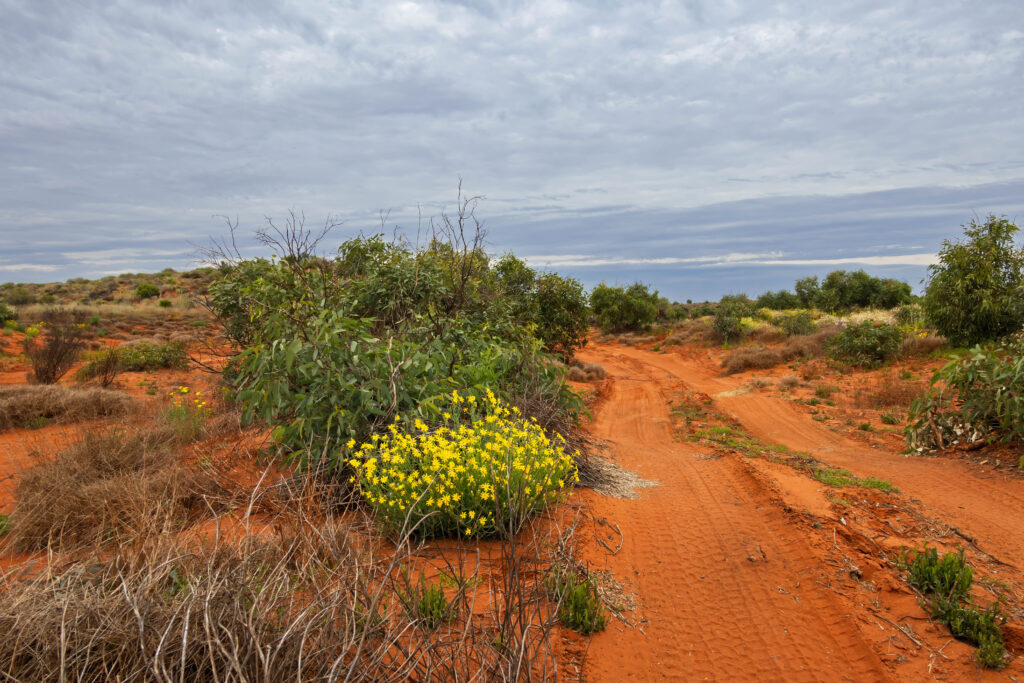
After leaving Camp 15 (or technically, a spot about half a kilometre west of Camp 15) we turned onto the Hay River Track, heading south easterly. With the Hay River raging though this area during the wet season this year, the road is very washed out and rough going. It took us nearly two hours to reach Madigan Camp 16 which was only 18 kilometres away!
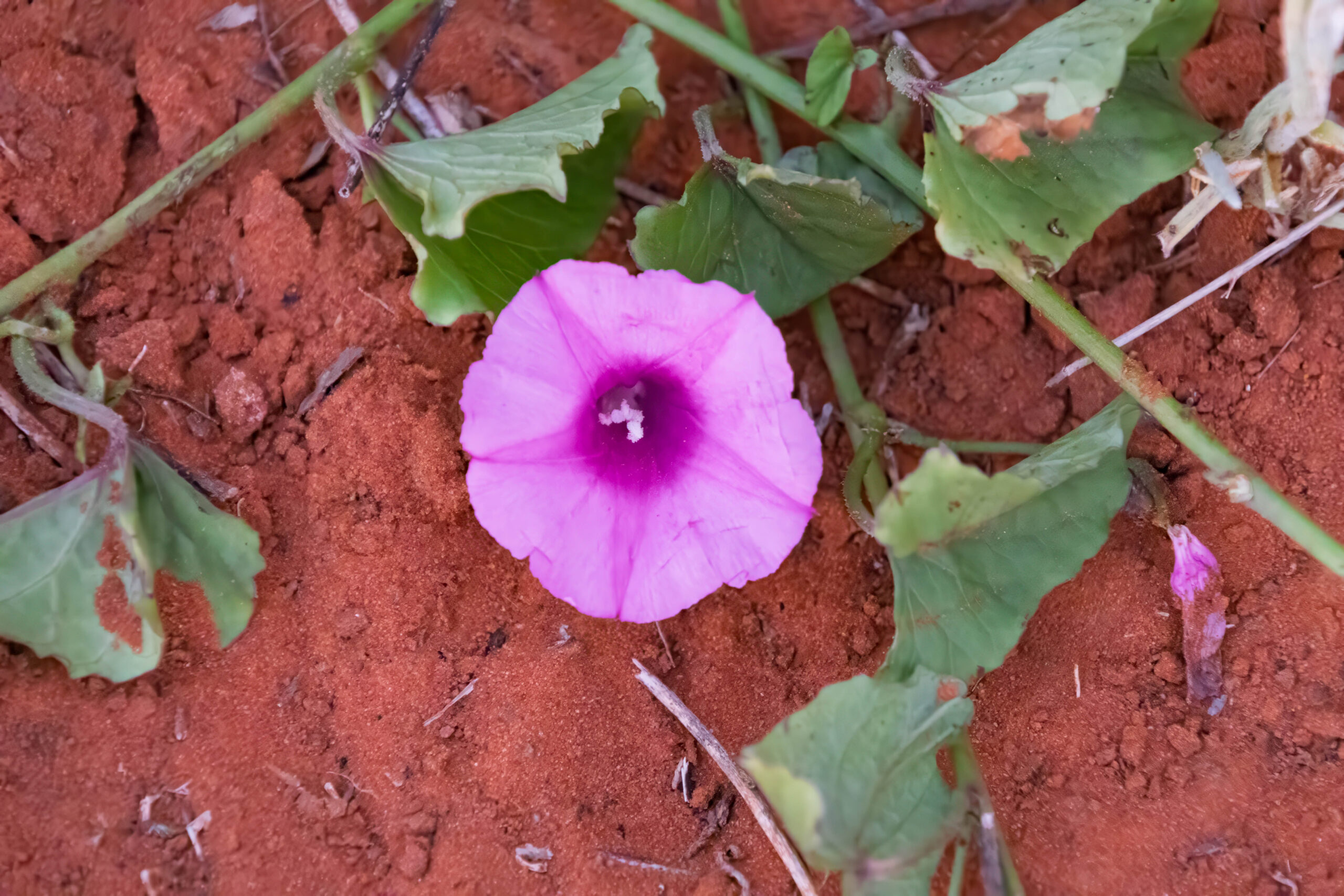
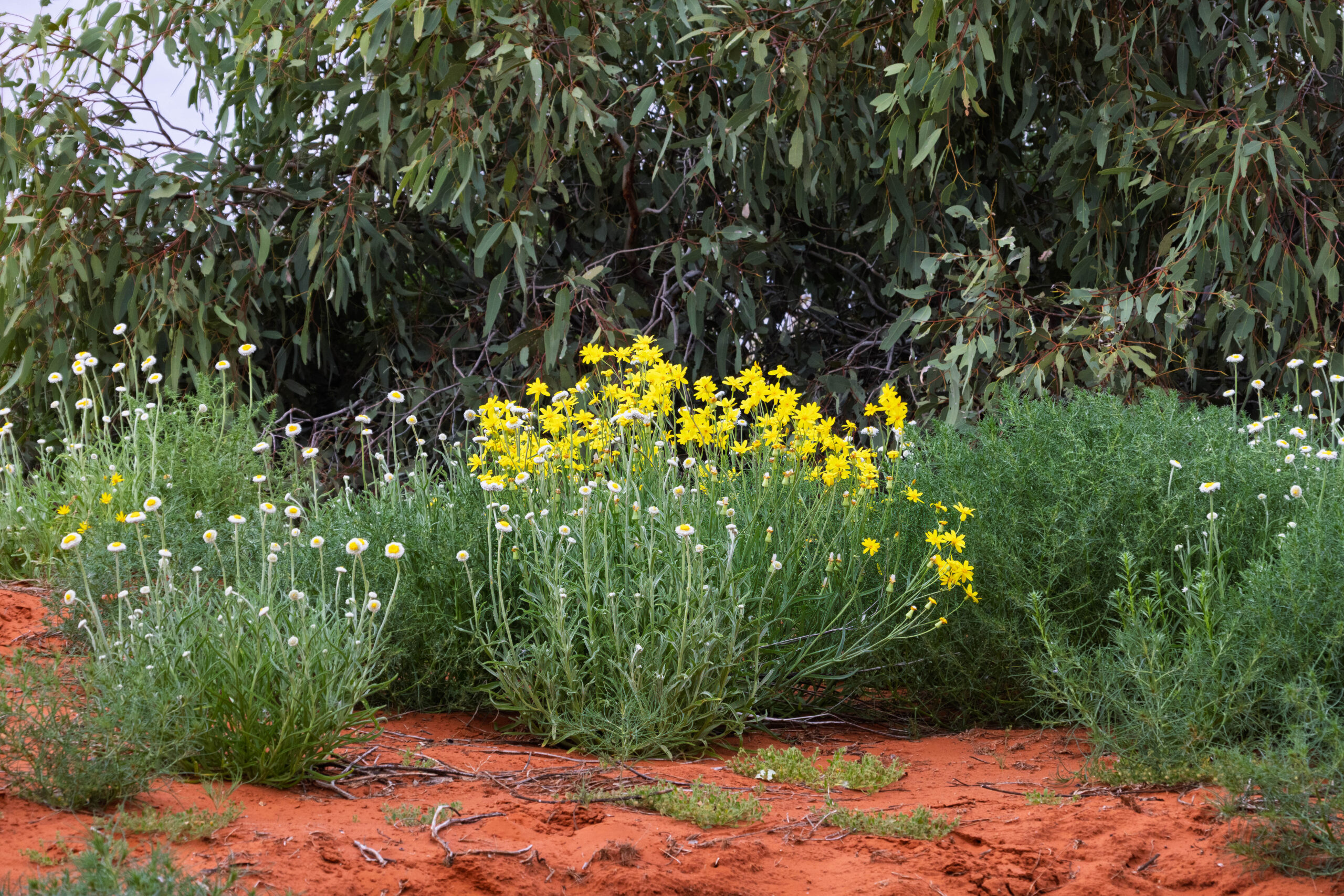
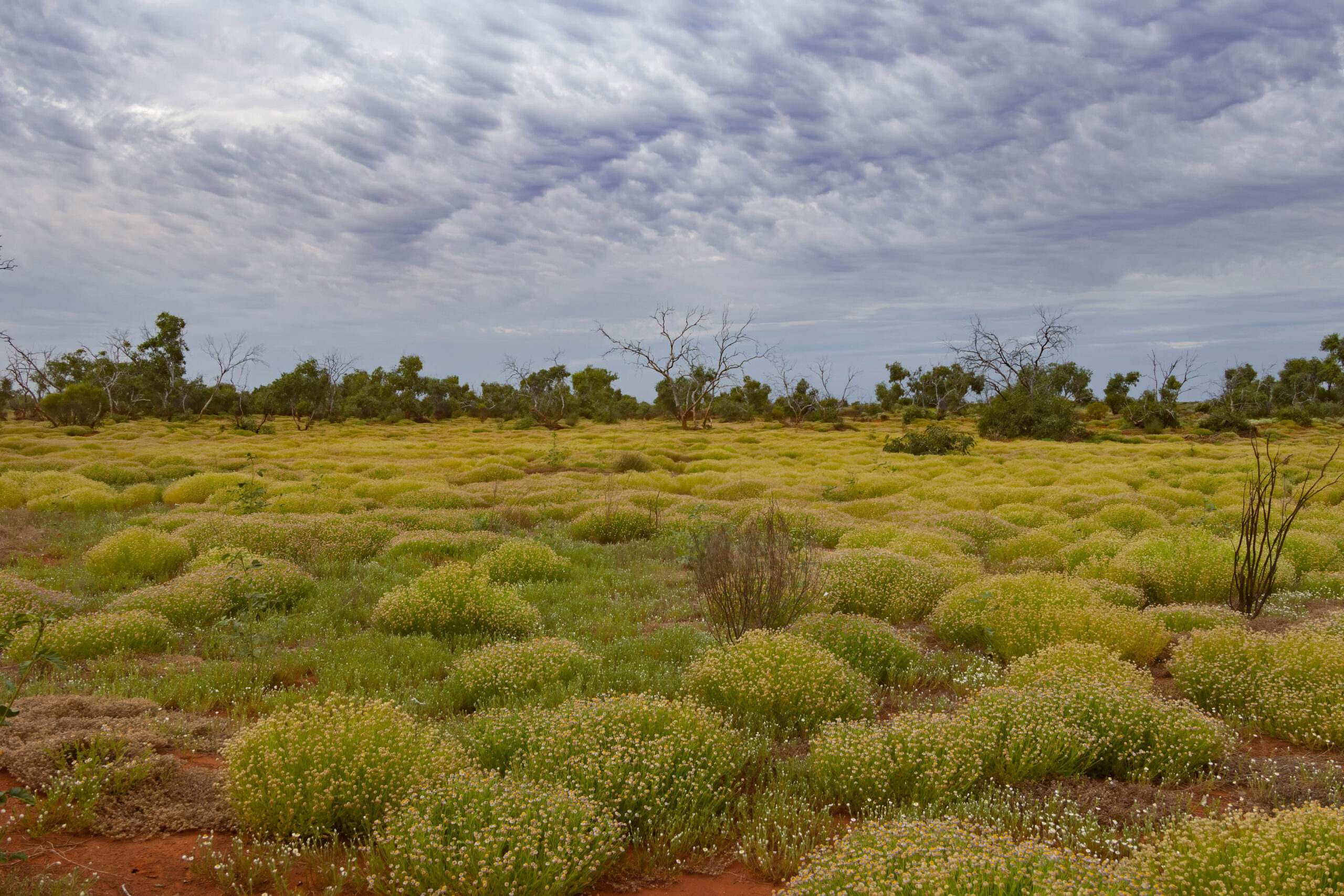
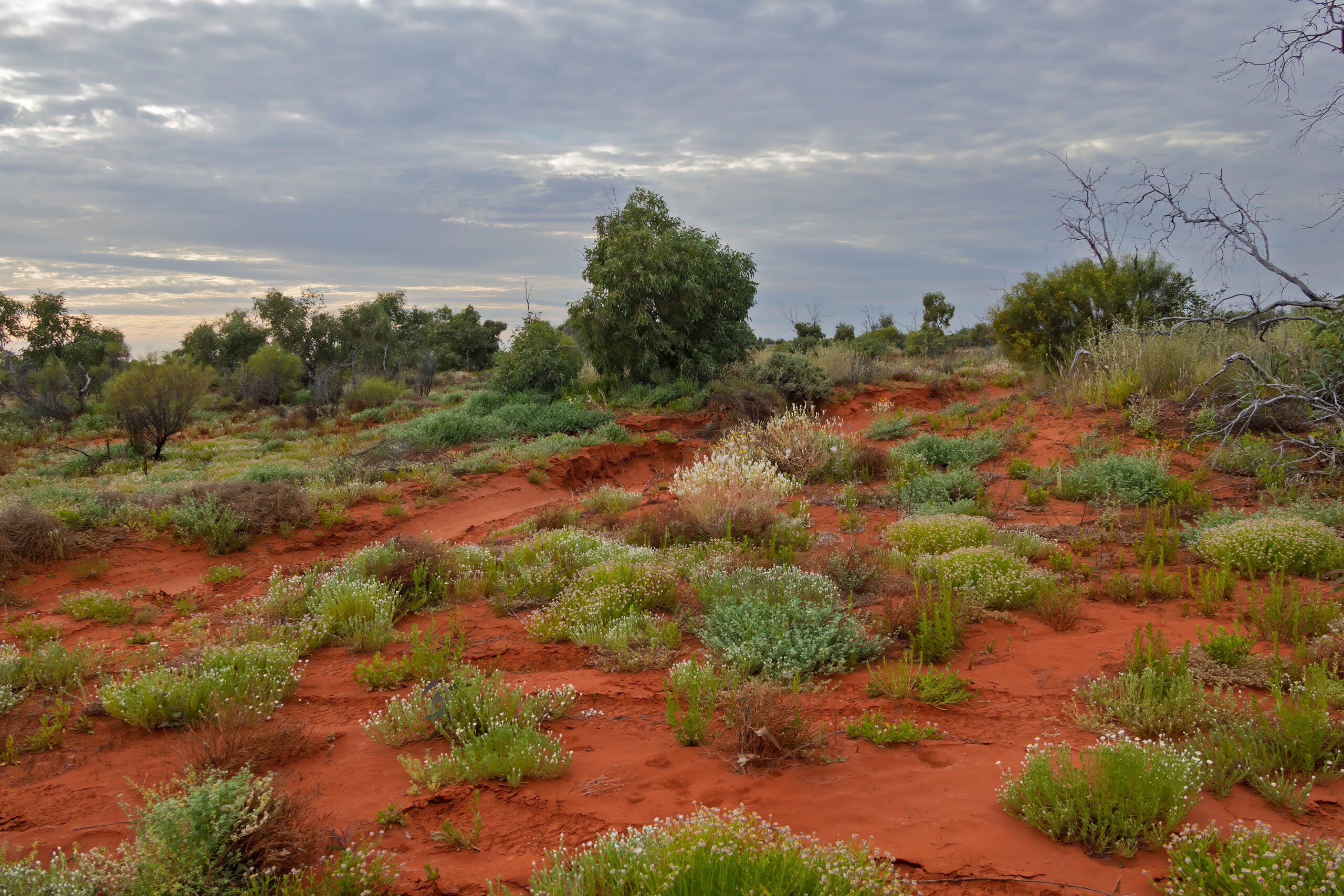
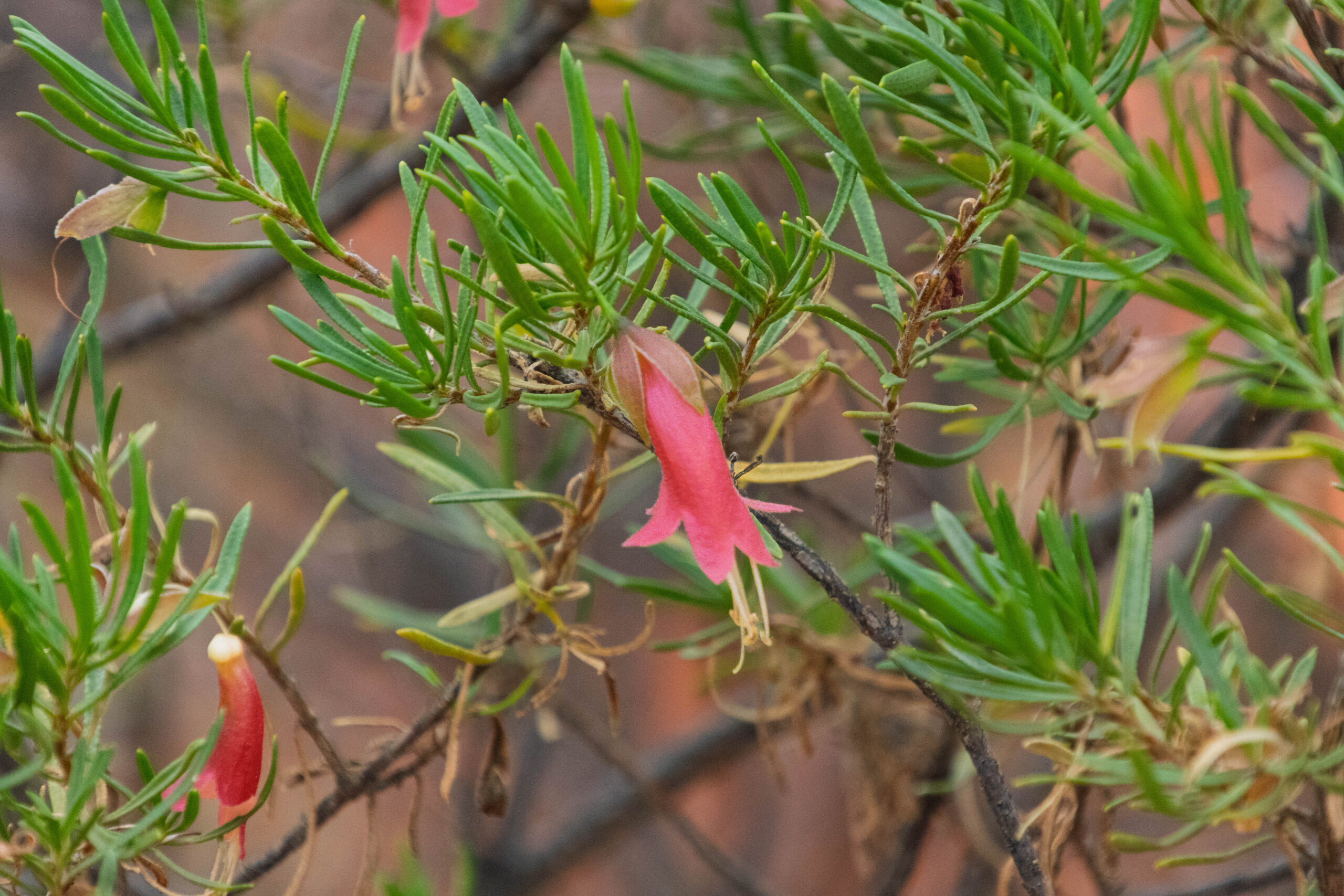
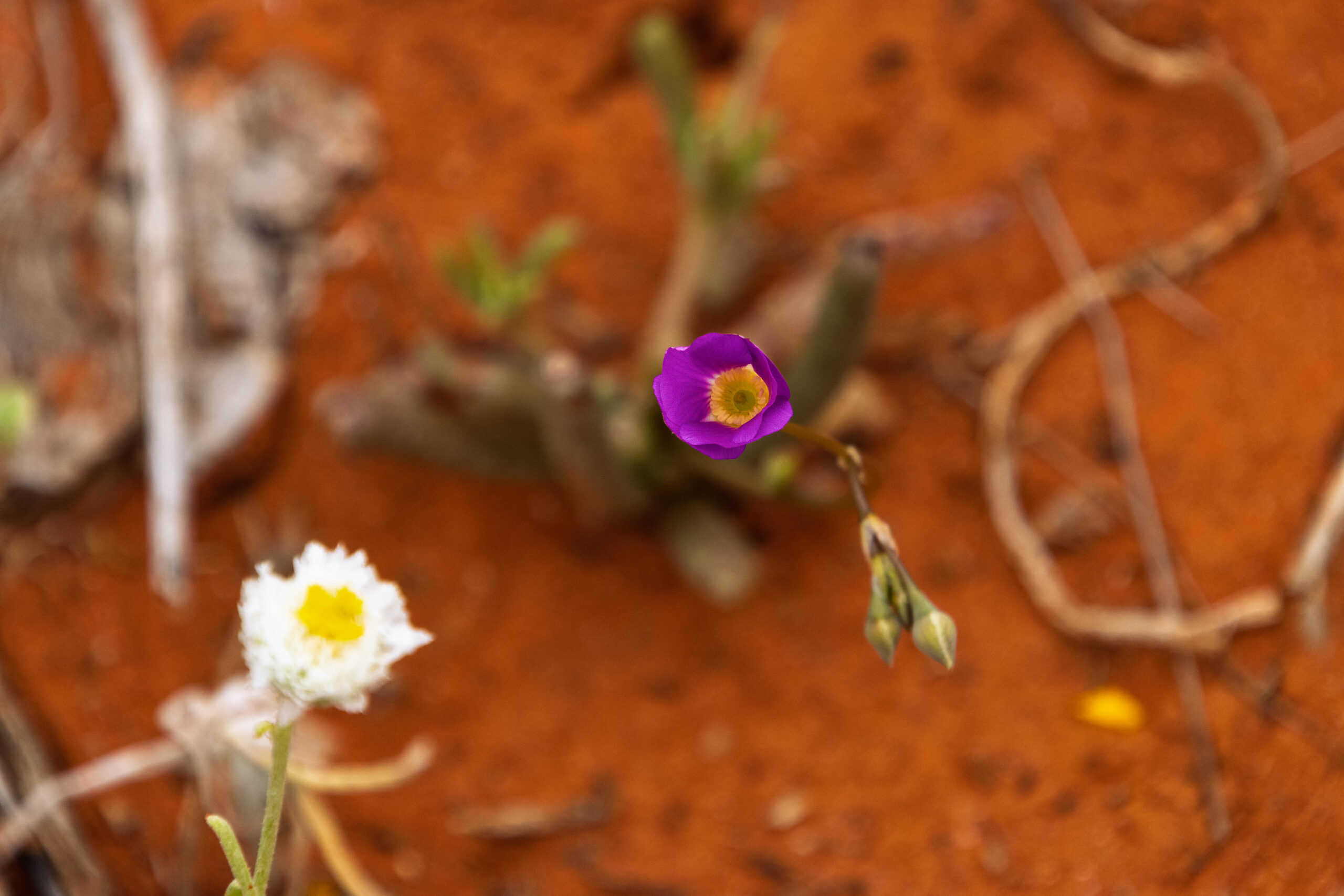
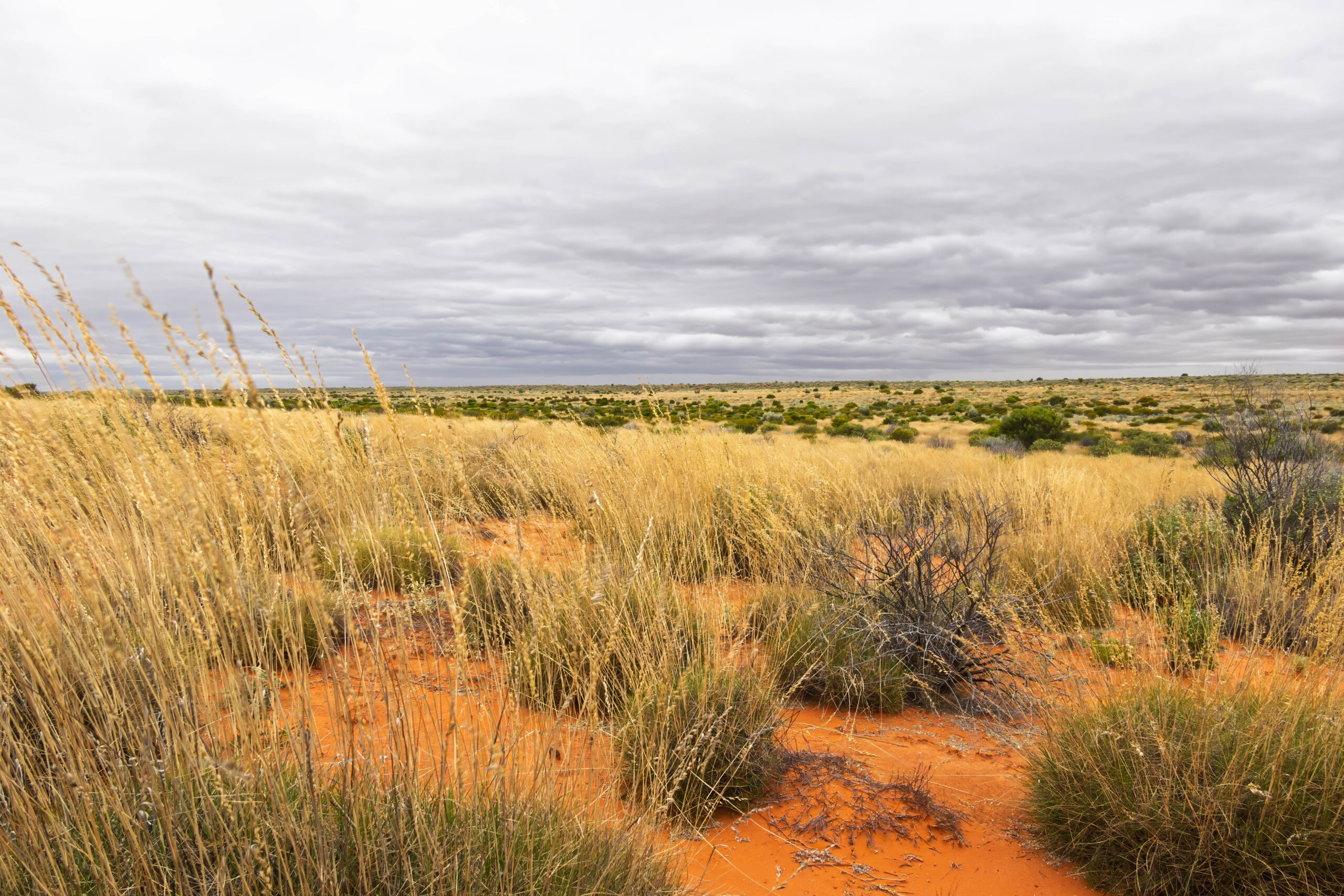
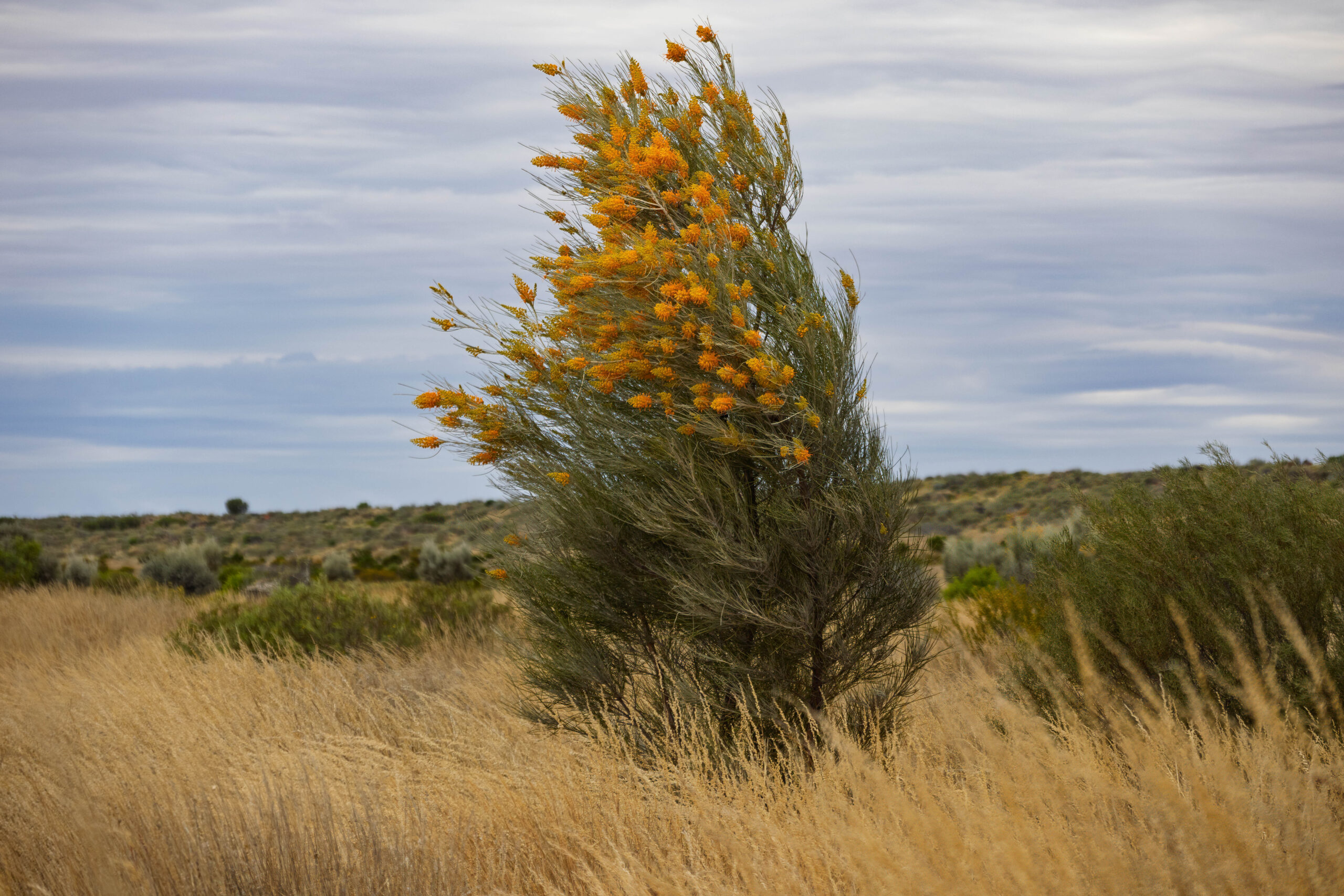
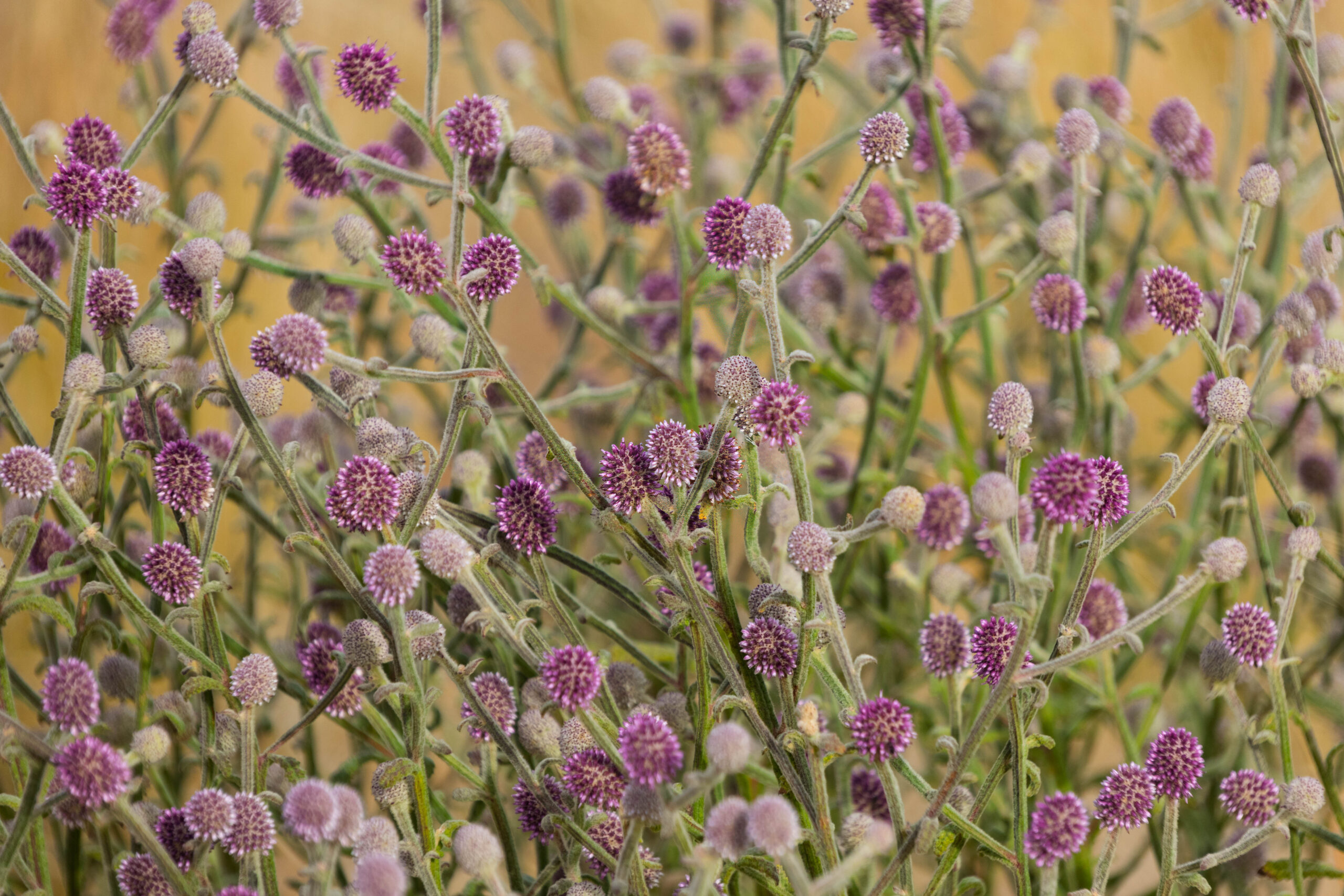
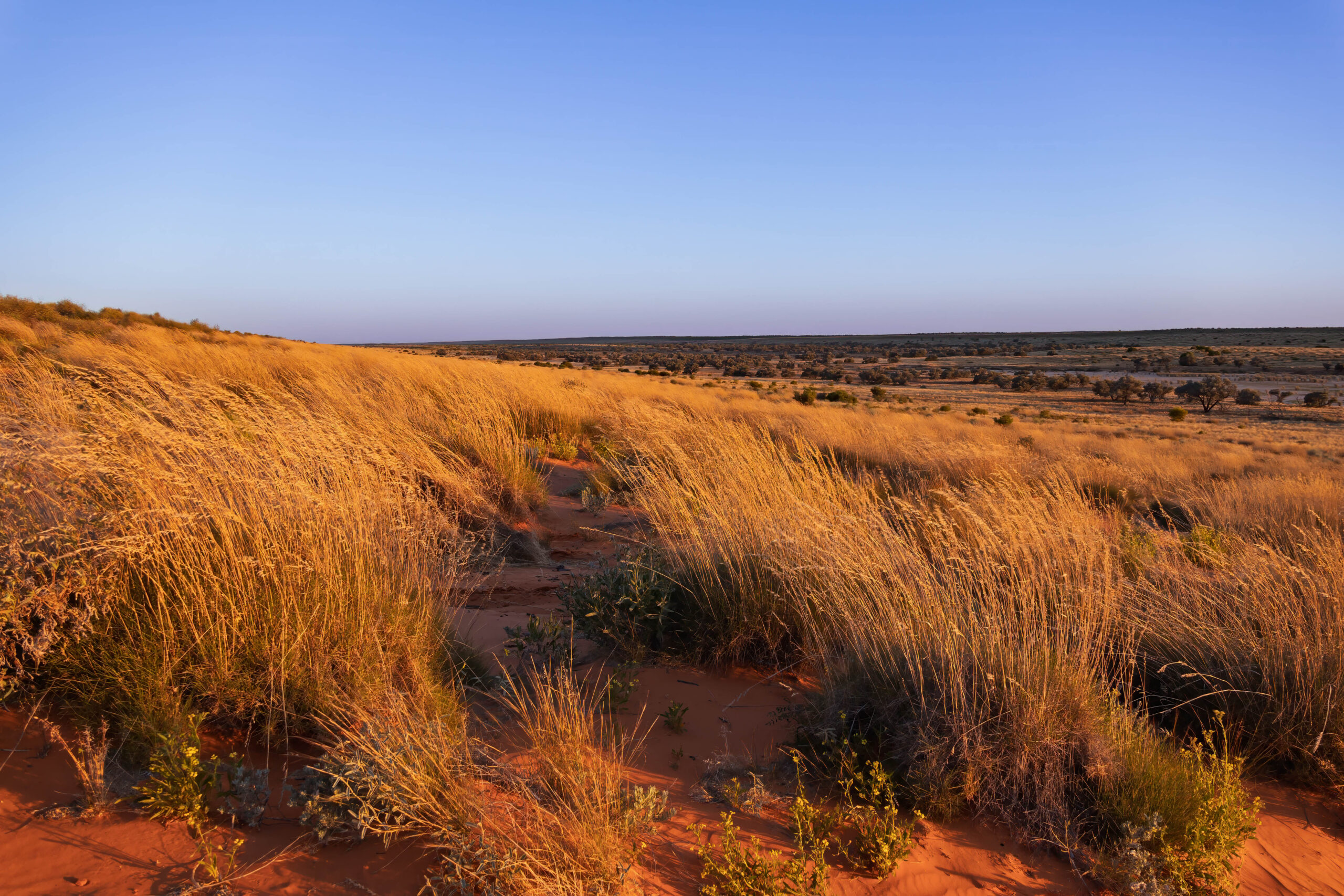
So, the road was rough but the scenery was spectacular. This area of the desert is close to the river and receives a better water supply making it come alive with wildflowers in pink, yellow and white. Close to the river was a great environment to support the growth of eucalypts, which we have not seen many of during our journey through the more western part of the Simpson Desert.
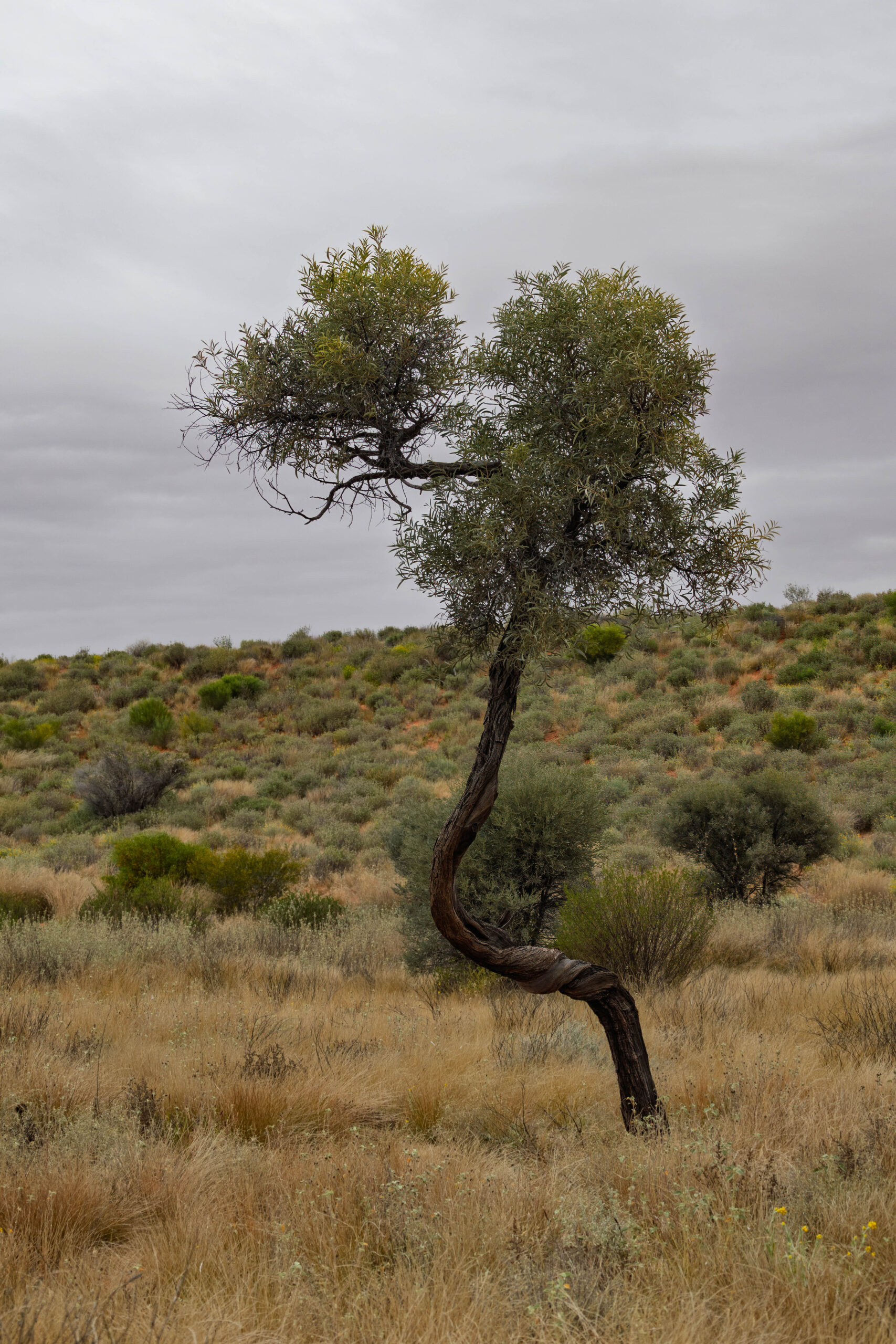
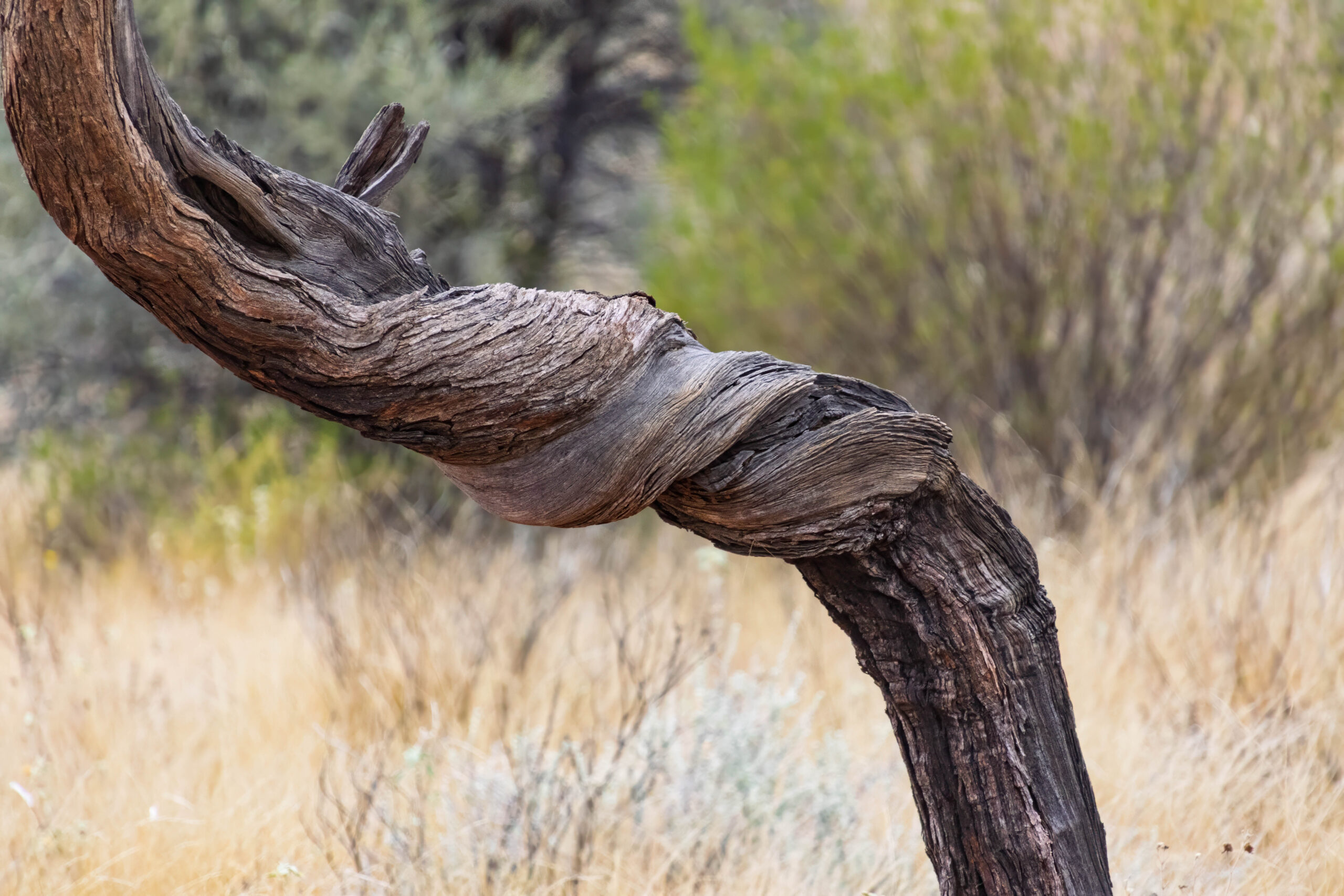
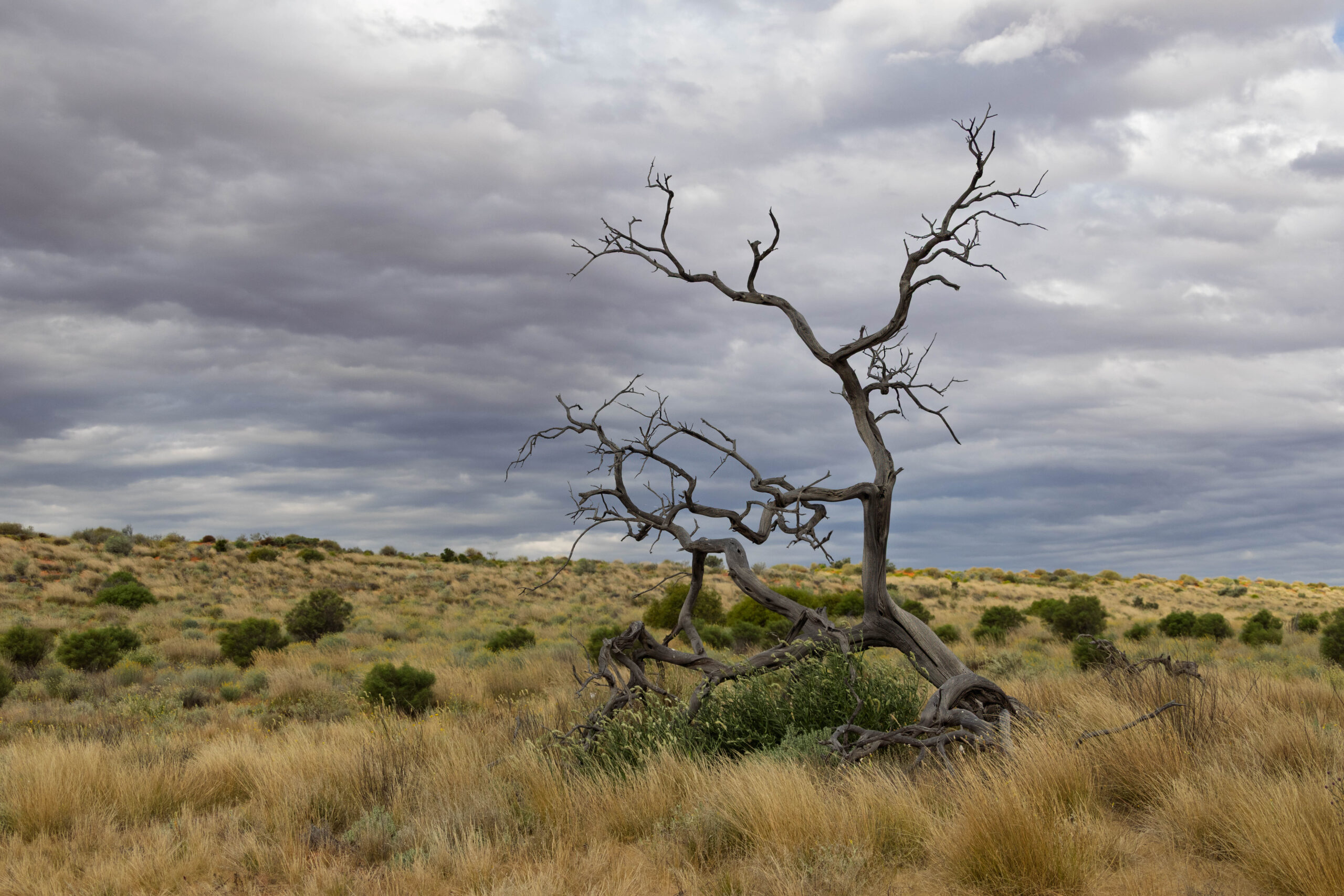
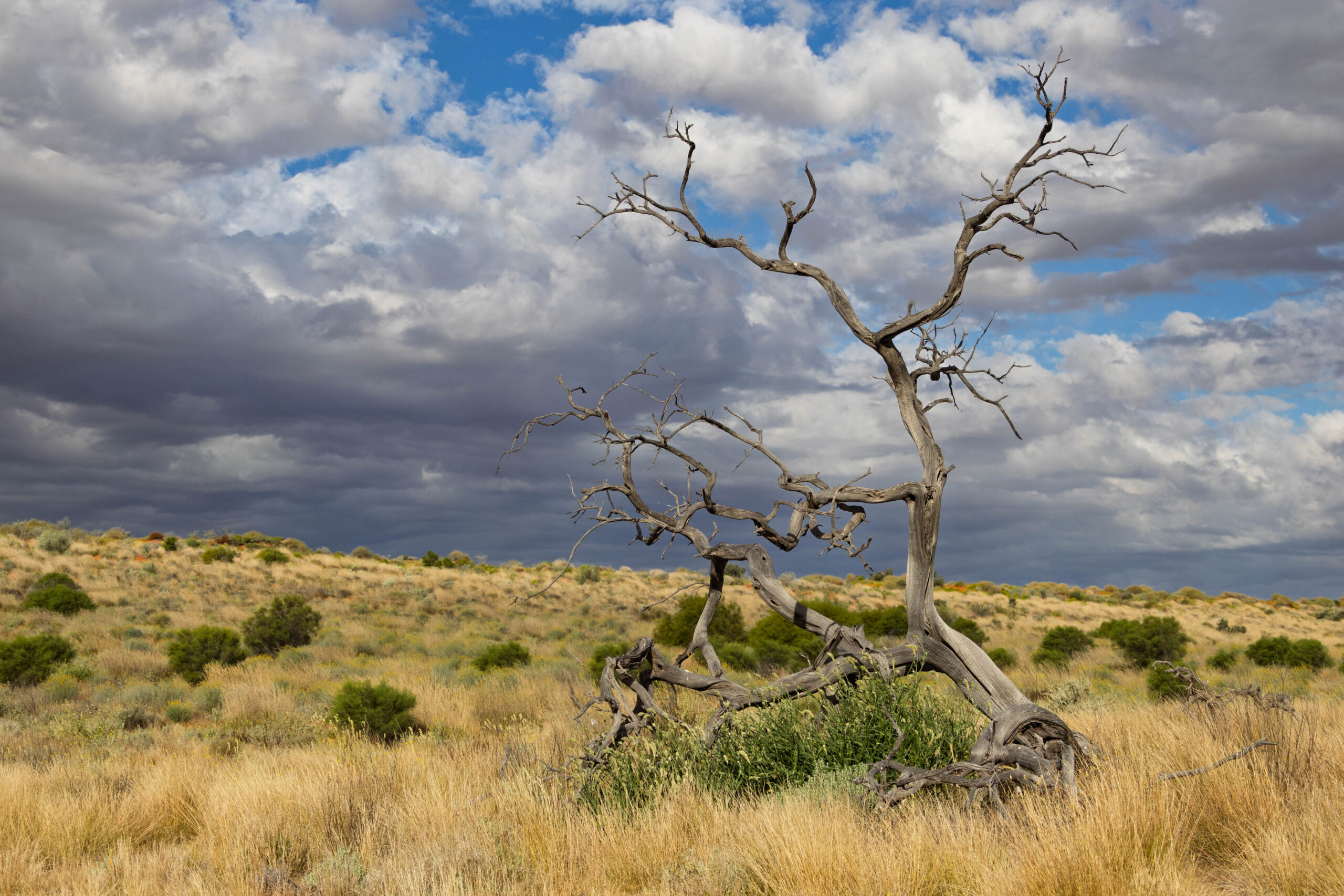
We parked up when we arrived at Madigan Camp 16 at morning tea time. This camp is famous for the Blaze Tree. Cecil Madigan and his party of nine men and nineteen camels reached camp 16 on the 24th of June 1939 and blazed ‘M39’ into a coolibah/gum tree. The blaze can no longer be seen as the tree’s bark has grown over it, but the tree was compared with a photo taken when the blaze was visible and the curve of the trunk confirms it is the same tree. If this tree could talk what tales it would tell.
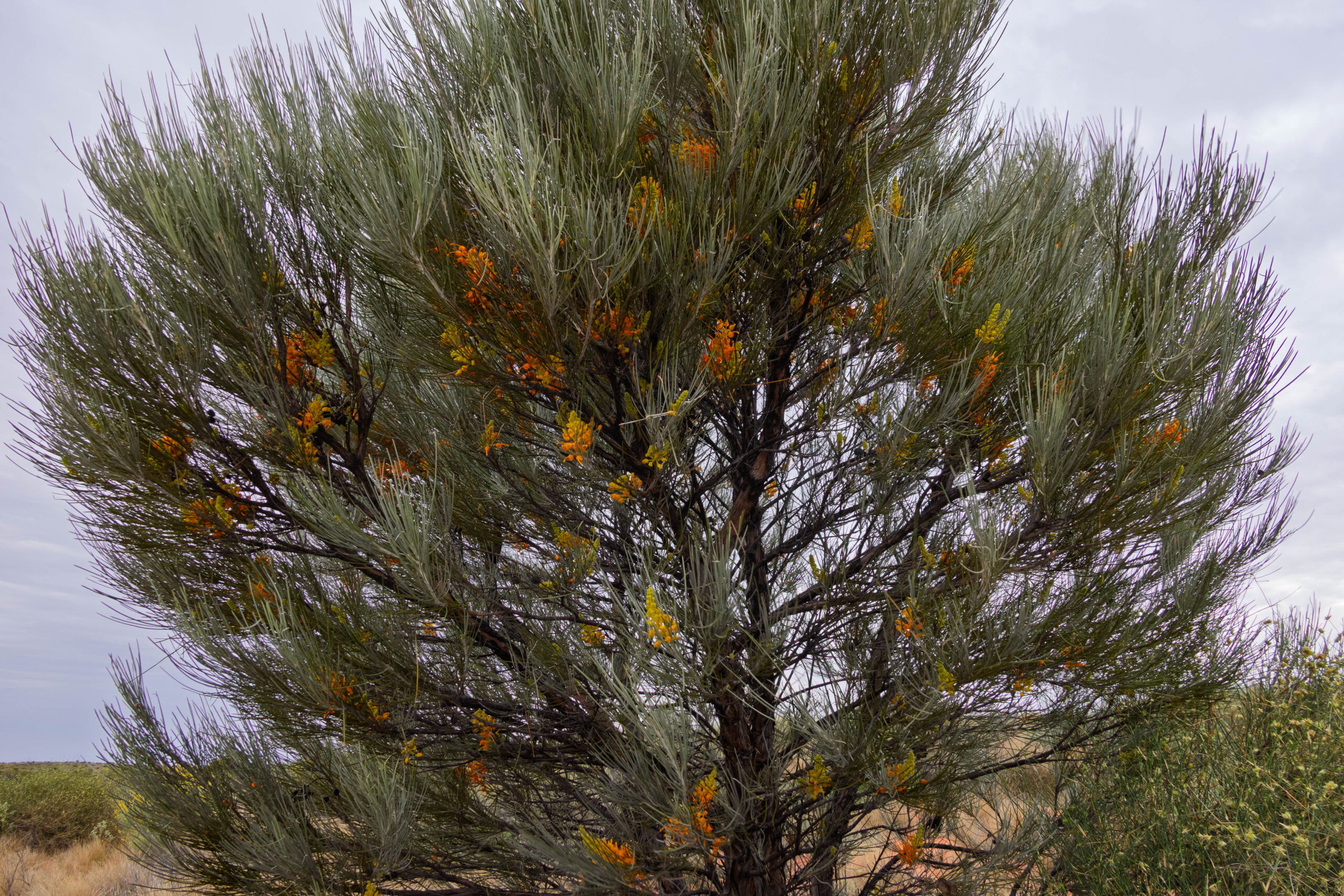
From here we turned back onto the Madigan Line, now heading east again towards the Queensland border. Phew, we left the rough old Hay River Track behind us to enjoy the relative smoothness of the Madigan Line. The scenery changed again as we travelled away from the Hay River. The thryptomenes had disappeared completely, but the acacias, grevilleas and other colourful ground cover plants continued to grace the landscape.
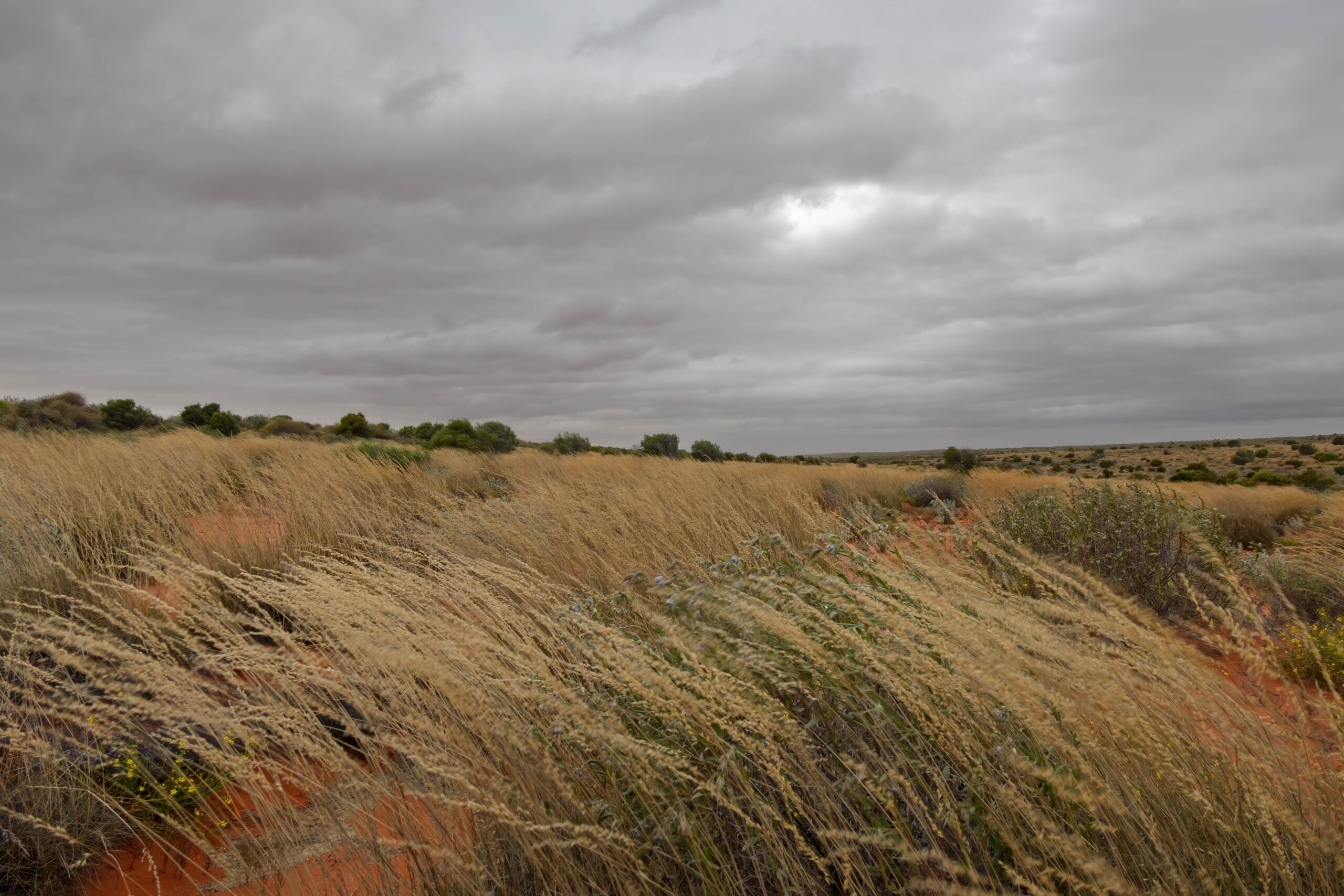
We made our lunch stop just short of the Queensland border at Madigan Camp 17. The cloud that kept the heat in last night has continued into today. Unfortunately we have also had a stiff breeze blowing all day. The wind made for a slightly unpleasant lunch stop with us trying to have a bite to eat without getting too much sand into our food. To keep out of the wind we resorted to spending much of the lunch break in the truck.
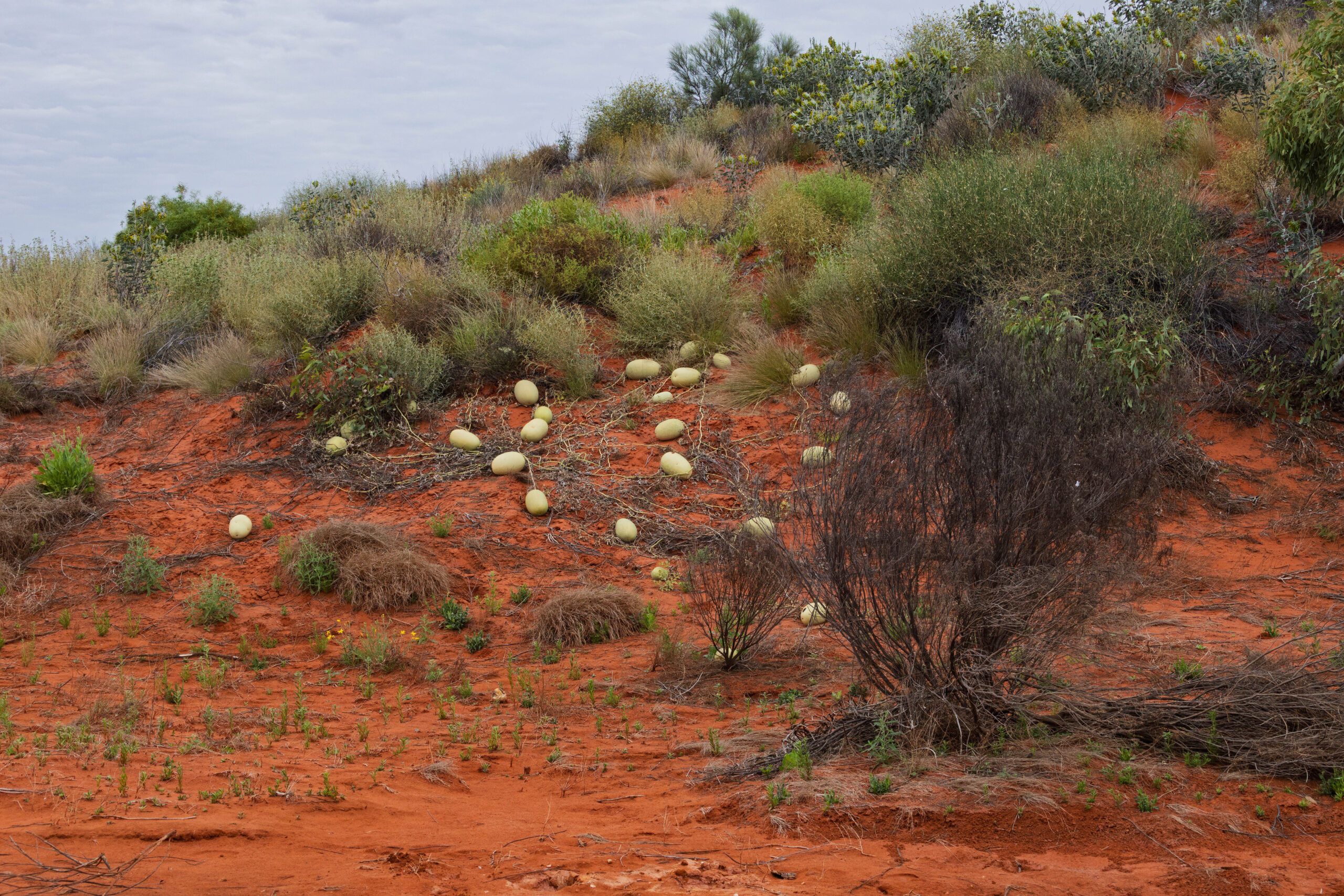
Back on the road, we crossed into Queensland at about 2.00pm and so, just like that, it was 2.30pm. Crossing the border saw us entering the Munga – Thirri National Park. This is Queensland’s largest national park, established to protect the sand dunes and the desert wildlife. At about 3.00pm, Lutz announced that we had crossed Dune 500. It is said (our Hema map has it printed on it!) that the Simpson Desert has more than 1,100 parallel sand dunes. If that is the case we still have more than 500 to traverse before we reach Birdsville. Whose total will be believe? The count reached by Lutz and Mal or the number printed on our map? Whatever the count, there has been a lot of driving up and over red humps of sand.
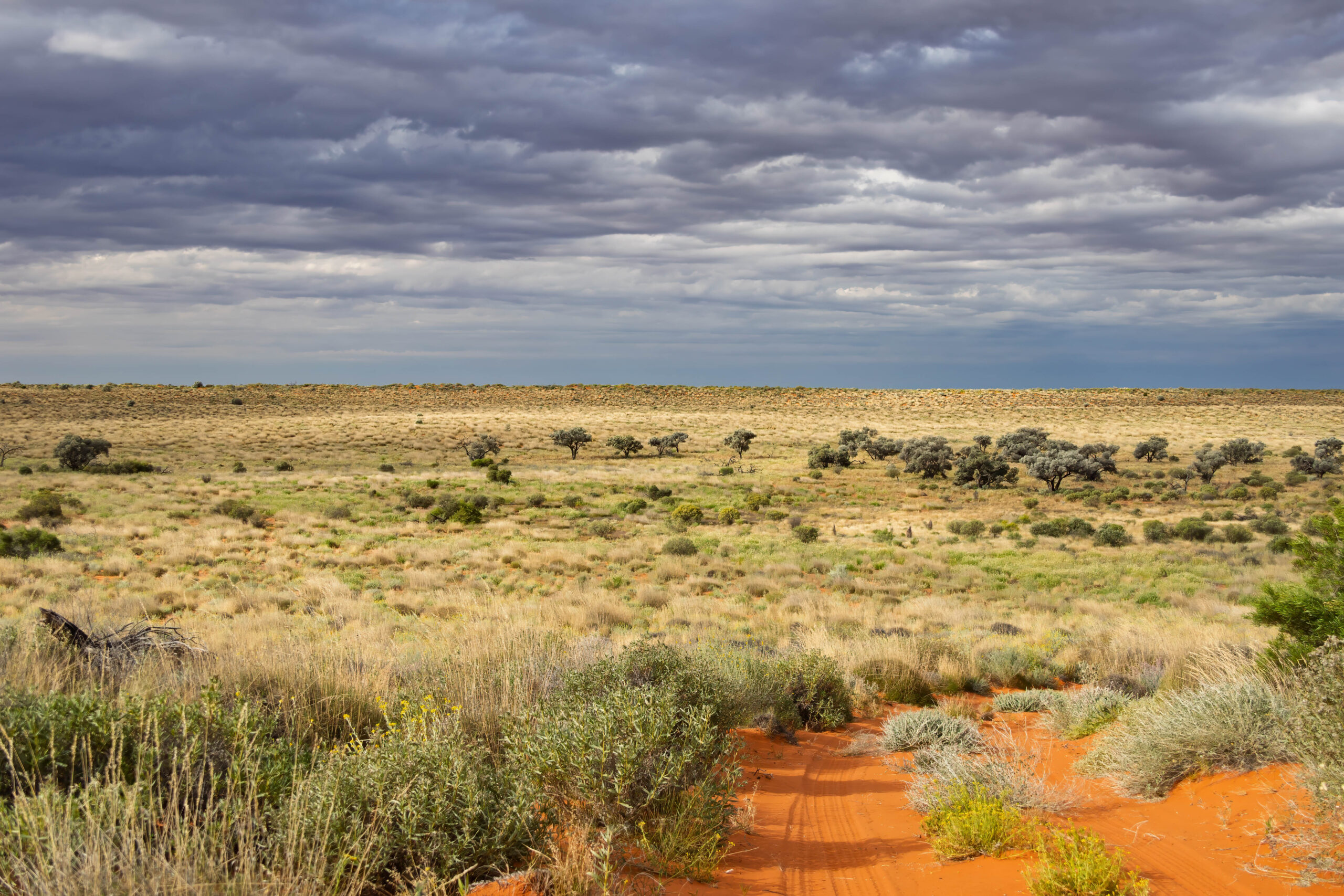
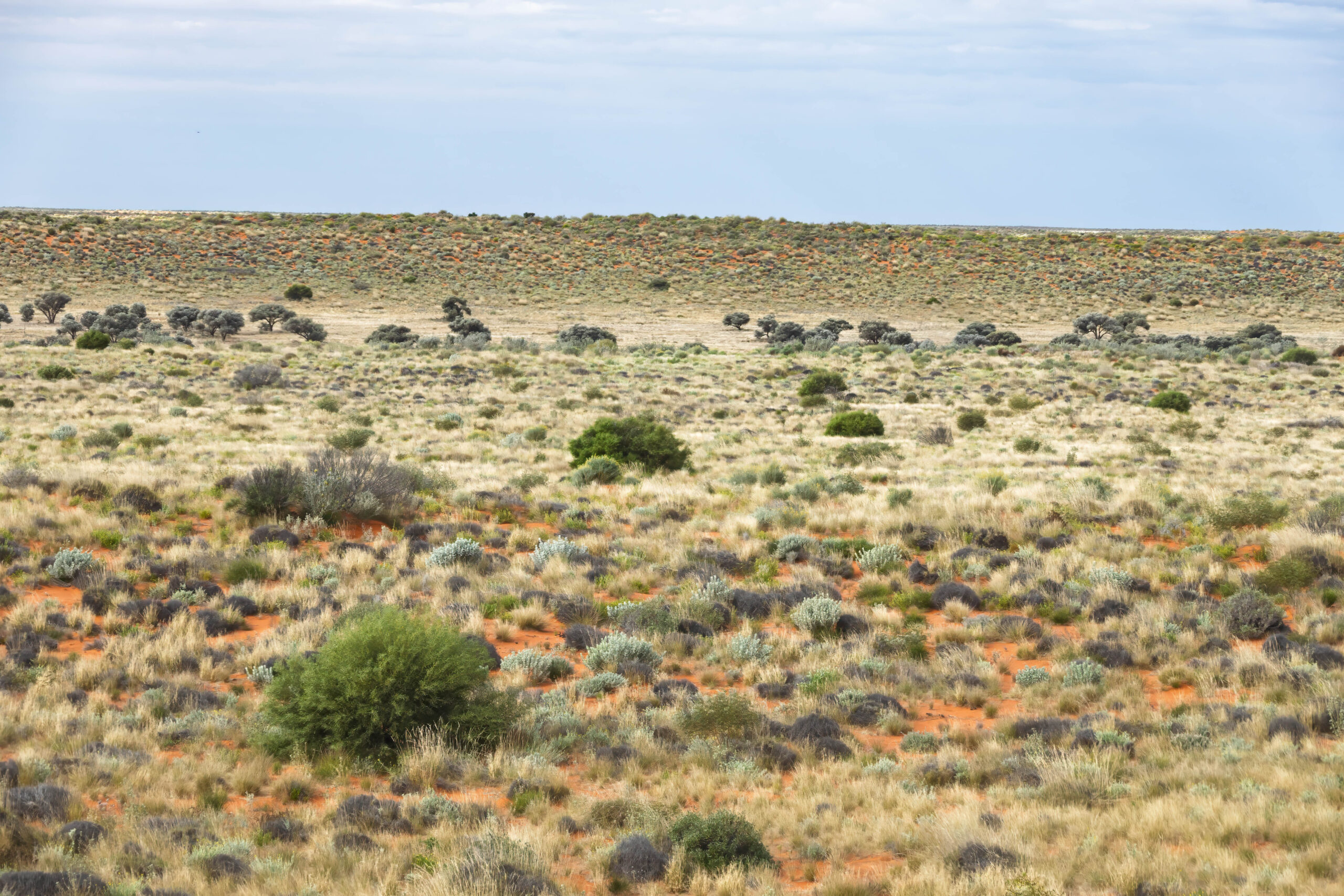
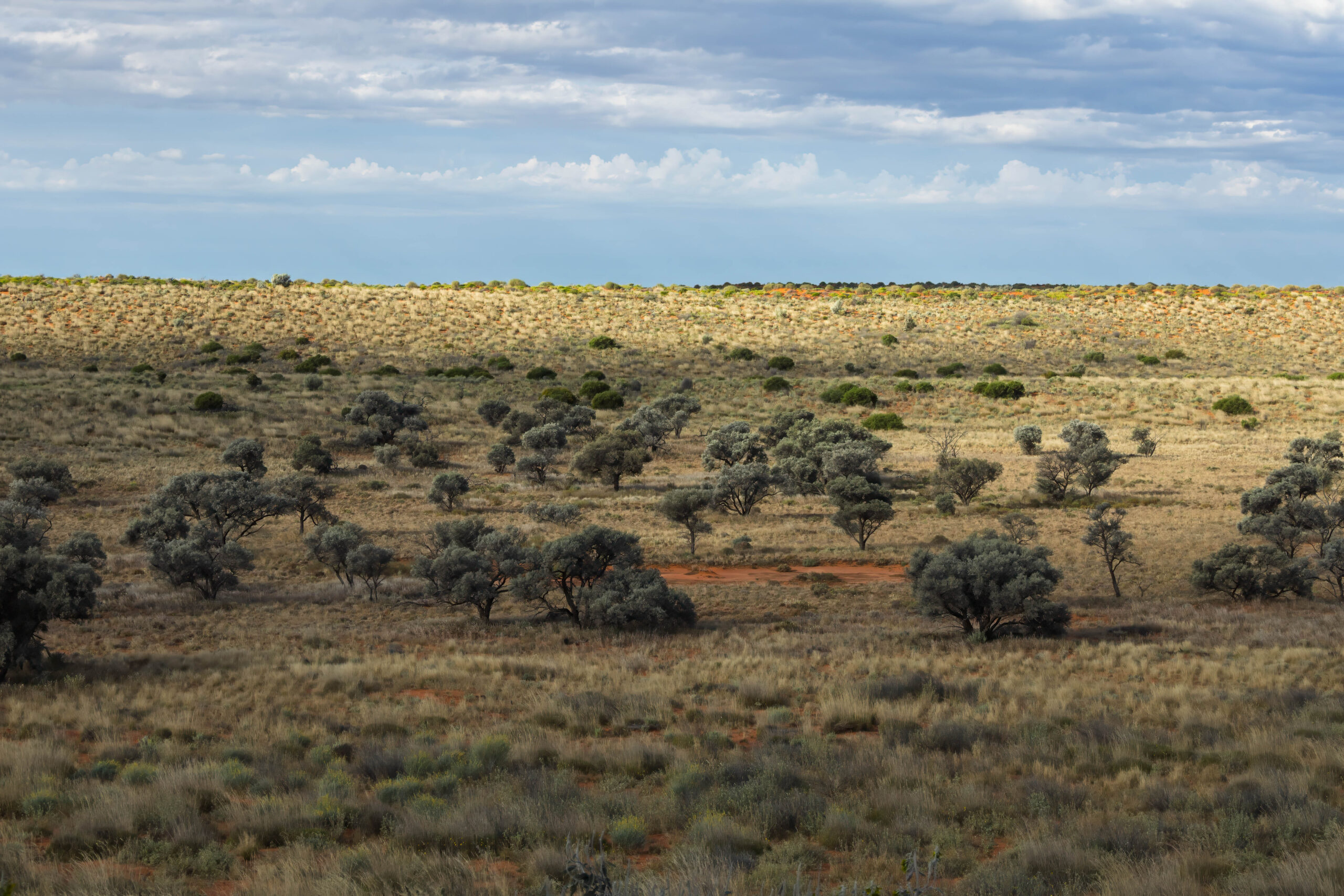
This afternoon the cloud finally started to clear and we had some amazing light shining into the swales as we came up and over the dunes. The light was especially dramatic shining onto the grey-green canopies of the gidgee trees clustered in most of the swales as we travelled further east. The desert has changed dramatically as we travelled from west to east. It continues to astonish just how incredibly lush and diverse the desert vegetation is.
Now heading south easterly again the way we crossed the dunes had changed. In the western part of the Simpson we were driving up and over the dunes, straight across the swales then up and over the next dune and so on and so on. With our heading today, it has been up and over a dune, then along the swale parallel to the dune, before tackling the next dune crossing.
Sumitting Dune 524, we made our descent and pulled into Madigan Camp 19, to make camp for this evening in a howling wind. John had hoped that we would be in the lee of the dune, but it was still pretty windy even with the truck turned to block the brunt of the wind. We decided not to put the fly on the swag, thinking that it would be too noisy flapping around all night.
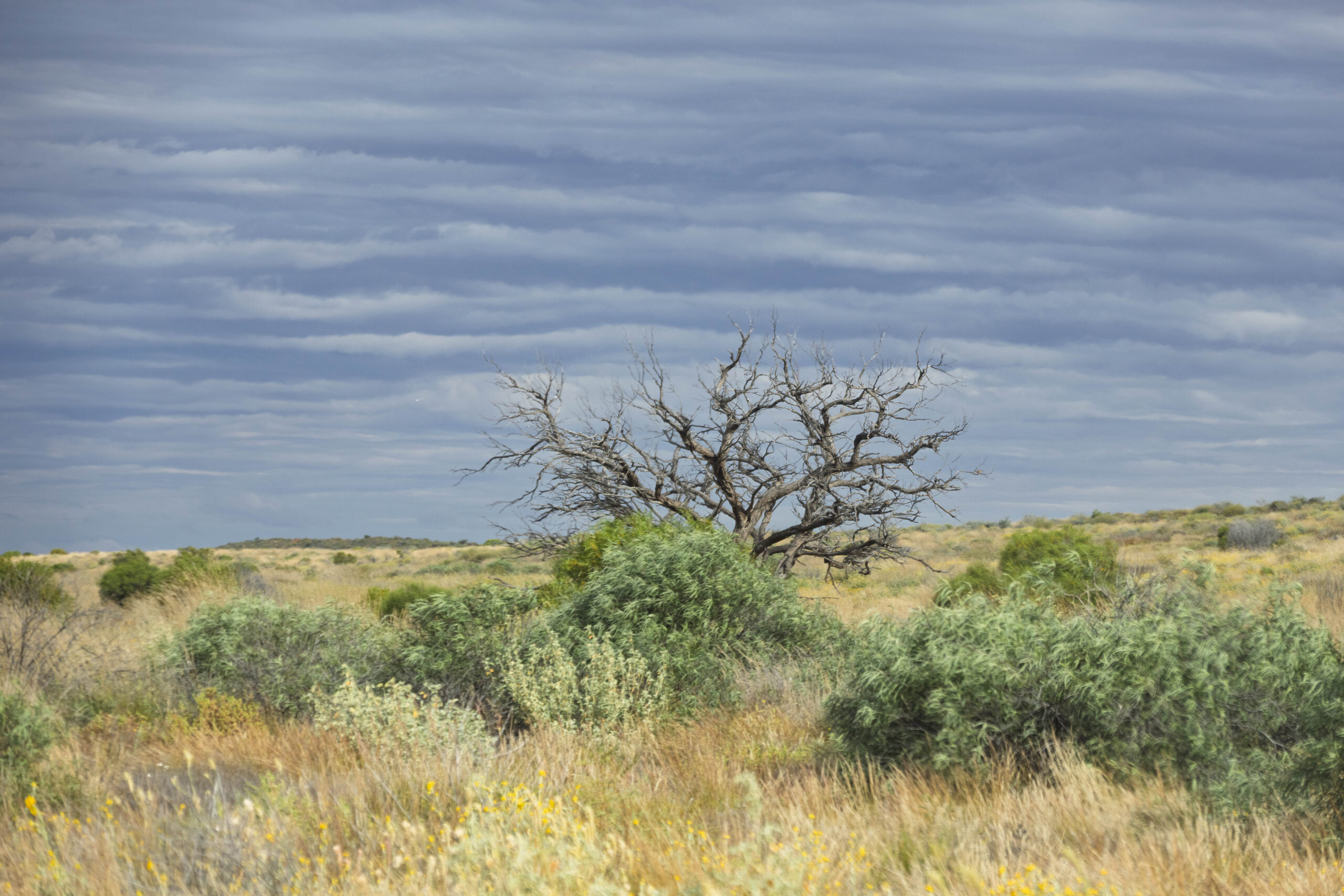
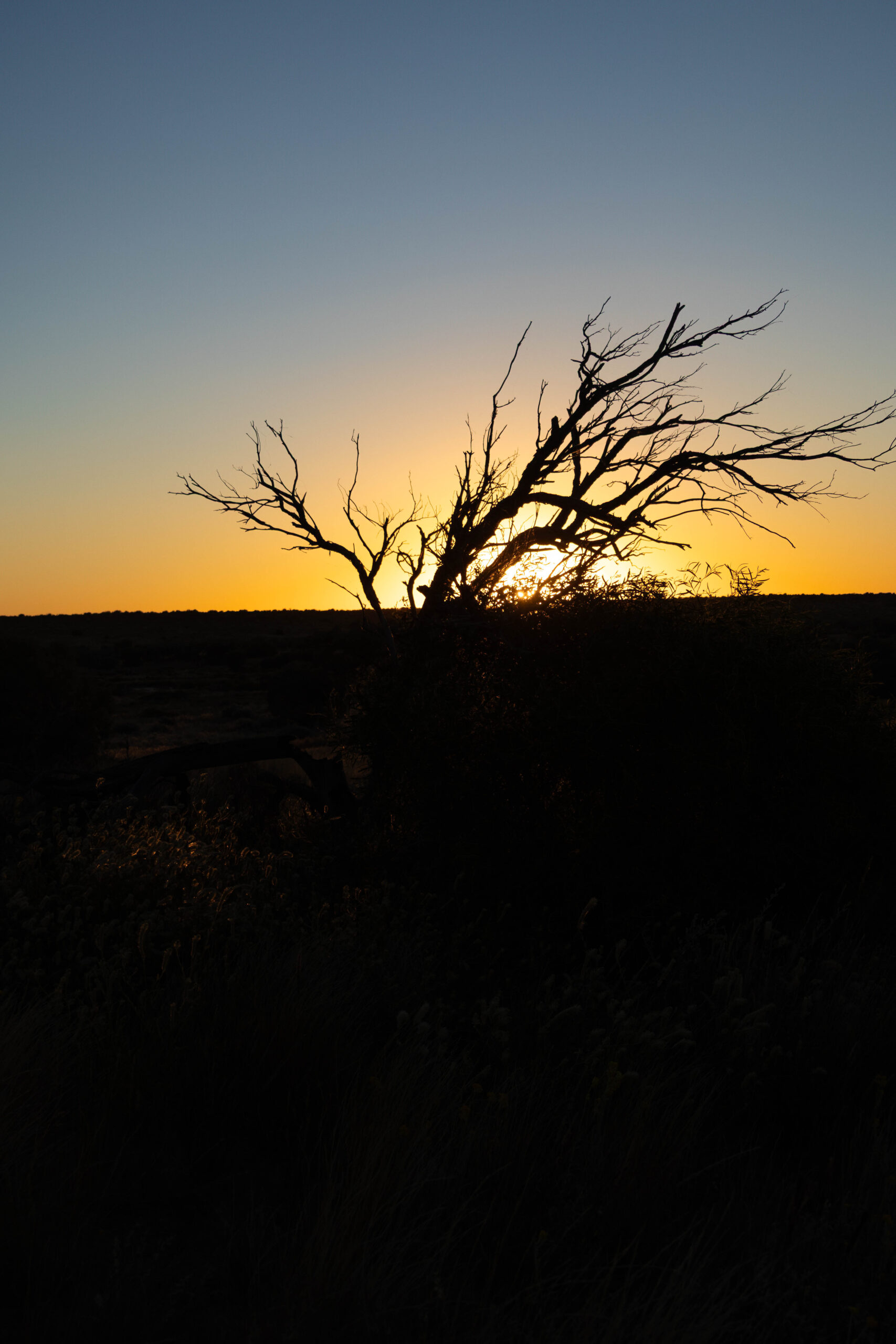
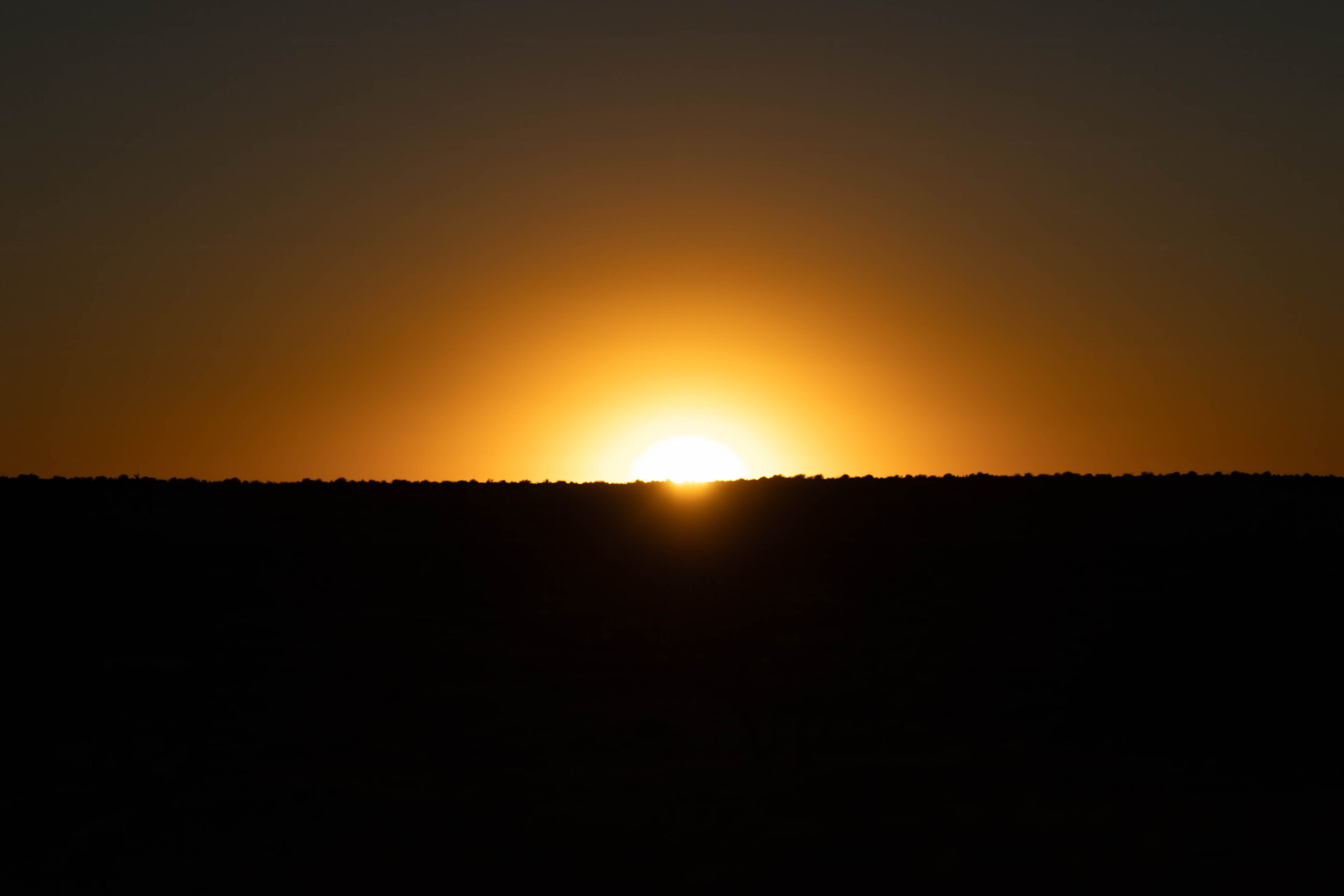
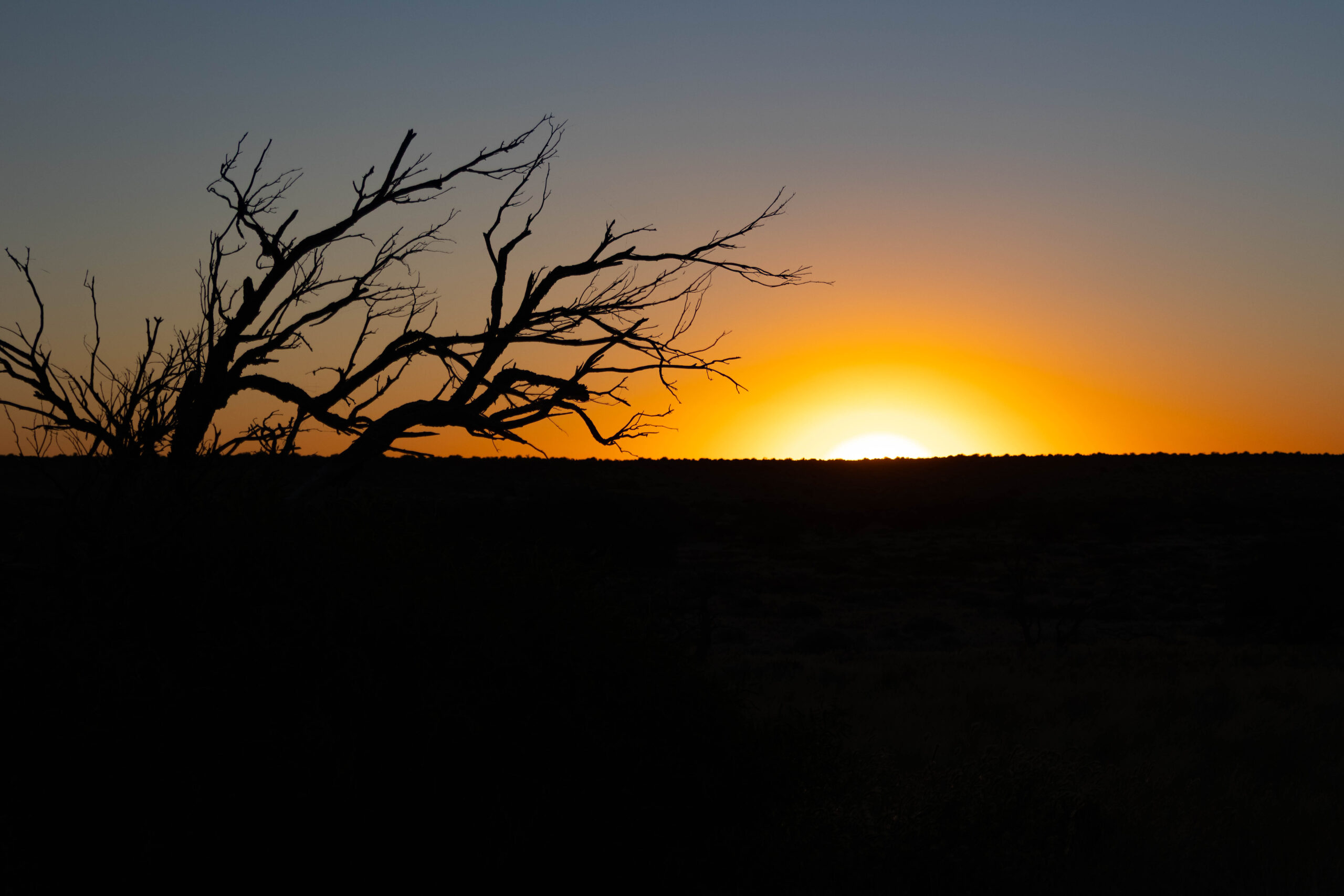
With the sun rapidly sinking below the ridge of Dune 524 I decided to hike back up to the top to see if I could see the sun set behind Dune 523. Yes, I was in time to watch the sun set behind the next dune to the west. I had to hike right down into the swale to try to find a gnarly old gidgee trees to silhouette against the glowing sky. I took a few shots with my camera and a few with my phone … and then my camera battery died! Tcht, I didn’t take a spare. Just as well I had already taken most of my shots when this happened.
Back at camp, John was demonstrating how you would undertake a recovery using a snatch strap with the young driver that we have along on this trip. Most of the guys and some of the girls were watching, so that they have the knowledge to store away for a time when they might need it. I guess it’s one of those things that it’s good to know but you hope that you don’t have to do it. Always best to stay out of trouble, but to be prepared with the equipment and the know how to use it if you have to.
We cooked some dinner with the gas stove sheltered as much as possible by the car. We managed to prep a pretty decent pan of fried rice for our meal tonight from onion, bacon and mixed veg that defrosted yesterday in the great freezer disaster, ha, ha. After eating we carried our chairs over to the campfire. In truth Bernie carried both chairs over because I was carrying my cup of tea and some biscuits.
While we sat around the campfire, John played a couple of Slim Dusty songs. The first one was ‘Where Country Is’, written about an old drover sitting by the door of the grand old Birdsville Pub with his gear and a faithful heeler dog, to get us in the mood for our arrival in Birdsville tomorrow. The second one was ‘By a Fire of Gidgee Coal’, which contrasts the comfortable luxury of city life with fond, longing memories of lonely campfires out in the Australian bush. This one was especially relevant as we sat around a campfire burning gidgee wood.
Hauling our chairs back to our campsite we were relieved to find that the wind has dropped. That was a plus. On the downside, the sky has cleared so the evening is nowhere near as mild as last night. In fact its FN freezing again tonight. Our fingers are going numb writing the travel blog and processing photos to go with it. We must be CRAZY!??
Camp 15 to Camp 19 – 82 kilometres